FEED LIVE · STREAMINGUMTALE.LAB/POSTS
Tag: Xiaomi
⌕⌘K
SORT

NEWS · GADGETS
Dozens of MIUI 12 beta firmwares released for Xiaomi and Redmi smartphones
Dozens of MIUI 12 beta builds are available for Xiaomi and Redmi devices. These are for Chinese models, contain bugs, and are only recommended for experienced users.
2 min// 001→

NEWS · GADGETS
Snapdragon 875-powered smartphones will be significantly more expensive than Snapdragon 865 devices
The Snapdragon 875 chip will reportedly be $100 more expensive than the 865. This could drive up the price of 2021 flagship smartphones, making 2020 models a better value.
1 min// 002→

NEWS · GADGETS
Xiaomi Mi A3 and Redmi Note 8 Pro finally get Android 10 update
After significant delays, Xiaomi Mi A3 and Redmi Note 8 Pro smartphones are now receiving their Android 10 updates. Xiaomi has begun rolling out the firmware.
1 min// 003→

NEWS · GADGETS
Xiaomi released Redmi K30 5G kernel source code
Xiaomi released the Redmi K30 5G's kernel source code, opening the door for custom ROMs that could boost performance and refine the interface.
1 min// 004→

NEWS · GADGETS
Xiaomi unveils Mi 10: 90Hz screen, 108-megapixel camera, and top-tier Snapdragon 865 processor
The Xiaomi Mi 10 packs a flagship Snapdragon 865, a 90Hz display, a 108-megapixel camera, a 4780 mAh battery, and 5G support.
1 min// 005→

NEWS · GADGETS
Xiaomi Mi 10 to feature 12GB of LPDDR5 RAM from Micron
The Xiaomi Mi 10 will pack 12GB of Micron LPDDR5 RAM. These are the world's first LPDDR5 DRAM chips, offering higher speeds and better power efficiency than LPDDR4X.
1 min// 006→
NEWS · GADGETS
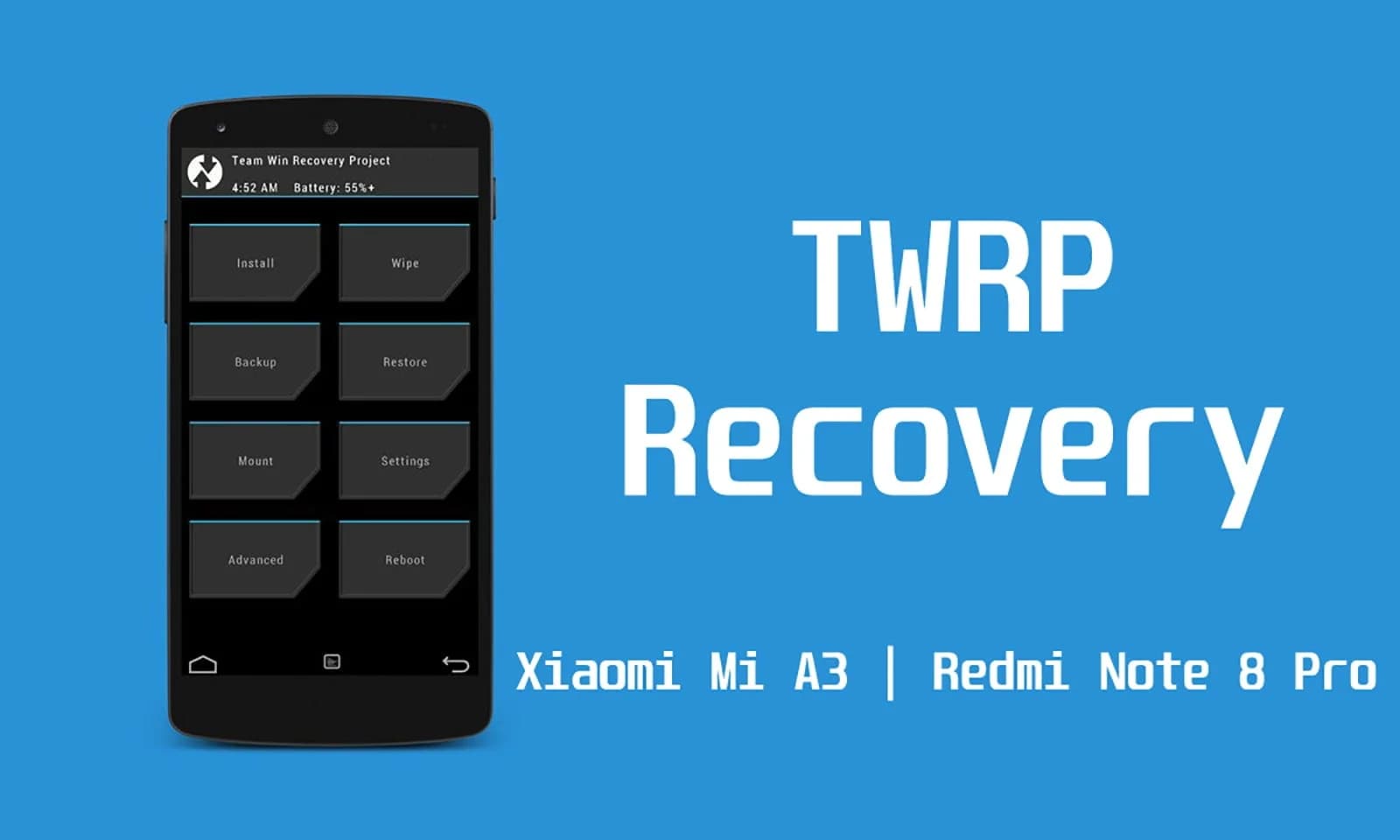
TWRP officially available for Xiaomi Mi A3 and Redmi Note 8 Pro
TWRP is now officially available for the Xiaomi Mi A3 and Redmi Note 8 Pro. The Mi A3 requires specific installation instructions, while the Redmi Note 8 Pro carries a significant risk of 'bricking'.
1 min// 007→

NEWS · GADGETS
Preliminary list of Xiaomi smartphones to receive MIUI 12 firmware published
A preliminary list of Xiaomi smartphones set to receive MIUI 12 in the second half of 2020 has been published. Some models, like the Redmi 5A and Mi A-series, won't get the update.
2 min// 008→

NEWS · GADGETS
Xiaomi Mi A2 finally gets official Android 10 firmware
The Xiaomi Mi A2 smartphone finally receives its official Android 10 firmware. The update arrived late, contains some bugs, and is rolling out gradually.
2 min// 009→

NEWS · GADGETS
Android 10 kernel source codes released for Xiaomi Mi A3 and Mi A2
Xiaomi has released the Android 10 kernel source codes for the Mi A3 and Mi A2. The official update is coming soon, though exact dates are still unannounced.
1 min// 010→

NEWS · GADGETS
Five more Xiaomi phones in China are getting Android 10 updates
Xiaomi has started rolling out Android 10 to five of its phones in China, including the Redmi Note 8 Pro and Mi Mix 3. Stable versions are expected by the end of Q1 2020.
1 min// 011→

NEWS · GADGETS
Xiaomi resumes work on creating its own SOCs for its devices
Xiaomi revives in-house chip development to cut reliance on external suppliers & costs, strategically investing in VeriSilicon. A bold step towards independence!
1 min// 012→