TESTS · CPU · INTEL
PUBLISHED
READING5 min
Intel Xeon E5506 processor: quick test
A quick review of the Intel Xeon E5506 processor. We explore its specs, price, low TDP, and its suitability for a file server. We also evaluate its performance in benchmarks and games.
This article is part of our November benchmark session and, ideally, should have been included in the article on Xeon X3450, X3470, and X5570 chips. However, since that CPU article became quite extensive, we decided to make the Xeon E5506 tests a separate express piece. And the Xeon E5506 isn't the last CPU we tested in November... but that's a story for another time.
The reasons for buying such an inexpensive chip are simple: its low TDP, its obvious price, and its extremely modest cooling requirements.
So why buy it? Good question. The answer is simple: to set up a small file server and, of course, to run some benchmarks alongside that. Honestly, looking at its specs, it's hard to imagine this processor delivering even a basic level of performance in our tests.
The processor
 ⤢ ВІДКРИТИ
 ⤢ ВІДКРИТИ
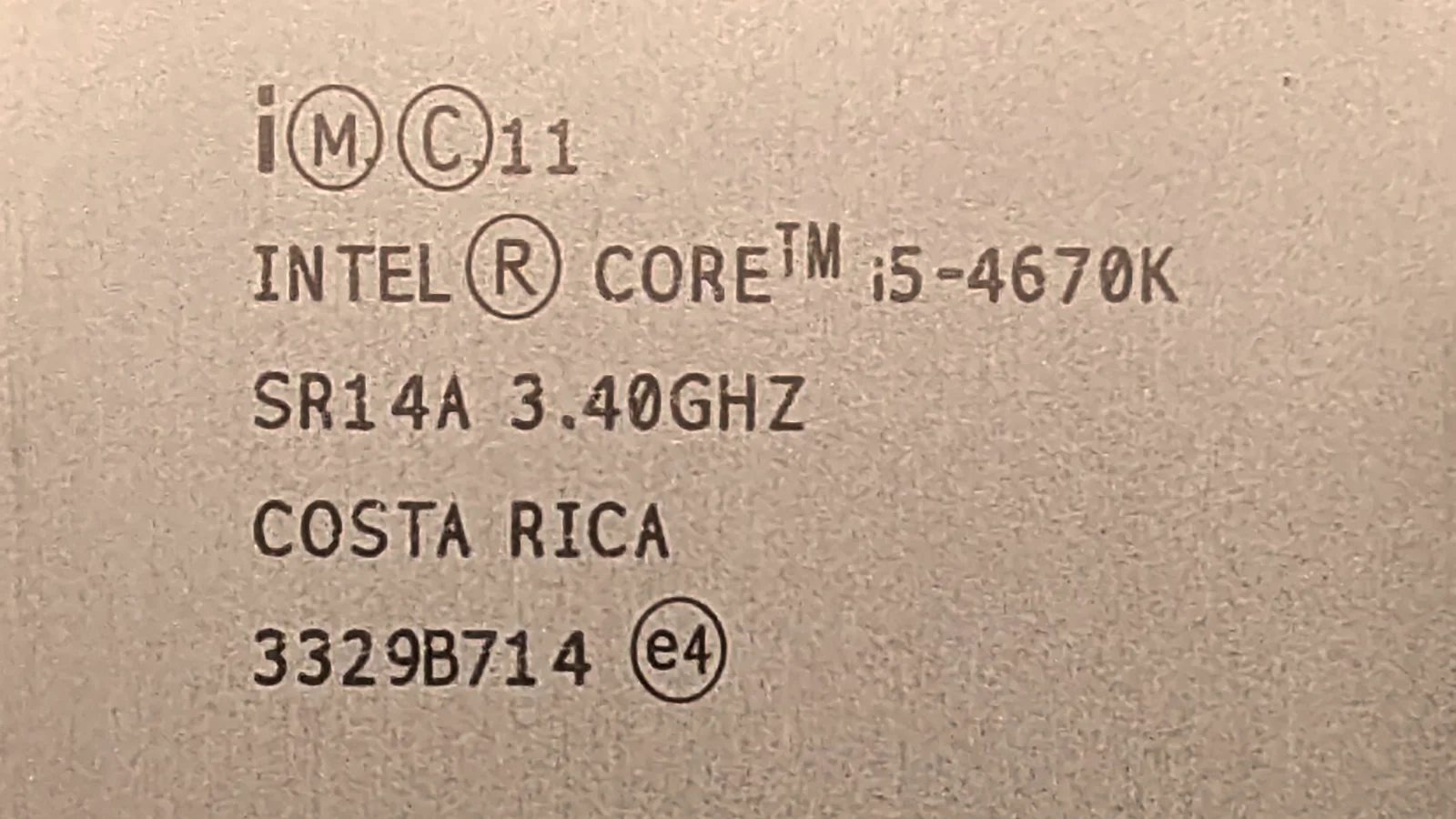
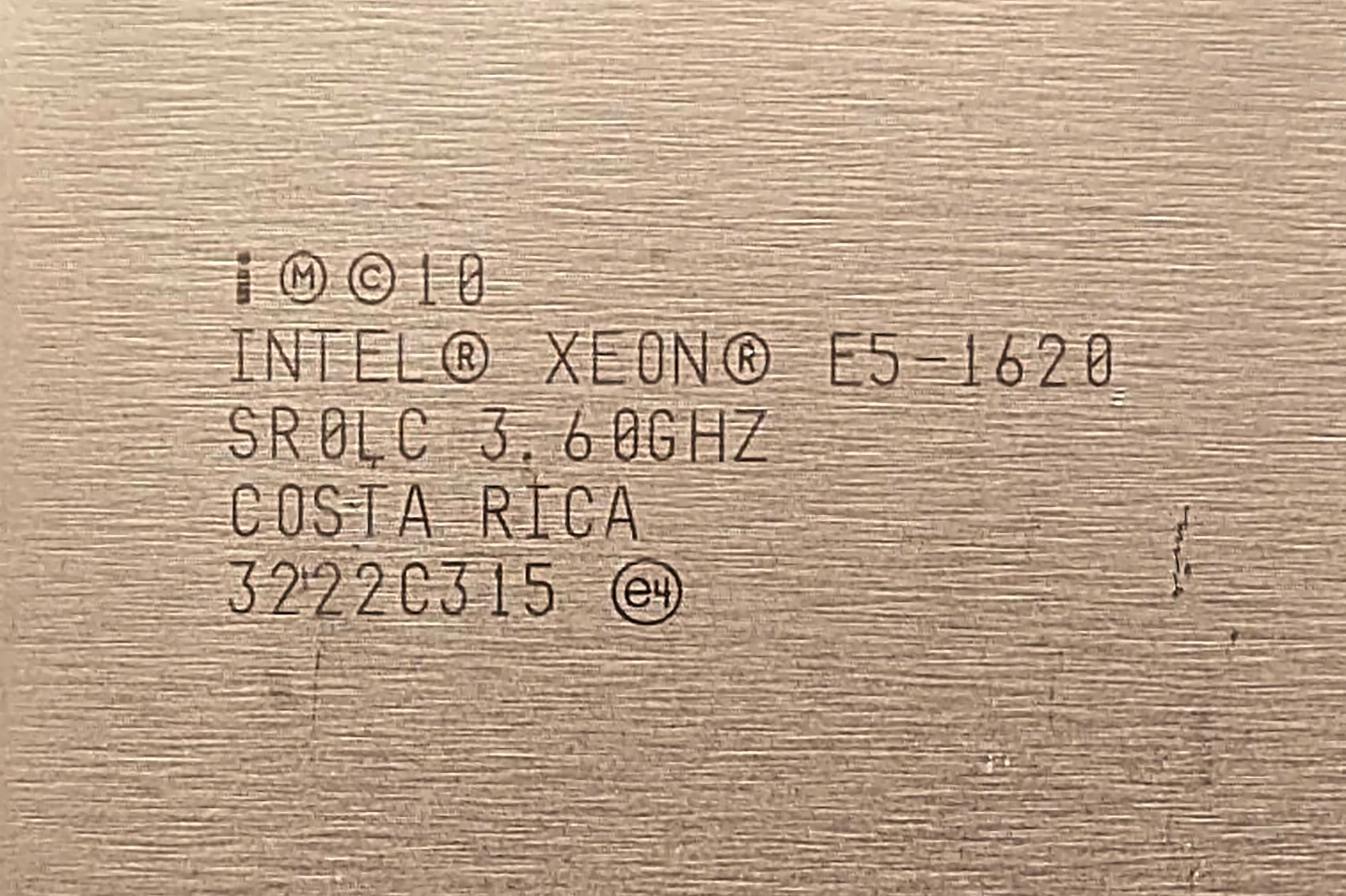
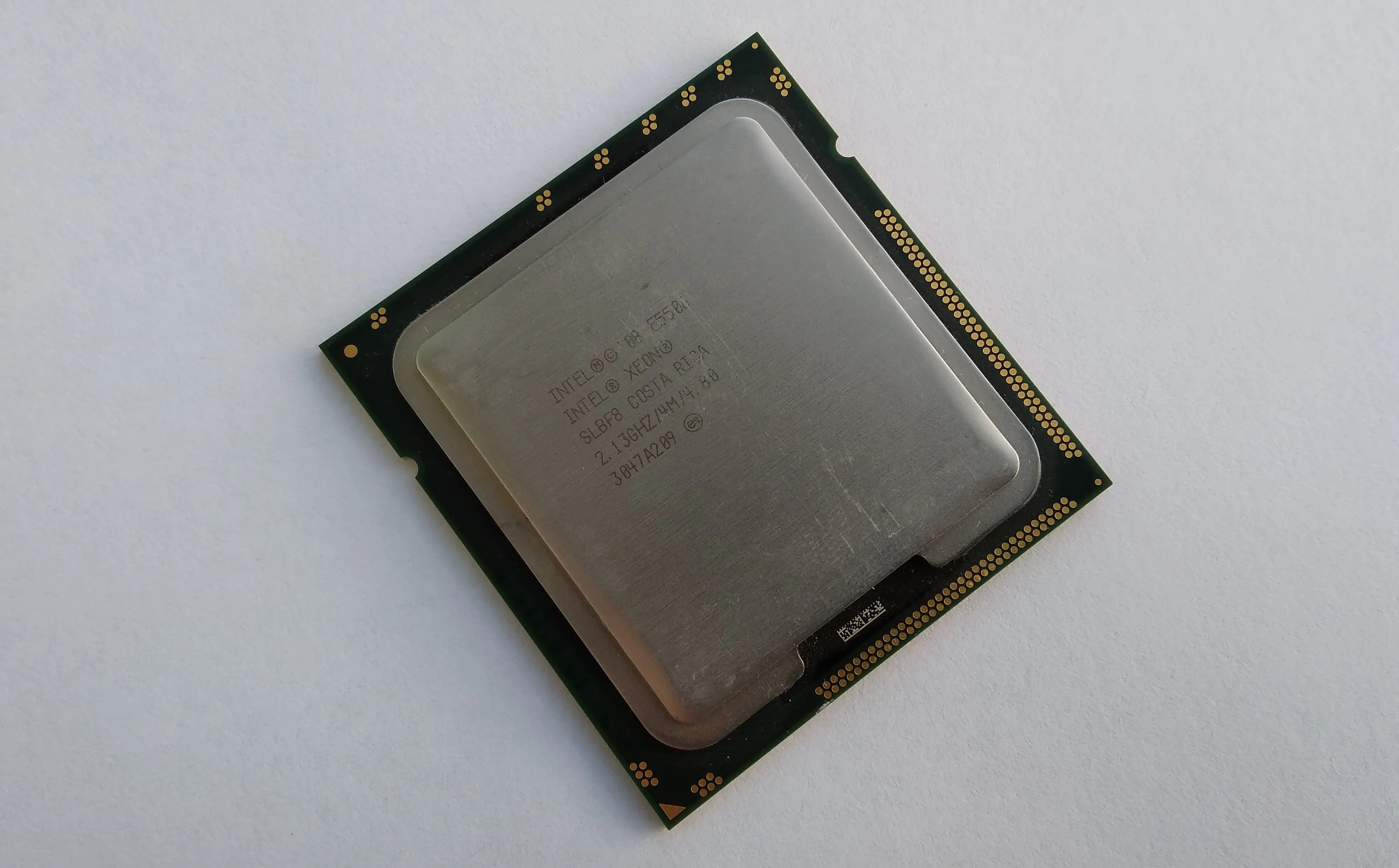
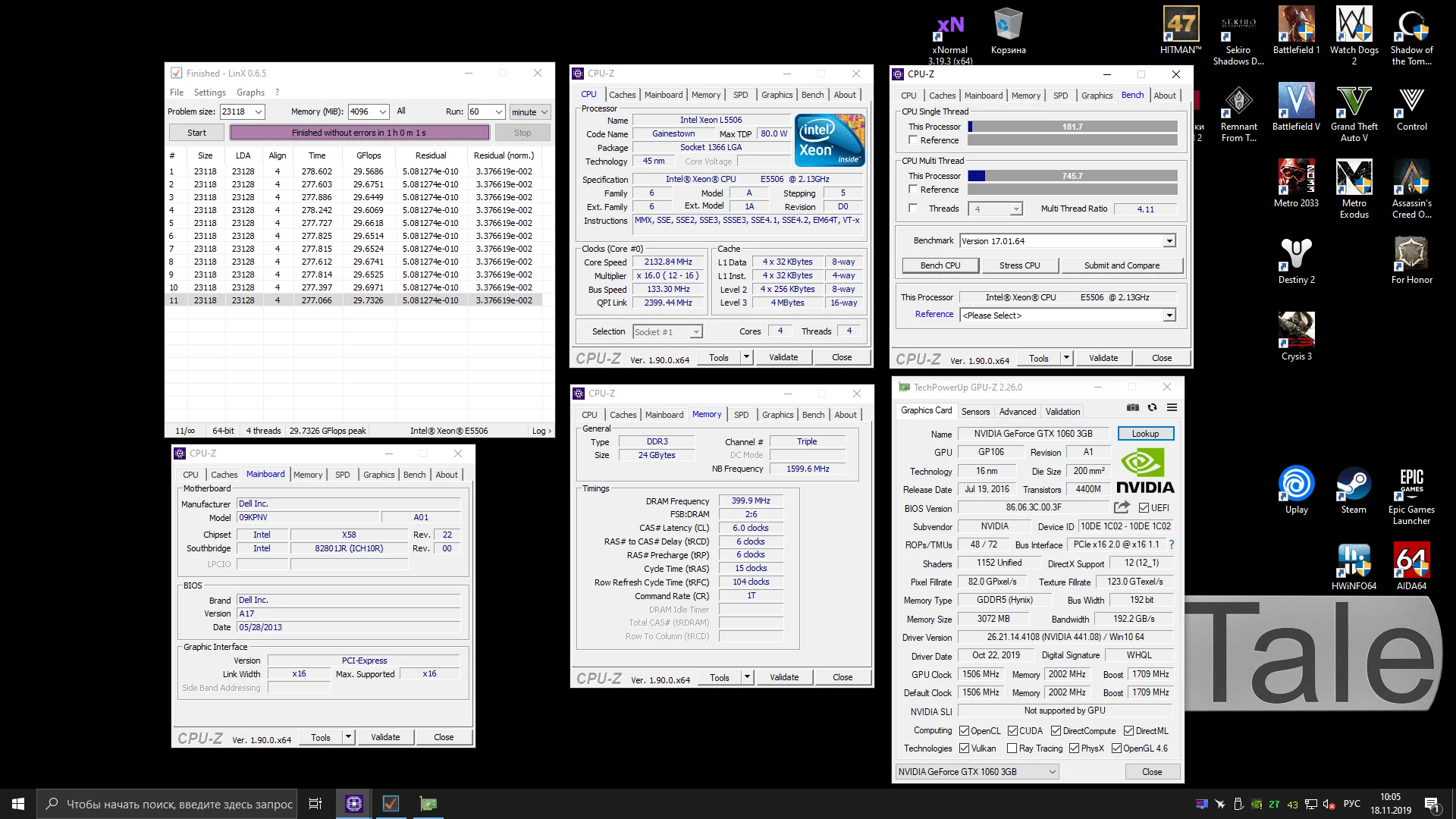
A notable feature of the Xeon E5506 is that even CPU-z struggles to identify whether it's the E5506 itself or its more economical sibling, the Xeon L5506.
In practice, this doesn't really matter, as both CPUs have roughly the same 65-watt thermal package. Officially, the E5506 is an 80-watt chip, while the L5506 is 60 watts.
Otherwise, CPU-z's confusion is entirely justified, as both the Xeon E5506 and L5506 are based on the 45-nanometer Gainestown core. The chip features a rather small 4MB L3 cache, and its clock speed, along with the memory controller frequency, is a dismayingly low 1600MHz. Thankfully, the E5506's memory controller remains triple-channel, but the supported DDR3 frequency drops to just 800MHz. On the plus side, it has a relatively high throttling temperature threshold of 76 degrees Celsius.
Summing up the processor's characteristics, it's clear: the Xeon E5506 is cut back on almost all fronts, and quite severely in places. However, this decision allowed Intel to fit a rather hot, 45-nanometer Nehalem architecture processor into a fairly agreeable TDP.
Processor | Xeon X5660 | Core i5-2500K | Xeon X5570 | Xeon E5506 | Xeon X3450 | Xeon X3470 |
Socket | LGA 1366 | LGA 1155 | LGA 1366 | LGA 1366 | LGA 1156 | LGA 1156 |
Base clock | 2800МГц | 3300МГц | 2933МГц | 2133МГц | 2667МГц | 2933МГц |
Max clock | 3200МГц | 3700МГц | 3325МГц | 2133МГц | 3200МГц | 3600МГц |
Max all-core frequency | 3066МГц | 3400МГц | 3200МГц | 2133МГц | 2800МГц | 3200МГц |
Number of cores | 6 | 4 | 4 | 4 | 4 | 4 |
Number of threads | 12 | 4 | 8 | 4 | 8 | 8 |
Process tech | 32нм | 32нм | 45нм | 45нм | 45нм | 45нм |
L2 cache (per core) | 256КБ | 256КБ | 256КБ | 256КБ | 256КБ | 256КБ |
L3 cache (total) | 12МБ | 6МБ | 8МБ | 4МБ | 8МБ | 8МБ |
L3/MC frequency | 2666МГц | Linked to core frequency | 2666МГц | 1600МГц | 2133МГц | 2400МГц |
TDP | 95 watts | 95 watts | 95 watts | 80 watts | 95 watts | 95 watts |
Memory controller | 3-channel | 2-channel | 3-channel | 3-channel | 2-channel | 2-channel |
Test setup:
Processors — Xeon E5506, Xeon X3450, Xeon X3470, Xeon X5570, Xeon X5660, and Core i5-2500K
Cooling — Cooler Master Hyper 212 Black Edition (RR-212S-20PK-R1)
RAM for LGA 1366 — 3x 8GB HyperX Genesis Na’Vi Edition (KHX16C9C2K2/8) for a total of 24GB
RAM for LGA 1155 — 2x 8GB HyperX Genesis Na’Vi Edition (KHX16C9C2K2/8) for a total of 16GB
RAM for LGA 1156 — 2x 8GB HyperX Genesis Na’Vi Edition (KHX16C9C2K2/8) for a total of 16GB
Motherboard LGA 1366 — DELL T3500 (09KPNV)
Motherboard LGA 1155 — Gigabyte GA-Z68P-DS3 (rev. 2.0)
Motherboard LGA 1156 — Gigabyte H55M-USB3
Graphics card — Palit GeForce GTX 1060 DUAL 3GB (1506/1709/8000MHz, Power Limit 115%)
SSD — KINGSTON 120GB SA400S37120G (Windows 10 1903/Programs)
HDD — Seagate 2TB ST2000DM008-2FR102 (Games)
Power supply — Chieftec GPS-1250C
Software:
Windows 10 Pro v1903 x64
CPU-z v1.90.0 x64
AIDA64 v6.10.5200
NVIDIA GeForce Game Ready Driver 441.08 WHQL
V-Ray Benchmark v4.10.03
Corona Benchmark v1.3
Cinebench R15.38
Cinebench R20.060
xNormal 3.19.3.39669 x64 (NM Map smoothing x4, AO Map smoothing x1)
HWBot x265 Benchmark v2.0.0
WinRar v5.8 Beta 2 x64
7-Zip v19.0 x64
Application benchmarks
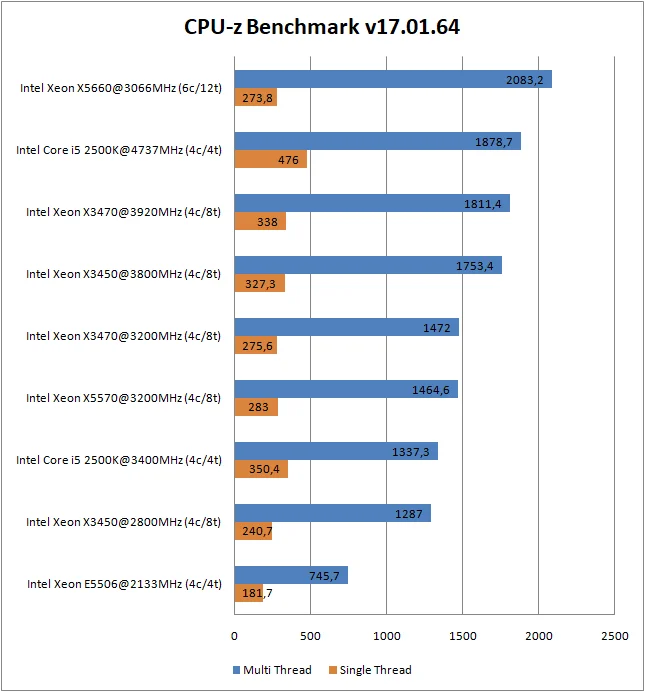
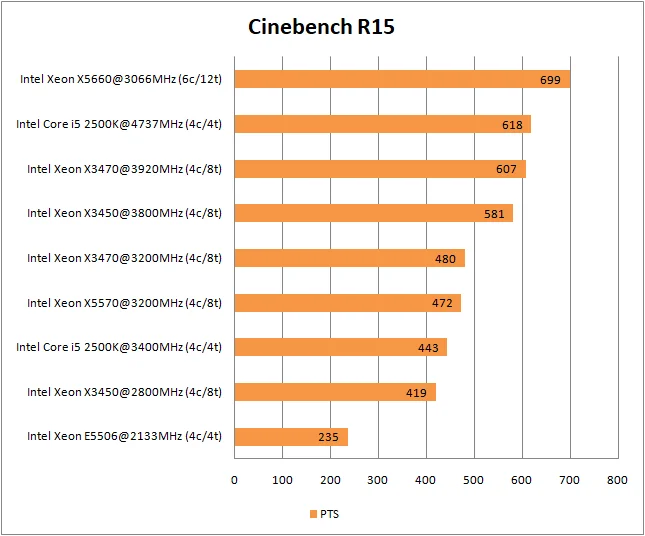
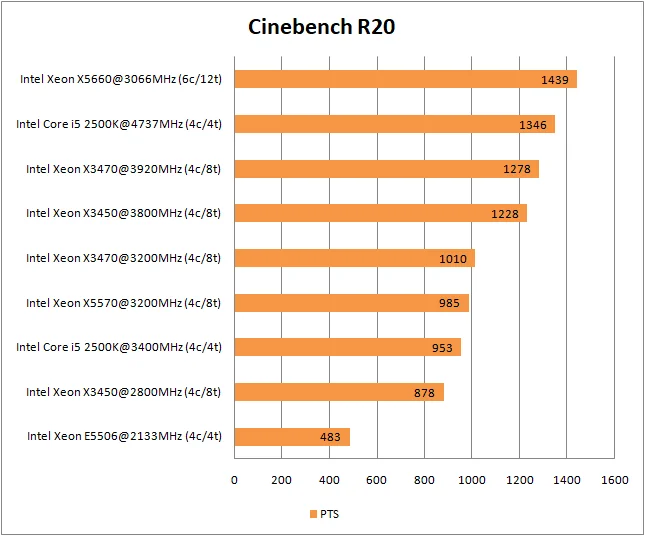
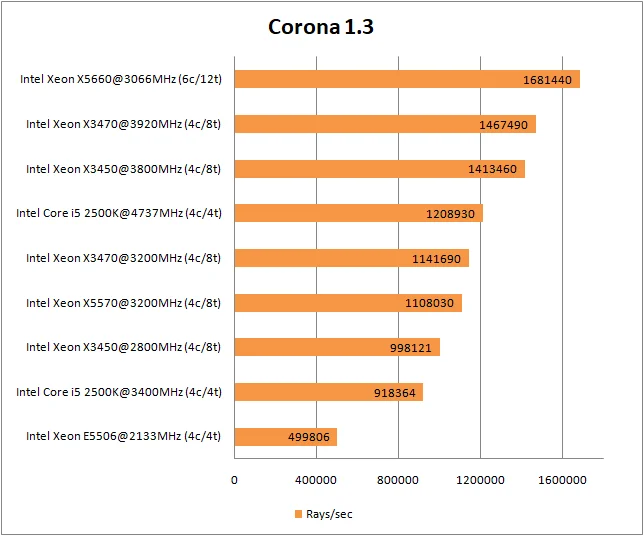
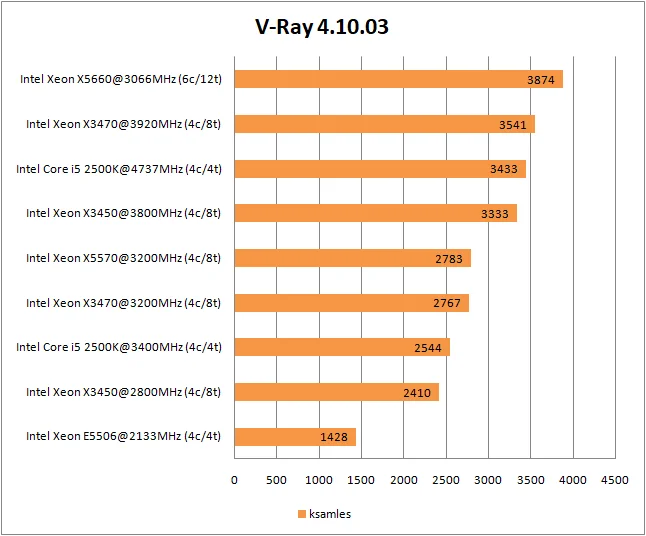
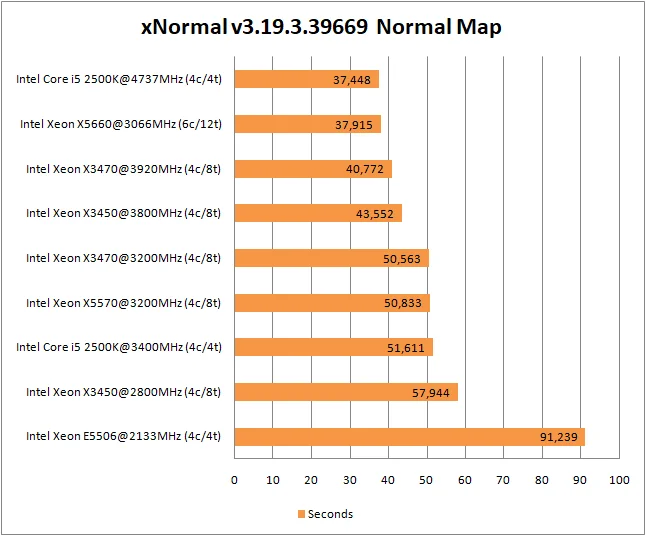
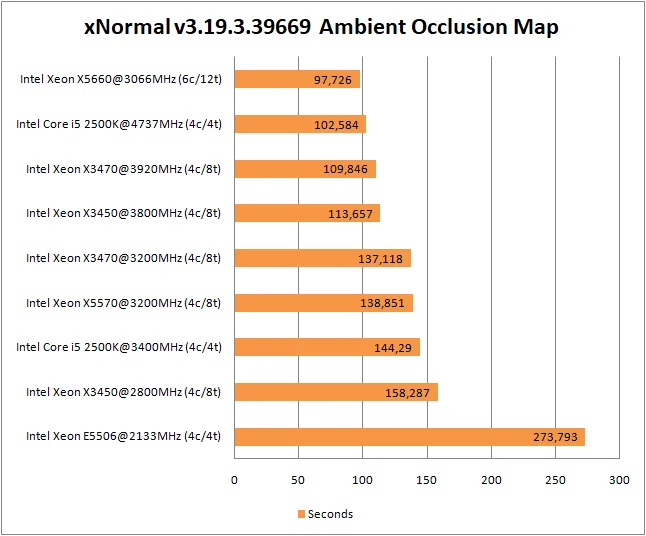
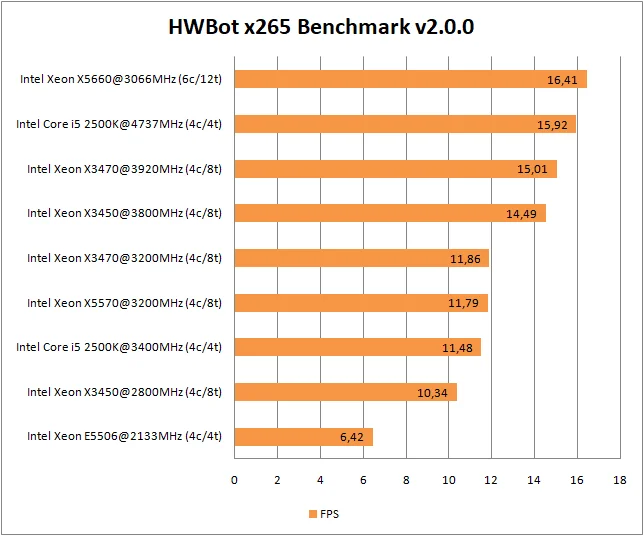
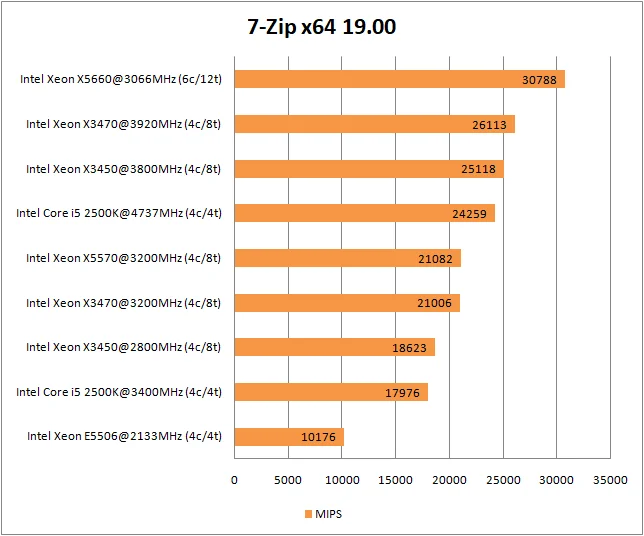
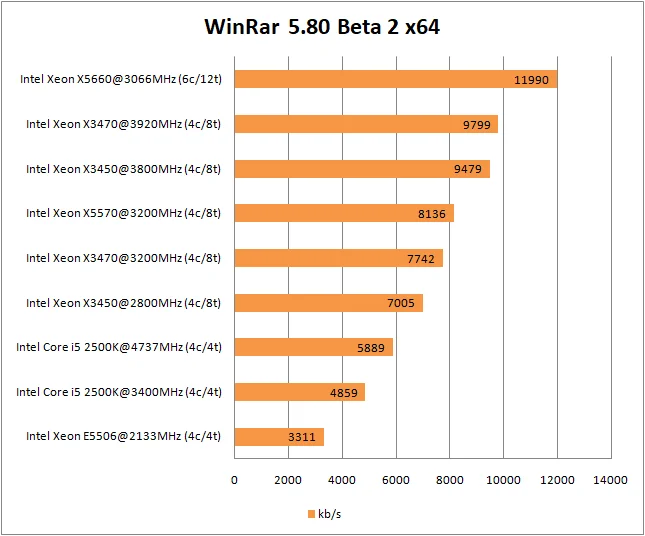
There's no practical point in commenting on these tests; the charts speak for themselves. Enjoy the data:
Overall performance
 ⤢ ВІДКРИТИ
Rendering, synthetic
 ⤢ ВІДКРИТИ
 ⤢ ВІДКРИТИ
Rendering
 ⤢ ВІДКРИТИ
 ⤢ ВІДКРИТИ
 ⤢ ВІДКРИТИ
 ⤢ ВІДКРИТИ
Video encoding
 ⤢ ВІДКРИТИ
Archiving
 ⤢ ВІДКРИТИ
 ⤢ ВІДКРИТИ
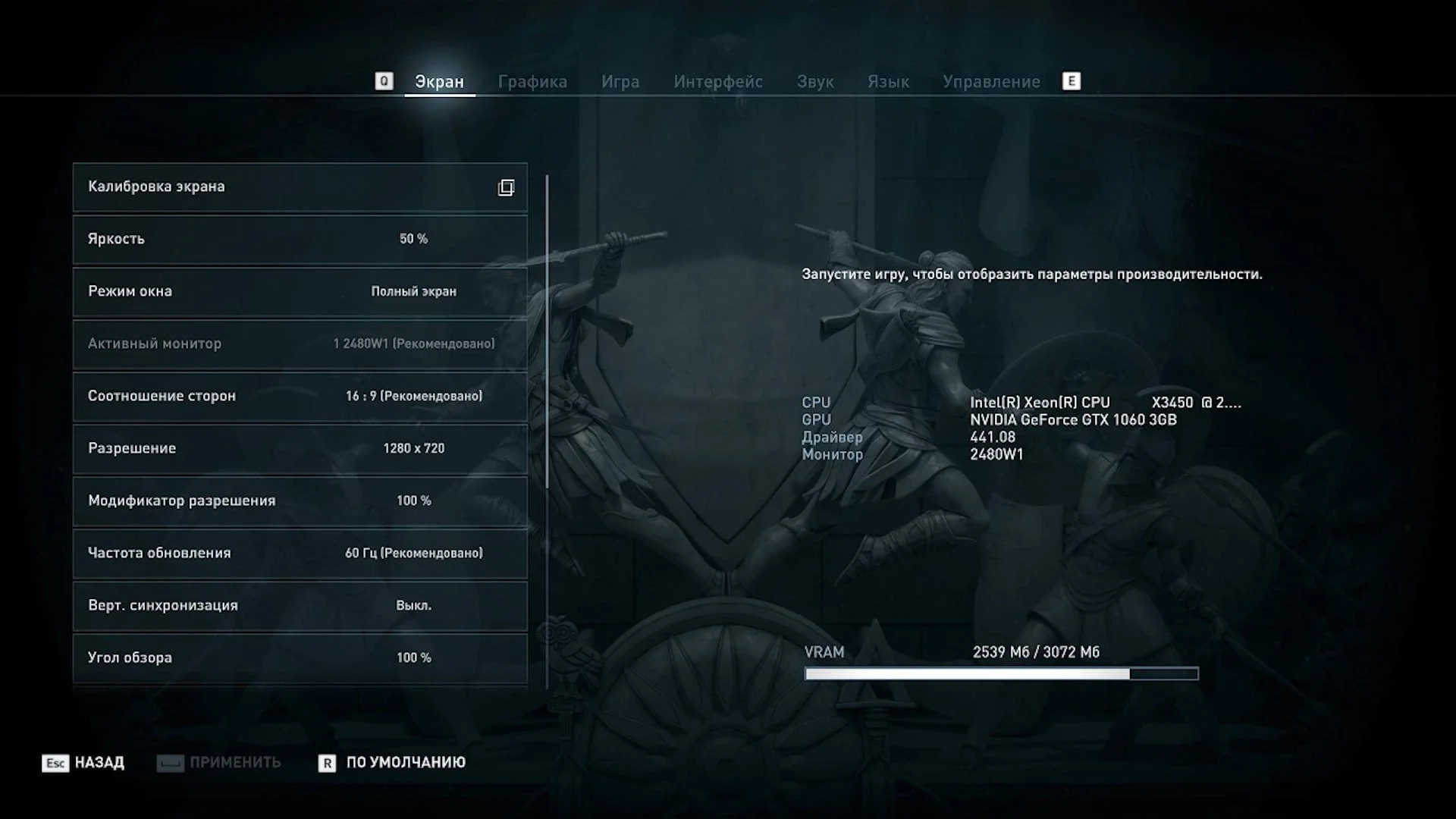
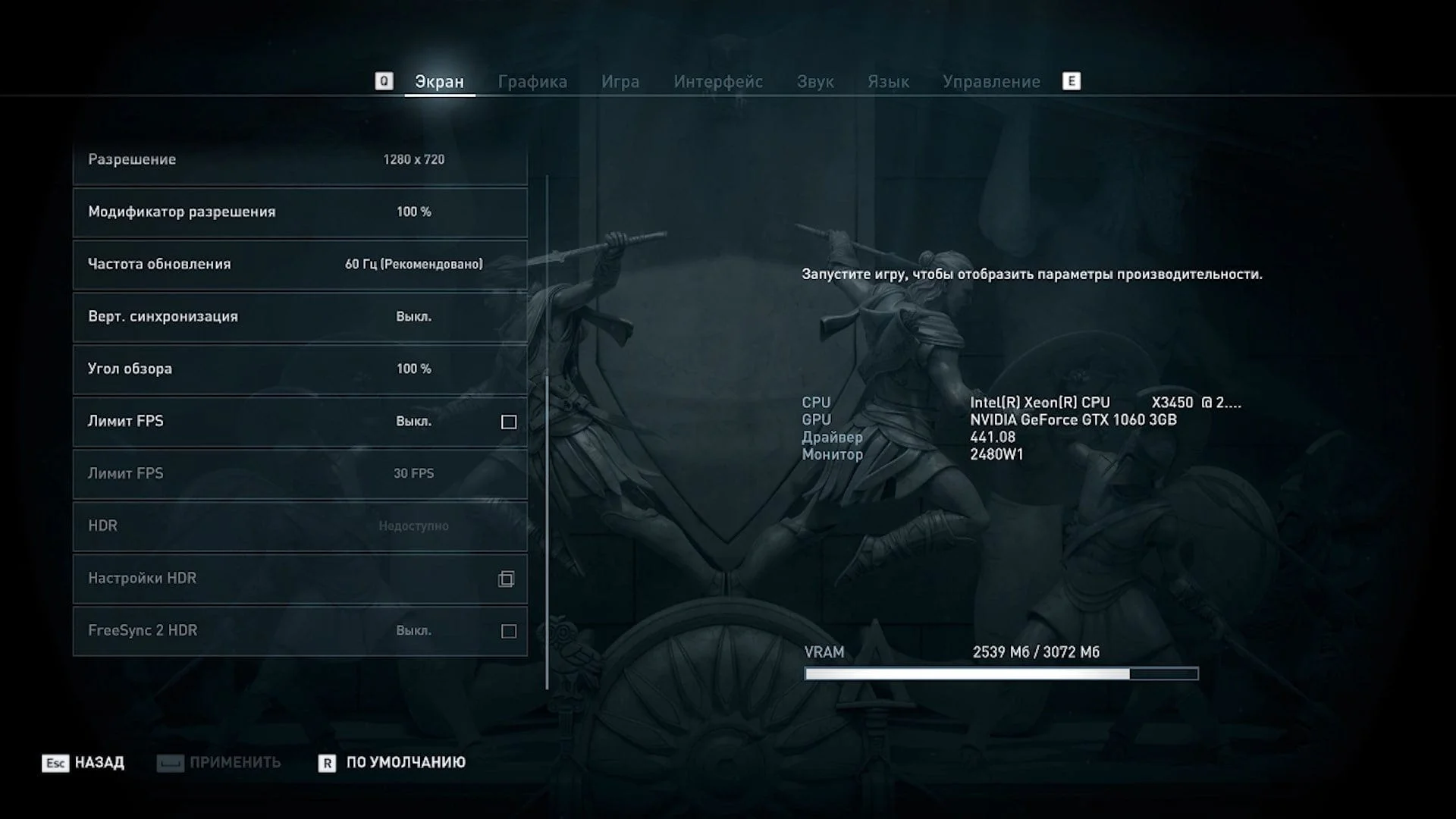
Games and graphics settings:
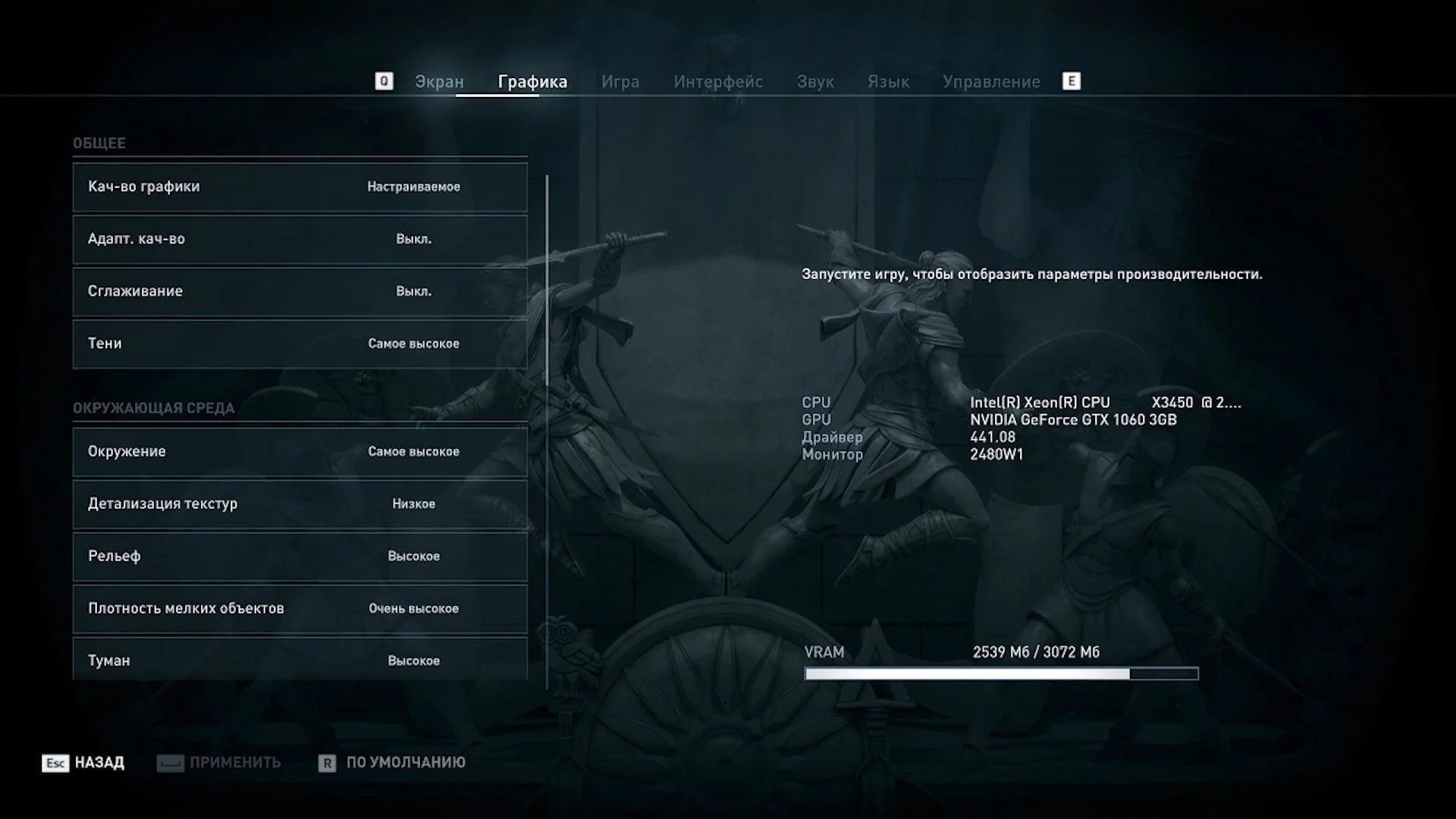
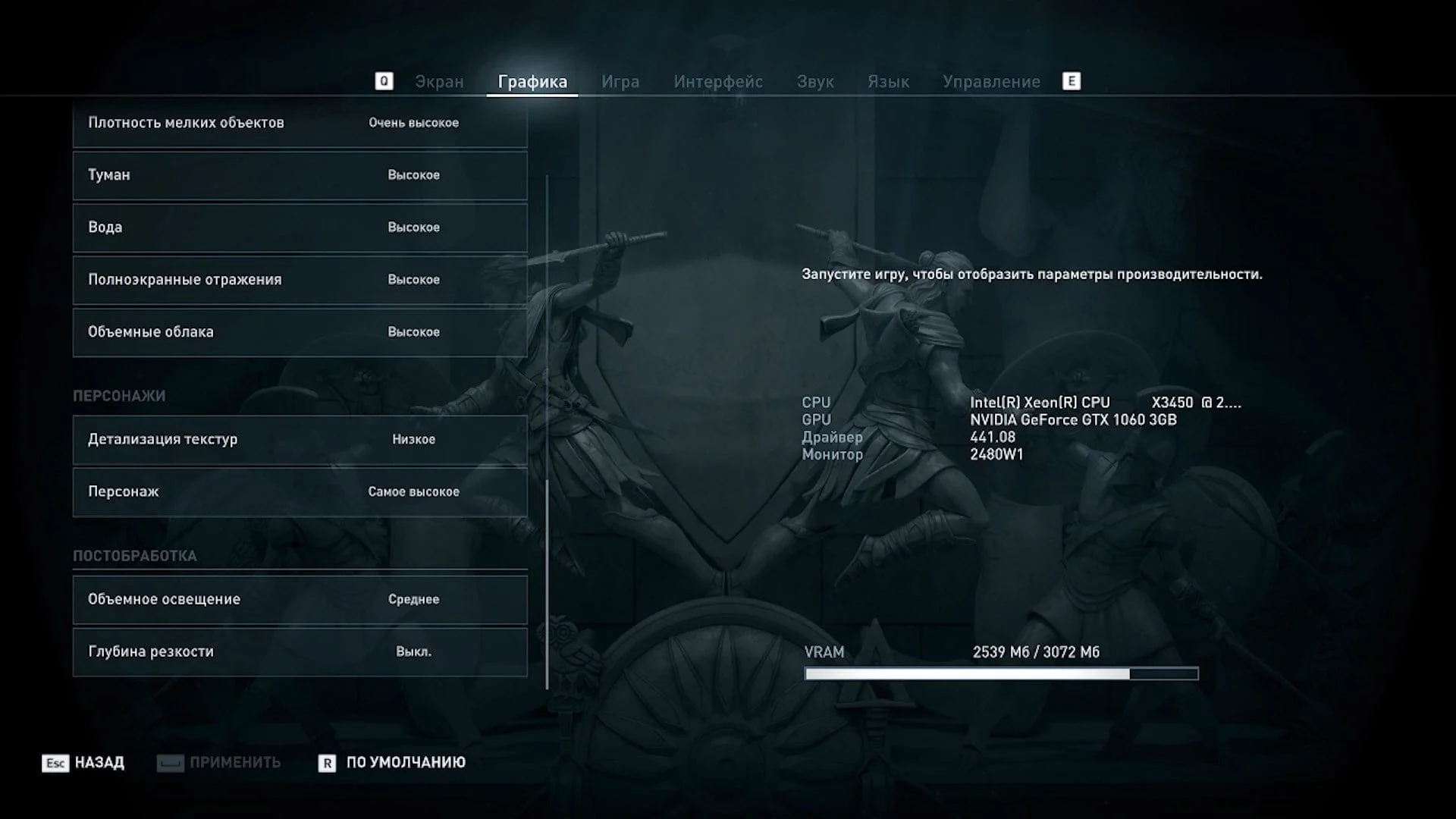
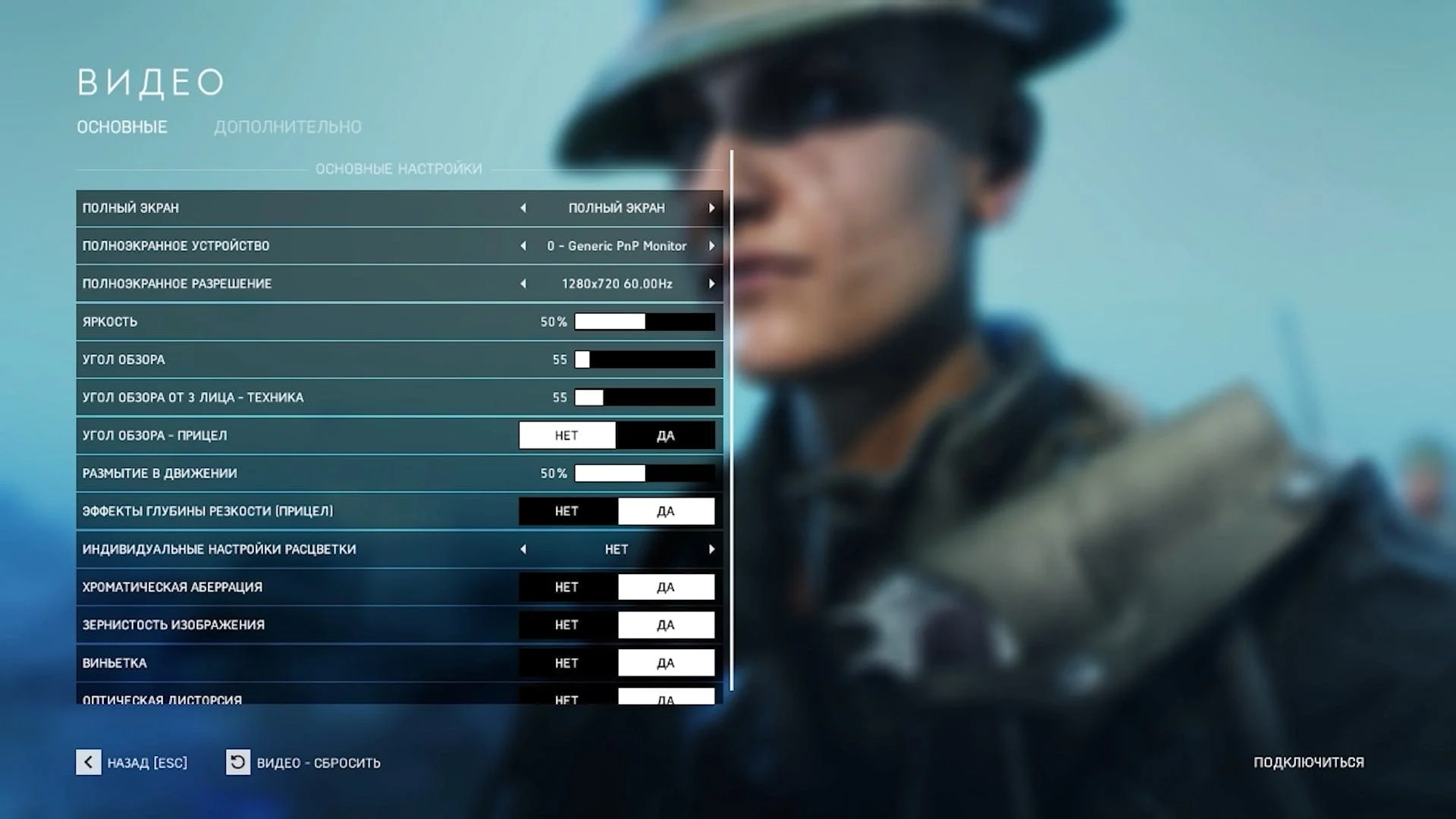
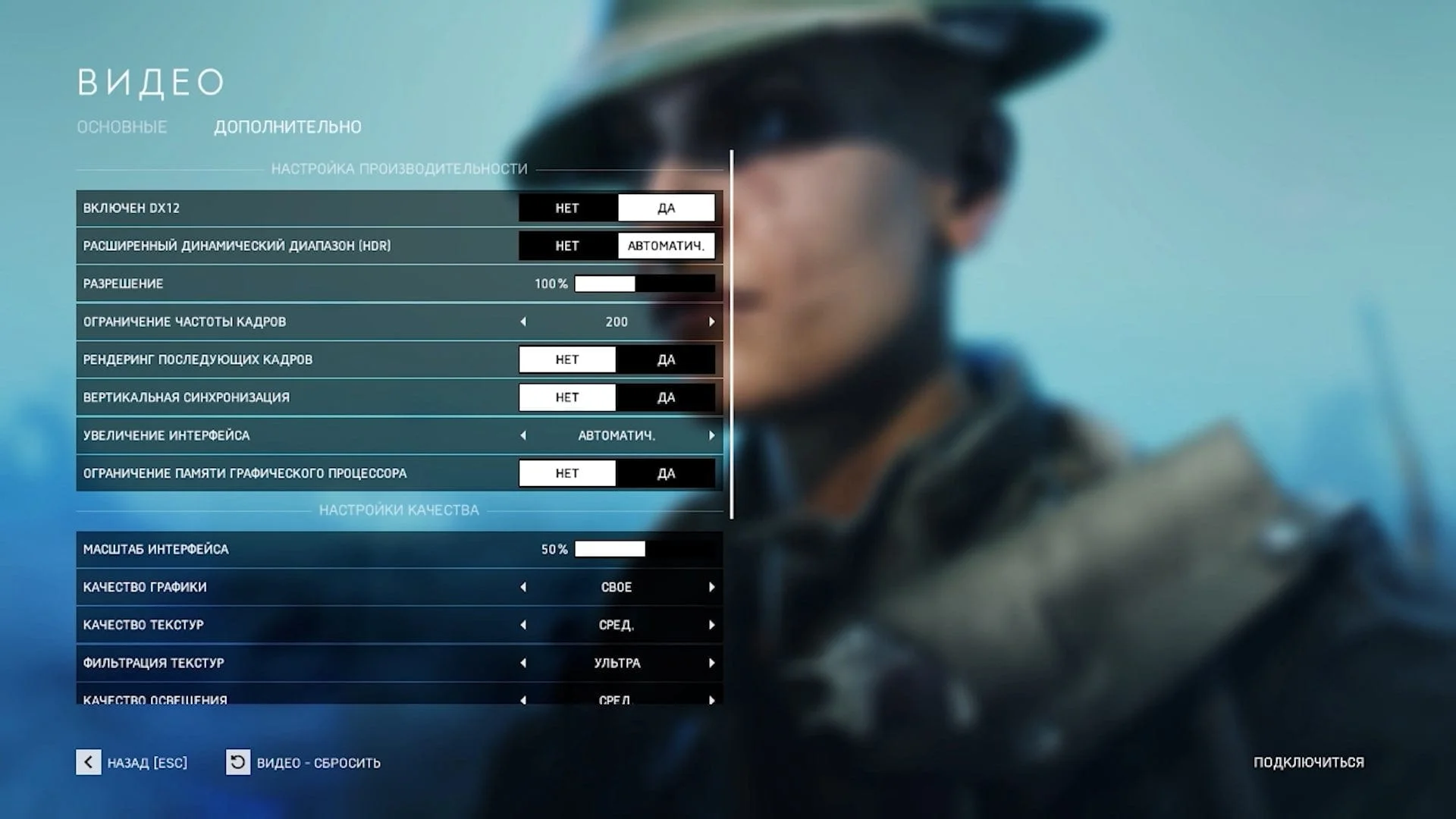
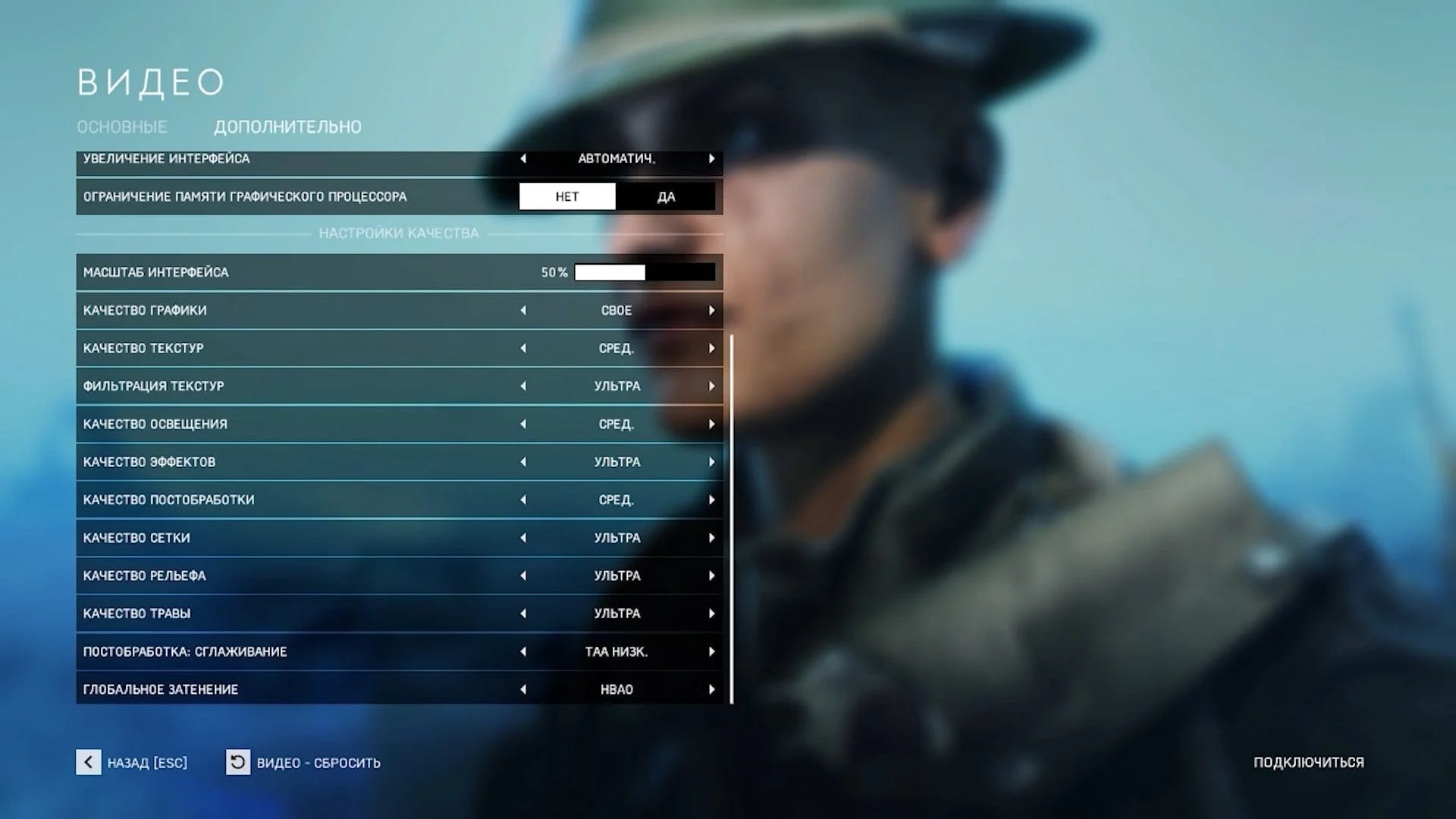
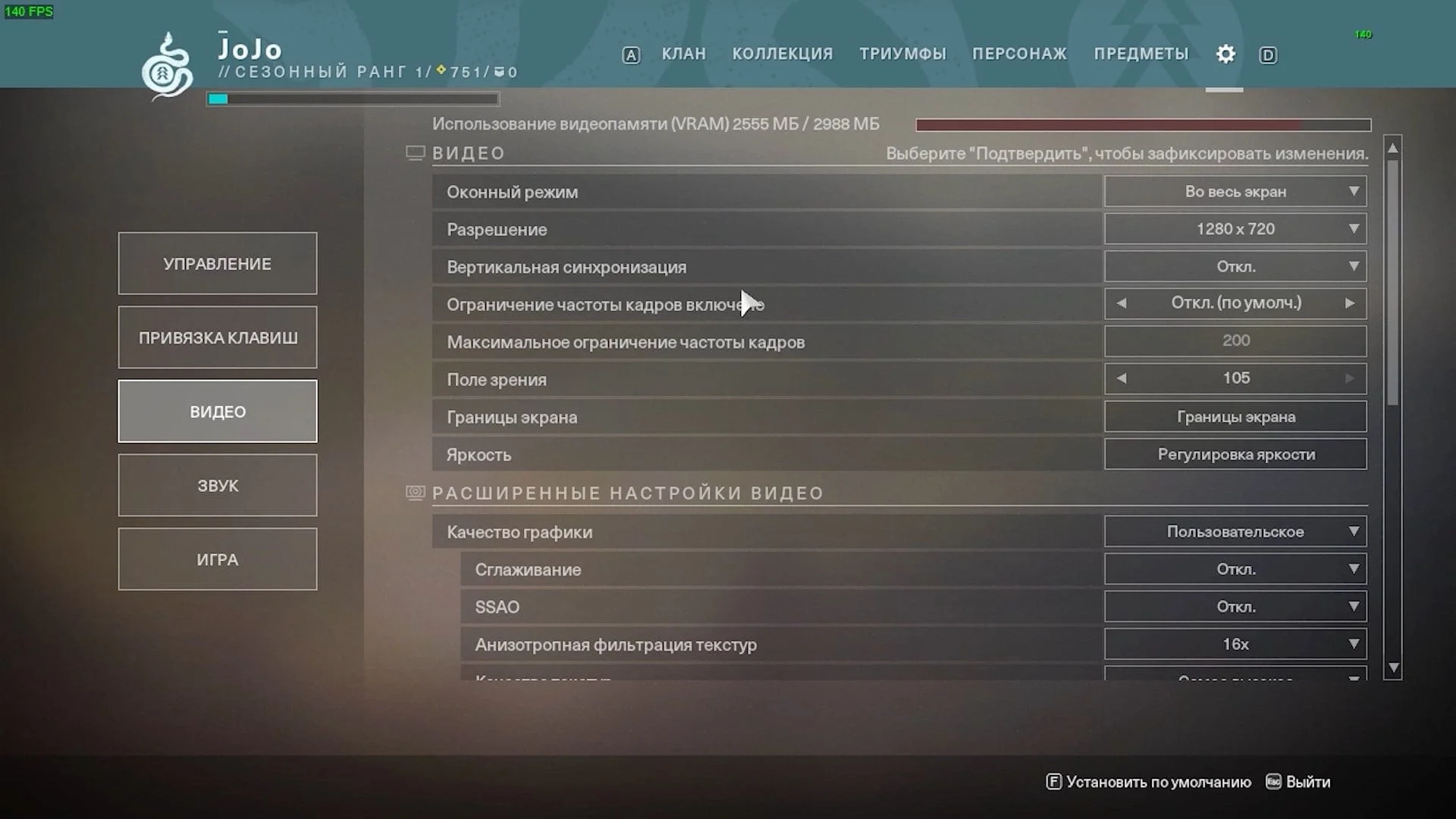
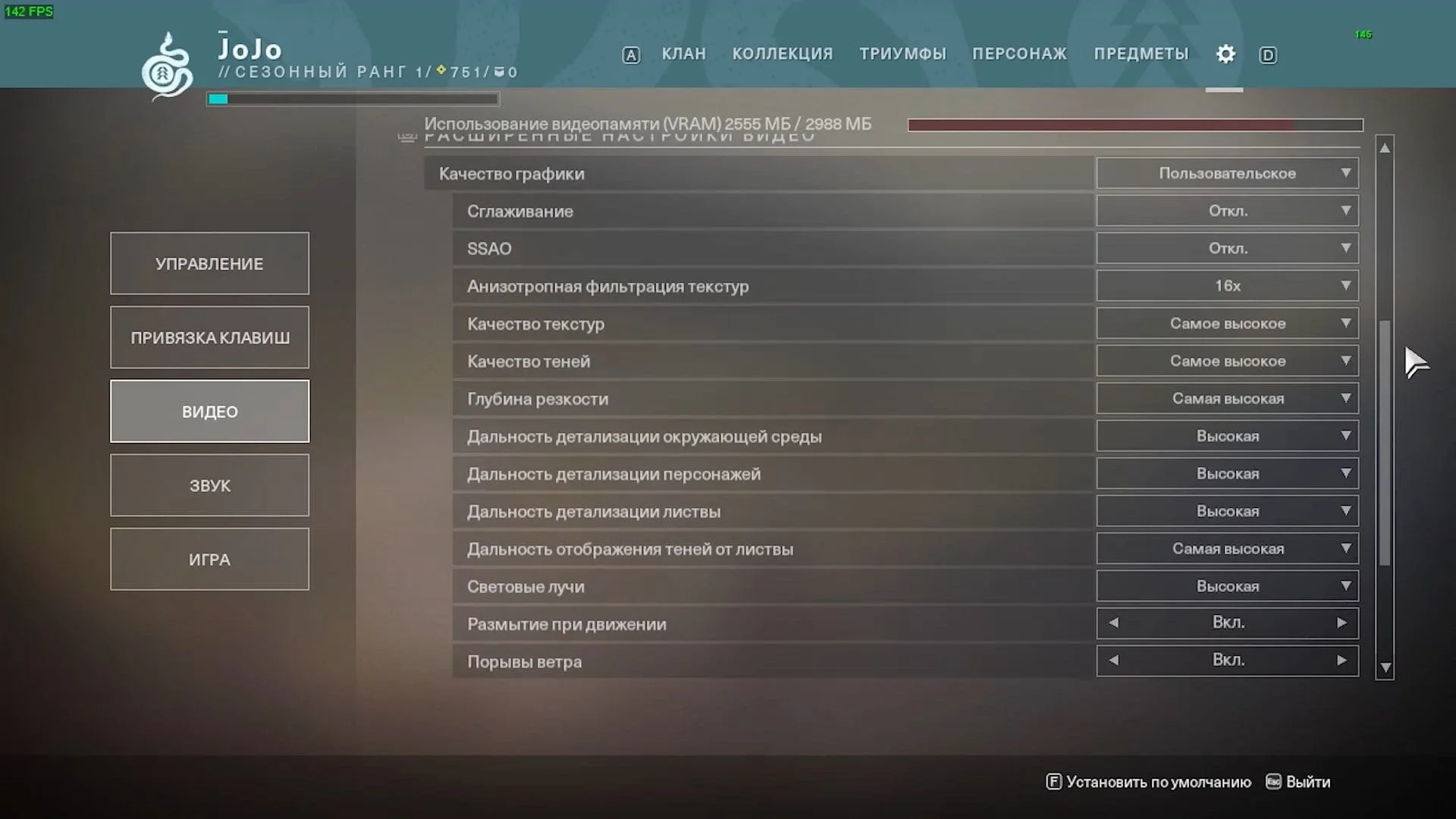
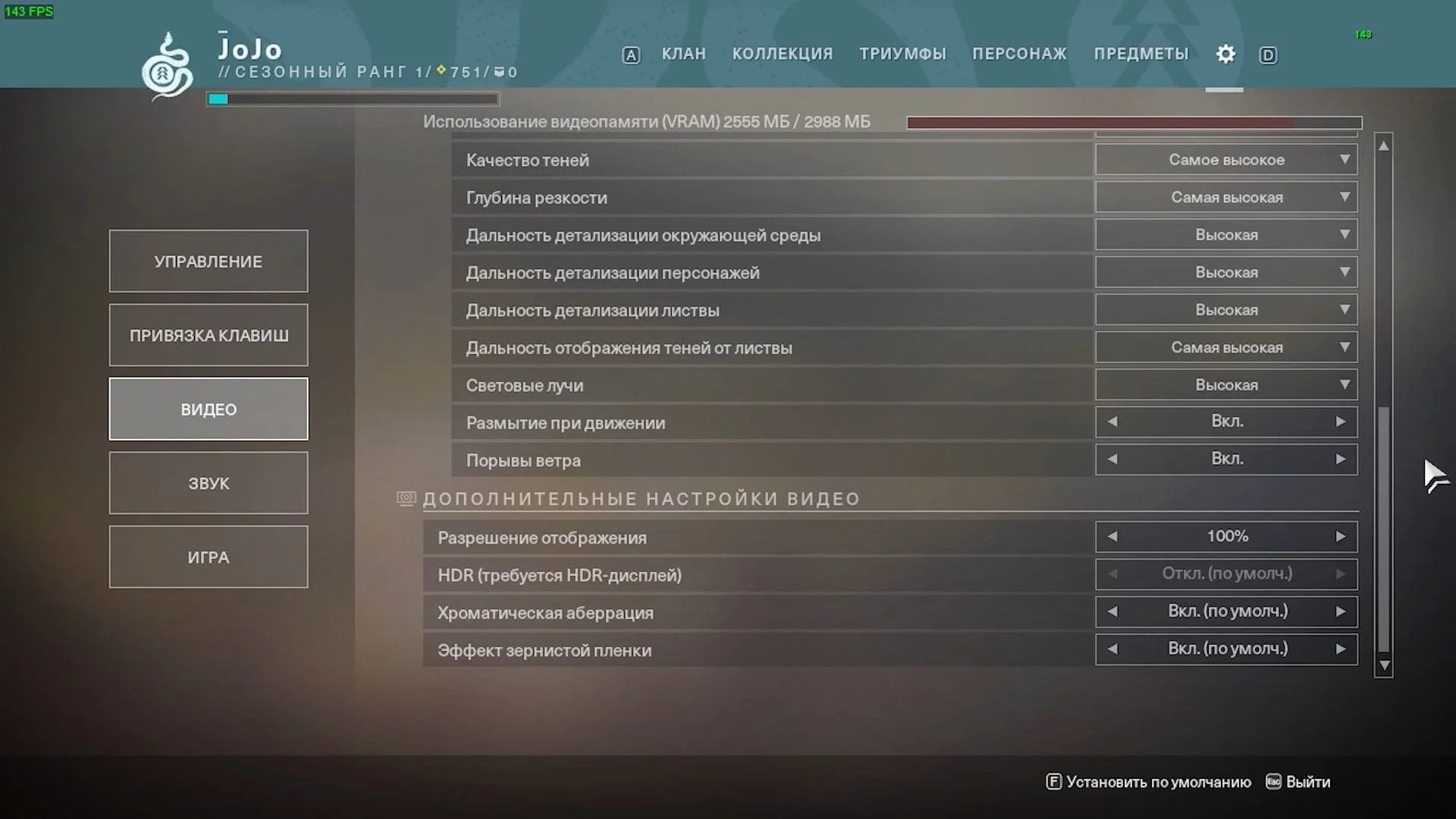
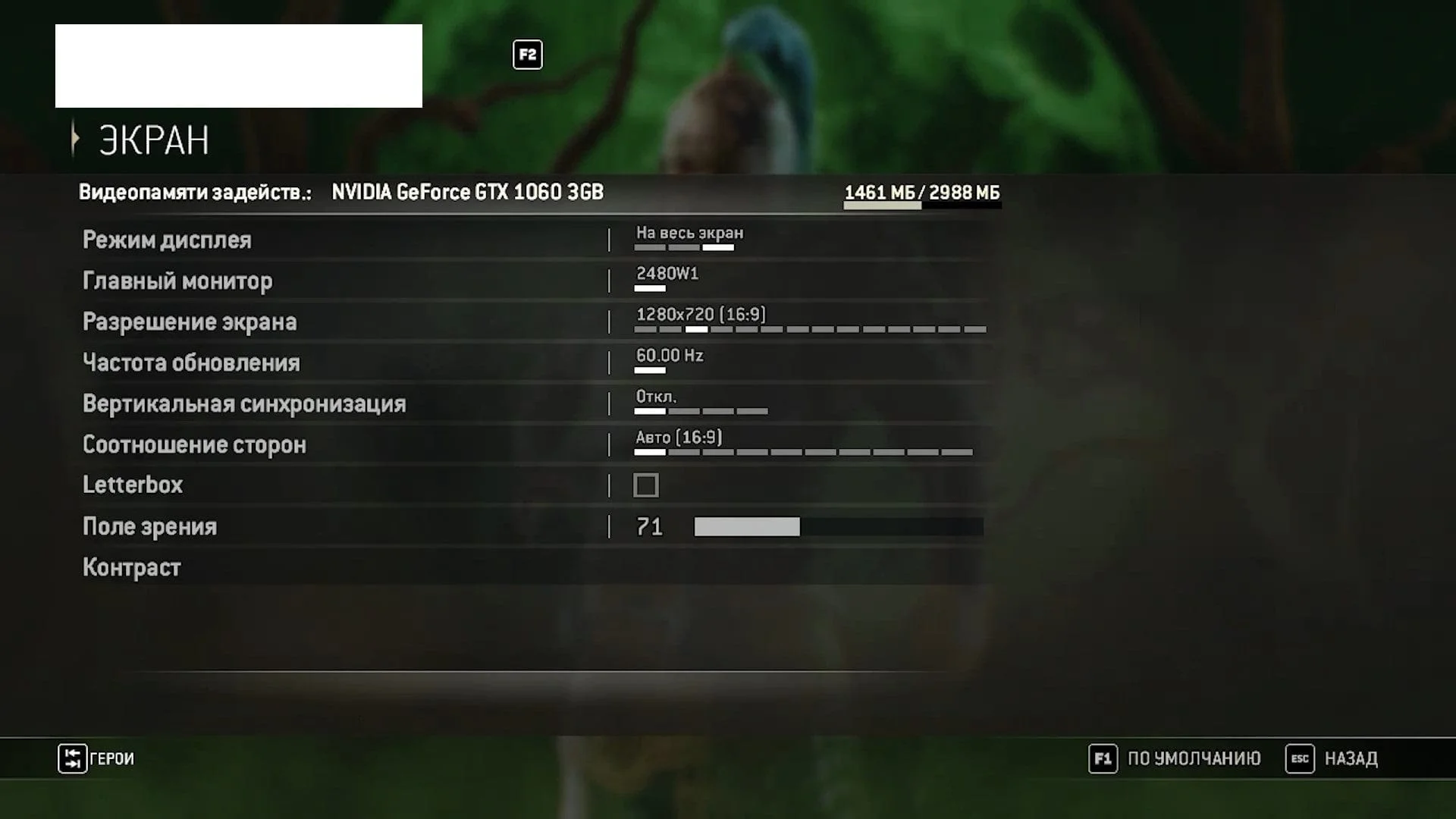
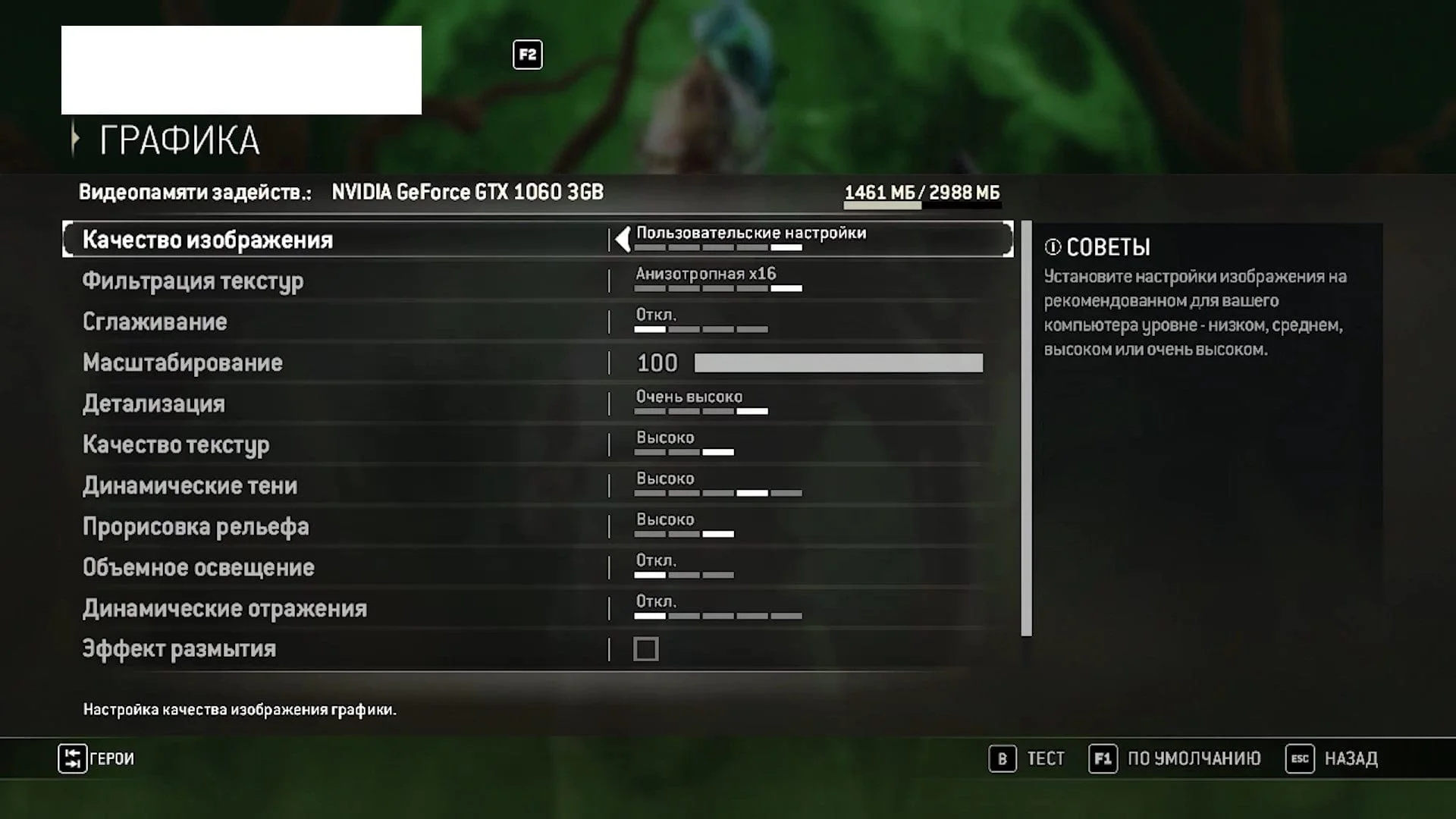
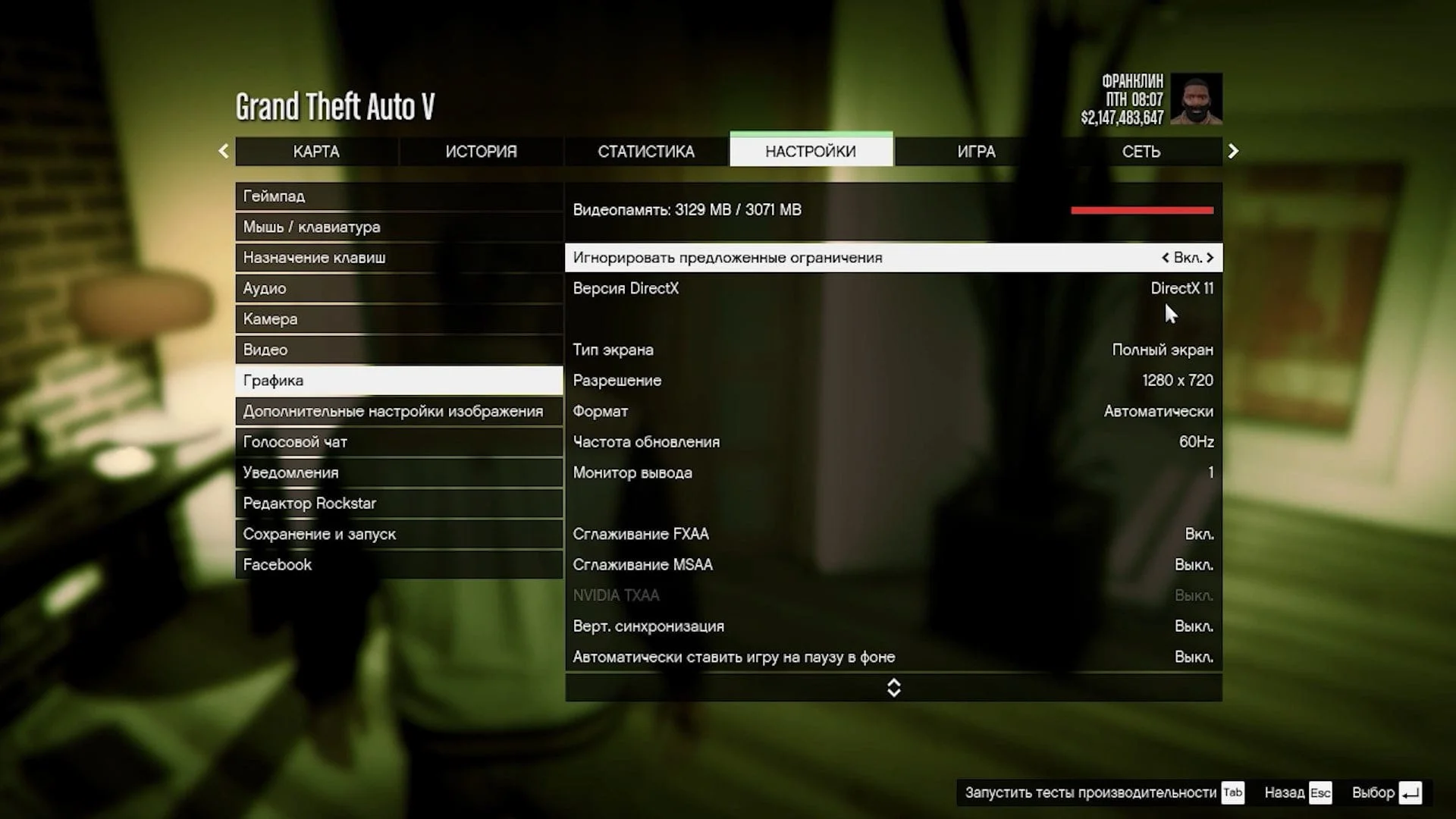
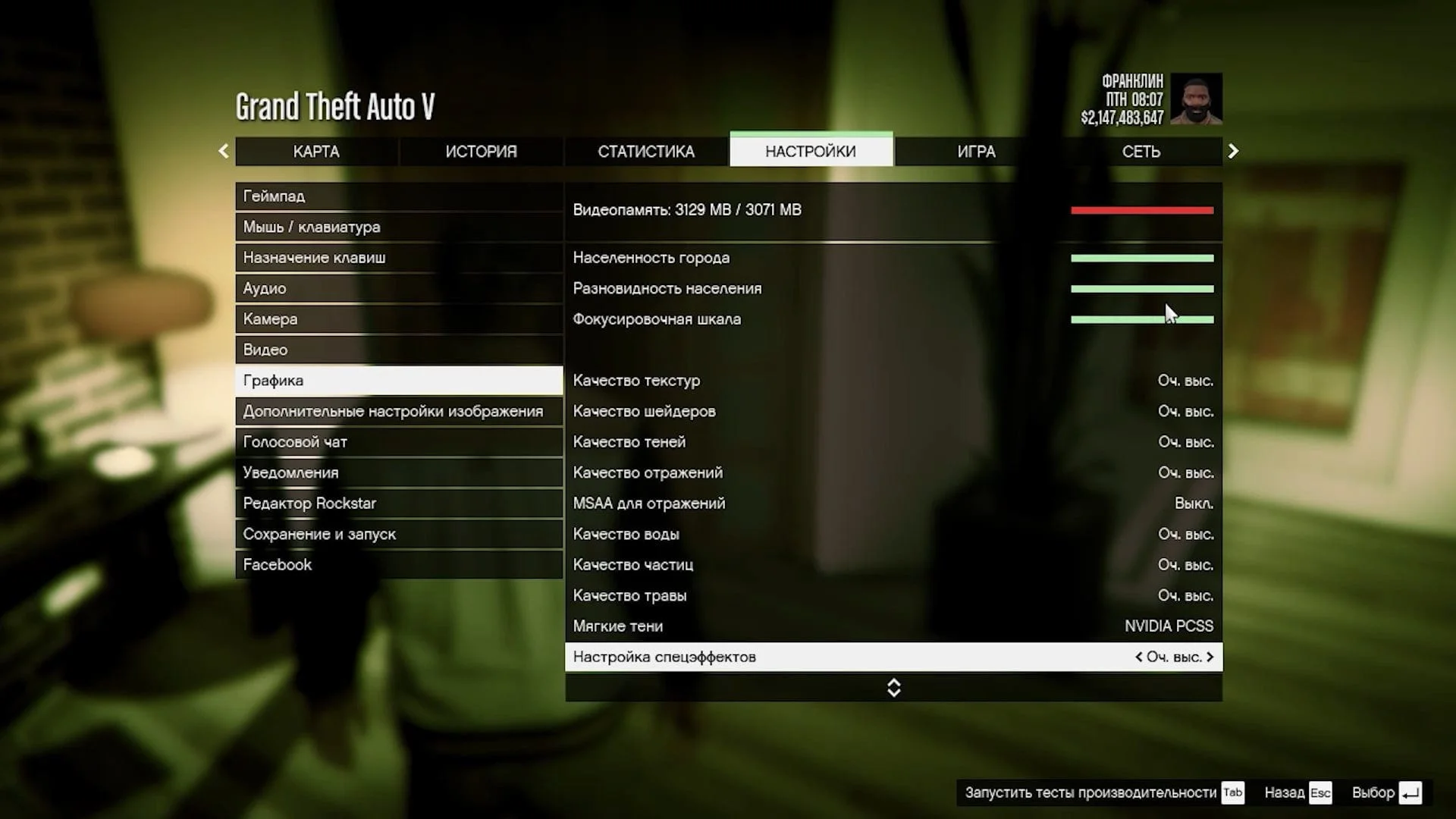
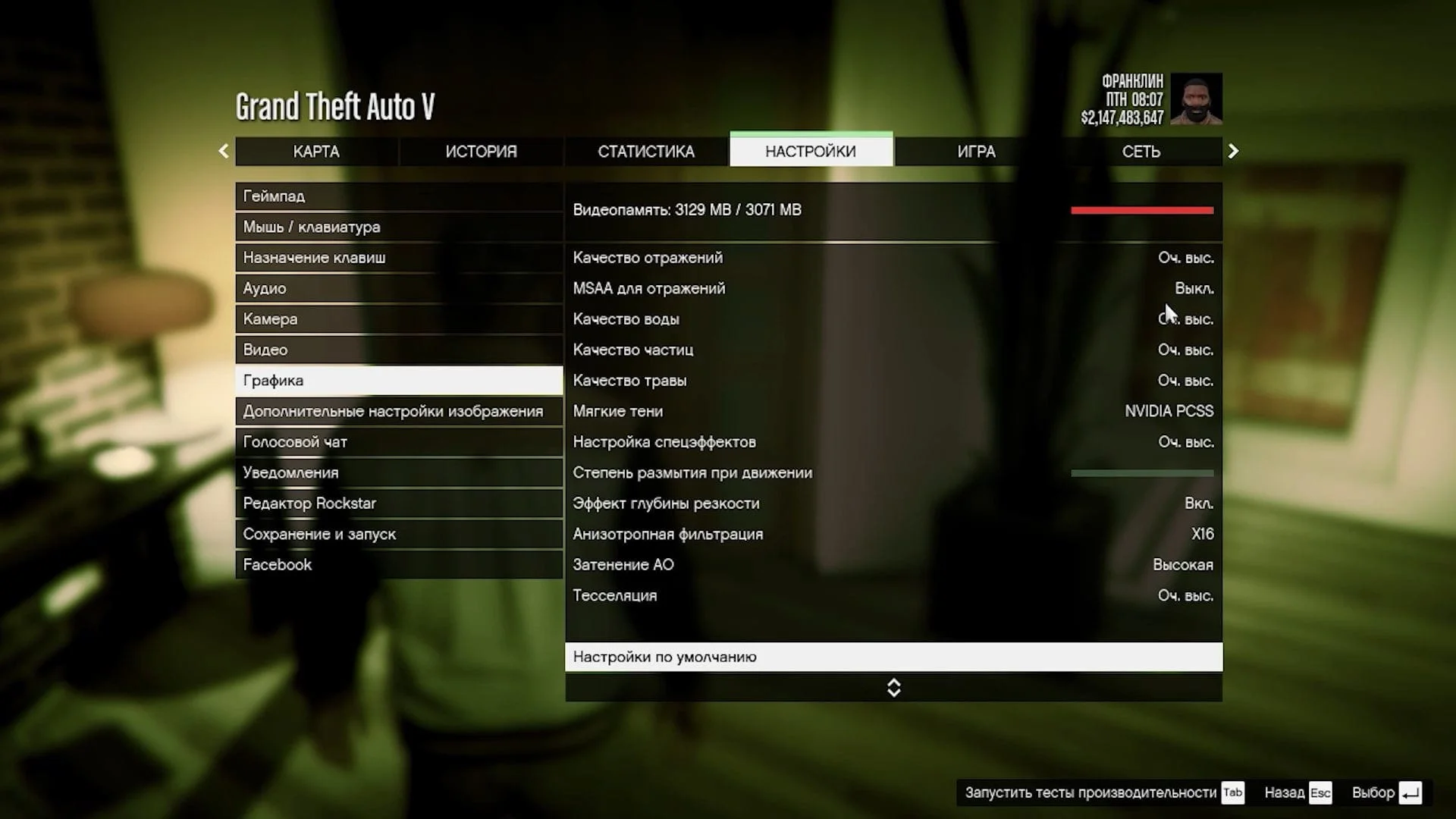
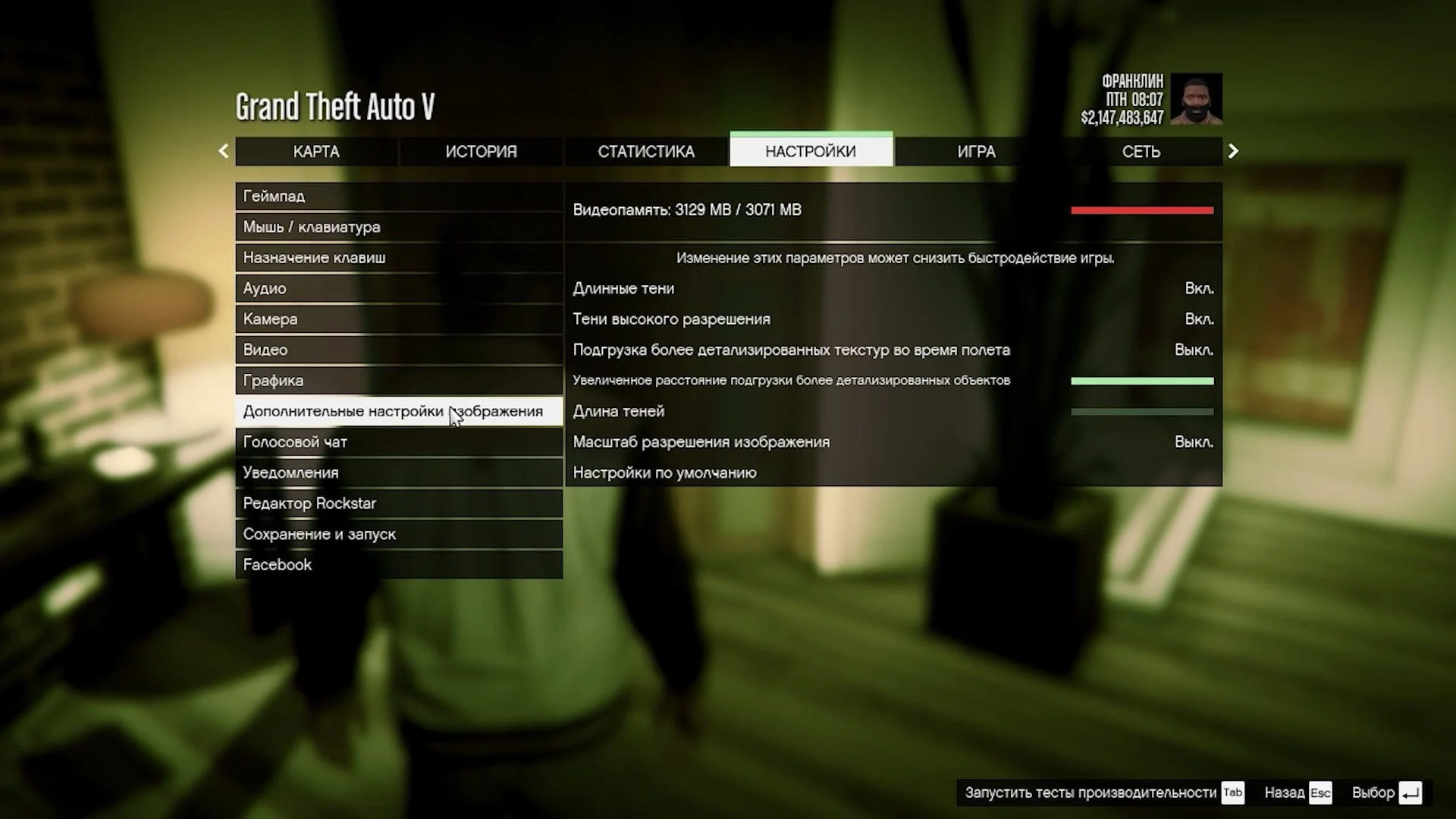
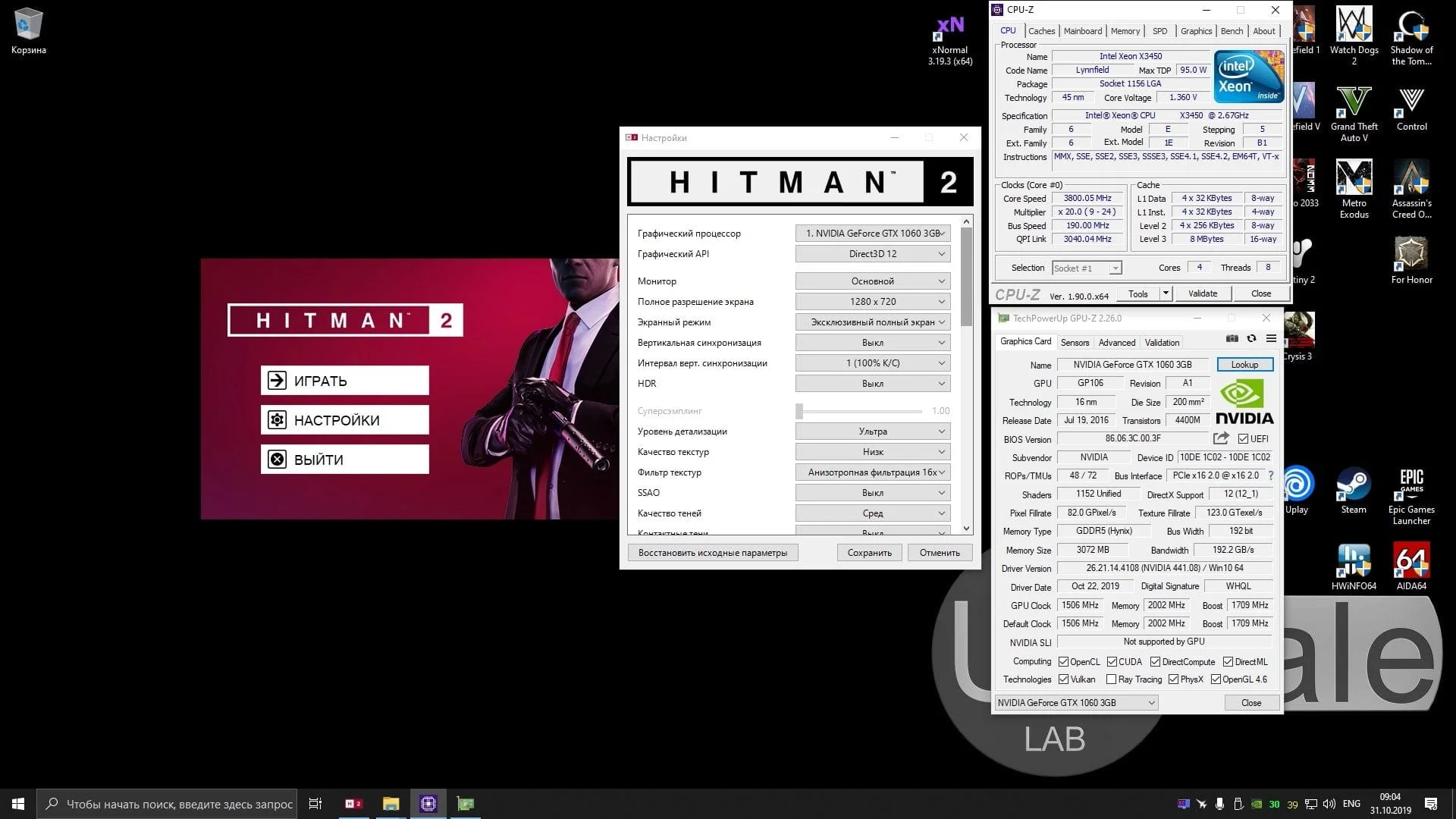
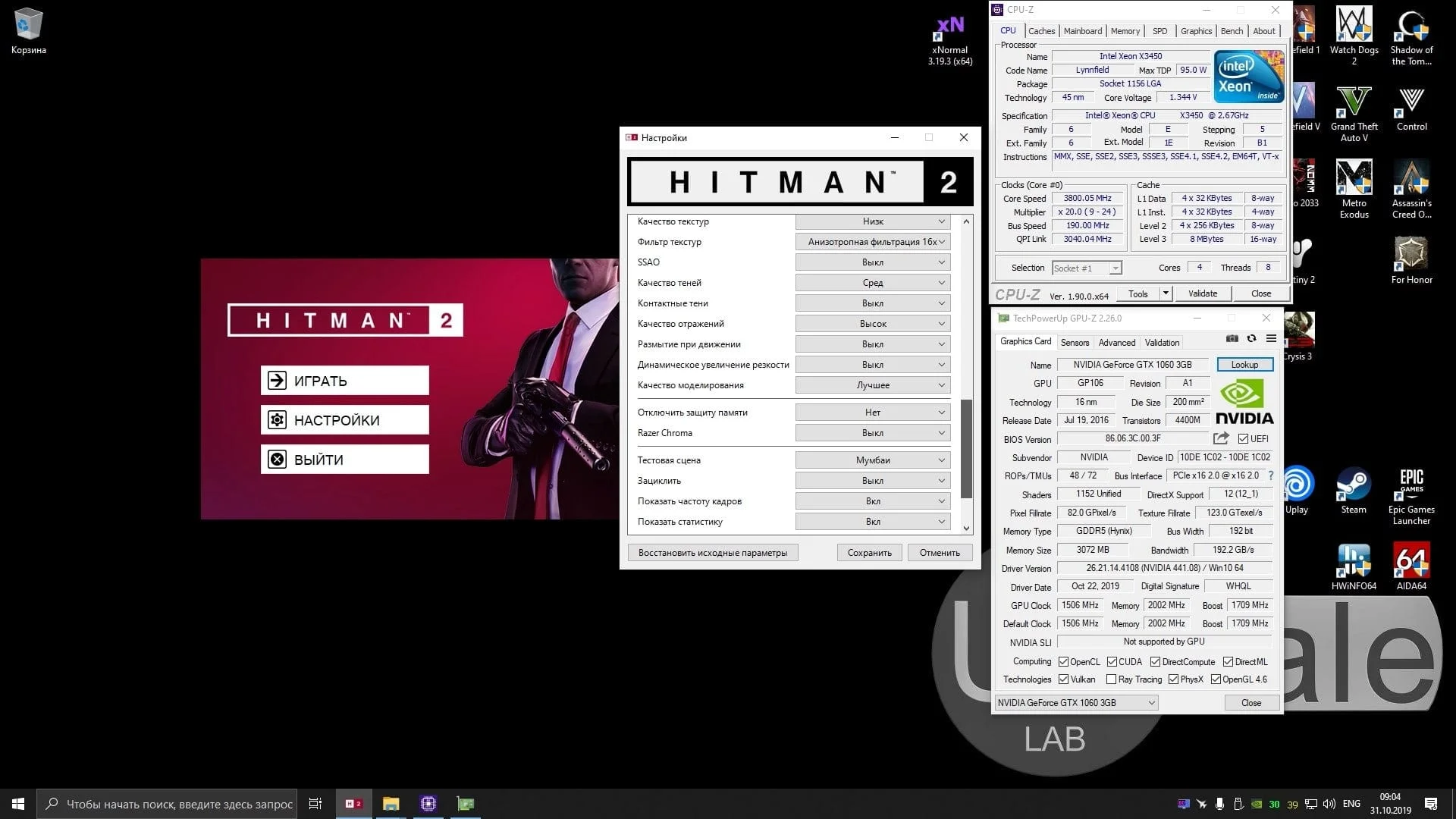
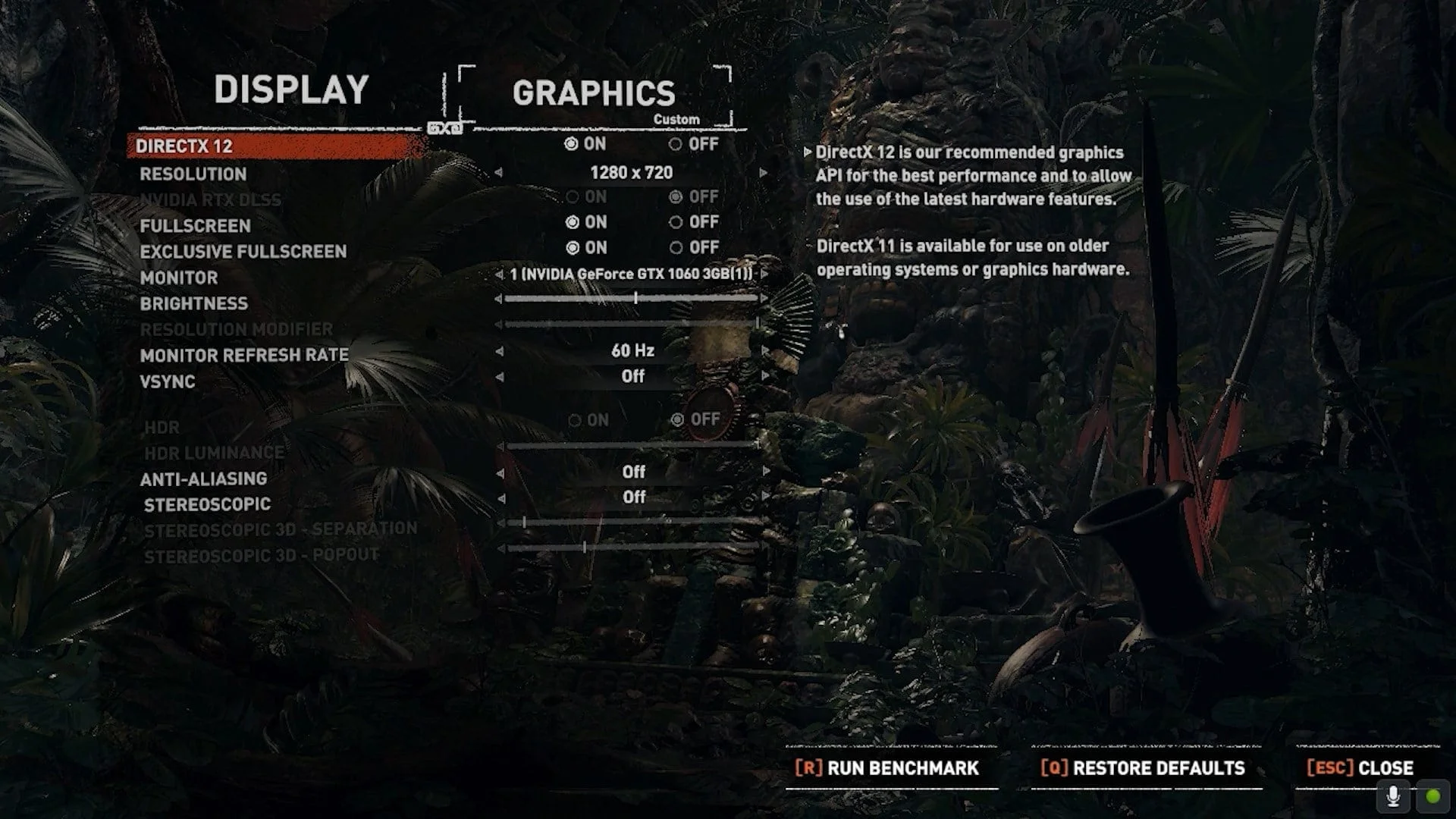
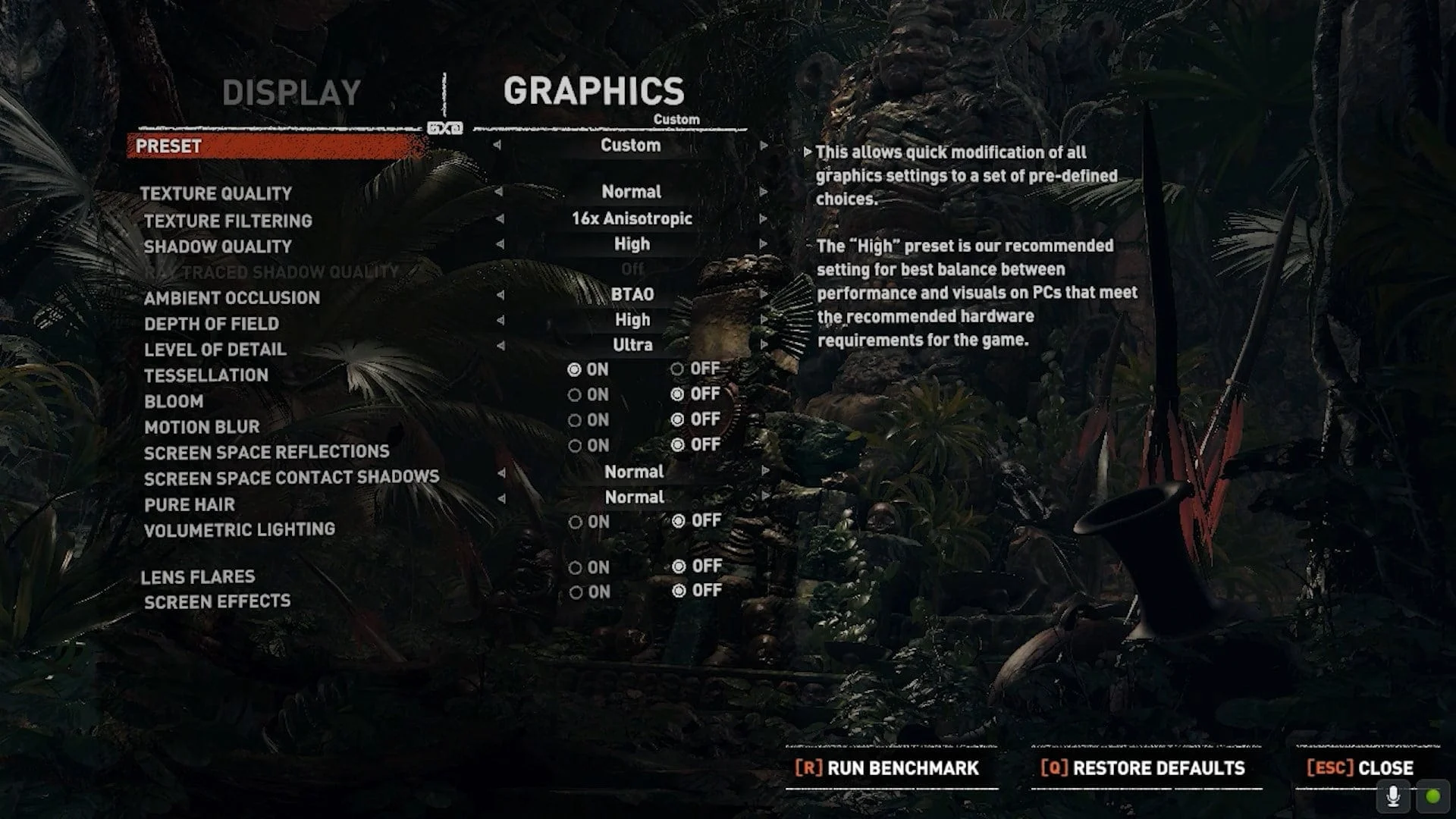
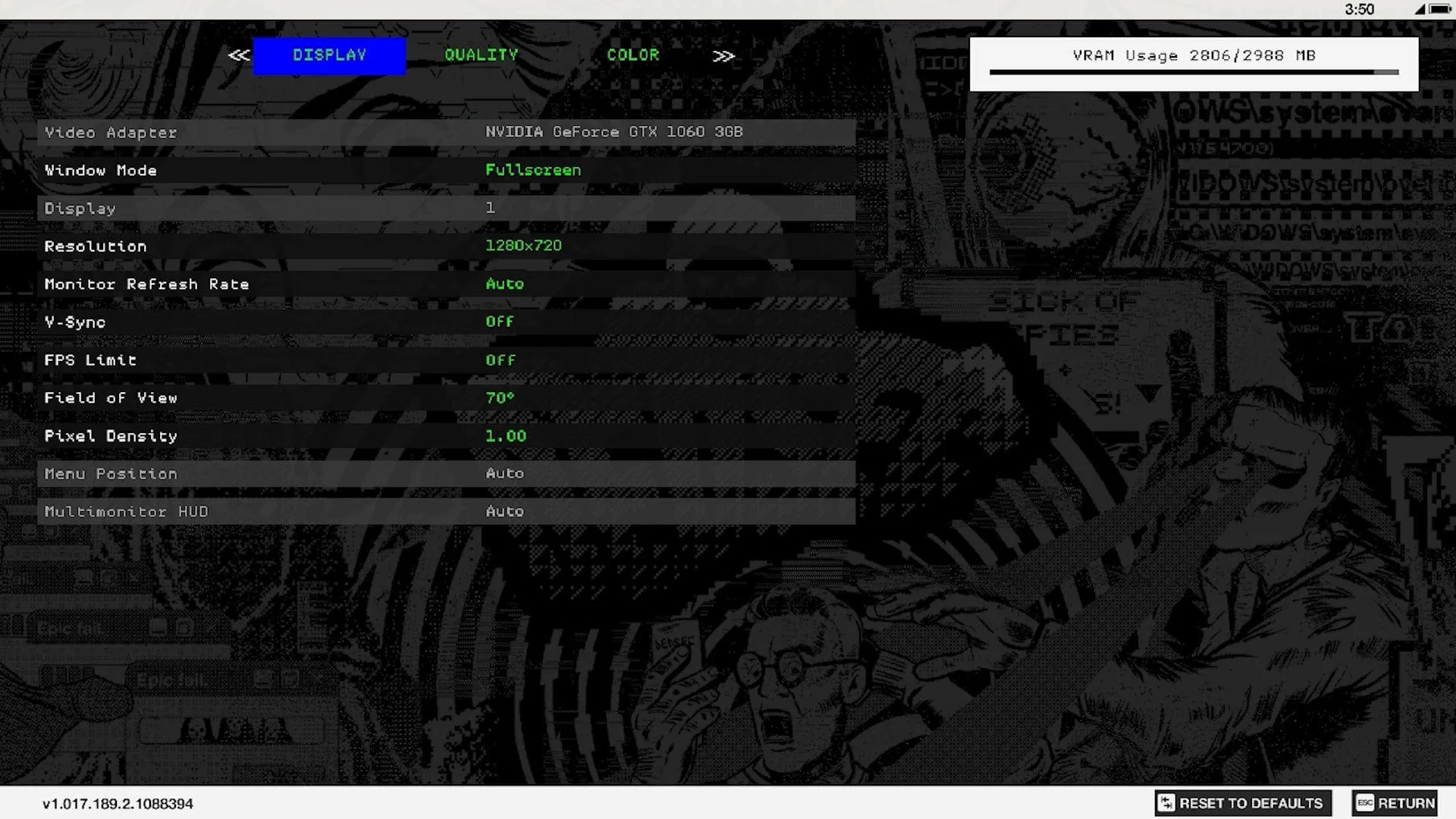
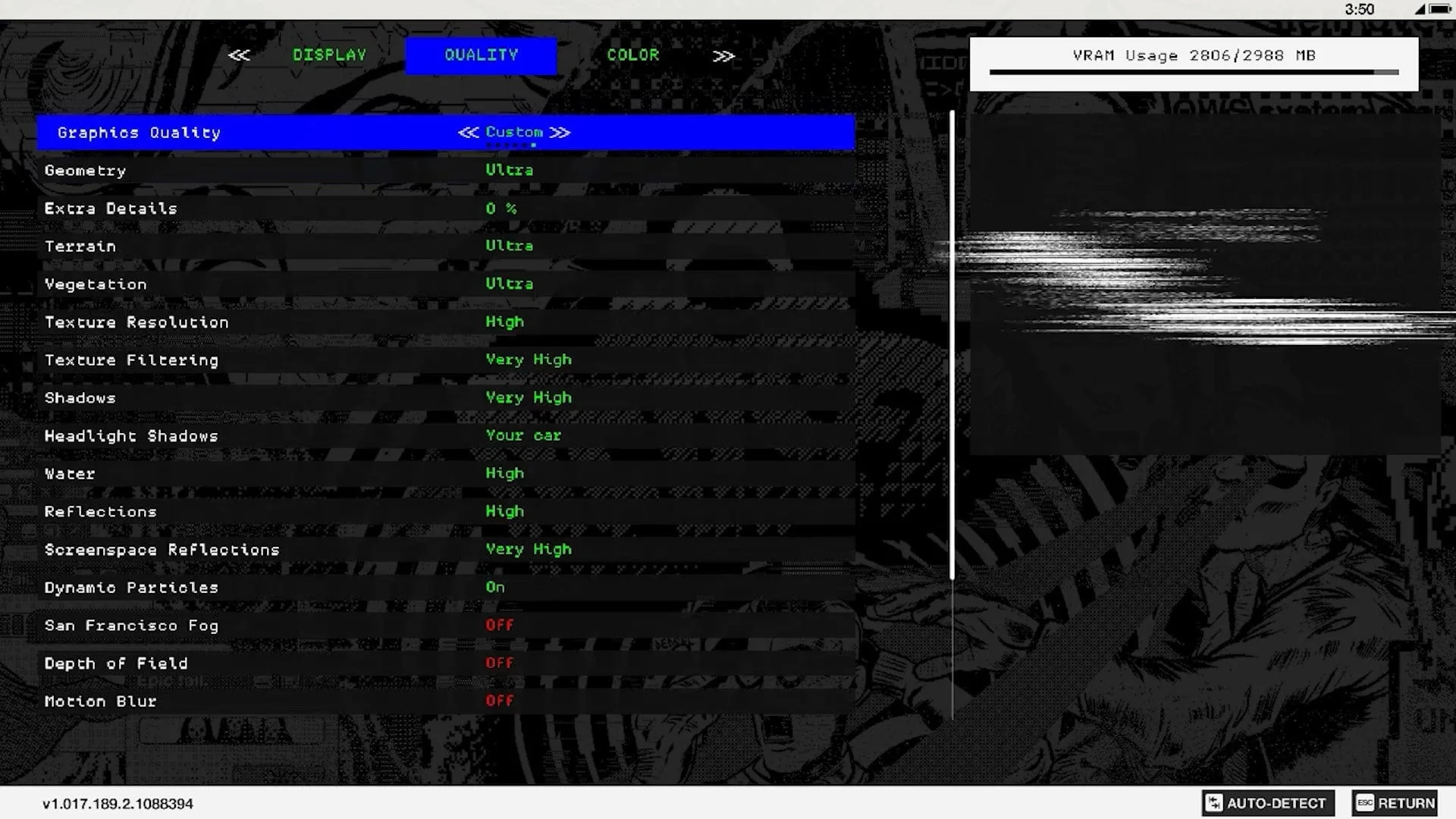
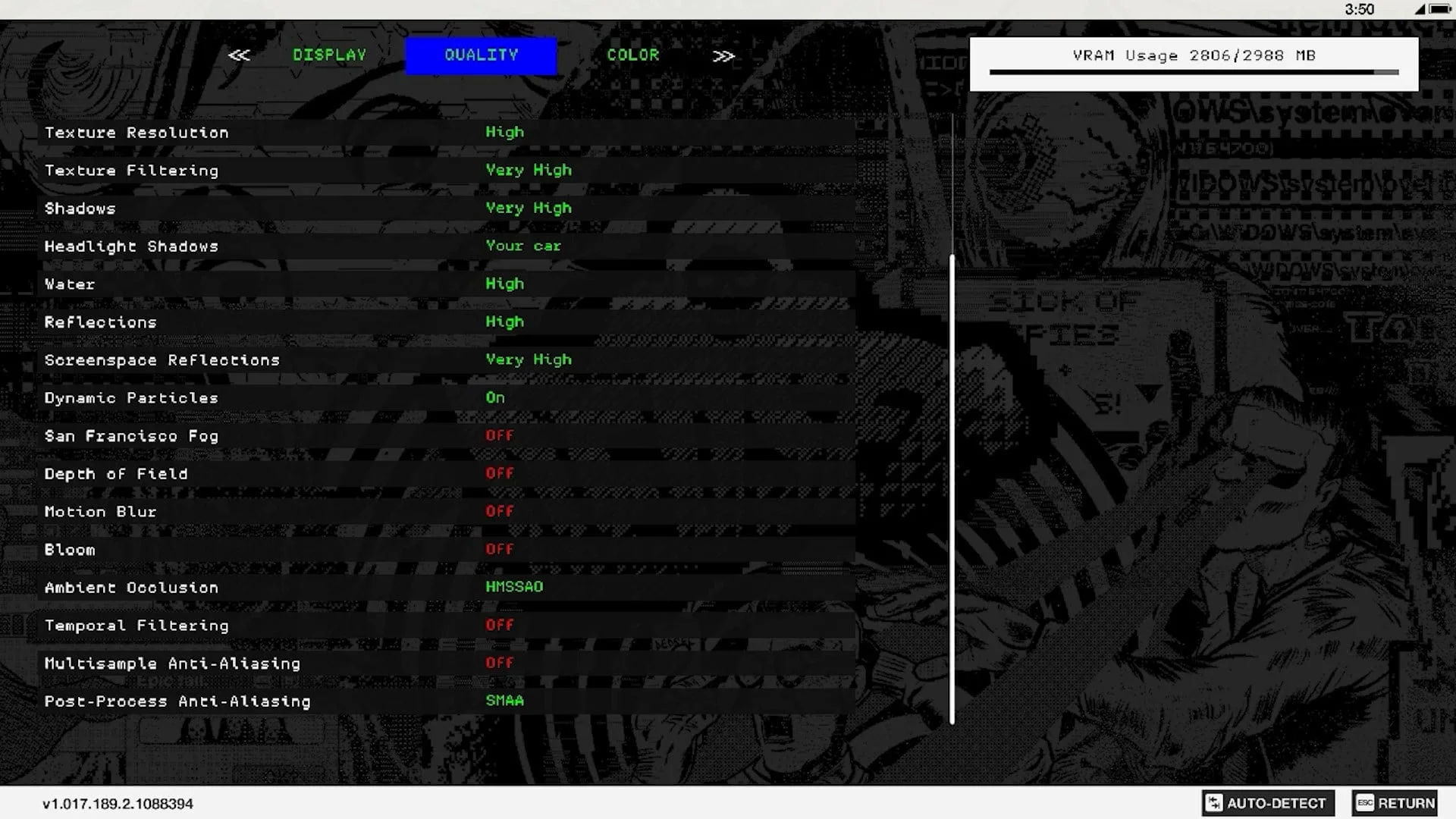
Gaming benchmarks
 ⤢ ВІДКРИТИ
 ⤢ ВІДКРИТИ
 ⤢ ВІДКРИТИ
 ⤢ ВІДКРИТИ
 ⤢ ВІДКРИТИ
 ⤢ ВІДКРИТИ
 ⤢ ВІДКРИТИ
 ⤢ ВІДКРИТИ
Conclusion
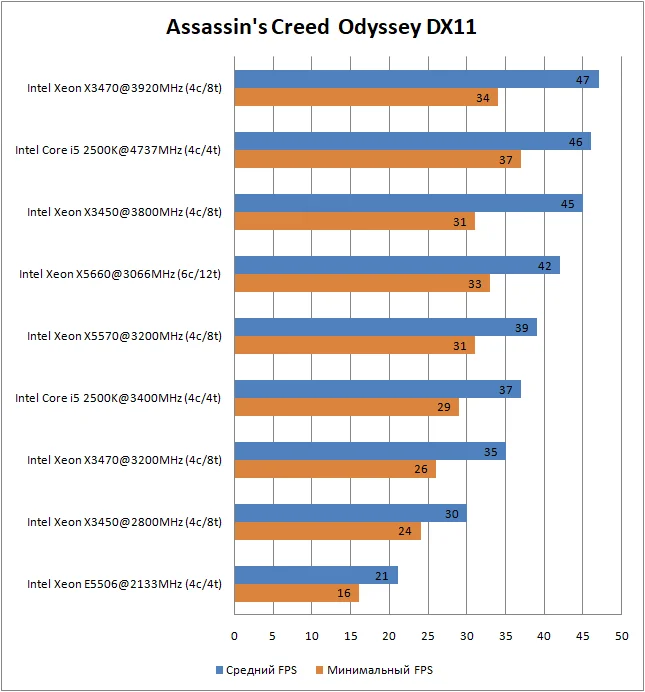
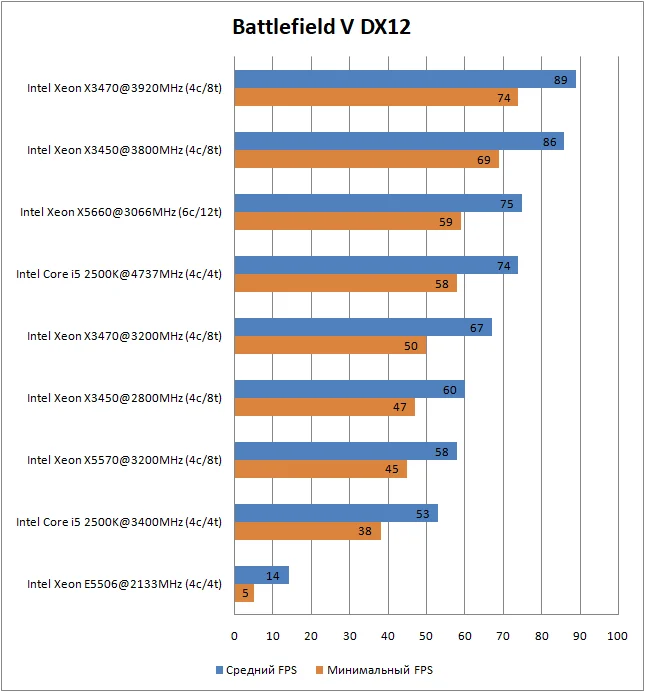
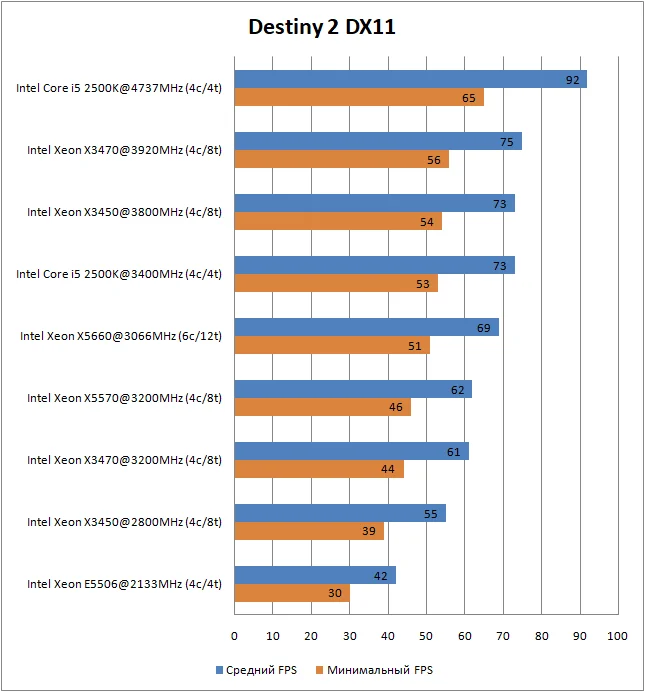
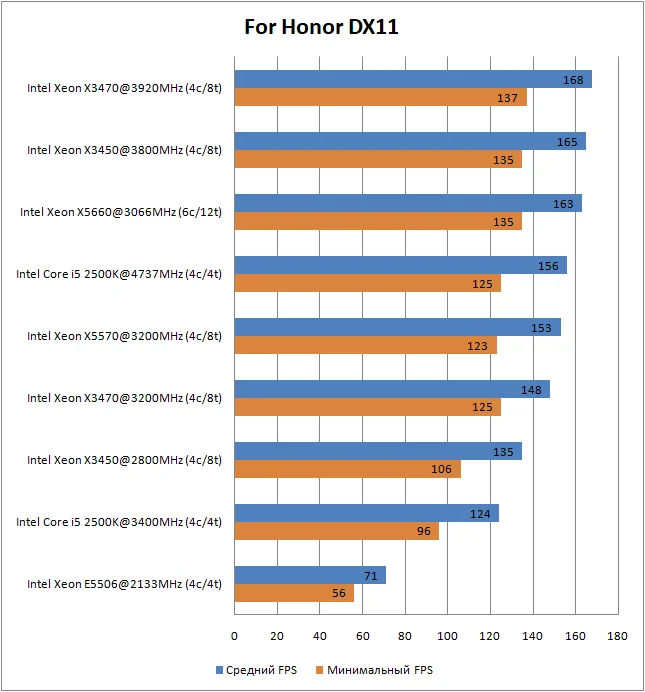
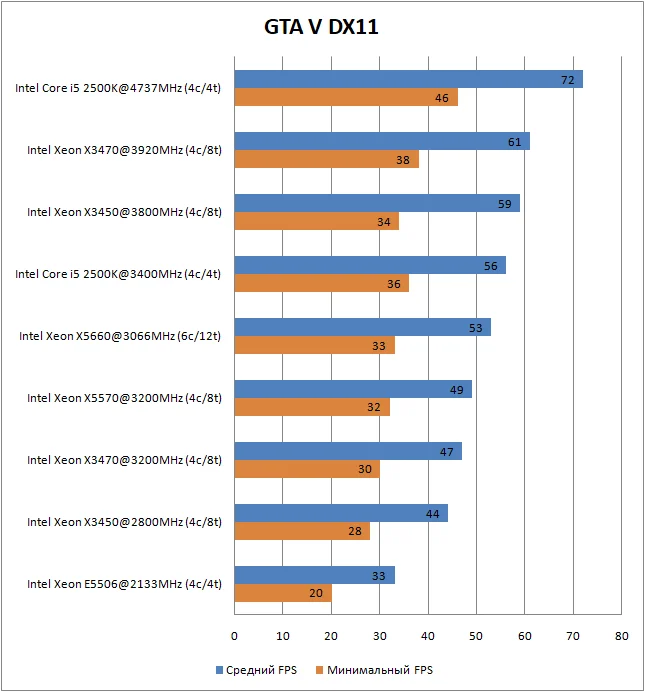
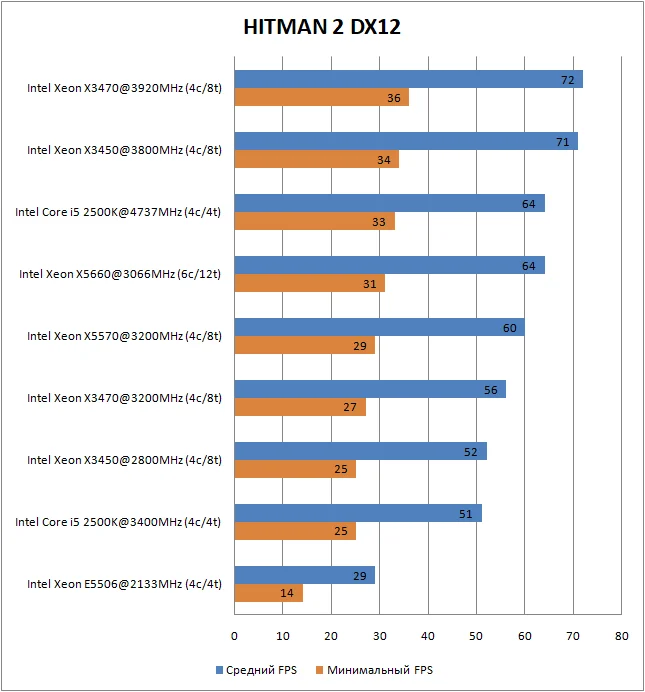
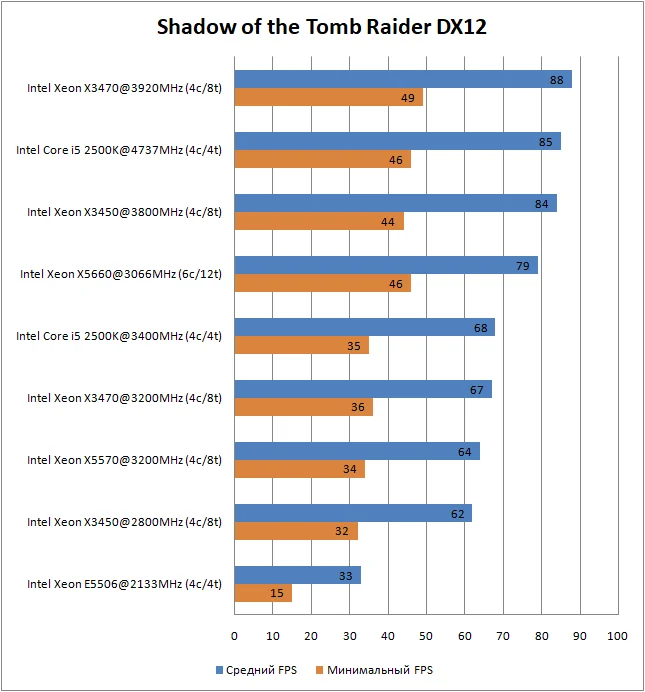
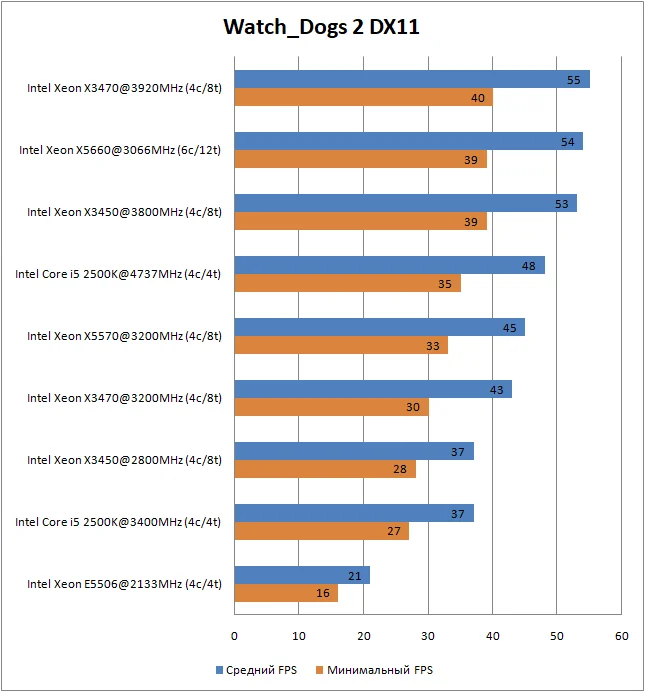
As strange as it sounds, this old 4-core processor with a laughable 2133MHz clock speed managed to deliver relatively acceptable performance in Destiny 2 (essentially console-level framerates) and a surprisingly confident result in For Honor. Of course, the chip struggled with framerate stability in the latter, but it's important to remember that each game was tested with the most CPU-intensive graphics settings. Dropping these settings to minimum, the E5506 actually starts to deliver decent results. However, Shadow of the Tomb Raider and Battlefield 5 remain beyond the Xeon E5506's capabilities at any graphics quality. The chip's performance in EA's title is particularly abysmal.
Video: Xeon E5506 gaming benchmarks:
YouTube
By loading, you allow content from YouTube (cookies may be set).
Pros:
Processor and motherboard price
Extremely low TDP
Low cooling requirements
Acceptable performance for a personal file server
Cons
Alarmingly low performance in the vast majority of tests