TESTS · CPU · INTEL
PUBLISHED
READING13 min
Intel Xeon E5-2643 review and testing
An Intel Xeon E5-2643 review. Is this CPU a good value for LGA 2011 compared to the i7-2600? Benchmarks and results.
This article was initially planned as a quick review, but as we performed gaming and then application benchmarks, we found more and more reasons to write a more detailed piece.
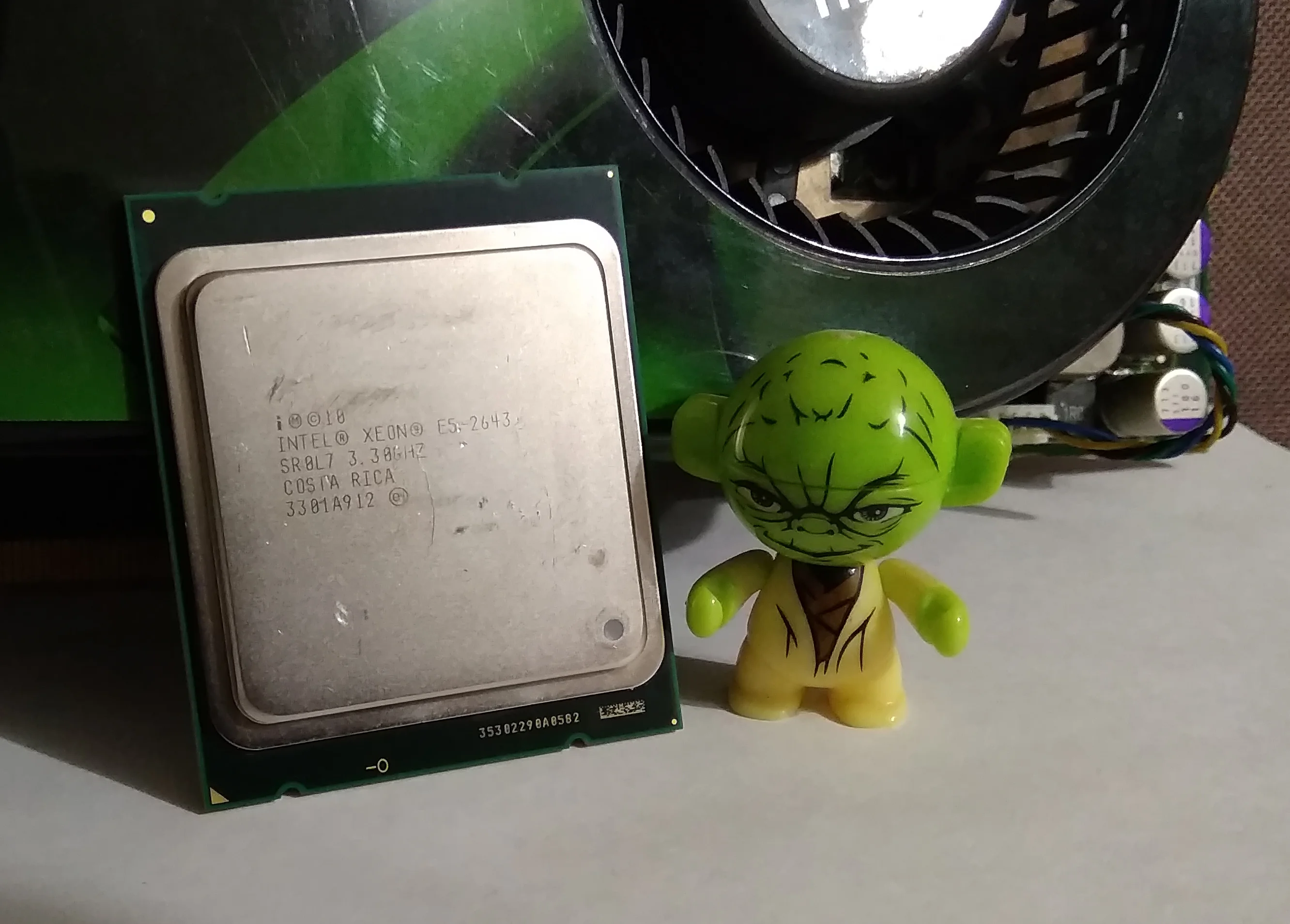
Let's start by noting that the Xeon E5-2643 is a fairly unpopular chip on the secondary market. The reasons for this, at least before testing began, weren't entirely clear to me. After all, besides the obviously and unjustifiably expensive E5-1620, the E5-2643 is essentially the closest analogue to the widely beloved Core i7-2600, only for the LGA 2011 platform.
 ⤢ ВІДКРИТИ
Sure, one could argue the Xeon E5-1620 has an unlocked multiplier, but in 2019, that advantage doesn't offset its modest core count by modern standards. The E5-2643, on the other hand, offers the same four cores and eight threads for almost half the price of the E5-1620, making it a strong contender as a 'placeholder' CPU for the LGA 2011 platform. After all, immediately jumping to a 12-core, 24-thread E5-2697 v2, a decent motherboard, and a RAM kit might not be feasible for everyone.
Comparing the Xeon E5-2643 to the Core i7-2600 makes little sense, as the desktop CPU offers virtually no advantages over its server counterparts. We don't need to look far for examples:
LGA 1155 motherboards either cost more than Chinese LGA 2011 boards or about the same price, often being used. Plus, for the cost of a single 8GB desktop DDR3 stick, you could get a full 32GB of inexpensive registered memory, compatible only with the Xeon series.
Ultimately, the choice is yours. I've simply presented a few arguments for what I believe is a more advantageous platform. These points apply not only to LGA 2011 but also to the more modern and popular LGA 2011 v3 platform. However, the latter uses current DDR4 memory, and that's a whole different story we'll definitely revisit soon.
Comparison table of Xeon E5-2643, E5-1620, and Core i7-2600 processors:
Processor | Xeon E5-2643 | Xeon E5-1620 | Core i7-2600 |
Socket | LGA 2011 | LGA 2011 | LGA 1155 |
Base clock | 3300МГц | 3600МГц | 3400МГц |
Max clock | 3500МГц | 3800МГц | 3800МГц |
Max all-core clock | 3400МГц | 3700МГц | 3500МГц |
Cores/modules | 4 | 4 | 4 |
Threads | 8 | 8 | 8 |
Process tech | 32нм | 32нм | 32нм |
L2 cache (per core) | 256КБ | 256КБ | 256КБ |
L3 cache (total) | 10МБ | 10МБ | 8МБ |
L3/IMC clock | core-linked | core-linked | core-linked |
TDP | 130 Вт | 130 Вт | 95 Вт |
Memory controller | 4-channel | 4-channel | 2-channel |
Multiplier | Locked | Unlocked | Locked |
Price(Aliexpress) | 20-30$ | 35-45$ | 50-70$ |
The processor
 ⤢ ВІДКРИТИ
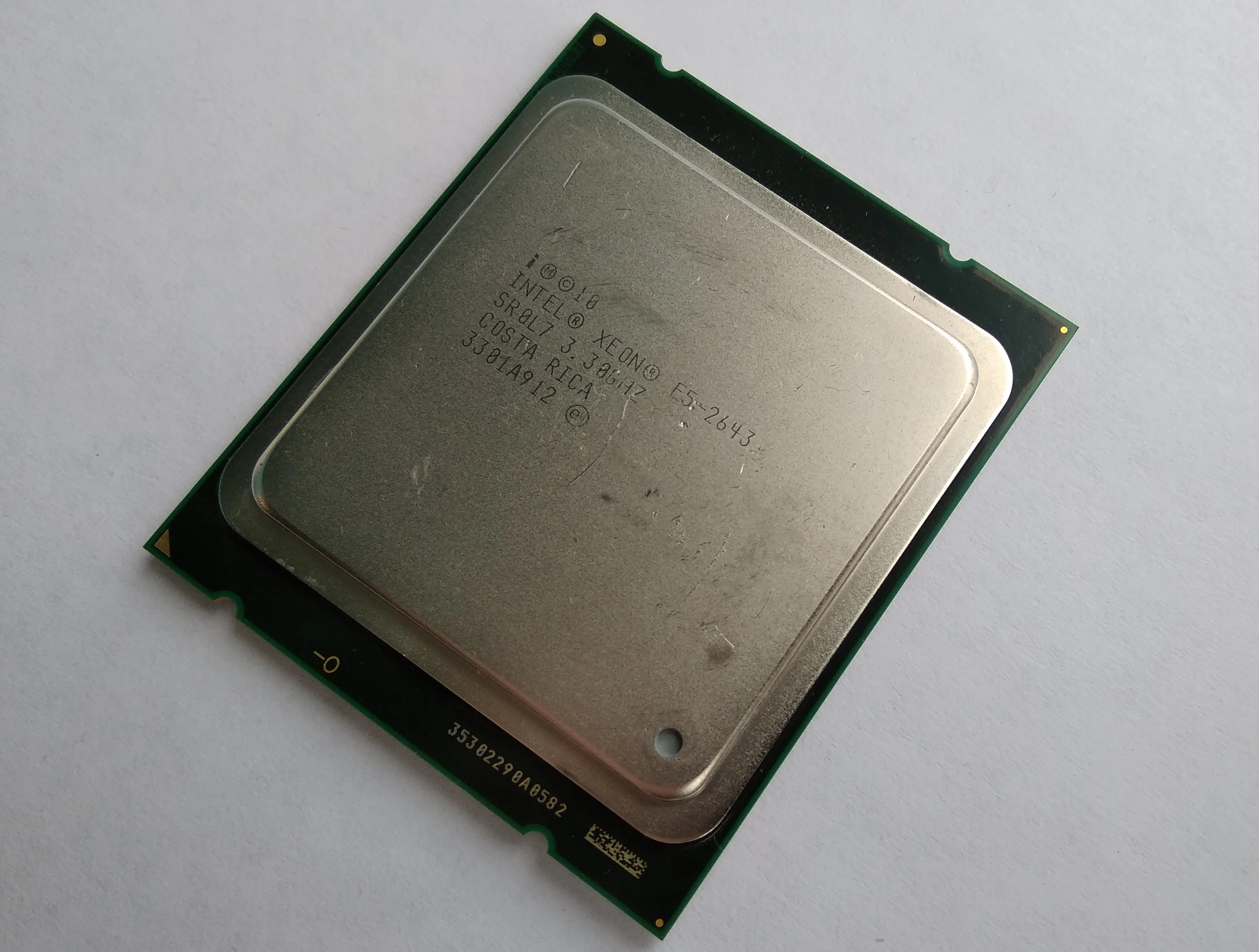
Our test sample has the SR0L7 designation. The chip's base clock is 3300MHz, but Turbo Boost can push it up to 3400MHz across all cores, with a maximum single-core frequency of 3500MHz.
This reveals the first difference between the E5-2643 and the i7-2600: the latter has a 100MHz higher all-core frequency at 3500MHz. The i7-2600's single-thread boost is also higher—3800MHz versus 3500MHz for the E5-2643. However, by late 2019, this difference isn't a significant advantage.
The second difference is obviously the E5-2643's larger 10MB L3 cache, an increase of 2MB over the i7-2600's 8MB. Finally, our test subject features a quad-channel memory controller, compared to the desktop Core i7's dual-channel.
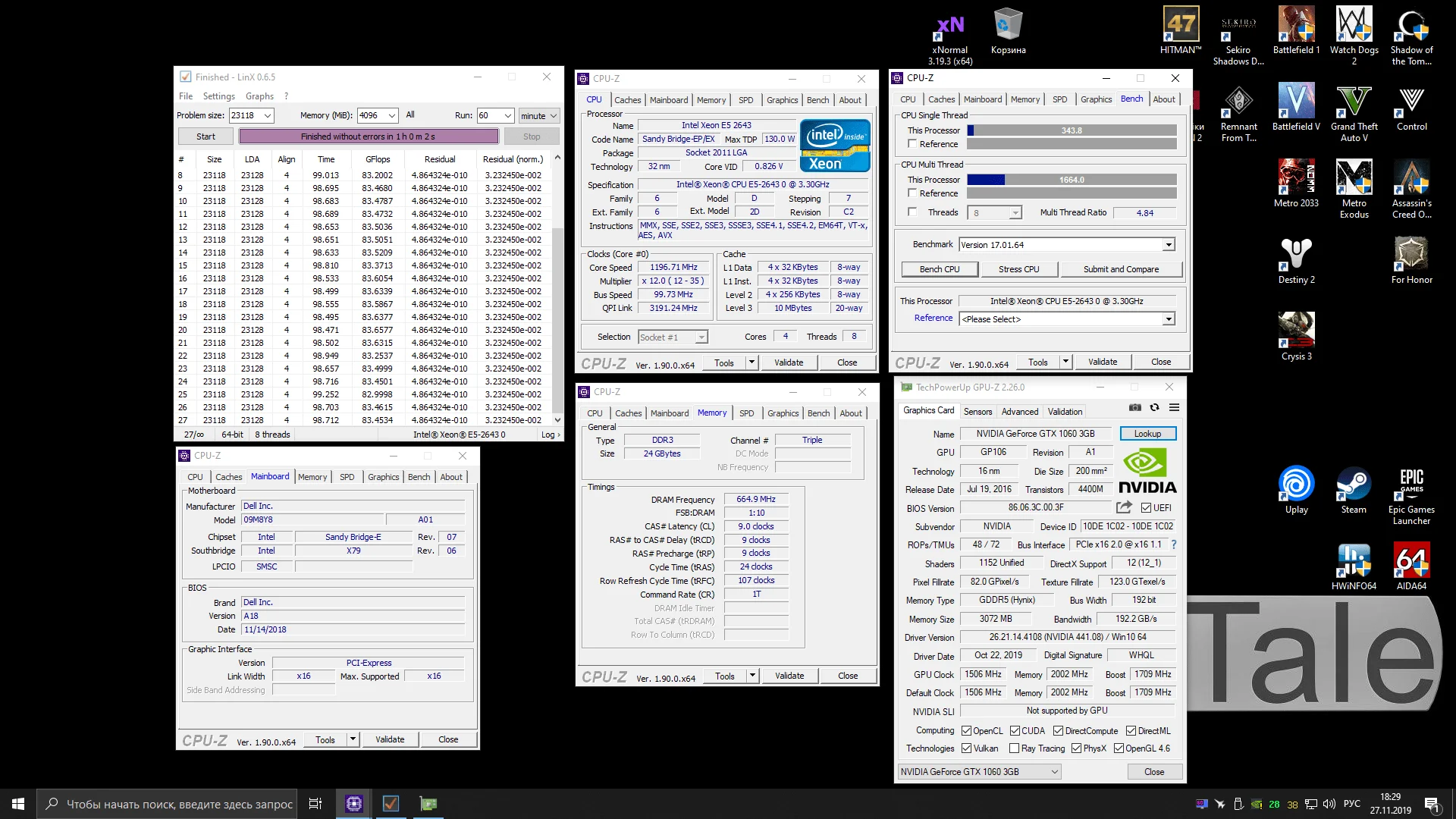
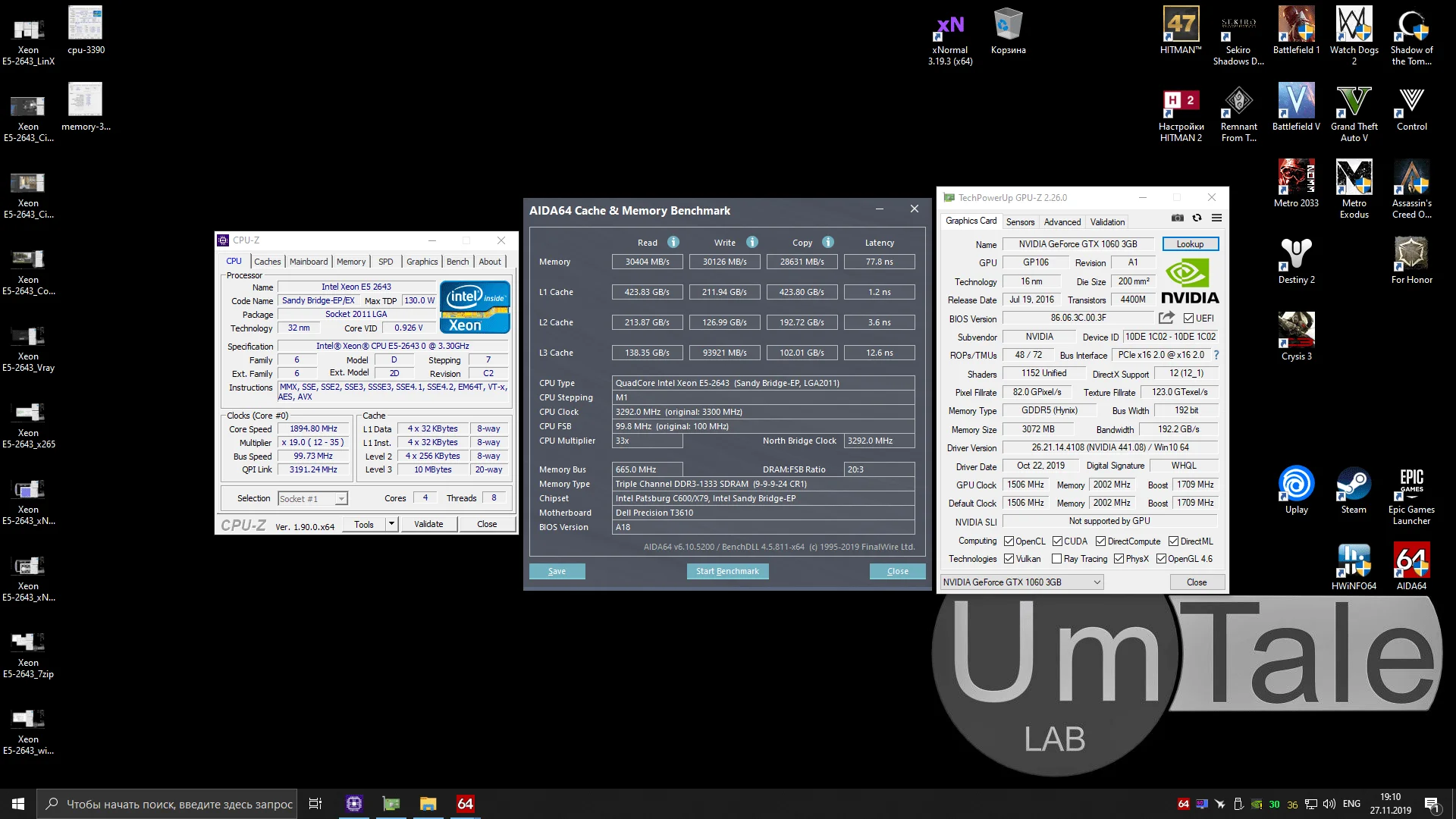
The CPU-Z utility confirms all the aforementioned specifications. The clock speed is slightly lower than nominal at 3390MHz due to the specific characteristics of the DELL T3610 motherboard:
 ⤢ ВІДКРИТИ
 ⤢ ВІДКРИТИ
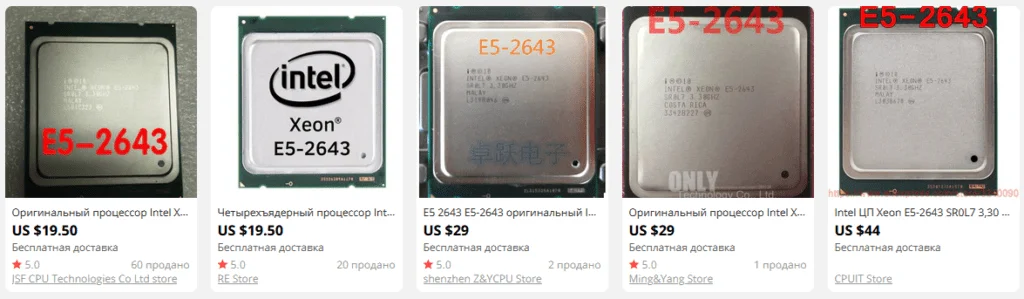
On Aliexpress, the Xeon E5-2643's price varies considerably, but it's still quite feasible to find it for the $20-30 range listed below:
 ⤢ ВІДКРИТИ
Testing notes
The Xeon E5-2643 processor supports quad-channel DDR3 memory, but we couldn't source a fourth registered memory stick, so we had to test with just three modules. Given the relatively low core count of our test subject, this shouldn't significantly impact results, especially since the Core i7-2600, for instance, only uses dual-channel DDR3. Still, keep this testing detail in mind.
The competition
You can find reviews and overclocking details for other test participants in the first article of our November benchmark session.
Comparison table of test processors:
Processor | Xeon X5660 | Xeon X5570 | Xeon E5-2643 | Core i5-2500K | Xeon X3450 | Xeon X3470 |
Socket | LGA 1366 | LGA 1366 | LGA 2011 | LGA 1155 | LGA 1156 | LGA 1156 |
Base clock | 2800МГц | 2933МГц | 3300МГц | 3300МГц | 2667МГц | 2933МГц |
Max clock | 3200МГц | 3325МГц | 3500МГц | 3700МГц | 3200МГц | 3600МГц |
Max all-core clock | 3066МГц | 3200МГц | 3400МГц | 3400МГц | 2800МГц | 3200МГц |
Cores/modules | 6 | 4 | 4 | 4 | 4 | 4 |
Threads | 12 | 8 | 8 | 4 | 8 | 8 |
Process tech | 32нм | 45нм | 32нм | 32нм | 45нм | 45нм |
L2 cache (per core) | 256КБ | 256КБ | 256КБ | 256КБ | 256КБ | 256КБ |
L3 cache (total) | 12МБ | 8МБ | 10МБ | 6МБ | 8МБ | 8МБ |
L3/IMC clock | 2666МГц | 2666МГц | core-linked | core-linked | 2133МГц | 2400МГц |
TDP | 95 Вт | 95 Вт | 130 Вт | 95 Вт | 95 Вт | 95 Вт |
Memory controller | 3-channel | 3-channel | 4-channel | 2-channel | 2-channel | 2-channel |
Multiplier | Locked | Locked | Locked | Unlocked | Locked | Locked |
Test bench:
Processors — Xeon E5-2643, Xeon E5506, Xeon X3450, Xeon X3470, Xeon X5570, Xeon X5660, and Core i5-2500K
Cooling — Cooler Master Hyper 212 Black Edition (RR-212S-20PK-R1)
RAM for LGA 2011 — 3x 8GB Micron MT36JSF1G72PZ-1G4M1HF for a total of 24GB
RAM for LGA 1366 — 3x 8GB HyperX Genesis Na’Vi Edition (KHX16C9C2K2/8) for a total of 24GB
RAM for LGA 1155 — 2x 8GB HyperX Genesis Na’Vi Edition (KHX16C9C2K2/8) for a total of 16GB
RAM for LGA 1156 — 2x 8GB HyperX Genesis Na’Vi Edition (KHX16C9C2K2/8) for a total of 16GB
Motherboard LGA 2011 — DELL T3610 (09M8Y8)
Motherboard LGA 1366 — DELL T3500 (09KPNV)
Motherboard LGA 1155 — Gigabyte GA-Z68P-DS3 (rev. 2.0)
Motherboard LGA 1156 — Gigabyte H55M-USB3
Graphics card — Palit GeForce GTX 1060 DUAL 3GB (1506/1709/8000MHz, Power Limit 115%)
SSD — KINGSTON 120GB SA400S37120G (Windows 10 1903/Applications)
HDD — Seagate 2TB ST2000DM008-2FR102 (Games)
PSU — Chieftec GPS-1250C
Software:
Windows 10 Pro v1903 x64
CPU-Z v1.90.0 x64
AIDA64 v6.10.5200
NVIDIA GeForce Game Ready Driver 441.08 WHQL
V-Ray Benchmark v4.10.03
Corona Benchmark v1.3
Cinebench R15.38
Cinebench R20.060
xNormal 3.19.3.39669 x64 (NM Map smoothing x4, AO Map smoothing x1)
HWBot x265 Benchmark v2.0.0
WinRar v5.8 Beta 2 x64
7-Zip v19.0 x64
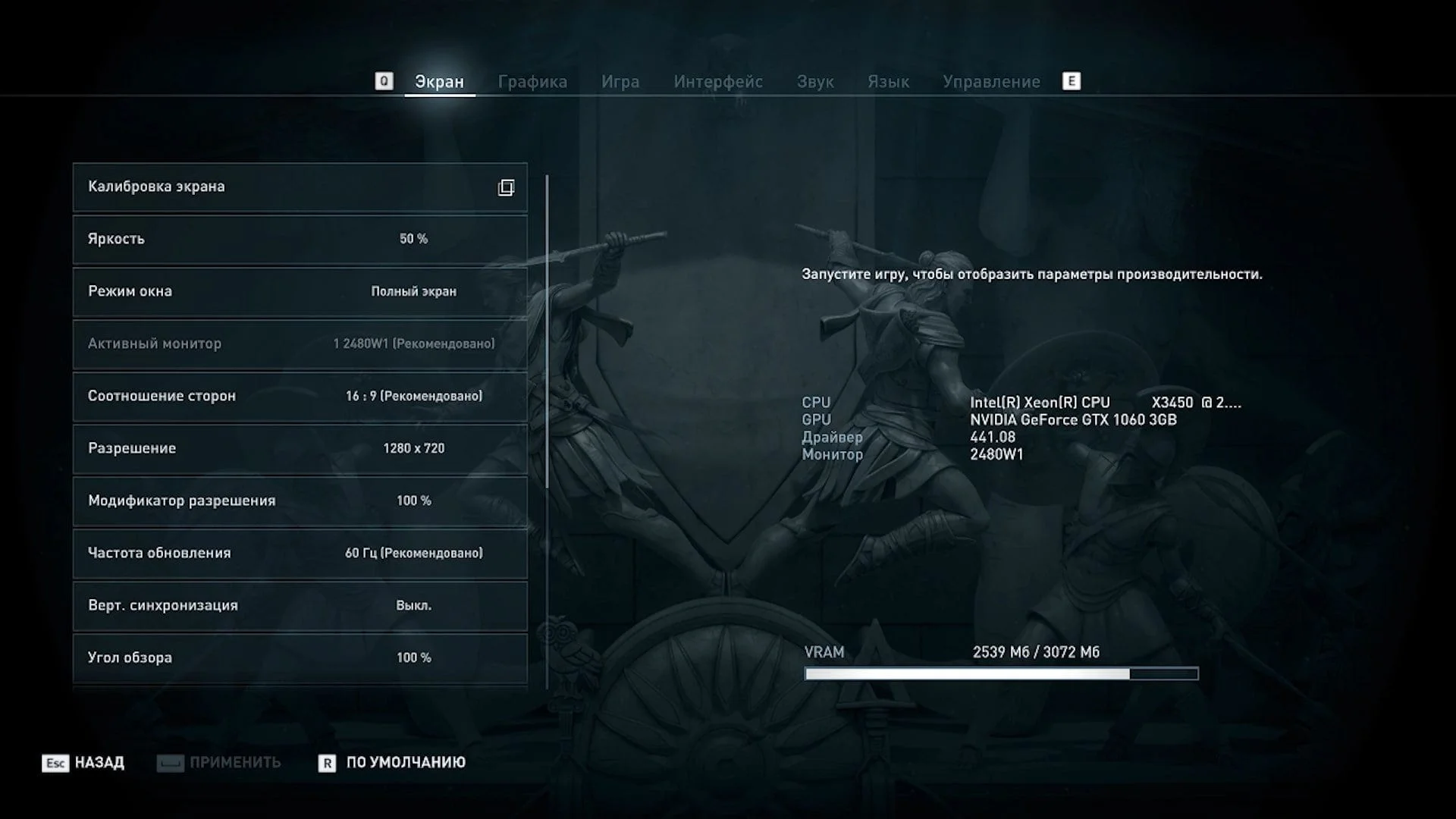
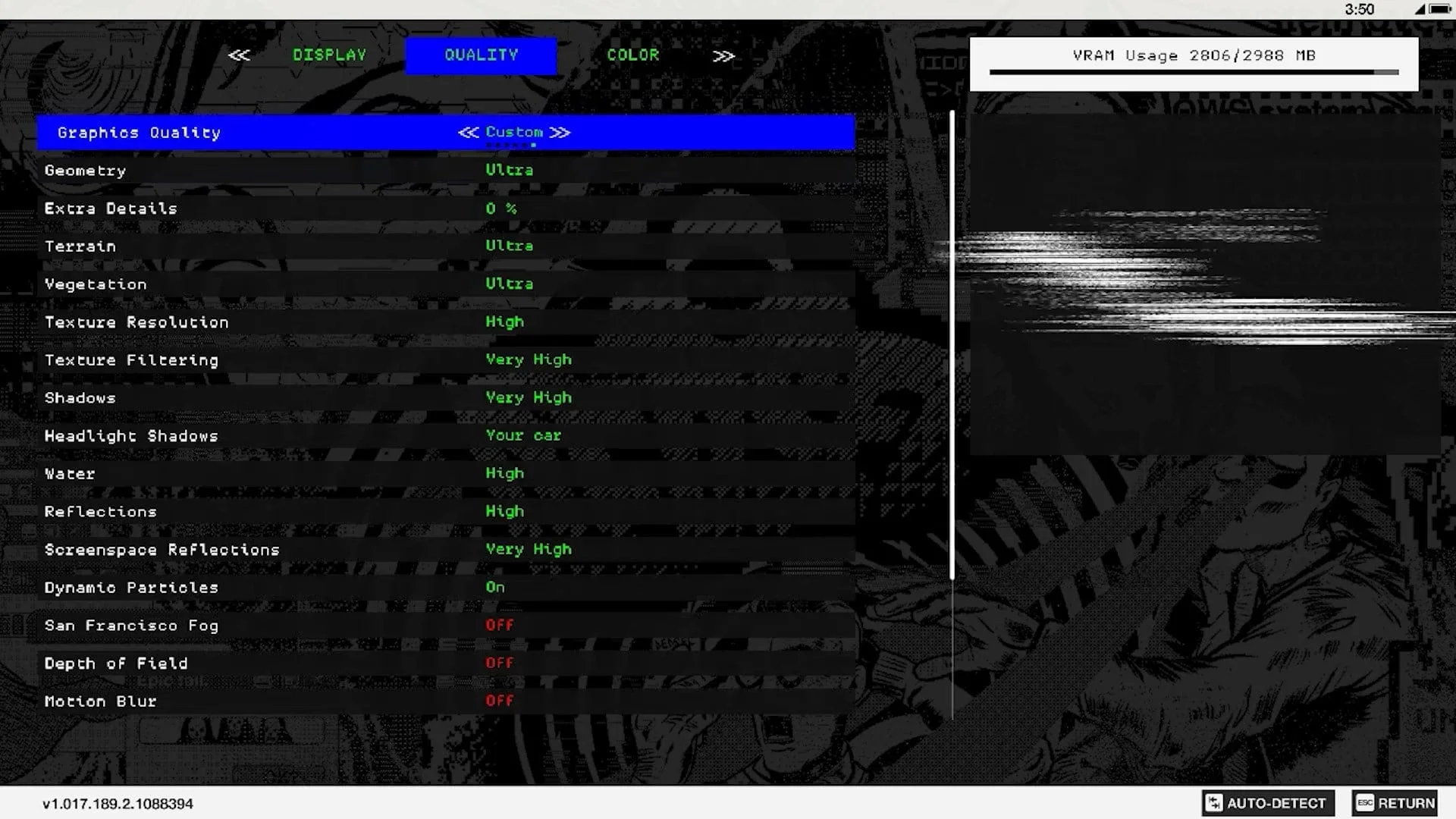
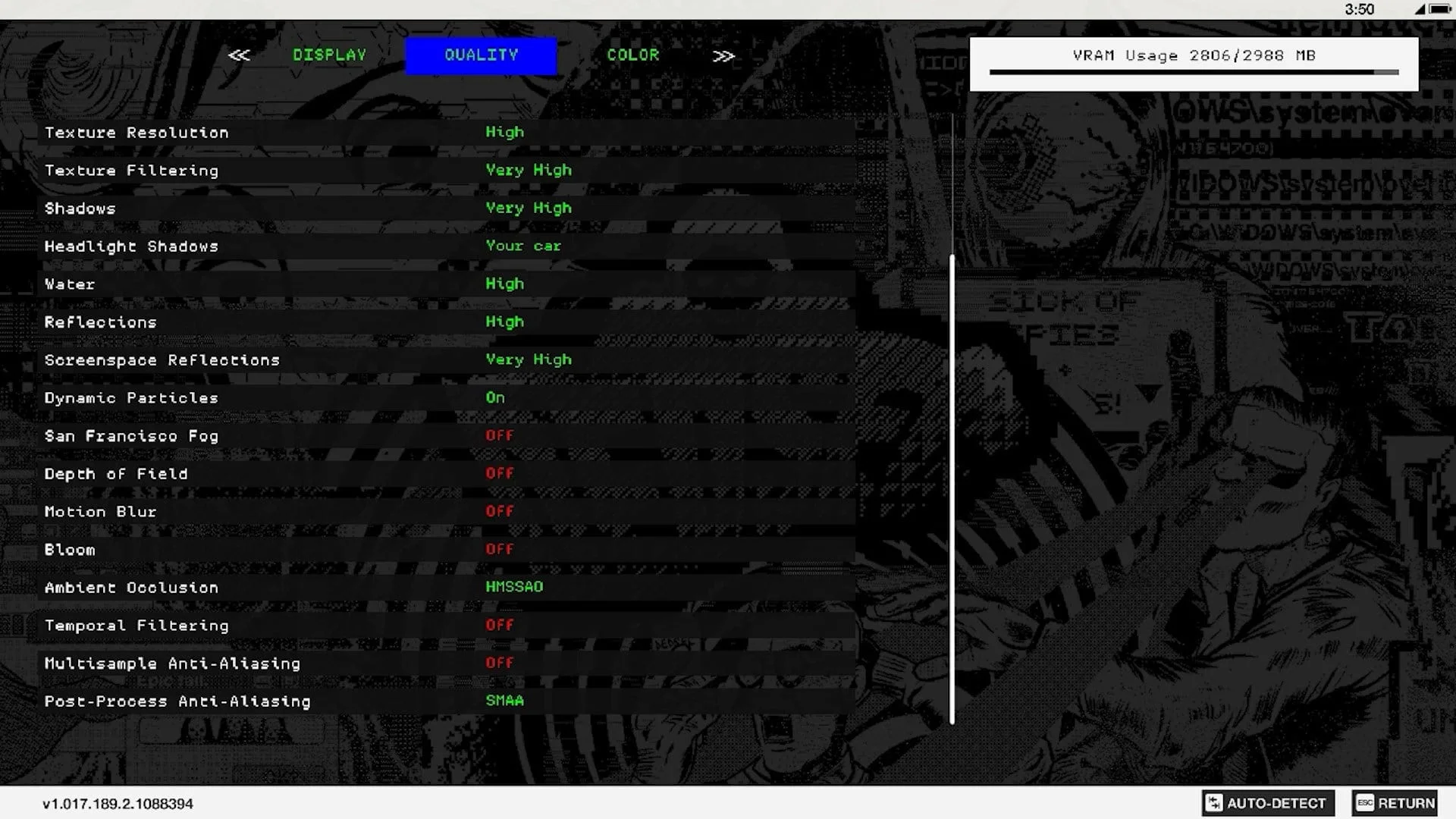
Games and graphics settings:
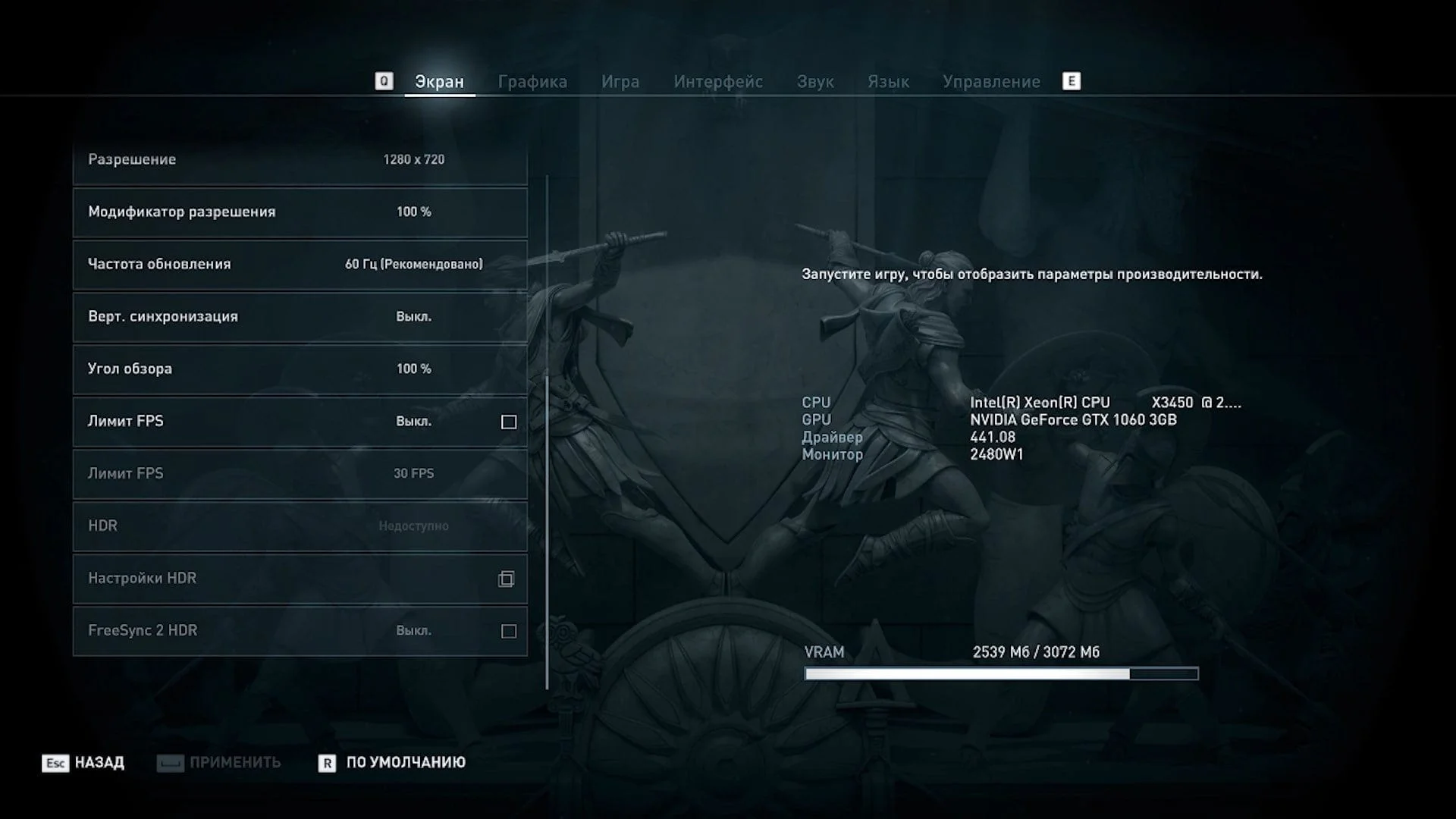
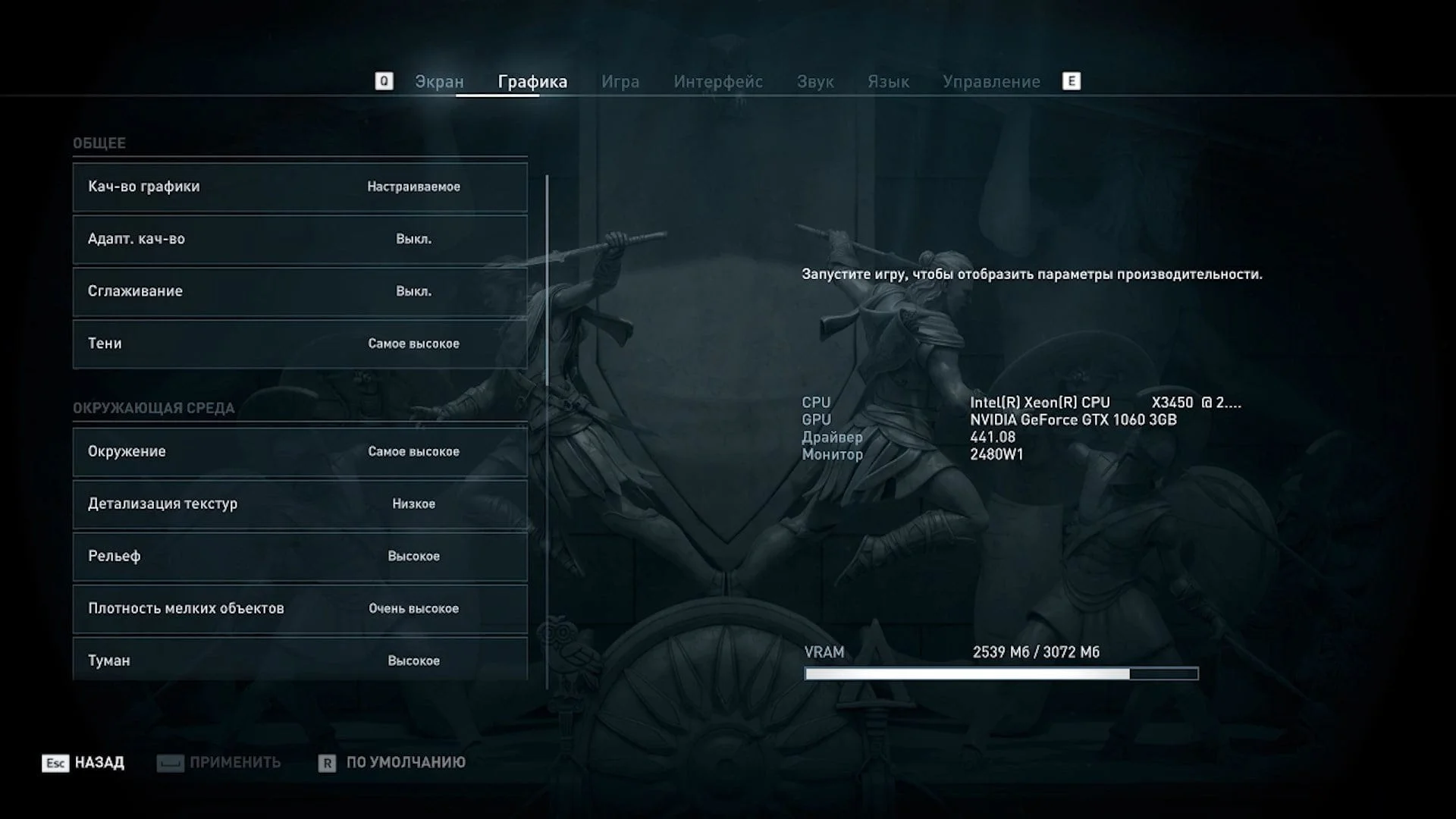
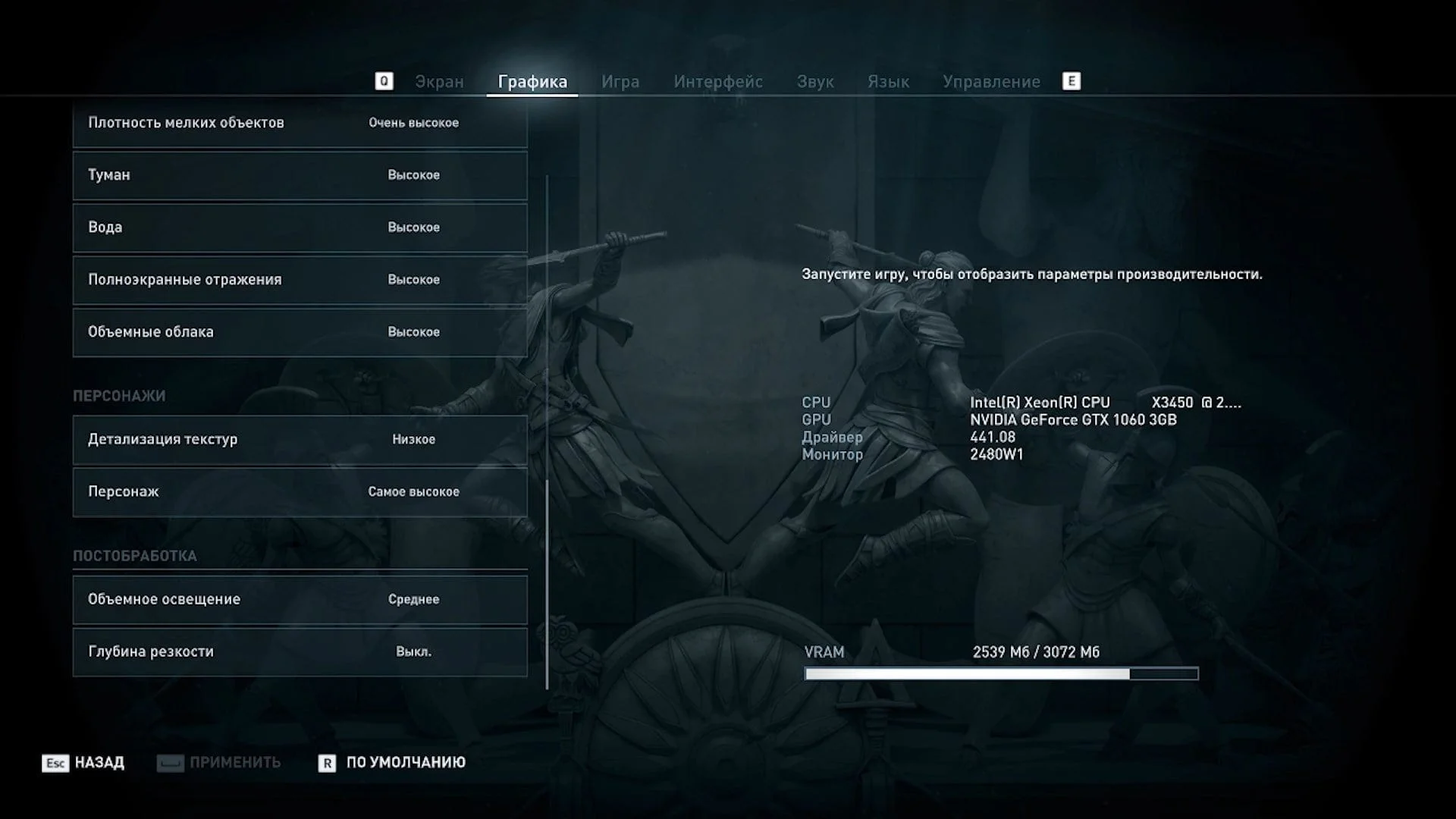
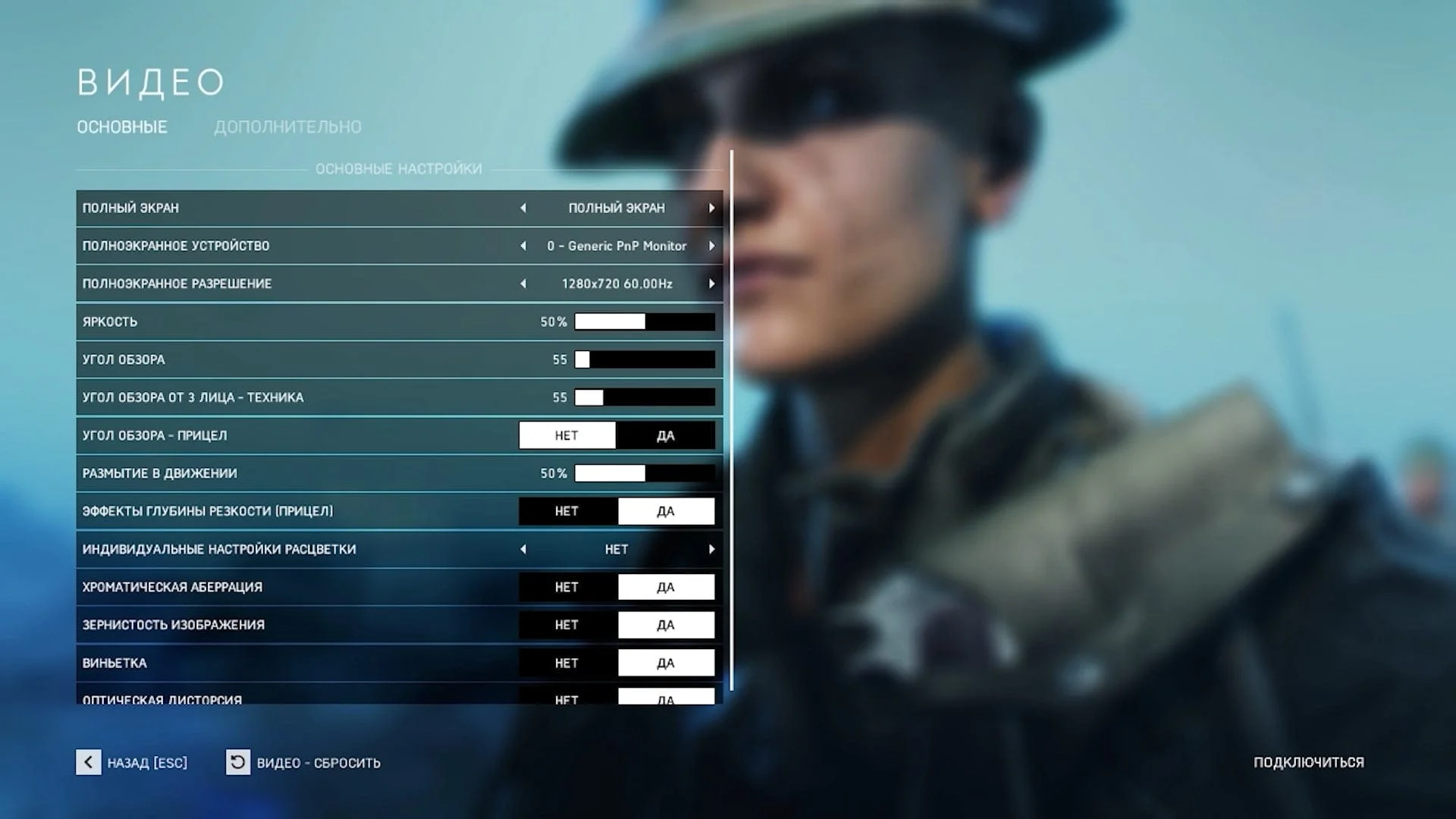
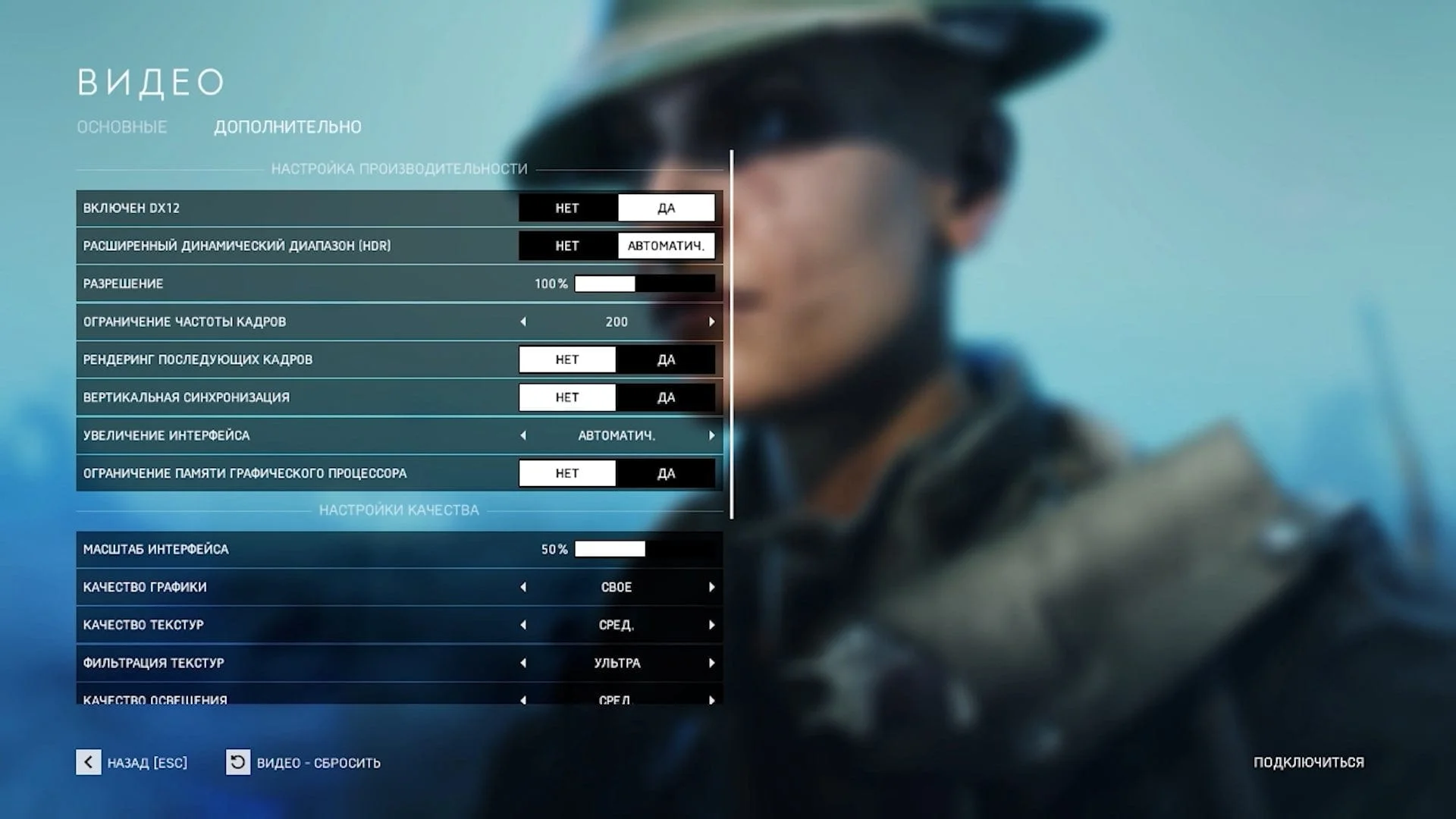
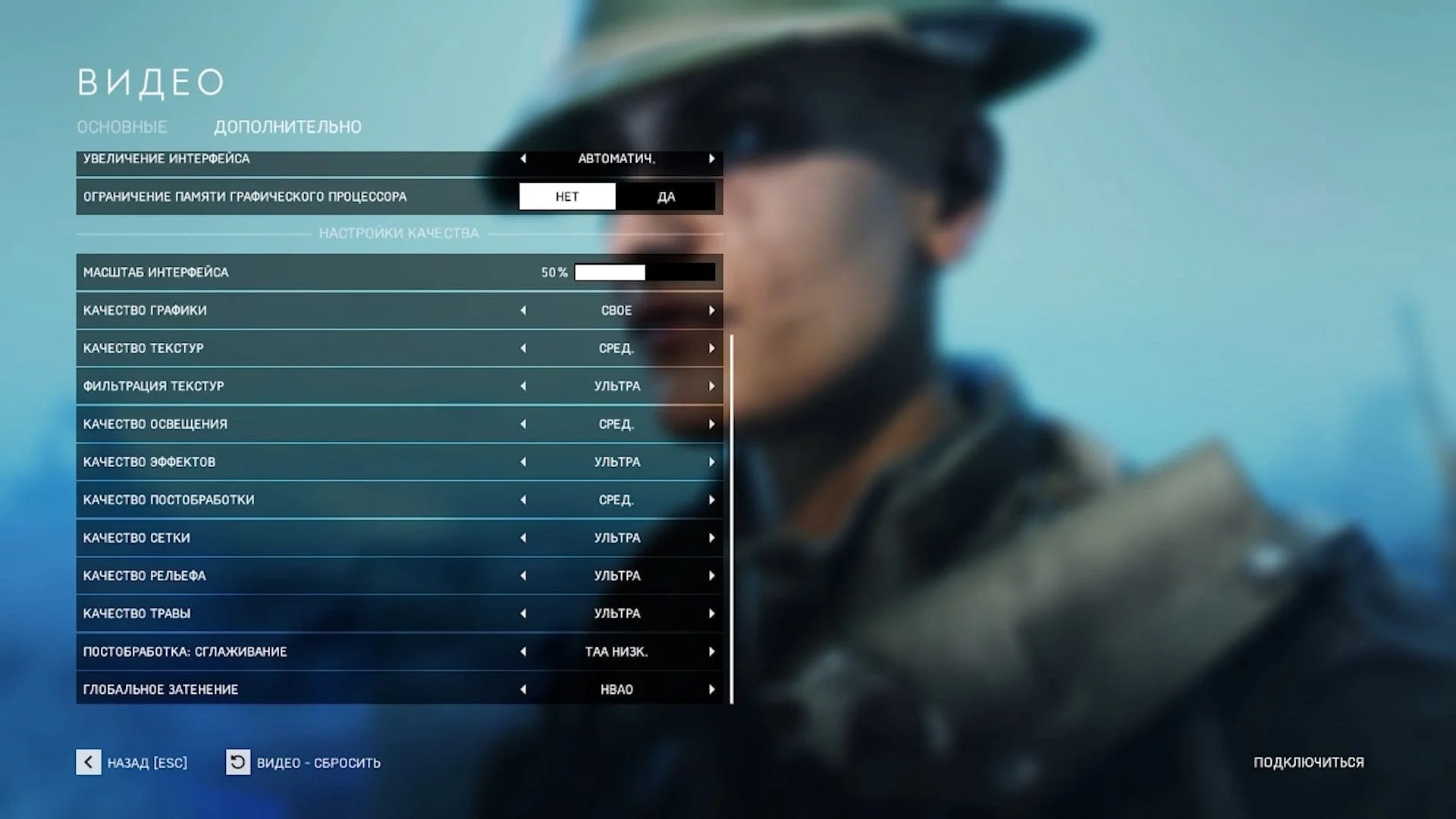
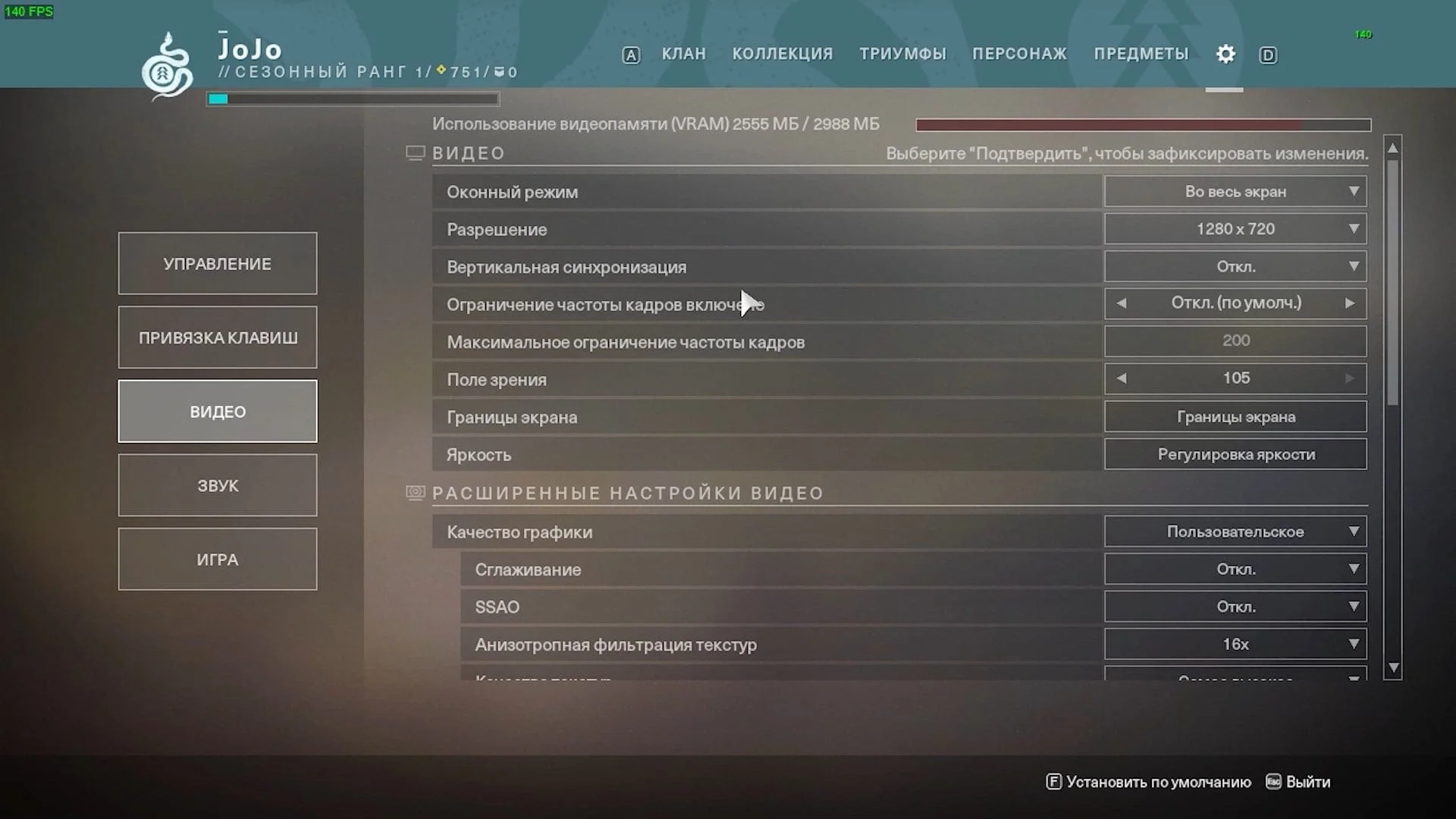
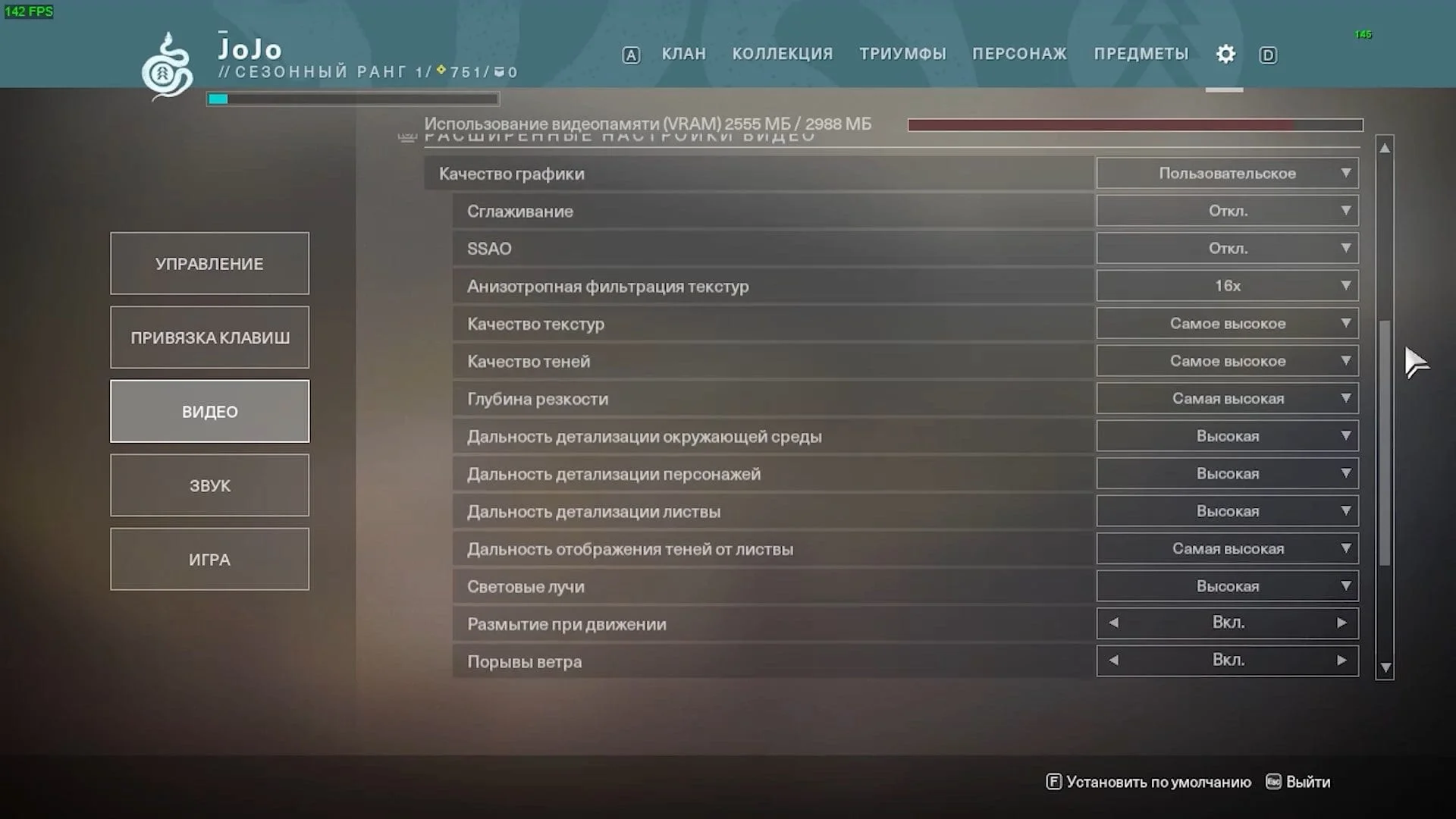
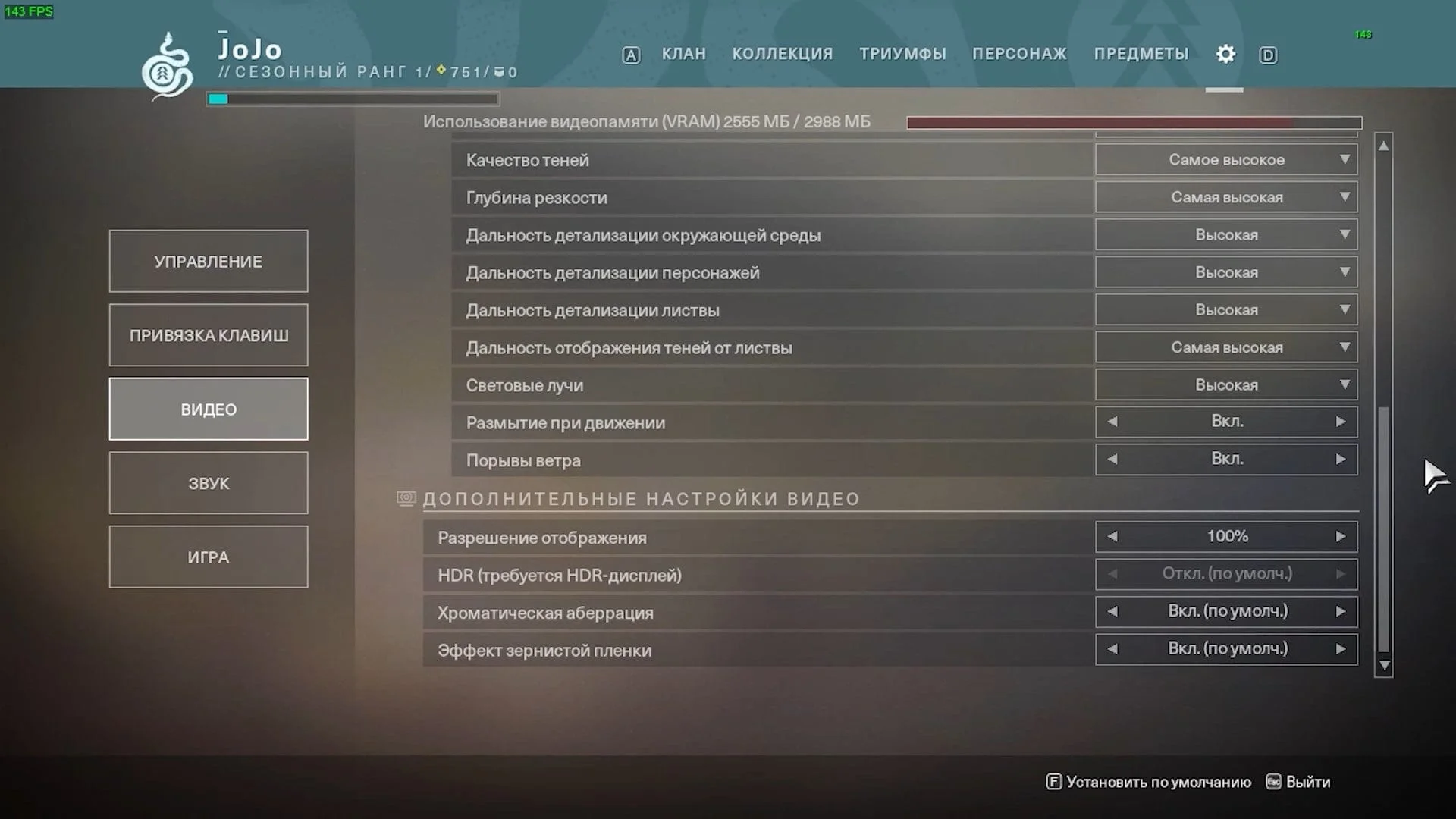
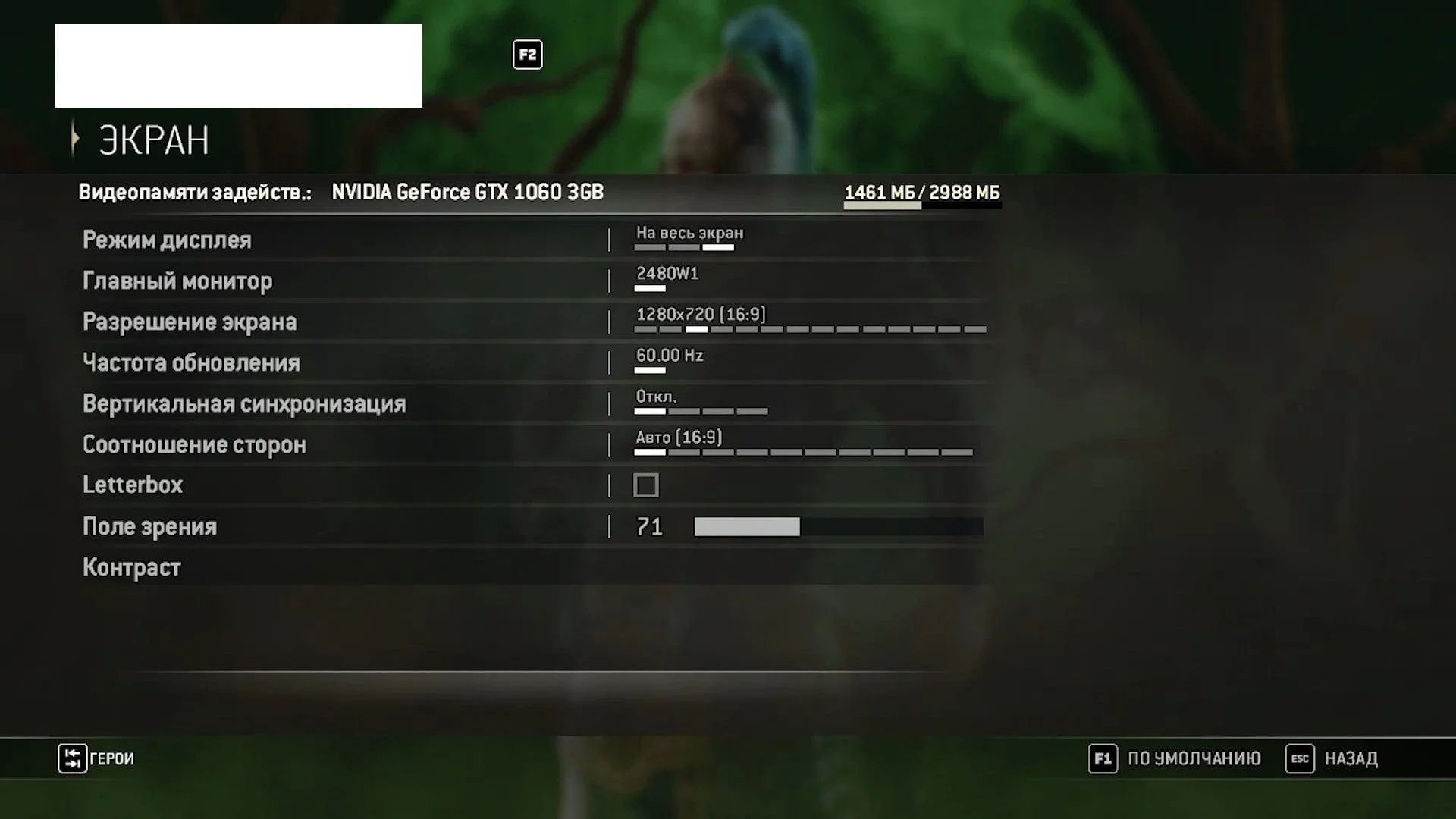
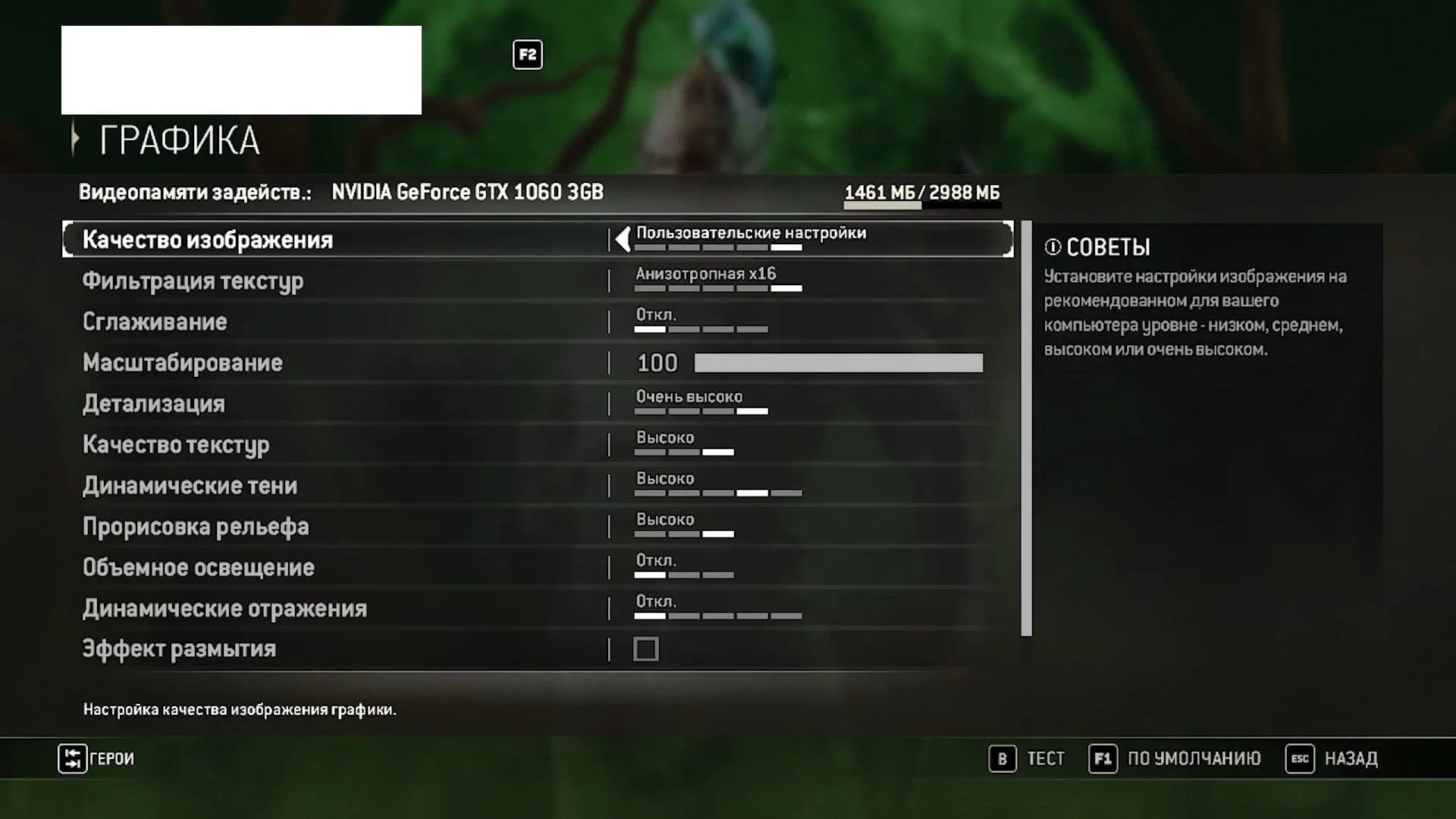
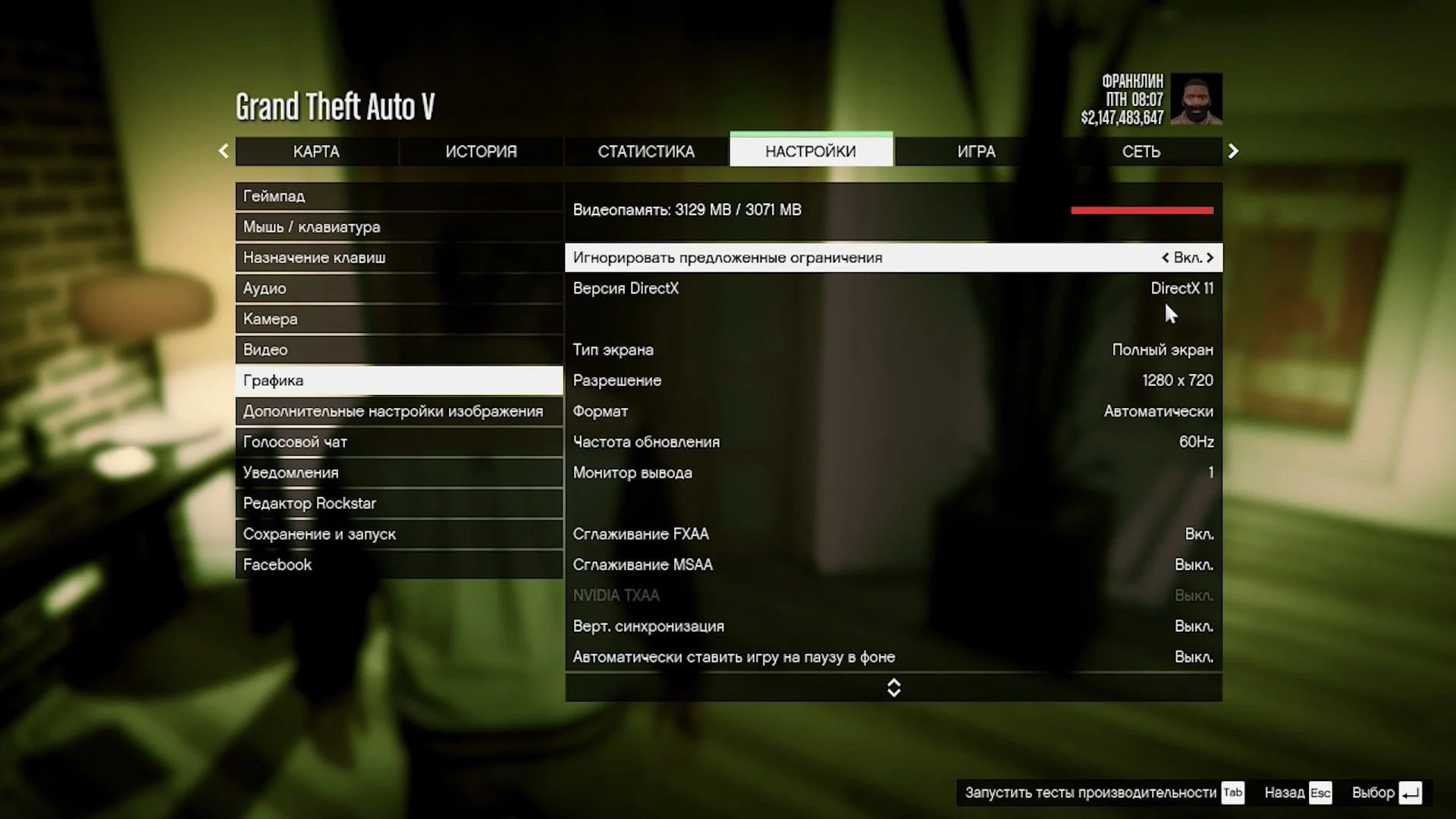
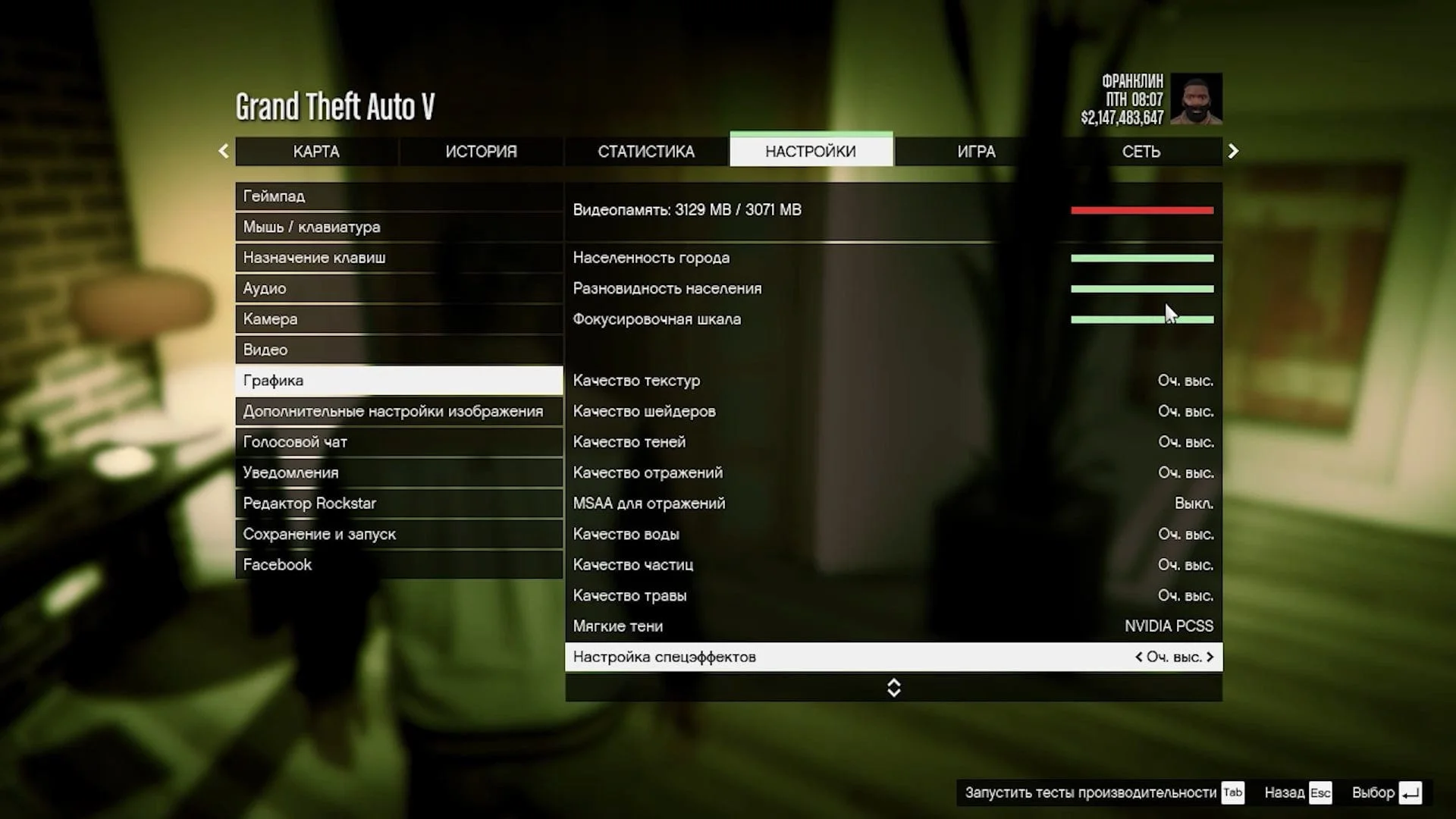
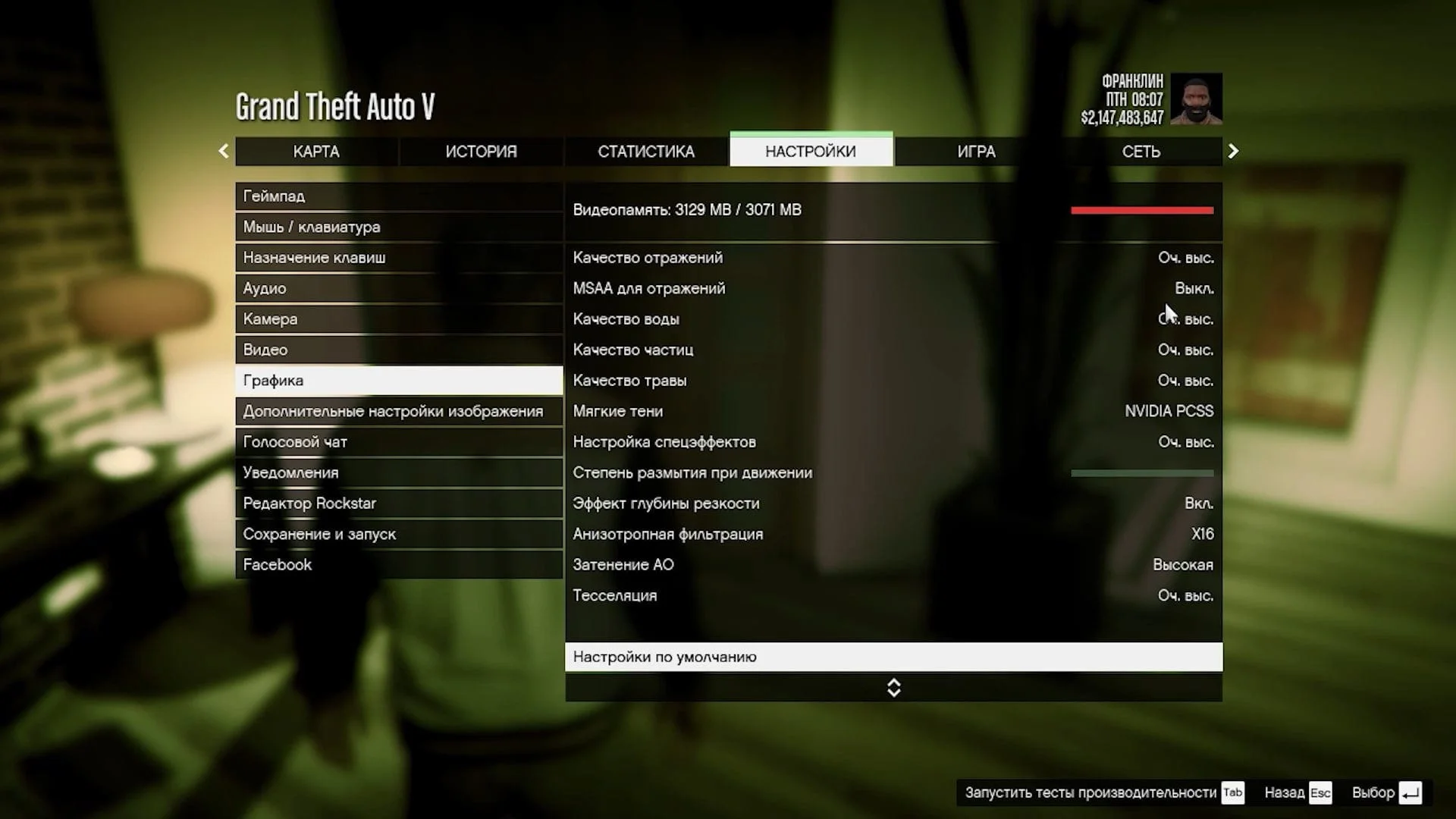
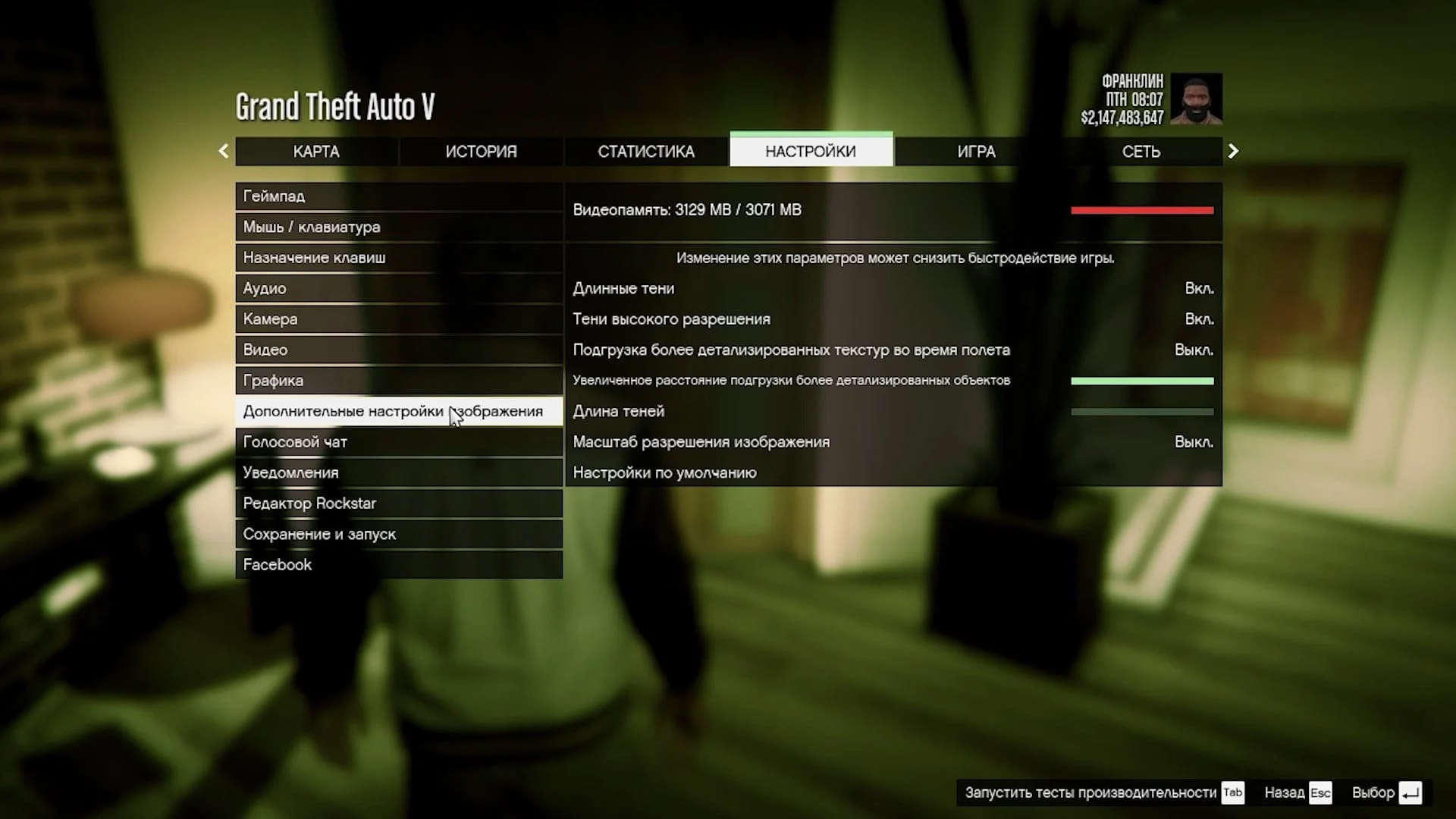
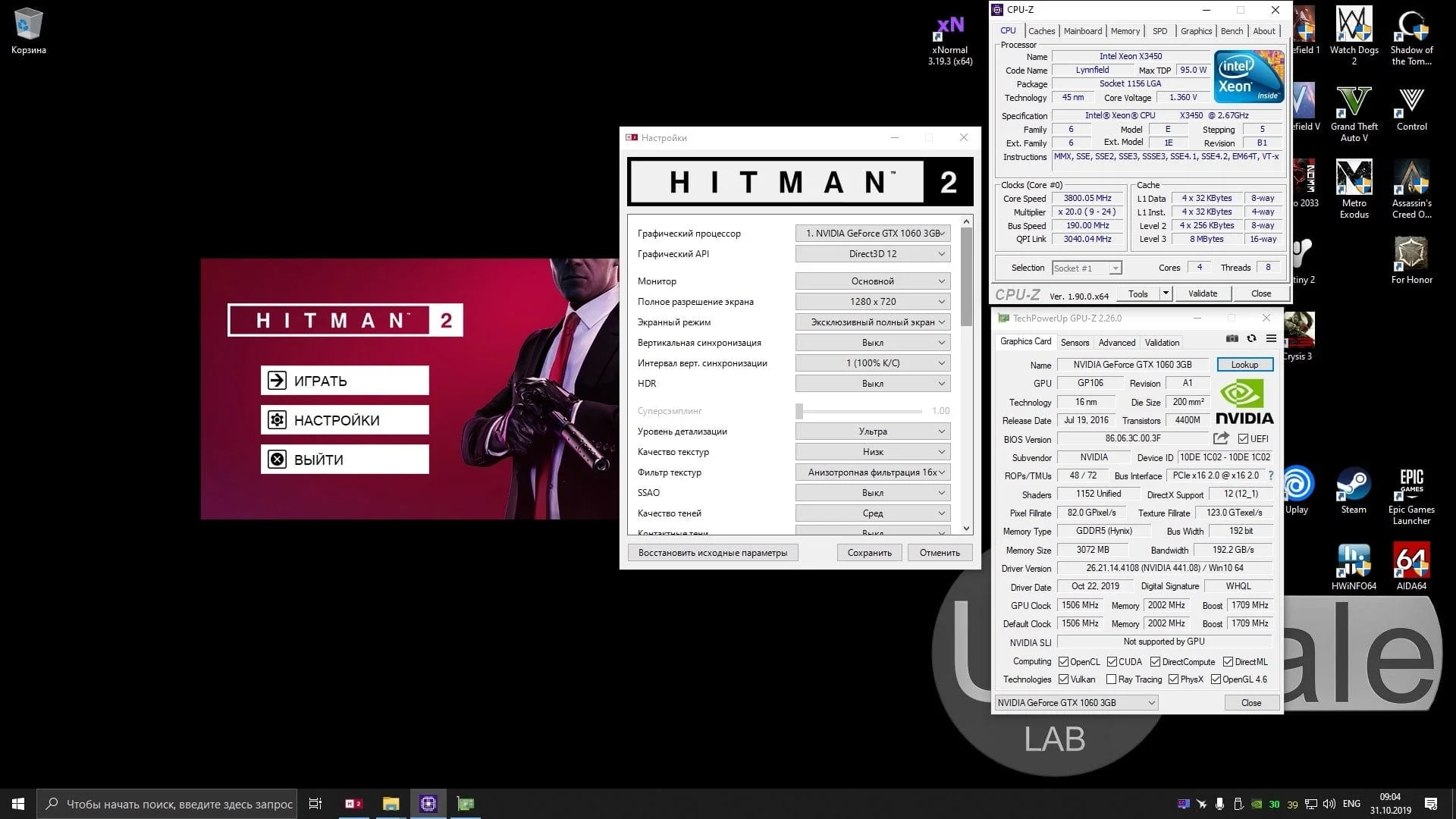
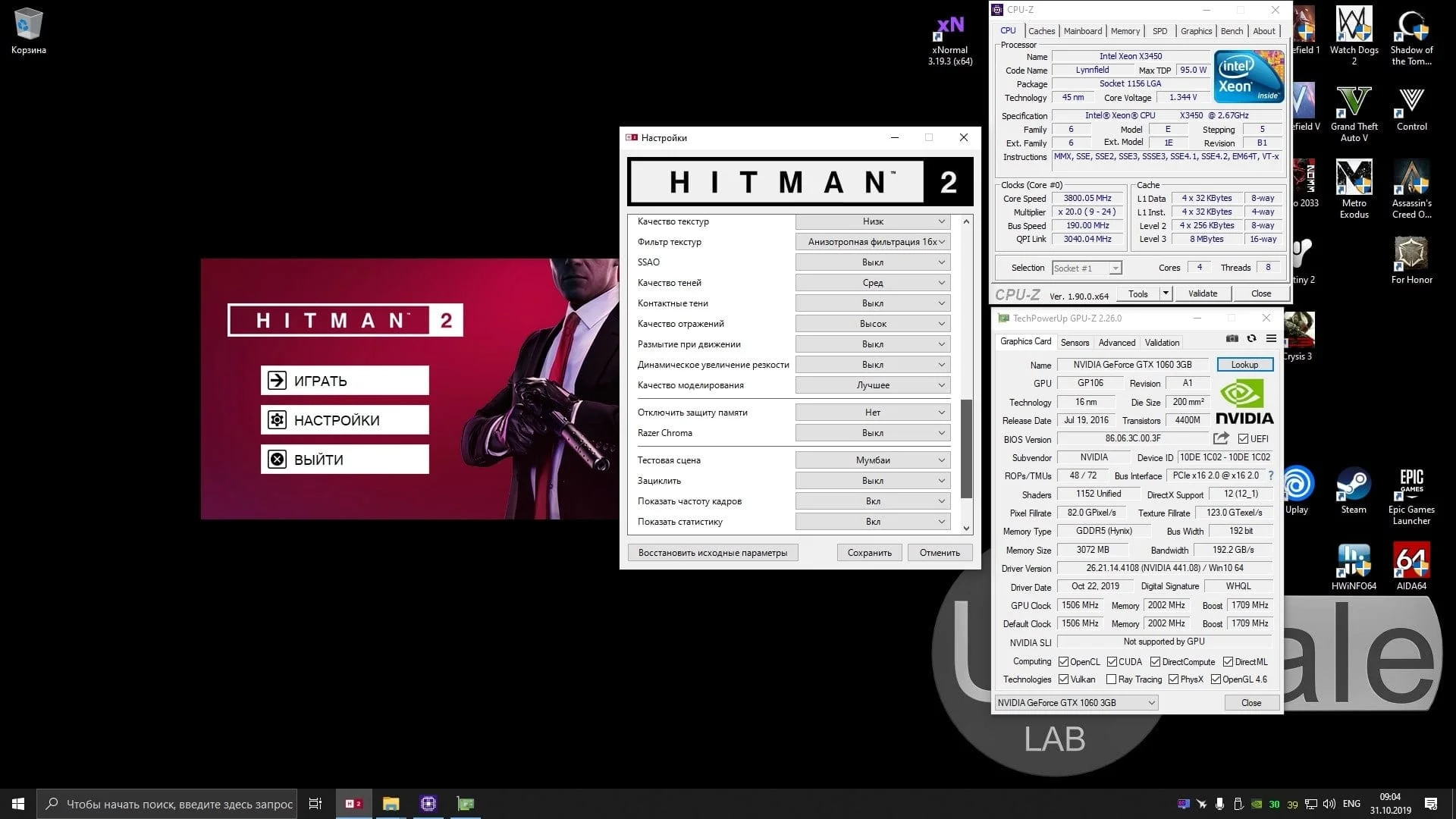
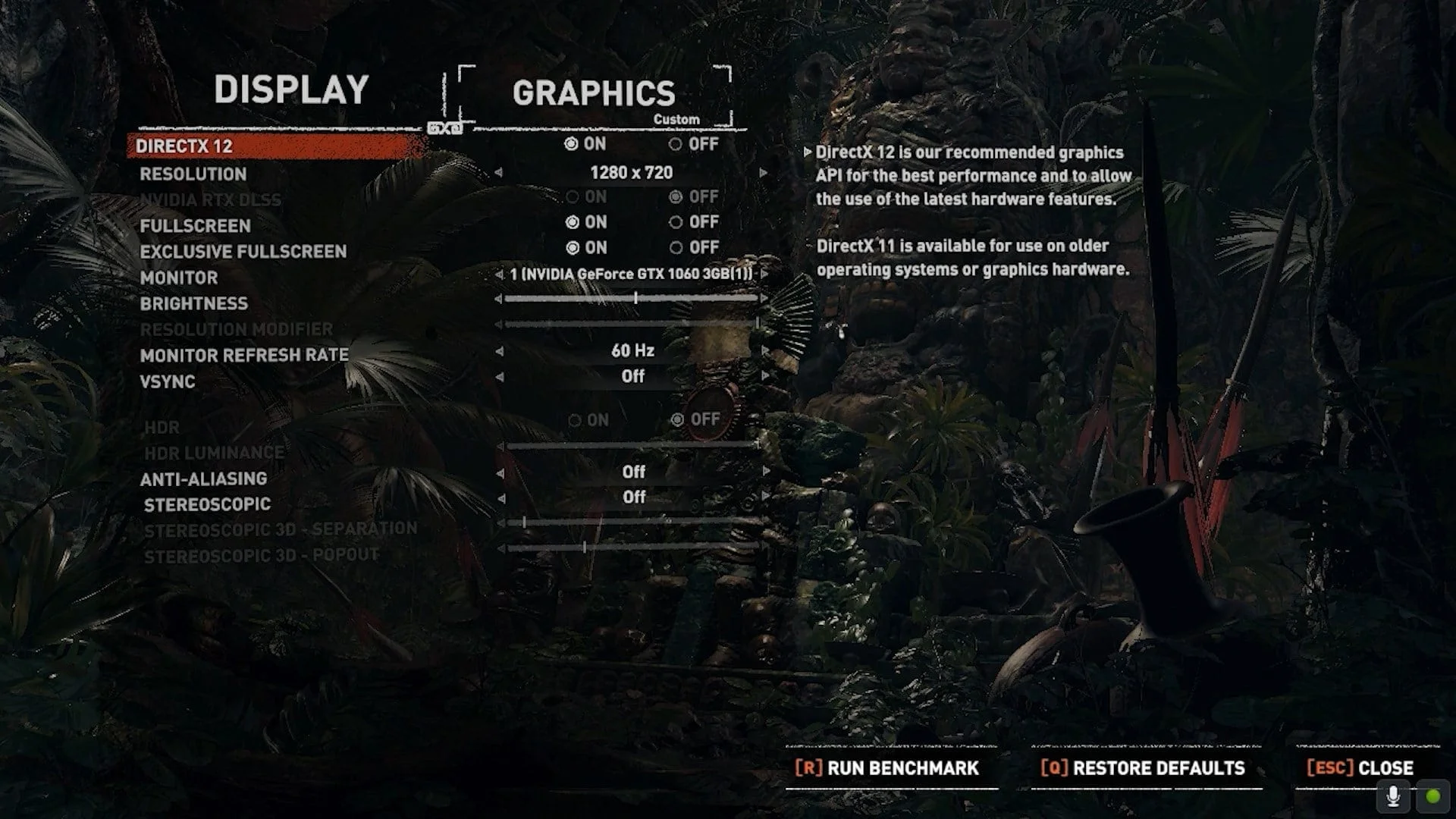
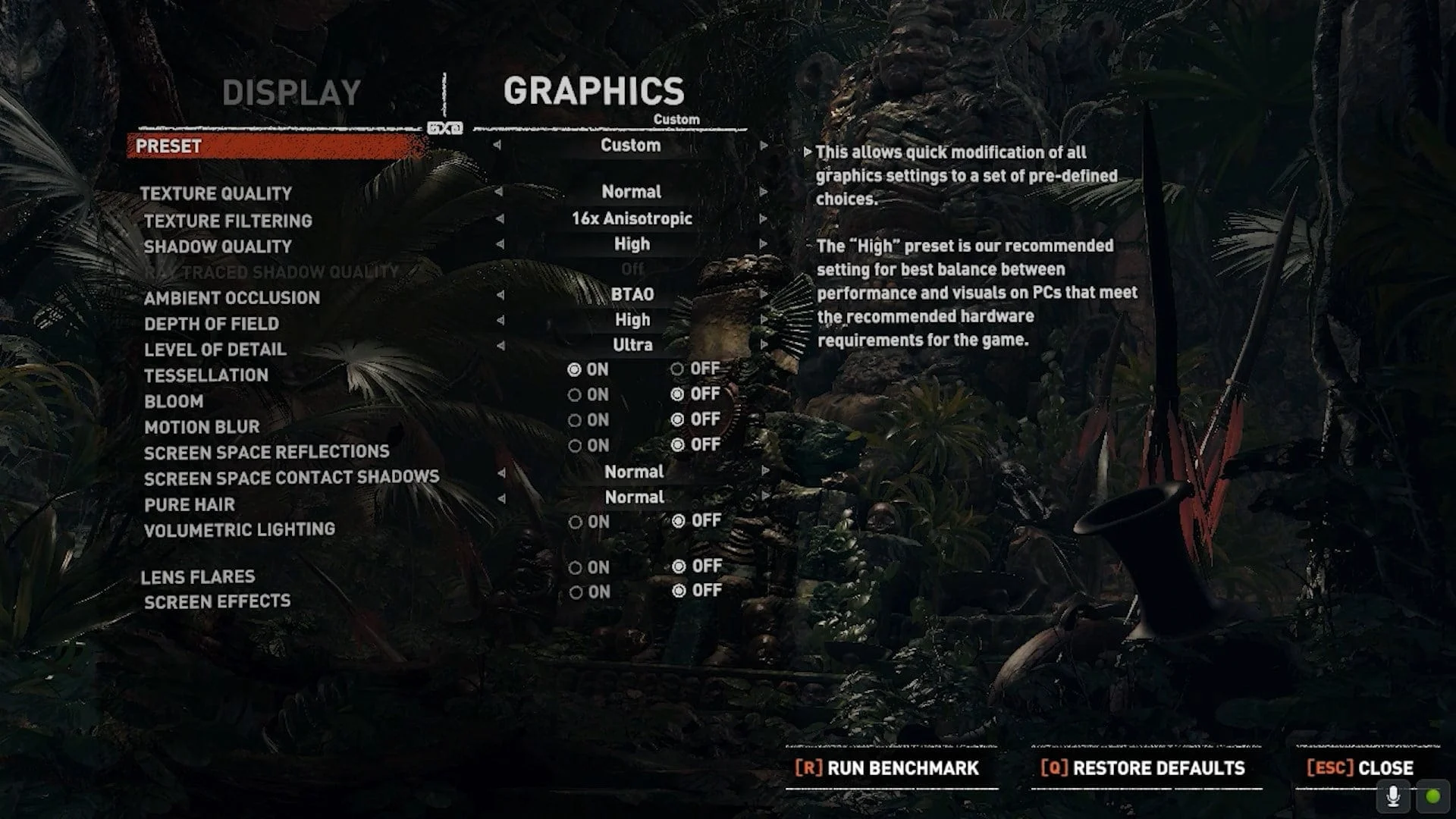
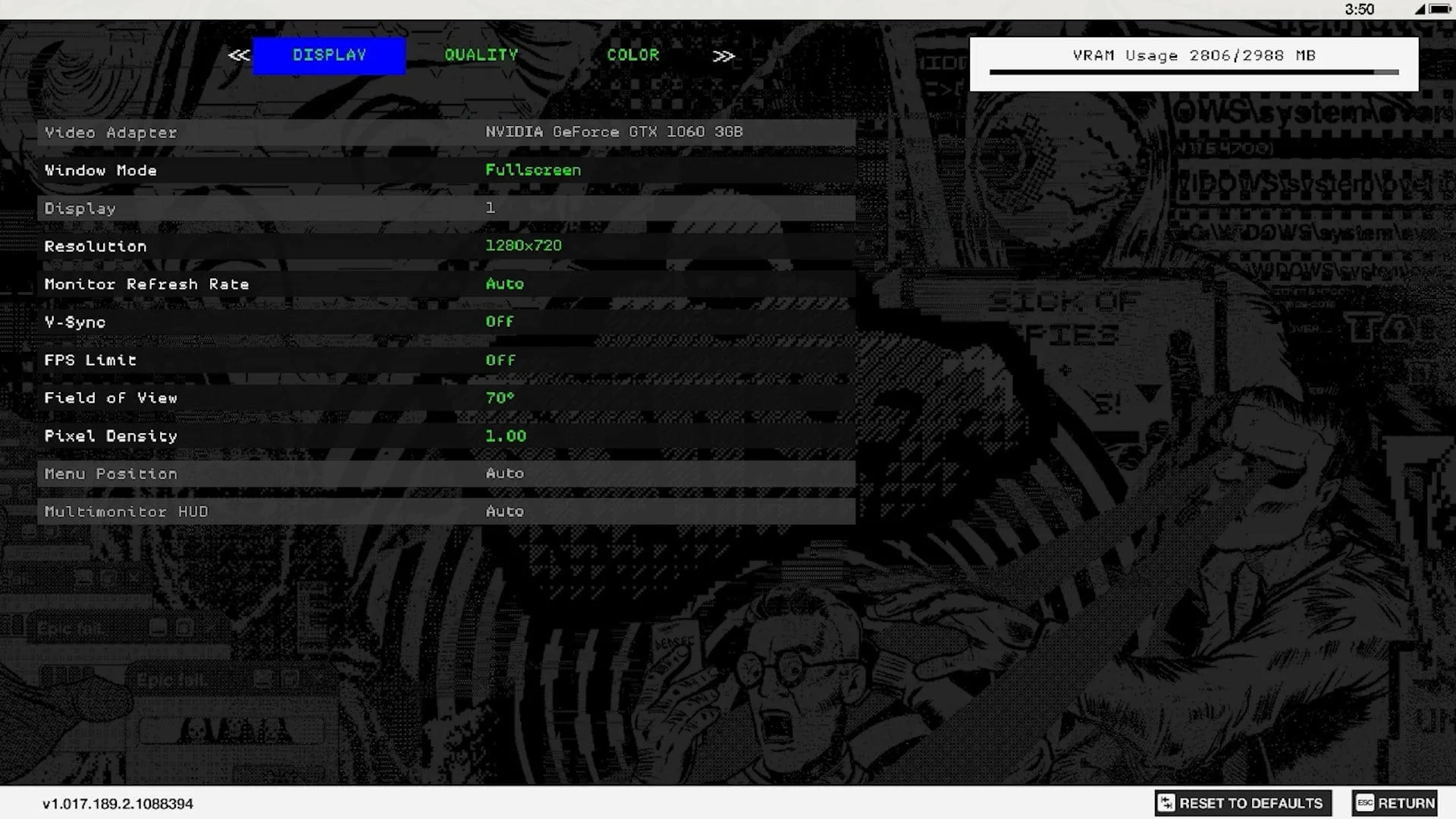
Application benchmarks
Overall performance
 ⤢ ВІДКРИТИ
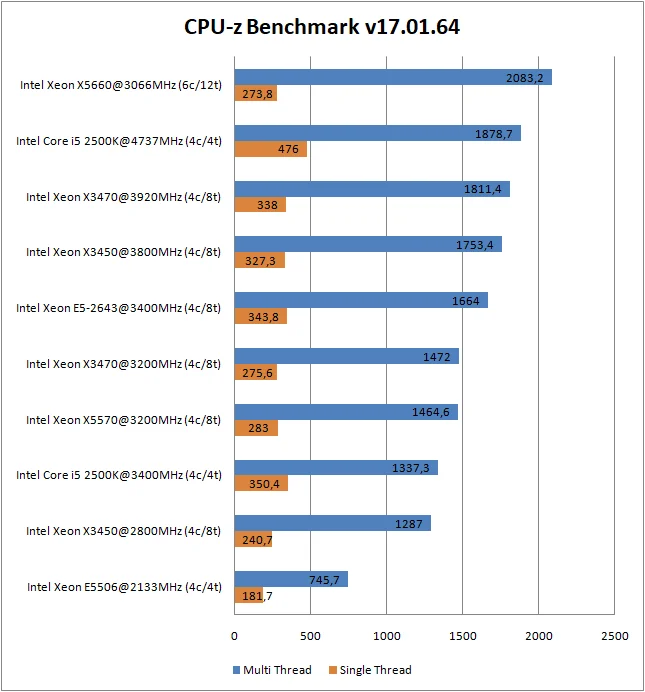
The first test immediately yielded interesting results. The CPU-Z benchmark, a popular informational utility, showed that high single-thread scores don't guarantee a win in multi-thread performance. How else to explain the Xeon X3450, at 3800MHz with the same core/thread count, outpacing the Xeon E5-2643, despite a slightly lower single-thread score?
Rendering, synthetic benchmarks
 ⤢ ВІДКРИТИ
 ⤢ ВІДКРИТИ
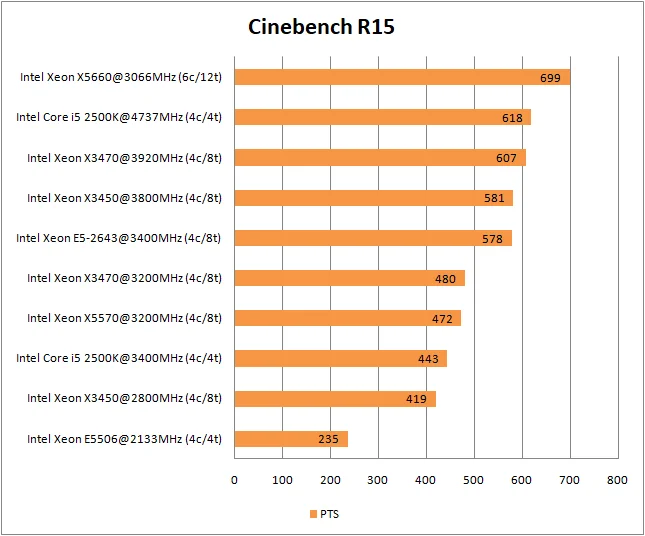
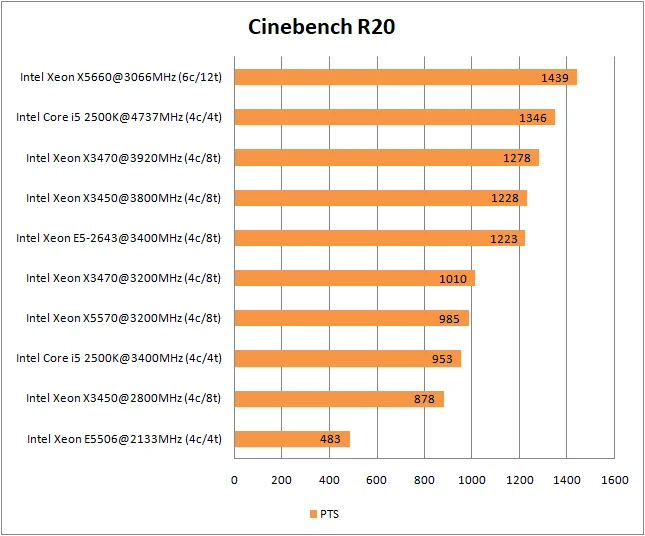
In the relatively synthetic Cinebench tests, the E5-2643 easily handled both Lynnfield family representatives running at stock speeds. However, it couldn't quite surpass their overclocked versions. Still, the architectural advantage of Sandy Bridge over its Nehalem predecessor is clear.
Rendering
 ⤢ ВІДКРИТИ
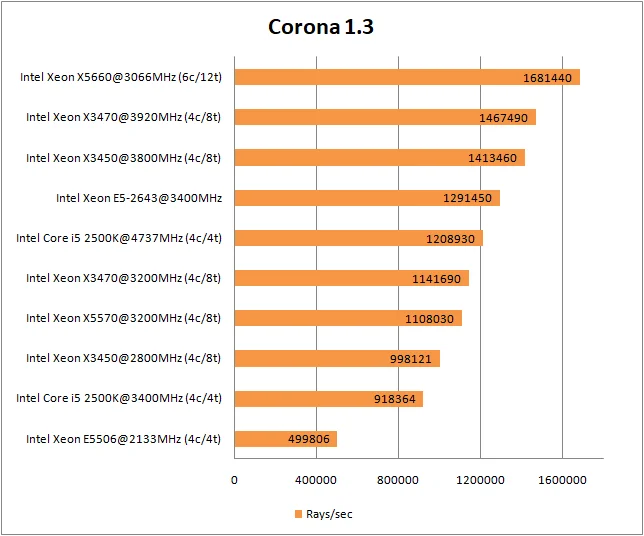
As I've mentioned in previous articles, Corona hasn't been updated in a while, and the benchmark version presented here simply can't reflect the actual state of the latest renderer. Thus, the final values are quite predictable: due to its relatively low base clock, the E5-2643 significantly lagged behind the overclocked X3450 and X3470. The 6-core, 12-thread X5660 remained out of reach for all test participants.
 ⤢ ВІДКРИТИ
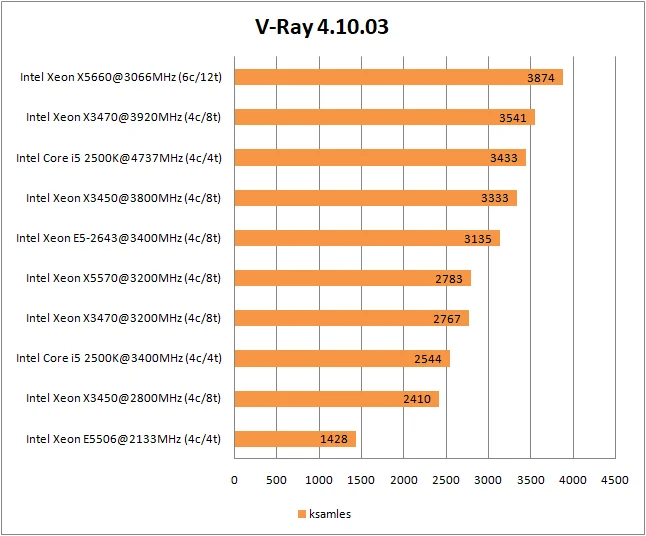
The V-Ray benchmark updates far more frequently, and evaluating its results provides a clearer picture of Sandy Bridge's architectural advantage. However, even here, the Xeon E5-2643 couldn't surpass the X3450, overclocked to 3800MHz, let alone the X3470 running at 3920MHz.
 ⤢ ВІДКРИТИ
 ⤢ ВІДКРИТИ
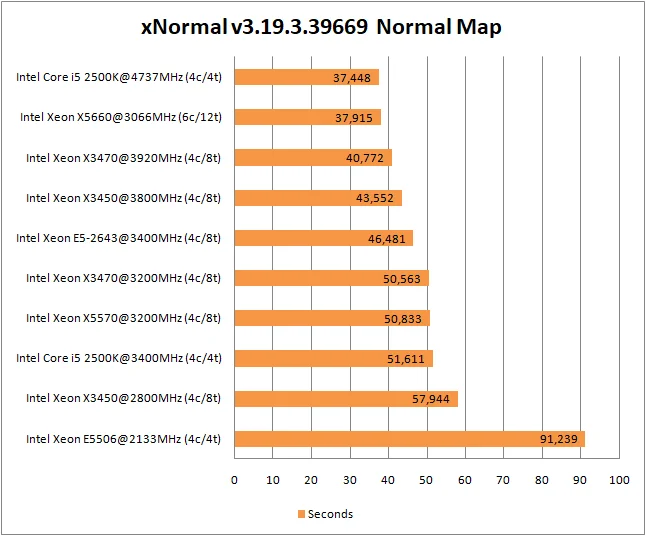
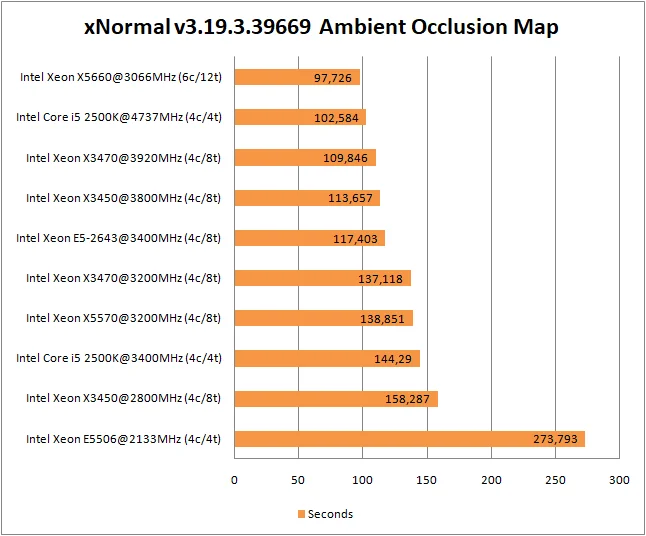
The situation repeats in xNormal. While the E5-2643 holds a decent advantage over its stock rivals, the overclocked LGA 1156 platform representatives deliver slightly stronger results.
Video encoding
 ⤢ ВІДКРИТИ
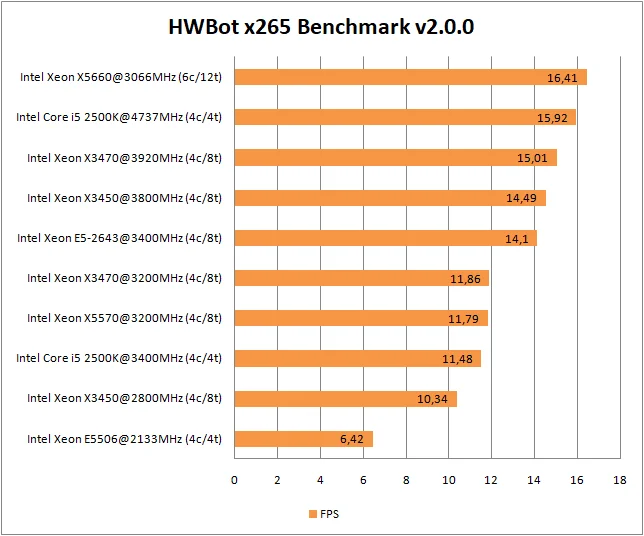
Video encoding to x265 using the HWBot x265 Benchmark also offered no surprises. Even the E5-2643's AVX instruction set support didn't help it surpass the overclocked contenders. However, the E5-2643's results here are more solid. Among stock processors, only the 6-core monster from the past, the X5660, managed to beat it, while others lagged significantly, from 36% to 19%, not including the E5506.
Archiving
 ⤢ ВІДКРИТИ
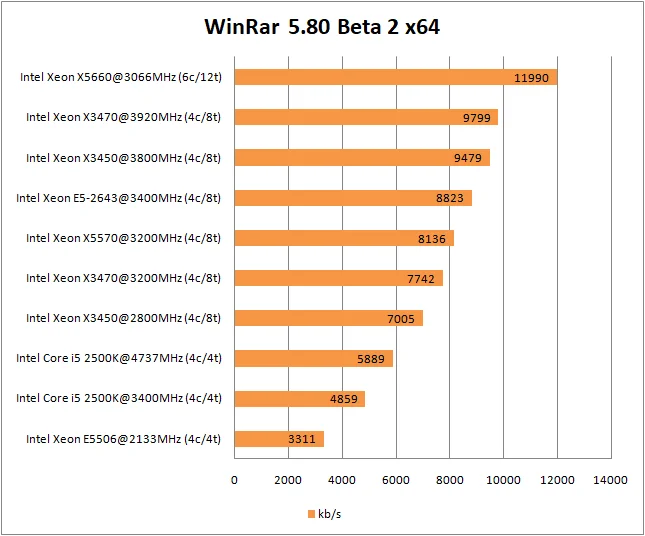
One might expect the E5-2643 to excel in WinRar, benefiting from triple-channel memory with a theoretical 30GB/s bandwidth, a more modern architecture, and a generous 10MB L3 cache. Yet, even with these advantages, it couldn't outperform the overclocked Xeon X3450 and X3470, let alone the X5660, whose scores are on another level compared to all other CPUs.
Despite this, the E5-2643 still managed to outperform all other stock-clocked processors (except the X5660, of course). For instance, it beat its closest rival, the Xeon X5570 (which also used triple-channel DDR3), by 8%, the X3470 by 12%, and the Core i5-2500K by a significant 45%. The latter did manage to somewhat close the gap by overclocking to 4737MHz, but even then, it trailed by 33%.
 ⤢ ВІДКРИТИ
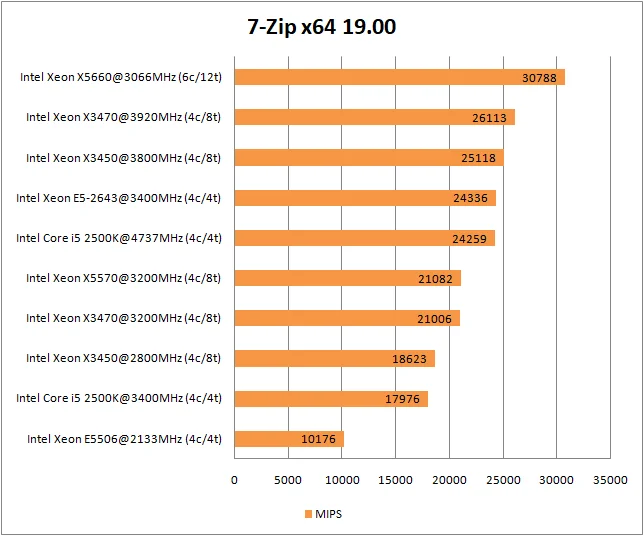
In 7-Zip, the situation shifted slightly, with the Xeon E5-2643 almost catching up to the overclocked X3450, but ultimately unable to surpass it.
Nevertheless, the E5-2643 once again pulverized its stock-clocked rivals, beating its nearest competitor by 13% and the Core i5-2500K by a full 26%. The Xeon X5660, meanwhile, continued to play in its own league, leaving all other contenders in the dust.
Gaming benchmarks
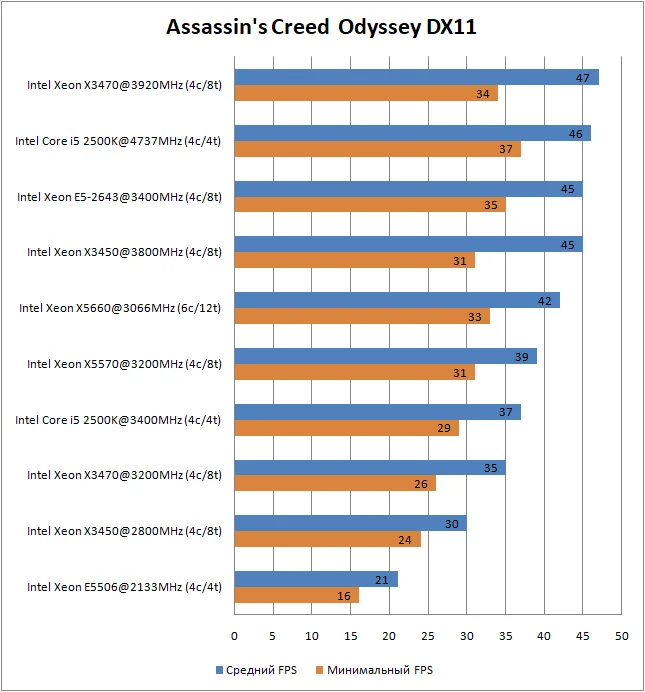
Frankly, transitioning to gaming applications, I expected the 8-thread Sandy Bridge representative to claim top spots in almost every title. However, the outcome wasn't as rosy as I'd hoped, which was somewhat surprising. Let's dive into the results:
 ⤢ ВІДКРИТИ
The very first game, Assassin's Creed Odyssey, shows fairly strong performance from the E5-2643. While its average FPS slightly trailed the overclocked X3470, it significantly surpassed its rival in minimum FPS.
 ⤢ ВІДКРИТИ
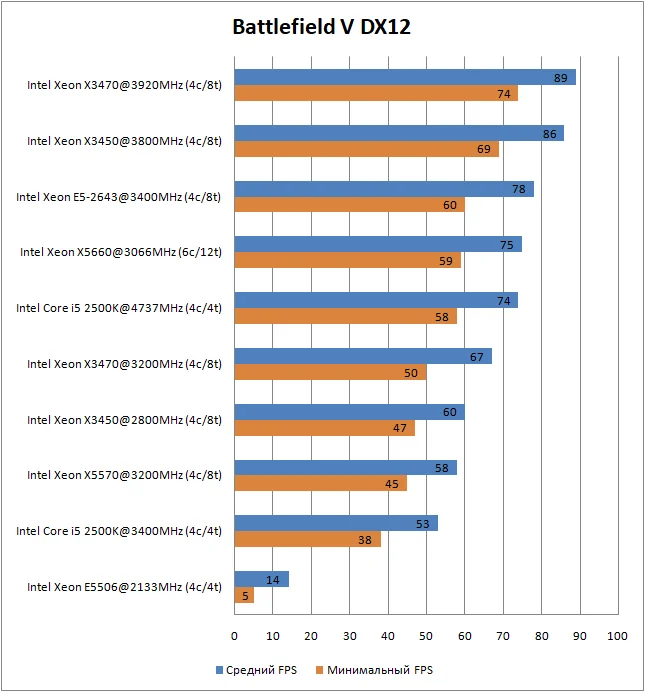
Battlefield V, the fifth installment in the famed franchise, genuinely surprised me. The Xeon E5-2643 managed to beat all stock-clocked processors but fell significantly behind the overclocked LGA 1156 representatives. The X3470, running at 3920MHz, outperformed the E5-2643 by 15%. It seems BF5 doesn't fully leverage Sandy Bridge's architectural improvements.
 ⤢ ВІДКРИТИ
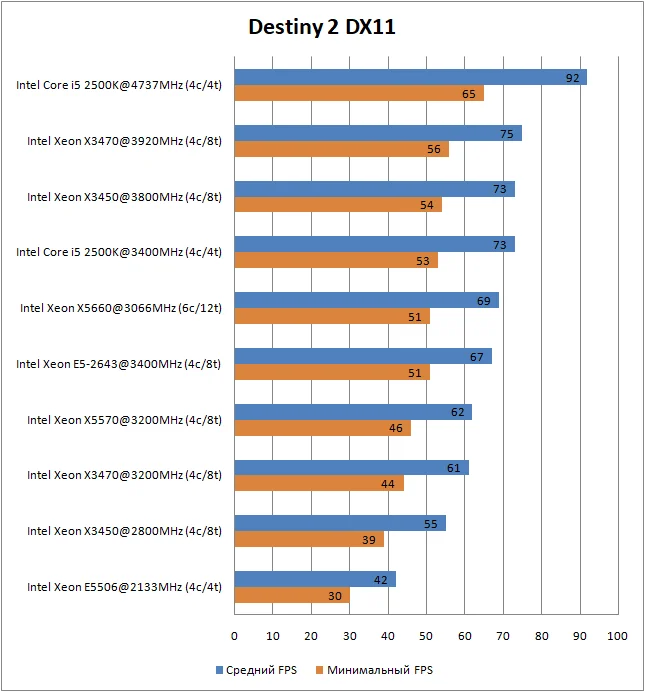
Destiny 2's results are quite logical, as the game engine is notoriously negative towards Hyper-Threading. Thus, the HT-less Core i5-2500K delivers somewhat stronger performance compared to the similarly clocked Xeon E5-2643.
 ⤢ ВІДКРИТИ
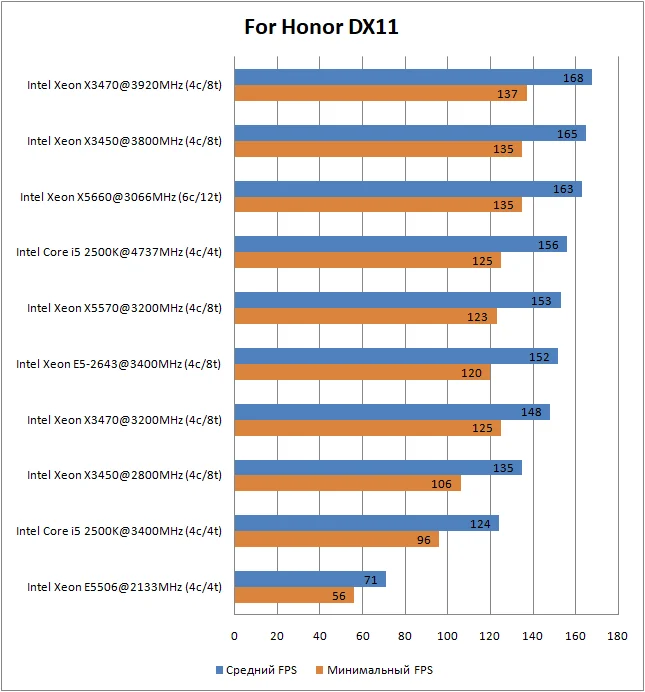
The results from For Honor are somewhat perplexing. The Xeon E5-2643 turned out slower than the X5570, and in minimum FPS, it even lost to the stock X3470. However, there's no room for error here, as I use a standard methodology of three benchmark runs, then selecting the average result. Additionally, just in case, I rebooted the system and reran the benchmark, but a fourth pass yielded virtually no change.
 ⤢ ВІДКРИТИ
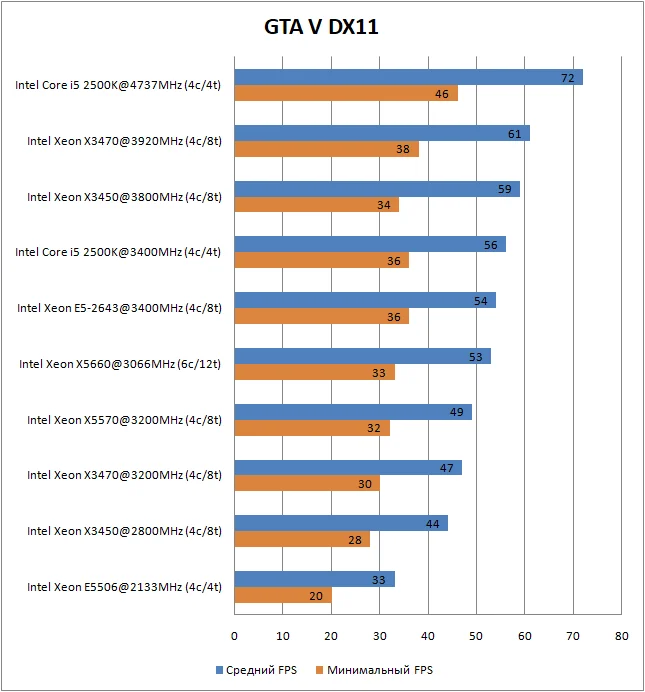
The GTA V benchmark didn't surprise me. Rockstar's title produced results somewhat similar to Destiny 2's. The game also utilizes only four threads, so the Xeon E5-2643's performance here was quite predictable. The only exception is that it still managed to surpass the X5660.
 ⤢ ВІДКРИТИ
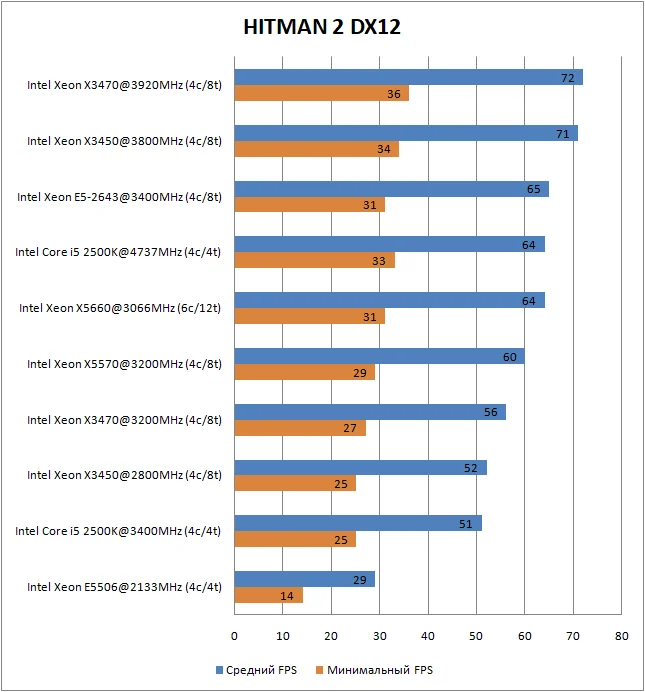
In Hitman 2, the E5-2643 chip also managed to beat all stock-clocked opponents but again proved unable to fend off the overclocked LGA 1156 platform representatives. The X3450 and X3470 were simply in a league of their own.
 ⤢ ВІДКРИТИ
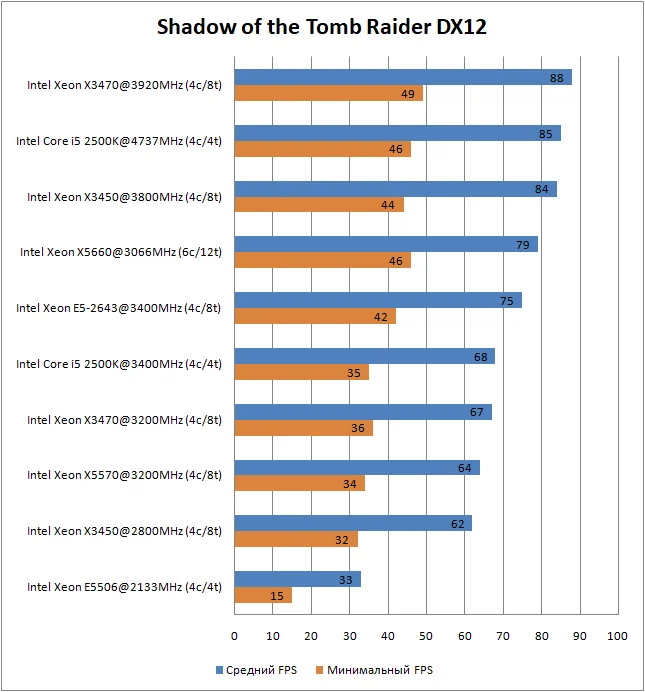
Shadow of the Tomb Raider is well-optimized for multi-threaded processors, and in it, the Xeon E5-2643 dropped another rank, losing to the 6-core X5660. However, it's worth noting that its scores are 17% higher than its closest stock rival, the Xeon X3470, which has the same core/thread count.
 ⤢ ВІДКРИТИ
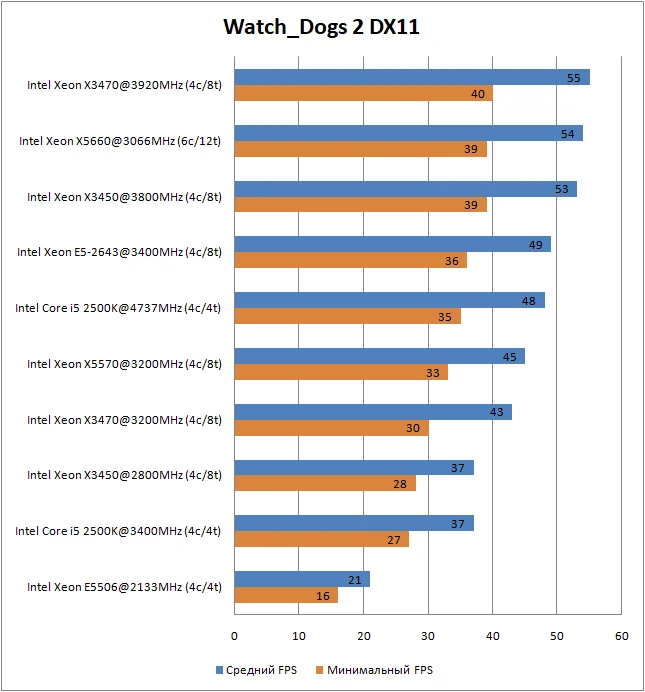
Traditionally, the final game in our testing is Watch Dogs 2. Like Tomb Raider, it scales well with a high number of threads, but it distinguishes itself by utilizing available power much more efficiently.
Here, the Xeon E5-2643 again outperformed its 8-thread predecessors running at stock clocks, but it still significantly lagged behind the 6-core Xeon X5660. The X5660, in turn, slightly edged out the overclocked X3450.
In the video below, you can visually assess the Xeon E5-2643's performance in gaming applications:
YouTube
By loading, you allow content from YouTube (cookies may be set).
Conclusion
Ultimately, the Xeon E5-2643 proved to be a rather mediocre chip. But most interestingly, our testing revealed the reasons behind its low popularity:
Its gaming performance isn't particularly outstanding compared to the cheaper 6-core Xeon X5660, or even more affordable overclocked Xeon X3450 and X3470 chips. And that's not even considering the existence of more compelling and cost-effective processors like the Xeon E5-2667, E5-2670, and E5-2689 in terms of price-to-performance.
With some caveats, the same conclusion applies to the Core i7-2600 and Xeon E5-1620. The era of 8-thread processors is gradually drawing to a close. We'll provide further confirmation of this in the final article of our November session, publishing very soon.
Stay up-to-date with our latest project news by subscribing to our Telegram channel, Facebook page, Instagram account, or Twitter profile, as well as our YouTube channels UmTaleLab_Daily and UmTaleLab.