TESTS · CPU · AMD
PUBLISHED
READING11 min
Ryzen 5 5600 review: Zen 3 strikes back
AMD's budget-friendly Ryzen 5 5600 aims to solidify its Zen 3 position against Intel. We put this chip through its paces to evaluate its true capabilities and performance.
Compared to its Zen 3 siblings, the Ryzen 5 5600 chip was released quite recently, intended to improve AMD's standing in the budget segment, where Intel had dominated with its affordable Core i3-i5 processors for the past year. However, for unclear reasons, this CPU never garnered the attention it deserved.
In this article, we'll explore what the Ryzen 5 5600 processor is capable of and how it stacks up against the cheaper Xeon E5-2670 v3 and the more expensive Core i5-12400F.
Processor
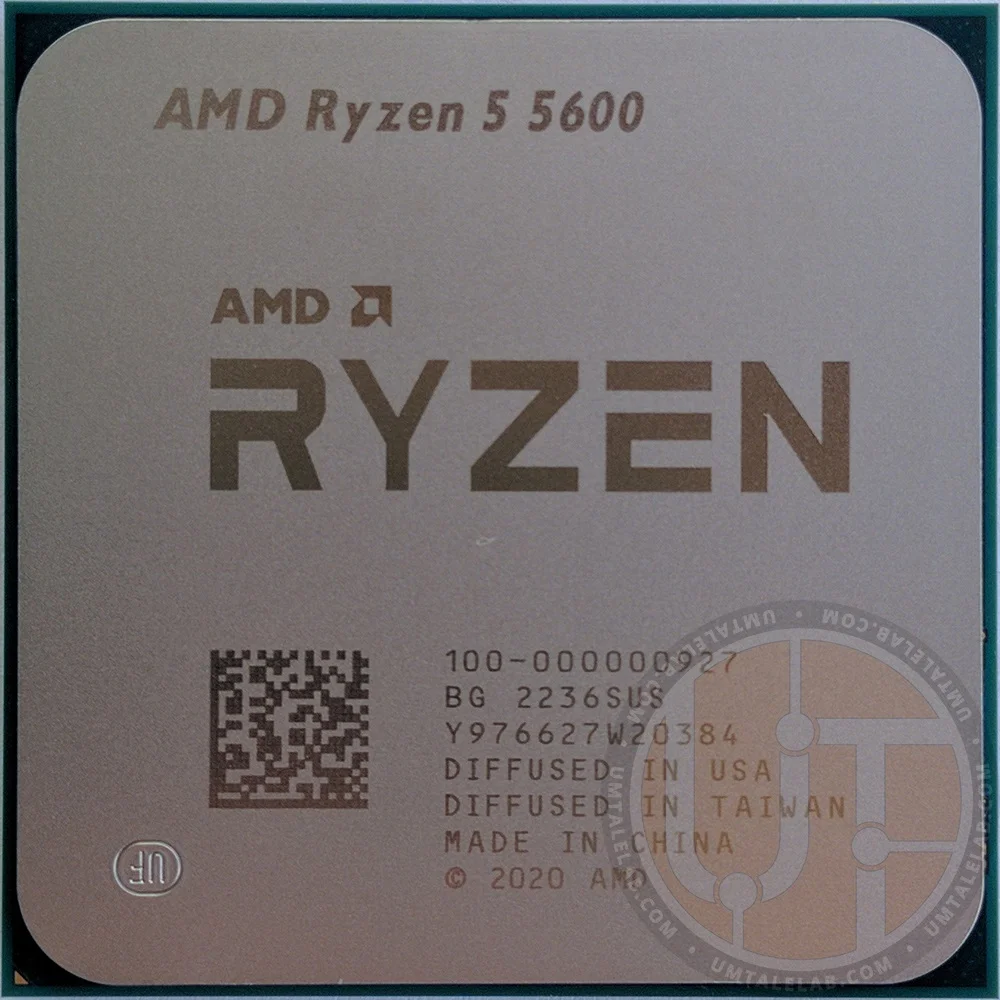
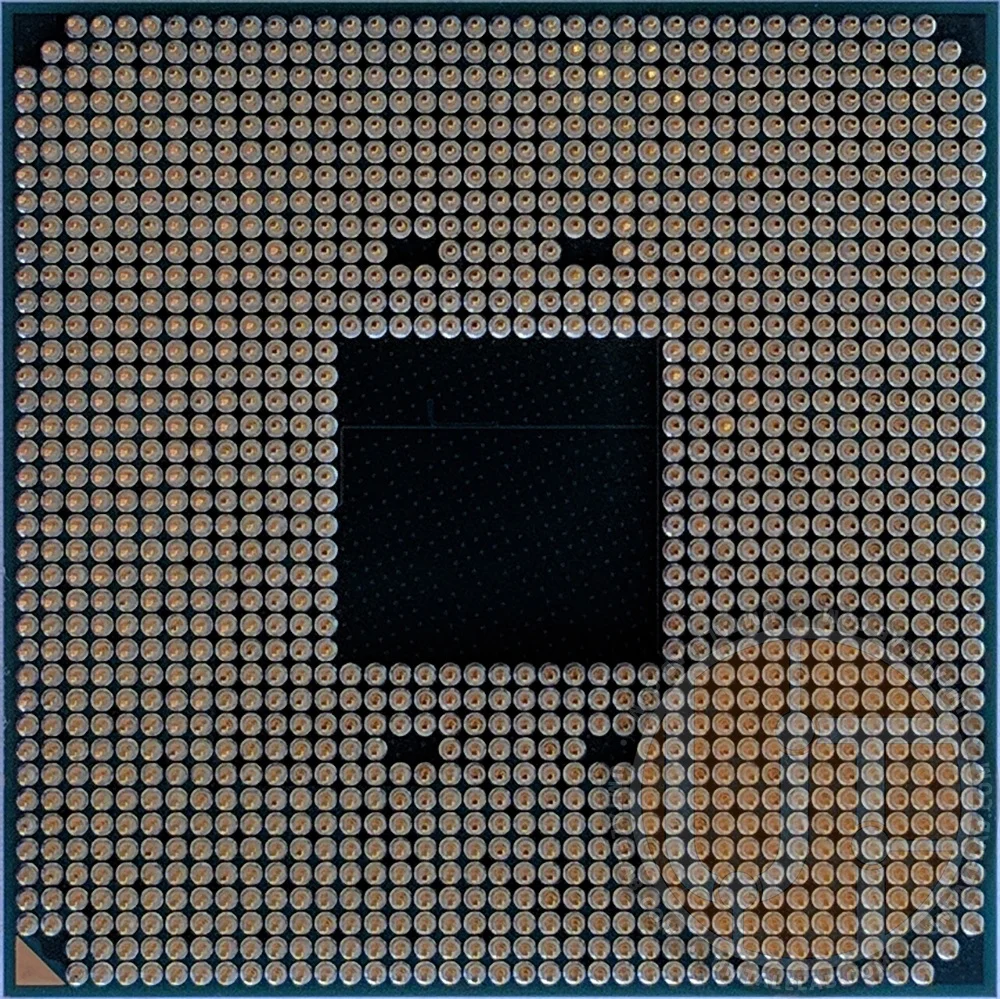
The Ryzen 5 5600 chip has a nominal clock speed of 3500 MHz and a TDP of 65 watts. At first glance, this seems modest, but there's a catch: the processor's 7nm die has an extremely small heat dissipation area. As a result, coolers designed for 65 watts often can't handle this CPU's heat effectively. To ensure the Ryzen 5 5600 runs "comfortably," you'll want a cooling solution rated for about 95-125 watts.
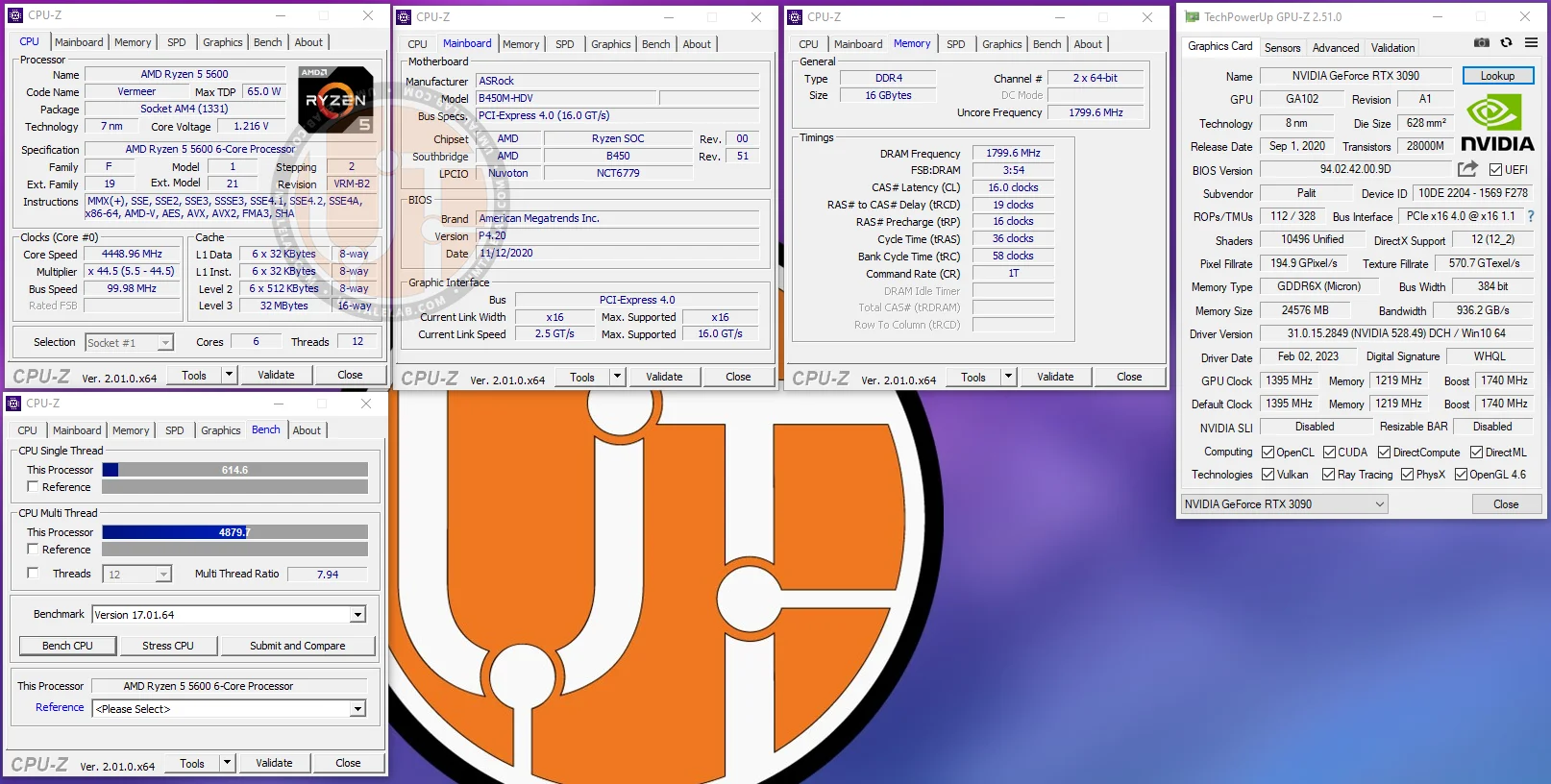
One notable quirk: as we mentioned, the Ryzen 5 5600's nominal frequency should be 3500 MHz. However, on our Gigabyte X470 AORUS ULTRA GAMING and ASRock B450M-HDV motherboards, this speed was never observed. Instead, the processor's clock speed varied between 3600 and 4450 MHz, with voltage ranging from 0.900 to 1.200 volts. No BIOS manipulations—neither updating to the latest firmware nor downgrading to different versions—could alter this behavior.
This is likely due to the CPU's relative newness and, consequently, a simple oversight by motherboard manufacturers regarding its support. However, this specific behavior doesn't impact the chip's final performance, as Precision Boost 2 ensures it never operates at its base frequency anyway. Still, we felt it was worth mentioning. Now, let's get back to the specs.
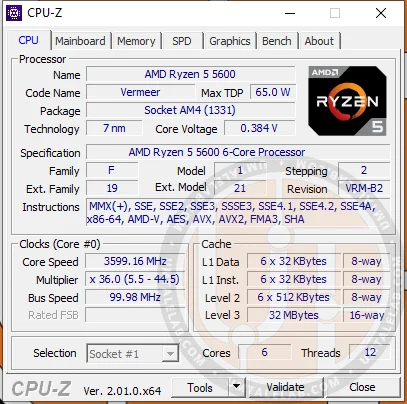
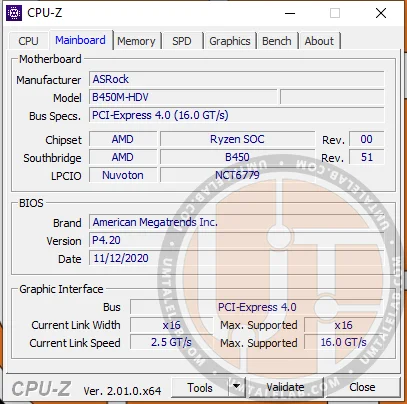
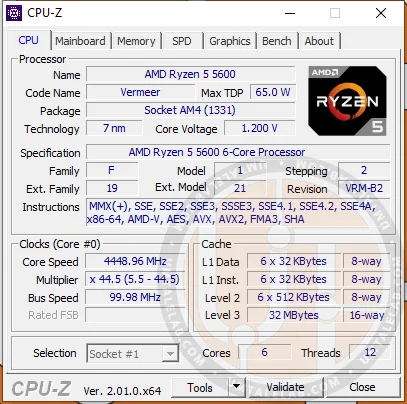
The Ryzen 5 5600 processor is built on a 6-core, 7nm VRM-B2 revision die, based on AMD's Zen 3 architecture. The chip features 512 KB of L2 cache per core and a substantial 32 MB of shared L3 cache. This CPU is designed for AM4 motherboards. While its nominal frequency is 3500 MHz, Precision Boost 2 technology allows it to reach a significant 4450 MHz.
 ⤢ ВІДКРИТИ
Notably, on the ASRock B450M-HDV motherboard, our CPU sample consistently operated at 4450 MHz under nearly all workloads. The only exceptions were stress tests like LinX and Prime95, where the chip's frequency periodically dropped to 4250-4350 MHz due to TDP limits. However, this is entirely normal behavior.
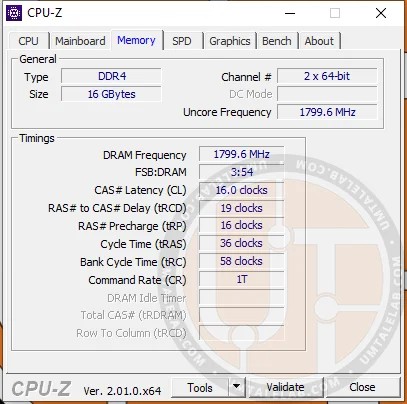
The 5600's integrated memory controller speed isn't tied to RAM frequency; instead, it's entirely dependent on the Infinity Fabric bus dividers. However, the memory controller achieves maximum efficiency when the DDR4/Infinity Fabric frequency ratio is 1:1.
Officially, the Ryzen 5 5600 processor's maximum supported RAM speed is dual-channel DDR4-3200 MHz. However, we easily managed to run our Corsair Vengeance RGB PRO test sticks at an effective DDR4-3600 (1800MHz) frequency with the Infinity Fabric set to 1800MHz.
 ⤢ ВІДКРИТИ
Beyond the aforementioned features, this 6-core Zen 3 chip also includes essential instructions like SSE4.2, FMA3, AVX, and AVX2, which are crucial in 2023. This ensures avid gamers can run any new title released this year without issues, and as practice shows, even with ray tracing enabled.
Test Bench, Software, and CPU Settings
 ⤢ ВІДКРИТИ
Test Bench
Intel processors – Core i5-12400F, Xeon X5660, Xeon E5-2667, Xeon E5-2620 v3, Xeon E5-2670 v3;
AMD processors – Ryzen 5 1600X, Ryzen 5 5600, FX-8350;
Cooling for processors – Cooler Master Hyper 212 Black Edition (RR-212S-20PK-R1);
RAM for LGA 1366 – 3 sticks of 8GB HyperX Genesis Na’Vi Edition (KHX16C9C2K2/8) for a total of 24GB;
RAM for LGA 1700 – 2 sticks of 8GB Corsair Vengeance RGB PRO (CMW16GX4M2C3600C18) for a total of 16GB;
RAM for LGA 2011 – 4 sticks of 8GB Micron MT36JSF1G72PZ-1G4M1HF for a total of 32GB;
RAM for LGA 2011 v3 – 4 sticks of 4GB G.SKILL DDR4 F4-2400C15S-4GNT for a total of 16GB;
RAM for AM3+ – 2 sticks of 8GB HyperX Genesis Na’Vi Edition (KHX16C9C2K2/8) for a total of 16GB;
RAM for AM4 – 2 sticks of 8GB Corsair Vengeance RGB PRO (CMW16GX4M2C3600C18) for a total of 16GB;
LGA 1366 Motherboard – DELL T3500 (09KPNV);
LGA 1700 Motherboard – MSI PRO Z690-A DDR4 (MS-7D25);
LGA 2011 Motherboard – DELL T3610 (09M8Y8);
LGA 2011 v3 Motherboard – Qiyida X99-H9 with a modified BIOS from Huananzhi x99-8m-f (Turbo Boost unlocked, Undervolt, and timing control enabled);
AM3+ Motherboard – ASUS M5A97 LE R2.0;
AM4 Motherboard – ASRock B450M-HDV;
Graphics card – PALIT GAMEROCK GeForce RTX 3090 24GB (~1850/19000MHz, Power Limit 113%);
Solid-state drive – KINGSTON SUV400S37120G 120.0 GB (Windows 10), KINGSTON SUV400S37240G 240.0 GB + KINGSTON SUV400S37400G 400.0 GB (Games);
Power supply unit – Chieftec GPS-1250C.
Software
Operating system: Windows 10 x64 with the latest updates as of February 2023;
Graphics card drivers: NVIDIA GeForce 528.49 WHQL;
Additional software for FPS measurement: MSI Afterburner 4.6.4;
Games: tested on current game versions as of February 2023;
Game settings: tested at maximum possible graphics settings in 1080p resolution.
Tested processor settings
Intel processors:Core i5-12400F@2500-4400MHz, Dual Channel DDR4@3600MHz (16-19-19-36) GEAR 1;
Xeon X5660@2800-3200MHz, Triple-Channel DDR3@1333MHz (9-9-9-24);
Xeon E5-2667@2900-3500MHz, Quad-Channel DDR3@1333MHz (9-9-9-24);
Xeon E5-2620 v3@3200MHz, Quad-Channel DDR4@1866MHz (10-10-10-24);
Xeon E5-2670 v3@3100MHz, Quad-Channel DDR4@2133MHz (12-12-12-35).
AMD processors: FX-8350@4000-4200MHz, CPU-NB@2200MHz, Dual-Channel DDR3@1866MHz (11-11-11-28);
FX-8350@4695MHz, CPU-NB@2608MHz, Dual-Channel DDR3@2086MHz (11-12-12-30, CPU Core voltage — 1.49V, CPU-NB voltage — 1.375V, DDR3 voltage — 1.660V);
Ryzen 5 5600@3600-4450MHz, Dual Channel DDR4@3600MHz (16-19-16-36) Infinity Fabric@ 1800MHz (1:1);
Ryzen 5 1600X@3600-4000MHz, Dual Channel DDR4@3400MHz (16-18-16-34);
You can learn more about almost all the processors we tested in our full reviews, or by checking out the blogs section for shorter notes.
A quick reminder about our CPU testing methodology: each game was benchmarked five times, and the average frame rate from these five runs was then recorded as the final result. All games were installed on an SSD.
Benchmark results
Data archiving
7-Zip
 ⤢ ВІДКРИТИ
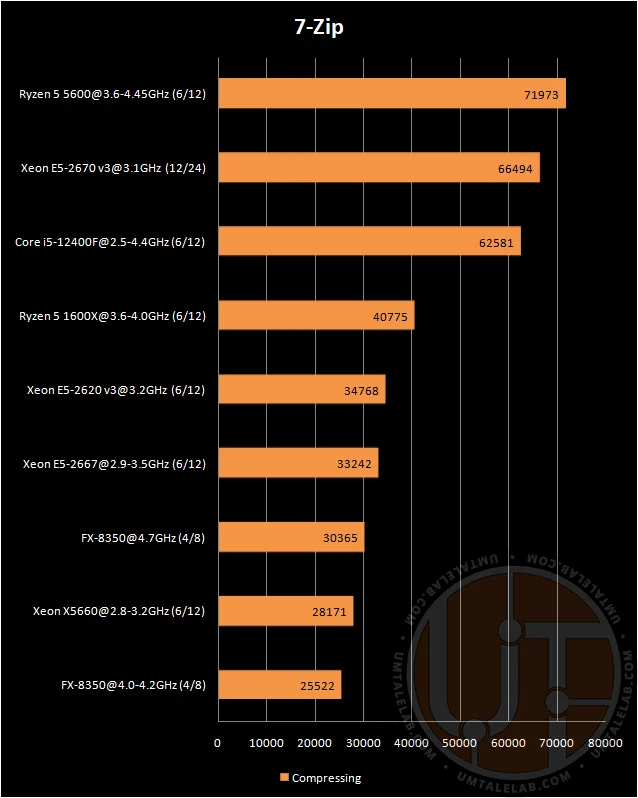
The free 7-Zip archiver delivered the first surprise: file compression speed in this program largely depends on CPU core performance rather than RAM bandwidth. The Ryzen 5 5600 outperforms both the Core i5-12400F and the Xeon E5-2670 v3.
3D rendering
Blender
 ⤢ ВІДКРИТИ
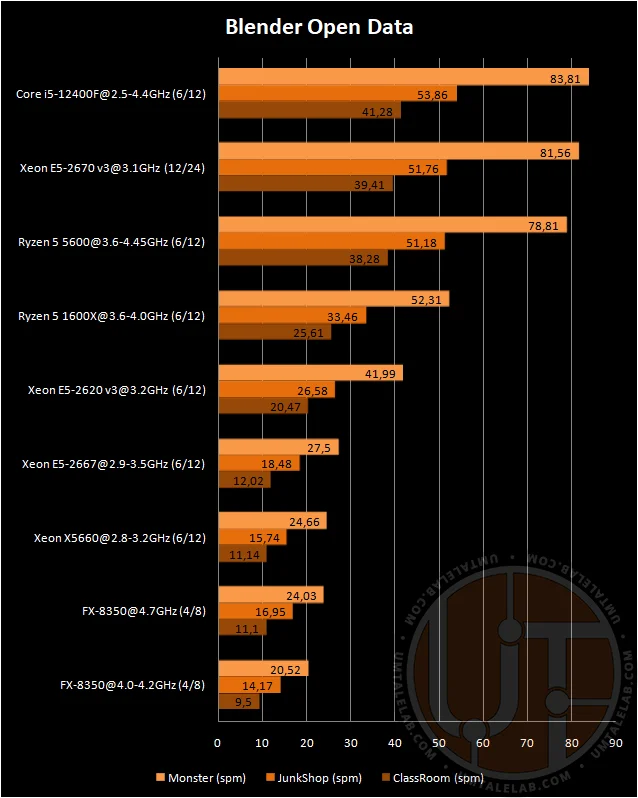
Blender Open Data Benchmark
 ⤢ ВІДКРИТИ
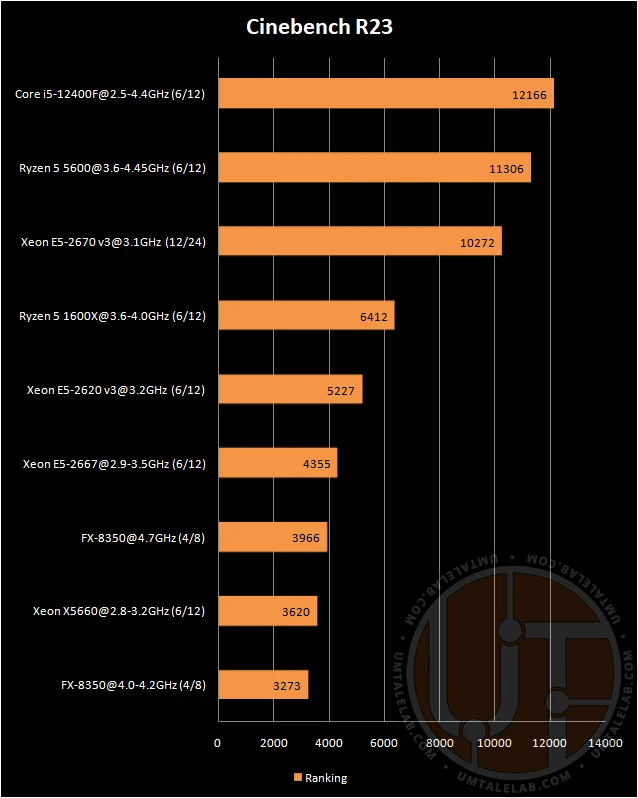
Cinebench R23
 ⤢ ВІДКРИТИ
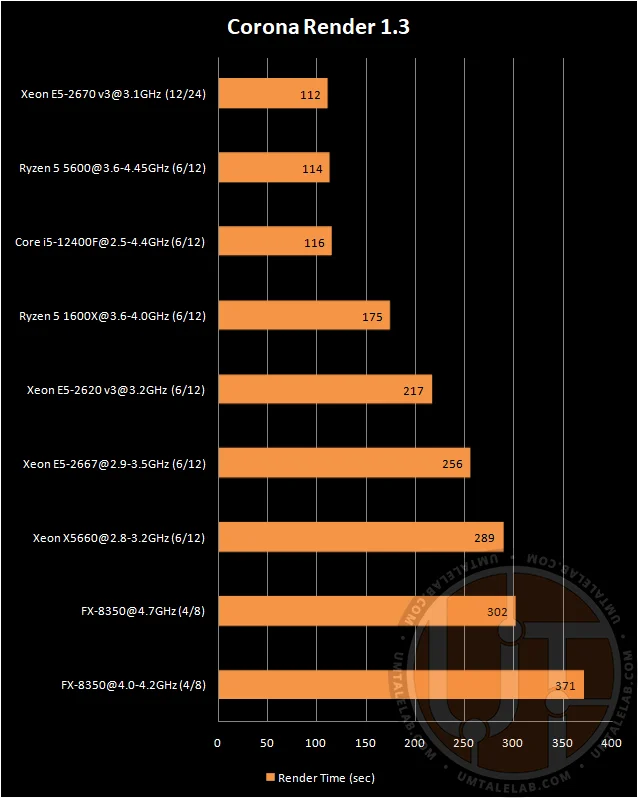
Corona Render Benchmark
 ⤢ ВІДКРИТИ
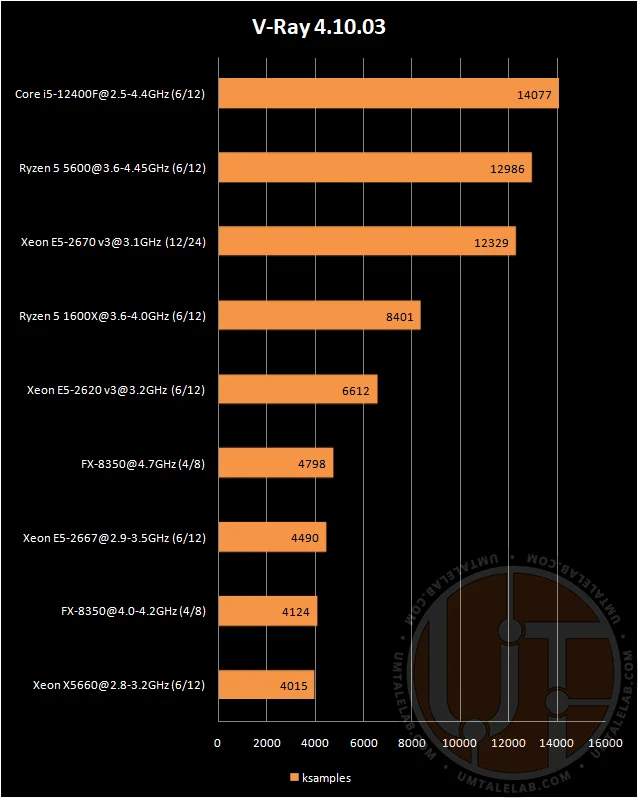
V-Ray 4 Benchmark
 ⤢ ВІДКРИТИ
xNormal, AO & NM map render
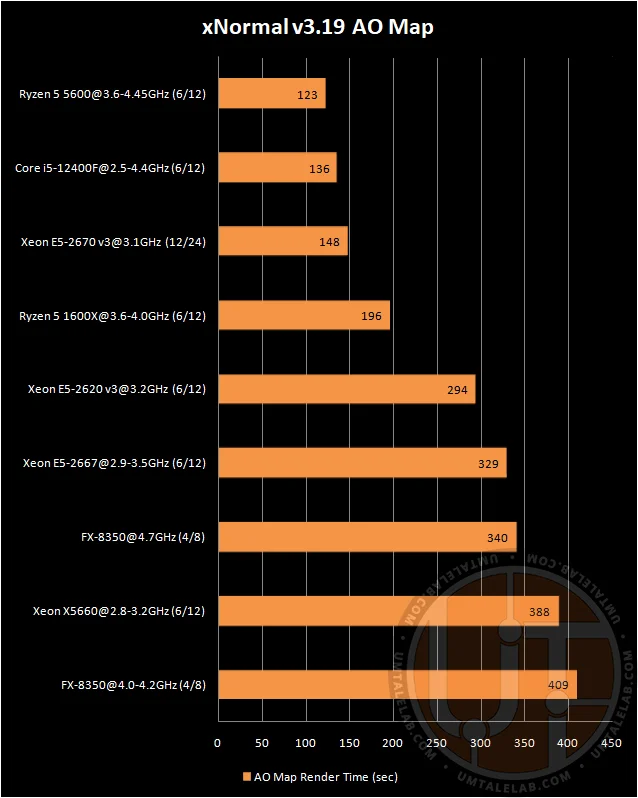
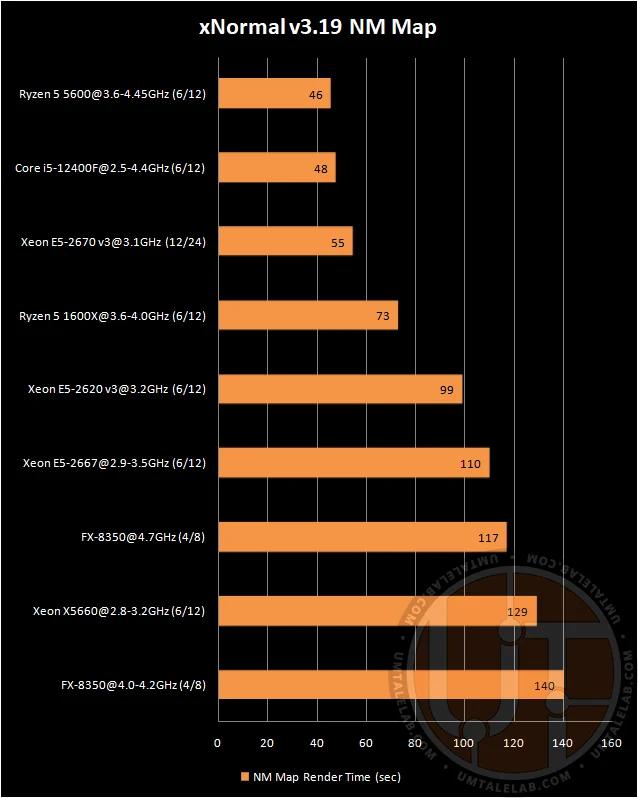
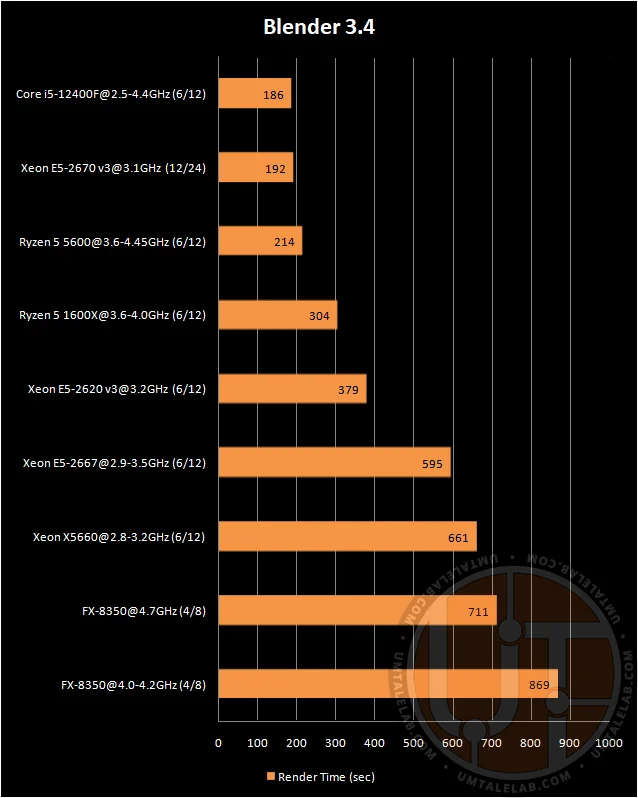
In 3D rendering suites and benchmarks, the Ryzen 5 5600 chip didn't perform as strongly as it did in archiving, but it still held its own. Often, the 6-core Zen 3 could only match the 2670v3 and 12400F. However, in xNormal, AMD's budget solution managed to slightly surpass its competitors.
Overall performance
CPU-Z benchmark
Geekbench 5
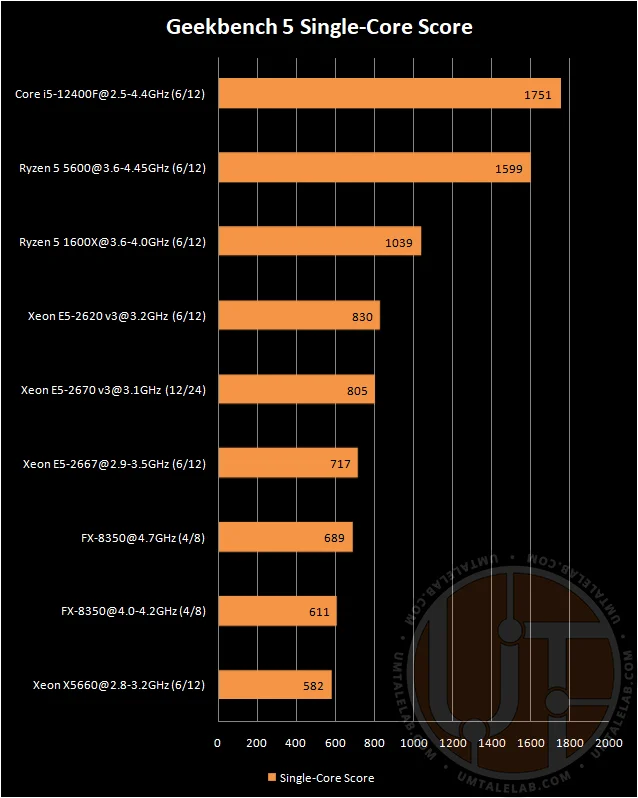
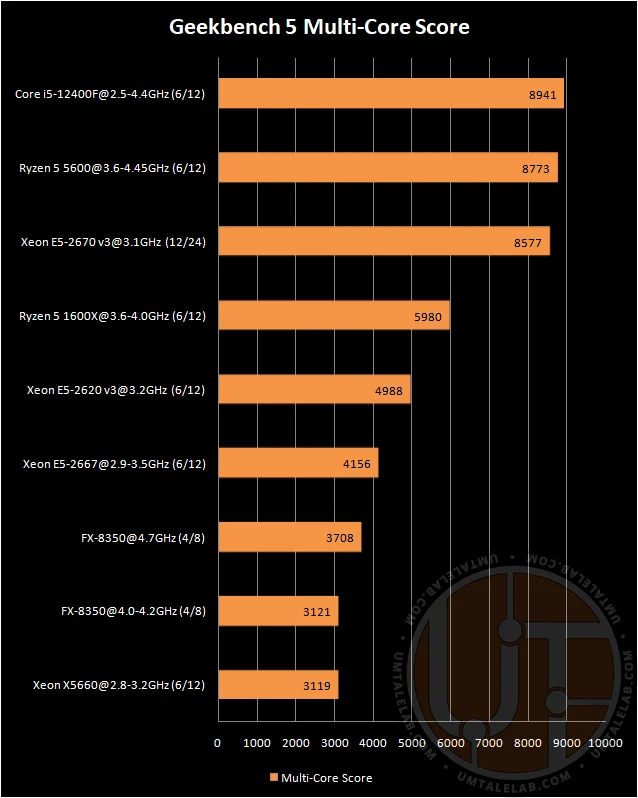
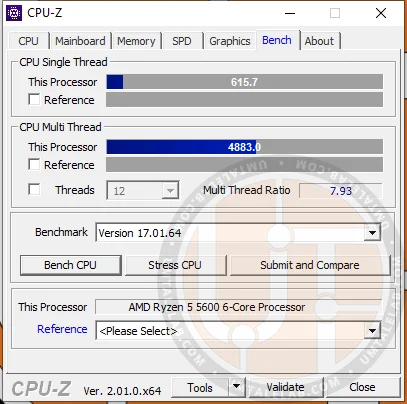
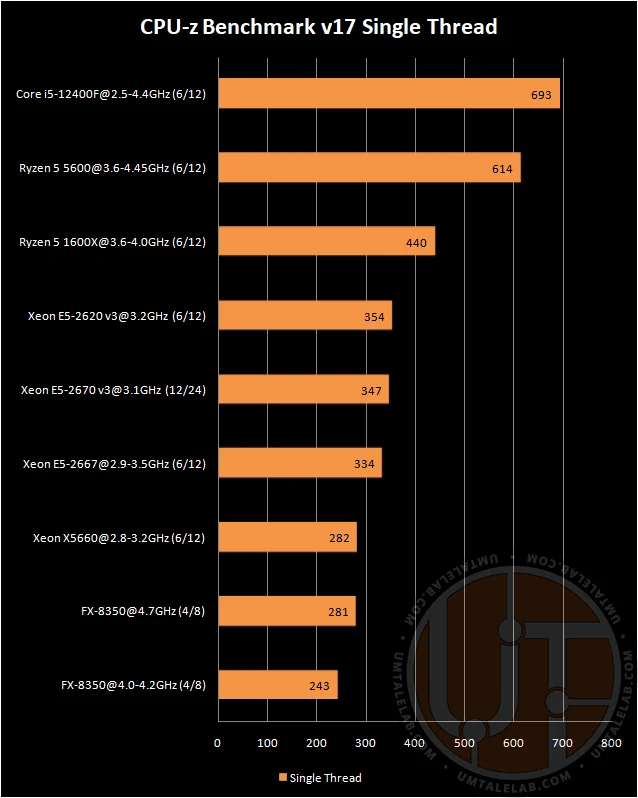
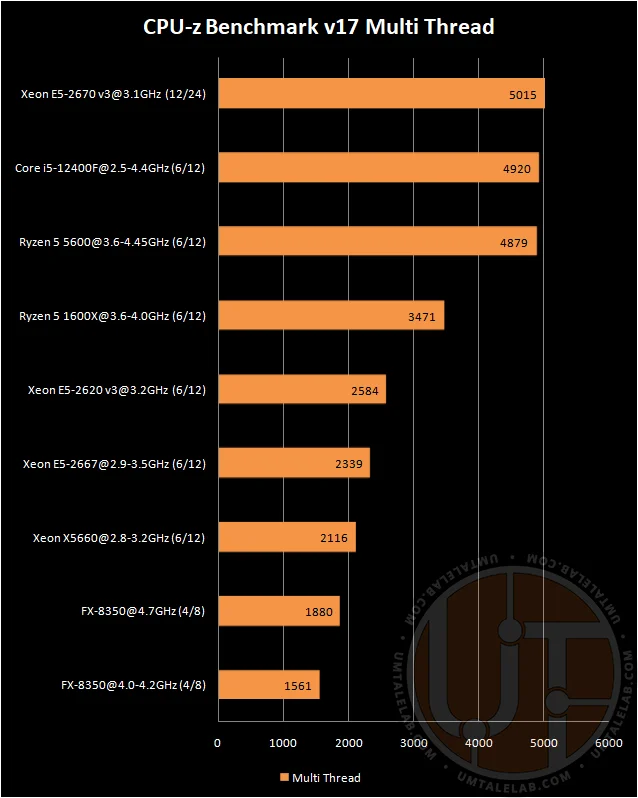
In CPU-Z Benchmark and Geekbench 5, the single-threaded performance of the 6-core Zen 3 falls noticeably short of Alder Lake. However, multi-threaded workloads effectively bring the opponents to an even playing field.
Video encoding
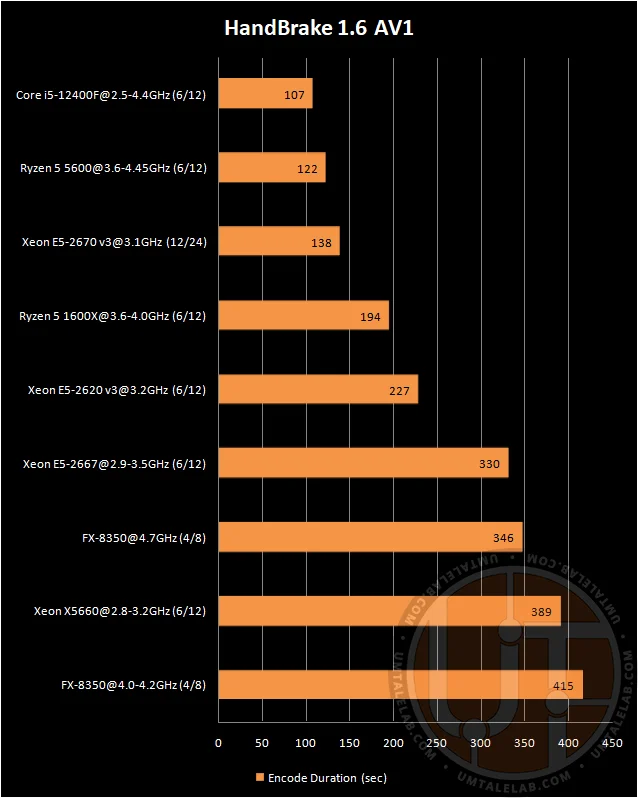
HandBrake, AV1, 2160p, 60 FPS
 ⤢ ВІДКРИТИ
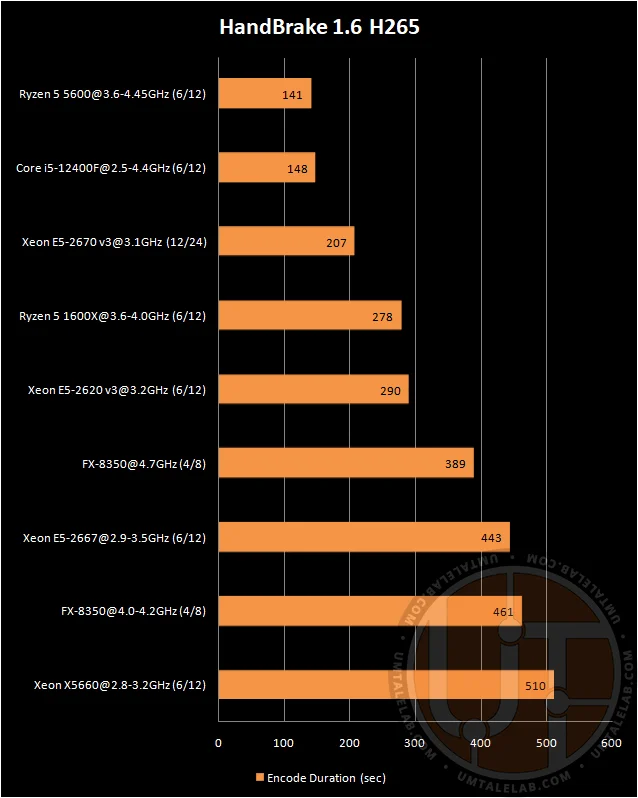
HandBrake, H265, 2160p, 60 FPS
 ⤢ ВІДКРИТИ
When encoding video in AV1, the 5600 slightly trails the 12400F. However, using the H265 codec, it narrowly outperforms it. Essentially, both processors deliver similar performance.
Web Browsing
JetStream 2
 ⤢ ВІДКРИТИ
Speedometer 2
 ⤢ ВІДКРИТИ
Kraken
 ⤢ ВІДКРИТИ
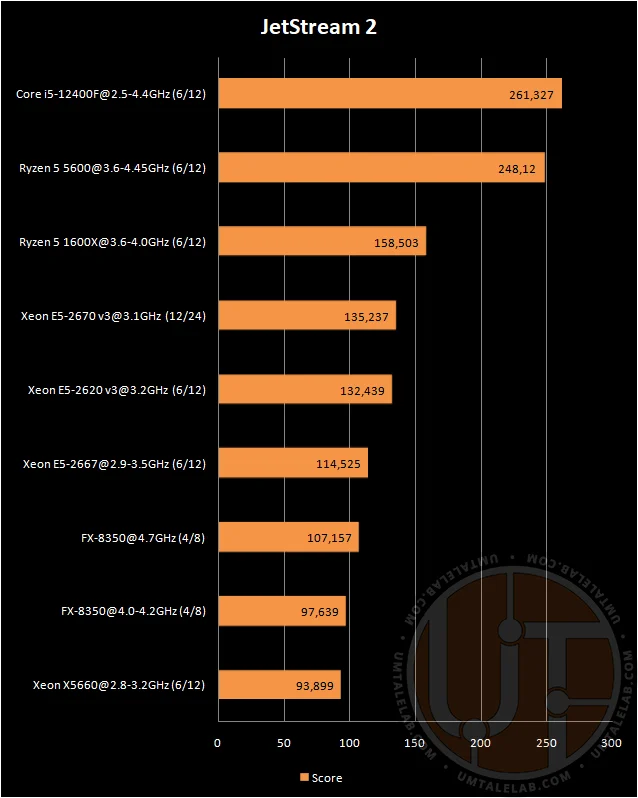
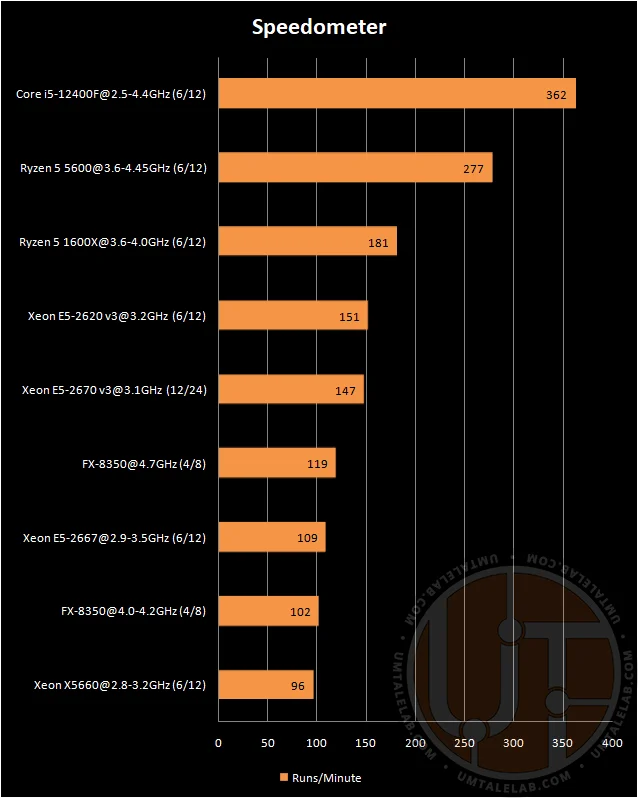
In the JetStream 2 benchmark, which tests JavaScript and WebAssembly execution, the Ryzen 5 5600 performs quite well, almost catching up to the Core i5-12400F. However, in Speedometer 2, which measures web application responsiveness, the 6-core Zen 3 falls a noticeable 30% behind Alder Lake.
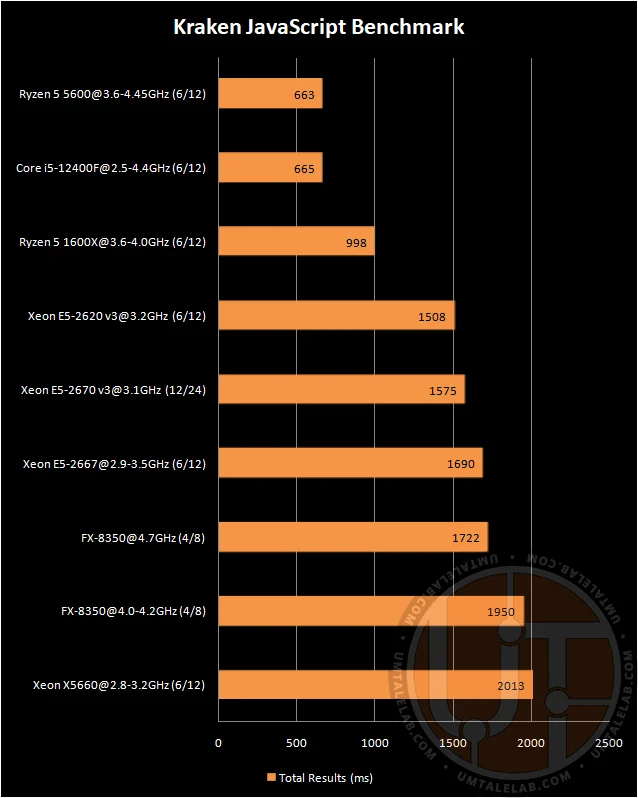
Meanwhile, the Kraken JavaScript Benchmark positioned the processors almost identically to JetStream 2.
Ryzen 5 5600 vs. Core i5-12400F: Performance in 14 Applications
Application: | Ryzen 5 5600 | Core i5-12400F |
|---|---|---|
7-Zip | 15.03% | |
Blender | 13.08% | |
Blender Open Data Benchmark | 6.34% | |
Corona Render Benchmark | 1.72% | |
Cinebench R23 | 7.61% | |
V-Ray 4 Benchmark | 8.4% | |
xNormal NM | 4.17% | |
xNormal AO | 9.56% | |
CPU-z Benchmark (ST) | 12.87% | |
CPU-z Benchmark (MT) | 0.84% | |
Geekbench 5 (ST) | 9.51% | |
Geekbench 5 (MT) | 1.91% | |
HandBrake, AV1 | 12.3% | |
HandBrake, H265 | 4.73% | |
JetStream 2 | 5.24% | |
Speedometer 2 | 30.69% | |
Kraken | 0.3% |
Gaming, Synthetic Benchmarks
3DMark Time Spy
 ⤢ ВІДКРИТИ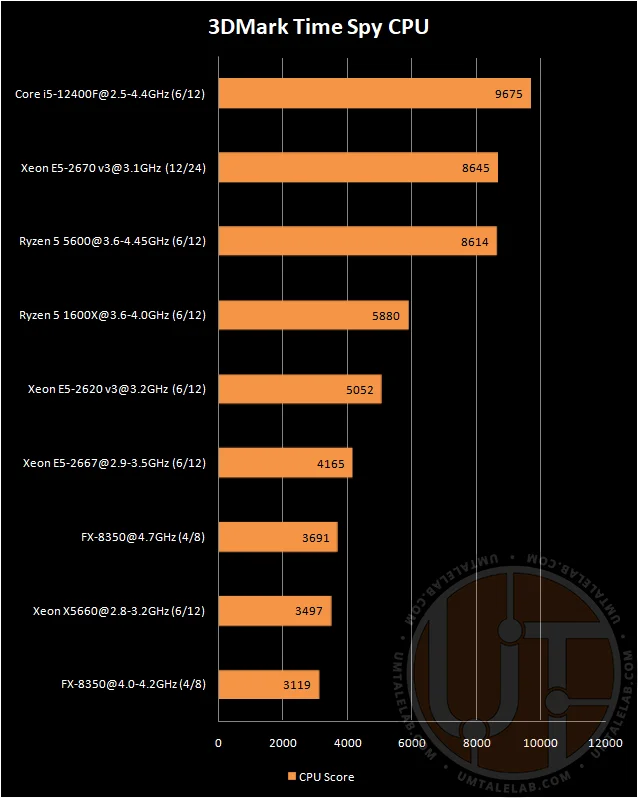
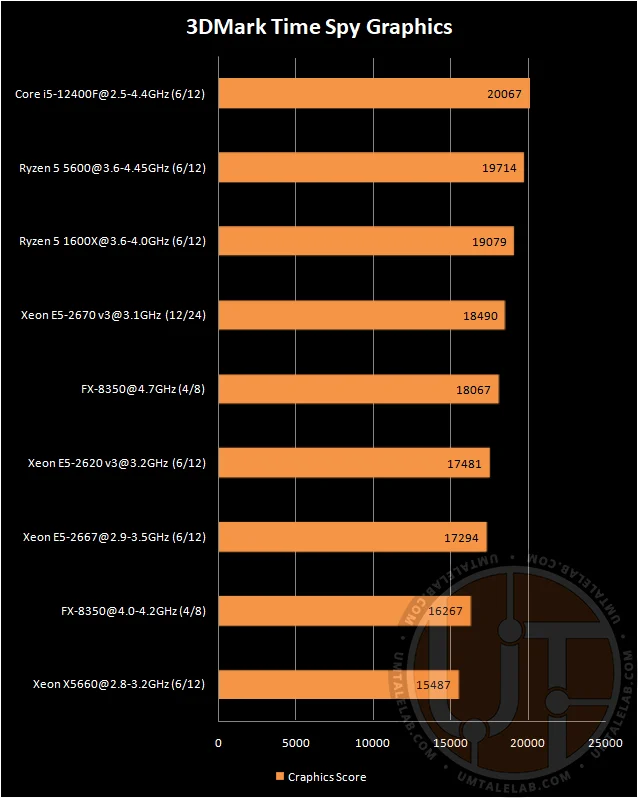
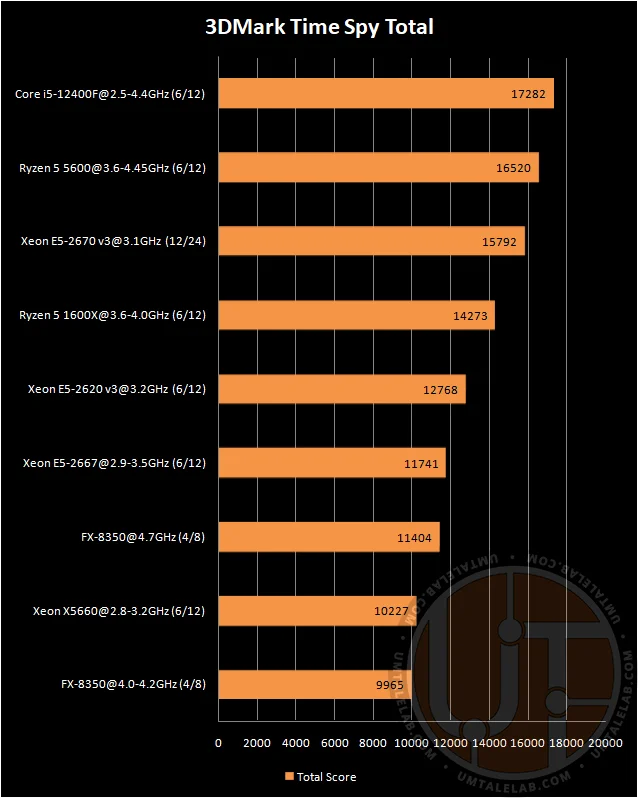
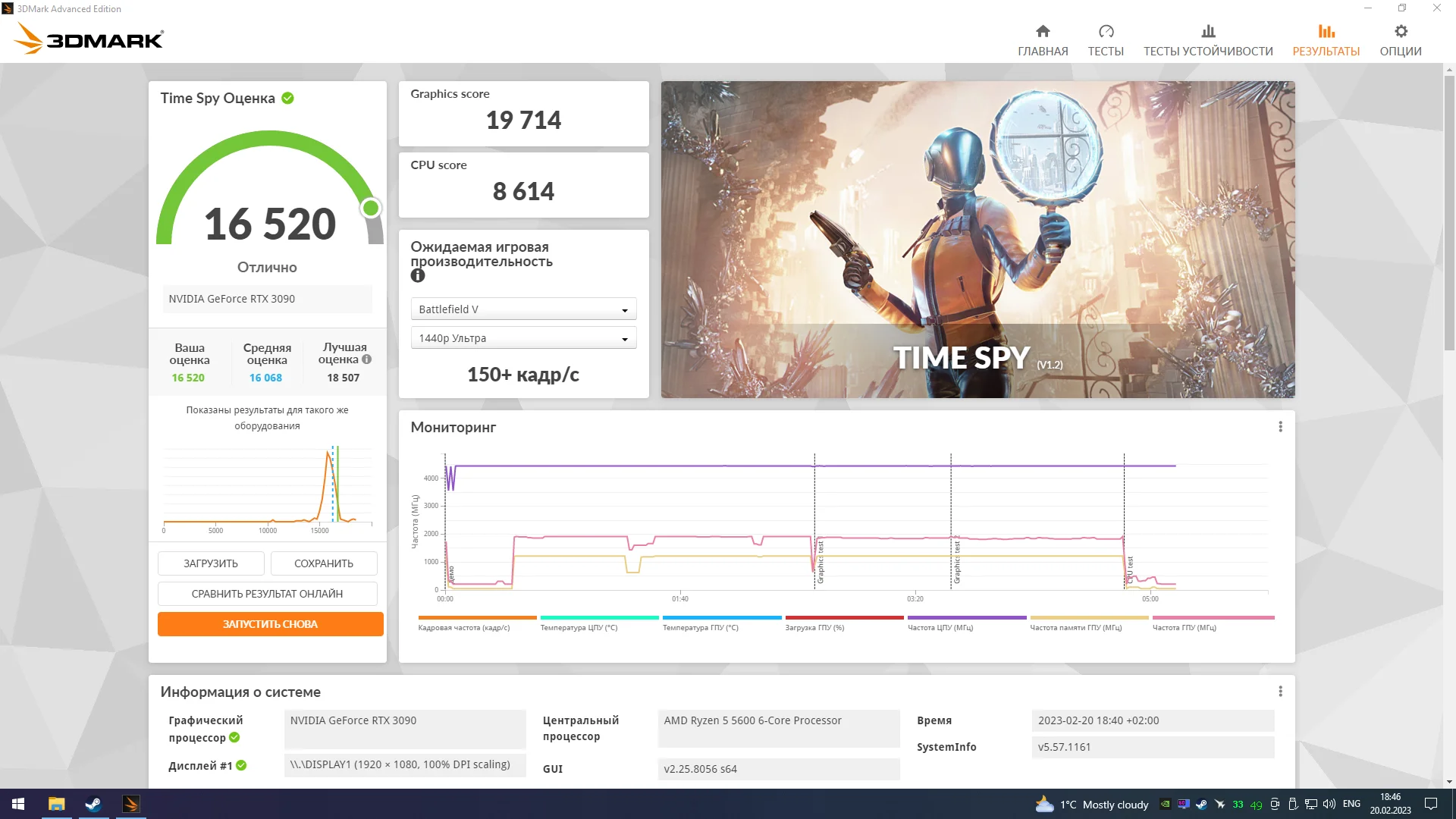
The Ryzen 5 5600 predictably fell behind the Core i5-12400F in the 3DMark Time Spy synthetic gaming benchmark, though it did manage to outperform the Xeon E5-2670 v3.
Games
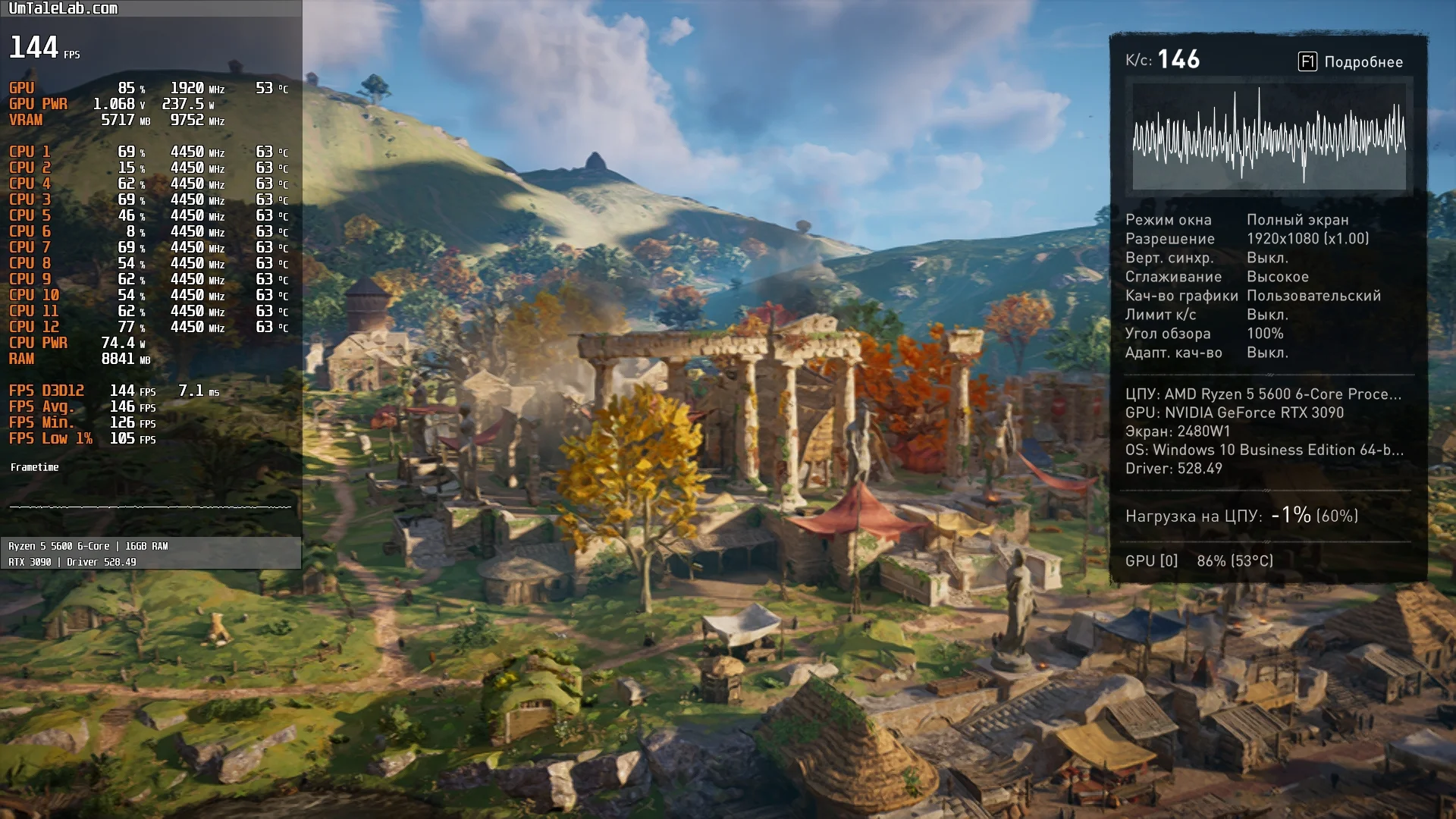
Assassin's Creed Valhalla
 ⤢ ВІДКРИТИ
 ⤢ ВІДКРИТИ
Battlefield 2042
Ray tracing – on
 ⤢ ВІДКРИТИ
 ⤢ ВІДКРИТИ
Ray tracing – off
 ⤢ ВІДКРИТИ
 ⤢ ВІДКРИТИ
Cyberpunk 2077
Ray tracing – on
 ⤢ ВІДКРИТИ
 ⤢ ВІДКРИТИ
Ray tracing – off
 ⤢ ВІДКРИТИ
 ⤢ ВІДКРИТИ
Far Cry 6
Ray tracing – on
 ⤢ ВІДКРИТИ
 ⤢ ВІДКРИТИ
Ray tracing – off
 ⤢ ВІДКРИТИ
 ⤢ ВІДКРИТИ
Hogwarts Legacy
Ray tracing – on
 ⤢ ВІДКРИТИ
 ⤢ ВІДКРИТИ
Ray tracing – off
 ⤢ ВІДКРИТИ
 ⤢ ВІДКРИТИ
Marvel’s Spider-Man Remastered
Ray tracing – on
 ⤢ ВІДКРИТИ
 ⤢ ВІДКРИТИ
Ray tracing – off
 ⤢ ВІДКРИТИ
 ⤢ ВІДКРИТИ
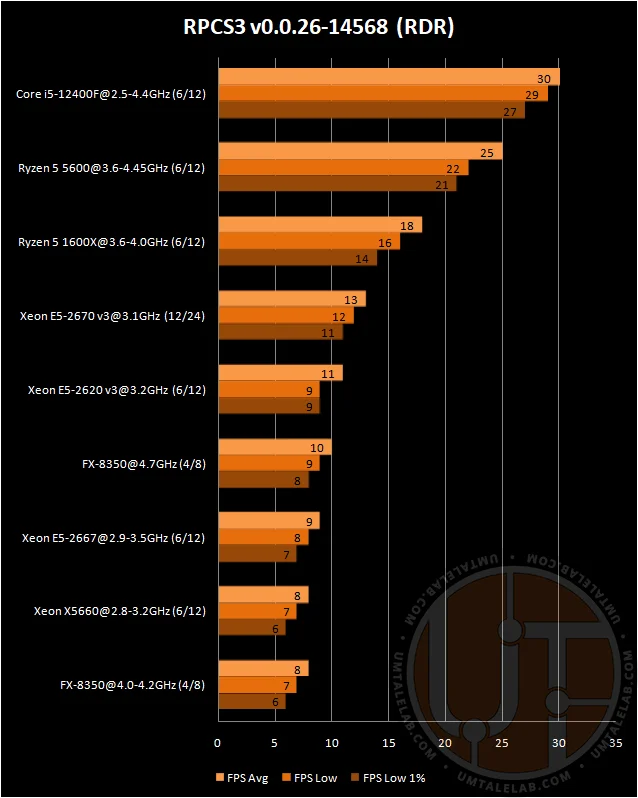
RPCS3 – PlayStation 3 emulator. Red Dead Redemption.
 ⤢ ВІДКРИТИ
 ⤢ ВІДКРИТИ
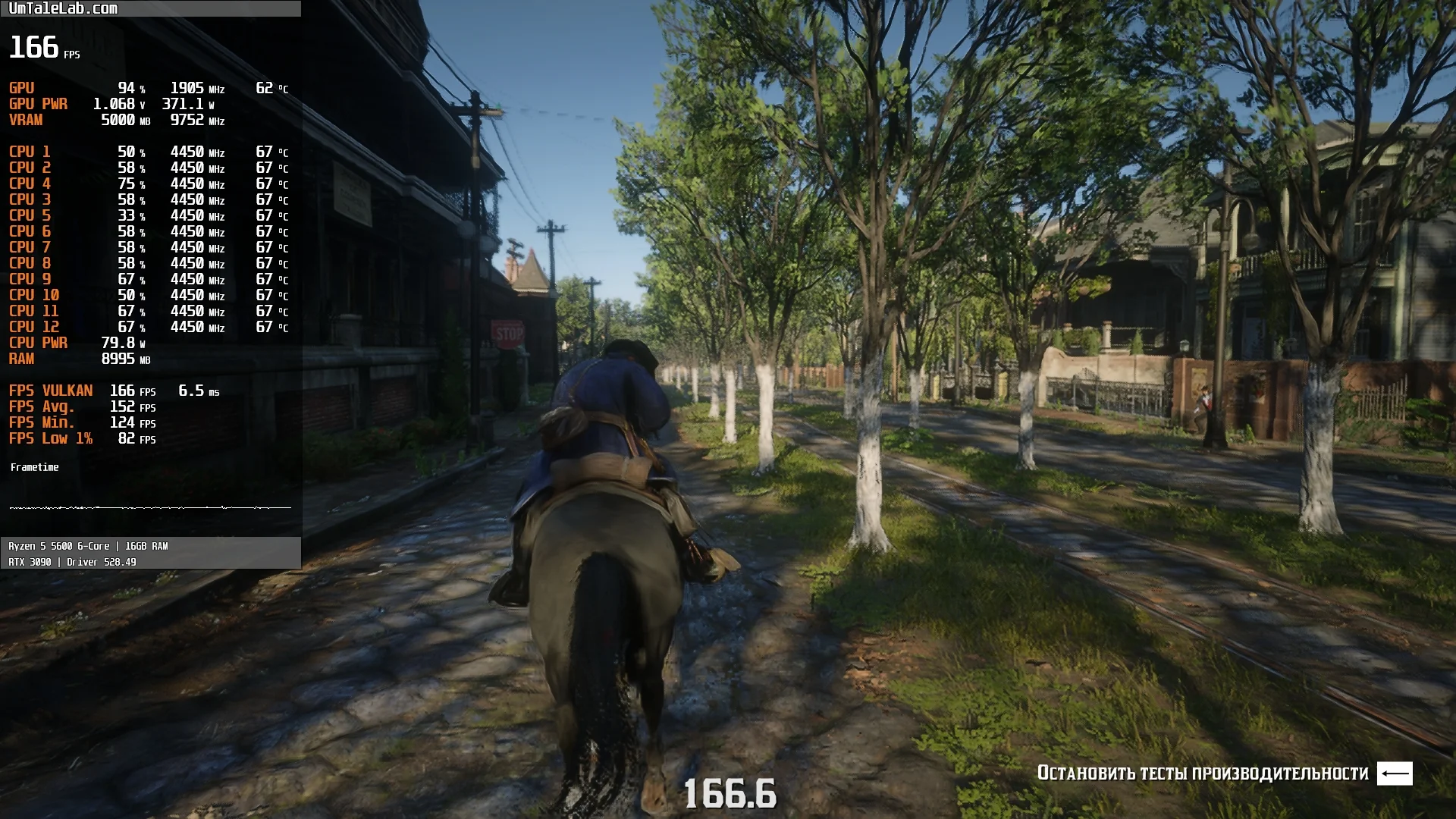
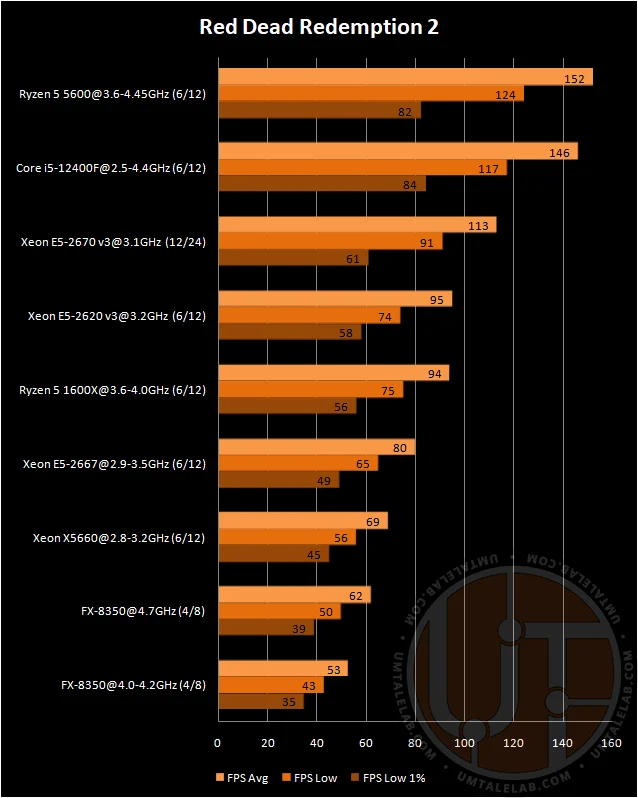
Red Dead Redemption 2
 ⤢ ВІДКРИТИ
 ⤢ ВІДКРИТИ
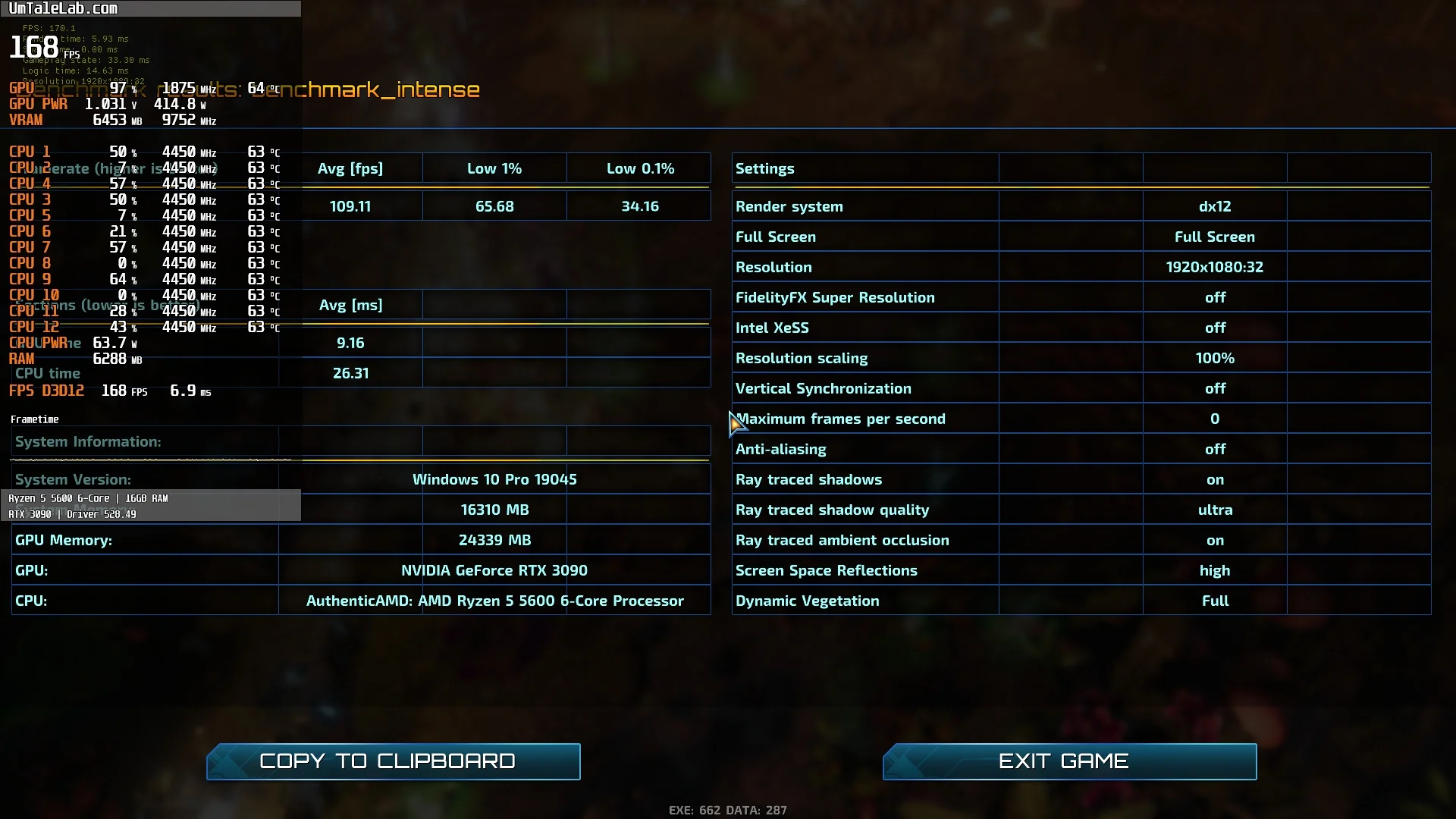
The Riftbreaker
 ⤢ ВІДКРИТИ
 ⤢ ВІДКРИТИ
The Witcher 3 Next-Gen Update 4.01 + Hotfix (complete edition)
Ray tracing – on
 ⤢ ВІДКРИТИ
 ⤢ ВІДКРИТИ
Ray tracing – off
 ⤢ ВІДКРИТИ
 ⤢ ВІДКРИТИ
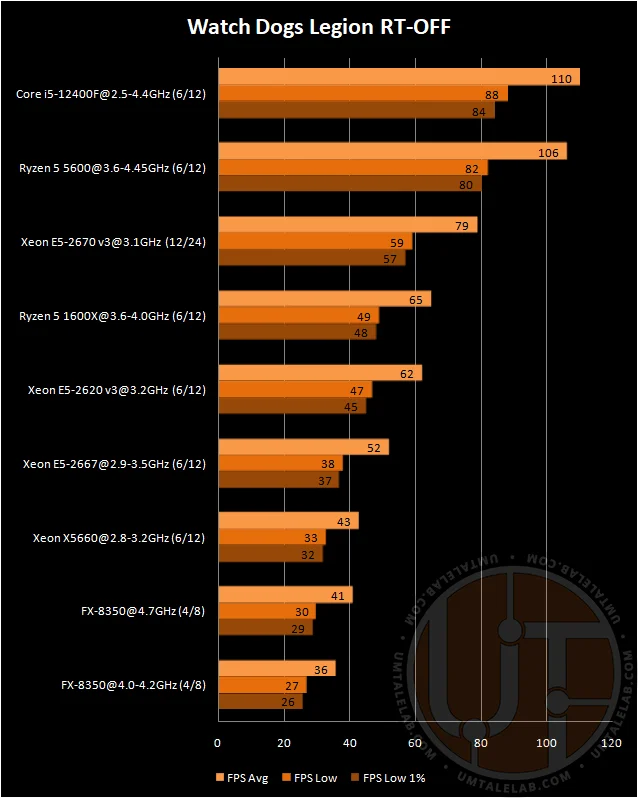
Watch Dogs Legion
Ray Tracing – ON
 ⤢ ВІДКРИТИ
 ⤢ ВІДКРИТИ
Ray Tracing – OFF
 ⤢ ВІДКРИТИ
 ⤢ ВІДКРИТИ
Ryzen 5 5600 vs. Core i5-12400F: Performance in 12 games
Game: | Ryzen 5 5600 | Core i5-12400F |
|---|---|---|
Assassins Creed Valhalla | 4.86% | |
Battlefield 2042 RT | 3.7% | |
Battlefield 2042 | 6.11% | |
Cyberpunk 2077 RT | 7.14% | |
Cyberpunk 2077 | 5.19% | |
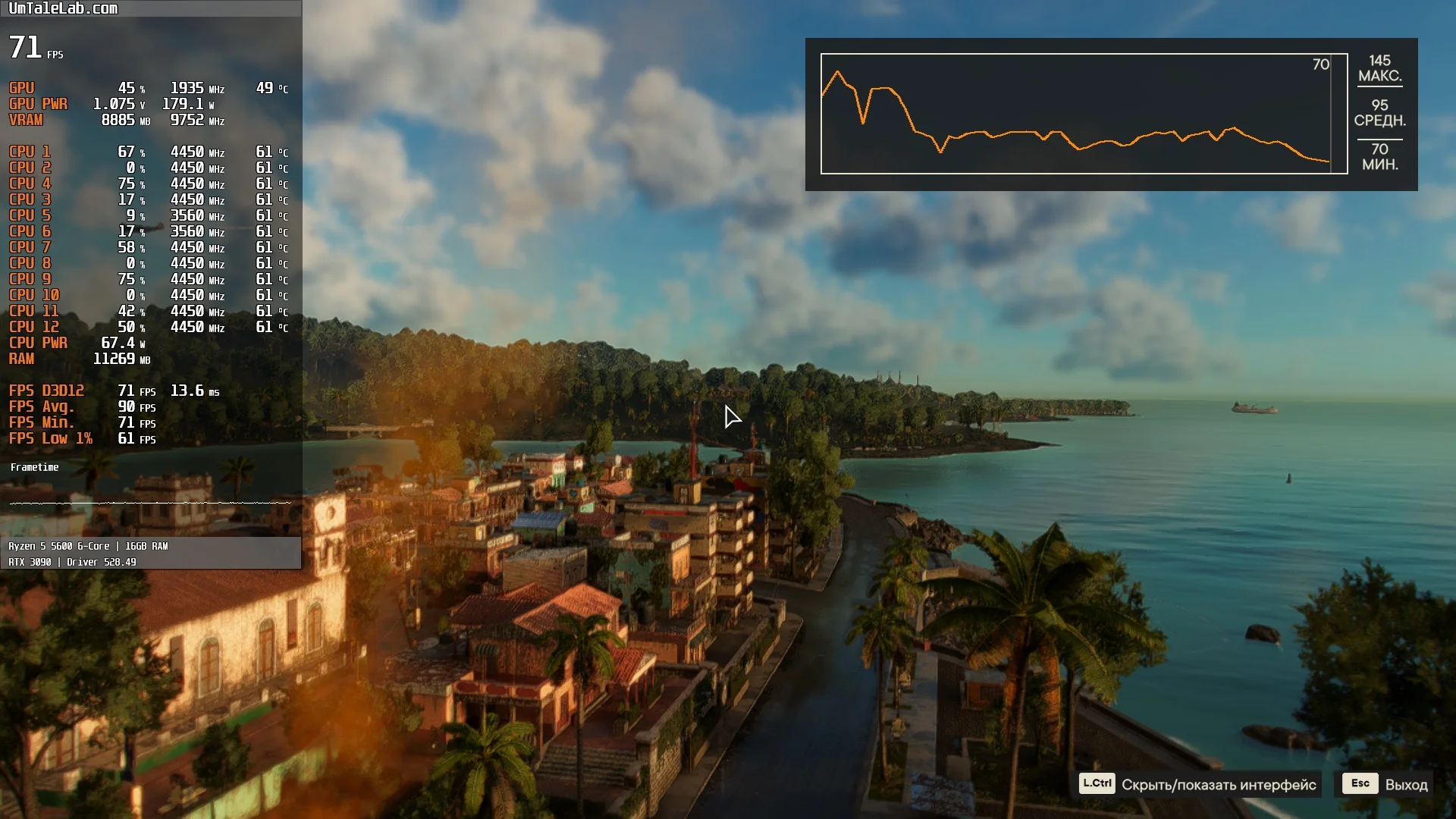
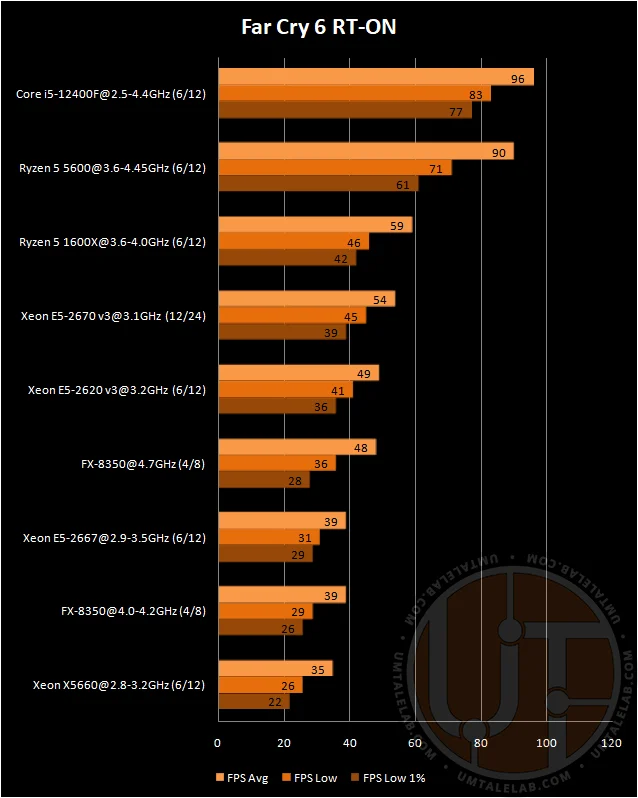
Far Cry 6 RT | 6.67% | |
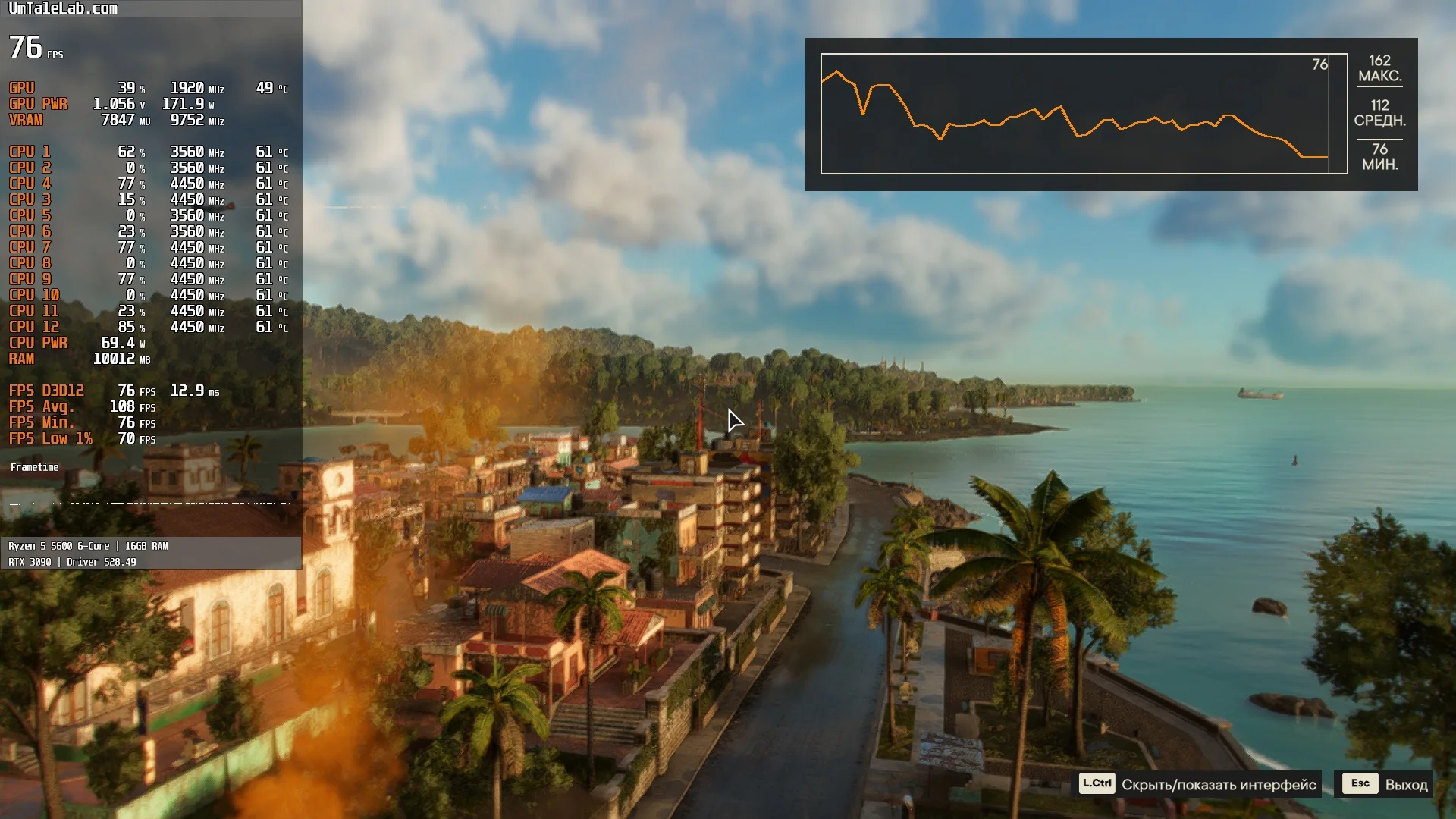
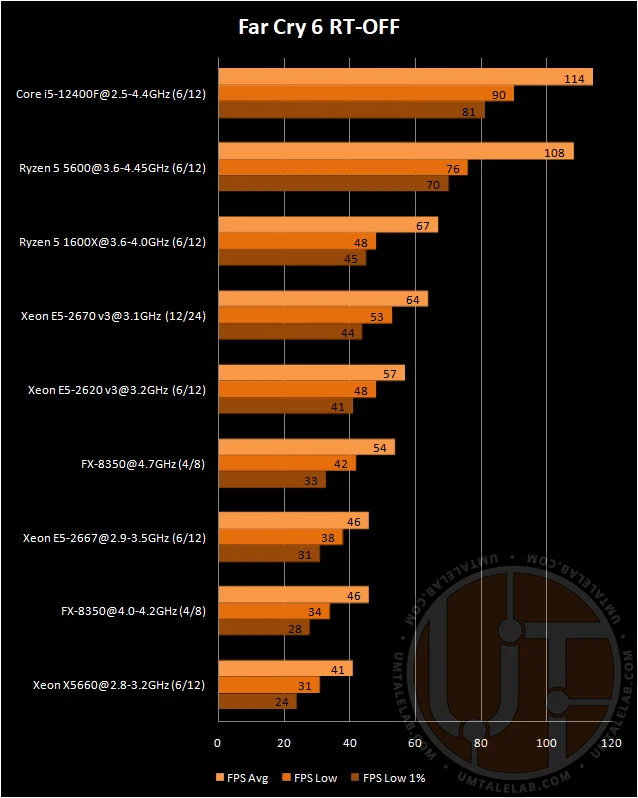
Far Cry 6 | 5.56% | |
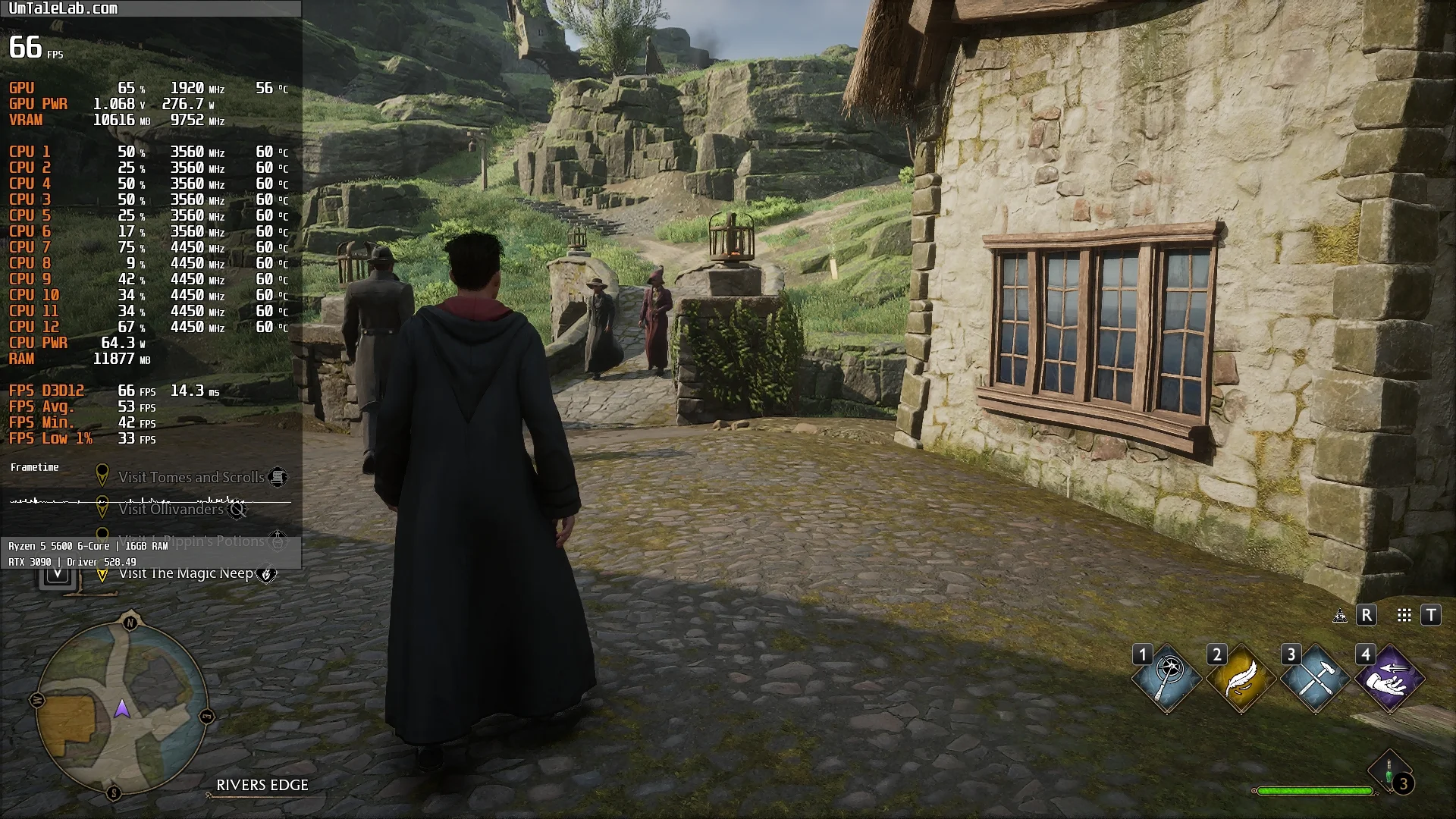
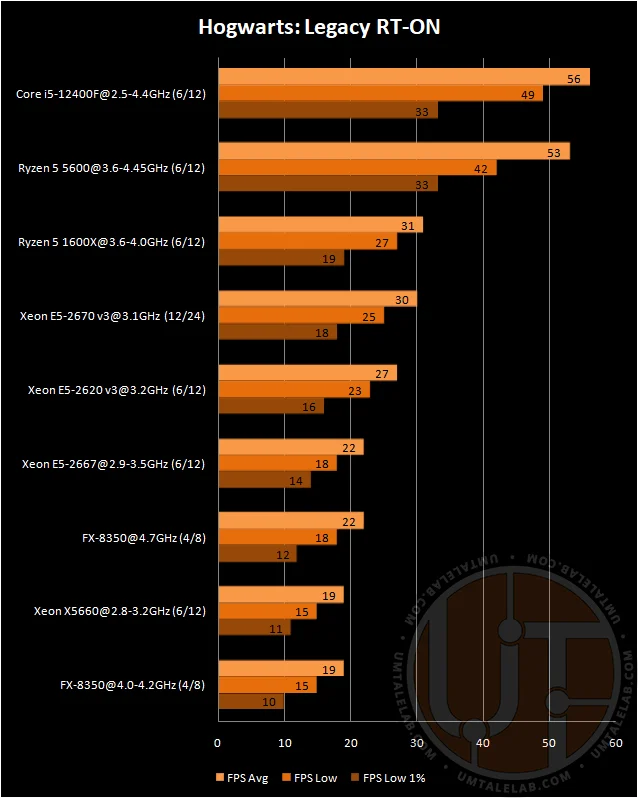
Hogwarts Legacy RT | 5.66% | |
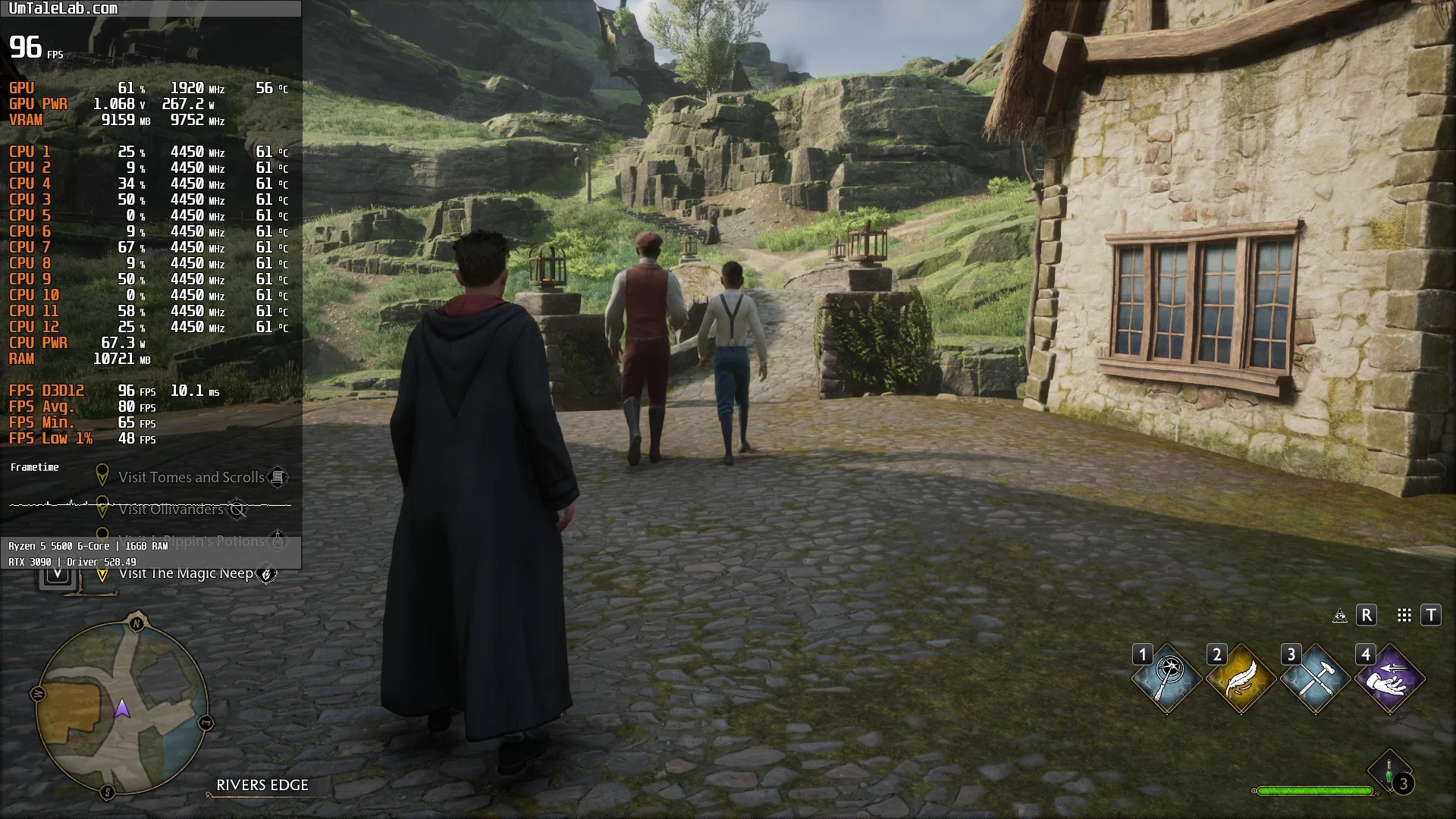
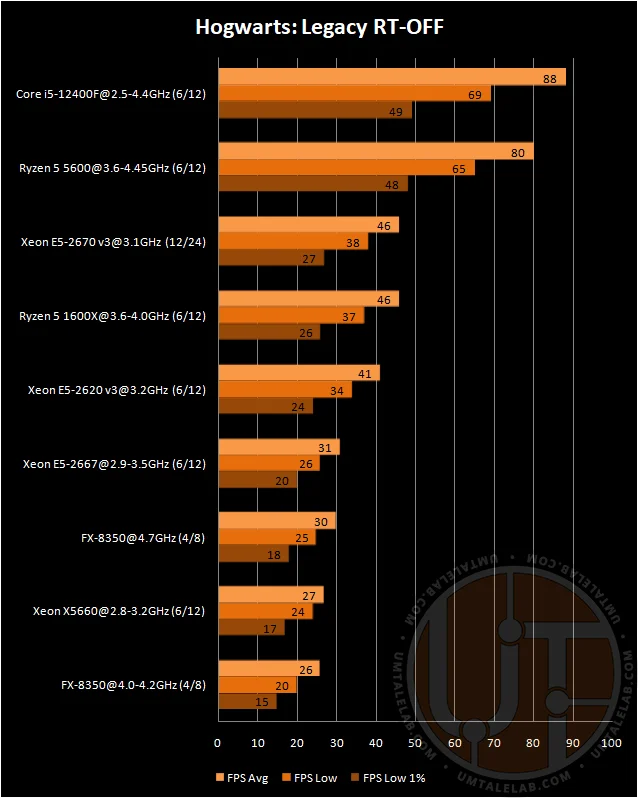
Hogwarts Legacy | 10% | |
Marvel’s Spider-Man RT | 4.82% | |
Marvel’s Spider-Man | 1.67% | |
RPCS3 – emulator | 20% | |
Red Dead Redemption 2 | 4.11% | |
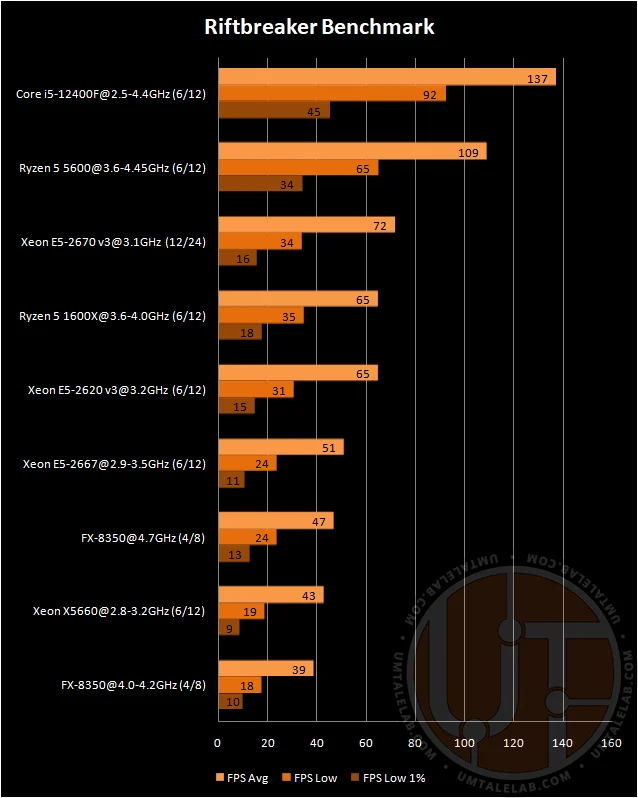
The Riftbreaker | 25.69% | |
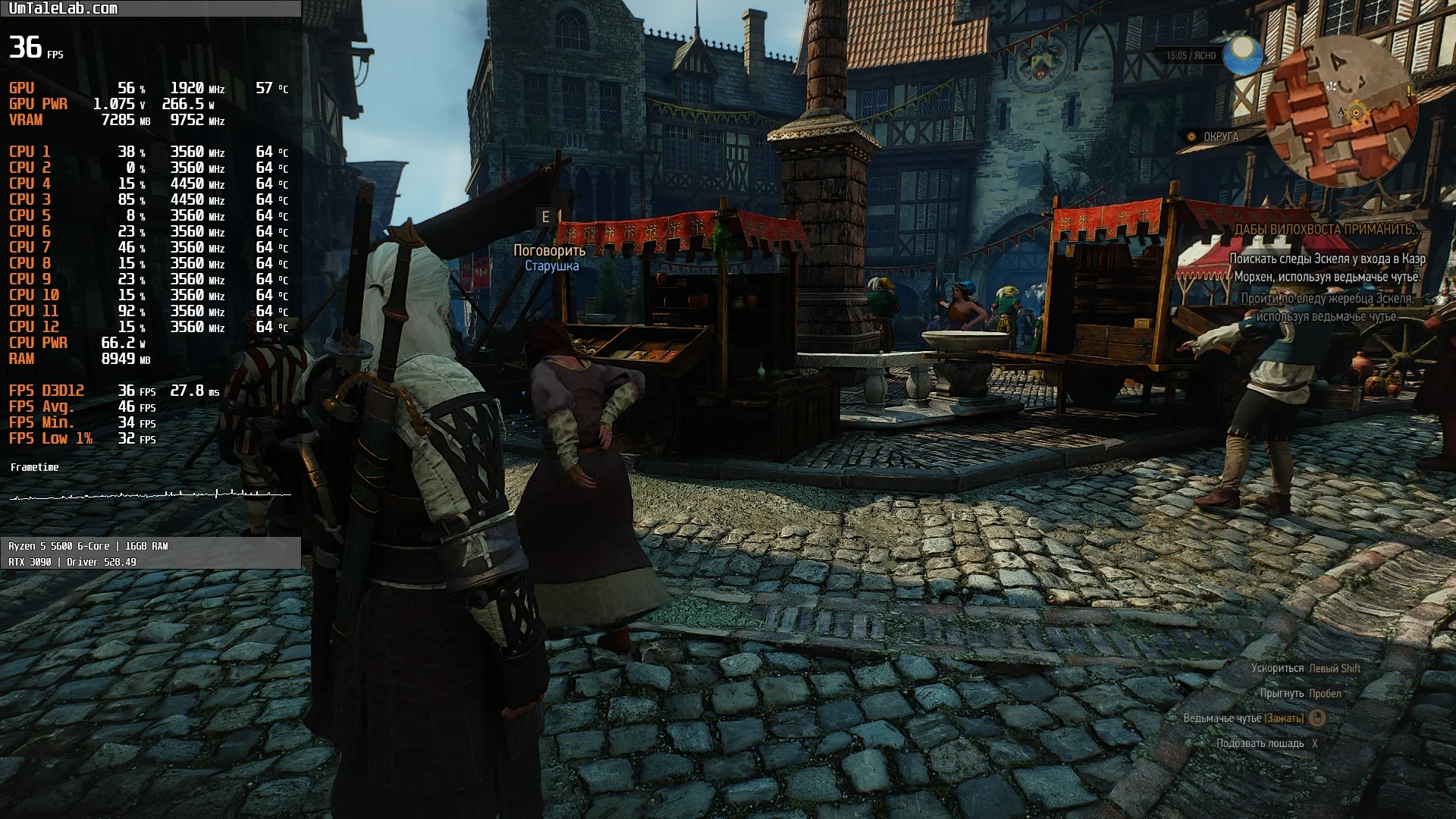
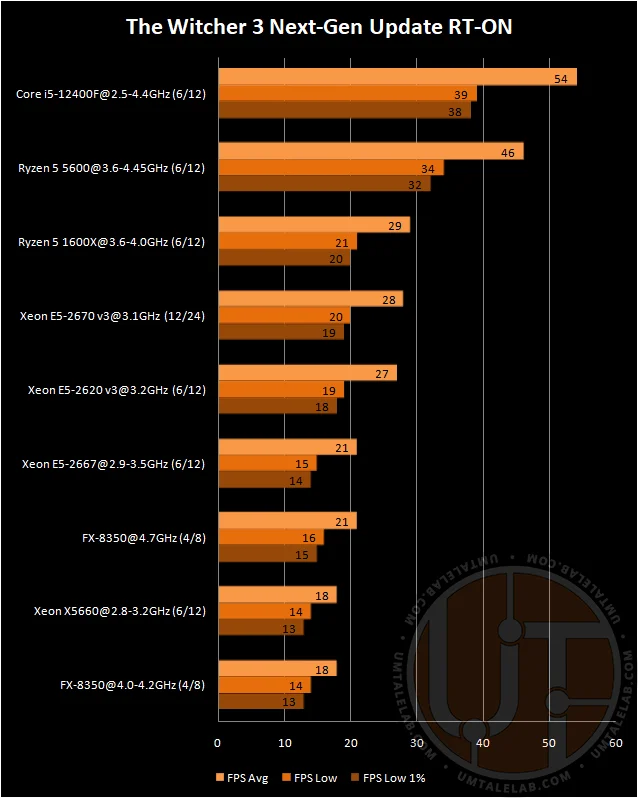
The Witcher 3 Next-Gen RT | 17.39% | |
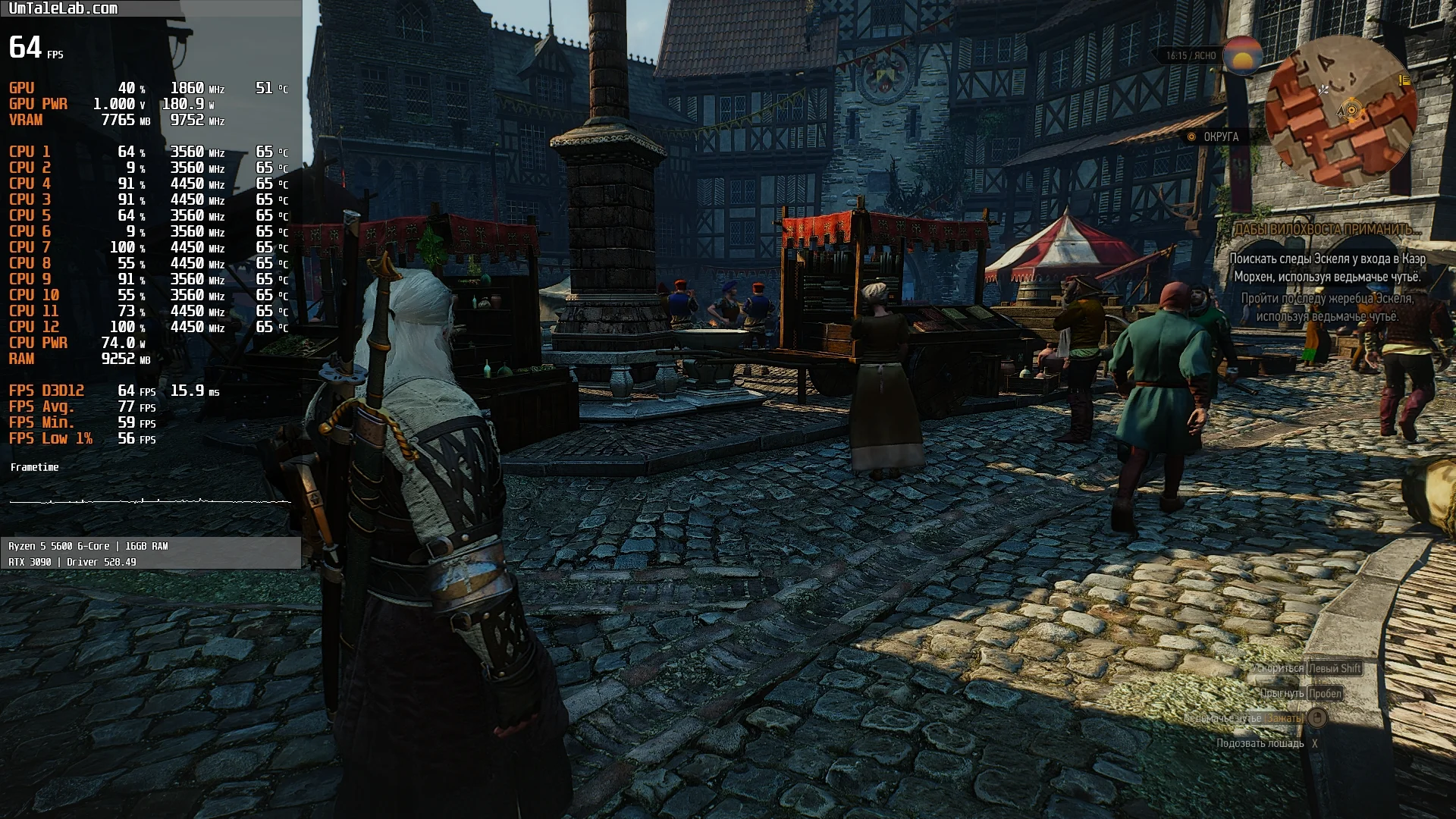
The Witcher 3 Next-Gen | 14.29% | |
Watch Dogs Legion RT | 6.1% | |
Watch Dogs Legion | 3.77% |
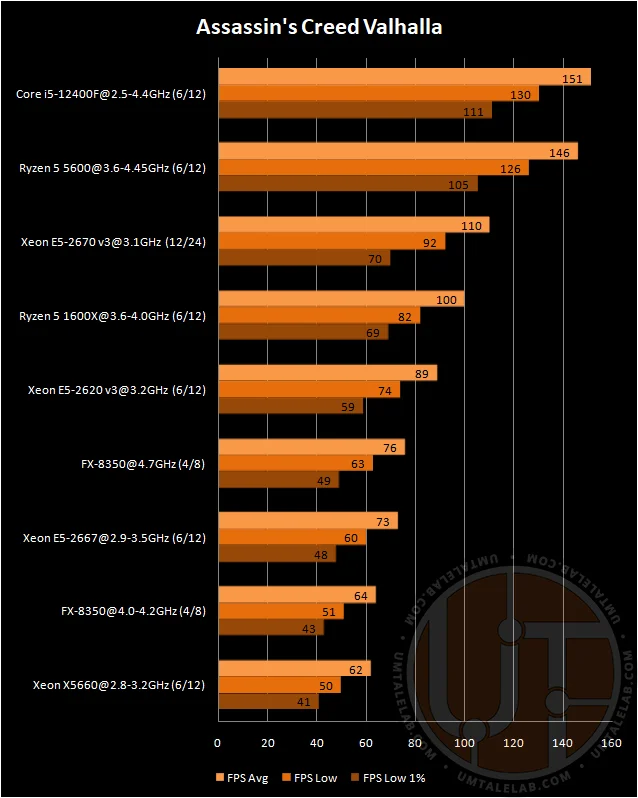
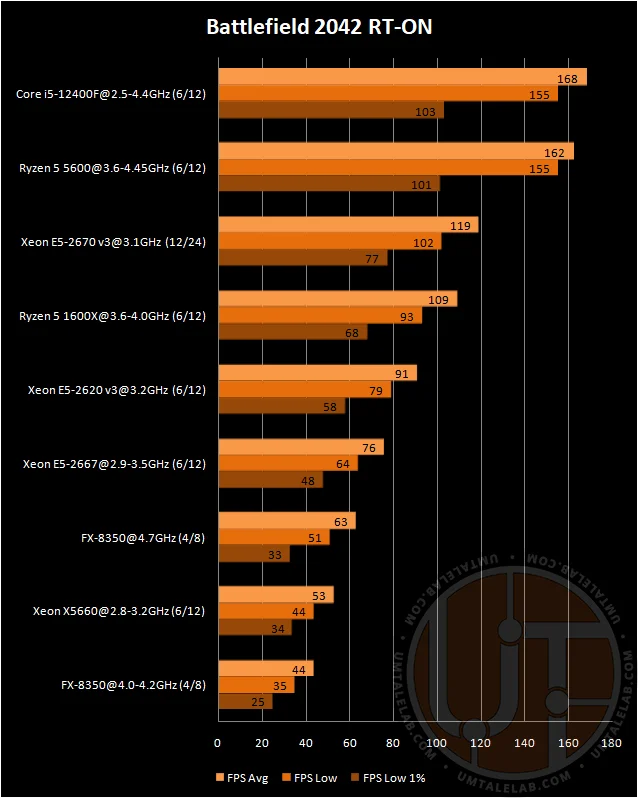
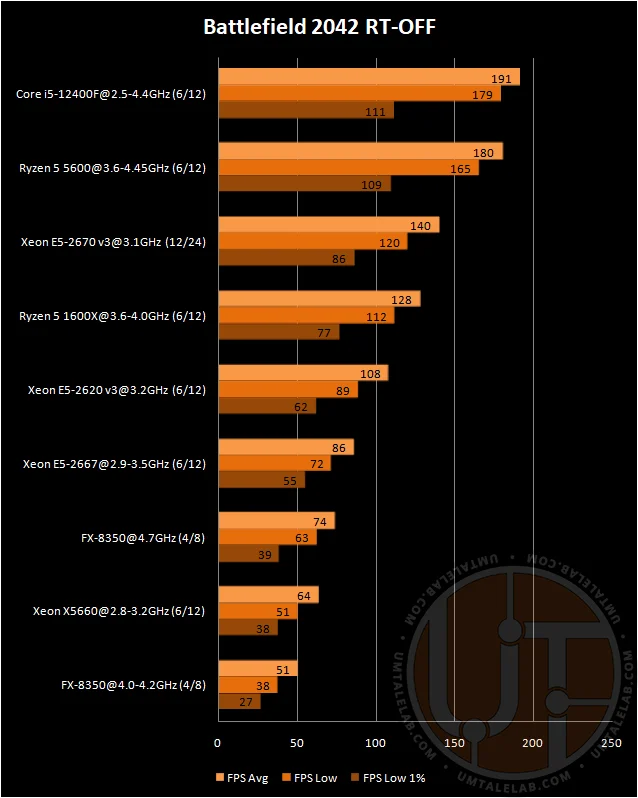
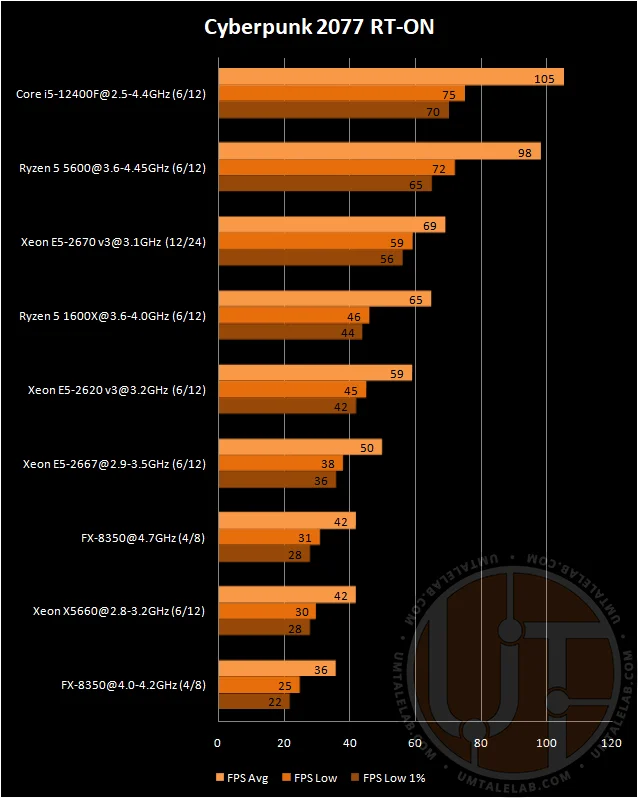
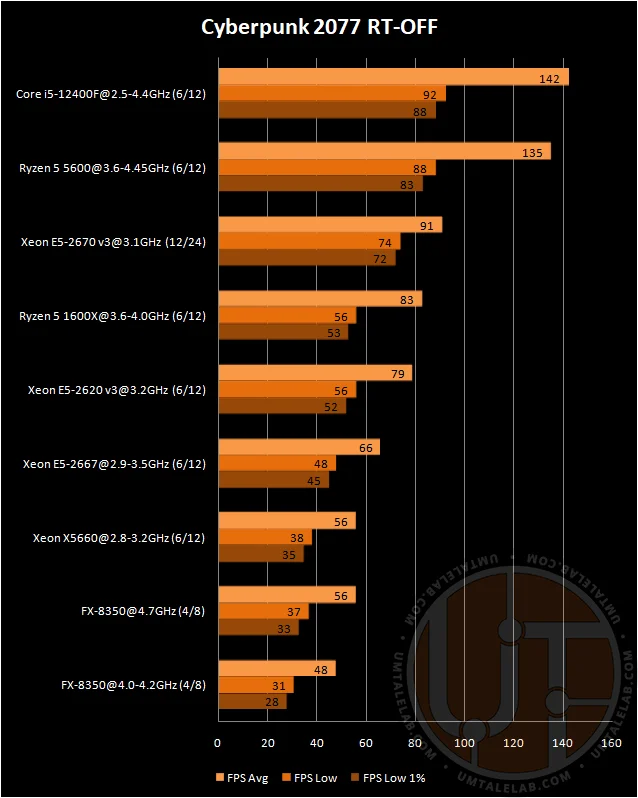
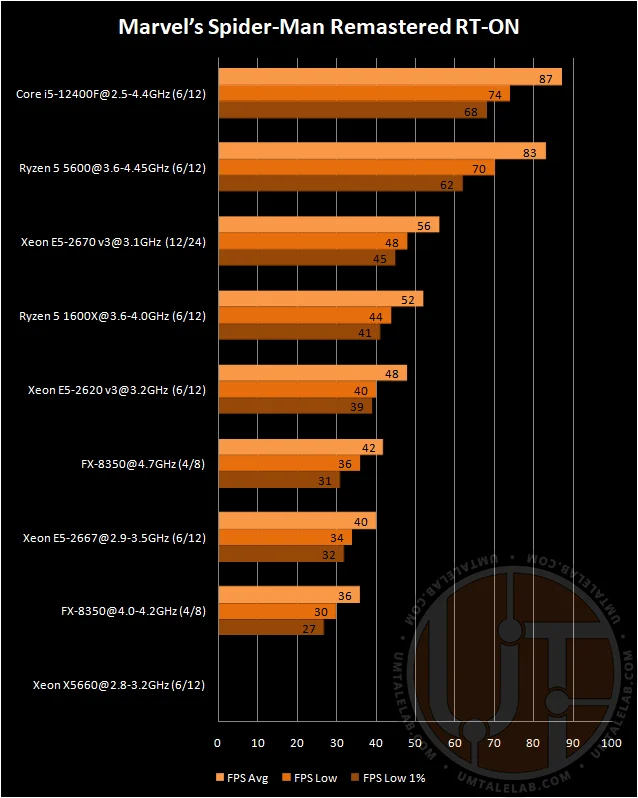
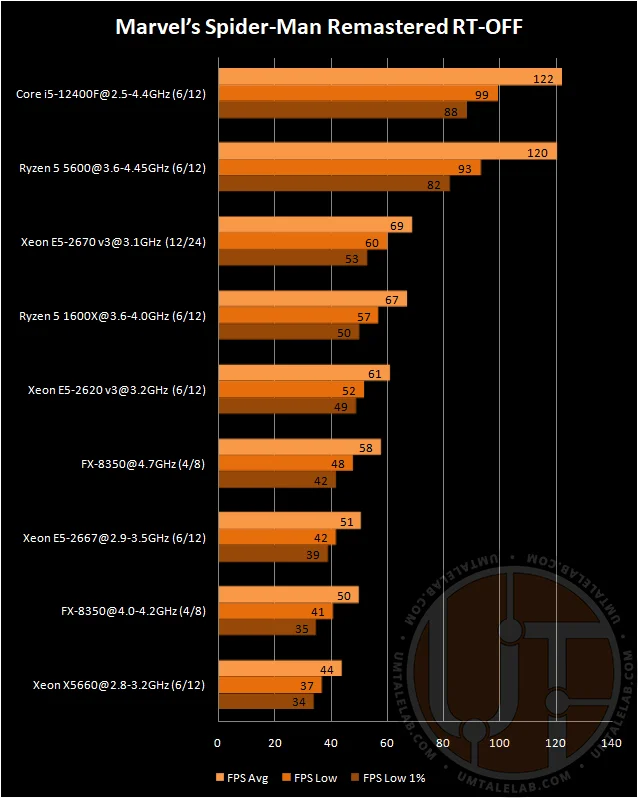
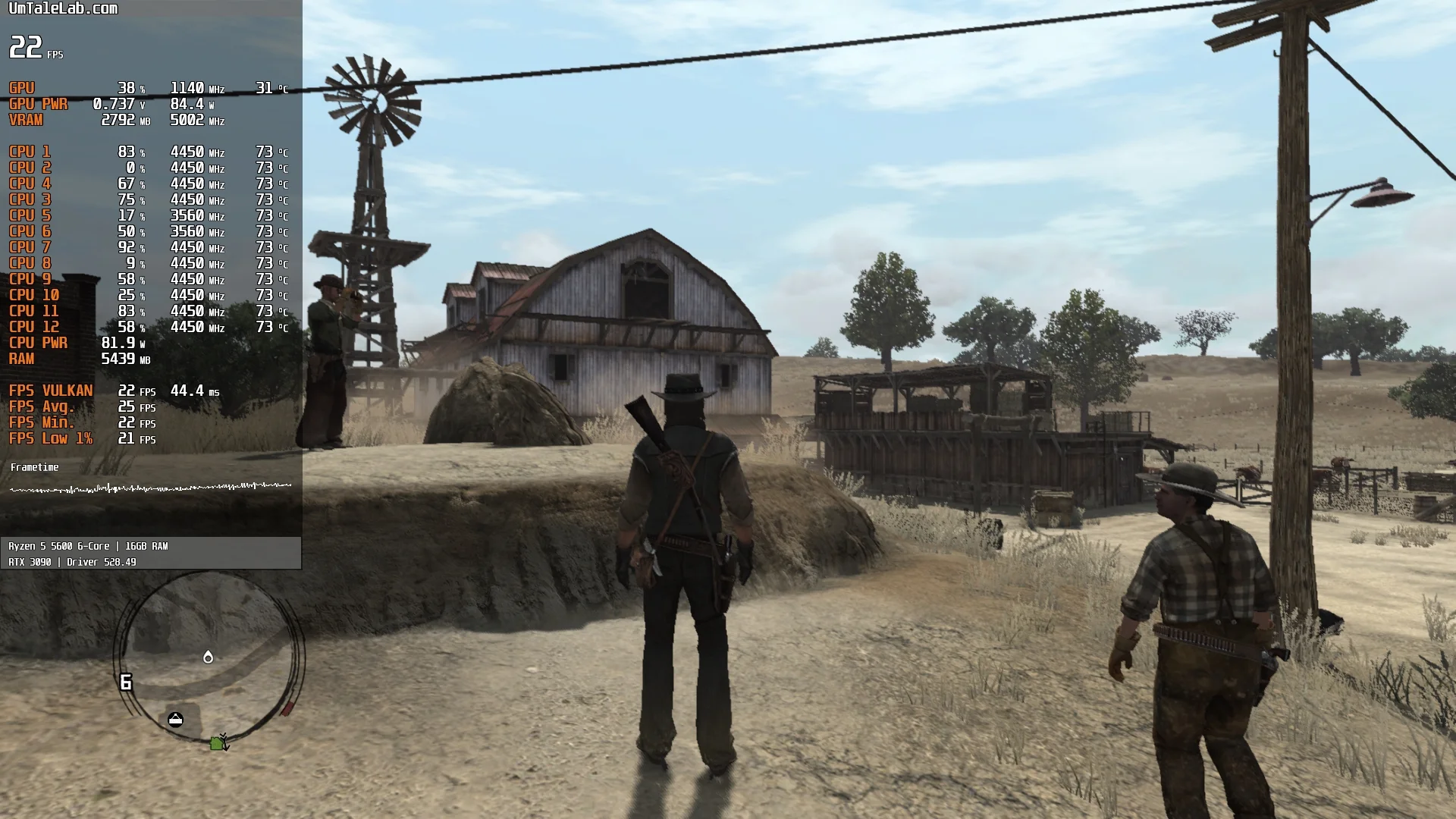
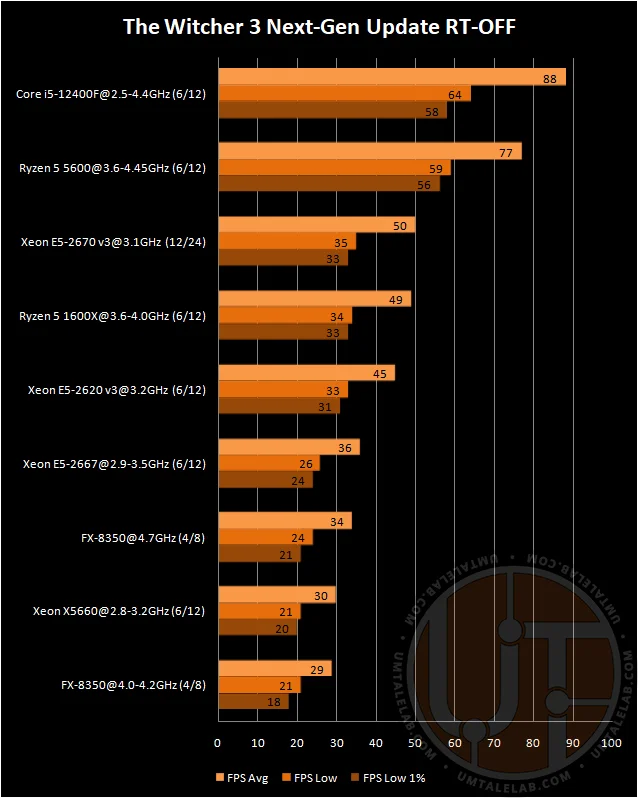
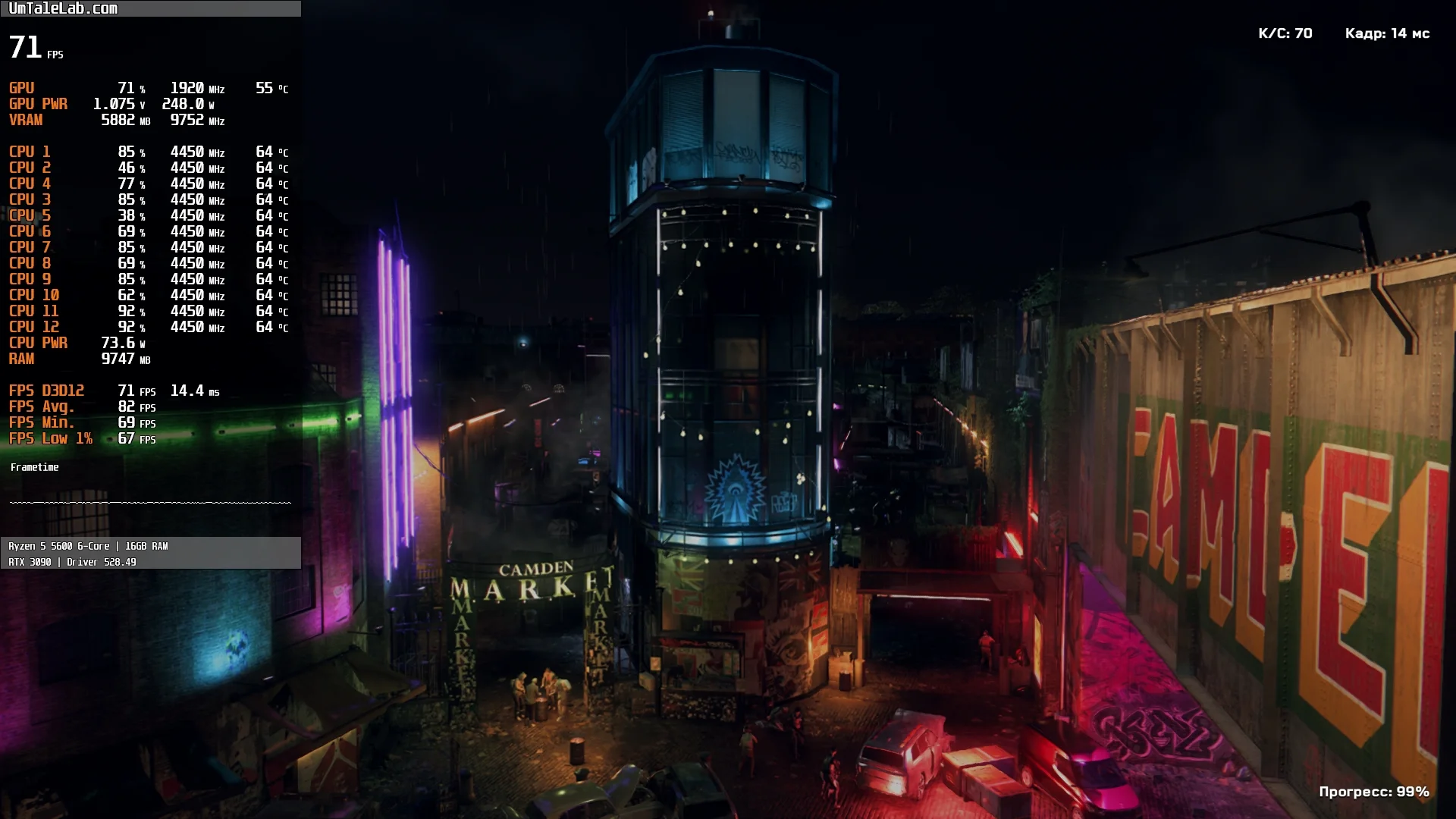
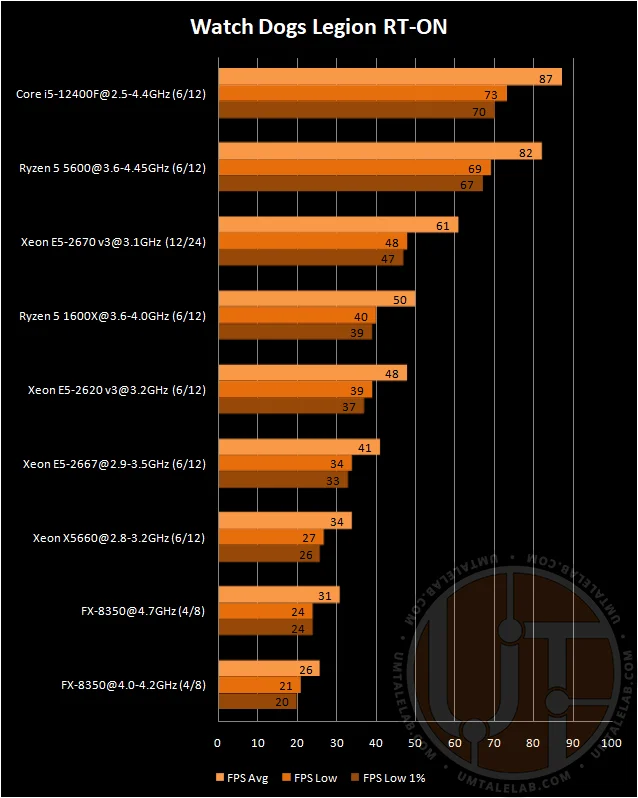
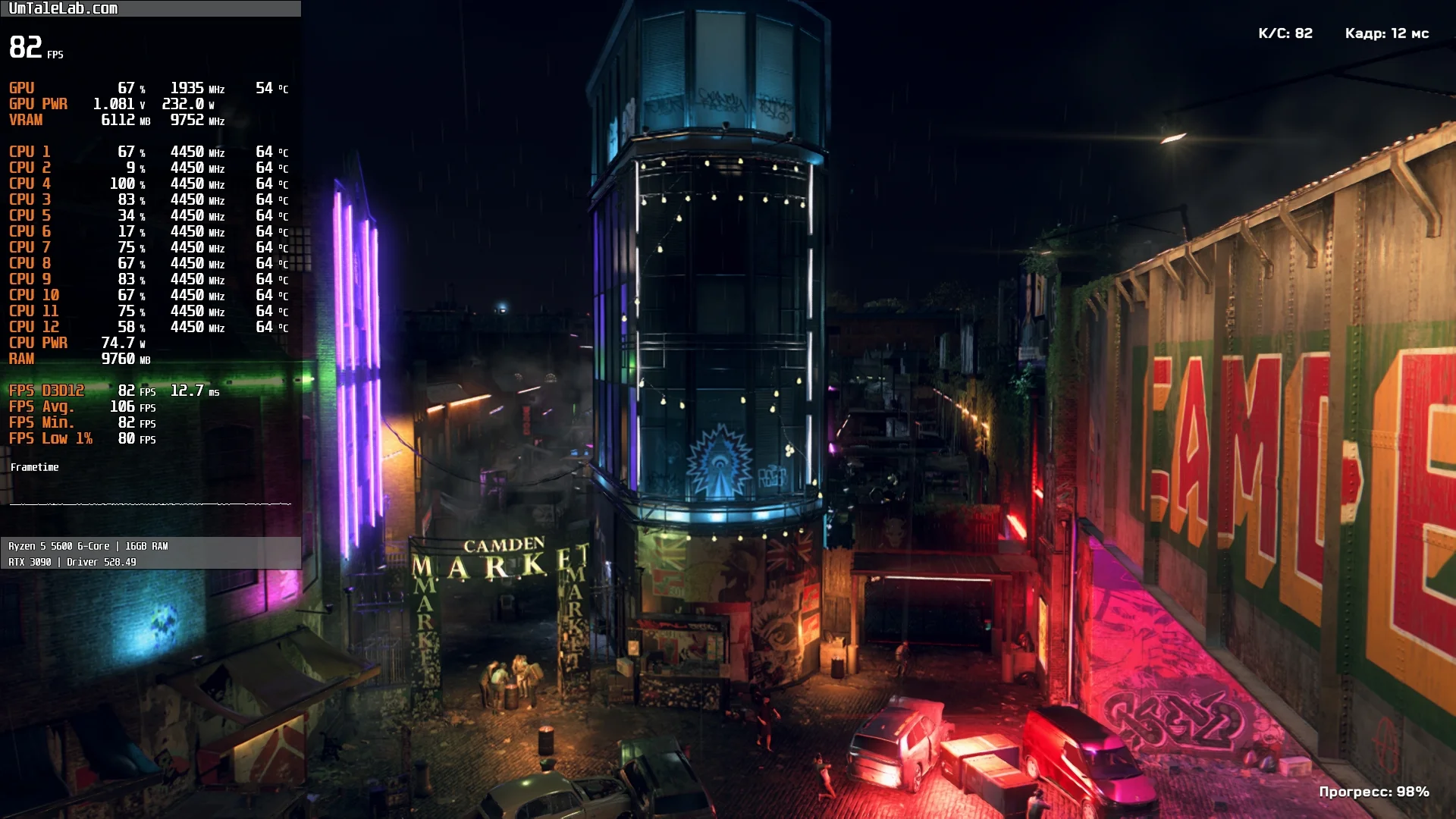
Based on this data, it's clear the Ryzen 5 5600 can deliver more than acceptable framerates in real-world gaming. Still, the Core i5-12400F often edges it out. For poorly optimized strategy titles and PlayStation 3 emulation, the 6-core Alder Lake can even boast a significant 20-26% lead.
Summary
 ⤢ ВІДКРИТИ
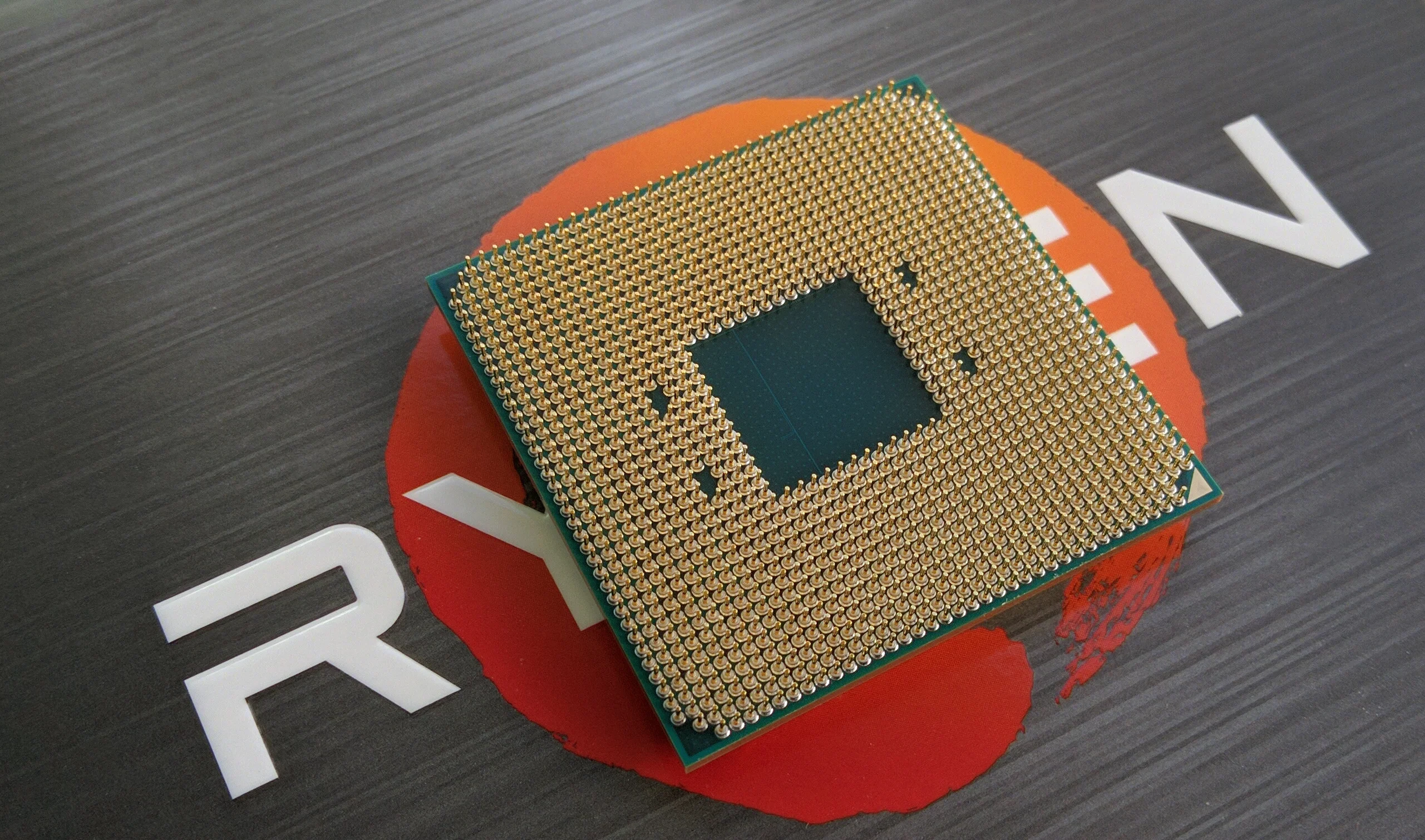
Given its overall specs and demonstrated results, the Ryzen 5 5600 is clearly an excellent budget CPU. Essentially, it's one of the best processors in terms of price-to-performance. But competitors do exist, and we shouldn't overlook them.
Online retailers price the Core i5-12400F about 20-25% higher than the Ryzen 5 5600. However, our testing indicates that the 6-core Alder Lake's performance lead over Zen 3 often doesn't justify that premium. On average, Intel's CPU is 4% faster in applications and 8% faster in game benchmarks. But the real takeaway here is to prioritize the games and apps you use most.
Another major plus for AMD's budget chip is the significantly cheaper motherboards and the straightforward upgrade path for existing AM4 PCs running 1000, 2000, or 3000 series Ryzen processors.
Comparing the Ryzen 5 5600 to a Xeon E5-2670 v3 reveals a less clear-cut picture. While the 6-core Zen 3 easily dispatches the 12-core Haswell in games, the older multi-core chip still looks more appealing for application workloads.
However, these are just our conclusions. We've given you plenty to think about, and the final choice, as always, is yours.