TESTS · CPU · AMD
PUBLISHED
READING13 min
AMD Ryzen 7 1800X performance review: Zen 1 vs. Haswell in modern games
Five years on, we pit the AMD Ryzen 7 1800X (Zen 1) against Intel's Haswell (Xeon E5) in modern games. Which architecture still holds up?
A full five years have passed since the first-generation 8-core Ryzen processors were released. Back in 2017, these Zen 1-based chips offered many gamers and enthusiasts a solid price-to-performance proposition. However, even then, at the launch of Jim Keller's new creation (the lead developer of the Zen architecture), experts noted that Intel's SkyLake CPUs significantly surpassed Zen 1 in IPC. Moreover, studies at the time revealed that AMD's new design couldn't consistently outperform the three-year-old Haswell architecture, which was already outdated by 2017.
Zen undoubtedly showed unprecedented speed in complex calculations and rendering, yet it significantly lagged behind Haswell in games of that era.
Now, things have largely settled down: multicore chips like the 1600X, 1700X, and 1800X no longer face any threat from the 4-core Core i7-4770K or its derivatives. However, thanks to resourceful Chinese vendors, many gamers have gotten their hands on Haswell server chips like the Xeon E5-2630 v3. Much like first-generation Zen, these CPUs offer a high core/thread count and a generous L3 cache, making them quite attractive.
In this article, we'll try to answer the pressing question: which architecture proved stronger in the long run: Zen 1 or Haswell?
 ⤢ ВІДКРИТИ
From the 'red team,' we selected the fastest first-gen Zen chip, the Ryzen 7 1800X, as our primary contender. The 'blue giant' will be represented by several affordable Haswell-based server processors: the Xeon E5-2620 v3, E5-2630 v3, E5-2660 v3, and E5-2670 v3. Notably, even the 12-core, 24-thread 2670 v3 costs significantly less than a Ryzen 7 1700X, let alone an 1800X.
However, it seems fair to pit the 8-core, 16-thread Xeon E5-2630 v3 directly against the Ryzen 7 1800X.
Processor
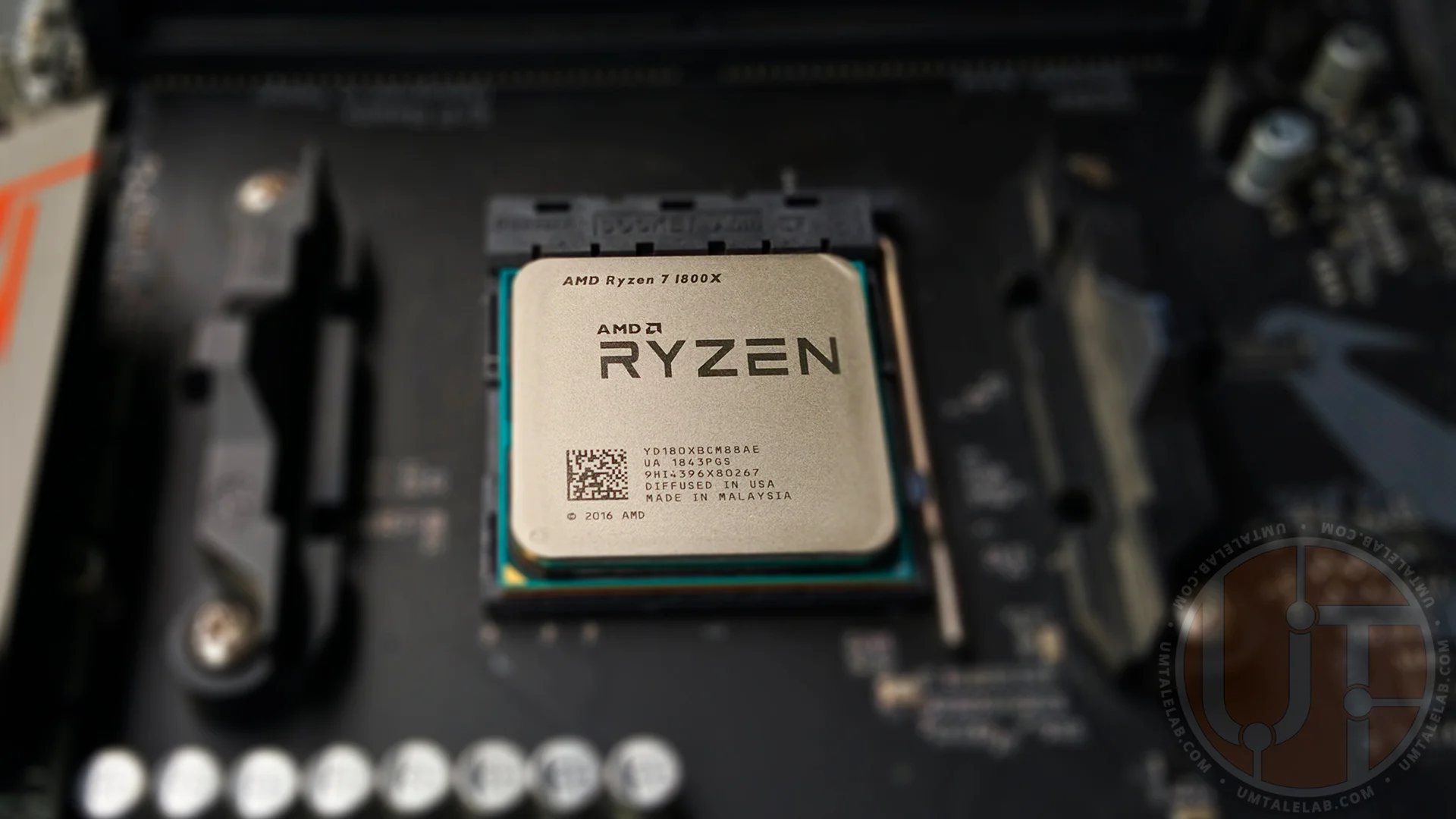
Here's an 8-core, 16-thread processor based on AMD's relatively current first-generation Zen architecture, the Ryzen 7 1800X. Let's take a look at the chip:
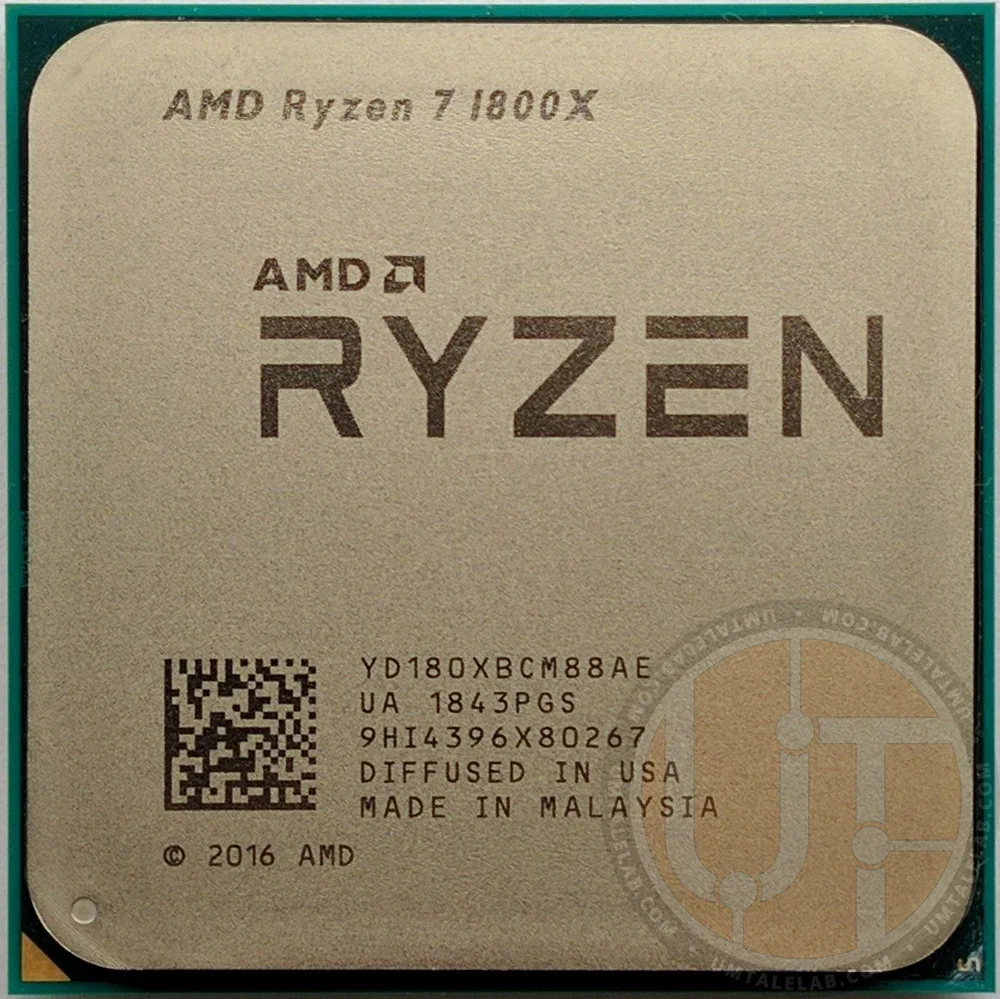
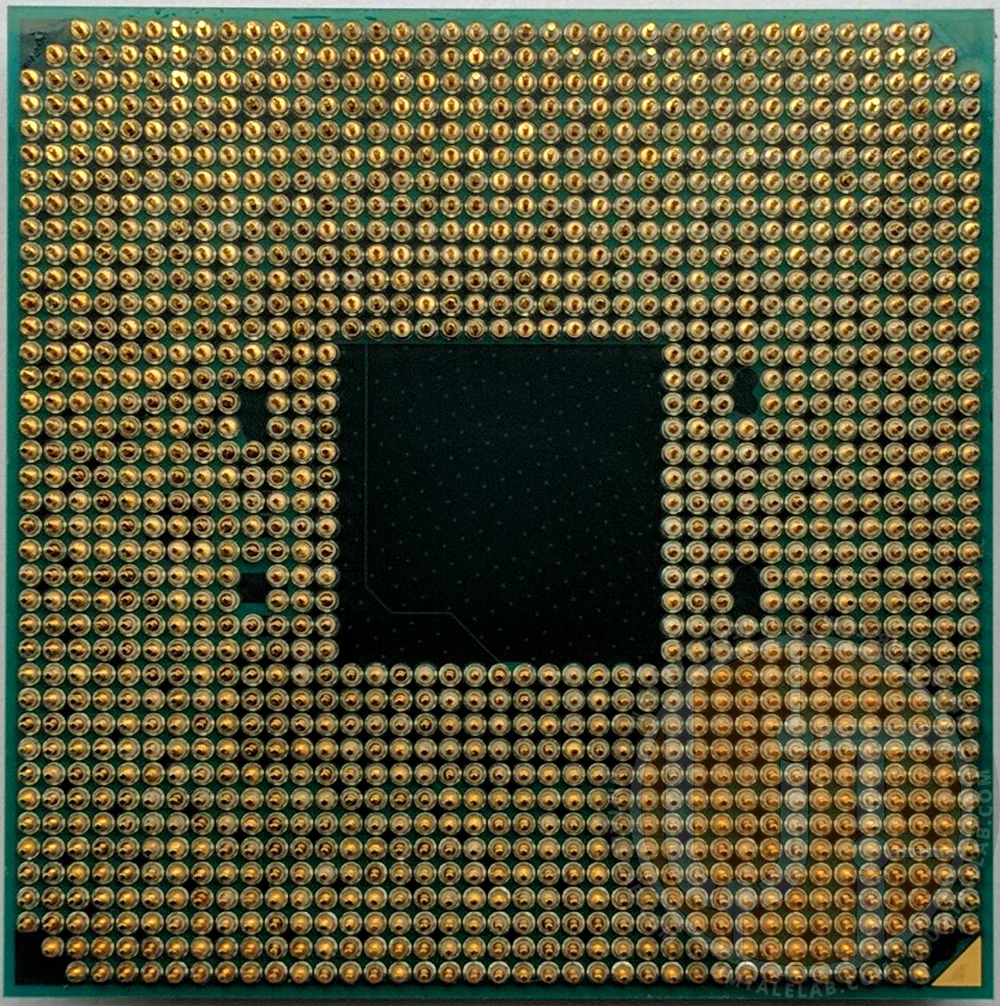
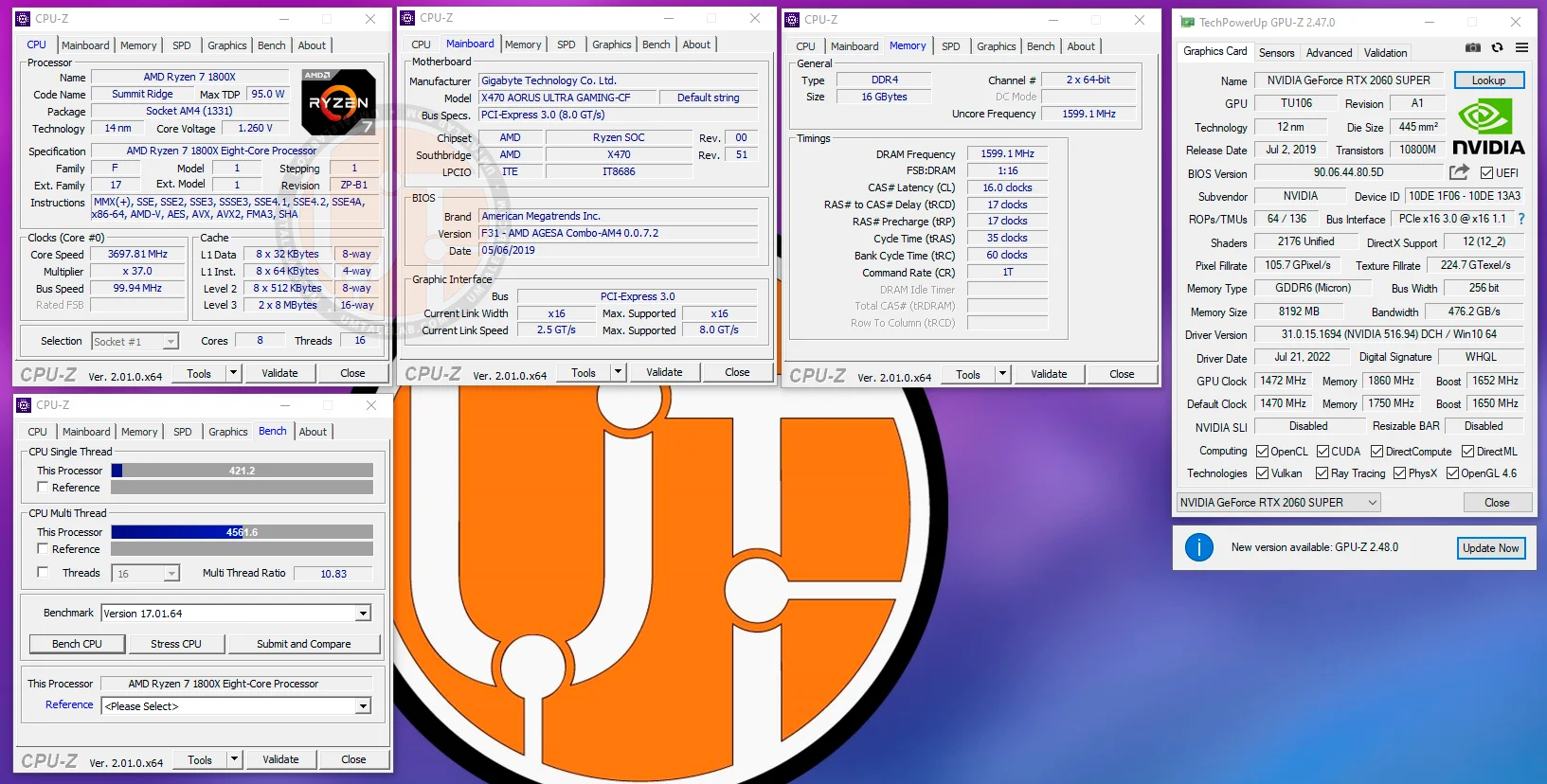
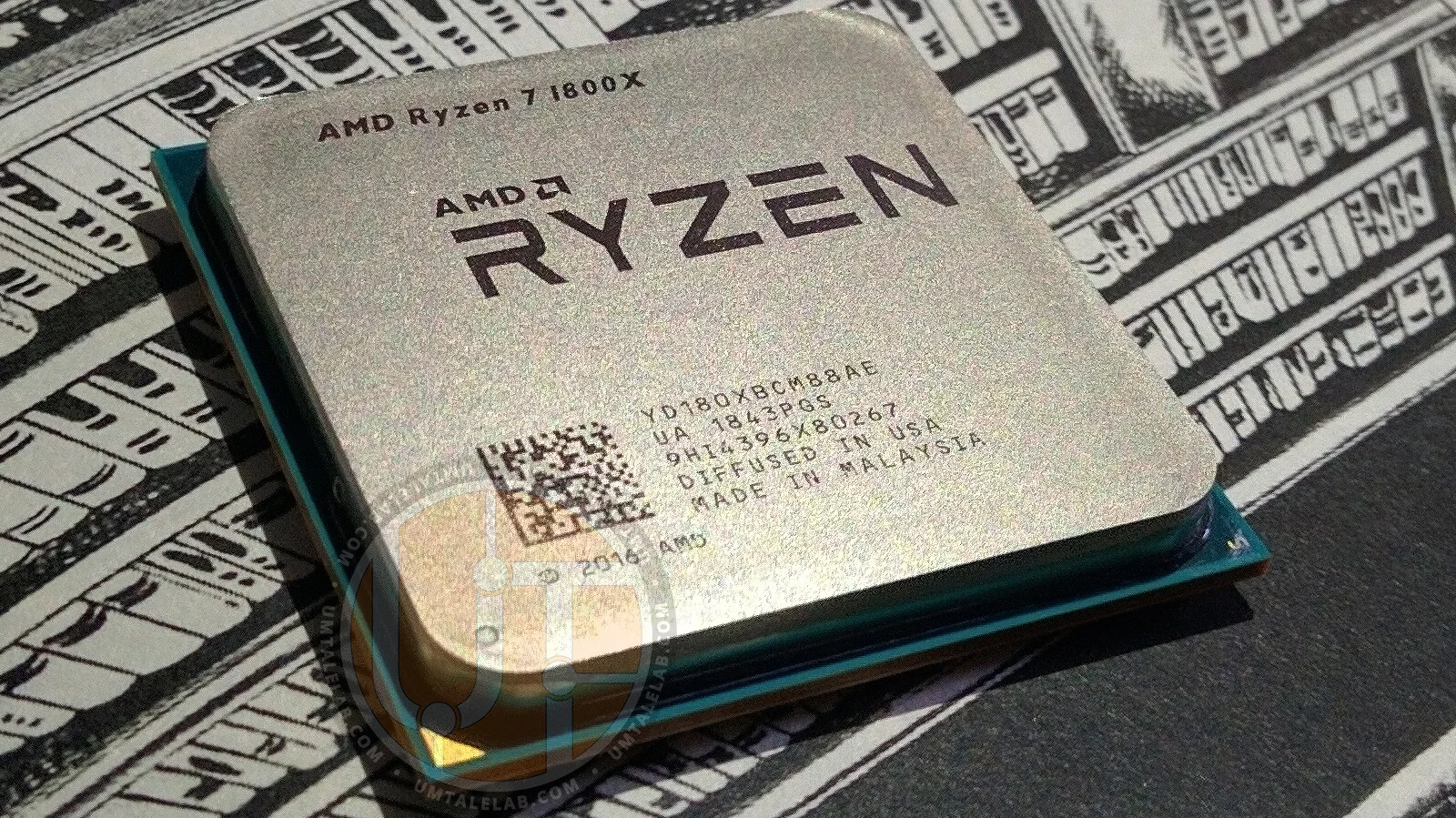
Our test sample is marked YD180XBCM88AE UA 1843PGS. It was manufactured in Malaysia during the 43rd week of 2018. Its nominal frequency is 3600 MHz, with a TDP of 95 watts. This is a very modest figure, meaning almost any mid-range cooler can handle its cooling.
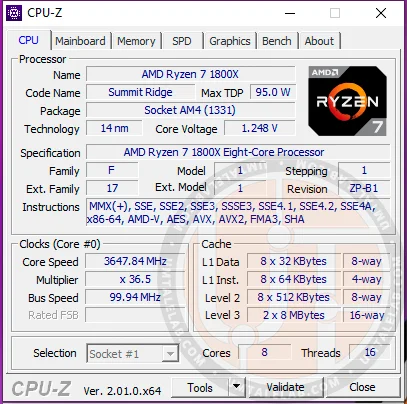
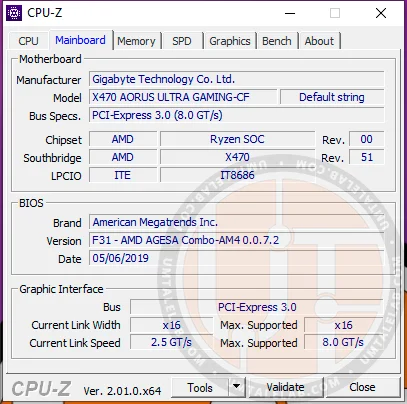
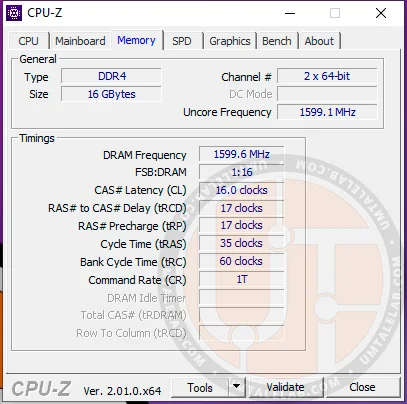
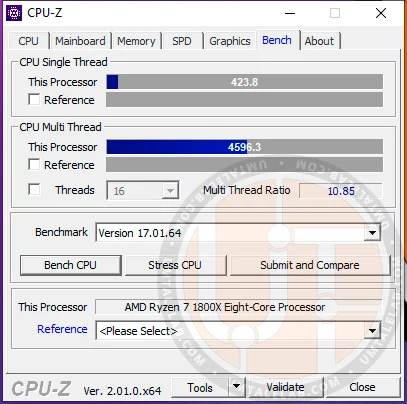
The 1800X processor uses a 14nm die featuring two CCX blocks, each with 4 cores, 8 threads, and 8MB of L3 cache. Designed for AM4 motherboards, its nominal frequency is 3600 MHz. However, Precision Boost technology allows it to ramp up to 4000 MHz for a single core or 3700 MHz for all 8 cores/16 threads. Under heavy AVX2 loads, it typically settles between 3500-3600 MHz.
The Ryzen 7 1800X features 512KB of L2 cache per core, alongside a shared, generous 16MB of L3 cache. The speed of the 1800X's integrated memory controller is tied to RAM frequency and entirely dependent on its characteristics. While the maximum RAM frequency was initially limited to DDR4-2666 MHz by the dual-channel controller, that's no longer the case. Since the AM4 platform's 2017 launch, most motherboard BIOSes have received significant updates. As a result, by 2022, first-generation Ryzen processors can easily run with DDR4-3200 modules, a capability we successfully utilized.
Beyond these specs, the 8-core Zen also includes essential instructions for 2022, such as SSE4.2, FMA3, AVX, and AVX2. This ensures avid gamers can run almost any new game released this year without issues, and, as tests show, even with ray tracing enabled.
 ⤢ ВІДКРИТИ
Test setup and software
Test setup
Intel processors— Xeon X3470, Core i7-2600, Xeon X5660, Xeon E5-2667, Xeon E5-2620 v3, Xeon E5-2630 v3, Xeon E5-2660 v3, and Xeon E5-2670 v3;
AMD processors— Ryzen 7 1800X, FX-8350, FX-6350;
CPU cooling— Cooler Master Hyper 212 Black Edition (RR-212S-20PK-R1);
RAM for LGA 1155/1156— 4x 8 GB HyperX Genesis Na'Vi Edition (KHX16C9C2K2/8) for a total of 32 GB;
RAM for LGA 1366— 3x 8 GB HyperX Genesis Na'Vi Edition (KHX16C9C2K2/8) for a total of 24 GB;
RAM for LGA 2011— 4x 8 GB Micron MT36JSF1G72PZ-1G4M1HF for a total of 32 GB;
RAM for LGA 2011 v3— 4x 4 GB G.SKILL DDR4 F4-2400C15S-4GNT for a total of 16 GB;
RAM for AM3+— 4x 8 GB HyperX Genesis Na'Vi Edition (KHX16C9C2K2/8) for a total of 32 GB;
RAM for AM4- 2x 8 GB G.SKILL Trident Z RGB F4-3600C19-8GTZRB (H5AN8G8NCJR-TFC chips) for a total of 16 GB;
Motherboard LGA 1156— DELL OptiPlex 980 (0D441T, mod-BIOS);
Motherboard LGA 1155— Gigabyte GA-Z68P-DS3 (rev. 2.0);
Motherboard LGA 1366— DELL T3500 (09KPNV);
Motherboard LGA 2011— DELL T3610 (09M8Y8);
Motherboard LGA 2011 v3— Qiyida X99-H9 with a modified BIOS from Huananzhi x99-8m-f (unlocks Turbo Boost and timing control);
Motherboard AM3+— ASUS M5A97 LE R2.0;
Motherboard AM4- Gigabyte X470 AORUS ULTRA GAMING;
Graphics card— KFA2 GeForce RTX 2060 SUPER 8GB (~1950/14816MHz, Power Limit 112%);
Solid-state drive— KINGSTON SUV400S37120G 120.0 GB (Windows 10), KINGSTON SUV400S37240G 240.0 GB + KINGSTON SUV400S37400G 400.0 GB (Games);
Power supply— Chieftec GPS-1250C.
Software
Operating system: Windows 10 x64 with the latest updates as of August 2022;
Graphics card drivers: NVIDIA GeForce 516.94 WHQL;
Additional software for FPS measurement: MSI Afterburner 4.6.4;
Games: testing was performed on current game versions as of August 2022;
Game settings: testing was performed at the highest possible graphics settings at 720p resolution.
Tested CPU settings
Intel Processors:Core i7-2600@3400MHz, Dual-Channel DDR3@1866MHz (DDR3 timings 10-11-11-26, DDR3 voltage 1.550v);
Xeon X3470@3200MHz, Dual-Channel DDR3@1333MHz;
Xeon X5660@3066MHz, Triple-Channel DDR3@1333MHz;
Xeon E5-2667@3200MHz, Quad-Channel DDR3@1333MHz;
Xeon E5-2620 v3@3200MHz, Quad-Channel DDR4@1866MHz (DDR4 timings 10-10-10-24);
Xeon E5-2630 v3@3200MHz, Quad-Channel DDR4@1866MHz (DDR4 timings 10-10-10-24);
Xeon E5-2660 v3@3300MHz, Quad-Channel DDR4@2133MHz (DDR4 timings 12-12-12-32);
Xeon E5-2670 v3@3100MHz, Quad-Channel DDR4@2133MHz (DDR4 timings 12-12-12-35).
AMD Processors:Ryzen 7 1800X@3700MHz, Dual-Channel DDR4@3200MHz (DDR4 timings 16-17-17-35, SOC voltage 1.230v);
FX-6350@4200MHz, CPU-NB@2200MHz, Dual-Channel DDR3@1866MHz;
FX-6350@4595MHz, CPU-NB@2608MHz, Dual-Channel DDR3@2086MHz (DDR3 timings 11-12-12-30, CPU Core voltage — 1.440v, CPU-NB voltage — 1.375v, DDR3 voltage — 1.660v);
FX-8350@4200MHz, CPU-NB@2200MHz, Dual-Channel DDR3@1866MHz;
FX-8350@4434MHz, CPU-NB@2608MHz, Dual-Channel DDR3@2086MHz (DDR3 timings 11-12-12-30, CPU Core voltage — 1.416v, CPU-NB voltage — 1.375v, DDR3 voltage — 1.660v).
You can find more detailed information on virtually all tested processors in our full reviews, or by checking out our blog section for smaller notes.
A quick reminder on our processor testing methodology: we ran each game five times, then took the average frame rate from those runs as the final result. Also, it's worth noting that all games were installed on an SSD.
Testing results
Assassins Creed Valhalla
 ⤢ ВІДКРИТИ
 ⤢ ВІДКРИТИ
 ⤢ ВІДКРИТИ
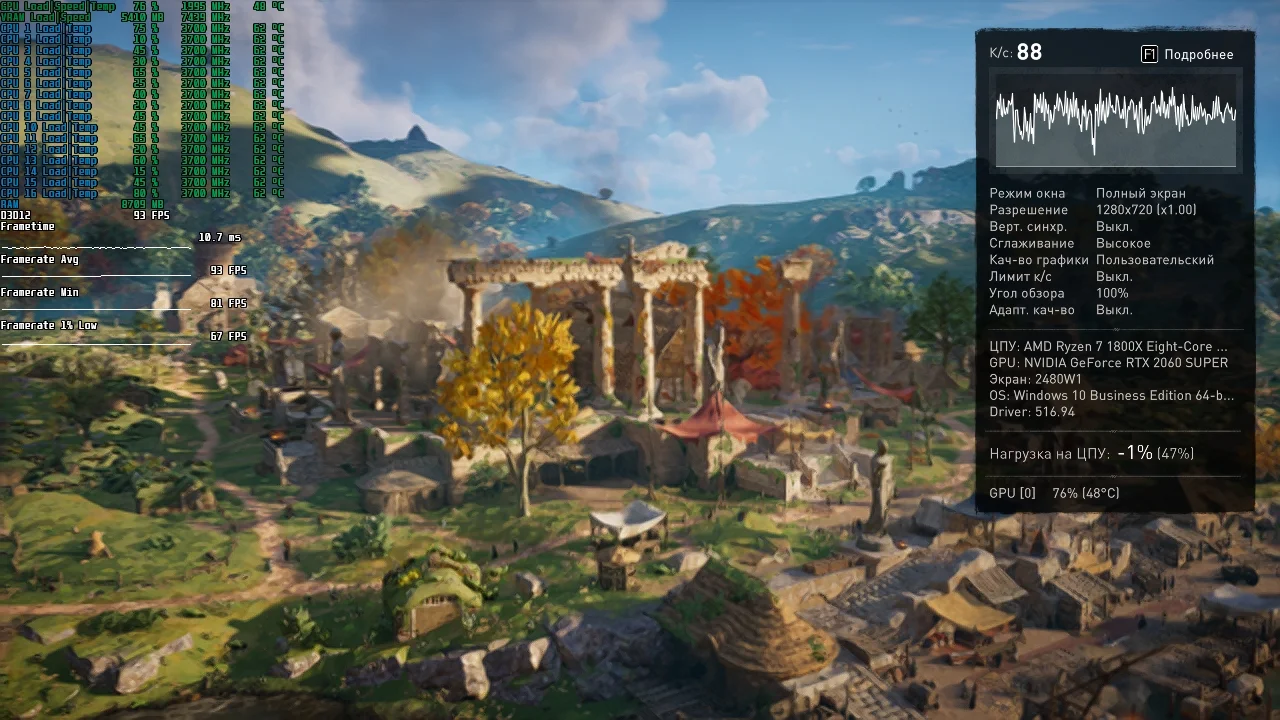
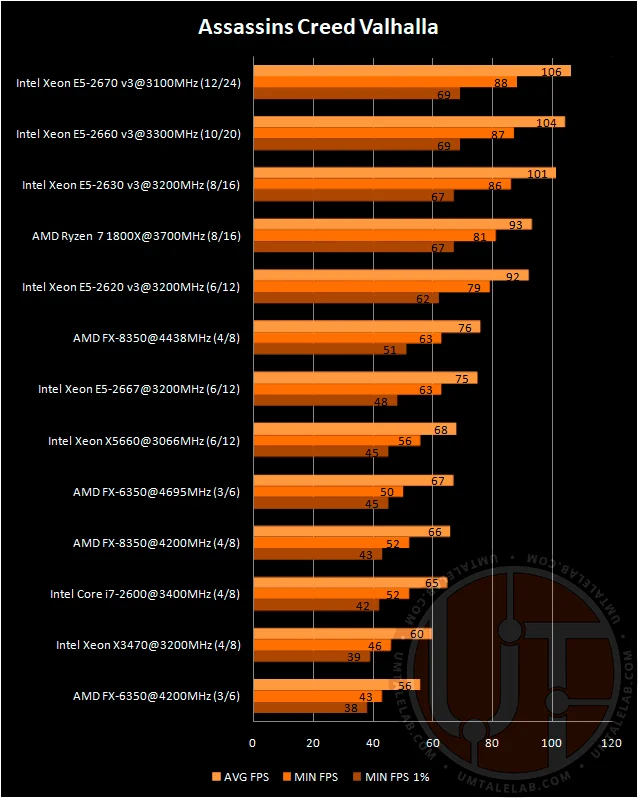
Despite its significant clock speed advantage, in "Assassins Creed Valhalla", the octa-core Zen trails the E5-2630 v3 by a small 9% and only slightly surpasses the 6-core E5-2620 v3. This is a concerning result.
Battlefield 2042
 ⤢ ВІДКРИТИ
Ray tracing - on
 ⤢ ВІДКРИТИ
 ⤢ ВІДКРИТИ
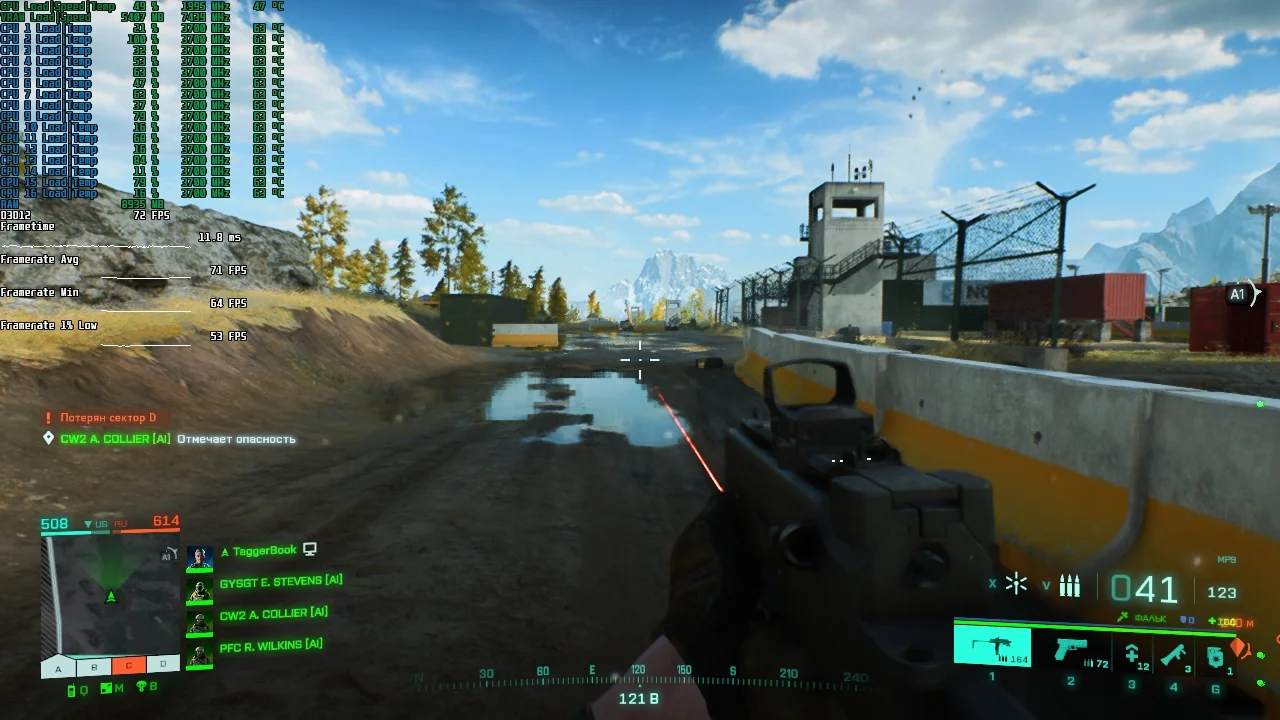
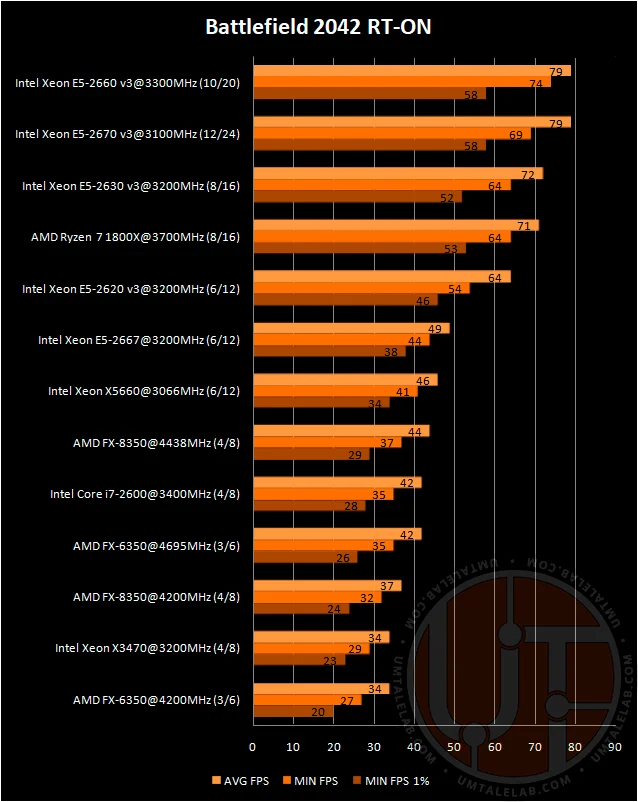
With ray tracing enabled, "Battlefield 2042" responded much better to the AMD Zen architecture. Here, the 16-thread Ryzen 7 1800X processor matched the E5-2630 v3, delivering a very strong 71 FPS.
Ray tracing - off
 ⤢ ВІДКРИТИ
 ⤢ ВІДКРИТИ
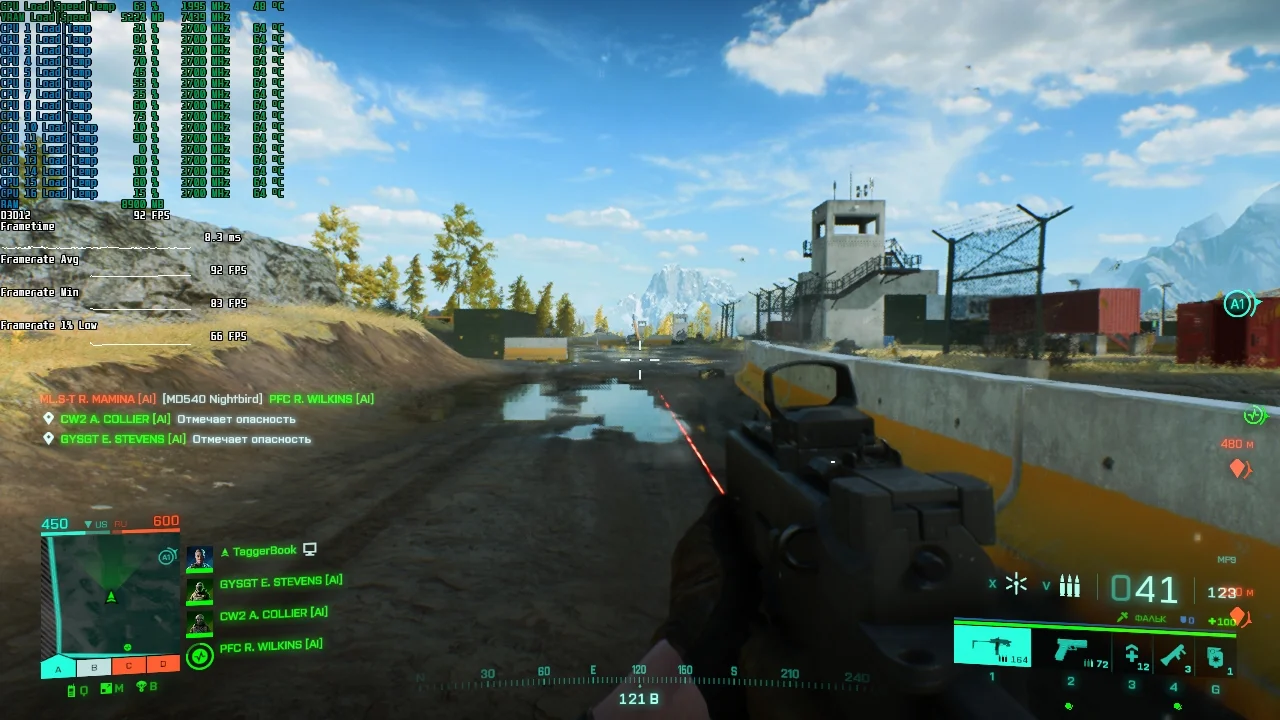
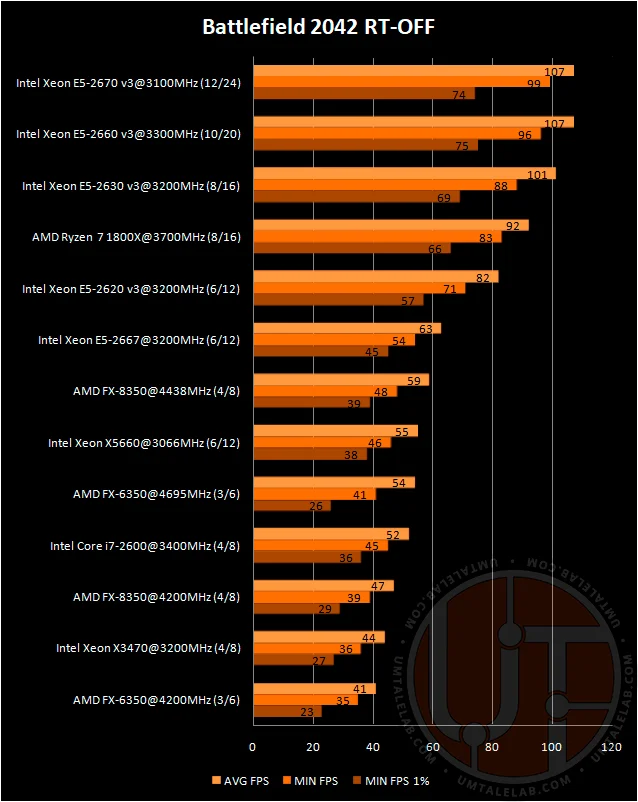
However, with ray tracing disabled, the 1800X couldn't maintain its position, falling 6% behind the E5-2630 v3. Frankly, this isn't a substantial lead for the 8-core Haswell, but it's crucial to factor in the total cost of each CPU and its platform. Consequently, it's evident that a system relying on first-gen Zen isn't a very appealing choice for Battlefield 2042.
Cyberpunk 2077
 ⤢ ВІДКРИТИ
Ray Tracing - ON
 ⤢ ВІДКРИТИ
 ⤢ ВІДКРИТИ
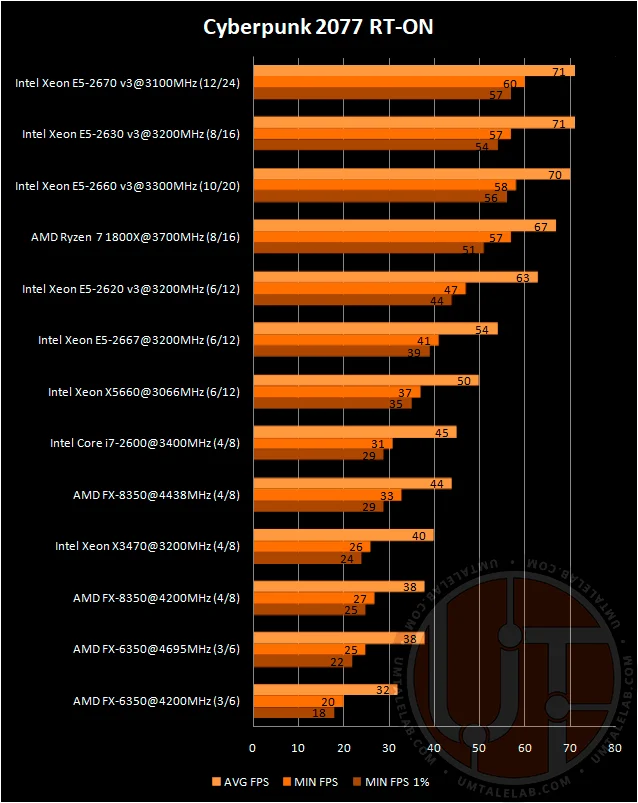
The same conclusions apply to Cyberpunk 2077: with ray tracing enabled, CDPR's title performs better on the octa-core E5-2630 v3. The Ryzen 7 1800X lagged 6% behind its rival.
Ray Tracing - OFF
 ⤢ ВІДКРИТИ
 ⤢ ВІДКРИТИ
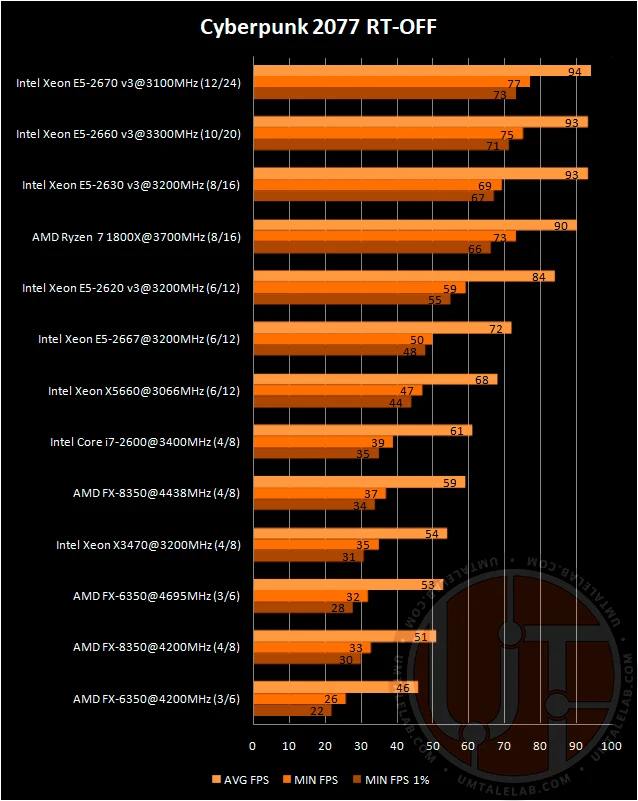
Disabling the notorious ray tracing does squeeze out extra FPS from the 1800X. However, even then, AMD's chip couldn't surpass the E5-2630 v3, let alone the E5-2660 v3 or 2670 v3.
Destiny 2
 ⤢ ВІДКРИТИ
 ⤢ ВІДКРИТИ
 ⤢ ВІДКРИТИ
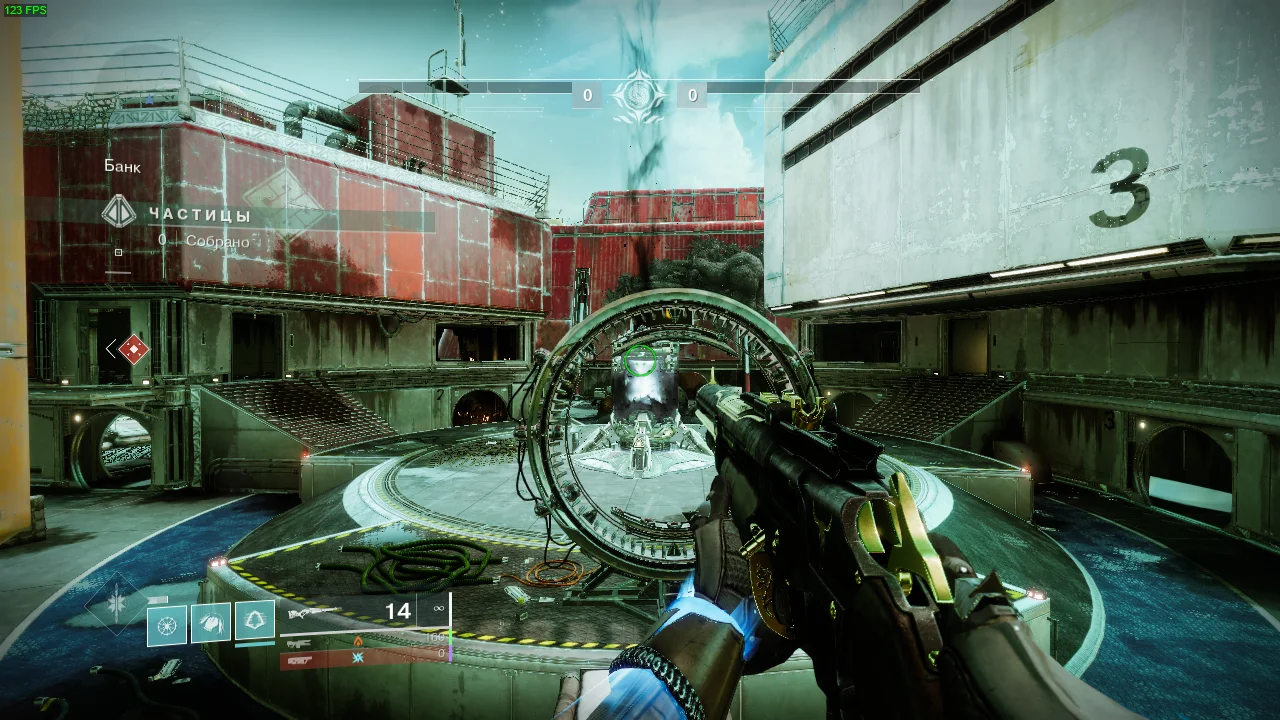
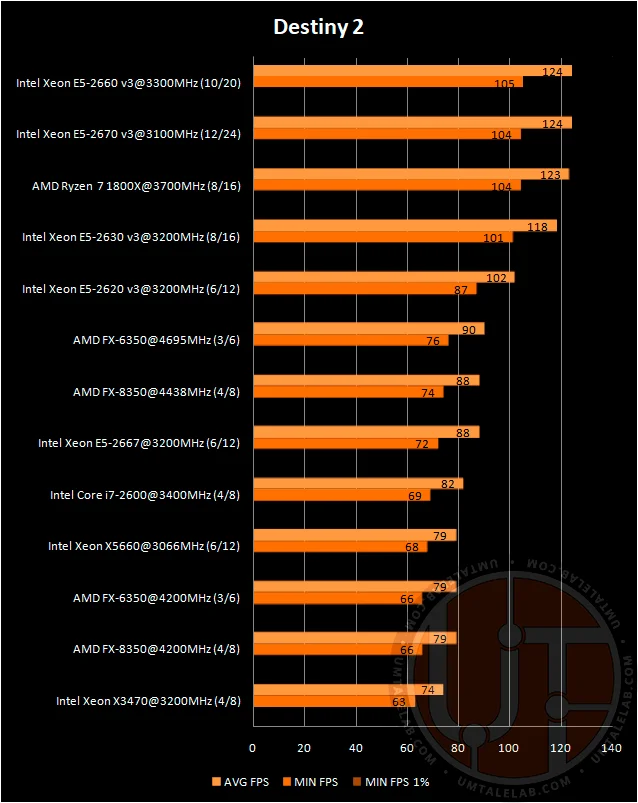
This is the first long-awaited victory: in the multiplayer session shooter Destiny, the 8-core Ryzen 7 1800X managed to outpace the E5-2630 v3 by 4% and nearly caught up to the E5-2660 v3.
Elden Ring
 ⤢ ВІДКРИТИ
 ⤢ ВІДКРИТИ
 ⤢ ВІДКРИТИ
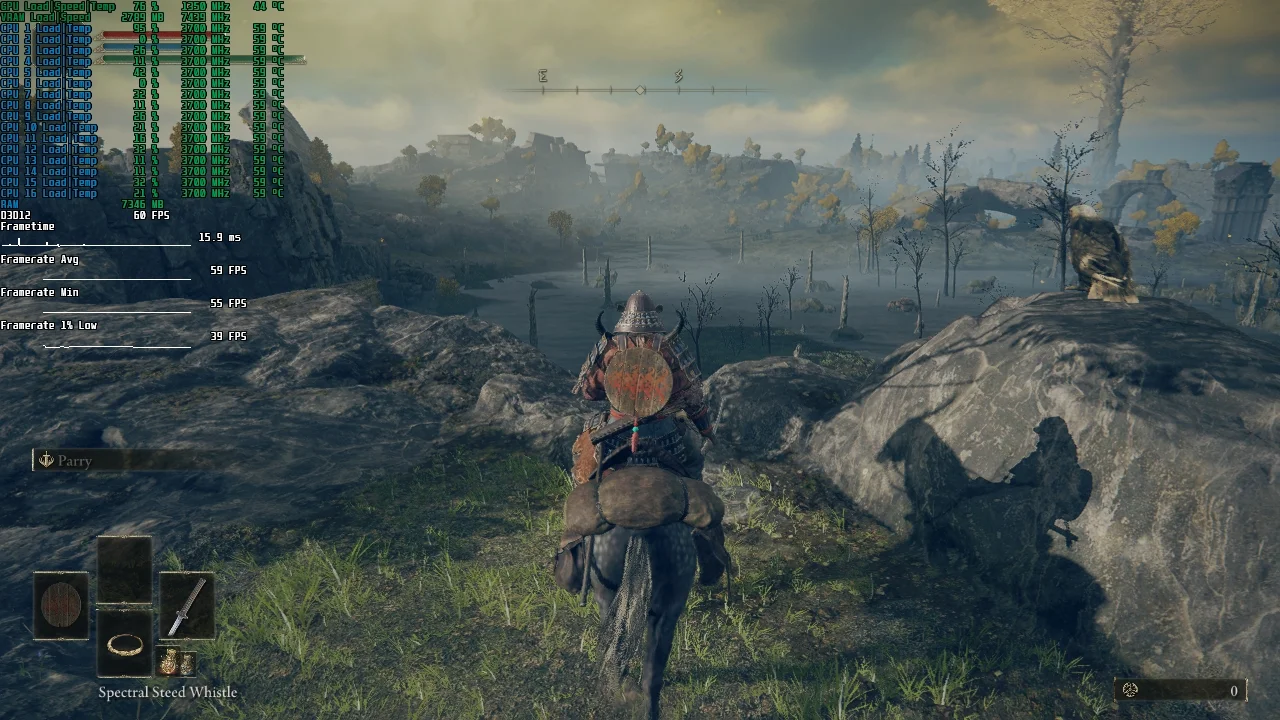
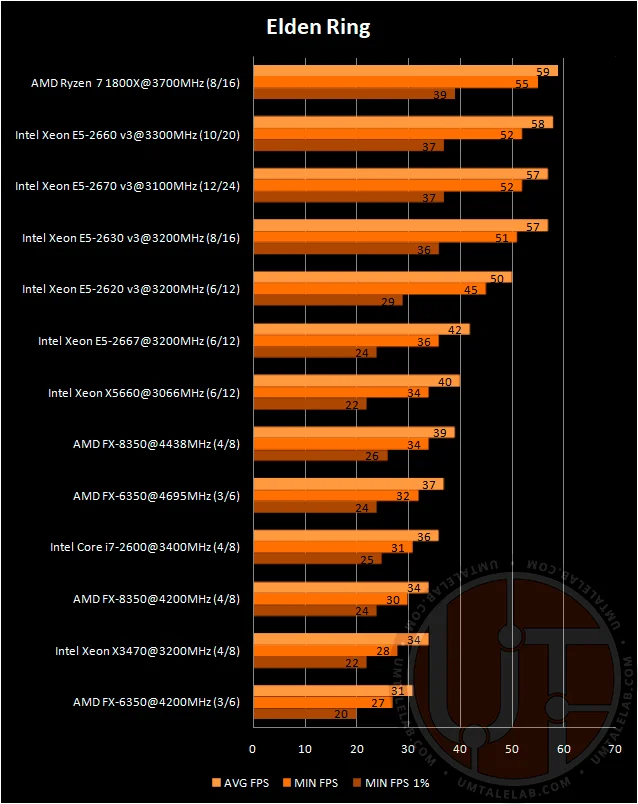
In Elden Ring, the Ryzen 7 1800X actually took the lead! AMD's chip surpassed all competitors, delivering the most consistent minimum FPS.
Far Cry 6
 ⤢ ВІДКРИТИ
Ray Tracing — ON
 ⤢ ВІДКРИТИ
 ⤢ ВІДКРИТИ
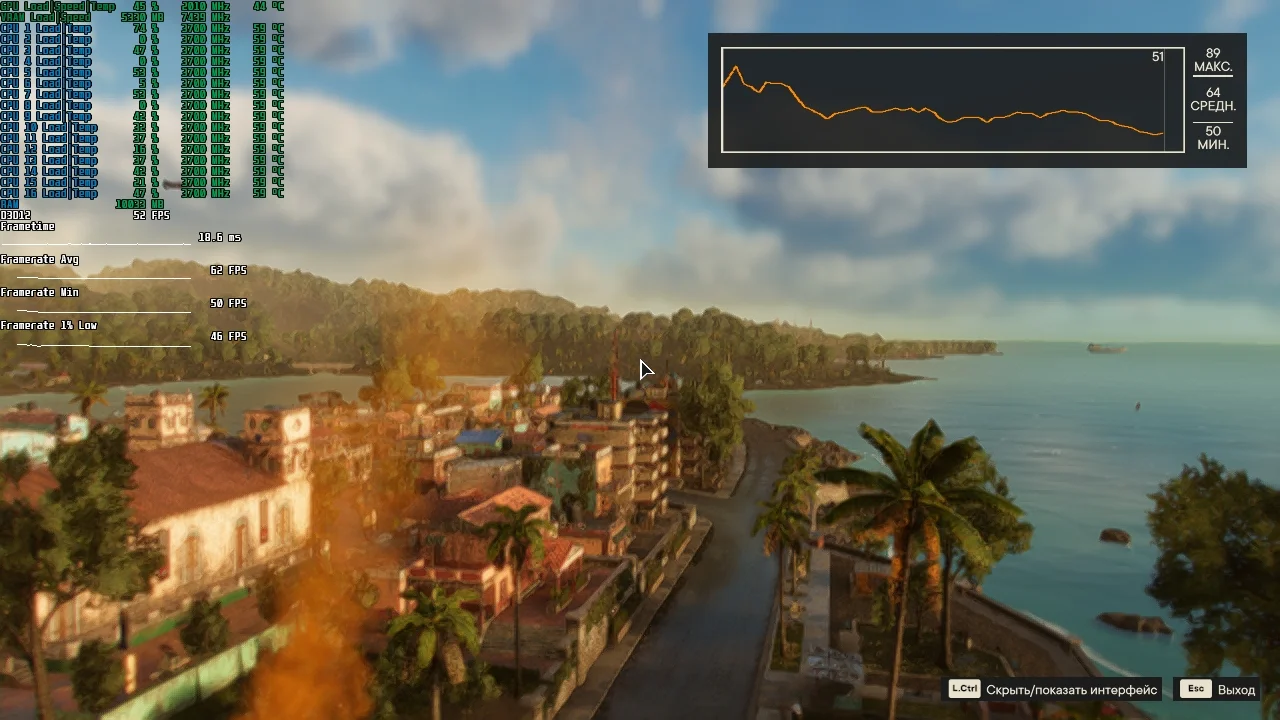
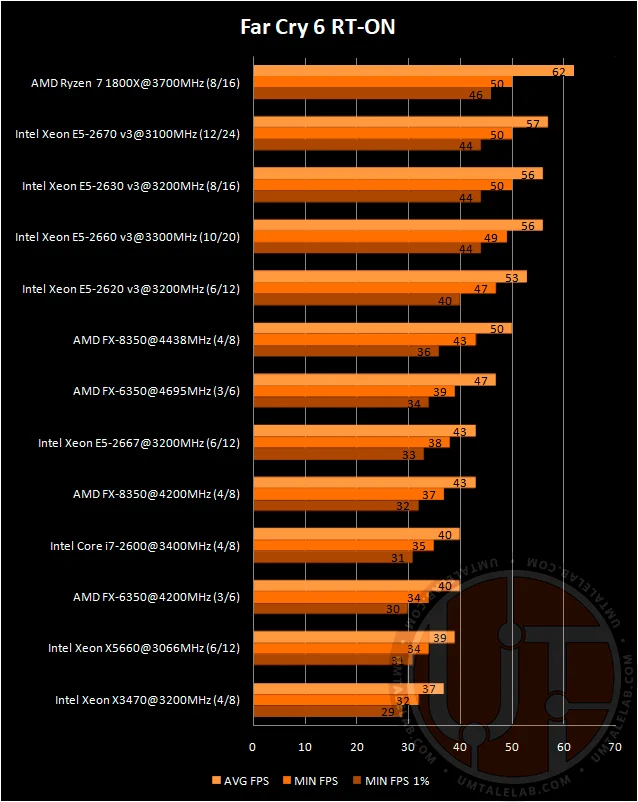
With RT enabled, Far Cry 6 is yet another game where the 1800X manages to best all its opponents, including its direct competitor, the 16-thread E5-2630 v3. An 8% lead is a stunning advantage, especially given the AMD 8-core's earlier performance.
Ray Tracing — ON
 ⤢ ВІДКРИТИ
 ⤢ ВІДКРИТИ
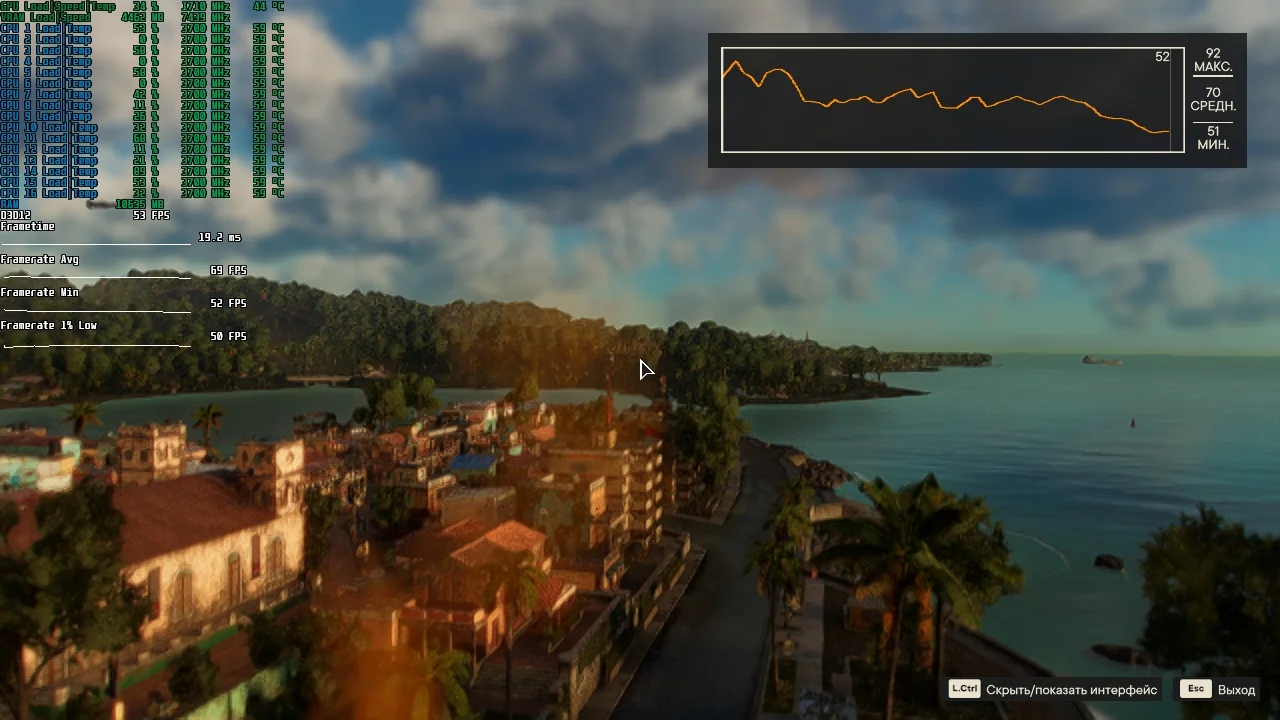
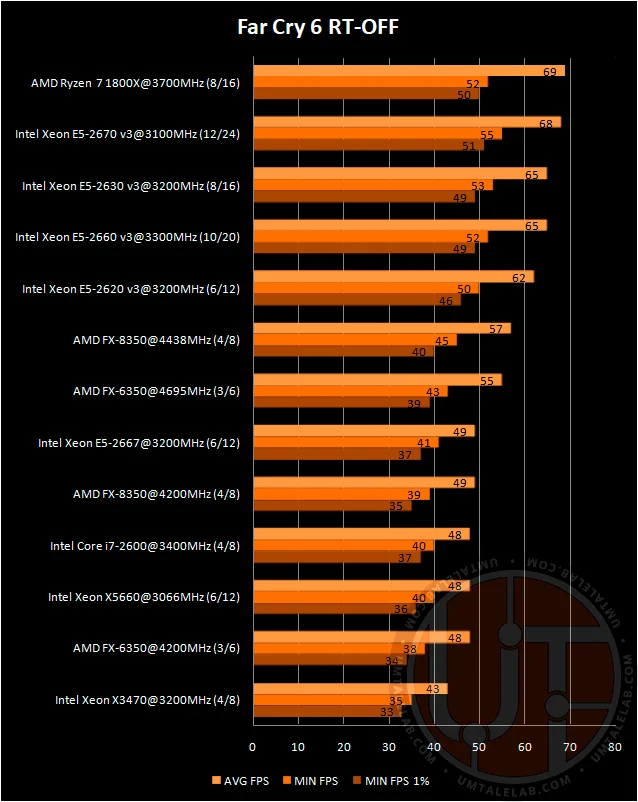
With ray tracing deactivated, the situation changes considerably. The Ryzen 7 1800X still significantly outperforms the Xeon E5-2630 v3, but its advantage over the 12-core E5-2670 v3 is virtually erased.
Marvel's Spider-Man Remastered
 ⤢ ВІДКРИТИ
Ray Tracing — OFF
 ⤢ ВІДКРИТИ
 ⤢ ВІДКРИТИ
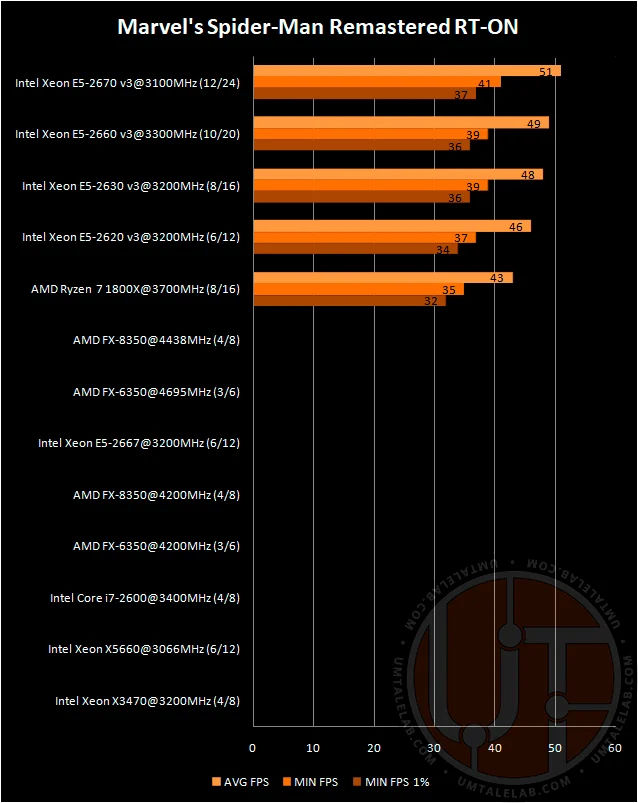
The 1800X utterly failed in the remastered SONY classic, Marvel's Spider-Man, with ray tracing enabled. The 8-core Ryzen couldn't even put up a decent fight against the 6-core E5-2620 v3, let alone an 8-core or 10-core Haswell chip.
Ray Tracing — OFF
 ⤢ ВІДКРИТИ
 ⤢ ВІДКРИТИ
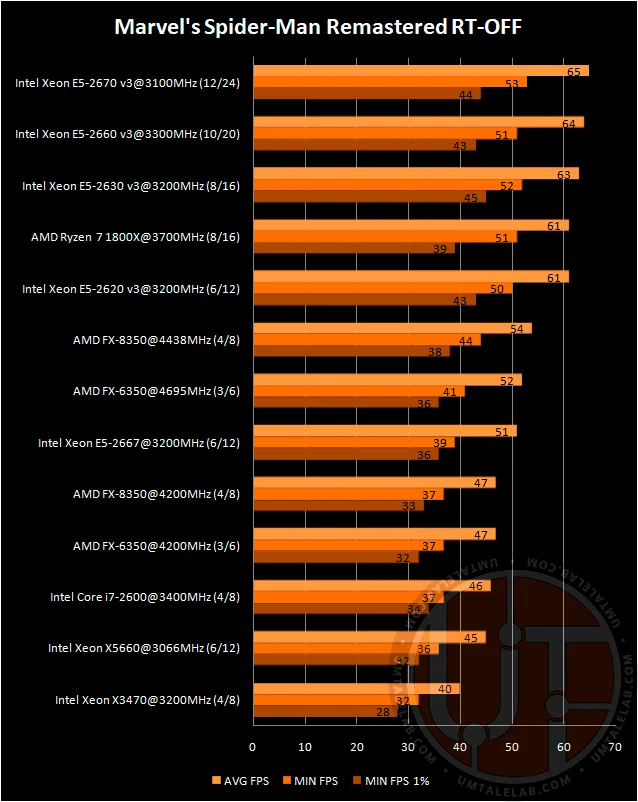
With RT disabled, the 1800X managed to outperform the E5-2620 v3. However, the AMD chip couldn't surpass the E5-2630 v3. We also observed the 8-core Ryzen's extremely low rare event metric, which wasn't far removed from that of an overclocked FX-8350.
Marvel's Guardians of the Galaxy
 ⤢ ВІДКРИТИ
Ray Tracing — ON
 ⤢ ВІДКРИТИ
 ⤢ ВІДКРИТИ
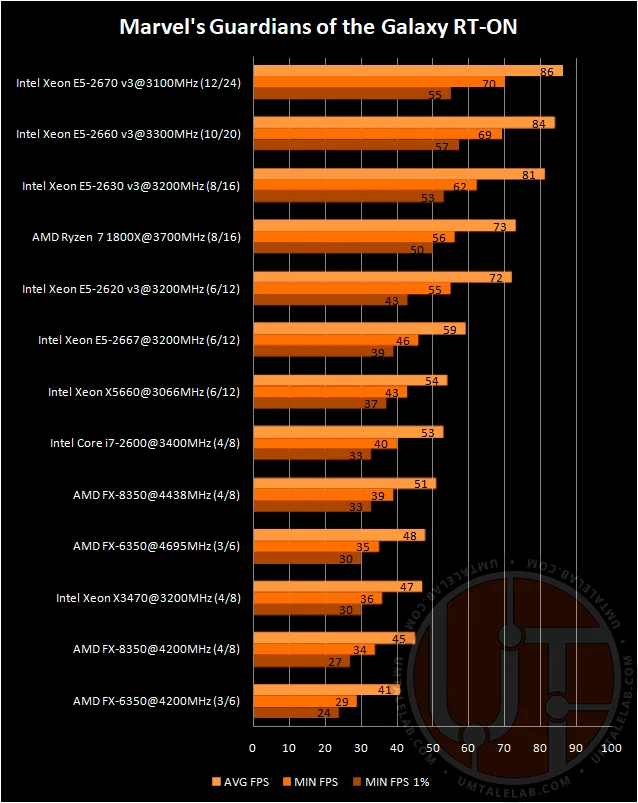
Marvel's Guardians of the Galaxy, with ray tracing enabled, is another title that placed the 1800X on par with the 2620 v3. This doesn't paint the 8-core Ryzen in the best light. Needless to say, the E5-2630 v3 was well out of the AMD chip's league.
Ray Tracing — OFF
 ⤢ ВІДКРИТИ
 ⤢ ВІДКРИТИ
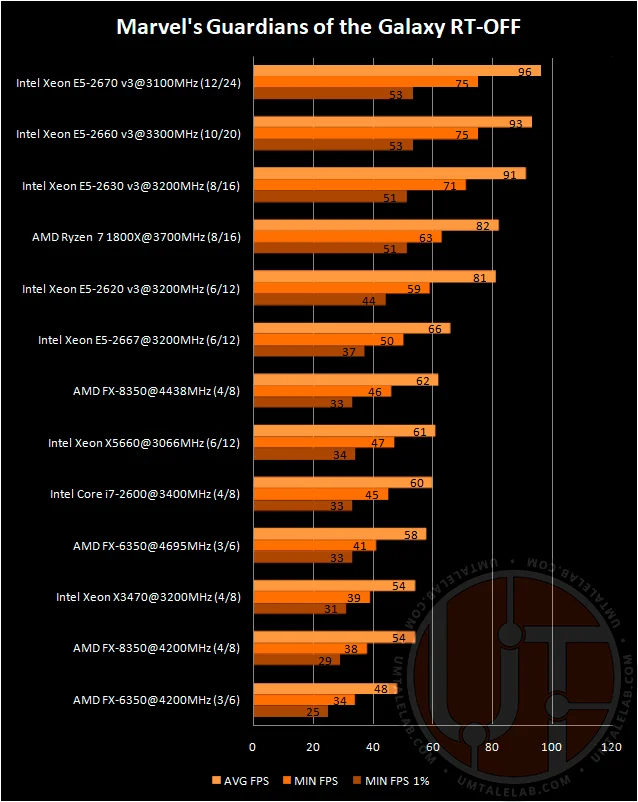
Without ray tracing, frame rates increase across the board for all processors. However, the relative performance and gaps largely remain the same: the 1800X still couldn't close the gap with the E5-2630 v3.
Saints Row [2022]
 ⤢ ВІДКРИТИ
Ray Tracing — ON
 ⤢ ВІДКРИТИ
 ⤢ ВІДКРИТИ
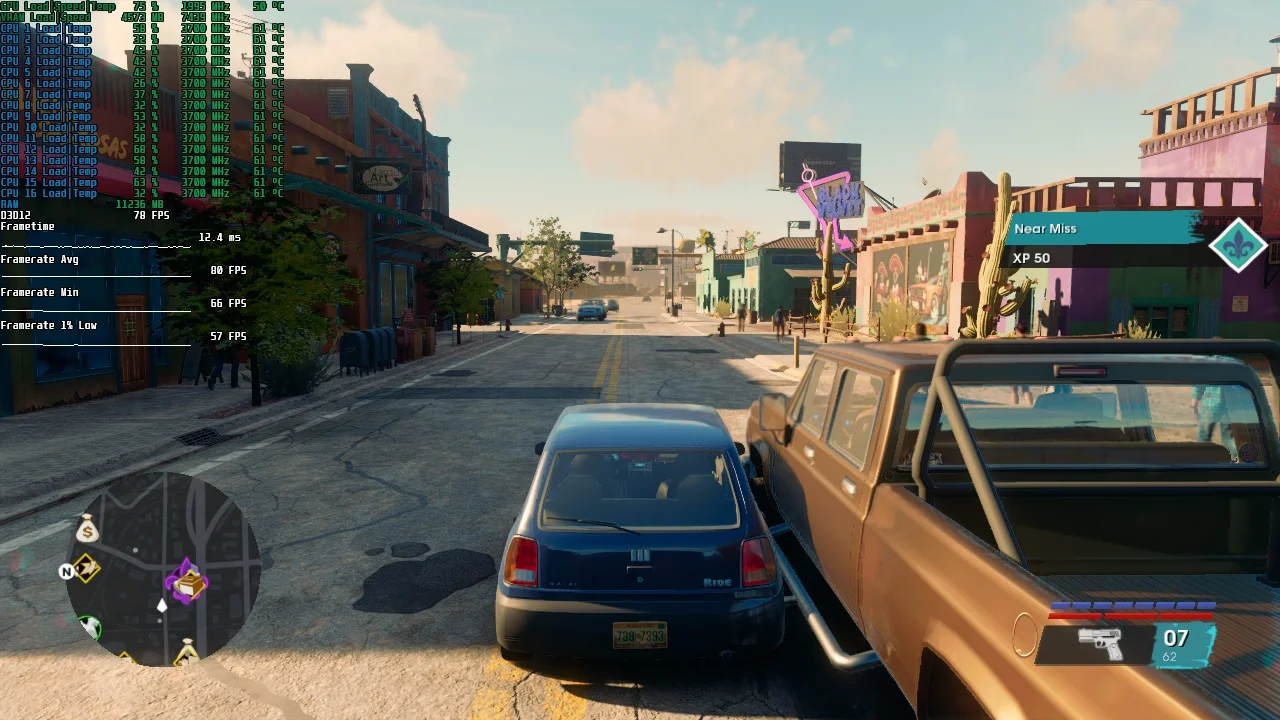
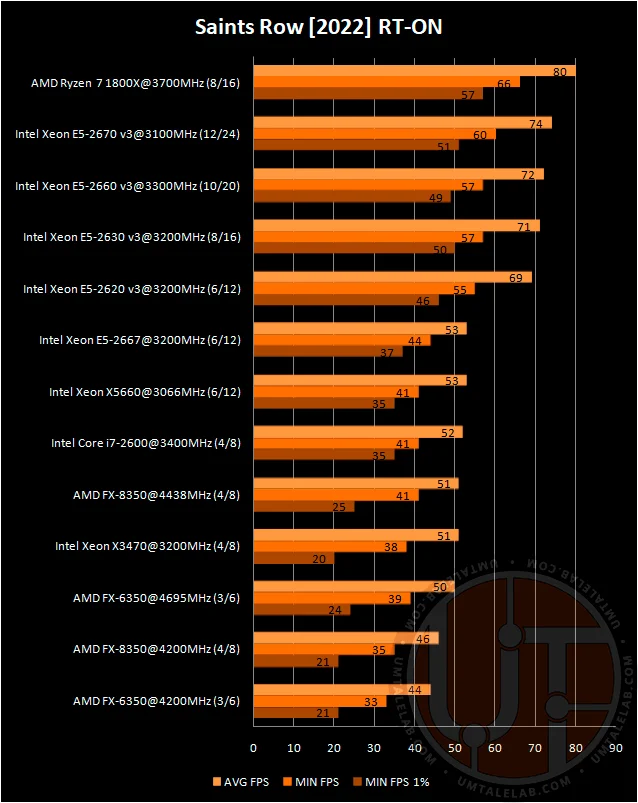
In the Saints Row reboot, with ray tracing enabled, the Ryzen 7 1800X delivers ultimate performance, virtually unthreatened by the E5-2620 v3 or E5-2630 v3. Unlike older AMD FX processors, this top-tier first-gen Zen architecture chip shows an incredibly smooth and, more importantly, stable framerate.
Ray Tracing — OFF
 ⤢ ВІДКРИТИ
 ⤢ ВІДКРИТИ
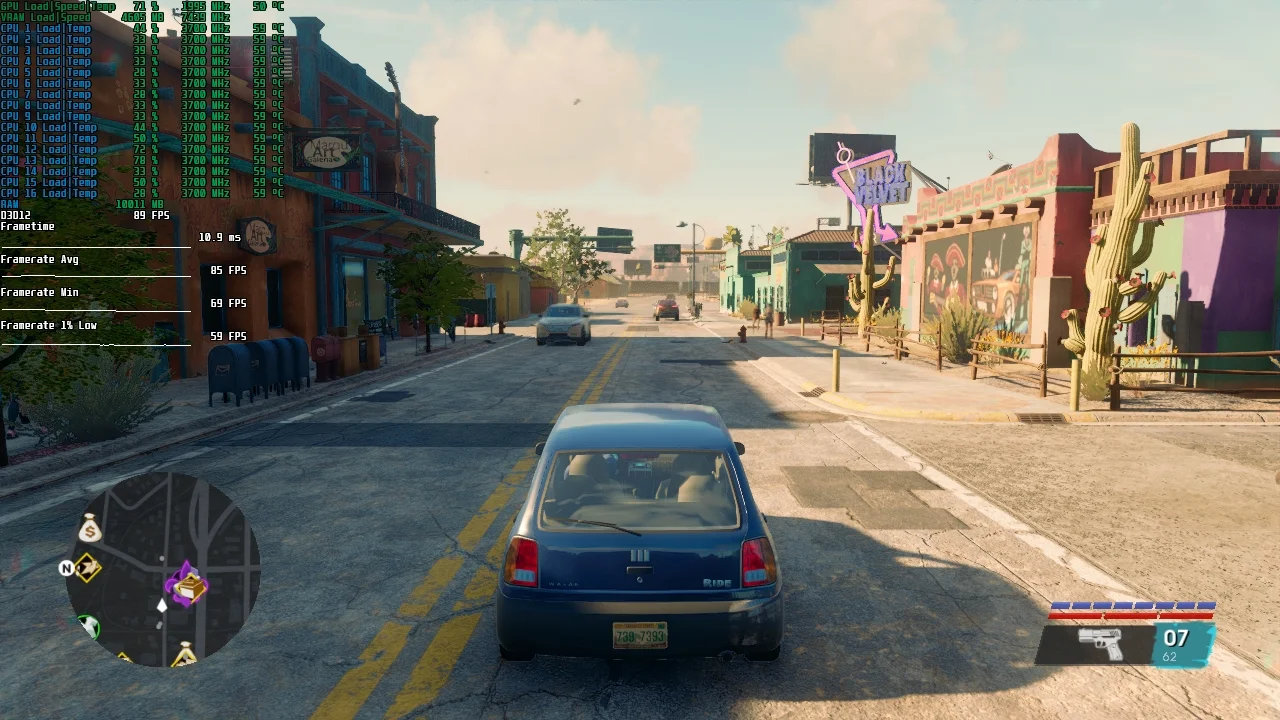
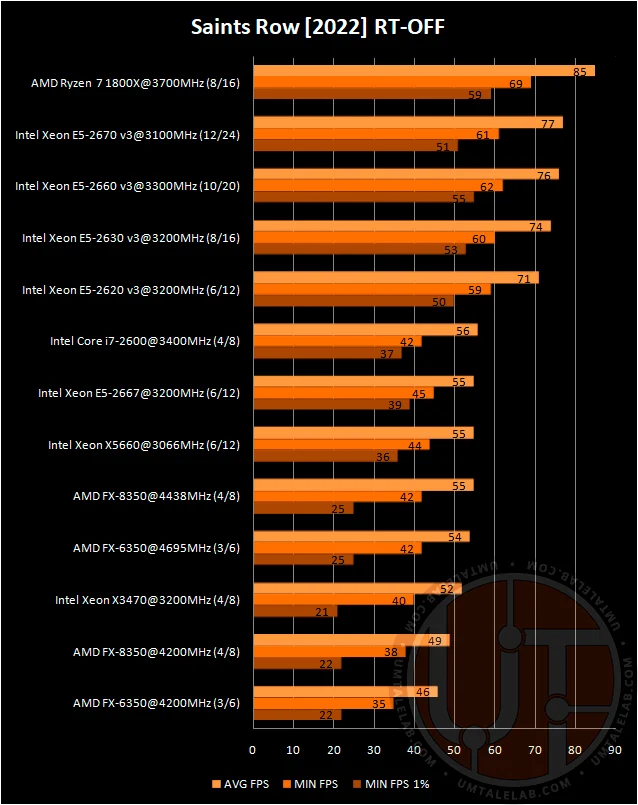
With ray tracing off, the CPU performance hierarchy doesn't shift much. While FPS slightly increases across all tested CPUs, Ryzen remains the sole leader, comfortably outperforming even the 12-core E5-2670 v3.
Red Dead Redemption 2
 ⤢ ВІДКРИТИ
 ⤢ ВІДКРИТИ
 ⤢ ВІДКРИТИ
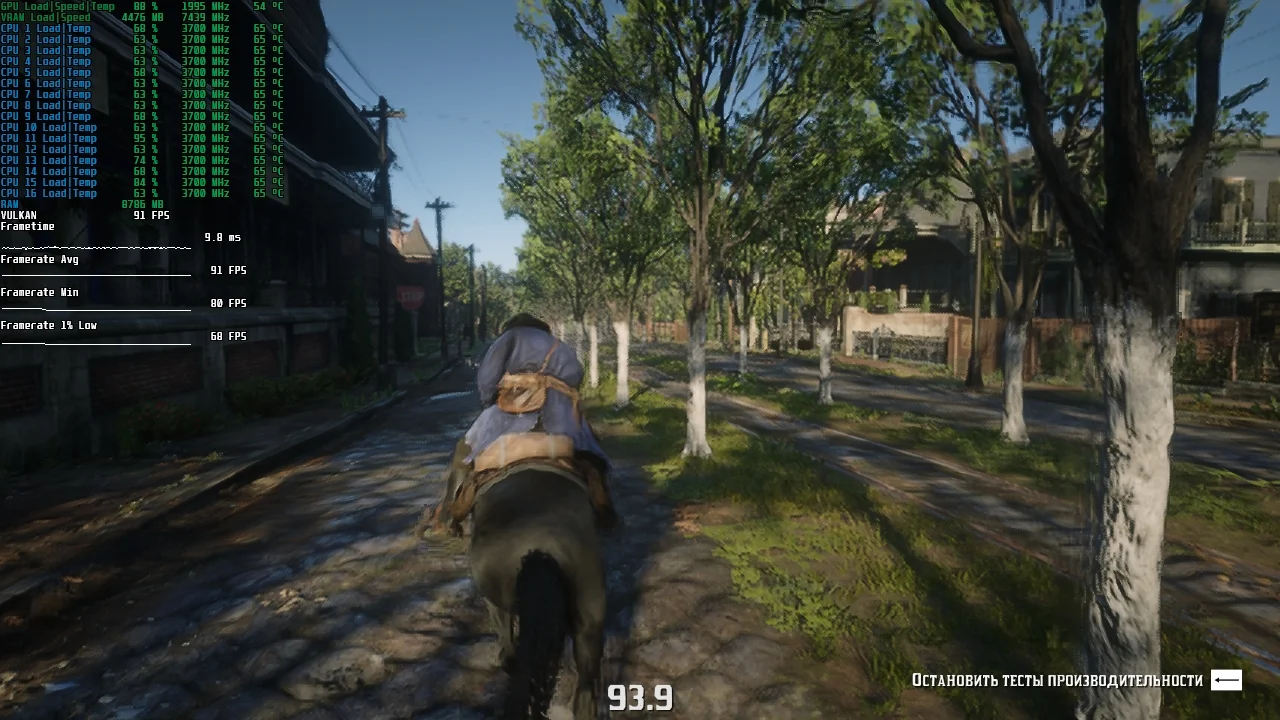
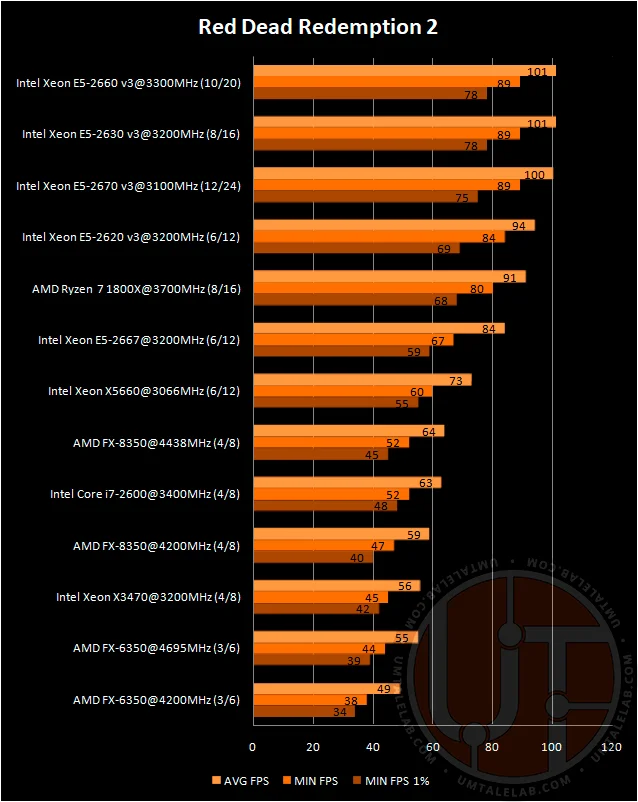
In Red Dead Redemption 2, the 8-core 1800X couldn't quite keep pace, lagging a significant 11% behind the E5-2630 v3.
Watch Dogs Legion
 ⤢ ВІДКРИТИ
Ray Tracing — ON
 ⤢ ВІДКРИТИ
 ⤢ ВІДКРИТИ
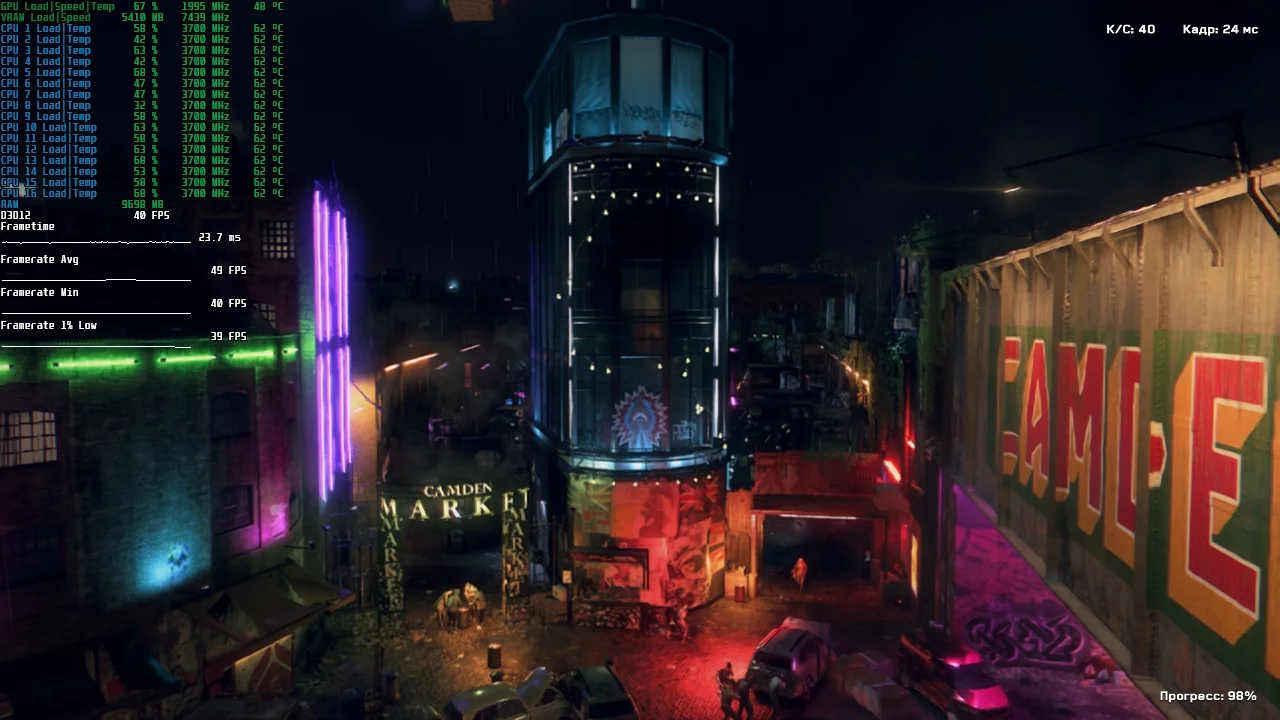
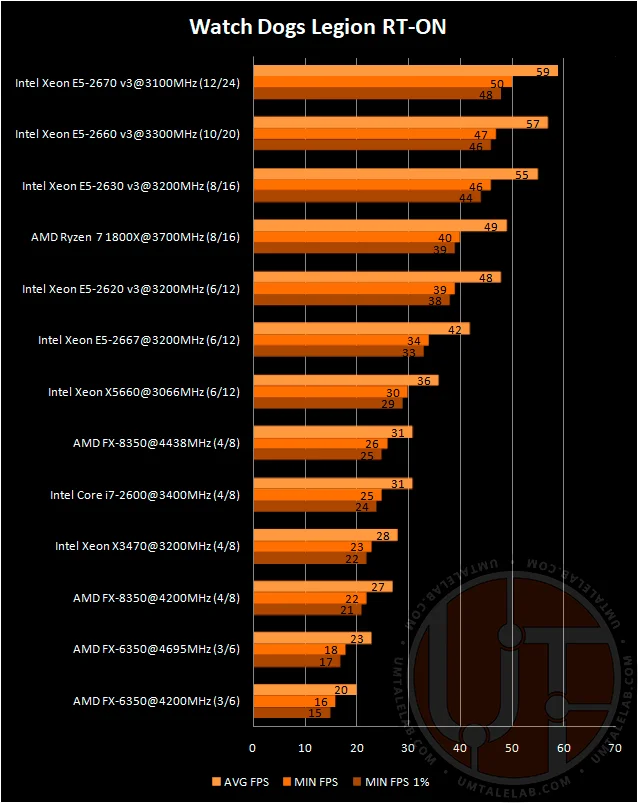
Finally, we reach the most demanding game in our test suite: Watch Dogs Legion. Ubisoft's third installment in the popular series scales quite well with more CPU cores. Even so, the Ryzen 7 1800X only managed to slightly outperform the 6-core E5-2620 v3 and significantly trailed its direct competitor, the E5-2630 v3.
Ray Tracing — OFF
 ⤢ ВІДКРИТИ
 ⤢ ВІДКРИТИ
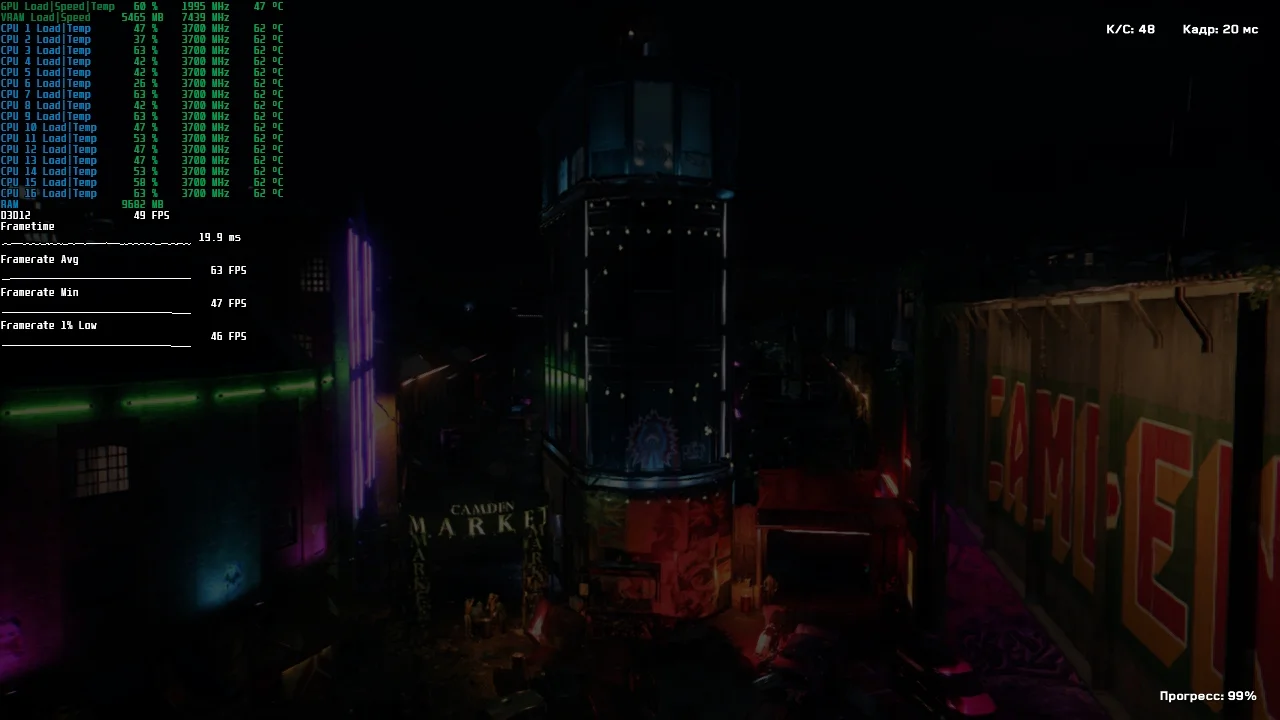
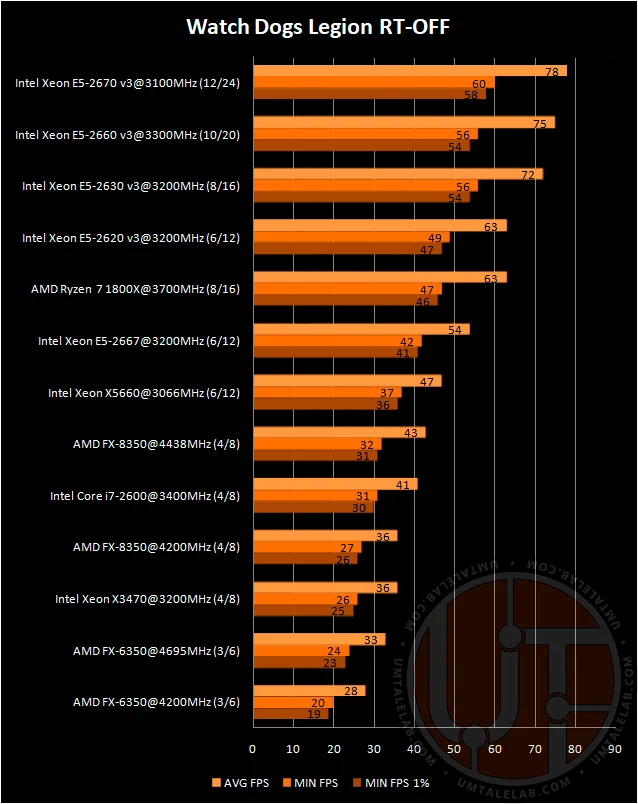
We saw a similar pattern in standard mode with ultra graphics settings: the E5-2630 v3 remained out of reach for the 1800X. The 8-core Zen chip struggles even against the 6-core Haswell, with the E5-2620 v3 delivering better minimum FPS.
Difference between Xeon E5-2630 v3 and Ryzen 7 1800X in 11 games
Game: | Ryzen 7 1800X | Xeon E5-2630 v3 |
|---|---|---|
Assassins Creed Valhalla | +8.6% | |
Battlefield 2042 RT | +1.41% | |
Battlefield 2042 | +9.78% | |
Cyberpunk 2077 RT | +5.97% | |
Cyberpunk 2077 | +3.33% | |
Destiny 2 | +4.24% | |
Elden Ring | +1.72% | |
Far Cry 6 RT | +10.71% | |
Far Cry 6 | +6.15% | |
Marvel’s Spider-Man Remastered RT | +11.63% | |
Marvel’s Spider-Man Remastered | +3.28% | |
Marvel’s Guardians of the Galaxy RT | +10.96% | |
Marvel’s Guardians of the Galaxy | +10.98% | |
Saints Row [2022] RT | +12.68% | |
Saints Row [2022] | +14.86% | |
Red Dead Redemption 2 | +10.99% | |
Watch Dogs Legion RT | +12.24% | |
Watch Dogs Legion | +14.29% |
Conclusion
 ⤢ ВІДКРИТИ
Our performance analysis of the Ryzen 7 1800X processor revealed that the flagship Zen 1-based CPU is quite a mixed bag. In 7 out of 11 tested games, it surprisingly lost to the 8-core Xeon E5-2630 v3, despite operating at a significantly higher clock speed. But these are just raw numbers. In reality, it all boils down to the specific games you play and whether you're willing to pay more for the processor and motherboard.
Anticipating your fair comments, I'll preemptively say: even if you don't opt for the top-tier 1800X but instead choose, say, a Ryzen 7 1700, the situation won't change much. The cheapest 8-core chip based on the first-gen Zen architecture still comes in 500-600% more expensive than the E5-2630 v3 (around $15 for the E5-2630 v3 versus $90-100 for the Ryzen 7 1700).
Certainly, the AM4 platform offers the attractive prospect of upgrading to Zen 3 (Ryzen 5000). However, it's worth noting that a budget motherboard and cheap RAM kit won't cut it in that scenario. Consequently, the total cost of an AM4-based build will significantly exceed an LGA 2011 v3 setup.
Either way, we've given you food for thought; the final decision is yours.