TESTS · CPU · AMD
PUBLISHED
READING15 min
Benchmarking the Ryzen 5 3600: 6-core Zen 2 vs 4-core Alder Lake
We put the 6-core Ryzen 5 3600 (Zen 2) through its paces, exploring its capabilities, memory overclocking potential, and how it stacks up against 4-core Alder Lake CPUs. Could it still be a smart, affordable choice for gamers?
The Ryzen 5 3600 is the only AMD Zen 2-based processor still widely available in stores. This isn't surprising. AMD never released truly budget Zen 3 CPUs with fewer than six cores, which is somewhat odd given that its competitor offers very successful 12th and 13th Gen Core i3 chips.
Still, the "red team" needed to fill the budget segment, and the well-refined Zen 2 architecture, with its relatively simple-to-manufacture 6-core Ryzen 5 3600 processor, came to the rescue.
This CPU remains one of the most accessible solutions for budget-conscious gamers and content creators. However, as we noted earlier, in 2023, the Ryzen 5 3600 faces serious competition. But more on that later.
Processor
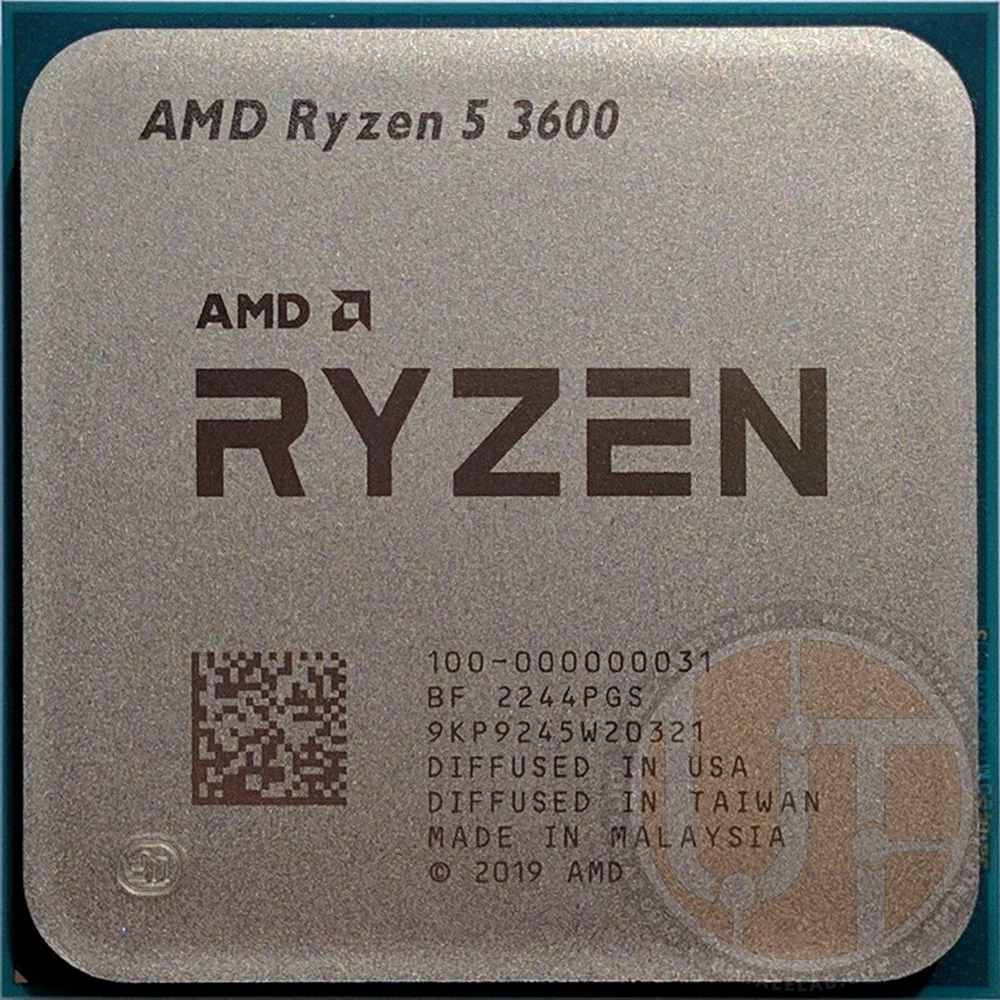
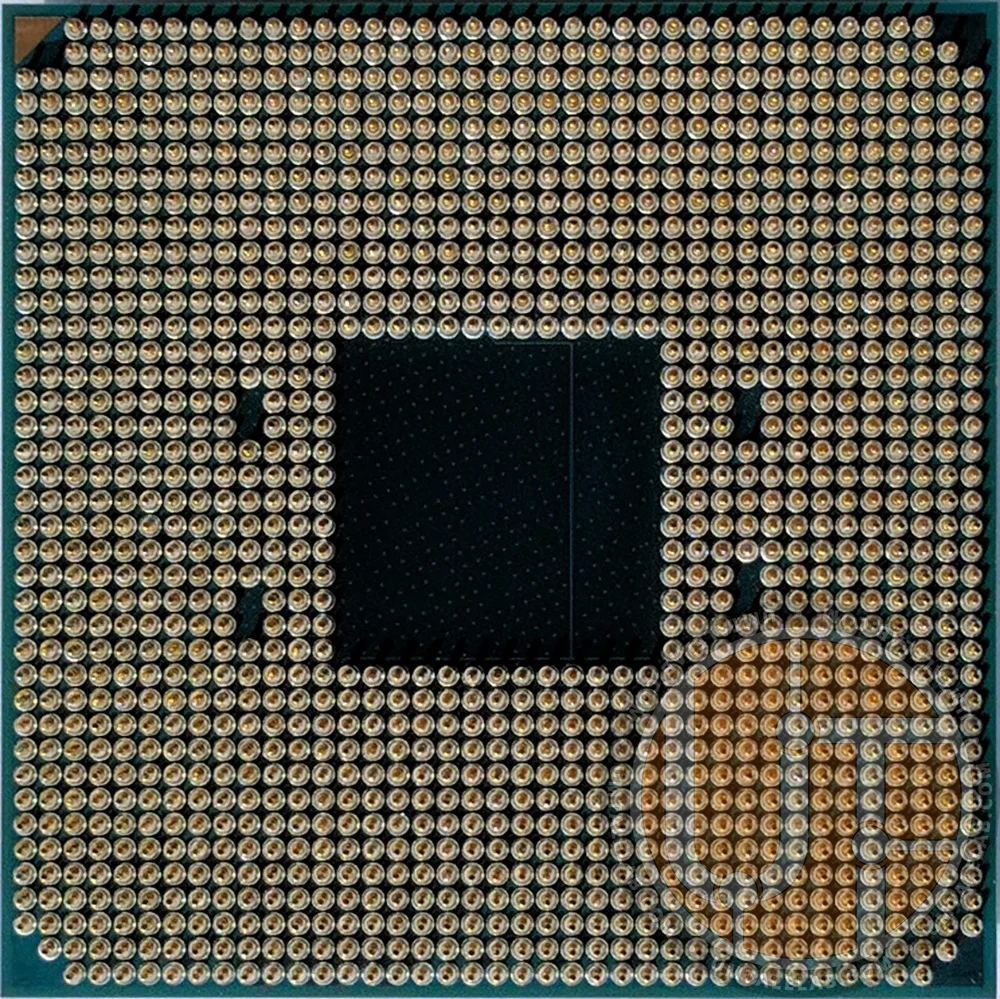
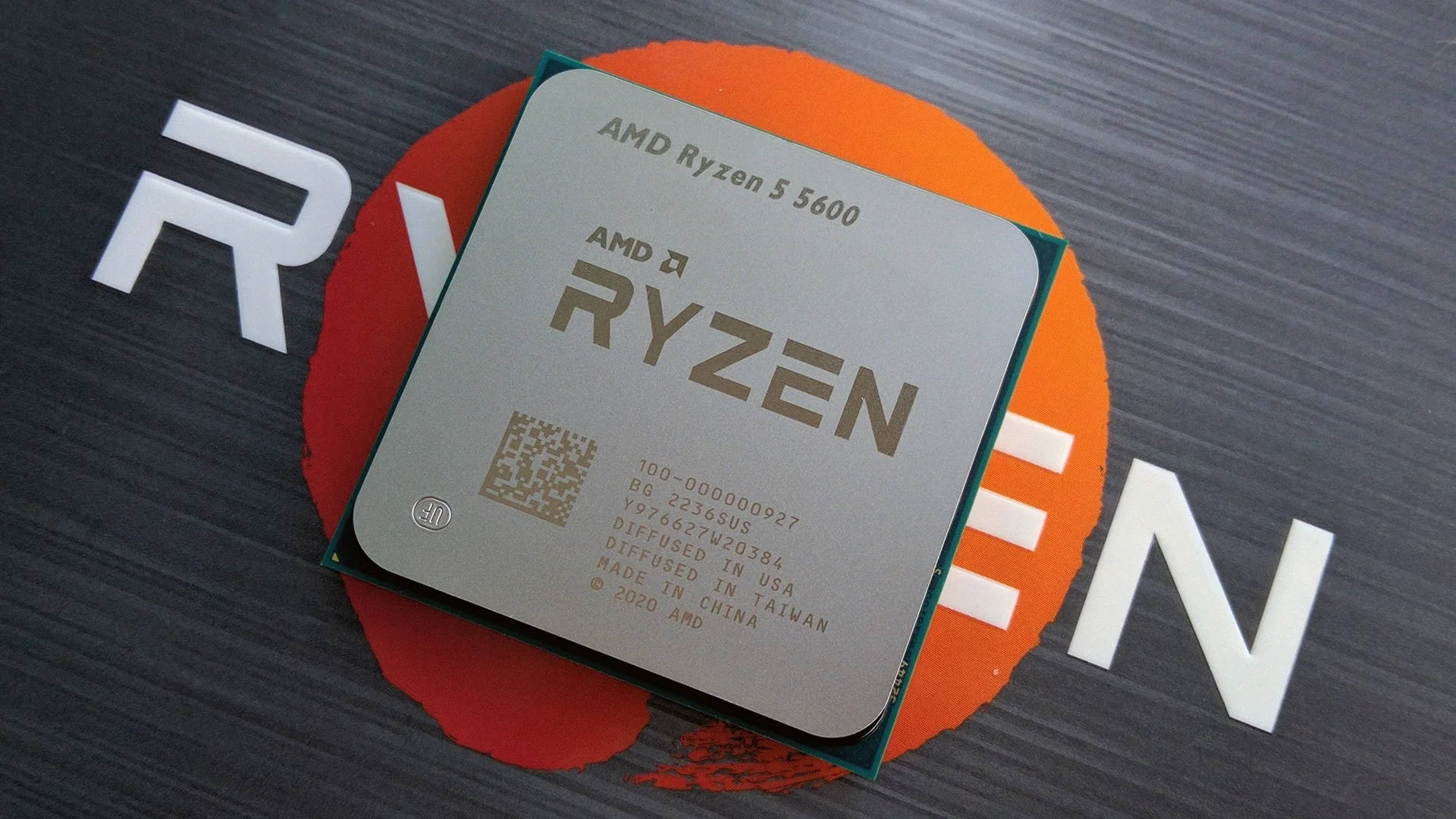
The Ryzen 5 3600 chip has a nominal clock speed of 3600 MHz and a 65-watt TDP. As we noted in our Ryzen 5 5600 review, this might seem modest at first glance, but there's a catch: the 7nm processor die has an extremely small heat dissipation area. Consequently, coolers rated for 65 watts often struggle with this CPU's hot nature — even more so than with the Ryzen 5 5600. To keep this 6-core Zen 2 relatively 'comfortable,' a cooling system capable of dissipating 95–125 watts should suffice.
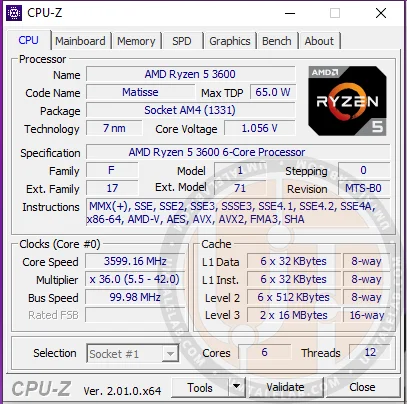
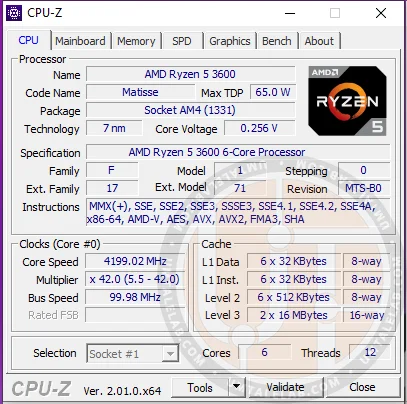
At its core, the Ryzen 5 3600 processor features a 6-core, 7nm MTS-B0 die, based on AMD's Zen 2 architecture. The chip includes 512 KB of L2 cache per core and a total, ample 32 MB of L3 cache (16 MB per CCX block). This CPU is designed for AM4 socket motherboards. While its nominal frequency is 3600 MHz, AMD's Precision Boost 2 technology can push it up to 4200 MHz.
 ⤢ ВІДКРИТИ
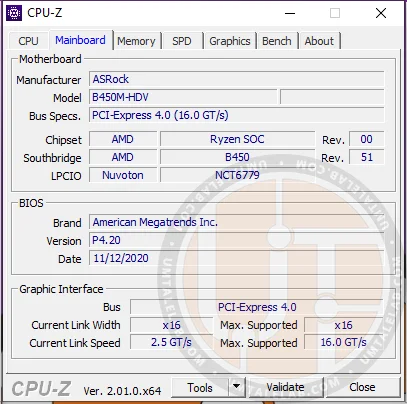
On our ASRock B450M-HDV test motherboard, our CPU sample consistently operated at 4100–4200 MHz under nearly all load types. The only exceptions were stress tests like LinX and Prime95, where TDP limits periodically caused the chip's frequency to drop to 3900–4000 MHz. This is a completely normal phenomenon, however.
The Ryzen 5 3600's integrated memory controller speed isn't tied to RAM frequency; it depends entirely on the Infinity Fabric bus dividers. However, the memory controller achieves maximum efficiency when the DDR4/IF frequency ratio is 1:1.
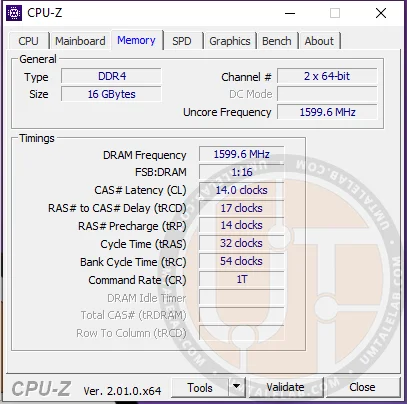
Officially, the Ryzen 5 3600 processor's maximum RAM speed is limited to dual-channel DDR4-3200MHz. Unfortunately, without overclocking, this is its ceiling. We couldn't get our Corsair Vengeance RGB PRO test sticks to run at an effective DDR4-3600 (1800MHz) frequency with Infinity Fabric at 1800MHz, even though this is their XMP profile, which worked flawlessly with the Ryzen 5 5600 without any voltage adjustments.
Well, that's not a major issue, as it can be resolved with fine-tuning the motherboard BIOS, which we'll cover shortly.
Beyond the aforementioned features, the 6-core Zen 2 also includes crucial instructions like SSE4.2, FMA3, AVX, and AVX2, which are essential in 2023. This capability means avid gamers can launch any new title this year without significant issues, and often, as practice shows, even with ray tracing enabled.
RAM overclocking and optimization
As we mentioned earlier, the Ryzen 5 3600 struggled to operate stably with DDR4@3600MHz RAM at default voltages. This is relatively easy to fix, but it does involve overclocking.
Maximum RAM subsystem performance is only achieved when the Infinity Fabric-DDR4 divider ratio is 1:1. In other words, the IF frequency must match theactual (not effective) RAM frequency.
With these parameters, the system was completely unstable, requiring us to find optimal voltages for individual CPU blocks.
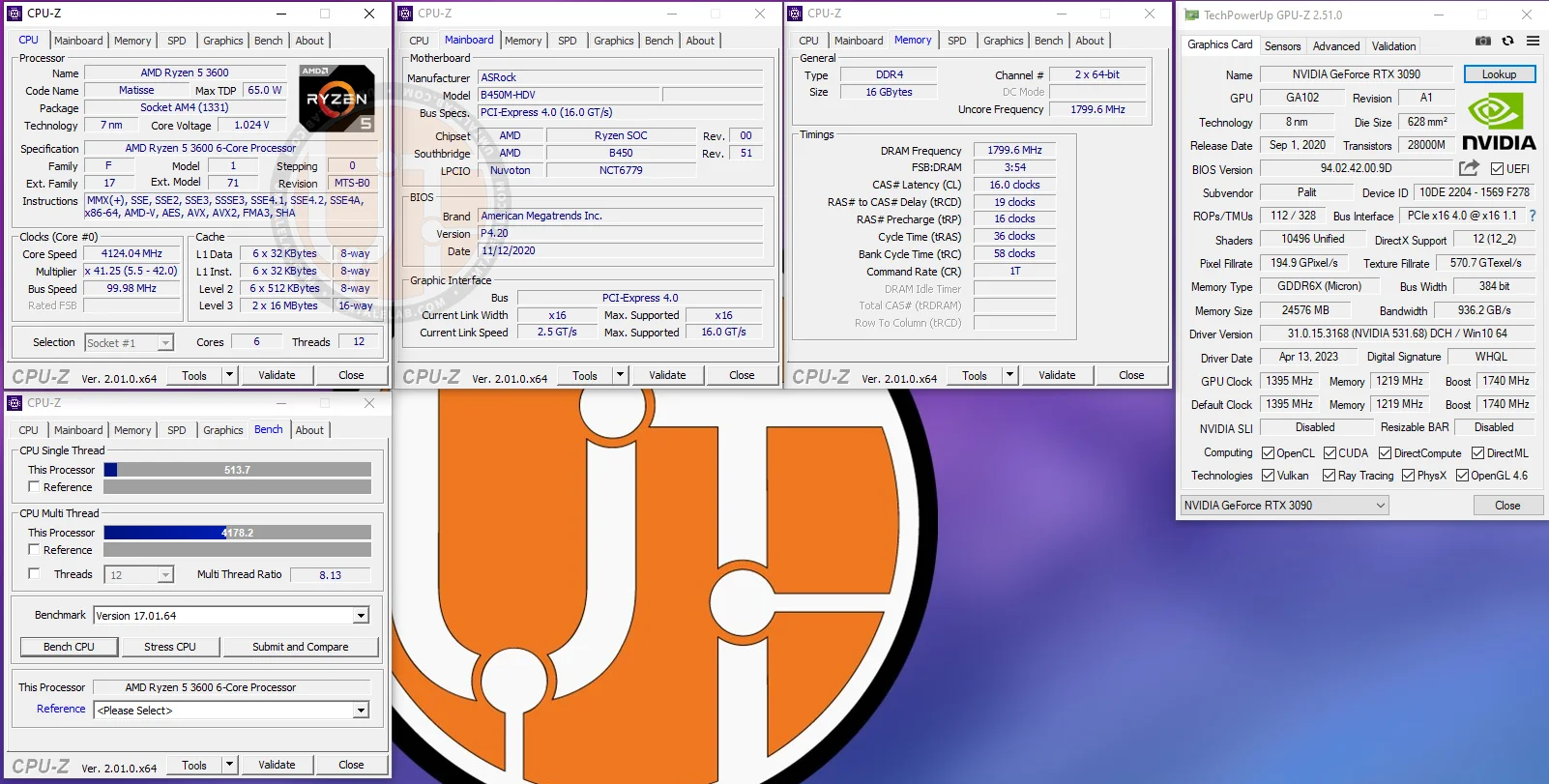
Our research yielded the following values:
DDR4@3600MHz with 16-19-16-36 timings;
DDR4 voltage — 1.360v;
Infinity Fabric@ 1800MHz (1:1);
SOC voltage — 1.050v;
cLDO VDDP voltage - 0.950v;
VDDG CCD voltage - 1.000v;
VDDG IOD voltage - 1.000v.
 ⤢ ВІДКРИТИ
After overclocking and optimizing the RAM, we attempted to push the Ryzen 5 3600's core clocks. However, as expected, this proved quite futile. Temperatures consistently shot past 90 degrees once we hit 4300MHz, and any attempts to lower the voltage below 1.3 volts meant failure to complete Prime95 or LinX stress tests.
Following this setback, we turned to the Clock Tuner for Ryzen utility. Unfortunately, it also reported our CPU had extremely limited overclocking potential.
It's important to make a crucial remark here: we almost certainly didn't get a 'golden sample' processor. It's quite probable your particular chip will be much more accommodating.
In the performance graphs, the processor with overclocked memory will appear asRyzen 5 3600 3.6-4.2GHz OC.
Test bench, software, and CPU settings
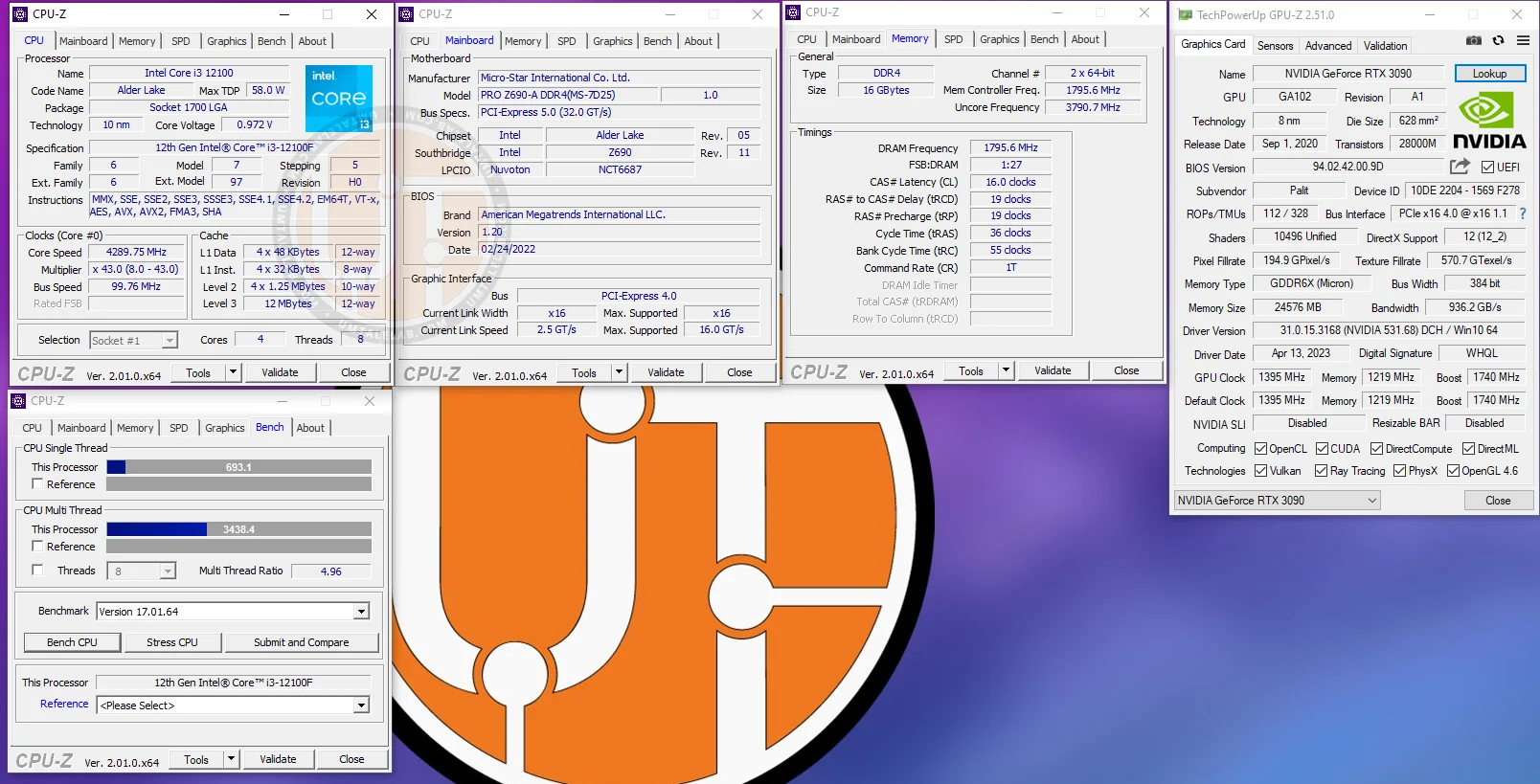
For our primary competitor to the Ryzen 5 3600, we selected the similarly priced Intel Core i3-12100F processor:
 ⤢ ВІДКРИТИ
Test bench
Intel processors — Core i3-12100F, Core i5-12400F, Xeon X5660, Xeon E5-2667, Xeon E5-2620 v3, Xeon E5-2670 v3;
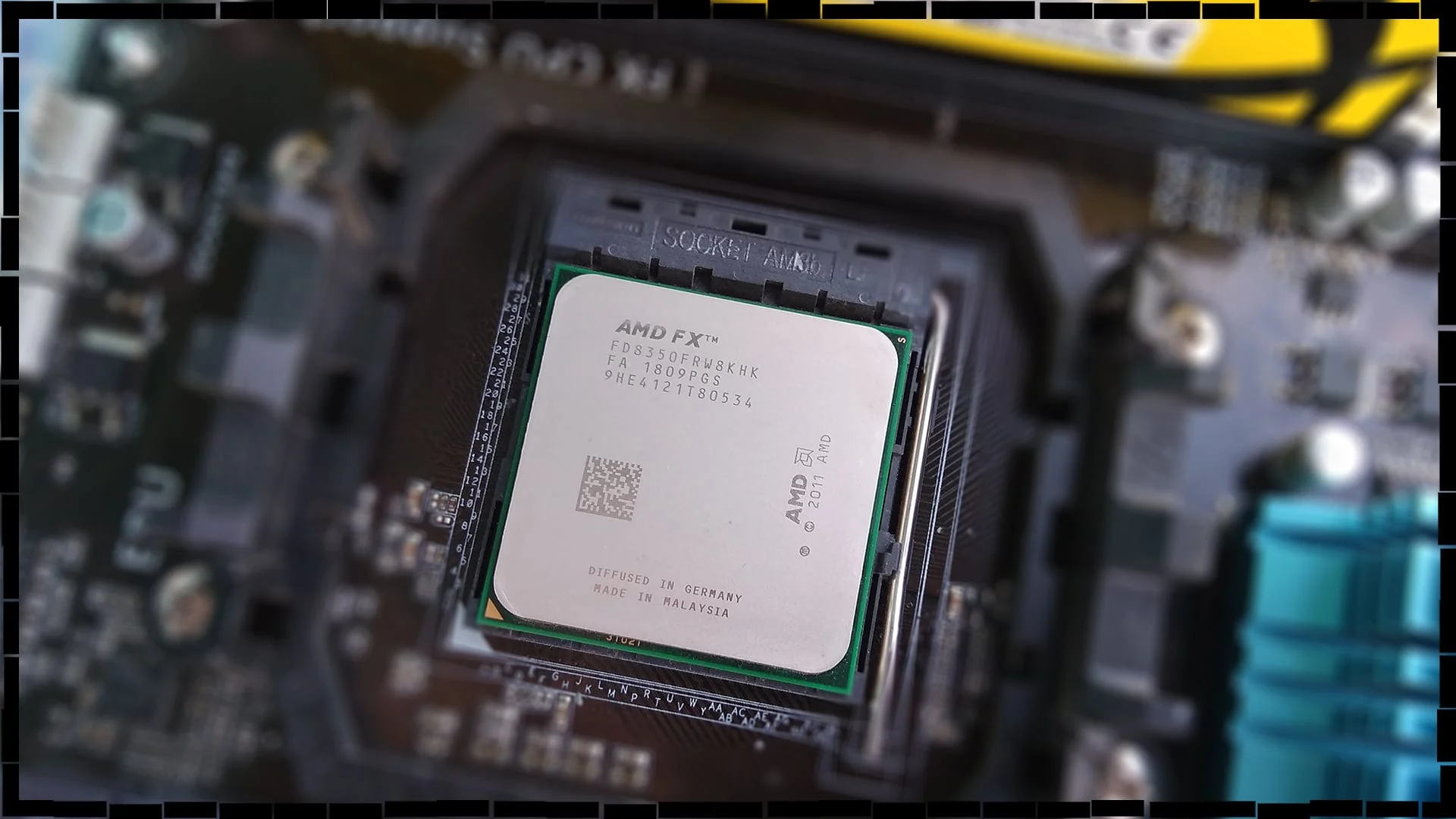
AMD processors — Ryzen 5 1600X, Ryzen 5 3600, Ryzen 5 5600, FX-8350;
CPU cooling — Cooler Master Hyper 212 Black Edition (RR-212S-20PK-R1);
RAM for LGA 1366 — 3x 8GB HyperX Genesis Na’Vi Edition (KHX16C9C2K2/8) totaling 24GB;
RAM for LGA 1700 — 2x 8GB Corsair Vengeance RGB PRO (CMW16GX4M2C3600C18) totaling 16GB;
RAM for LGA 2011 — 4x 8GB Micron MT36JSF1G72PZ-1G4M1HF totaling 32GB;
RAM for LGA 2011 v3 — 4x 4GB G.SKILL DDR4 F4-2400C15S-4GNT totaling 16GB;
RAM for AM3+ — 2x 8GB HyperX Genesis Na’Vi Edition (KHX16C9C2K2/8) totaling 16GB;
RAM for AM4 — 2x 8GB Corsair Vengeance RGB PRO (CMW16GX4M2C3600C18) totaling 16GB;
Motherboard LGA 1366 — DELL T3500 (09KPNV);
Motherboard LGA 1700 — MSI PRO Z690-A DDR4 (MS-7D25);
Motherboard LGA 2011 — DELL T3610 (09M8Y8);
Motherboard LGA 2011 v3 — Qiyida X99-H9 with modified BIOS from Huananzhi x99-8m-f (Unlocked Turbo Boost, Undervolt, and unlocked timing control);
Motherboard AM3+ — ASUS M5A97 LE R2.0;
Motherboard AM4 — ASRock B450M-HDV;
Graphics card — PALIT GAMEROCK GeForce RTX 3090 24GB (~1850/19000MHz, Power Limit 113%);
Solid-state drive — KINGSTON SUV400S37120G 120.0 GB (Windows 10), KINGSTON SUV400S37240G 240.0 GB + KINGSTON SUV400S37400G 400.0 GB (Games);
Power supply — Chieftec GPS-1250C.
Software
Operating system: Windows 10 x64 with the latest updates as of April 2023;
Graphics card drivers: NVIDIA GeForce 531.68 WHQL;
Additional software for FPS measurement: MSI Afterburner 4.6.4;
Games: testing was performed on current game versions as of April 2023;
Game settings: testing was performed at maximum graphics settings in 1080p resolution.
Settings for tested processors
Intel Processors:Core i5-12400F@2500-4400MHz, Dual Channel DDR4@3600MHz (16-19-19-36) GEAR 1;
Core i3-12100F@3300-4300MHz, Dual Channel DDR4@3600MHz (16-19-19-36) GEAR 1;
Xeon X5660@2800-3200MHz, Triple-Channel DDR3@1333MHz (9-9-9-24);
Xeon E5-2667@2900-3500MHz, Quad-Channel DDR3@1333MHz (9-9-9-24);
Xeon E5-2620 v3@3200MHz, Quad-Channel DDR4@1866MHz (10-10-10-24);
Xeon E5-2670 v3@3100MHz, Quad-Channel DDR4@2133MHz (12-12-12-35).
AMD Processors: FX-8350@4000-4200MHz, CPU-NB@2200MHz, Dual-Channel DDR3@1866MHz (11-11-11-28);
FX-8350@4695MHz, CPU-NB@2608MHz, Dual-Channel DDR3@2086MHz (11-12-12-30, CPU Core voltage — 1.49v, CPU-NB voltage — 1.375v, DDR3 voltage — 1.660v);
Ryzen 5 5600@3600-4450MHz, Dual Channel DDR4@3600MHz (16-19-16-36) Infinity Fabric@ 1800MHz (1:1);
Ryzen 5 3600@3600-4200MHz, Dual Channel DDR4@3200MHz (14-17-14-32) Infinity Fabric@ 1600MHz (1:1);
Ryzen 5 3600@3600-4200MHz, Dual Channel DDR4@3600MHz (16-19-16-36) Infinity Fabric@ 1800MHz (1:1), SOC voltage — 1.050v, cLDO VDDP voltage - 0.950, VDDG CCD voltage - 1.000, VDDG IOD voltage - 1.000, DDR4 voltage — 1.360v;
Ryzen 5 1600X@3600-4000MHz, Dual Channel DDR4@3400MHz (16-18-16-34), SOC voltage — 1.075v;
You can find more detailed information on almost all the CPUs we tested in our fullreviews, or by checking out theblog section for quick notes.
As a quick reminder of our processor testing methodology: each game ran five times. We then took the average frame rate from these five runs as the final result. All games were installed on an SSD.
Benchmark results
Data archiving
7-Zip
 ⤢ ВІДКРИТИ
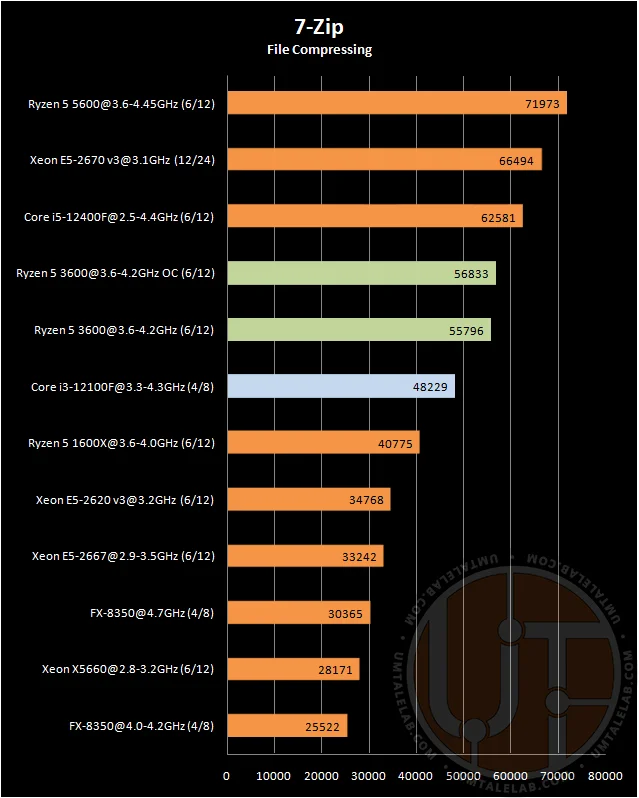
Let's kick things off with data archiving. File compression in the free 7-Zip archiver has traditionally been a strong suit for AMD processors, thanks to their generous L3 cache. This advantage allows the Ryzen 5 3600 to deliver exceptionally high results, outperforming the Core i3-12100F by 15%.
Overclocking the RAM only nets the AMD processor a 2% performance boost.
3D rendering
Blender
 ⤢ ВІДКРИТИ
Blender Open Data Benchmark
 ⤢ ВІДКРИТИ
Cinebench R23
 ⤢ ВІДКРИТИ
V-Ray 4 Benchmark
 ⤢ ВІДКРИТИ
xNormal, AO & NM Map render
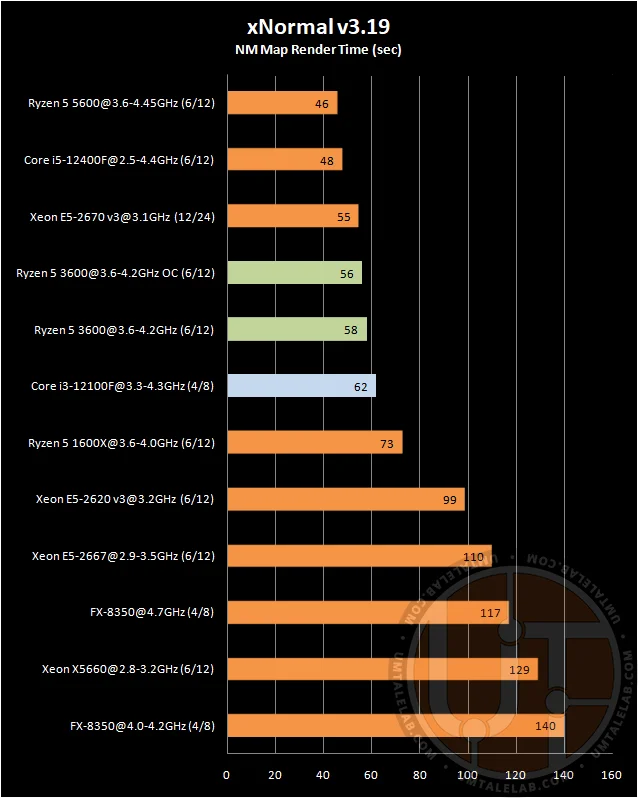
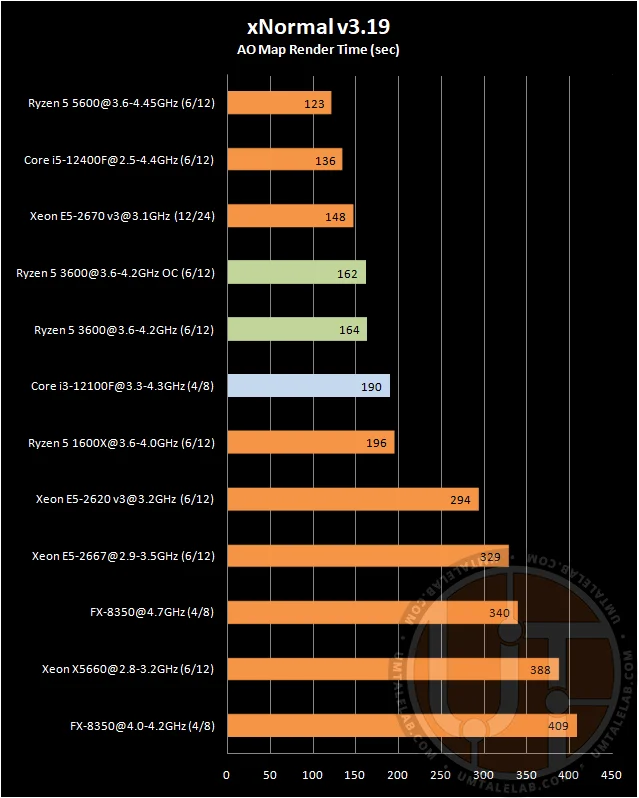
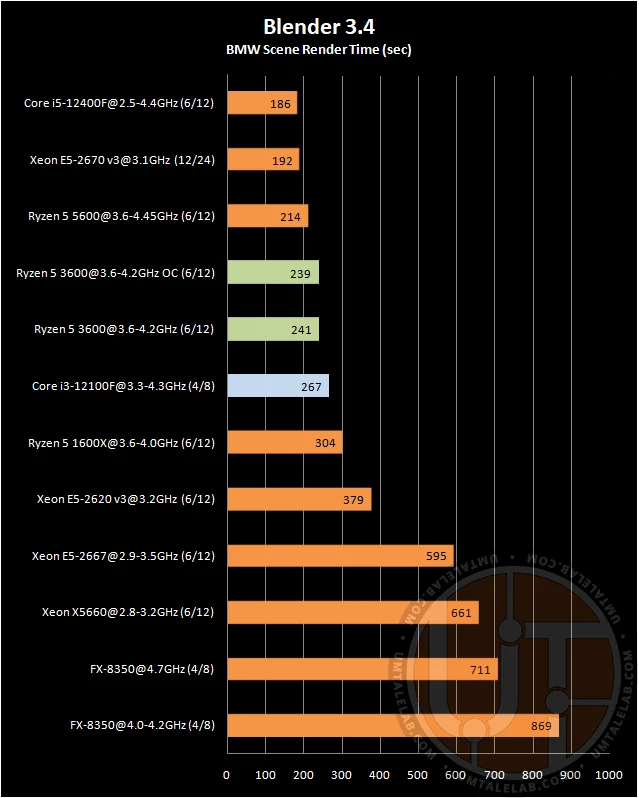
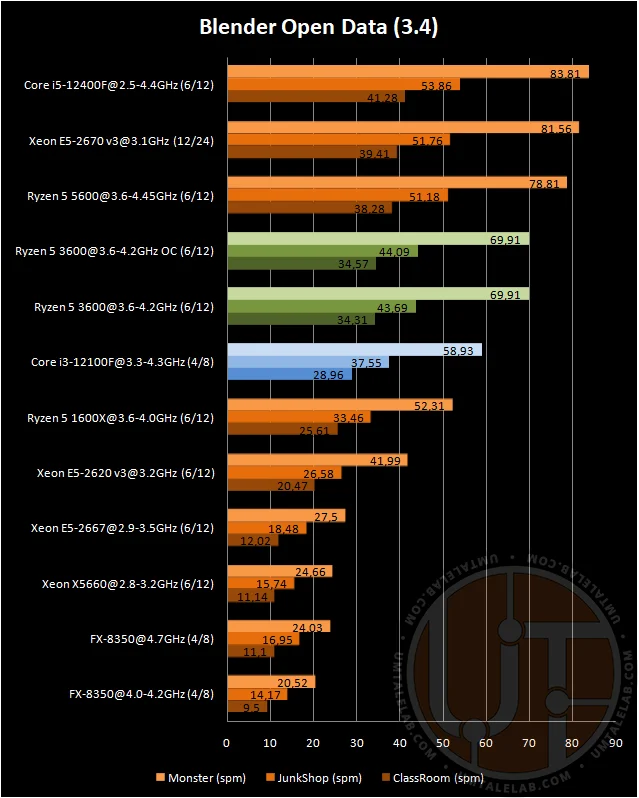
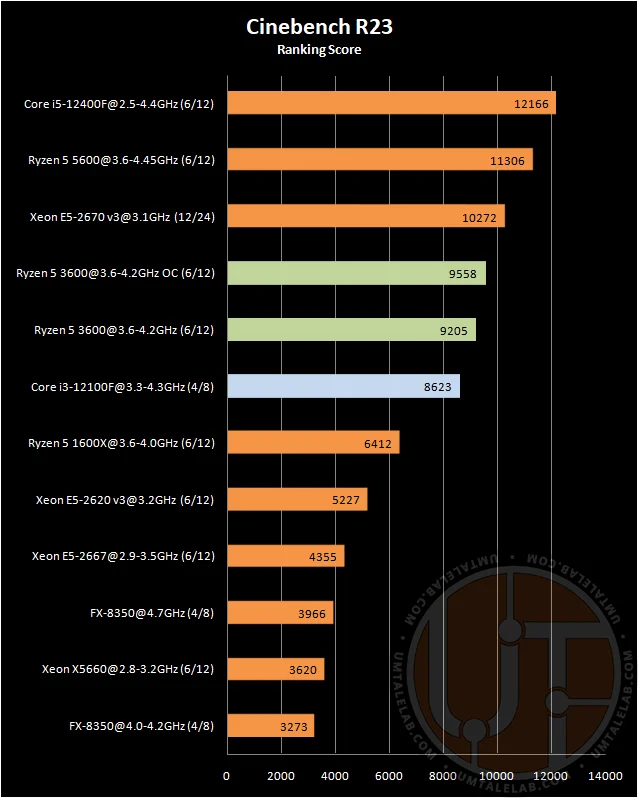
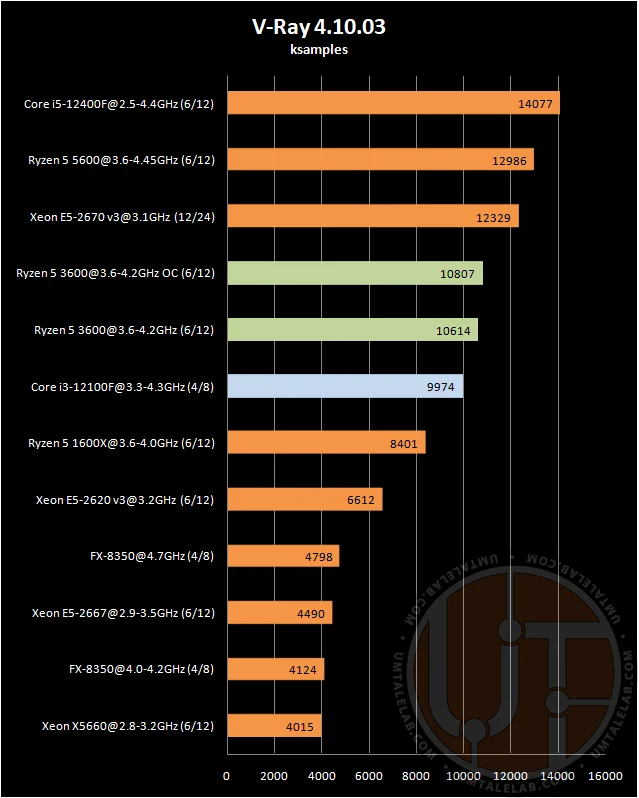
The 3D content creation landscape presents a rather mixed bag. While the 6-core Zen 2 consistently outpaces the 4-core Alder Lake in every test suite, the margin of victory varies significantly across applications.
The Ryzen 5 3600 finished rendering the BMW-CPU scene in Blender 3.4 10% faster than the Core i3-12100F. However, the Blender Open Data Benchmark reported a more substantial 19% lead for the 6-core Zen 2. Meanwhile, Cinebench R23 and V-Ray 4 Benchmark only registered a 7% performance edge for the Ryzen 5 3600 over the i3-12100F.
Texture baking in xNormal also favors the AMD chip, though the performance delta between normal map and ambient occlusion map rendering is quite noticeable. For simpler normal map renders, speeds are similar across both processors, with Zen 2 holding only a 5% lead. However, when it comes to baking ambient occlusion maps, the Ryzen 5 3600 surges ahead by a substantial 14%.
Overclocking RAM boosts AMD processor performance by 2 to 4%.
Overall performance
CPU-z Benchmark
Geekbench 5
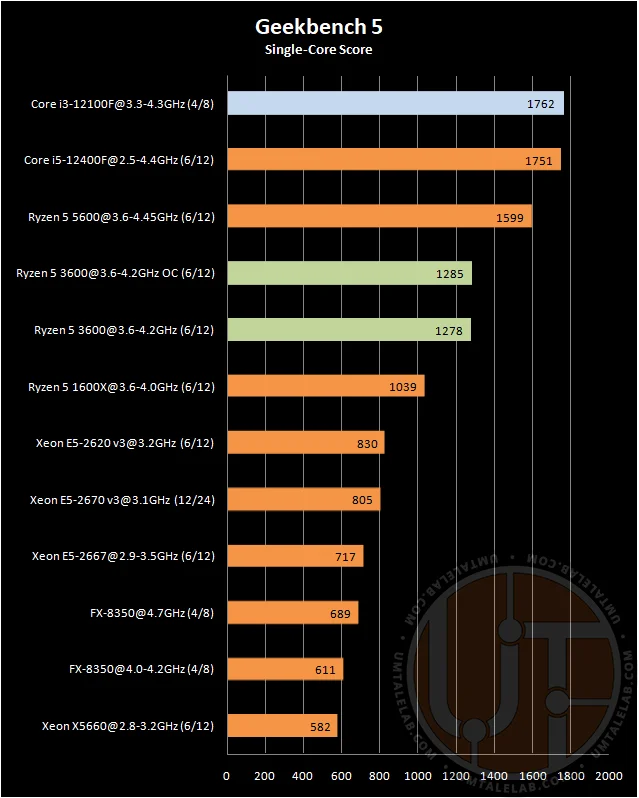
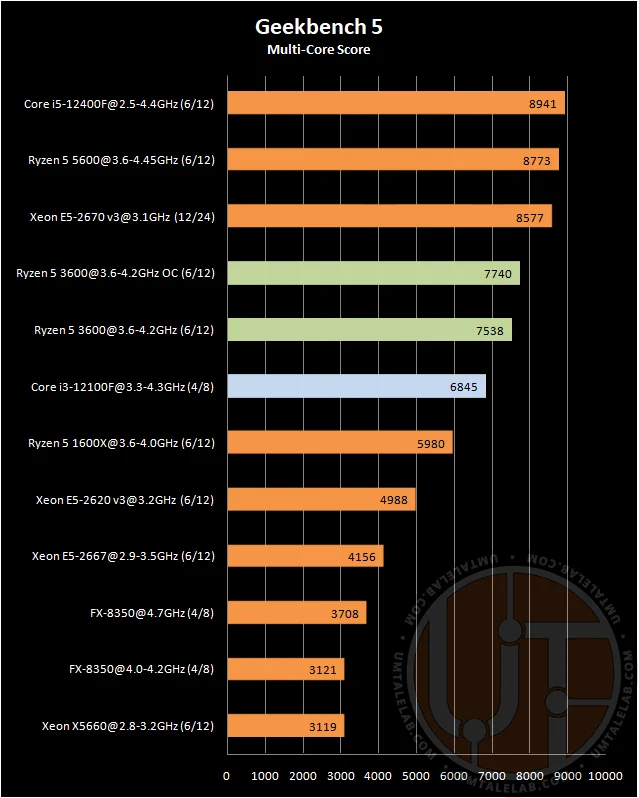
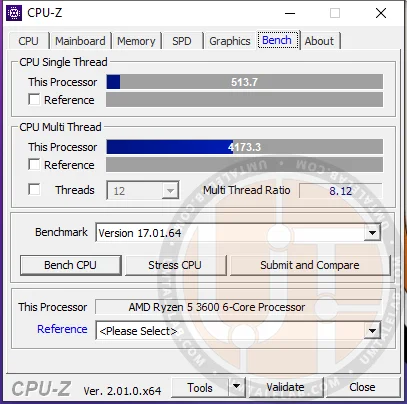
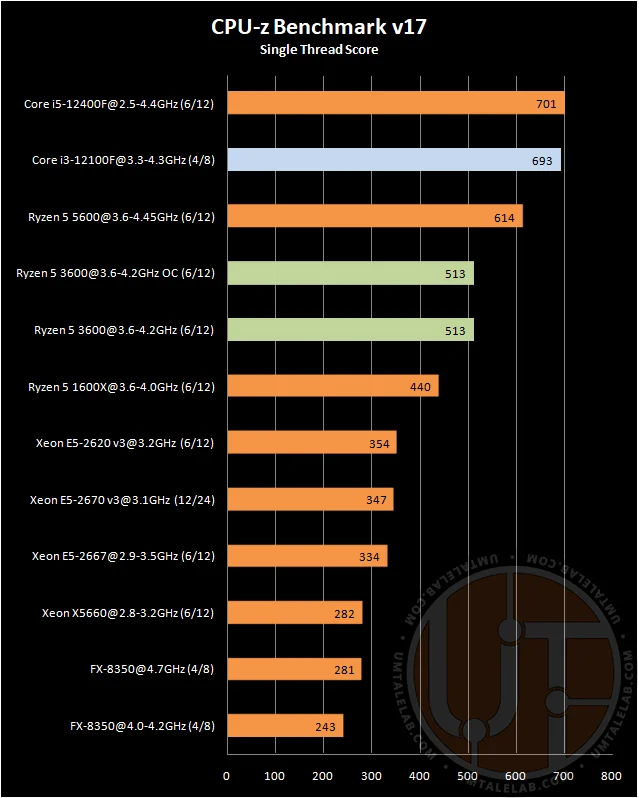
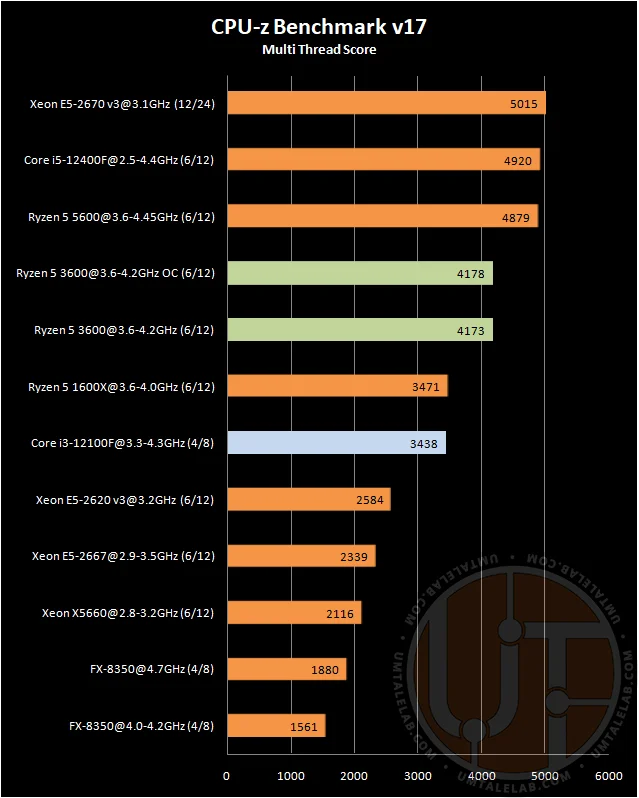
Both CPU-z Benchmark and Geekbench 5 show the Core i3-12100F's single-threaded performance outpaces the Ryzen 5 3600 by 35% and 37%, respectively. However, the 6-core Zen 2 offers superior multi-threaded data processing, by 21% and 10% in these same benchmarks.
Overclocking RAM provides AMD processors with an additional 3% performance boost in multi-threaded tests.
Video encoding
HandBrake, AV1, 2160p, 60FPS
 ⤢ ВІДКРИТИ
HandBrake, H265, 2160p, 60FPS
 ⤢ ВІДКРИТИ
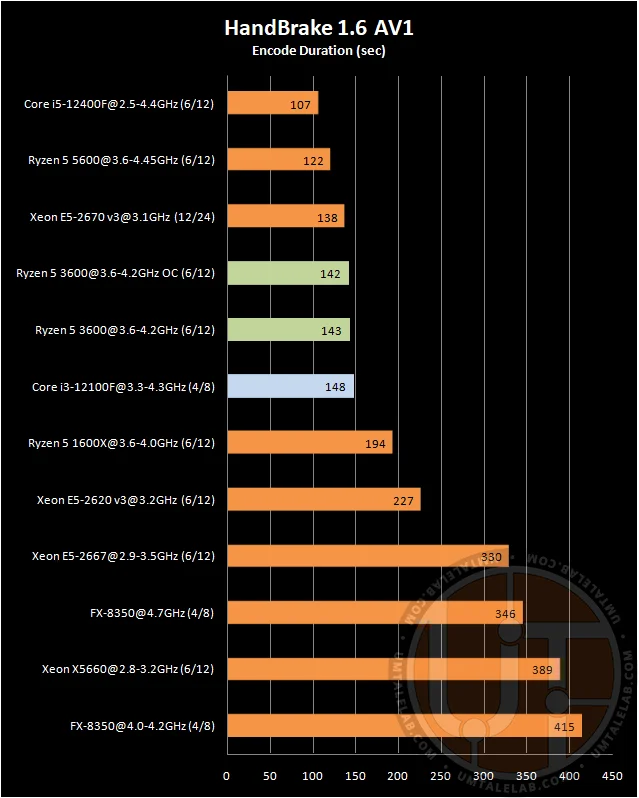
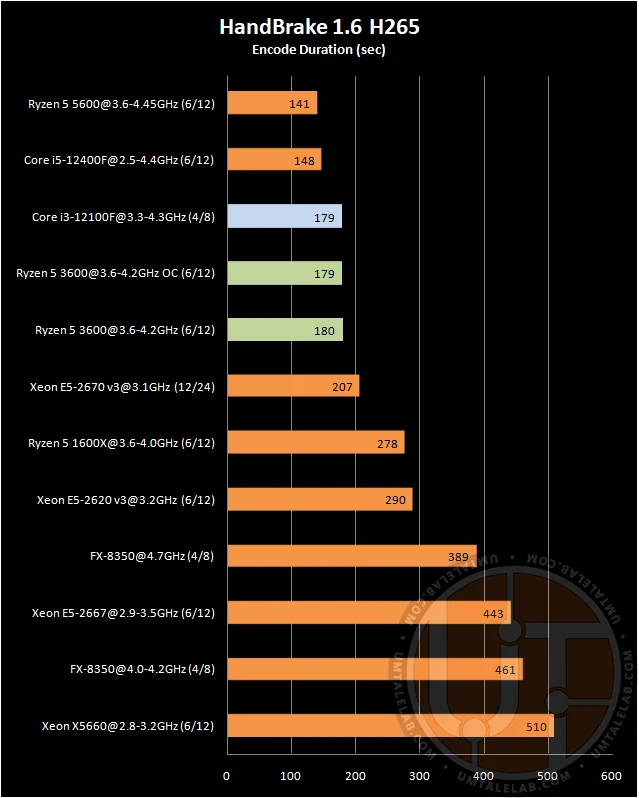
When transcoding video with HandBrake to AV1 (4K, 60FPS), the Ryzen 5 3600 is 3% faster than the Core i3-12100F. However, both processors deliver identical performance when working with the H.265 codec at 2160p resolution.
RAM overclocking didn't provide any significant gains in video encoding.
Web browsing
JetStream 2
 ⤢ ВІДКРИТИ
Speedometer 2
 ⤢ ВІДКРИТИ
Kraken
 ⤢ ВІДКРИТИ
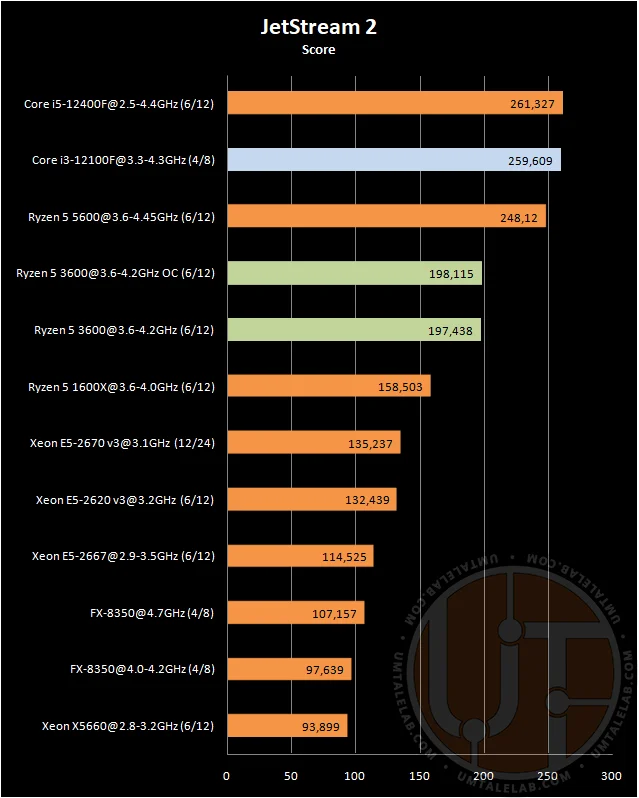
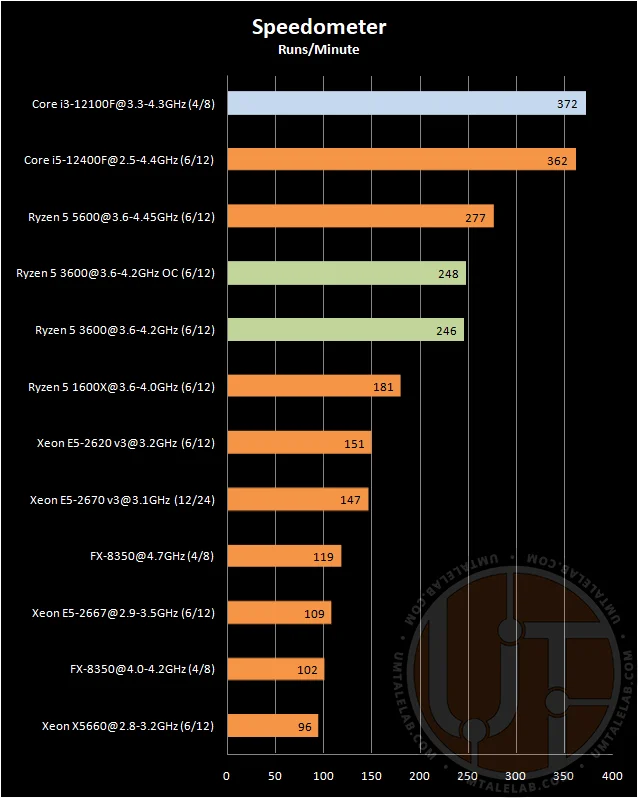
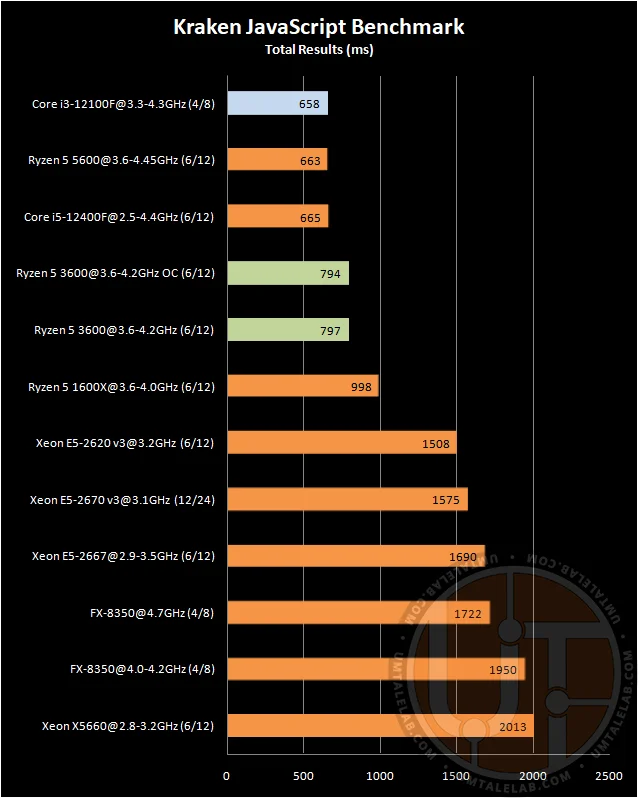
In the JetStream 2 benchmark, which evaluates JavaScript and WebAssembly execution, the 6-core Zen 2 couldn't keep up with the 4-core Alder Lake. We saw similar results in the Speedometer 2 test, which measures web application responsiveness, and in the Kraken JavaScript Benchmark.
These results have a very simple explanation: web browsers still aren't capable of fully utilizing a large number of processor threads. This is why Intel's current Alder Lake architecture, even with only four cores, proves significantly faster than the 6-core Zen 2.
Difference between Ryzen 5 3600 and Core i3-12100F in 13 applications
Appendix: | Ryzen 5 3600 | Core i3-12100F |
|---|---|---|
7-Zip | 15.69% | |
Blender | 9.74% | |
Blender Open Data Benchmark | 18.63% | |
Cinebench R23 | 6.75% | |
V-Ray 4 Benchmark | 6.42% | |
xNormal NM | 6.45% | |
xNormal AO | 13.68% | |
CPU-z Benchmark (ST) | 35.09% | |
CPU-z Benchmark (MT) | 21.38% | |
Geekbench 5 (ST) | 37.12% | |
Geekbench 5 (MT) | 10.12% | |
HandBrake, AV1 | 3.38% | |
HandBrake, H265 | 0.56% | |
JetStream 2 | 44.69% | |
Speedometer 2 | 51.22% | |
Kraken | 17.44% |
The Ryzen 5 3600 performed decently in digital content creation. However, its weak single-threaded performance made browser-based tasks extremely difficult. Notably, even in well-optimized multi-threaded applications, the 6-core Zen 2 couldn't significantly outperform the 4-core Core i3-12100F.
Moreover, AMD's 6-core chip couldn't adequately compete in 3D content creation against the ultra-budget 12-core Xeon E5-2670 v3, which further undermines its position.
Based on these metrics, we could already infer how the Ryzen 5 3600 will perform in games, but let's confirm it anyway.
Games, synthetics
3DMark Time Spy
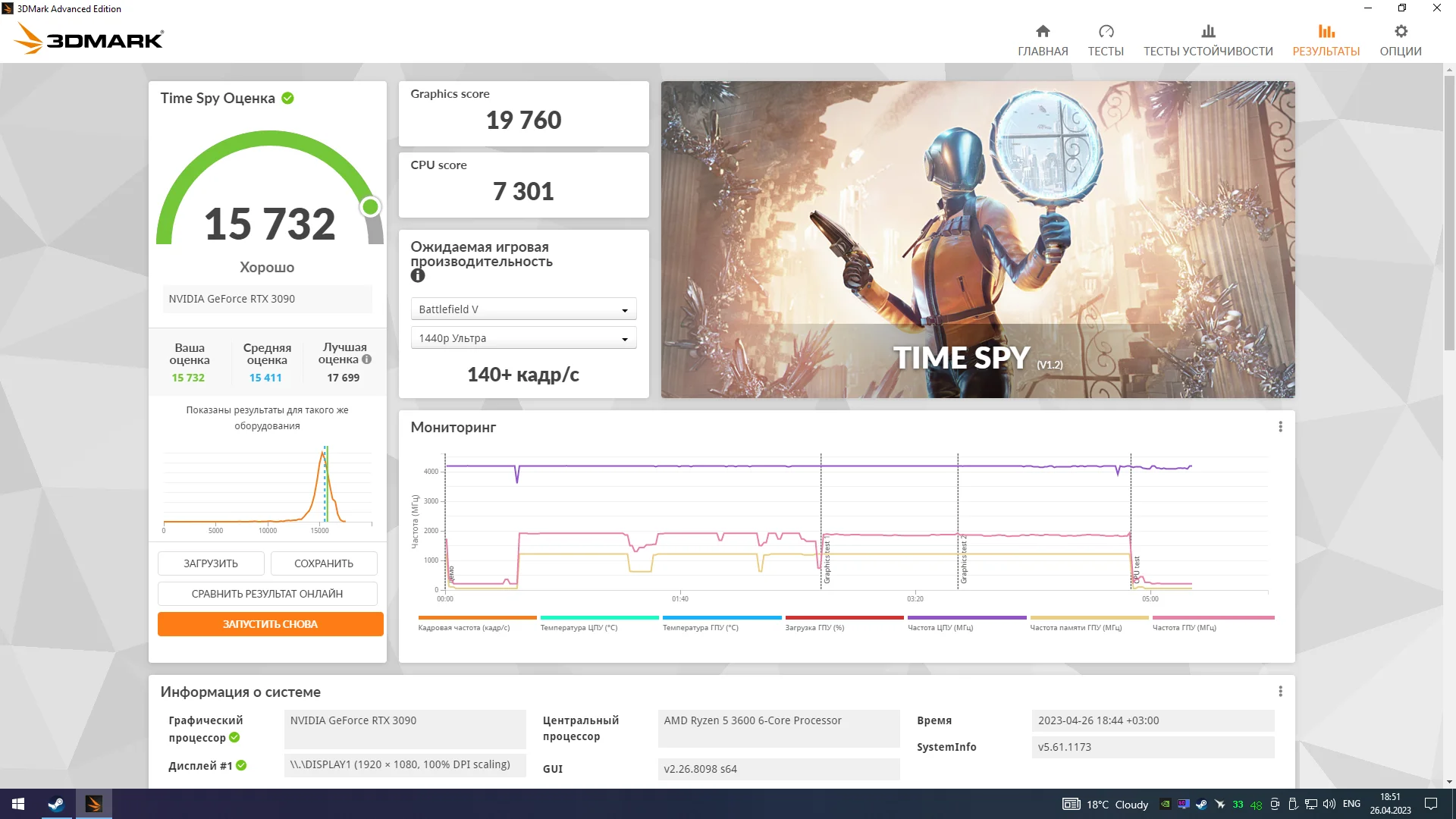
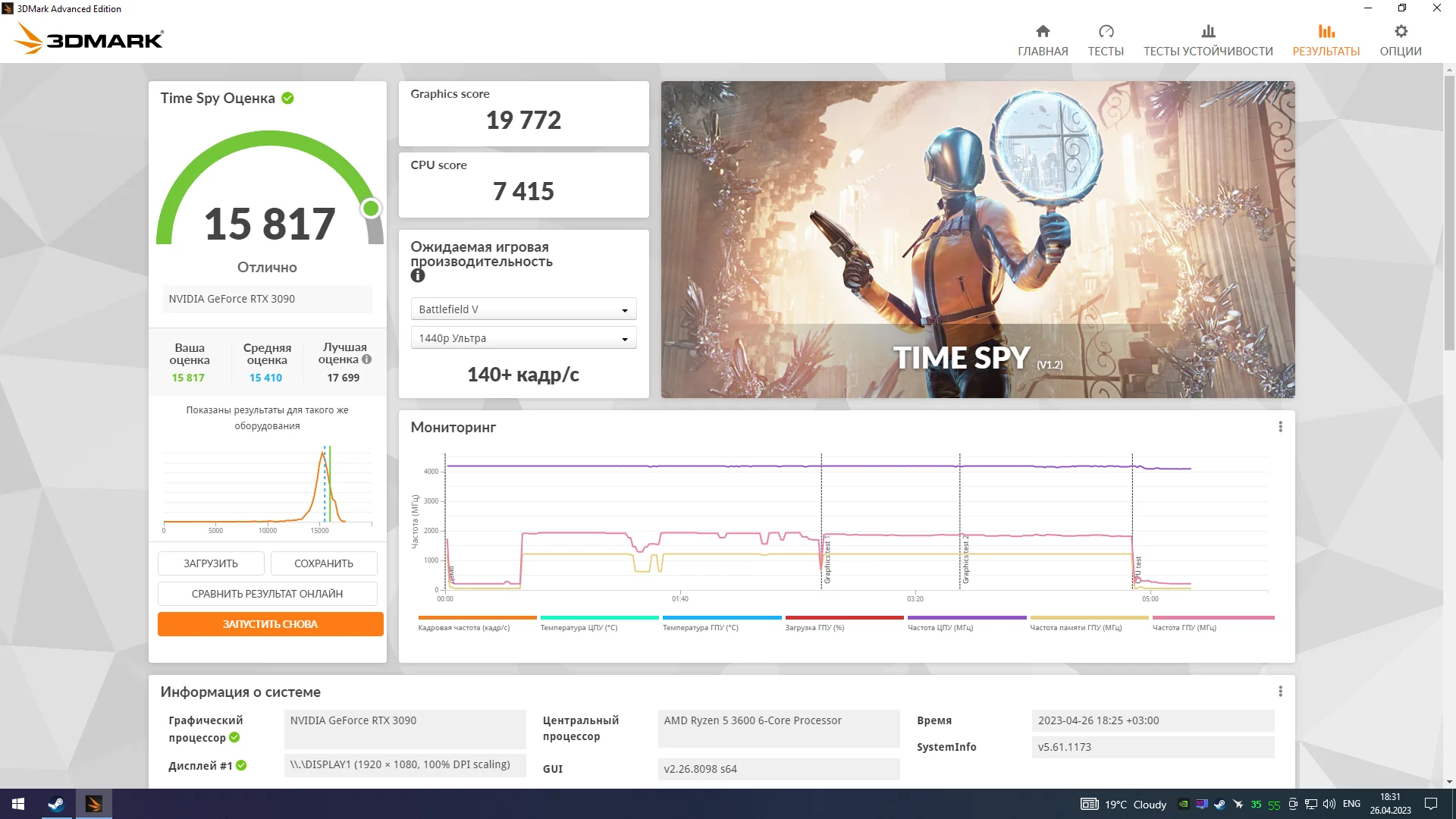
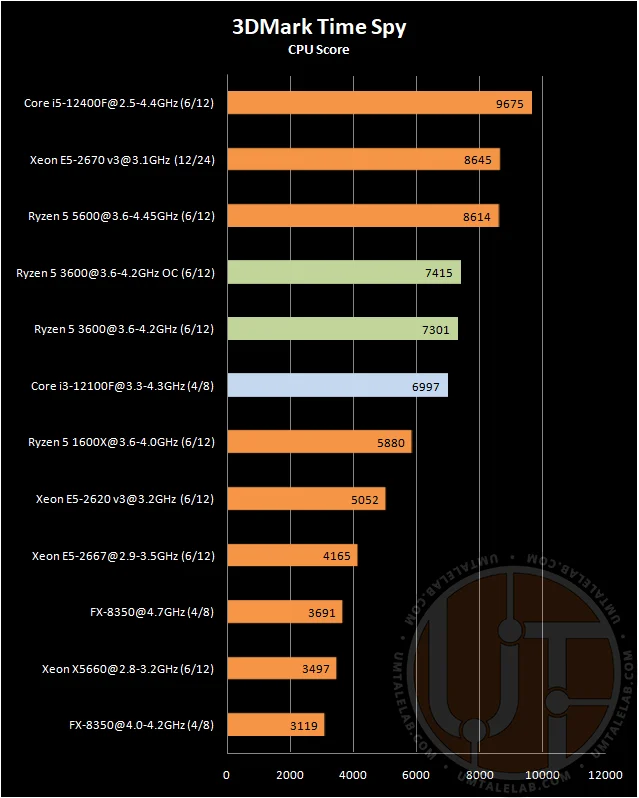
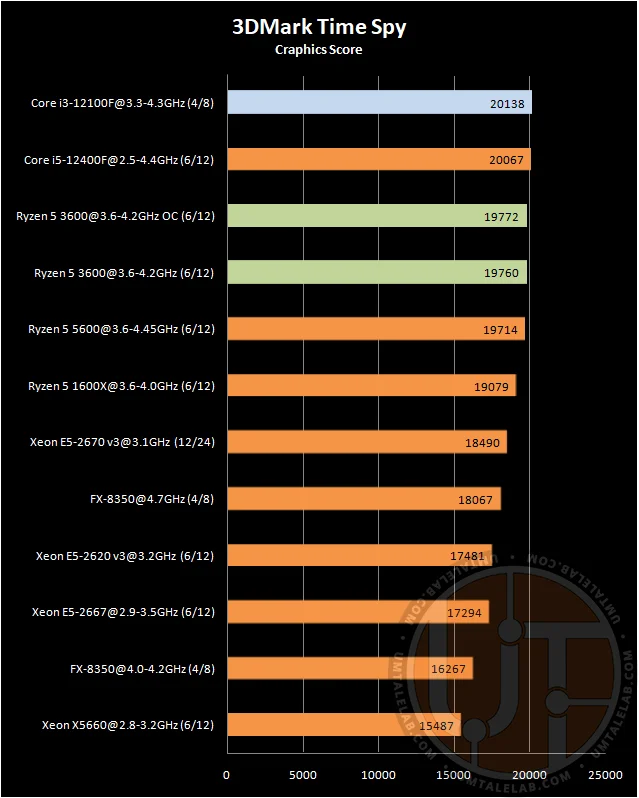
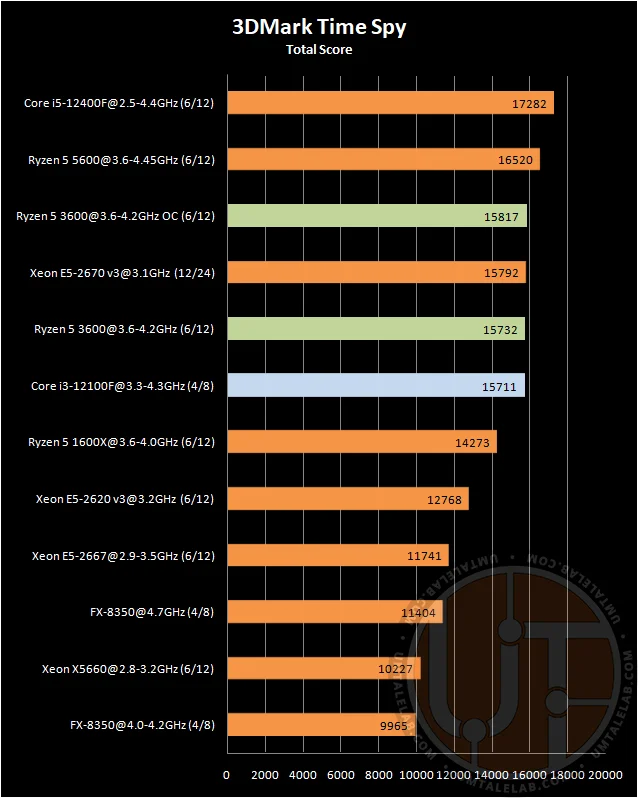
In the 3DMark Time Spy gaming synthetic, the Ryzen 5 3600 chip managed to slightly outperform the Core i3-12100F in the CPU subtest, though it fell behind in the graphics subtest.
Games
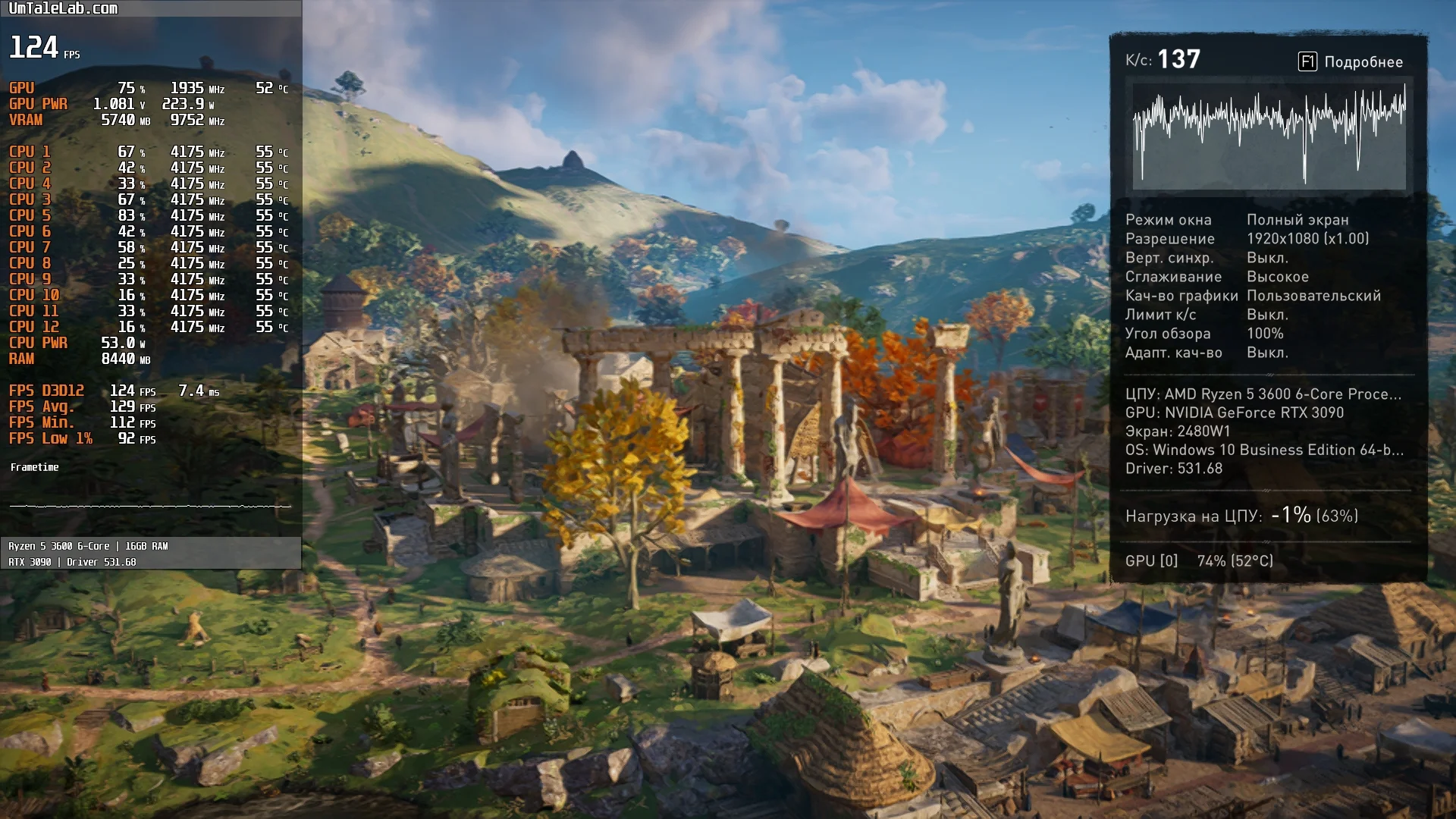
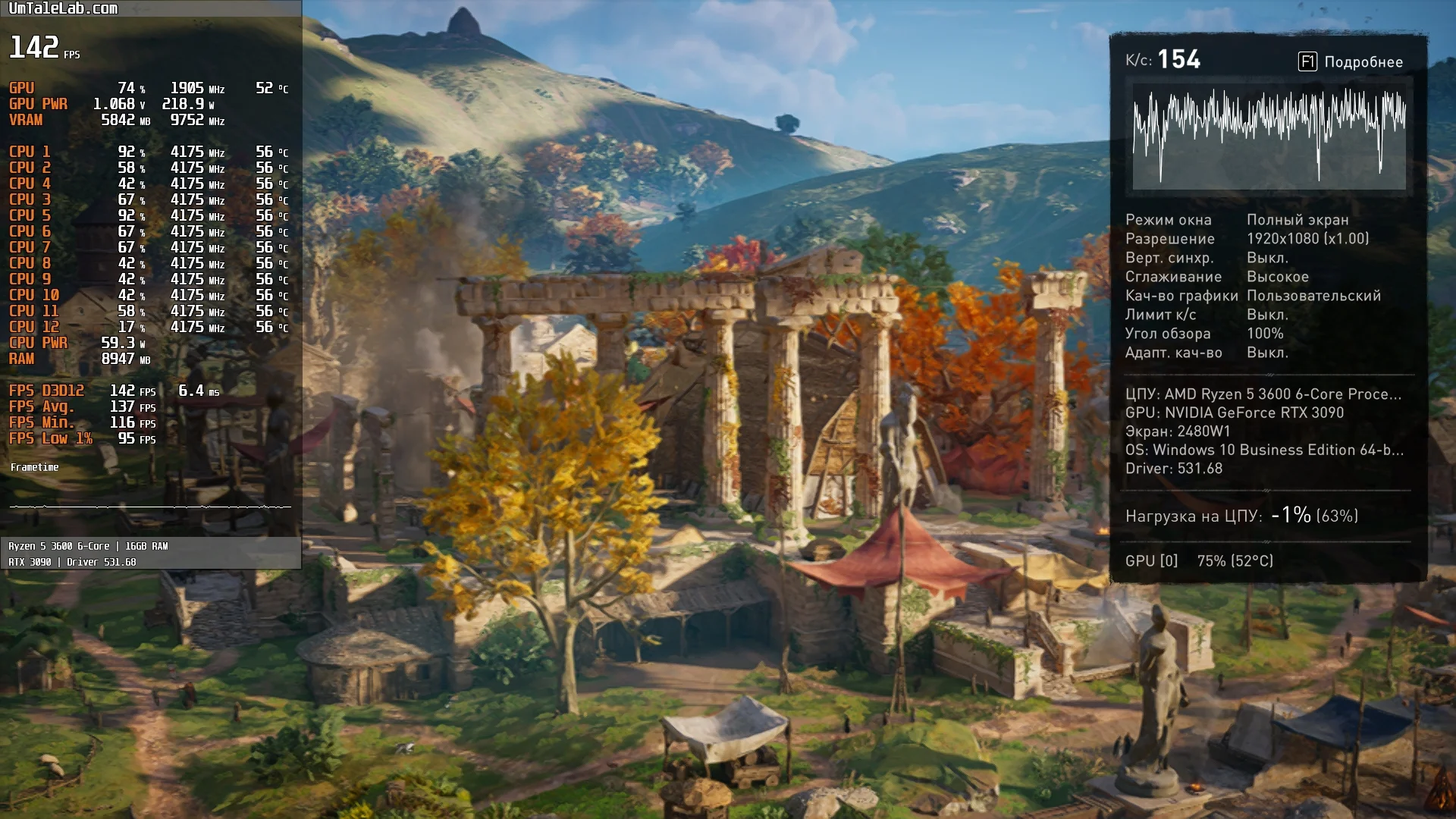
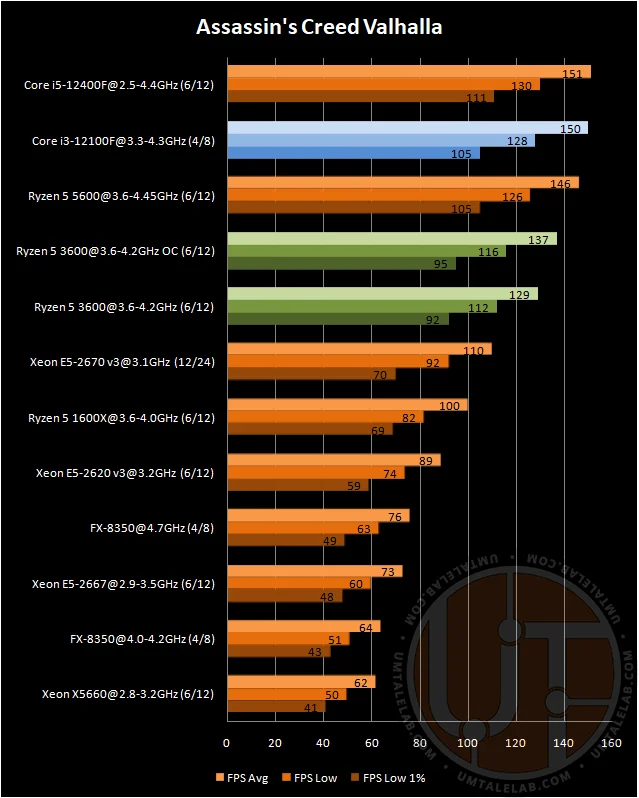
Assassins Creed Valhalla
 ⤢ ВІДКРИТИ
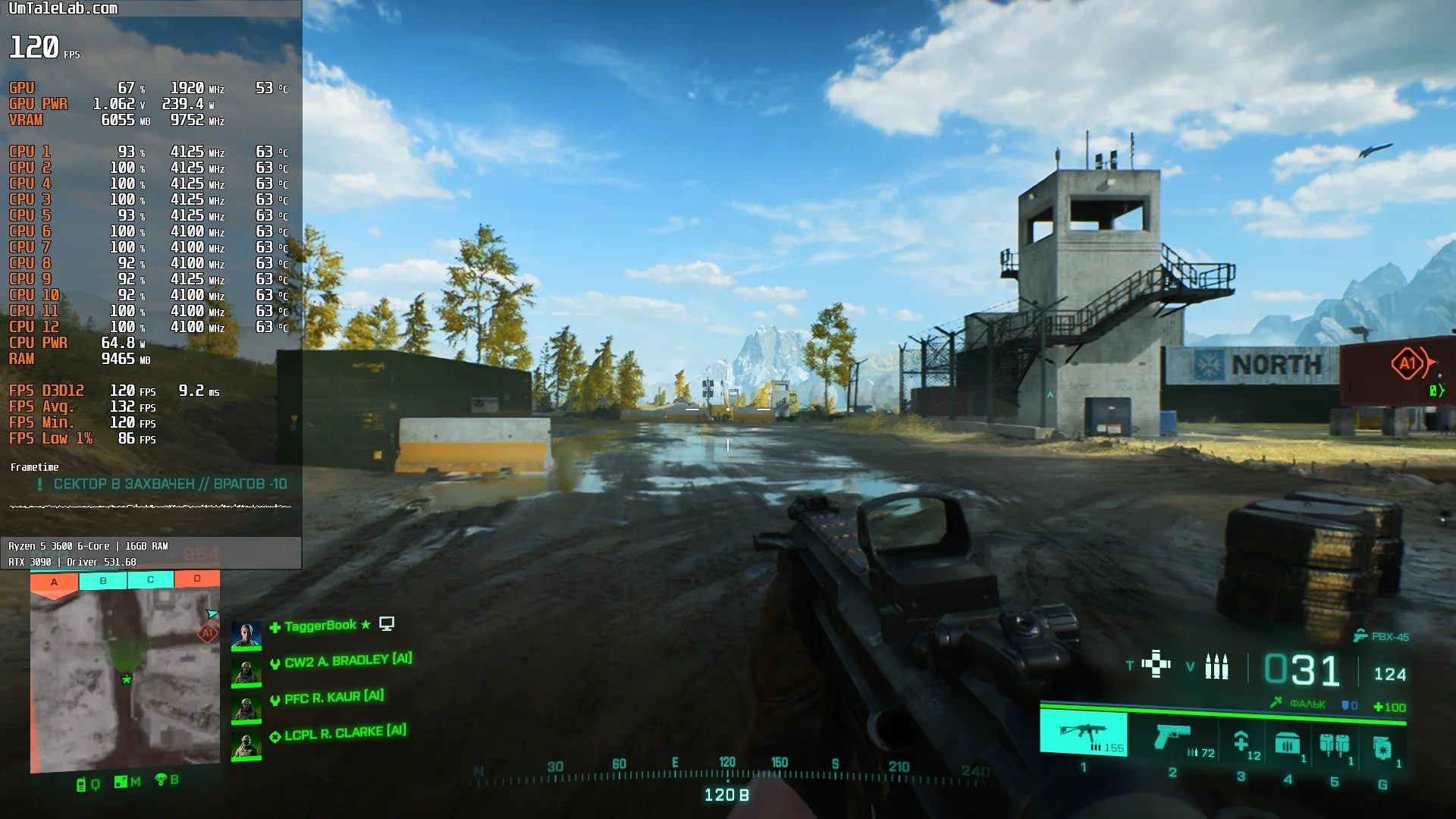
Battlefield 2042
Ray Tracing – ON
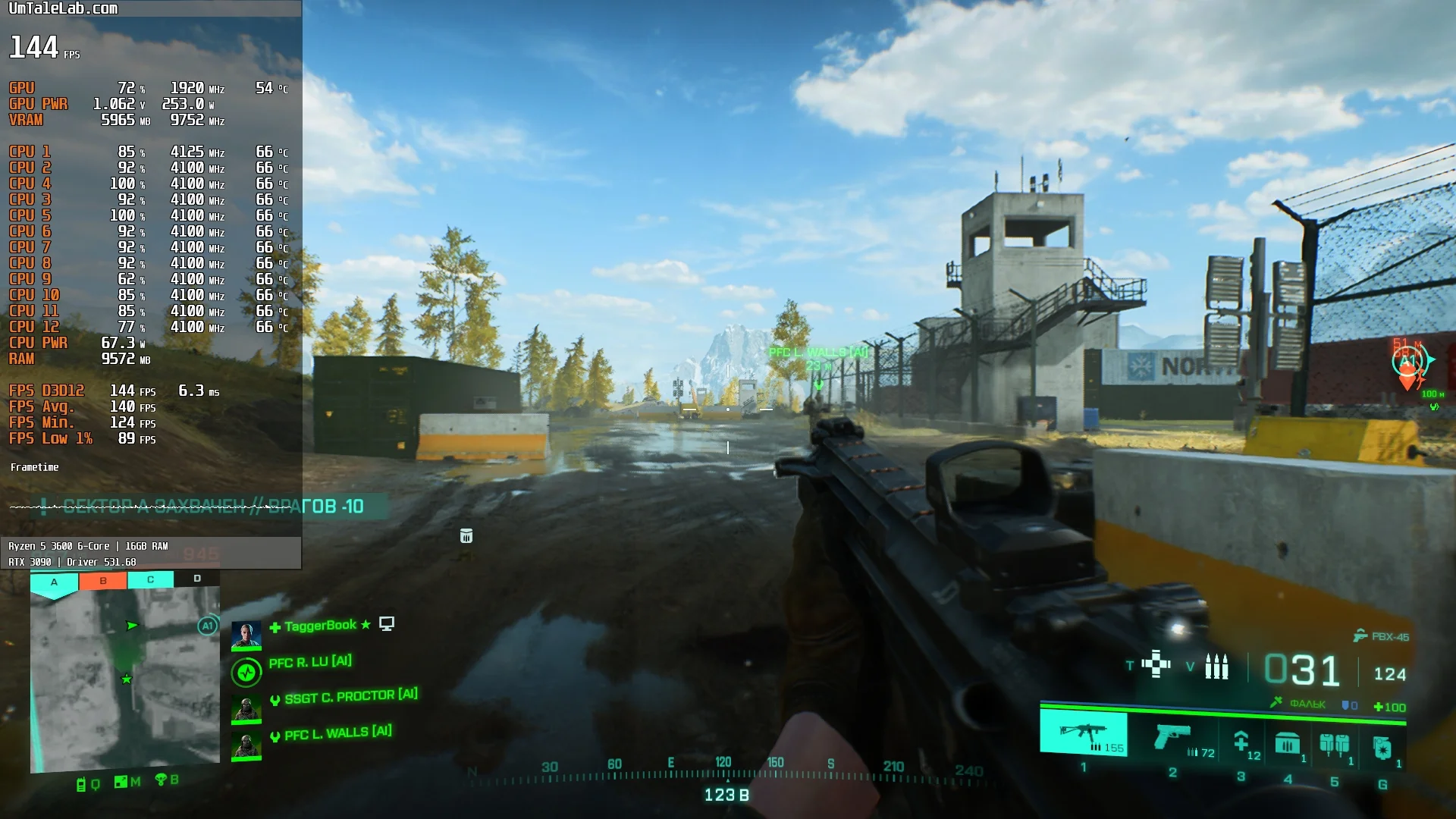
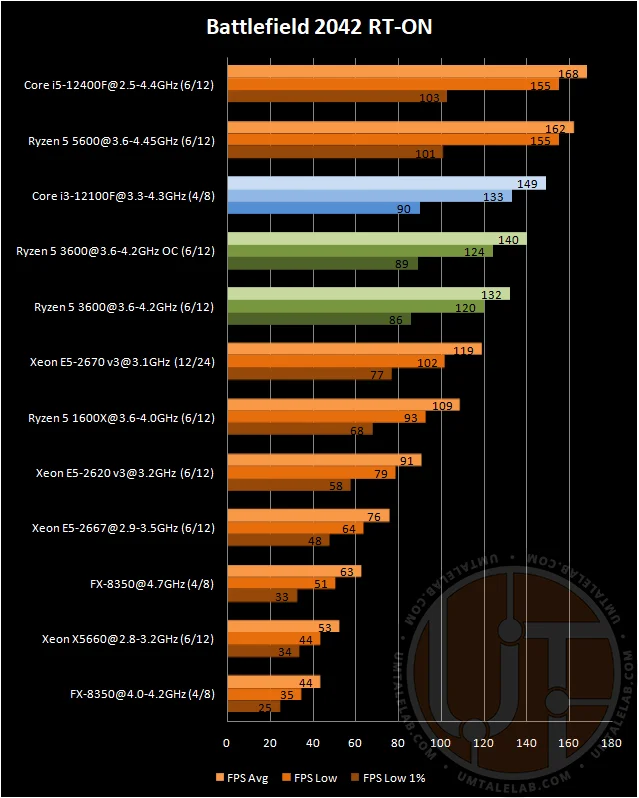 ⤢ ВІДКРИТИ
Ray Tracing – OFF
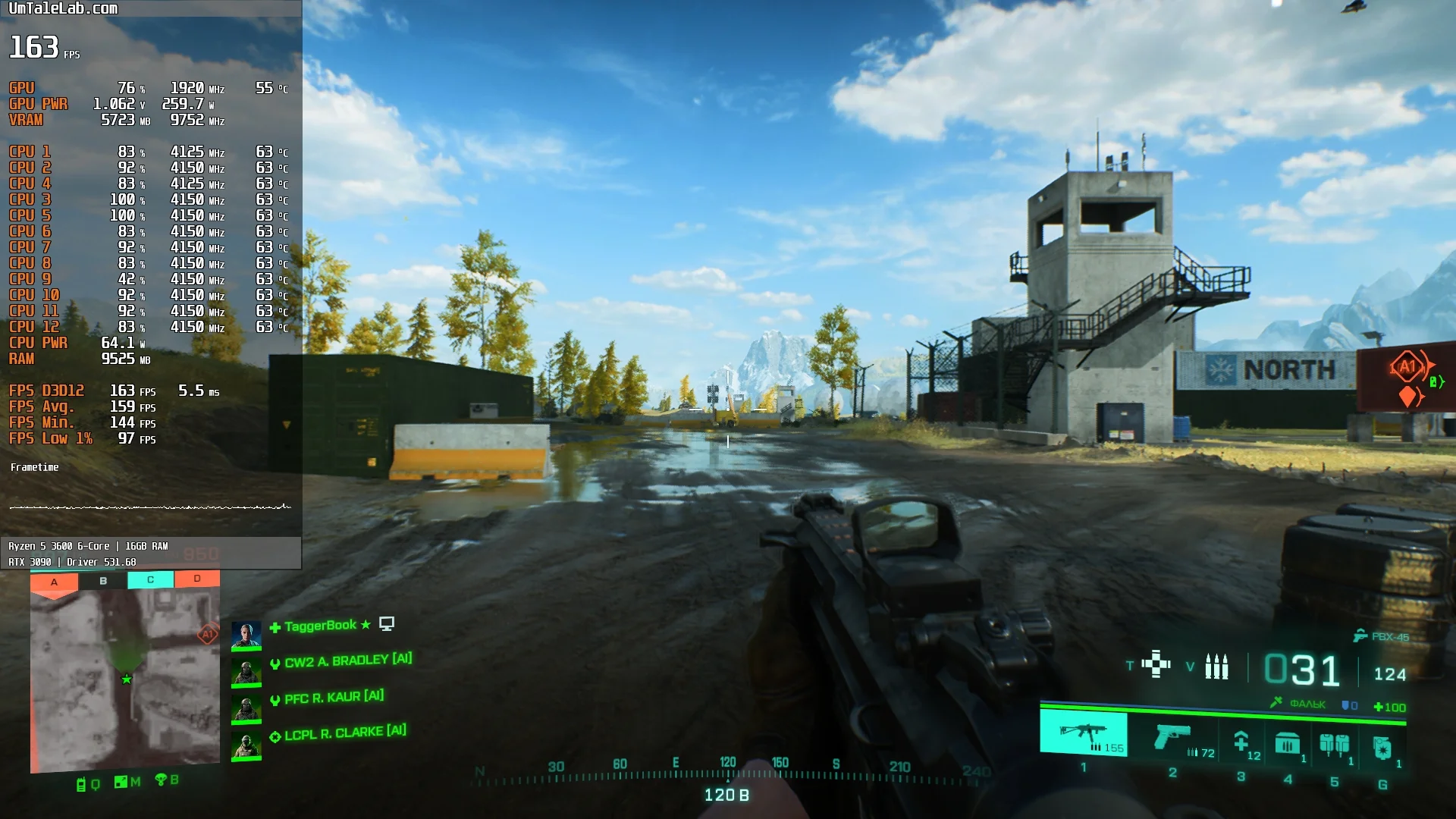
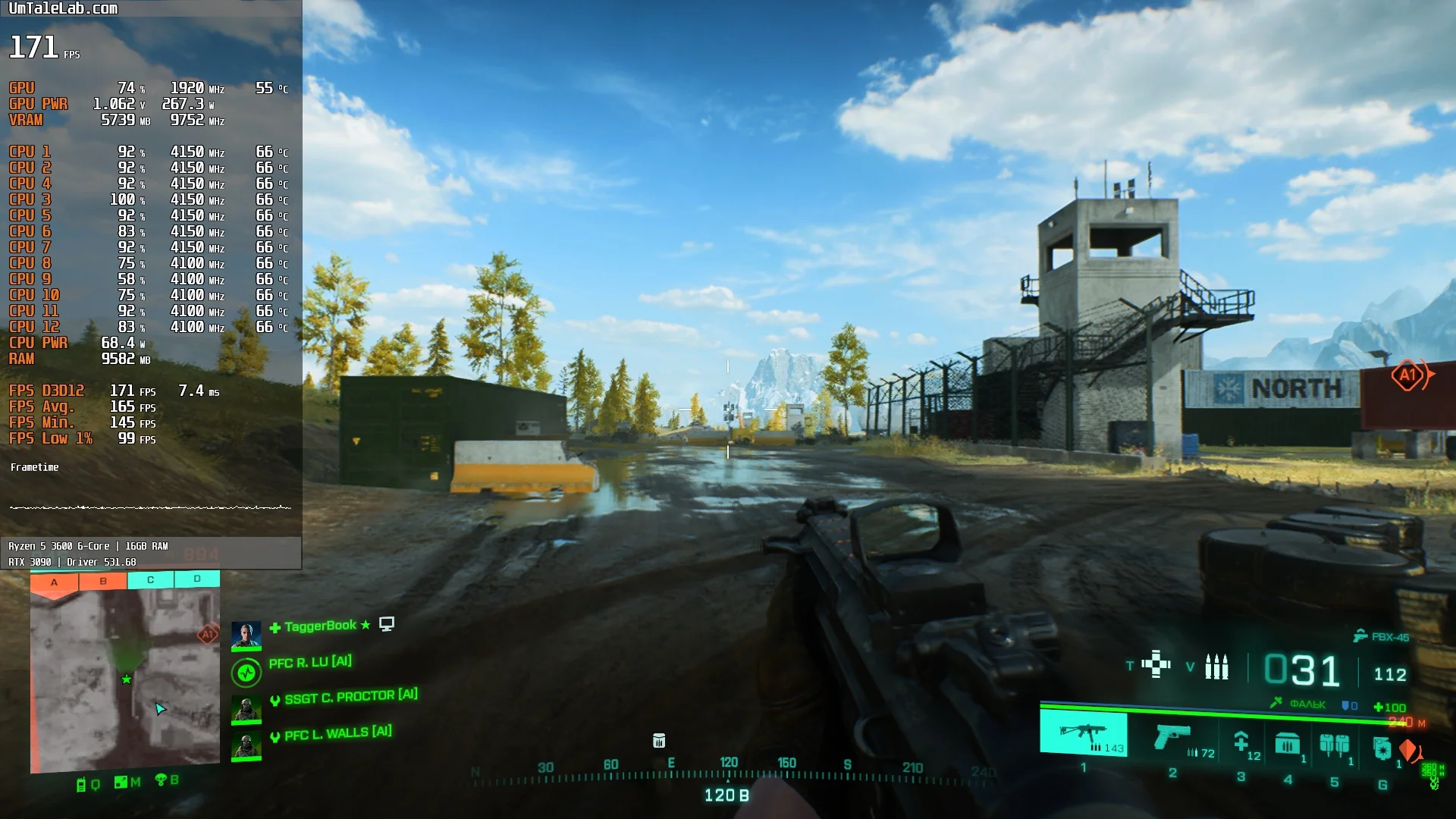
 ⤢ ВІДКРИТИ
Cyberpunk 2077
Ray Tracing – ON
 ⤢ ВІДКРИТИ
Ray Tracing – OFF
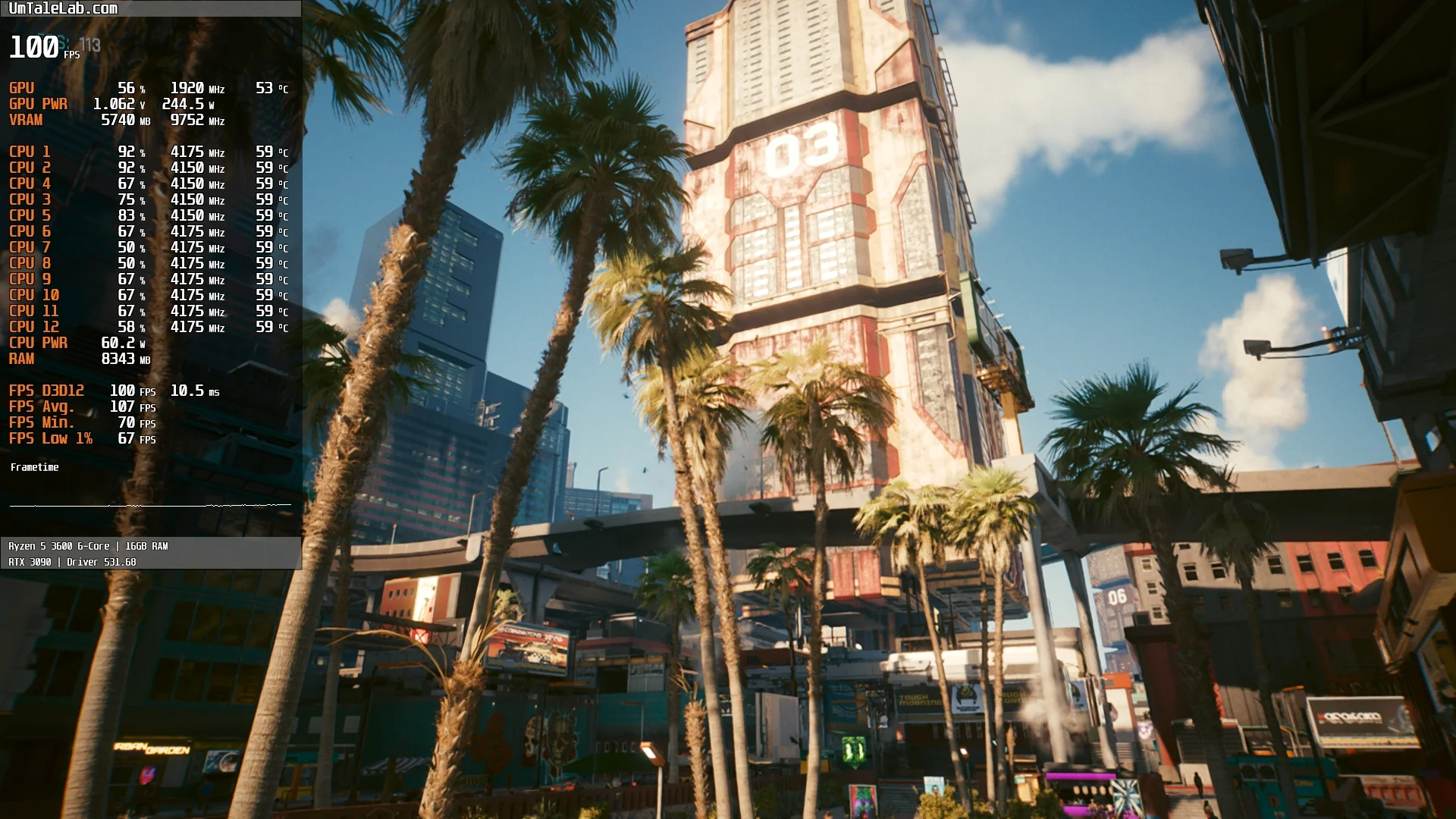
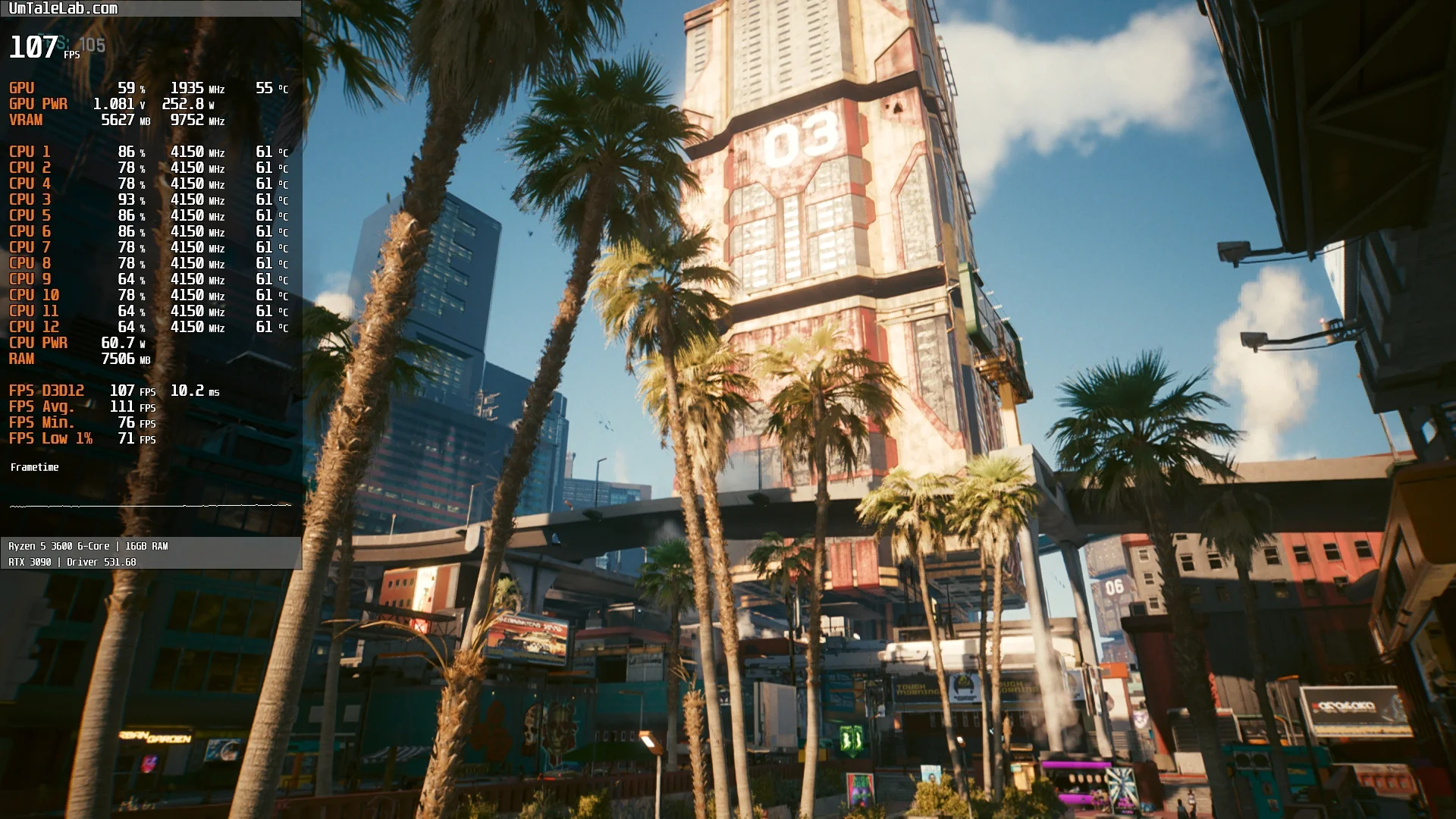
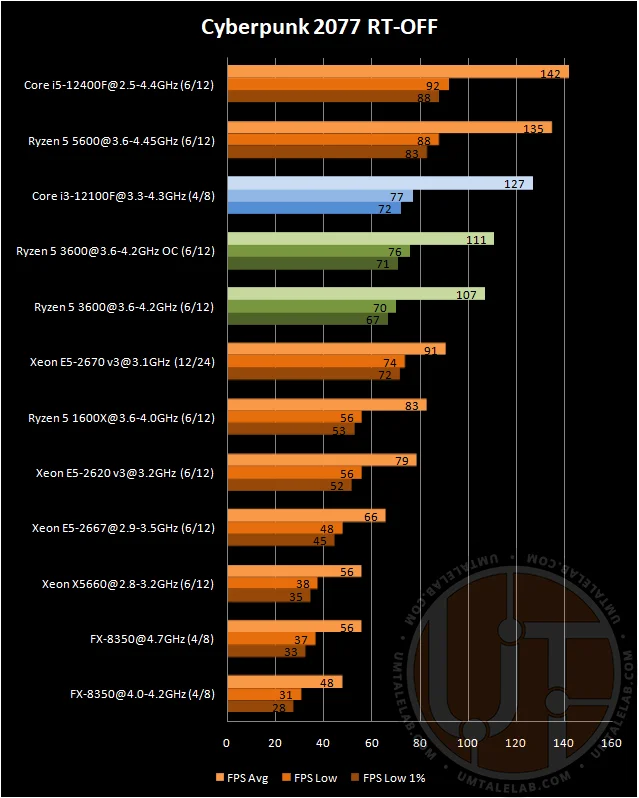 ⤢ ВІДКРИТИ
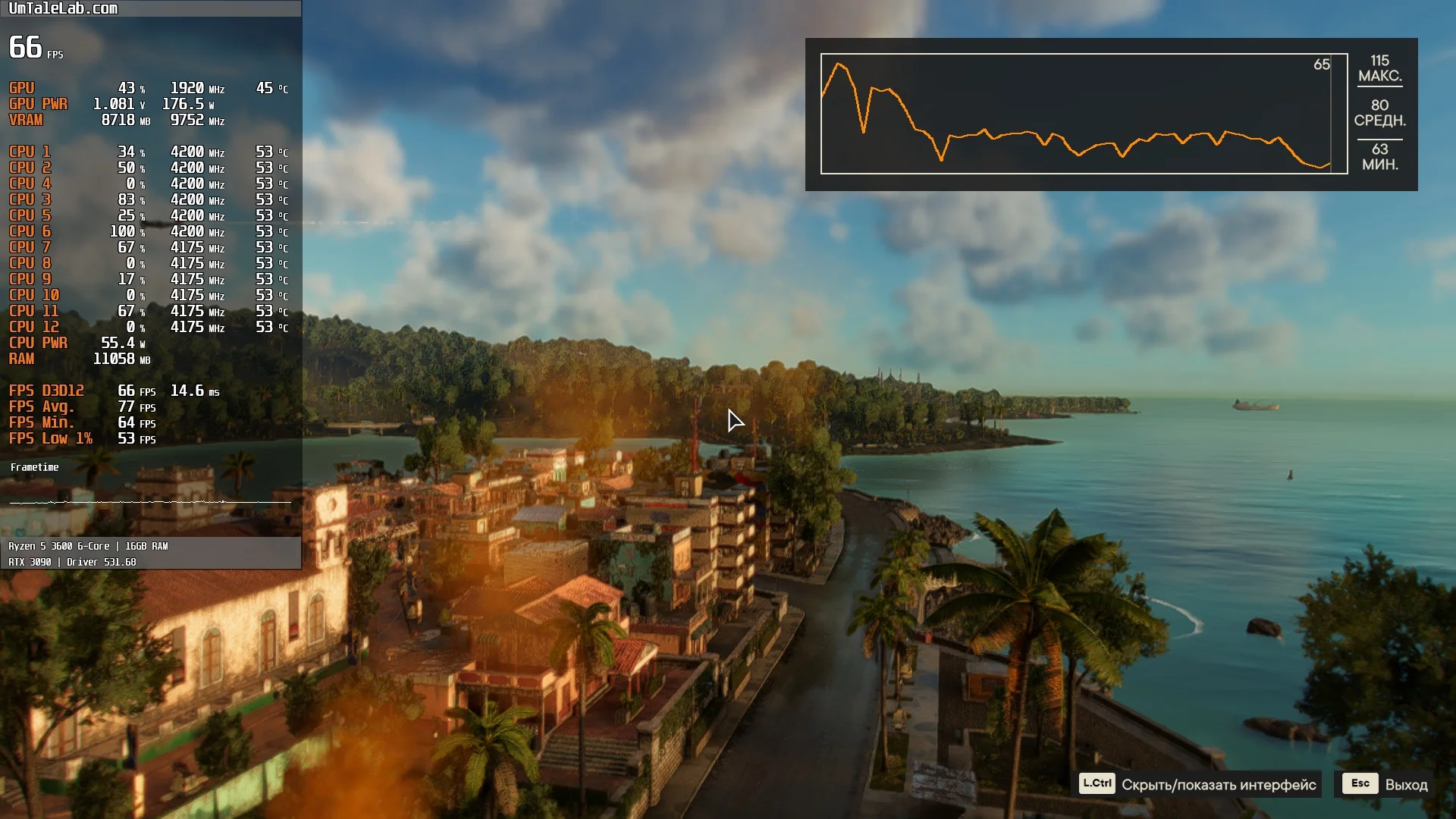
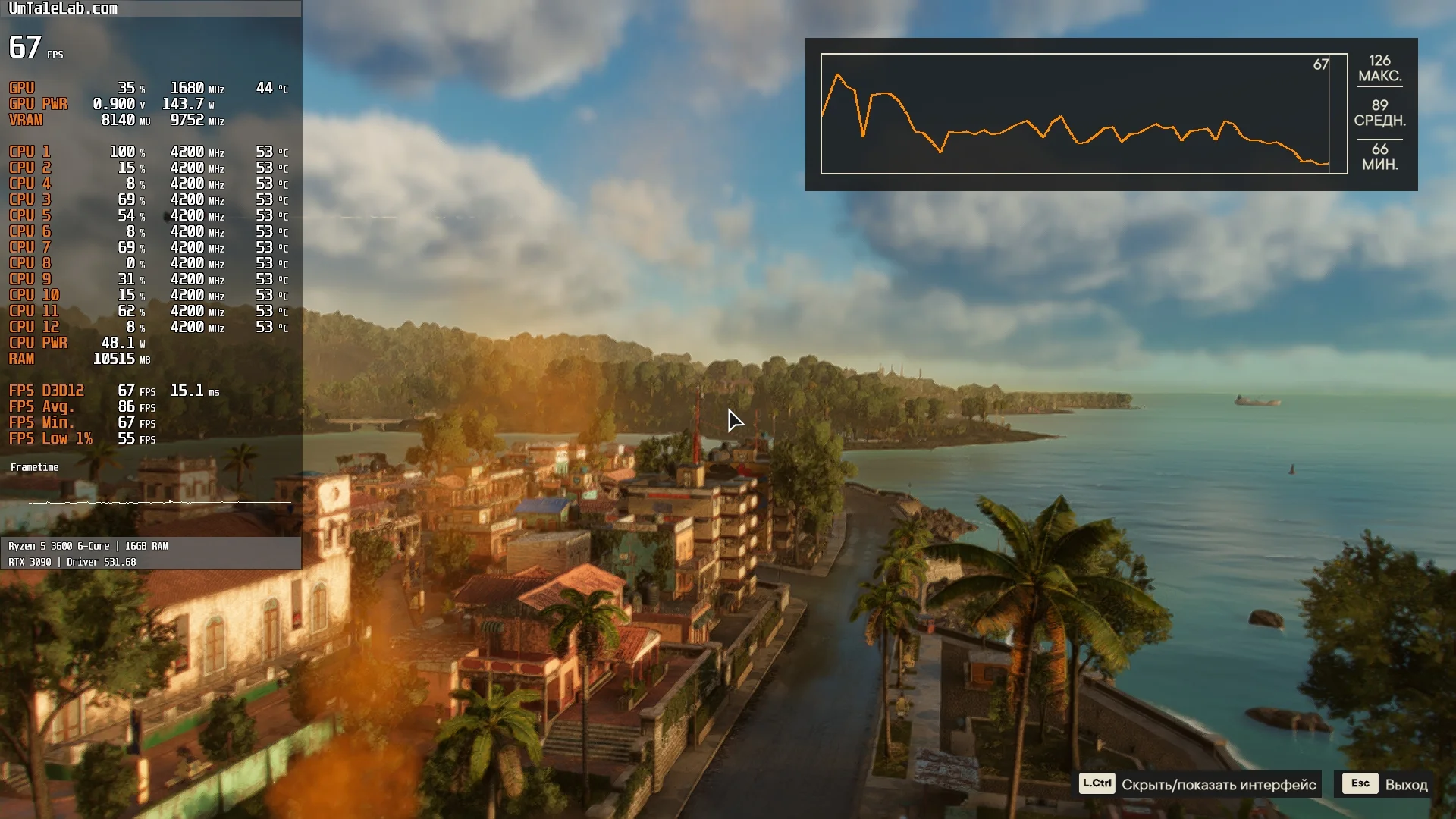
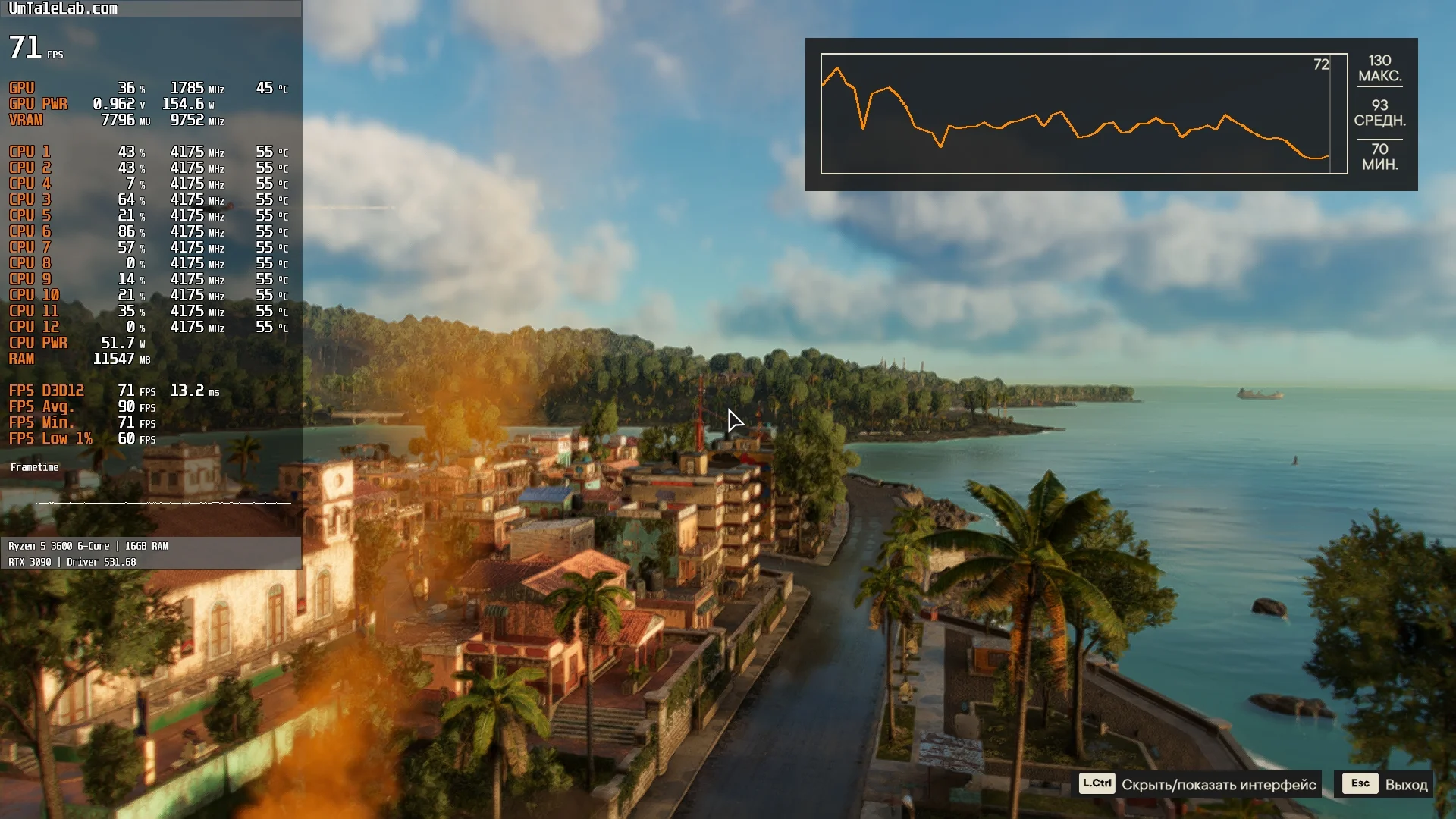
Far Cry 6
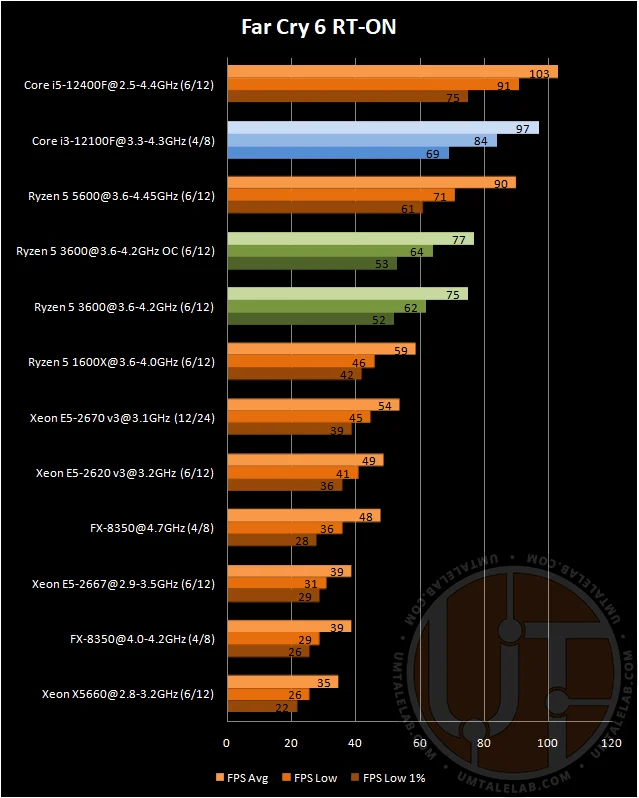
Ray Tracing – ON
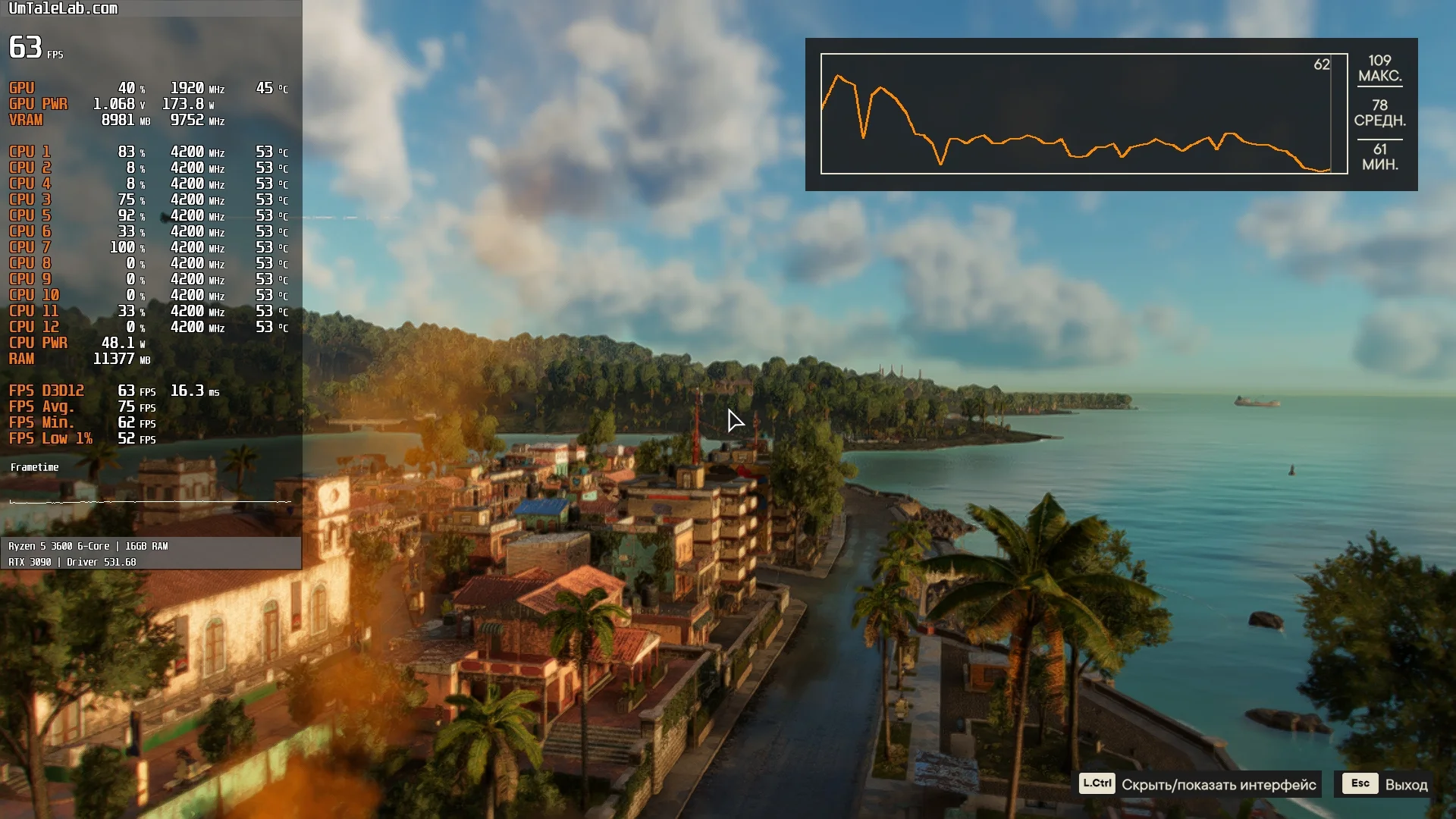
 ⤢ ВІДКРИТИ
Ray Tracing – OFF
 ⤢ ВІДКРИТИ
Hogwarts Legacy
Ray Tracing – ON
 ⤢ ВІДКРИТИ
Ray Tracing – OFF
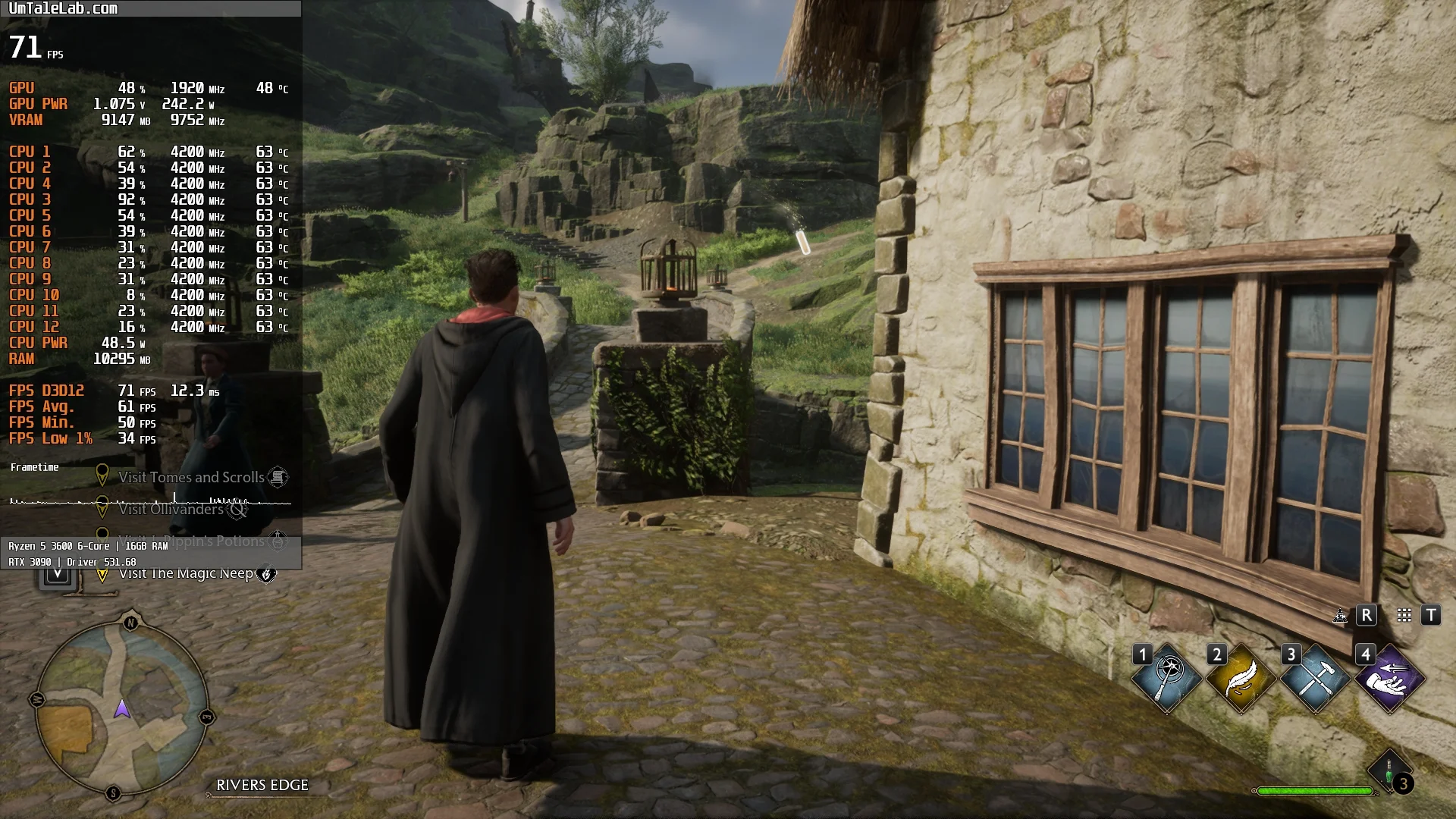
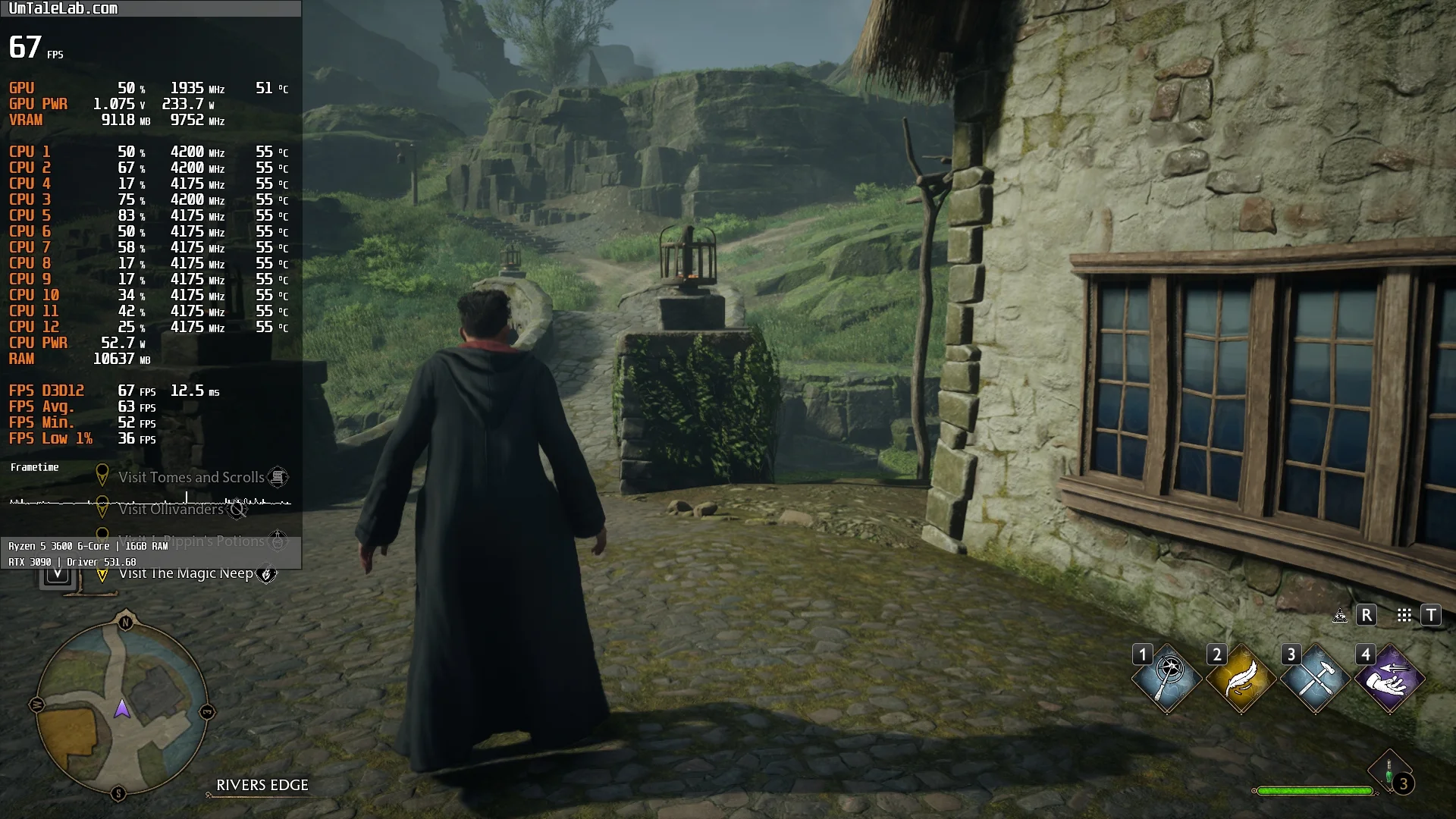
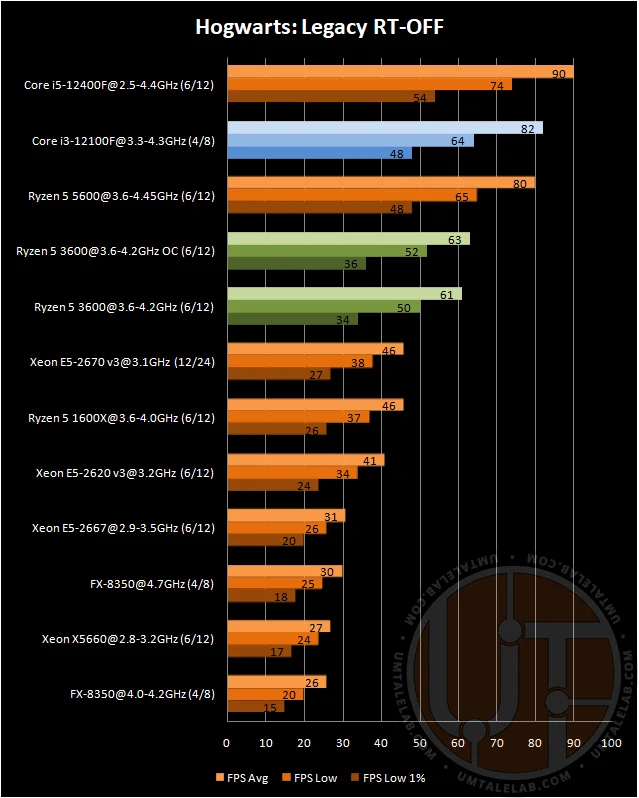 ⤢ ВІДКРИТИ
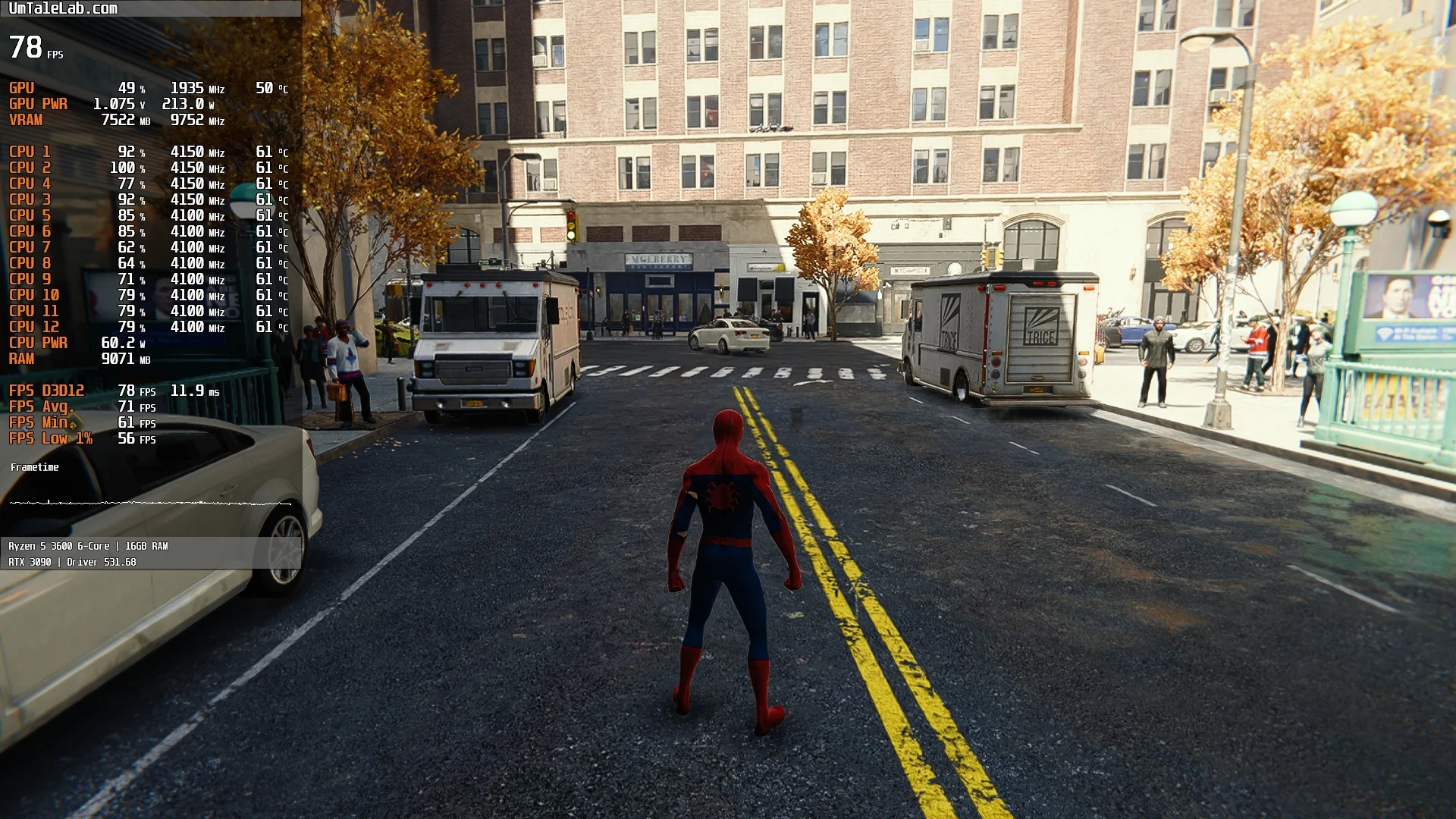
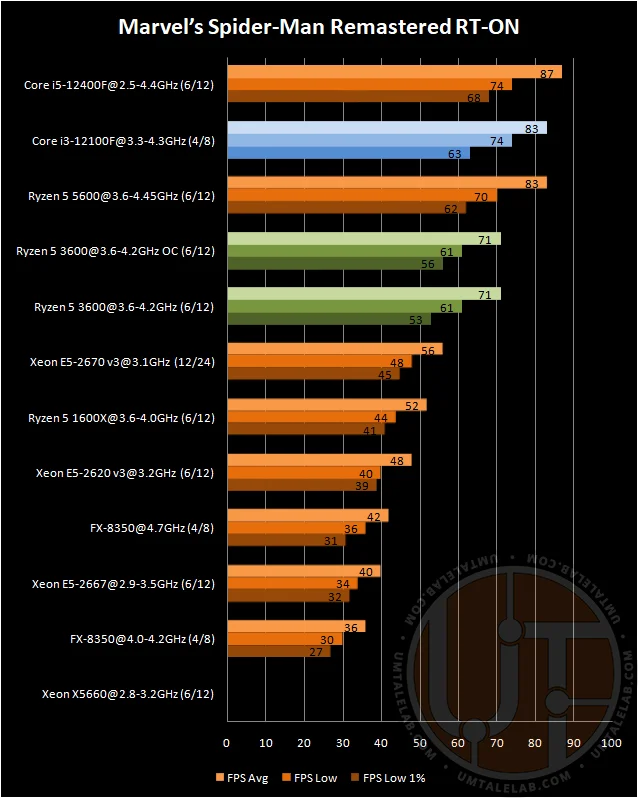
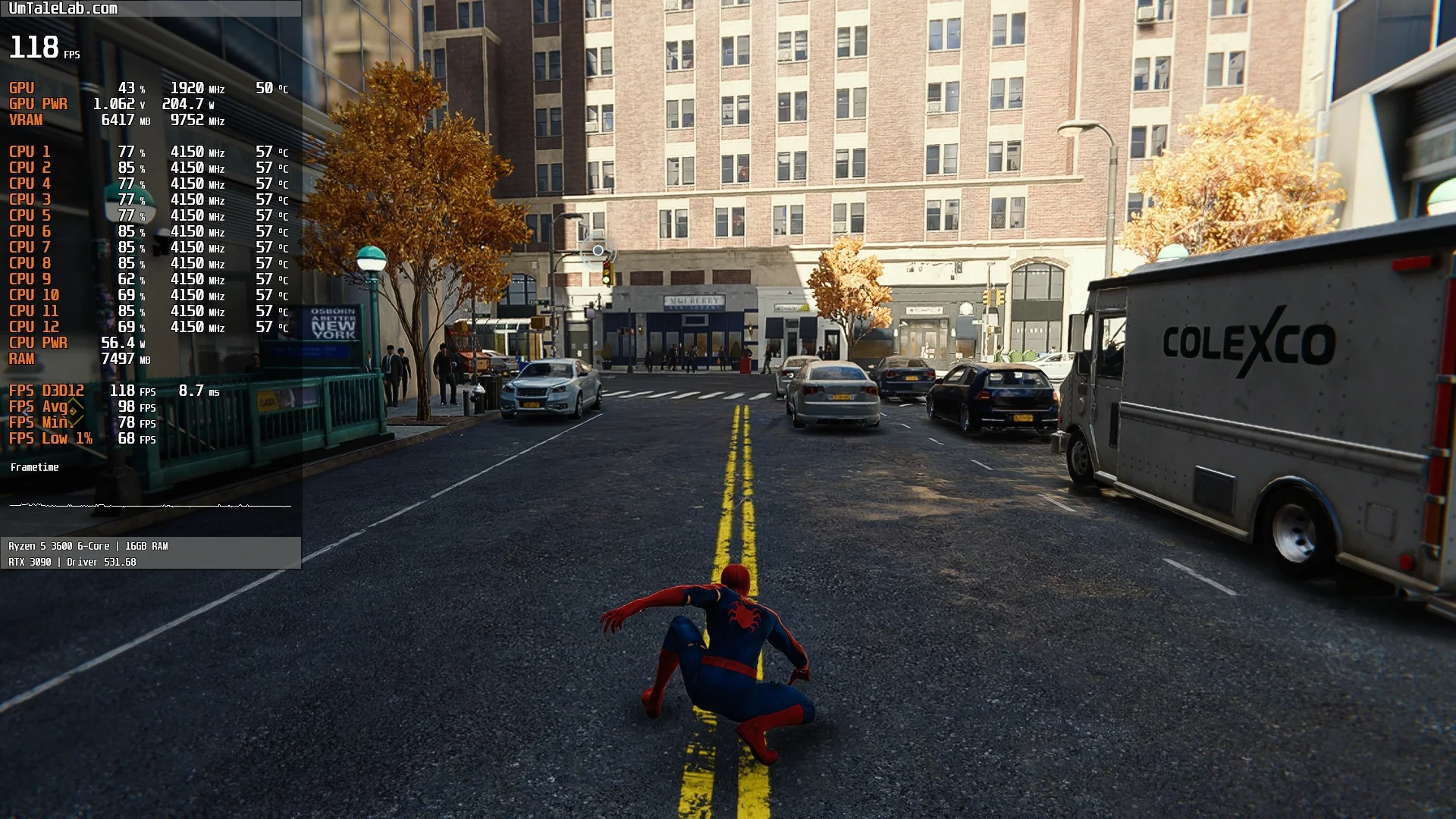
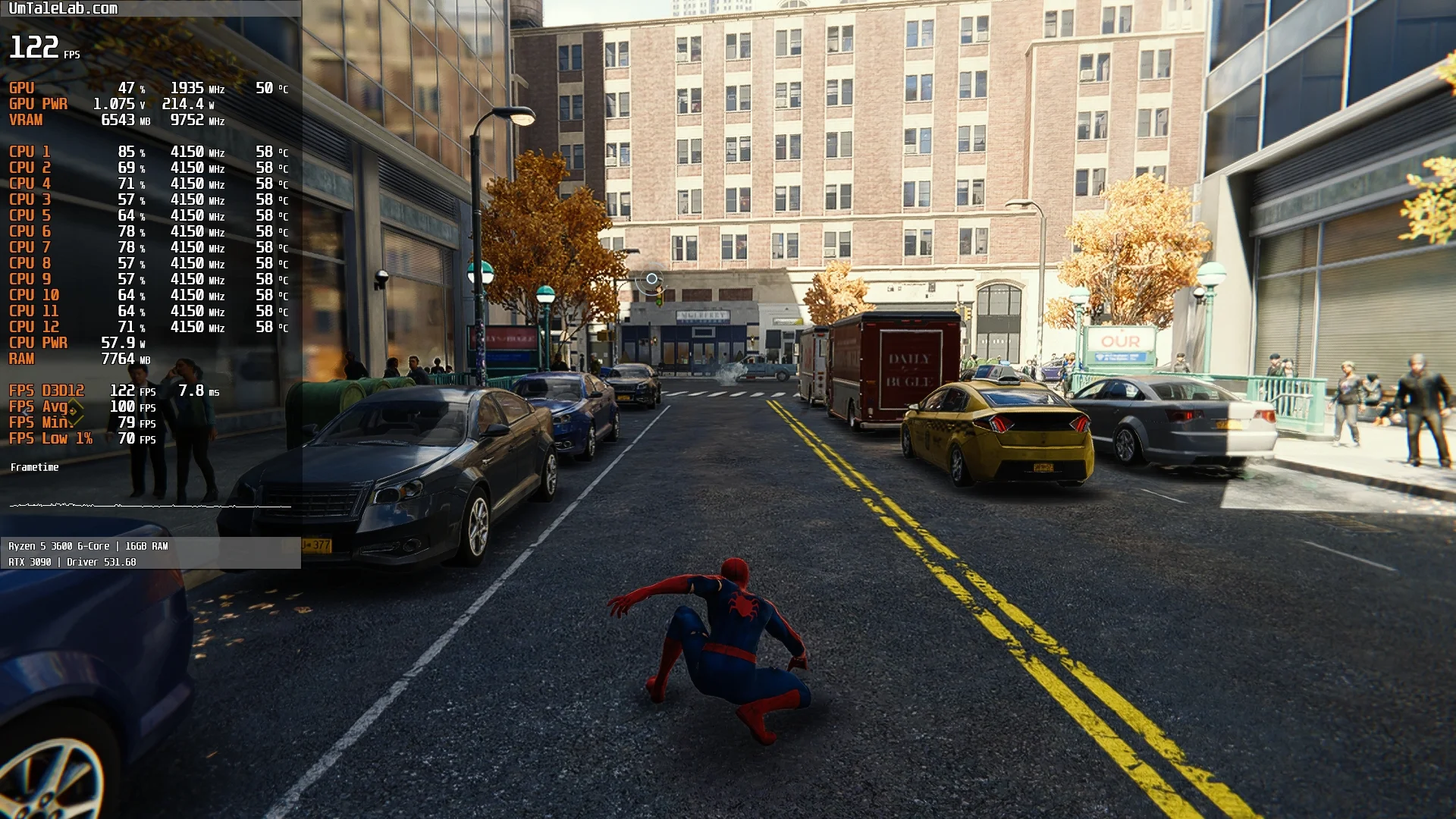
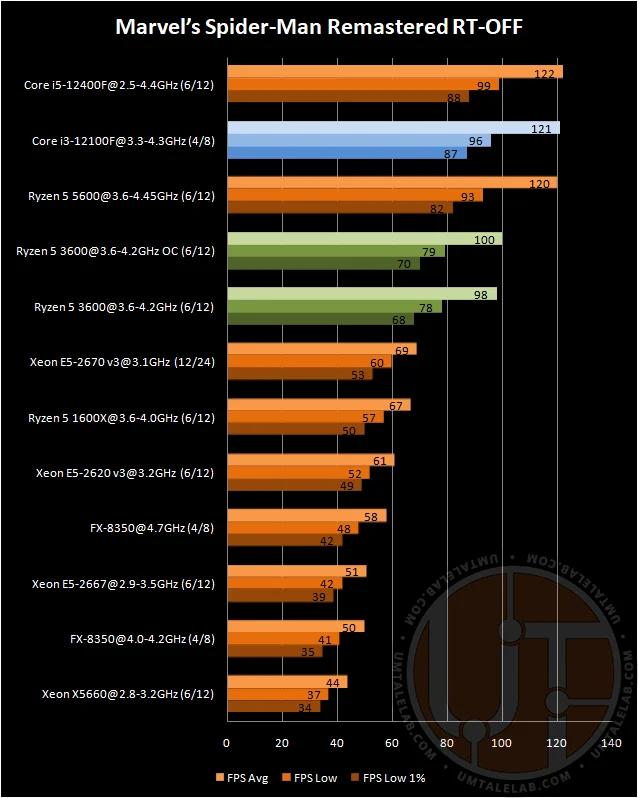
Marvel’s Spider-Man Remastered
Ray Tracing – ON
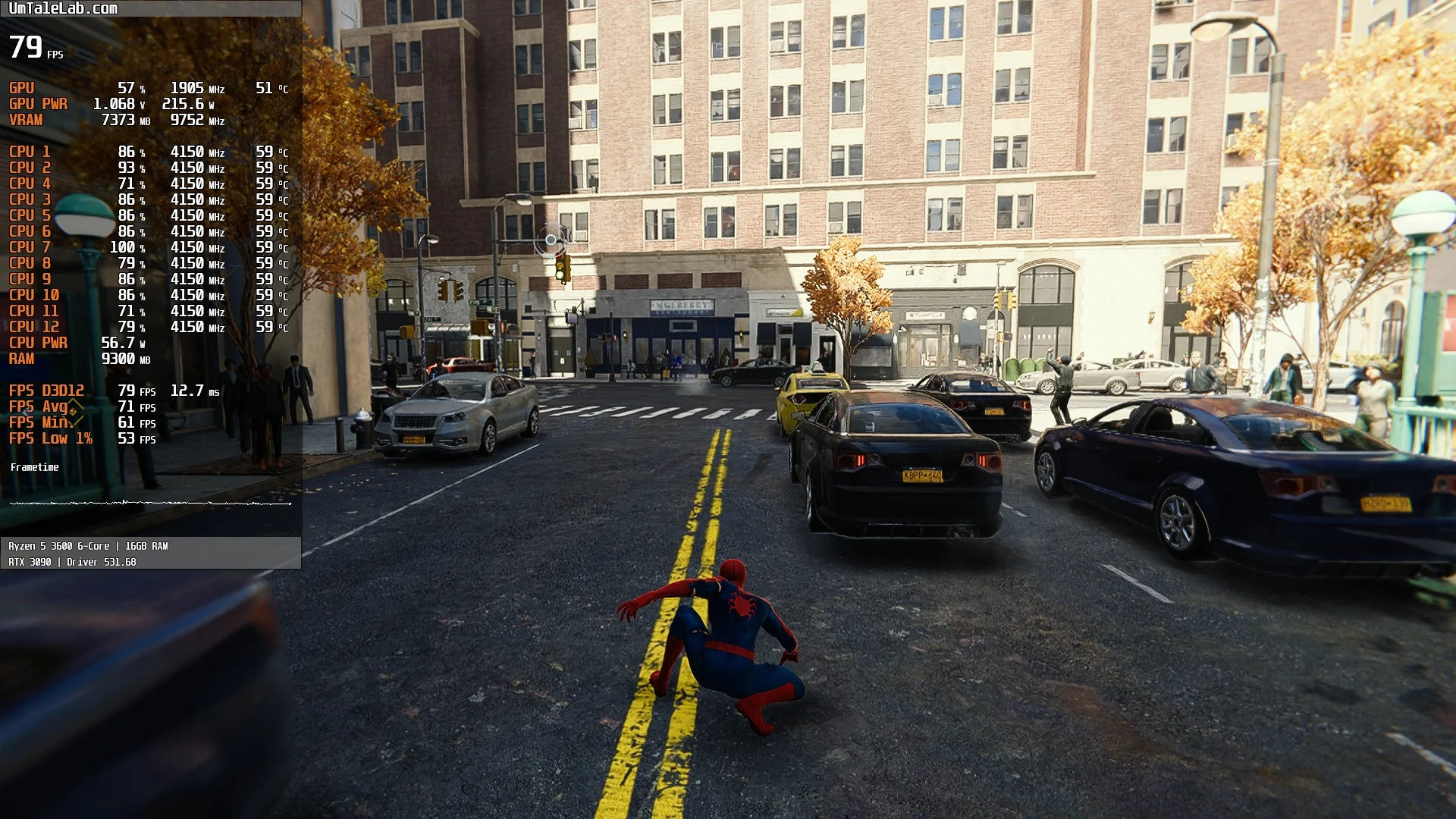
 ⤢ ВІДКРИТИ
Ray Tracing – OFF
 ⤢ ВІДКРИТИ
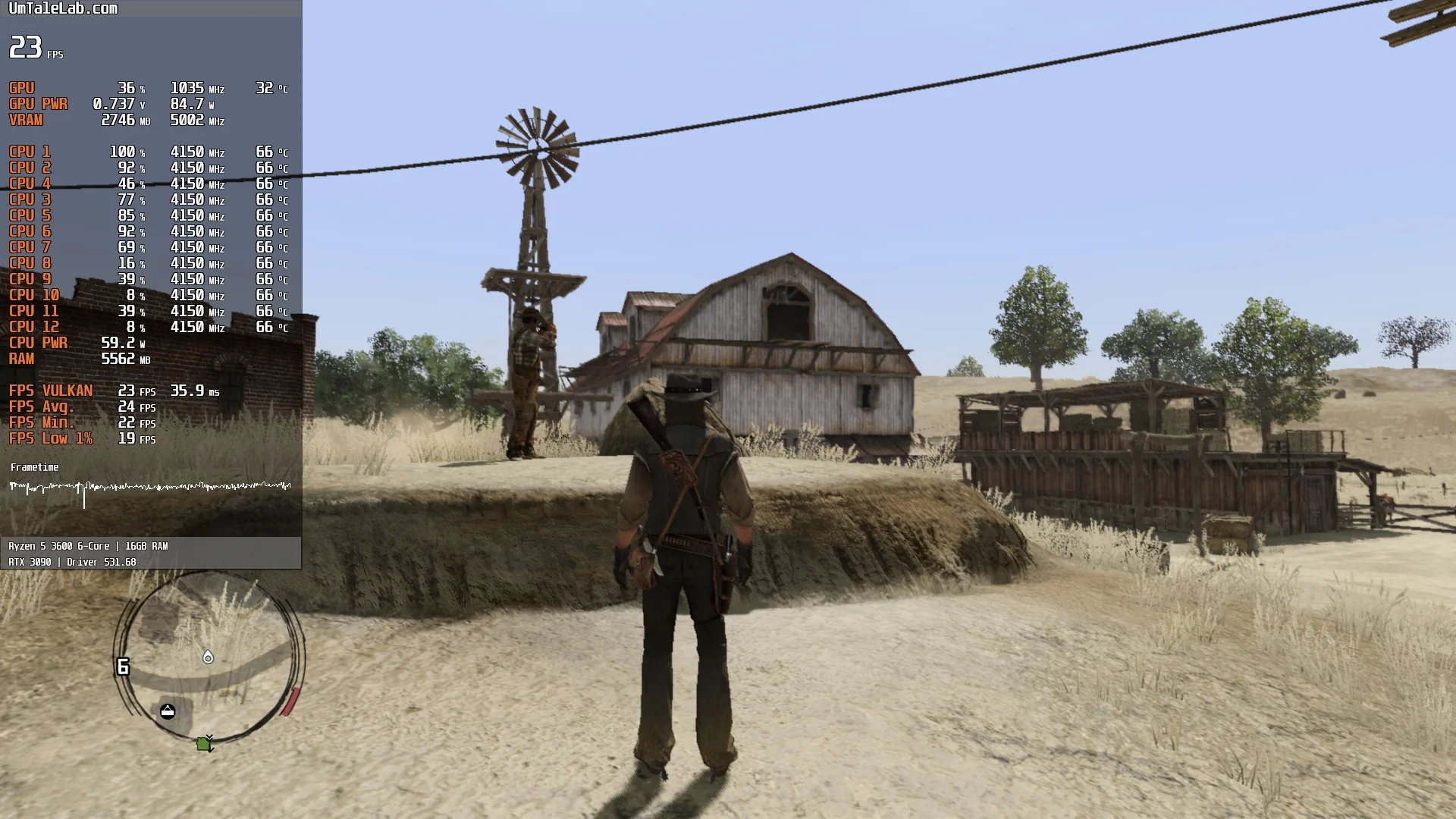
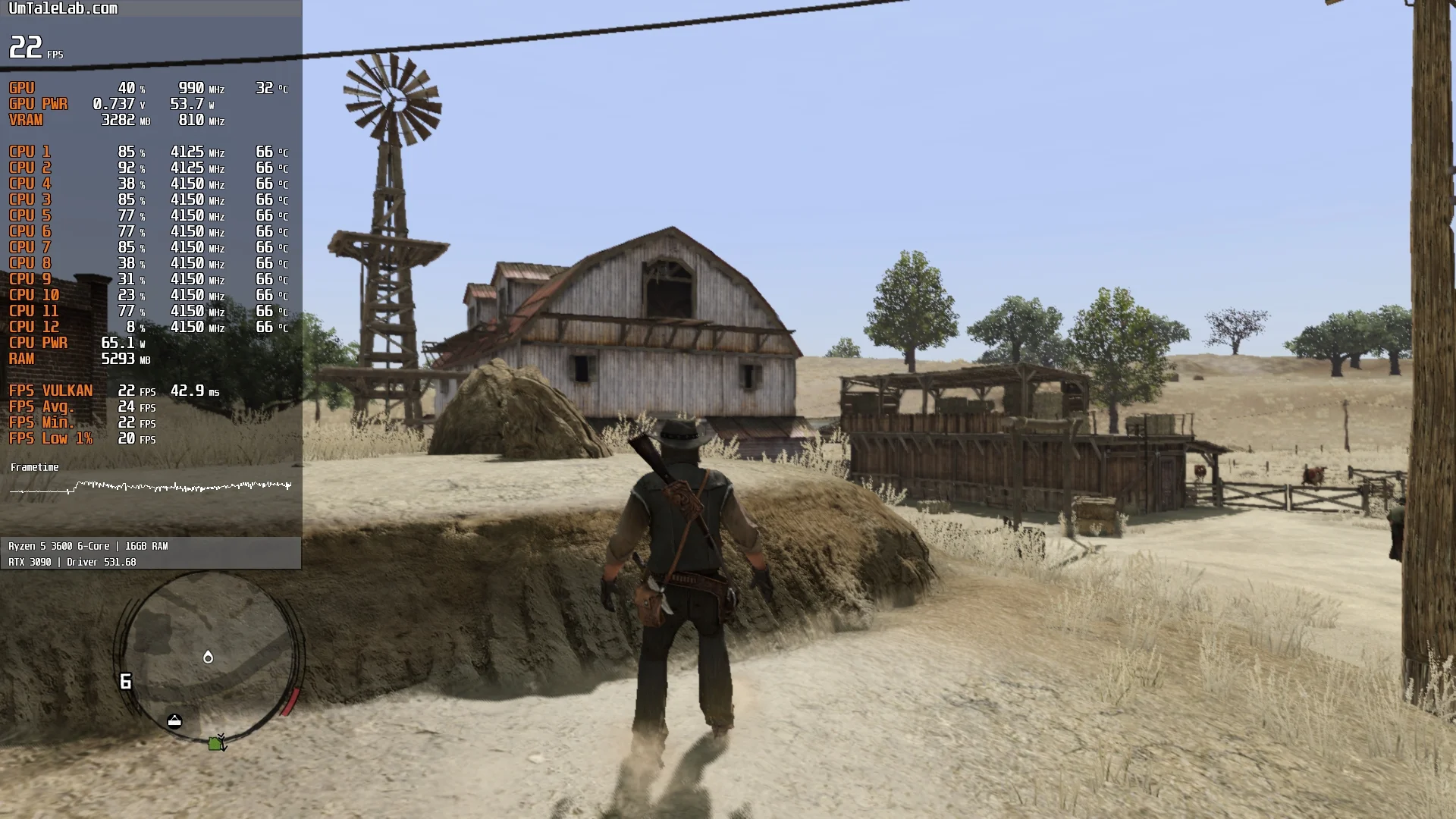
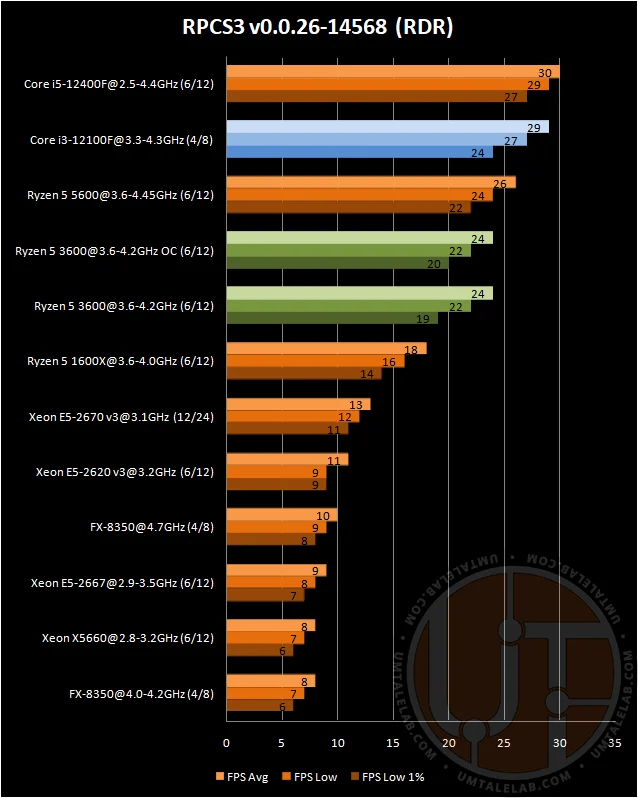
RPCS3 – PlayStation 3 emulator. Red Dead Redemption
 ⤢ ВІДКРИТИ
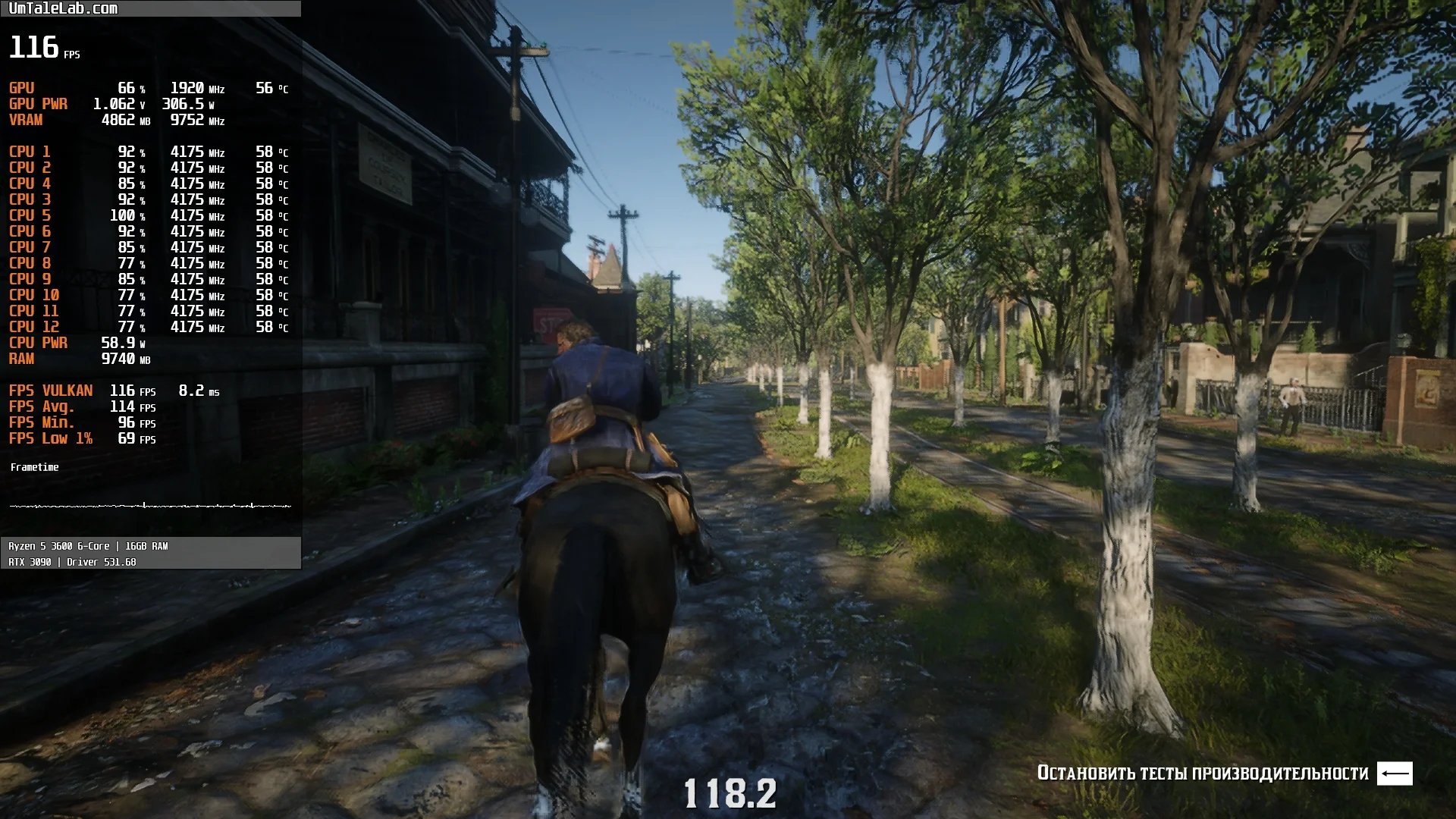
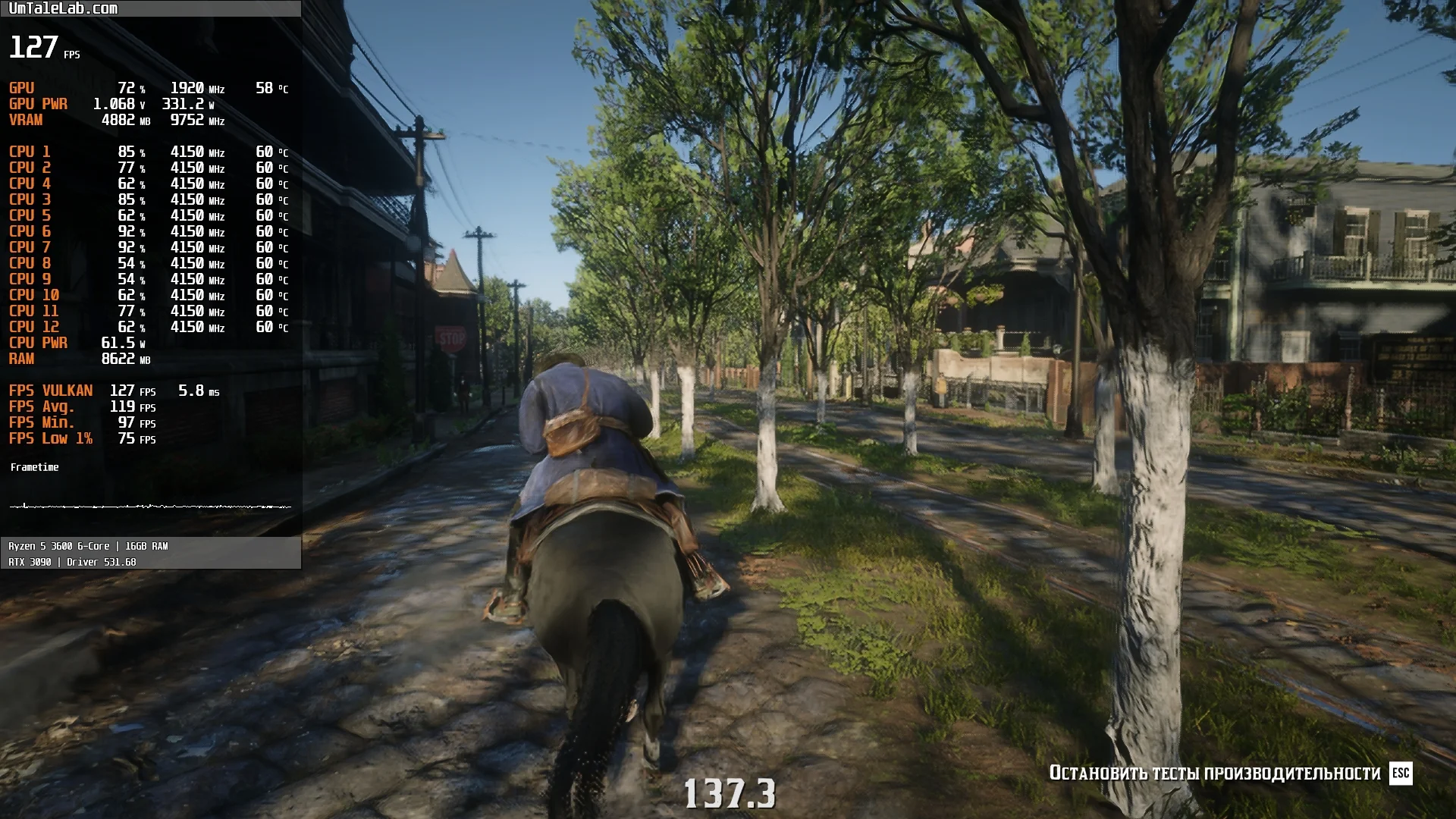
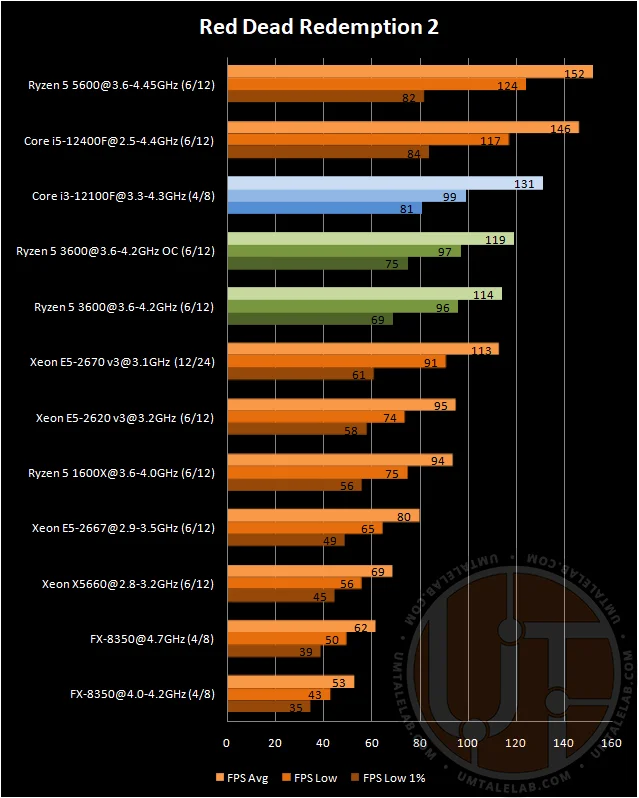
Red Dead Redemption 2
 ⤢ ВІДКРИТИ
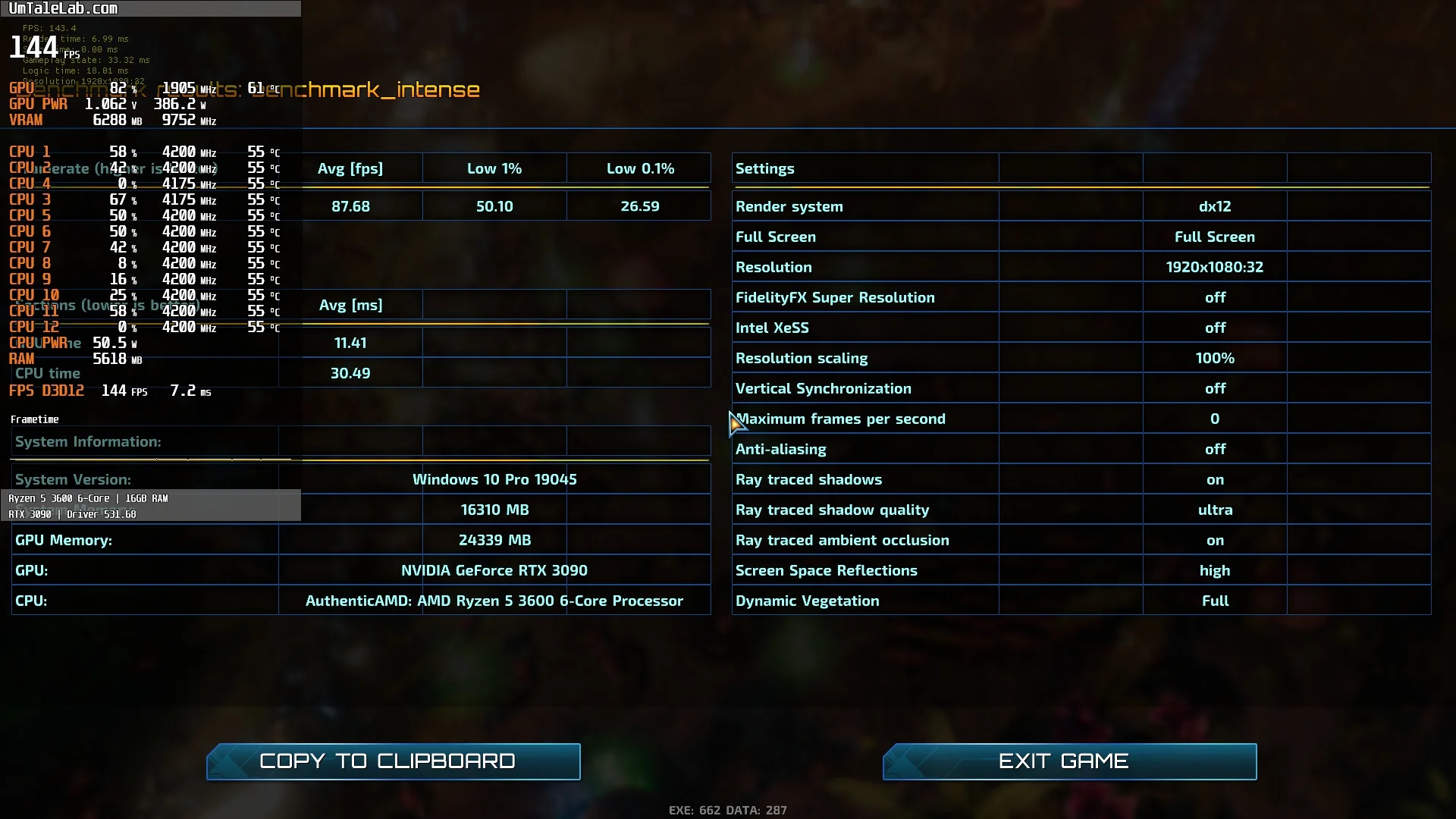
The Riftbreaker
 ⤢ ВІДКРИТИ
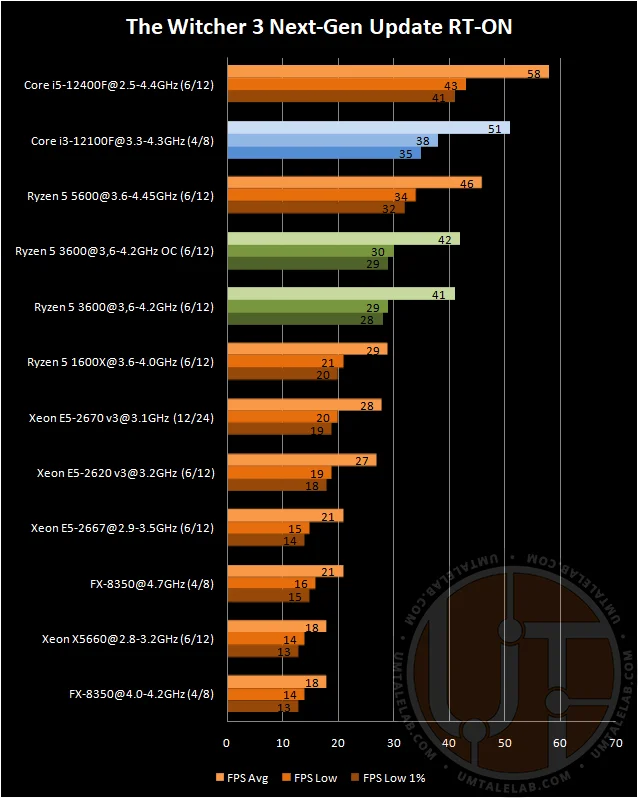
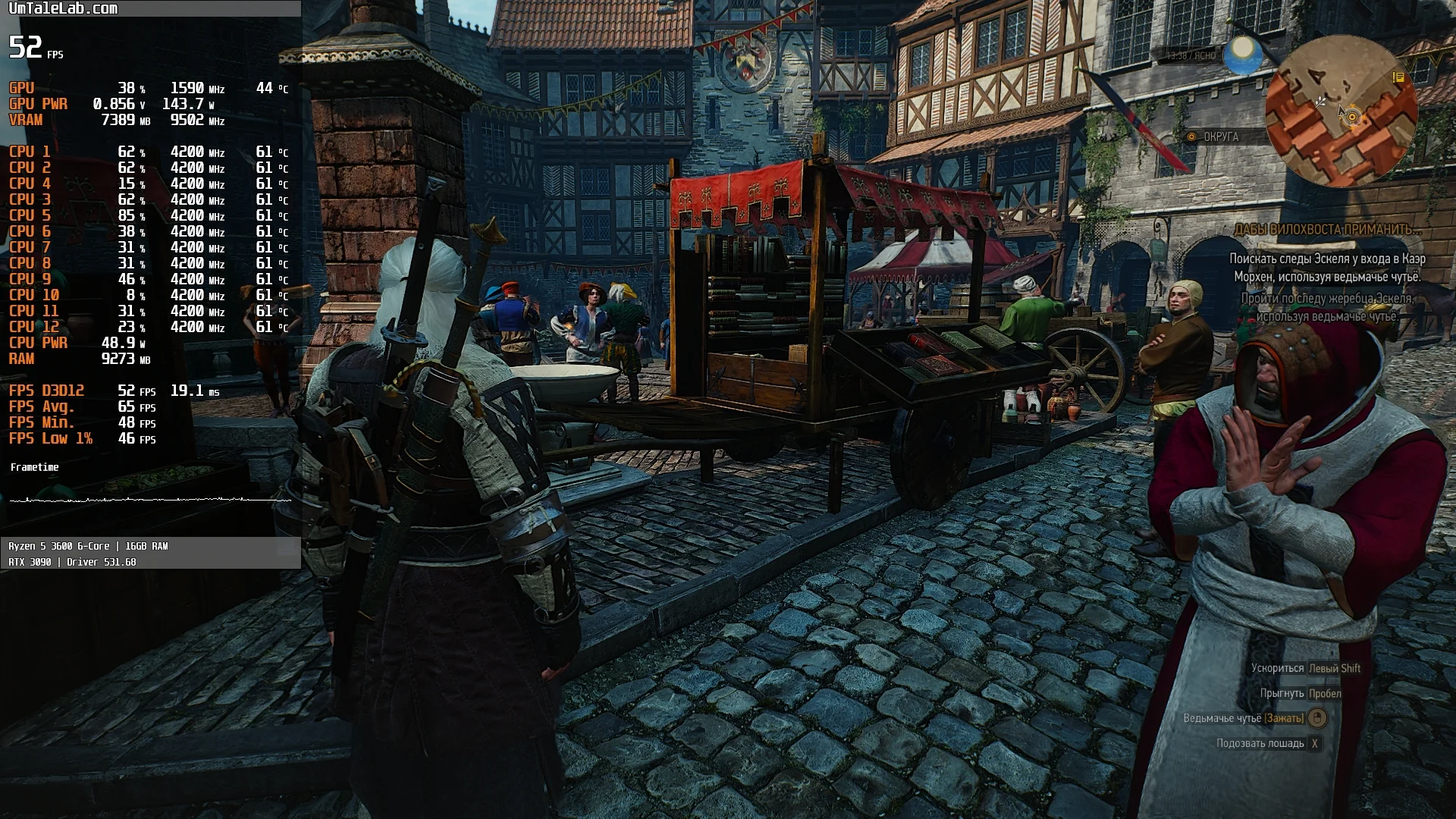
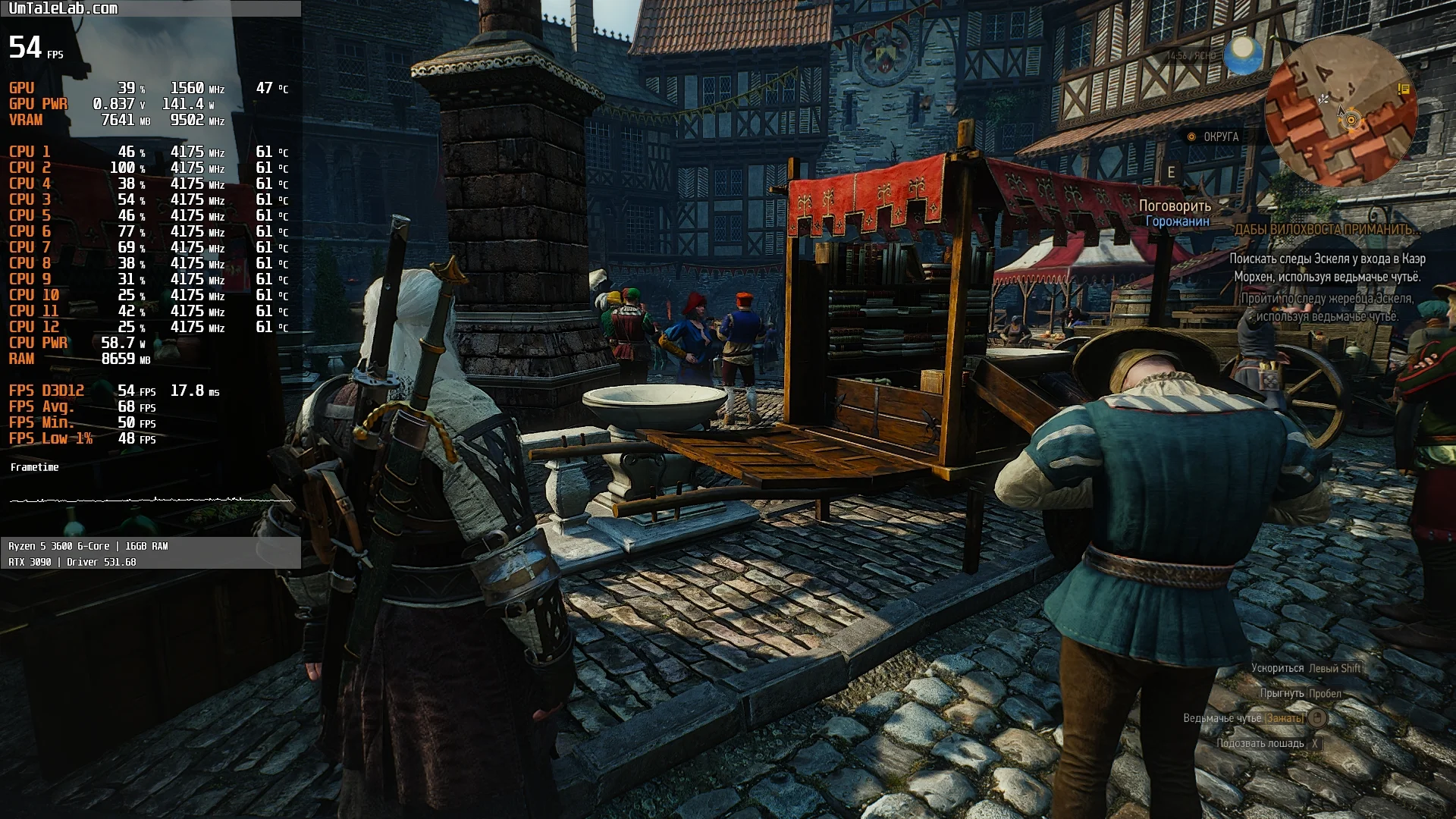
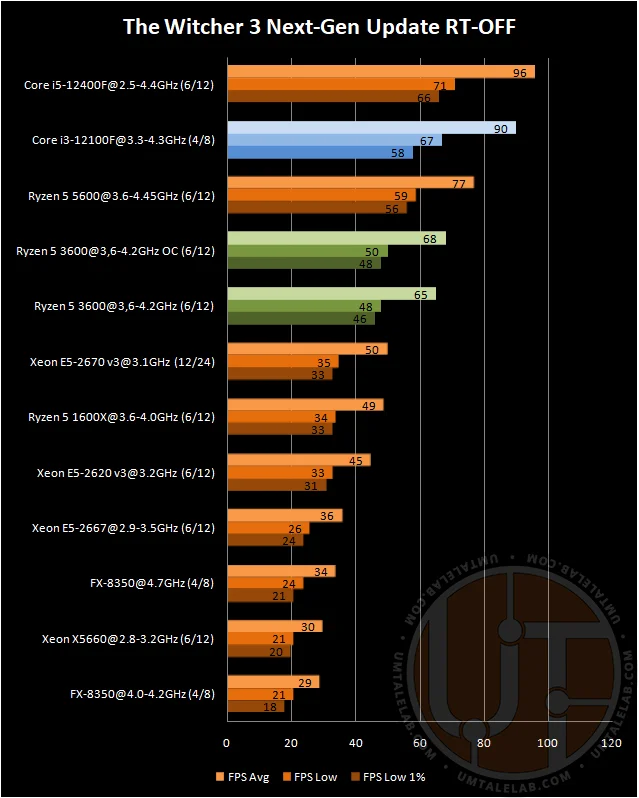
The Witcher 3 Next-Gen Update 4.02 (Complete Edition)
Ray Tracing – ON
 ⤢ ВІДКРИТИ
Ray Tracing – OFF
 ⤢ ВІДКРИТИ
Watch Dogs Legion
Ray Tracing – ON
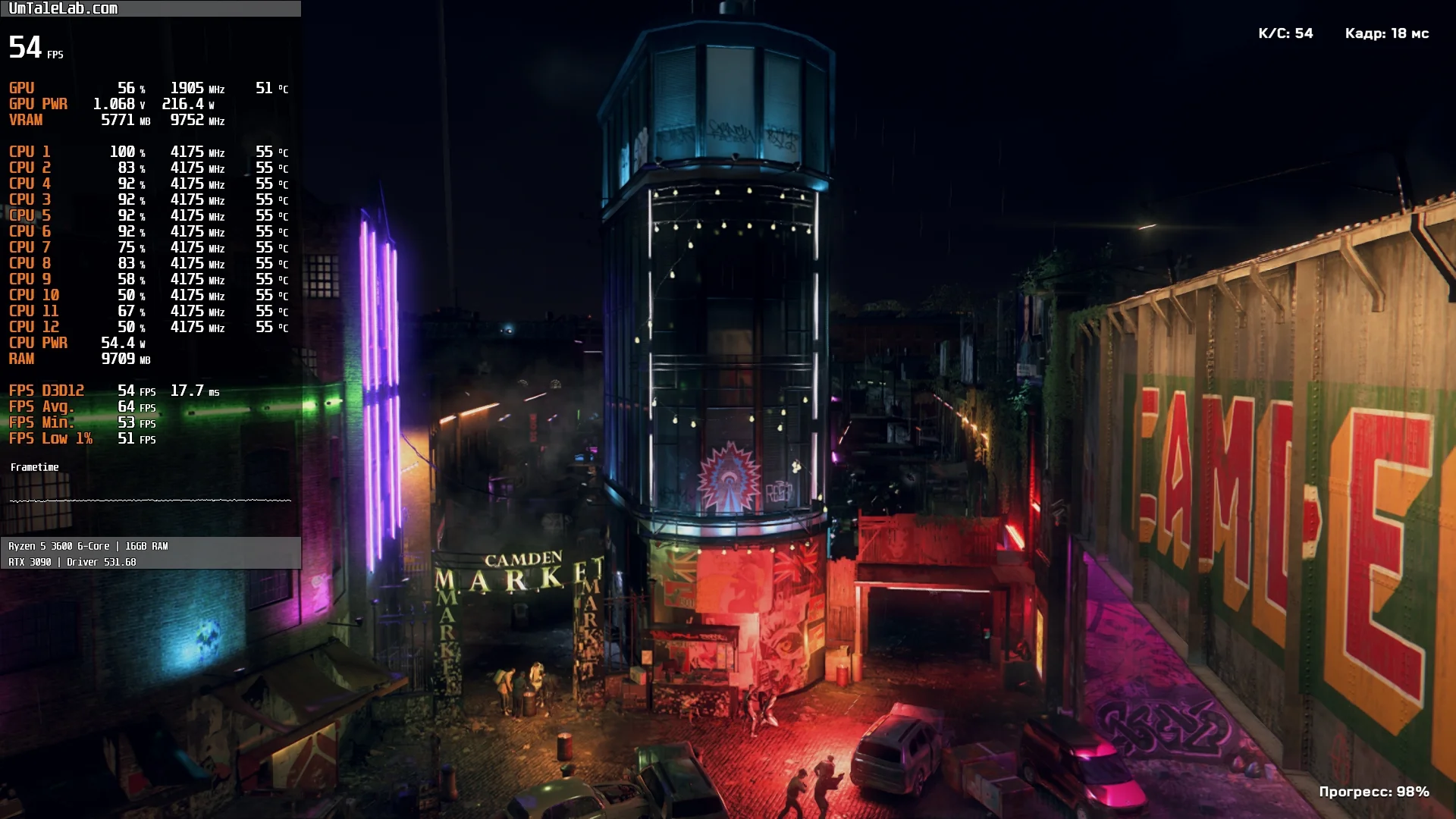
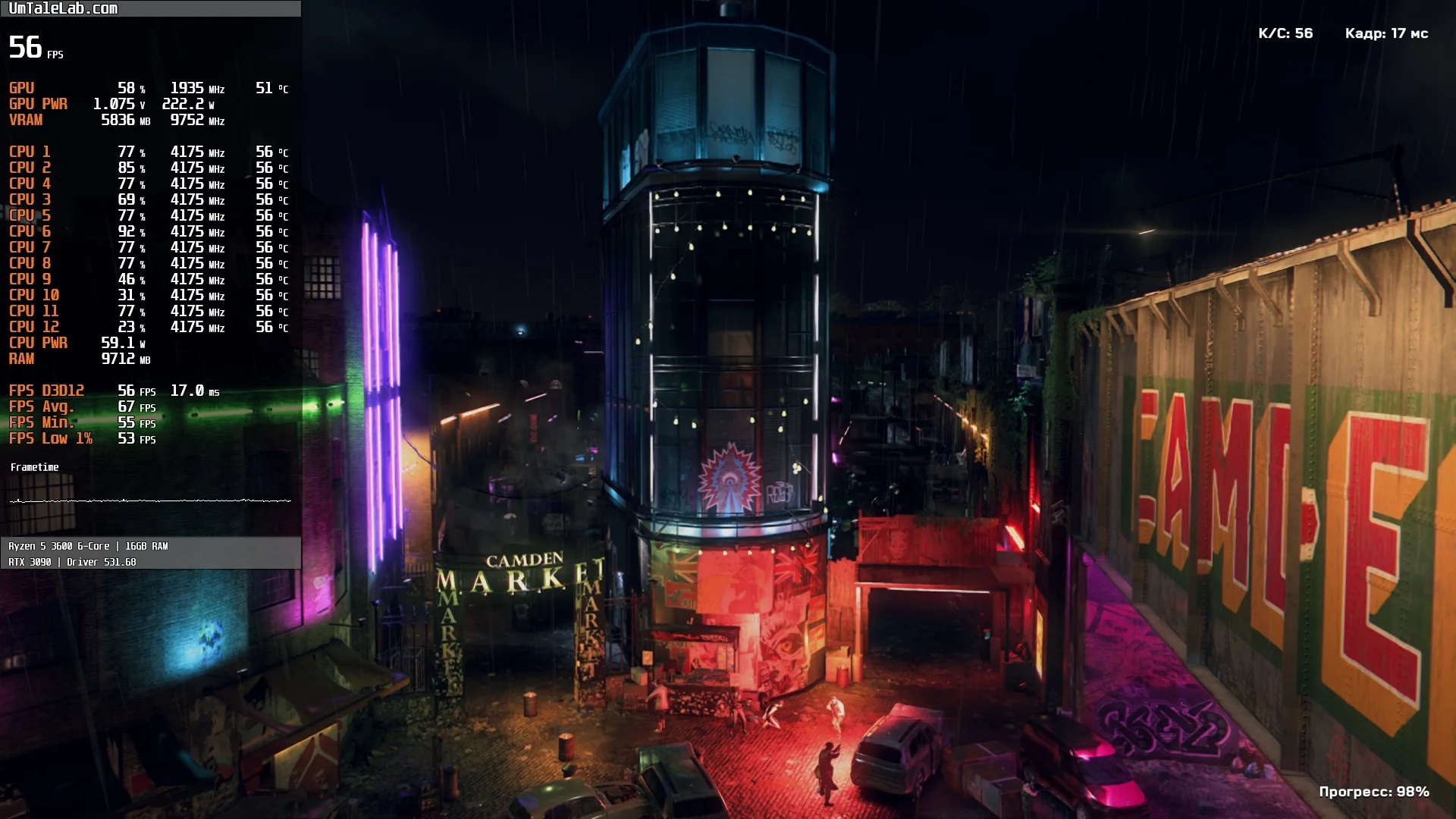
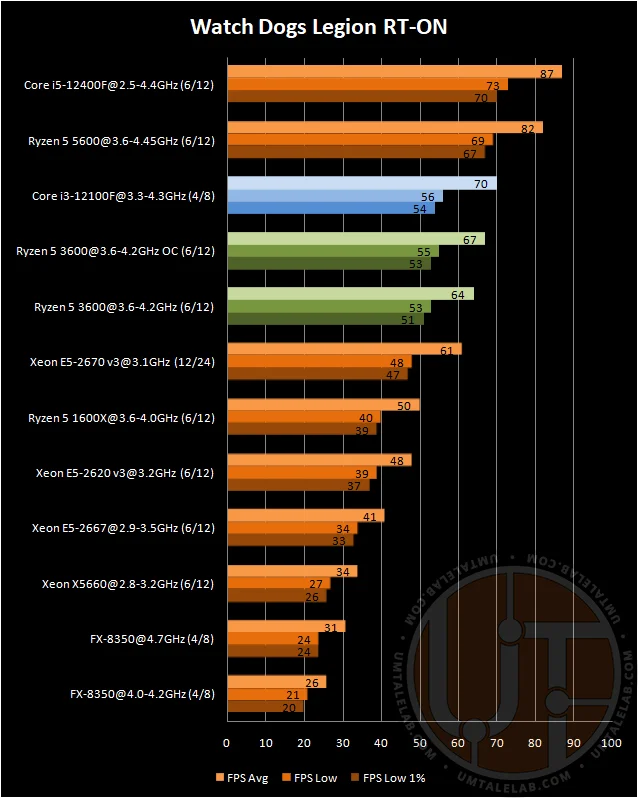 ⤢ ВІДКРИТИ
Ray Tracing – OFF
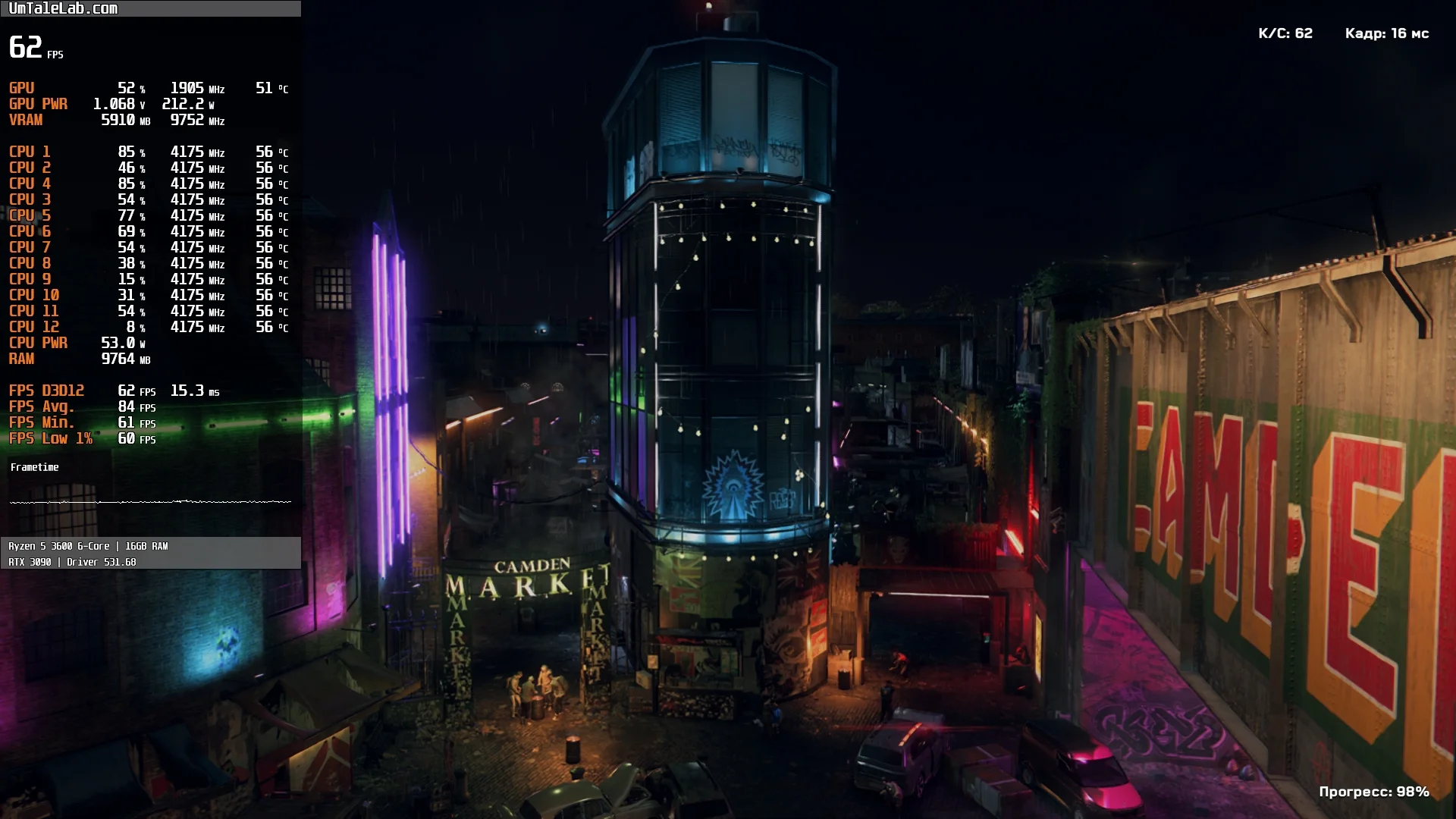
 ⤢ ВІДКРИТИ
Ryzen 5 3600 vs. Core i3-12100F: 12-game comparison
Game: | Ryzen 5 3600 | Core i3-12100F |
|---|---|---|
Assassins Creed Valhalla | 16.28% | |
Battlefield 2042 RT | 12.88% | |
Battlefield 2042 | 16.98% | |
Cyberpunk 2077 RT | 18.75% | |
Cyberpunk 2077 | 18.69% | |
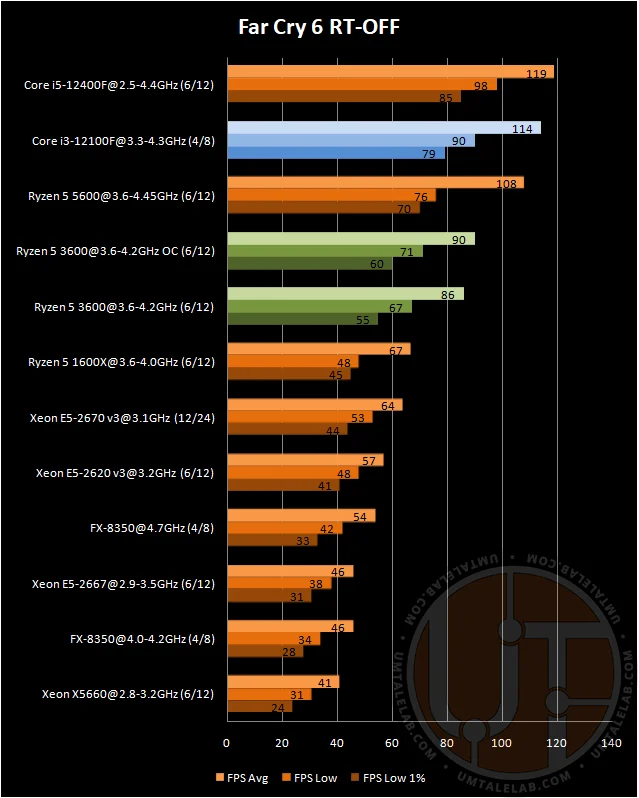
Far Cry 6 RT | 29.33% | |
Far Cry 6 | 32.56% | |
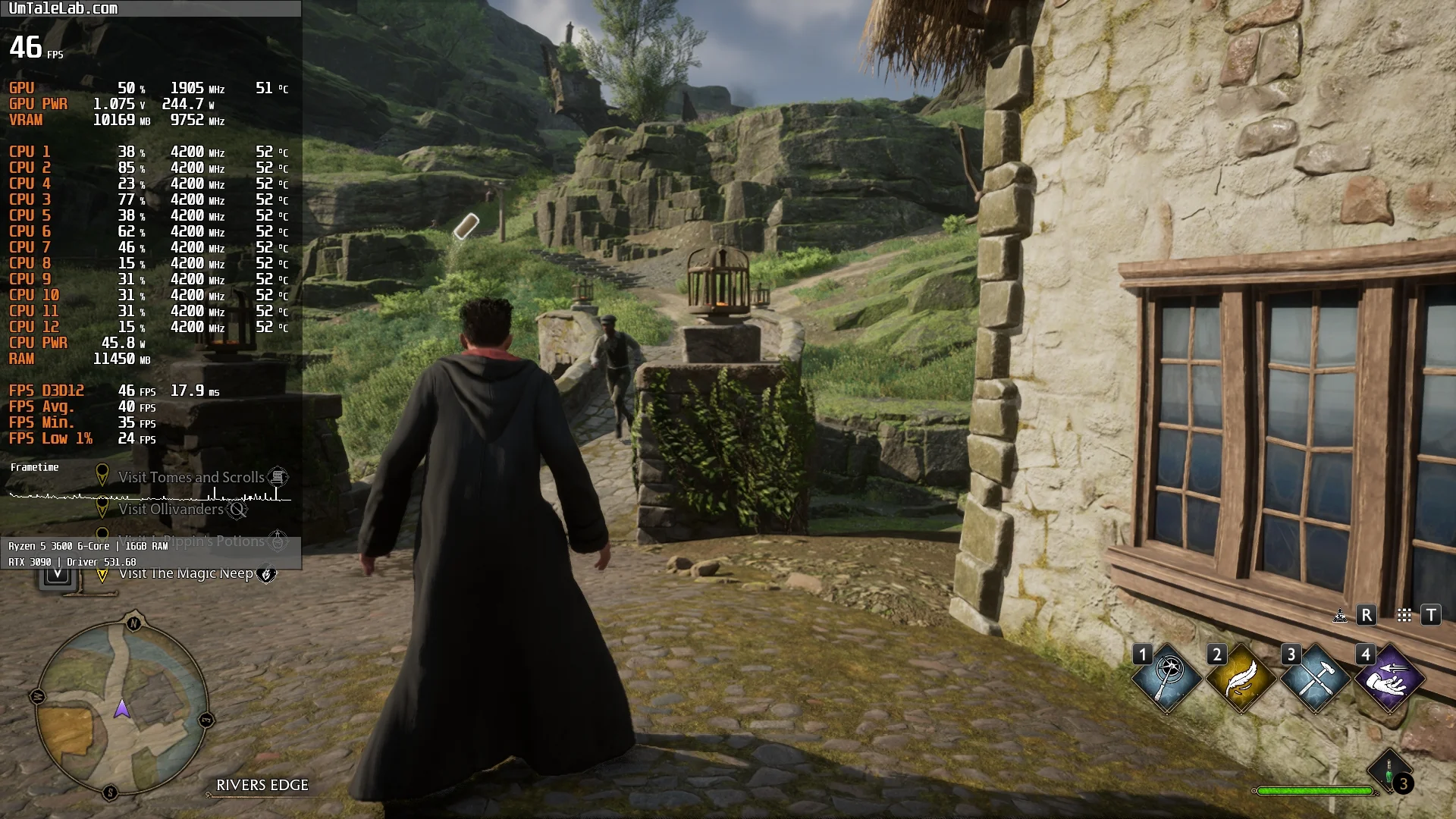
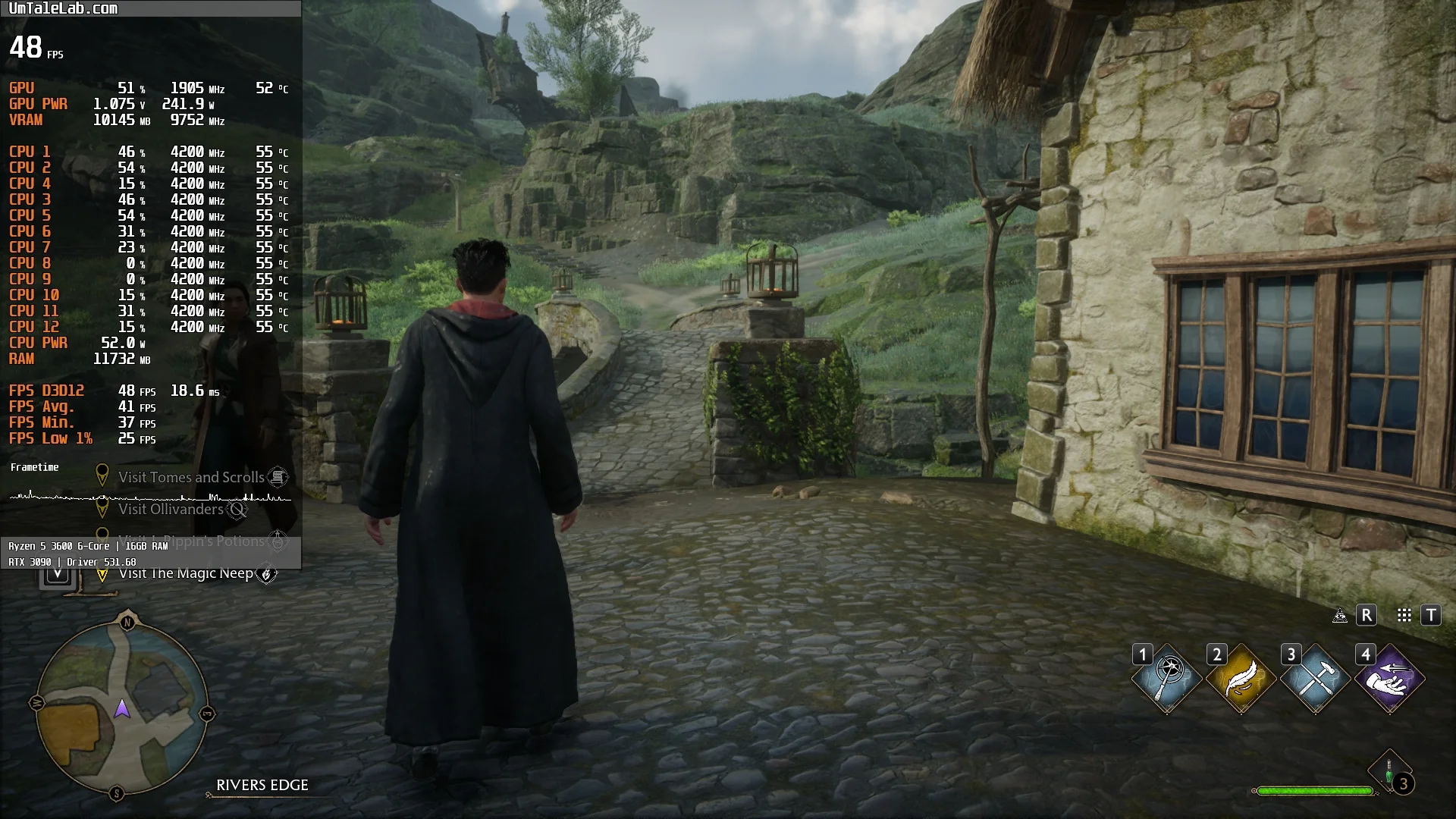
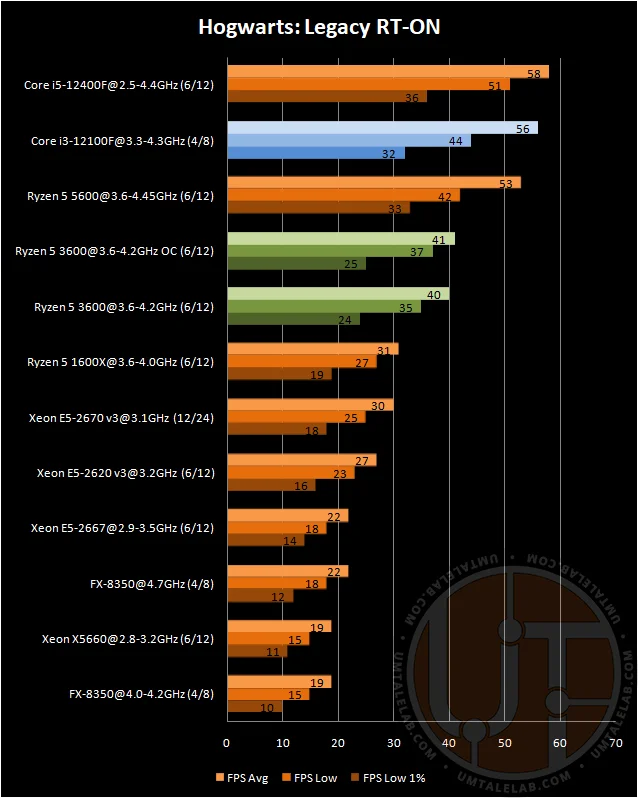
Hogwarts Legacy RT | 40% | |
Hogwarts Legacy | 34.43% | |
Marvel’s Spider-Man RT | 16.9% | |
Marvel’s Spider-Man | 24.74% | |
RPCS3 – emulator | 20.83% | |
Red Dead Redemption 2 | 14.91% | |
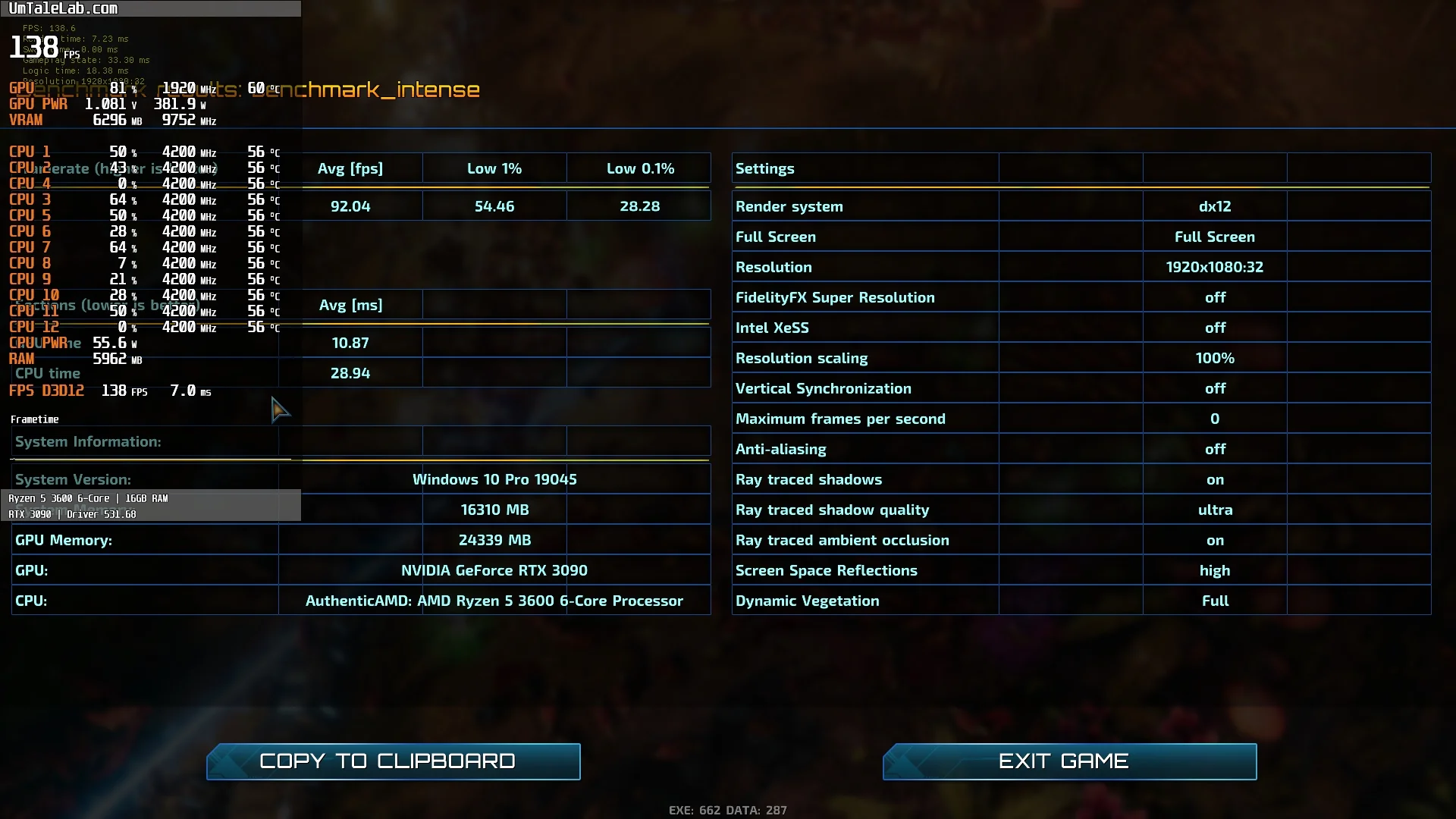
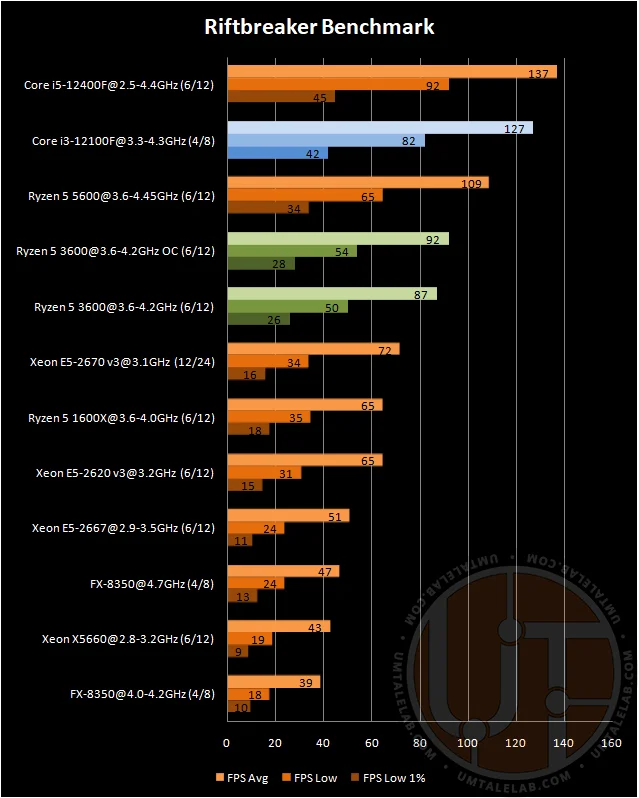
The Riftbreaker | 45.98% | |
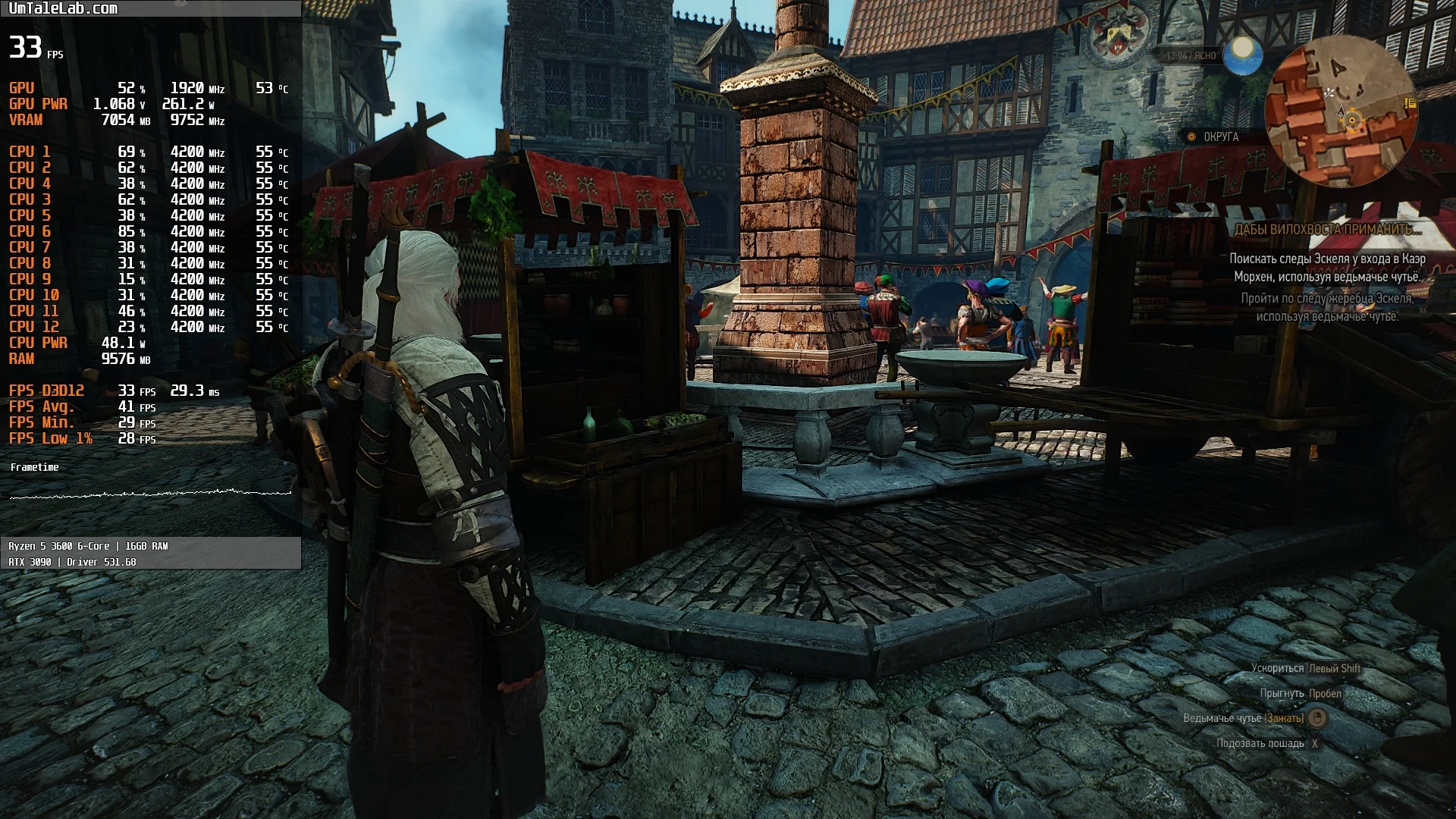
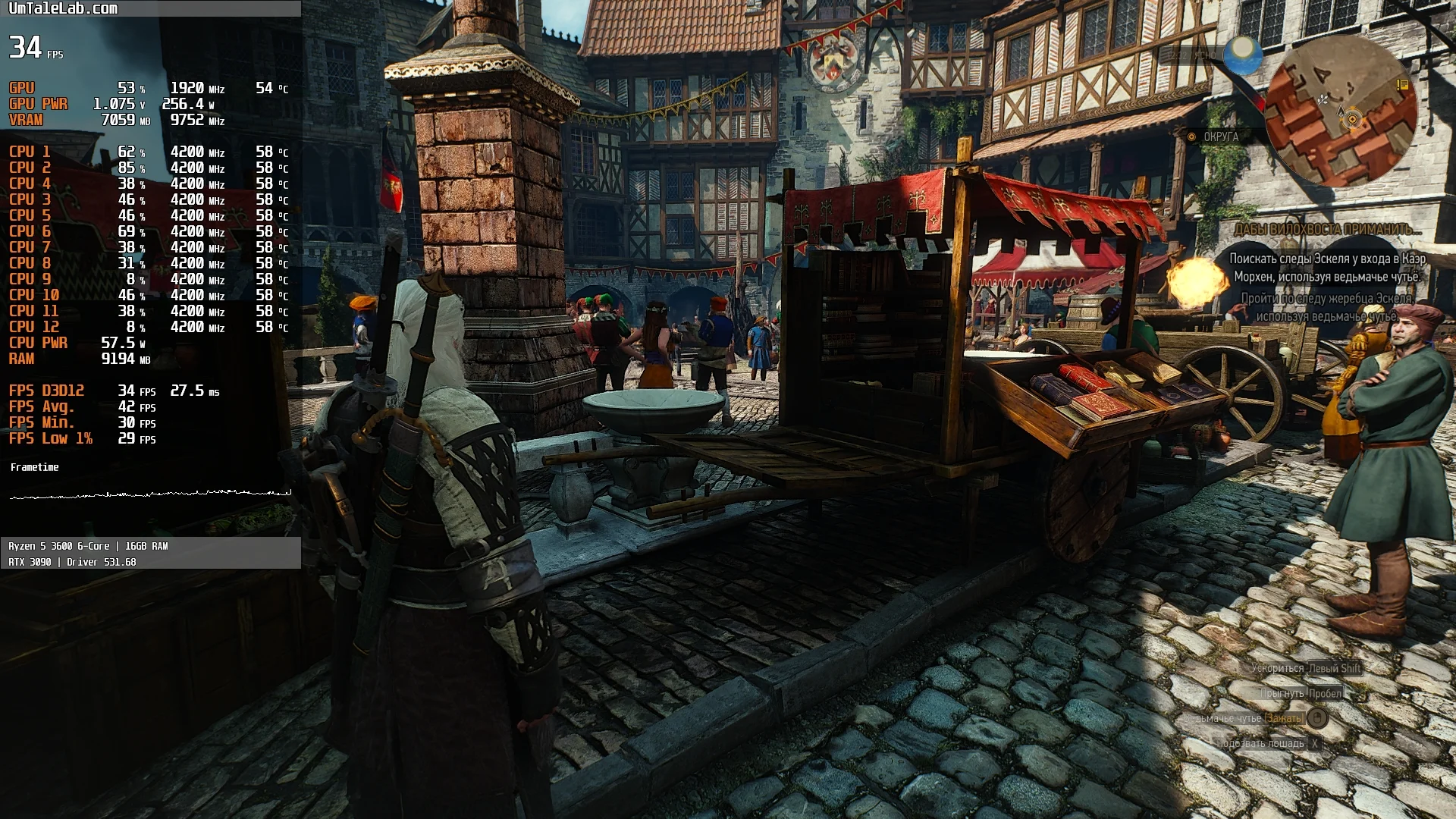
The Witcher 3 Next-Gen RT | 24.39% | |
The Witcher 3 Next-Gen | 38.46% | |
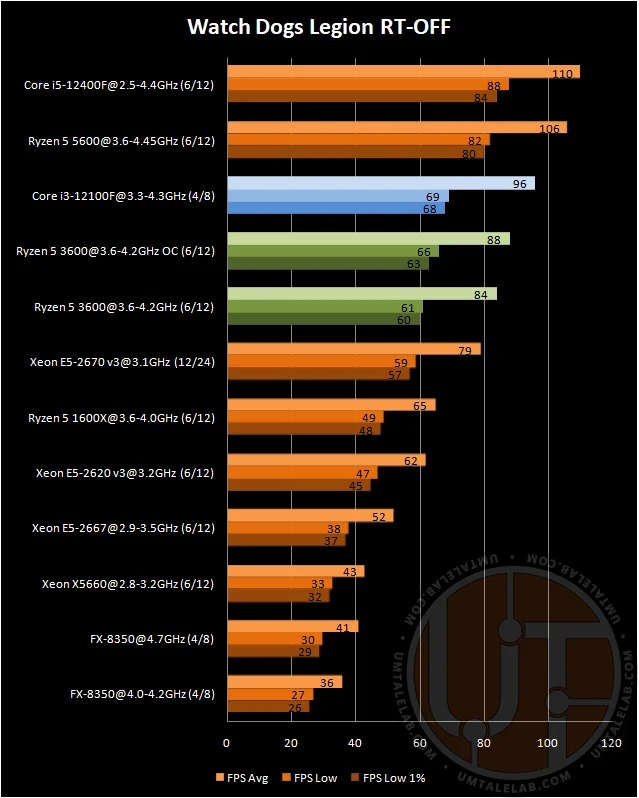
Watch Dogs Legion RT | 9.38% | |
Watch Dogs Legion | 14.29% |
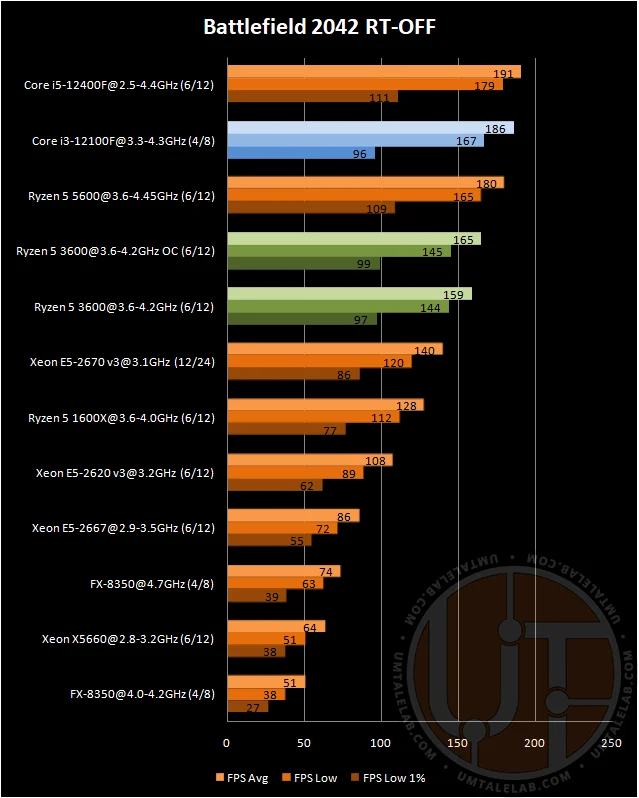
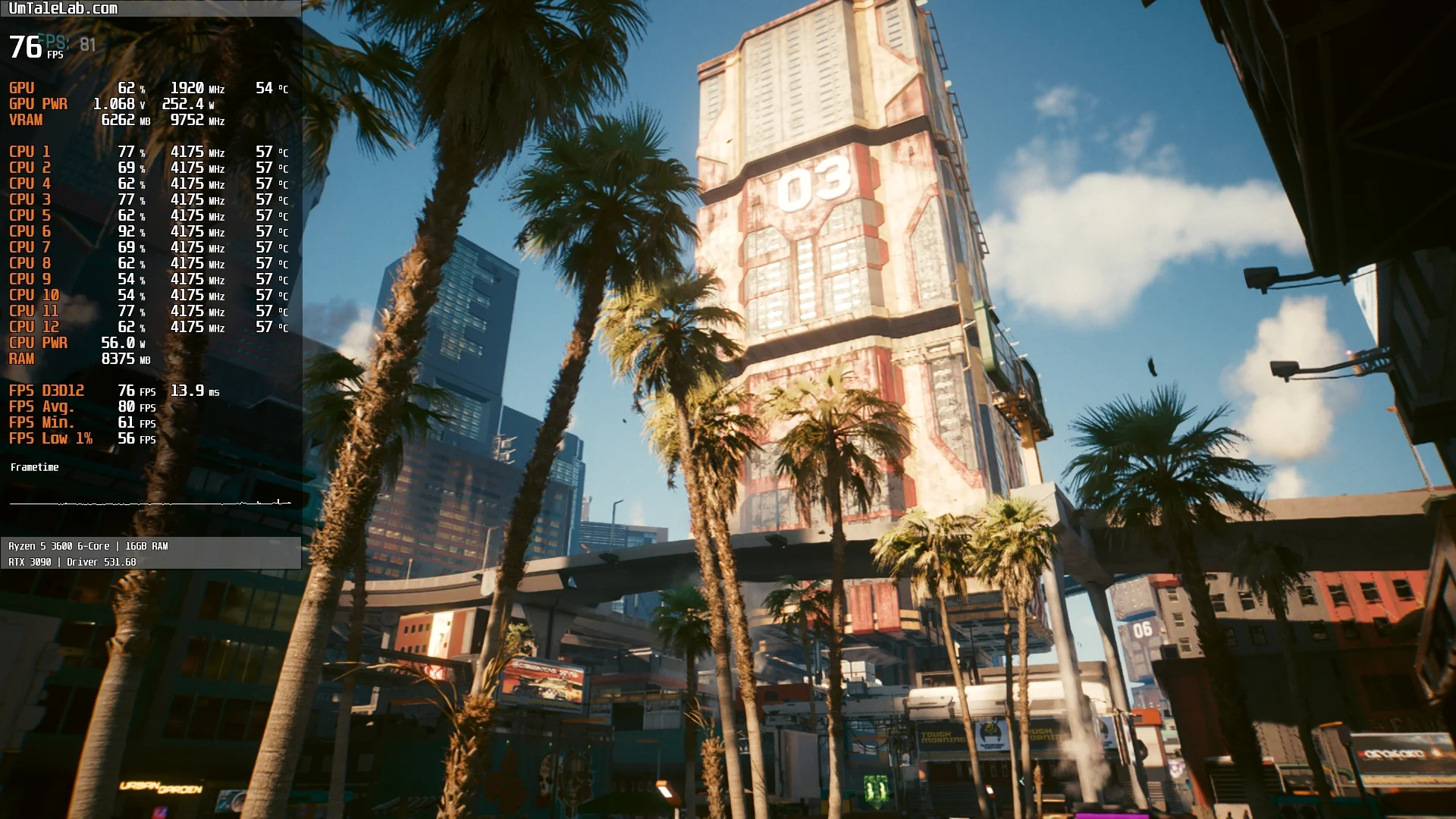
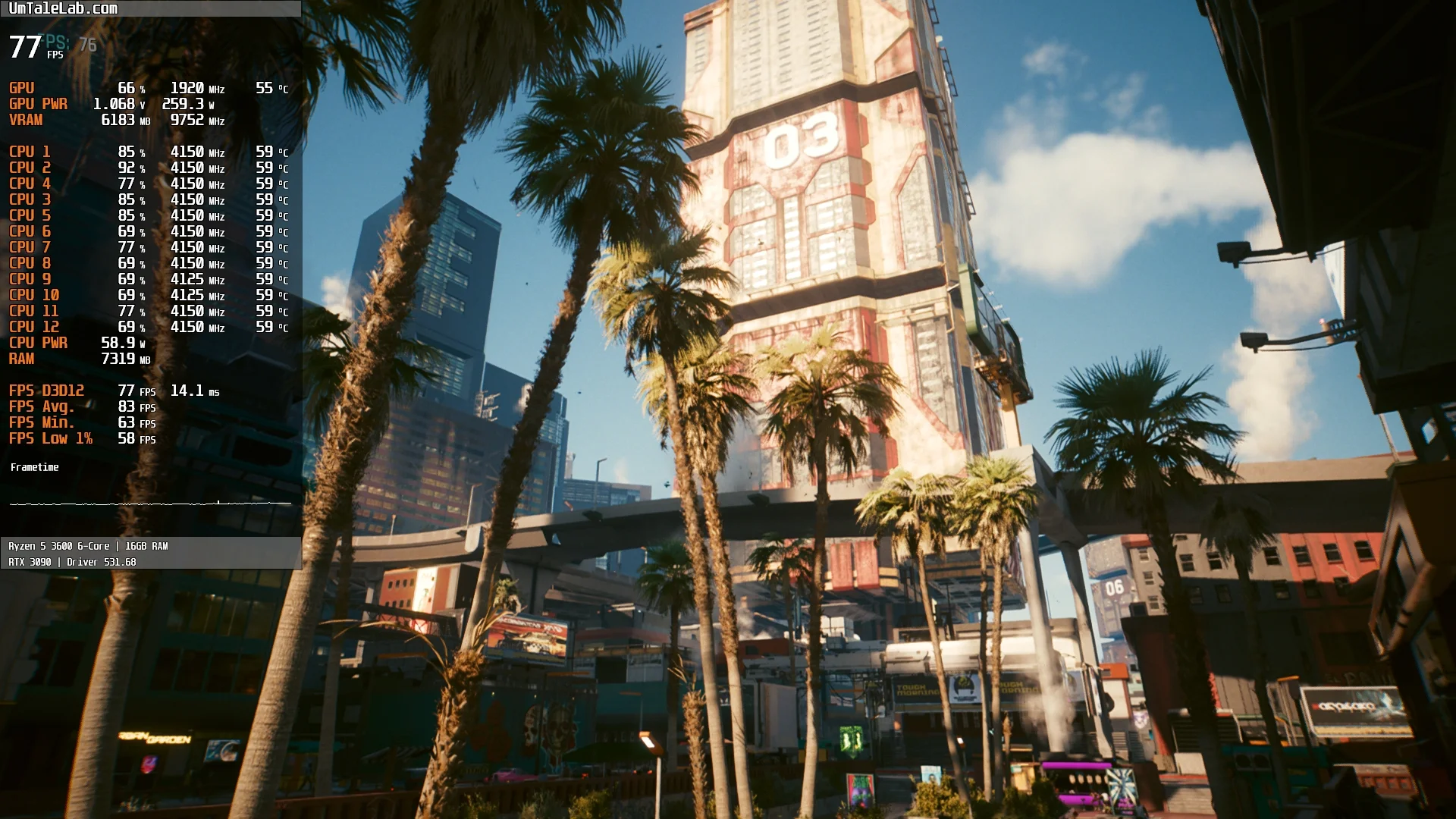
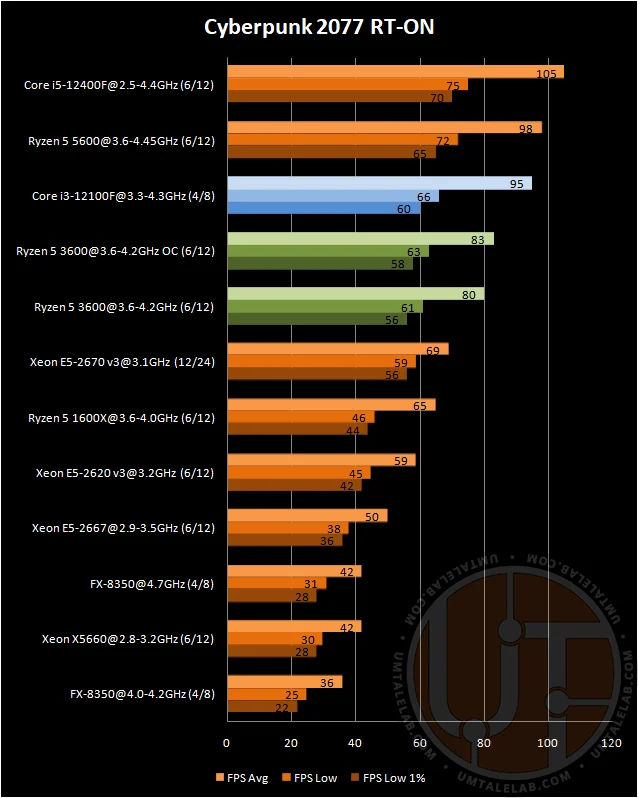
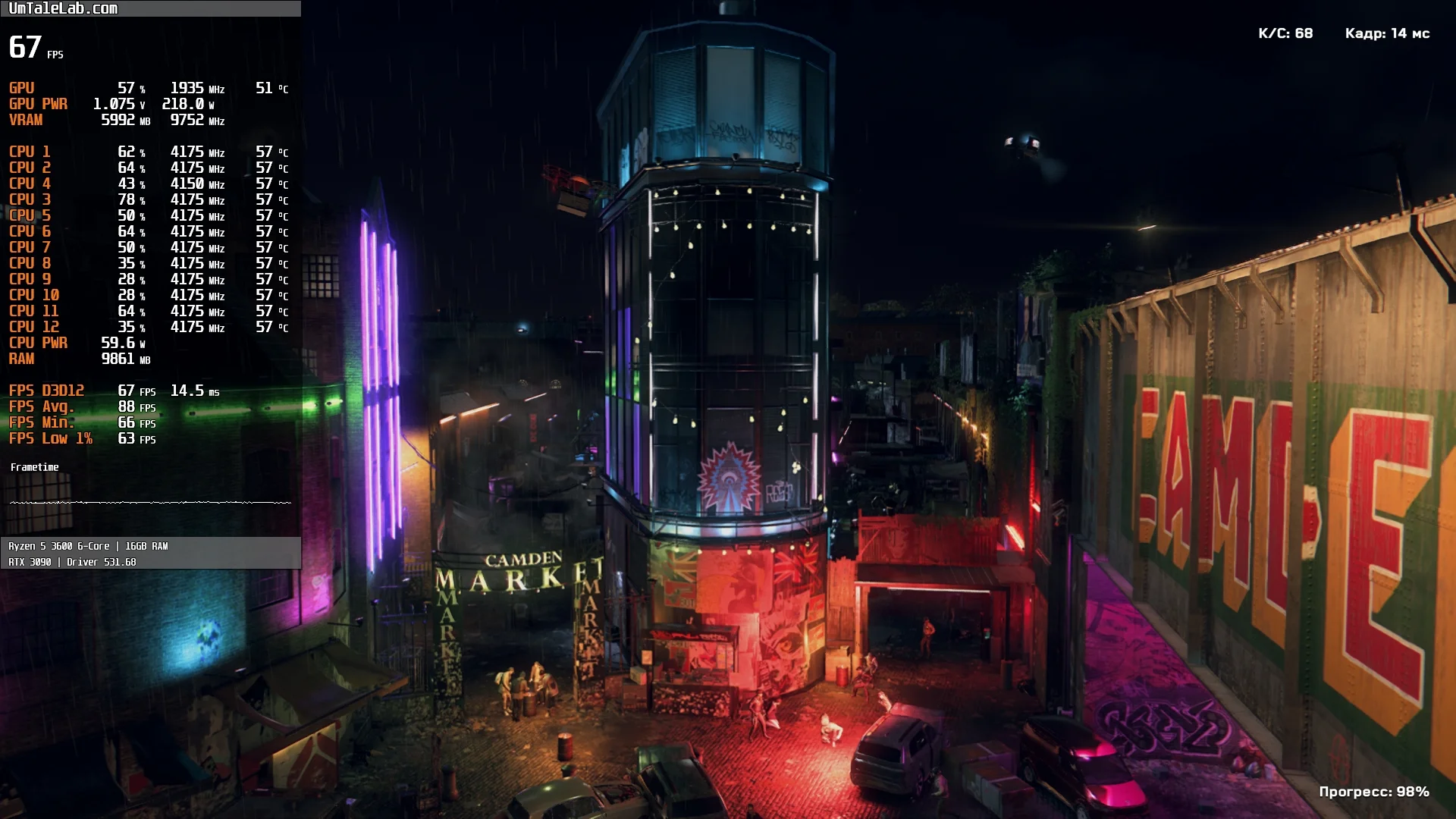
In real-world gaming, the 6-core Zen 2 significantly lags behind the 4-core Alder Lake. The Core i3-12100F can show an impressive advantage of up to 46%. While the Ryzen 5 3600 does narrow the gap in well-optimized, multi-threaded titles like Watch Dogs Legion, AMD's six-core CPU still couldn't outperform Intel's quad-core in any of the tested games.
It's also worth highlighting the impressive performance of the Intel Core i3-12100F, which often rivals the 6-core Ryzen 5 5600.
Ryzen 5 3600 DDR4@3200MHz vs. DDR4@3600MHz: The difference
Game: | Ryzen 5 3600 DDR4@3200MHz | Ryzen 5 3600 DDR4@3600MHz |
|---|---|---|
Assassins Creed Valhalla | 6.2% | |
Battlefield 2042 RT | 6.06% | |
Battlefield 2042 | 3.77% | |
Cyberpunk 2077 RT | 3.75% | |
Cyberpunk 2077 | 3.74% | |
Far Cry 6 RT | 2.67% | |
Far Cry 6 | 4.65% | |
Hogwarts Legacy RT | 2.5% | |
Hogwarts Legacy | 3.28% | |
Marvel’s Spider-Man RT | 0% | |
Marvel’s Spider-Man | 2.04% | |
RPCS3 – emulator | 0% | |
Red Dead Redemption 2 | 4.39% | |
The Riftbreaker | 5.75% | |
The Witcher 3 Next-Gen RT | 2.44% | |
The Witcher 3 Next-Gen | 4.62% | |
Watch Dogs Legion RT | 4.69% | |
Watch Dogs Legion | 4.76% |
Performance gains from overclocking RAM from 3200MHz to 3600MHz range from 0% in the RPCS3 emulator to 6% in Assassins Creed Valhalla, but on average, they don't exceed 5%.
Summary
 ⤢ ВІДКРИТИ
The Ryzen 5 3600 has proven to be an incredibly mixed bag. In digital content creation, the 6-core Zen 2 couldn't really shine, overshadowed by the significantly cheaper and more powerful Xeon E5-2670 v3. What's more, its lead over the Core i3-12100F wasn't particularly noticeable.
In gaming, the Ryzen 5 3600 performed rather poorly. It couldn't compete with the Core i3-12100F in any title, which leaves this CPU in a highly awkward spot overall.
The Intel chip carries the same recommended price, whether it's the BOX or Tray version. A system built around it also costs roughly the same, but it offers a much more promising upgrade path, allowing users to jump to either higher-end 12th-gen CPUs or directly to 13th-gen processors.
Granted, the Intel chip only features four cores and lacks overclocking potential. However, the i3-12100F counters with an advanced architecture and high single-threaded performance. This remains a highly valuable characteristic across many CPU applications, including gaming and web browsing.
There's one crucial caveat, though: if you're already running a Ryzen 1000 or 2000-based system, the Ryzen 5 3600 makes for a decent budget upgrade, offering a substantial performance boost for relatively little cash.
Ultimately, these are just our conclusions. We've given you food for thought, and as always, the choice is yours.