TESTS · CPU · AMD
PUBLISHED
READING6 min
AMD FX-8350 quick test with DDR3 2133 MHz memory
A quick look at the AMD FX-8350 with DDR3 2133 MHz. It excels in rendering and encoding but falls flat in games, making it ideal for budget-friendly workstation builds.
AMD FX processors from the Vishera generation are often compared to fine wine: they only get better with age. Given this common enthusiast sentiment, it's a shame I only had limited access to the ASUS M5A97 LE (rev. 2) motherboard and an AMD FX-8350. This isn't a full-fledged review, but the unique testing conditions make it worth a read.
This isn't our last look at AMD processors; we'll definitely revisit these CPUs soon. For now, let's dive into today's subject:
Processor
 ⤢ ВІДКРИТИ
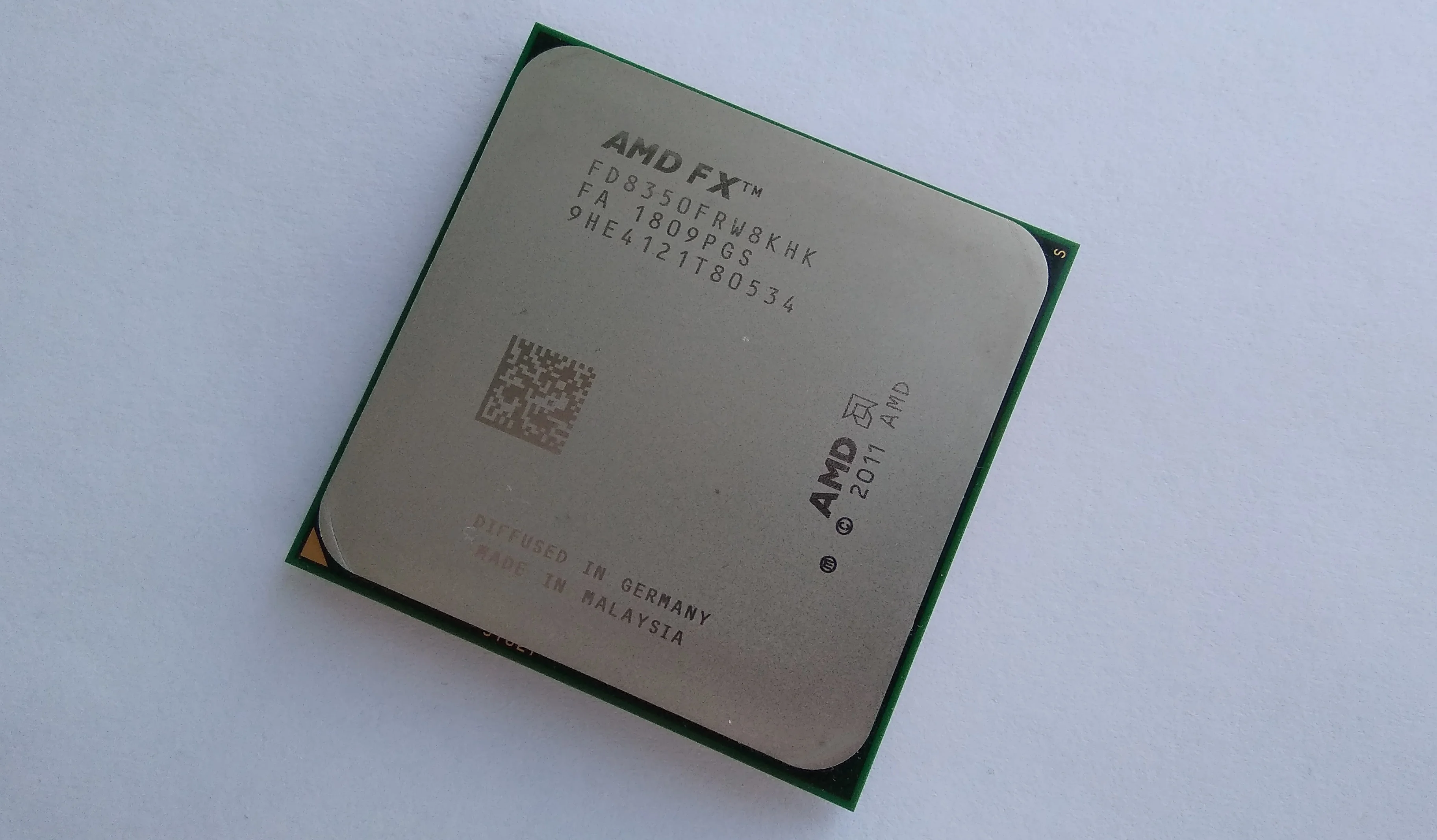
Our AMD FX-8350 sample, indicated by its markings, was manufactured in March 2018. This chip features four modules, or eight threads (some might say eight cores), and runs at a 4000 MHz base clock. While its turbo boost should automatically hit 4200 MHz, our test motherboard rarely saw it reach that peak, typically settling around 4100 MHz.
The FX-8350 CPU's cache configuration includes 16 KB of L1 cache per core, 2 MB of L2 cache per module, and a shared 8 MB L3 cache.
This processor is designed for AM3+ motherboards and has a TDP of around 125 W.
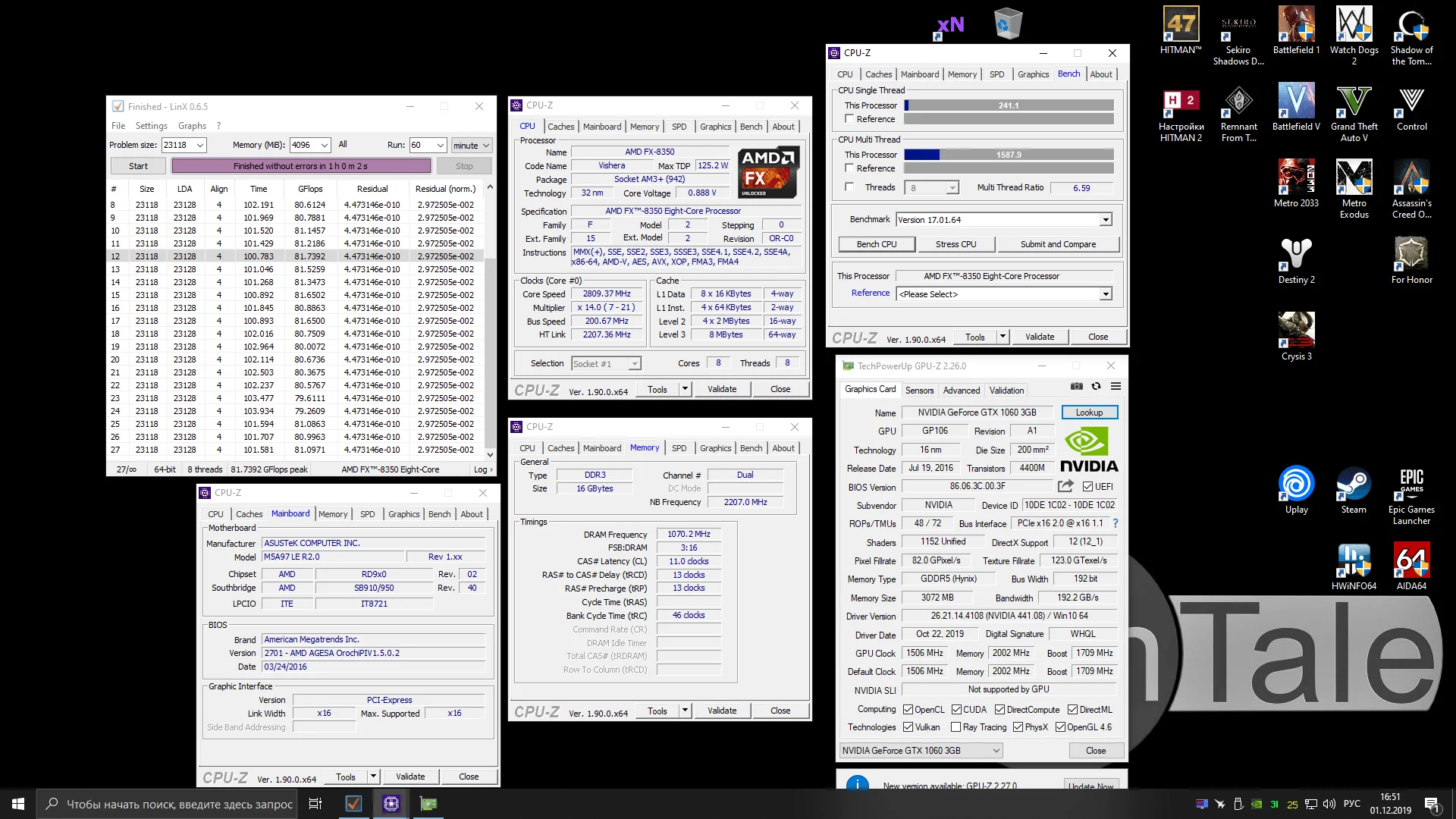
Let's jump straight to the key aspect of this review: the AMD FX-8350 was tested with DDR3 2133 MHz RAM:
 ⤢ ВІДКРИТИ
Comparison table of test participants:
Processor | Xeon X5660 | Xeon X5570 | Xeon E5-2643 | Core i5-2500K | Xeon X3450 | Xeon X3470 | FX-8350 |
Socket | LGA 1366 | LGA 1366 | LGA 2011 | LGA 1155 | LGA 1156 | LGA 1156 | AM3+ |
Base frequency | 2800 МГц | 2933 МГц | 3300 МГц | 3300 МГц | 2667 МГц | 2933 МГц | 4000 МГц |
Max frequency | 3200 МГц | 3325 МГц | 3500 МГц | 3700 МГц | 3200 МГц | 3600 МГц | 4100 МГц |
Max all-core frequency | 3066 МГц | 3200 МГц | 3400 МГц | 3400 МГц | 2800 МГц | 3200 МГц | 4200 МГц |
Cores/modules | 6 | 4 | 4 | 4 | 4 | 4 | 4 |
Threads | 12 | 8 | 8 | 4 | 8 | 8 | 8 |
Process node | 32 нм | 45 нм | 32 нм | 32 нм | 45 нм | 45 нм | 32 нм |
L2 cache (per core) | 256 КБ | 256 КБ | 256 КБ | 256 КБ | 256 КБ | 256 КБ | 2 МБ |
L3 cache (total) | 12 МБ | 8 МБ | 10 МБ | 6 МБ | 8 МБ | 8 МБ | 8 МБ |
L3/controller frequency | 2666 МГц | 2666 МГц | core-linked | core-linked | 2133 МГц | 2400 МГц | 2200 МГц |
Memory controller | 3-channel | 3-channel | 4-channel | 2-channel | 2-channel | 2-channel | 2-channel |
TDP | 95 Вт | 95 Вт | 130 Вт | 95 Вт | 95 Вт | 95 Вт | 125 Вт |
Test bench:
Processors — FX-8350, Xeon E5-2643, Xeon E5506, Xeon X3450, Xeon X3470, Xeon X5570, Xeon X5660, and Core i5-2500K
Cooling — Cooler Master Hyper 212 Black Edition (RR-212S-20PK-R1)
RAM for LGA 2011 platform — 3x 8 GB Micron MT36JSF1G72PZ-1G4M1HF for a total of 24 GB
RAM for LGA 1366 platform — 3x 8 GB HyperX Genesis Na’Vi Edition (KHX16C9C2K2/8) for a total of 24 GB
RAM for AM3+/LGA 1156/LGA 1155 platforms — 2x 8 GB HyperX Genesis Na’Vi Edition (KHX16C9C2K2/8) for a total of 16 GB
AM3+ motherboard — ASUS M5A97 LE R2.0
LGA 2011 motherboard — DELL T3610 (09M8Y8)
LGA 1366 motherboard — DELL T3500 (09KPNV)
LGA 1155 motherboard — Gigabyte GA-Z68P-DS3 (rev. 2.0)
LGA 1156 motherboard — Gigabyte H55M-USB3
Graphics card — Palit GeForce GTX 1060 DUAL 3 GB (1506/1709/8000 MHz, Power Limit 115%)
SSD — KINGSTON 120GB SA400S37120G (Windows 10 1903/Programs)
HDD — Seagate 2TB ST2000DM008-2FR102 (Games)
PSU — Chieftec GPS-1250C
Software:
Windows 10 Pro v1903 x64
CPU-z v1.90.0 x64
AIDA64 v6.10.5200
NVIDIA GeForce Game Ready Driver 441.08 WHQL
V-Ray Benchmark v4.10.03
Corona Benchmark v1.3
Cinebench R15.38
Cinebench R20.060
xNormal 3.19.3.39669 x64 (NM Map smoothing x4, AO Map smoothing x1)
HWBot x265 Benchmark v2.0.0
WinRar v5.8 Beta 2 x64
7-Zip v19.0 x64
Games and graphics settings:
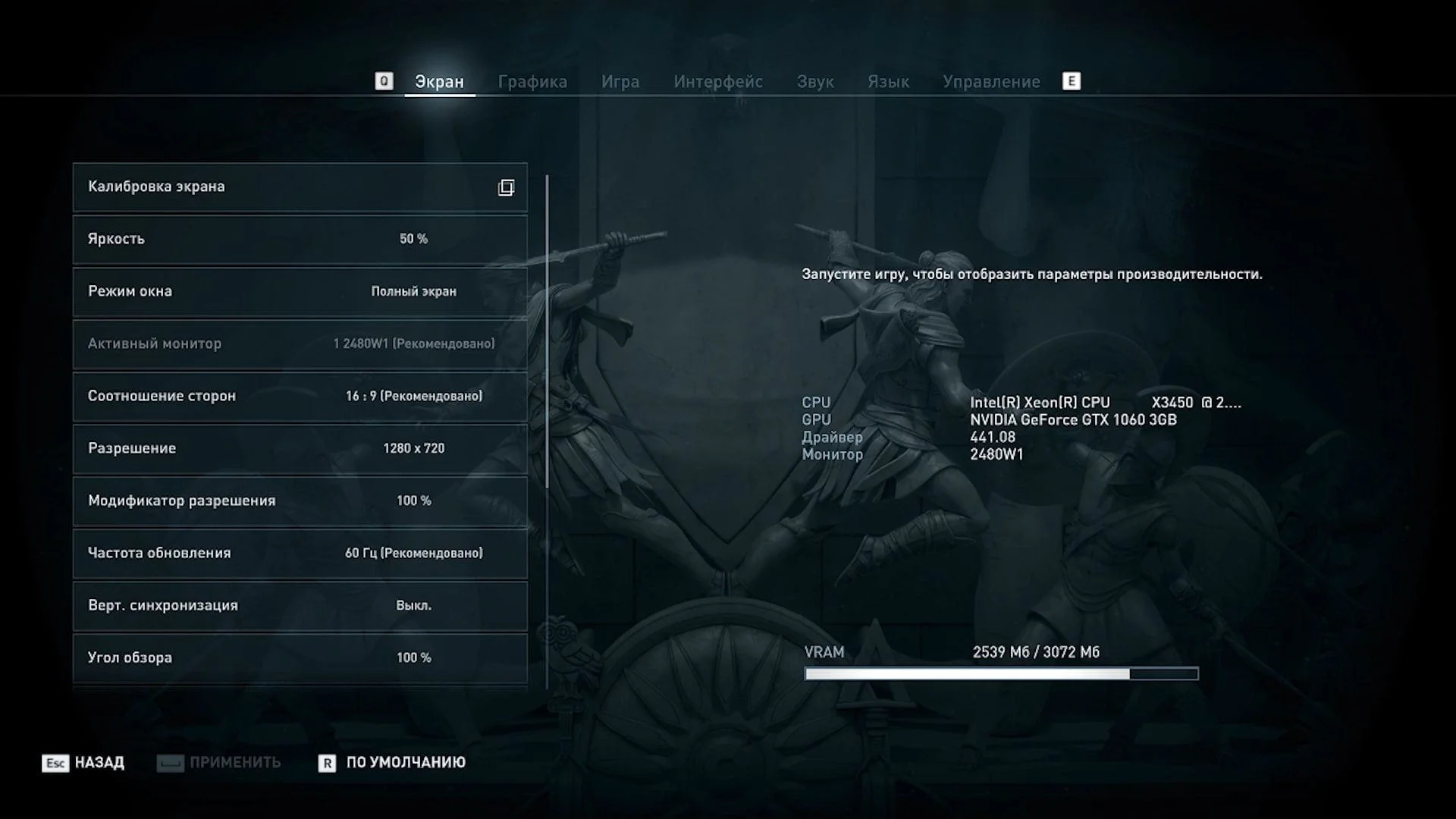
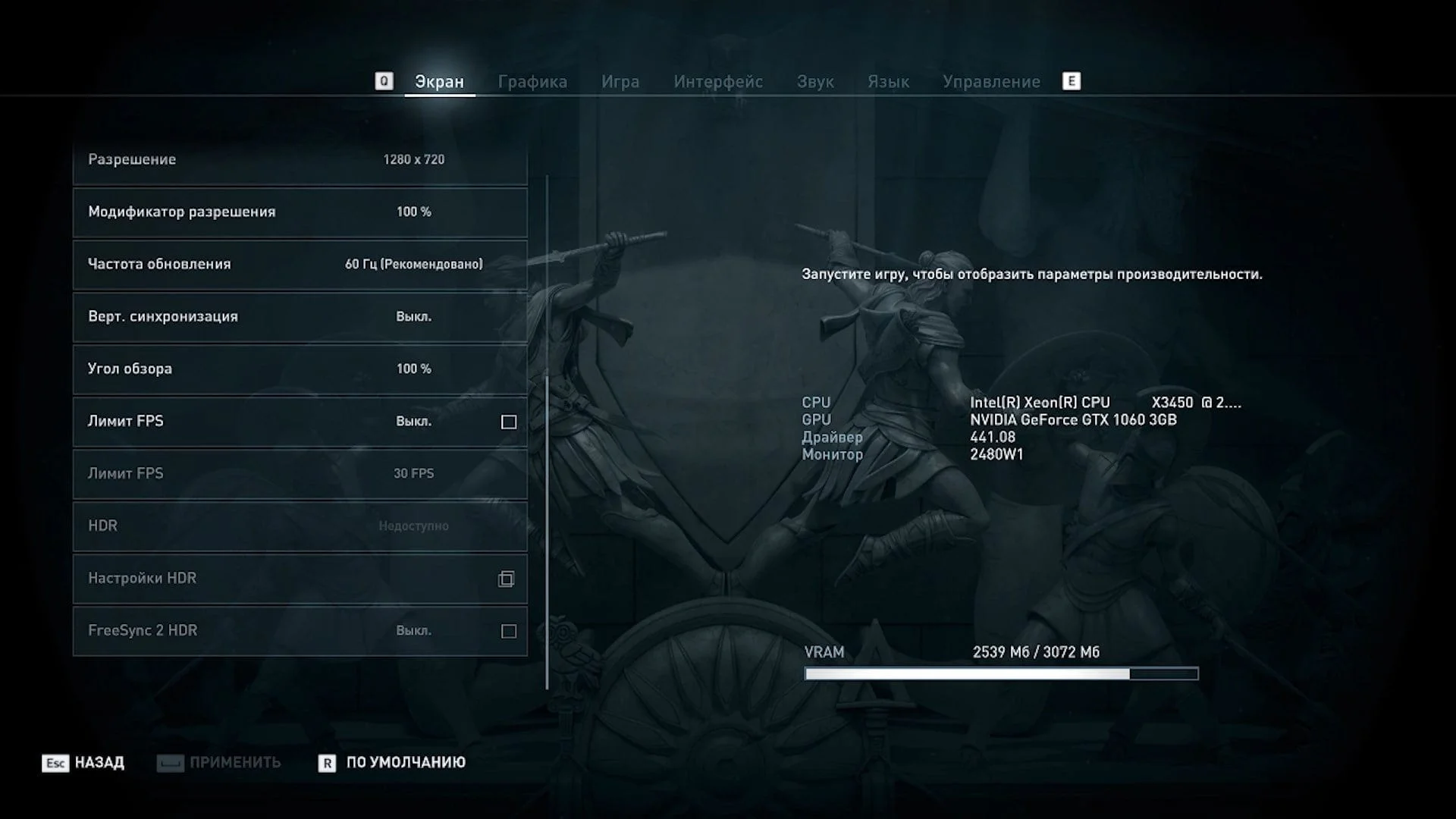
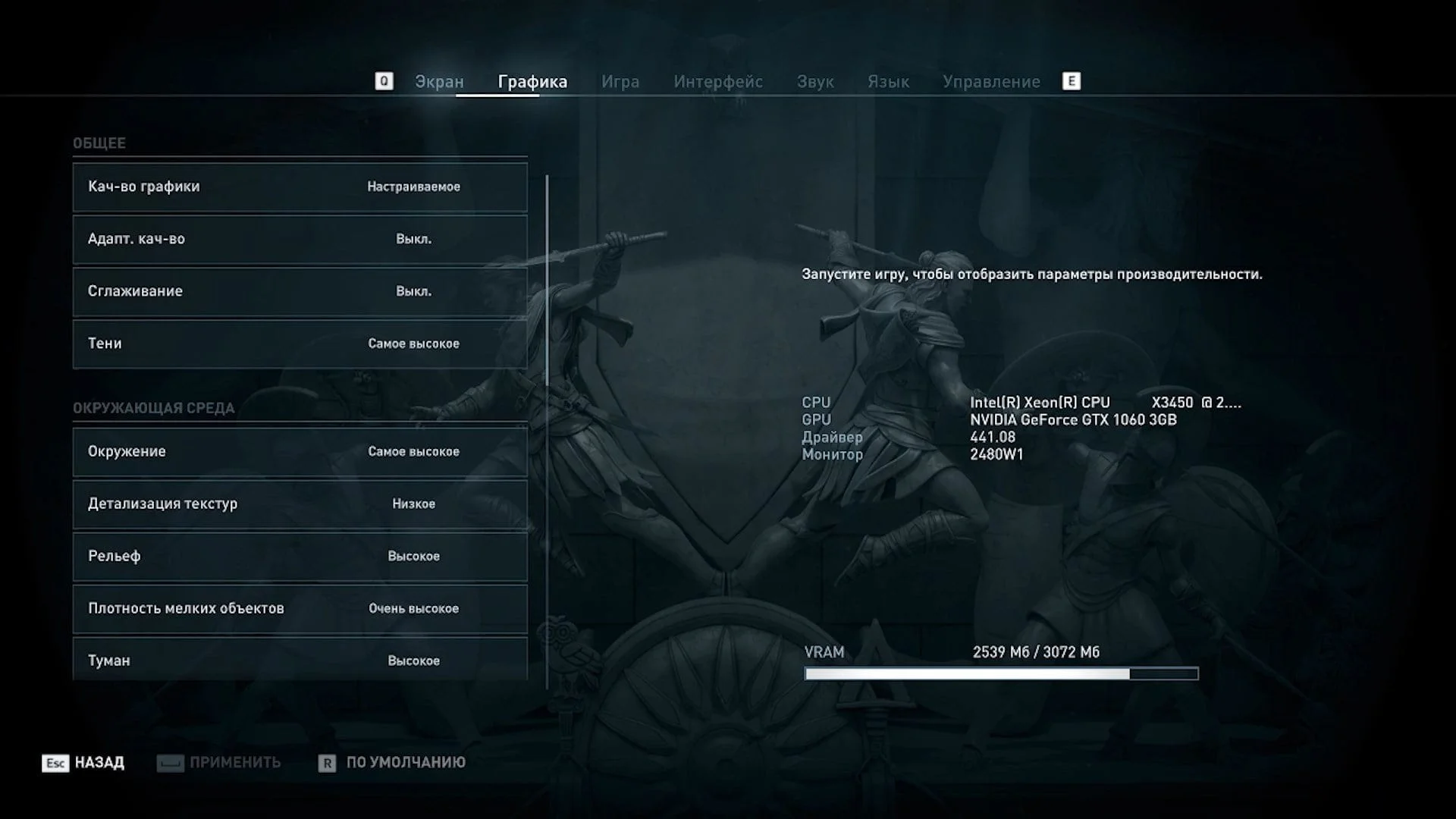
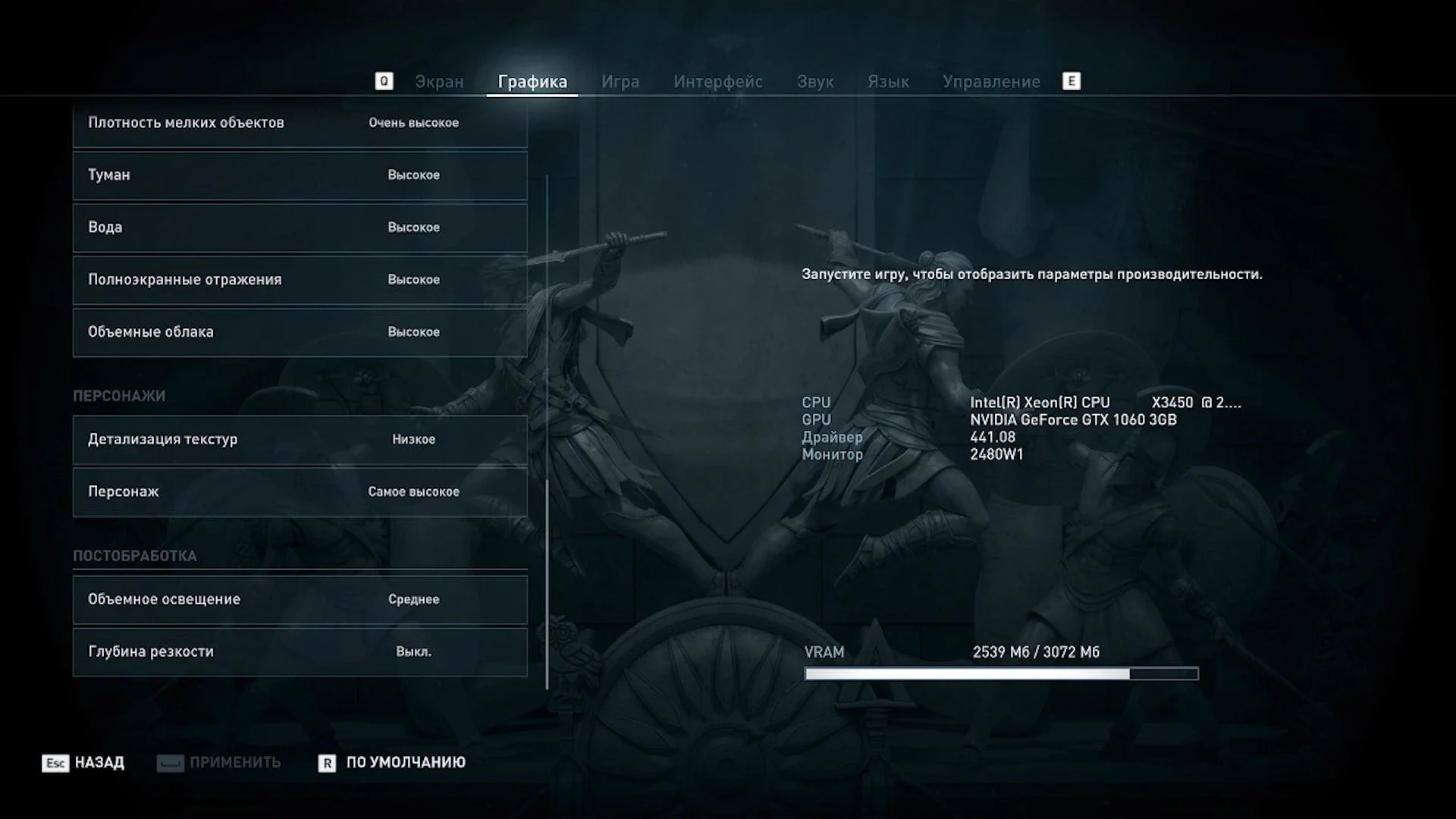
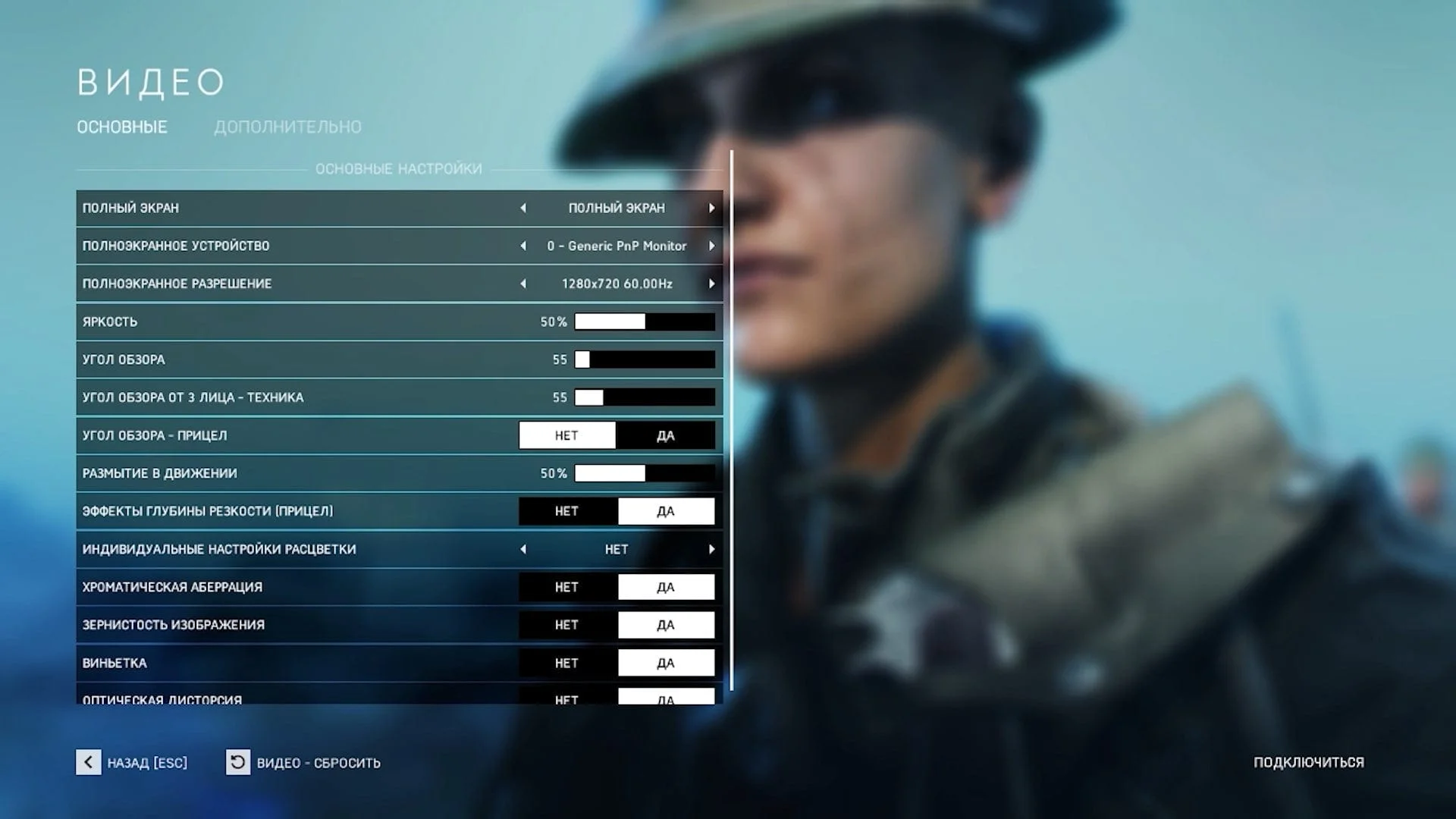
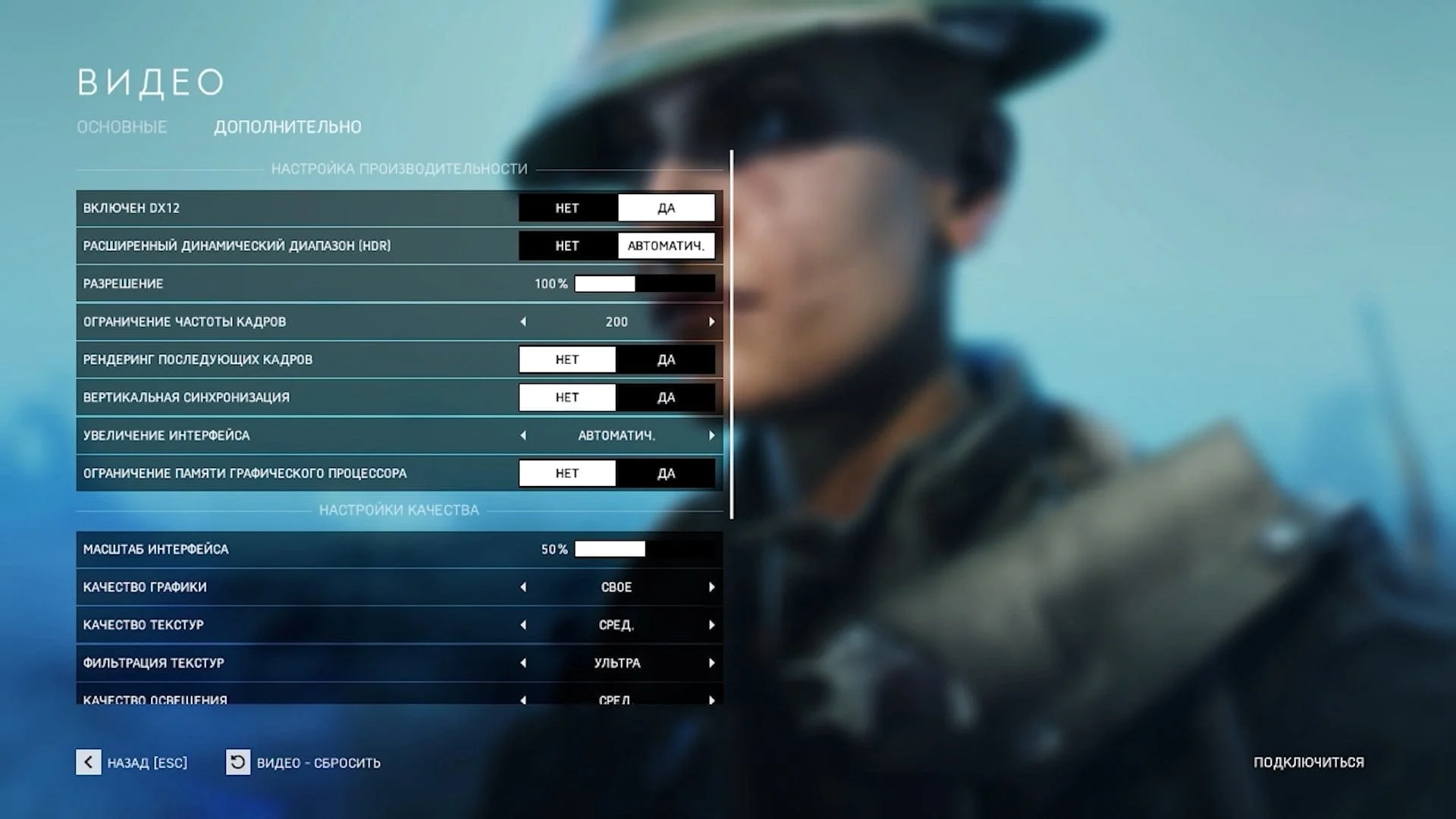
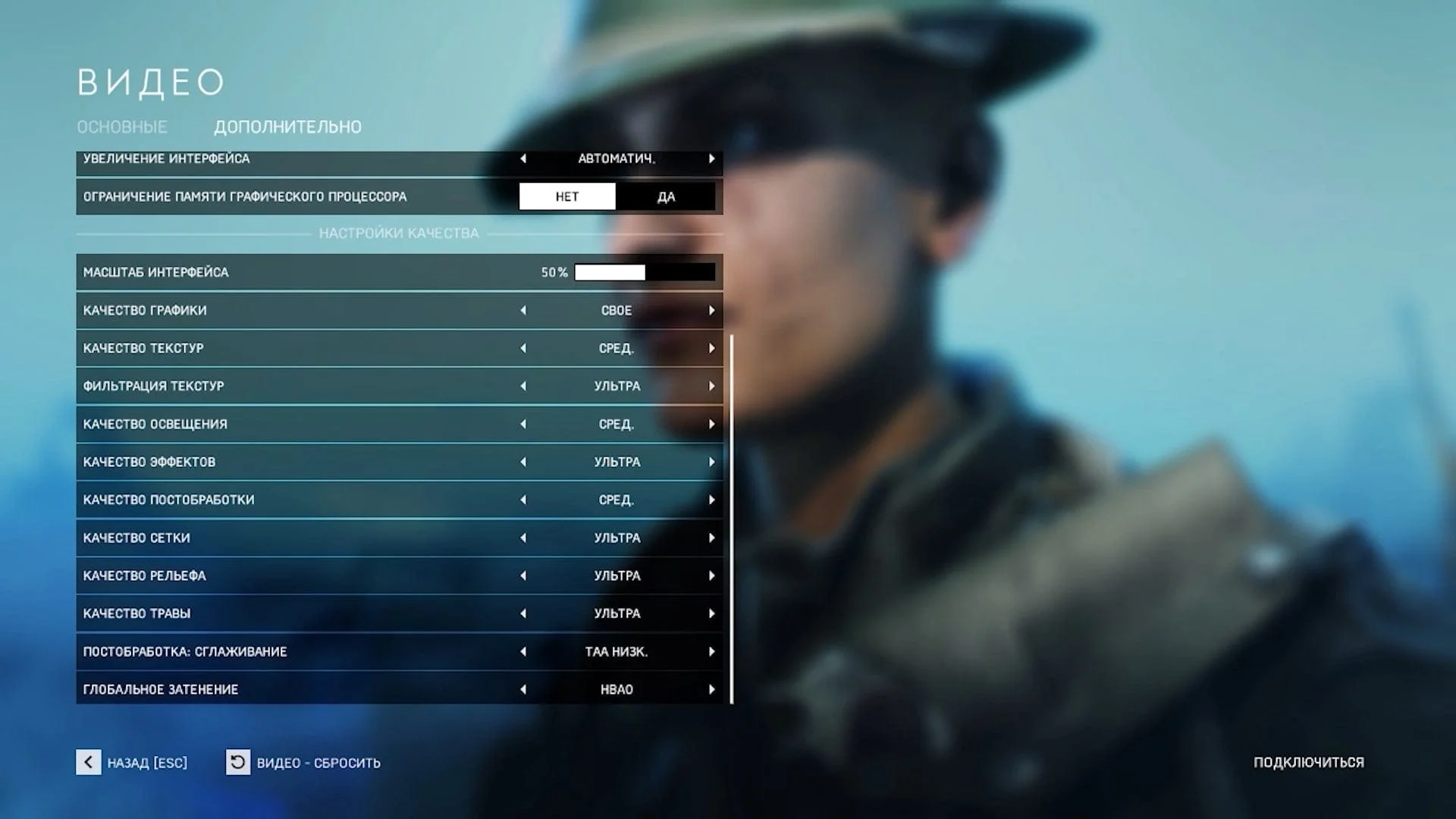
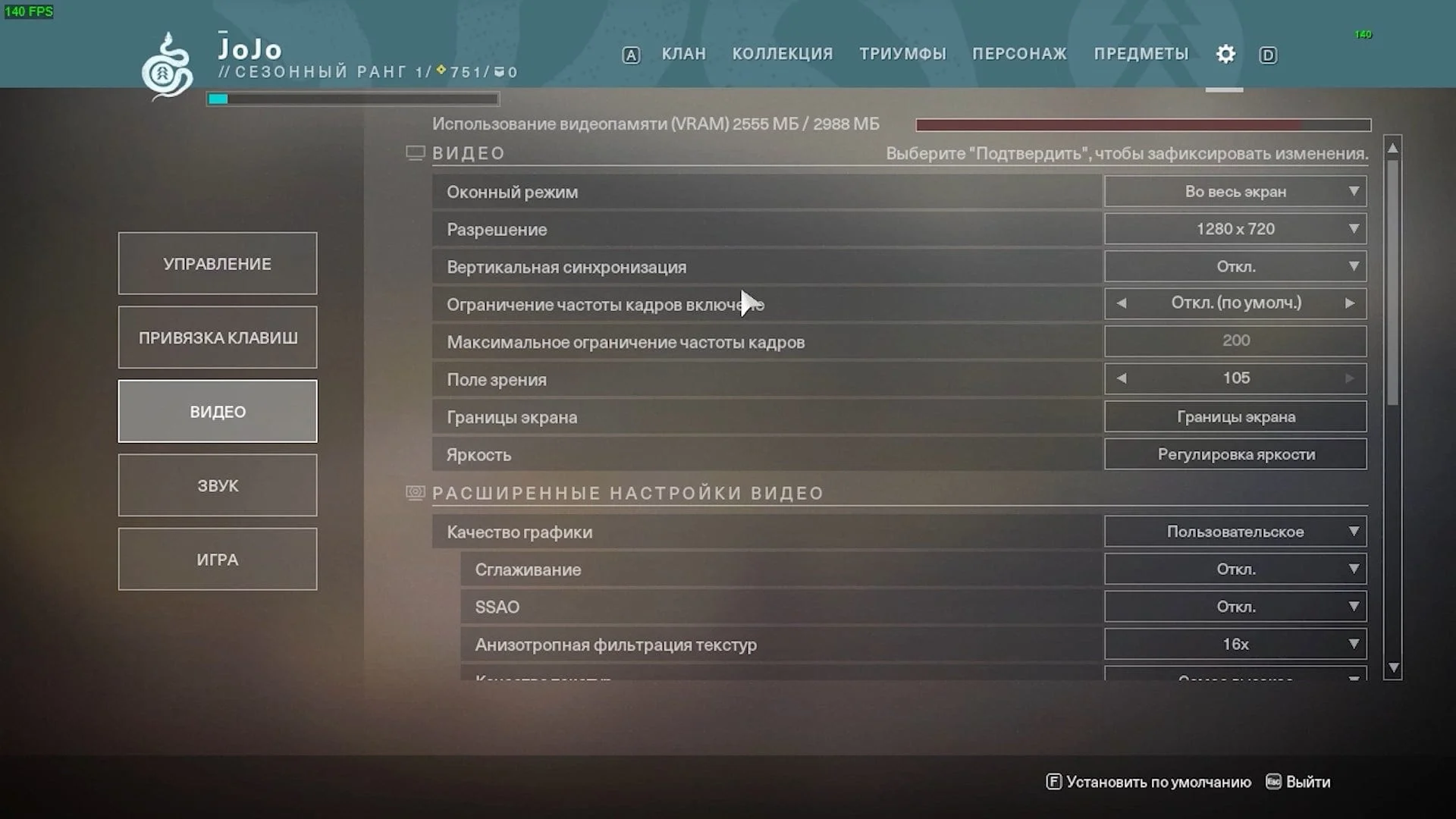
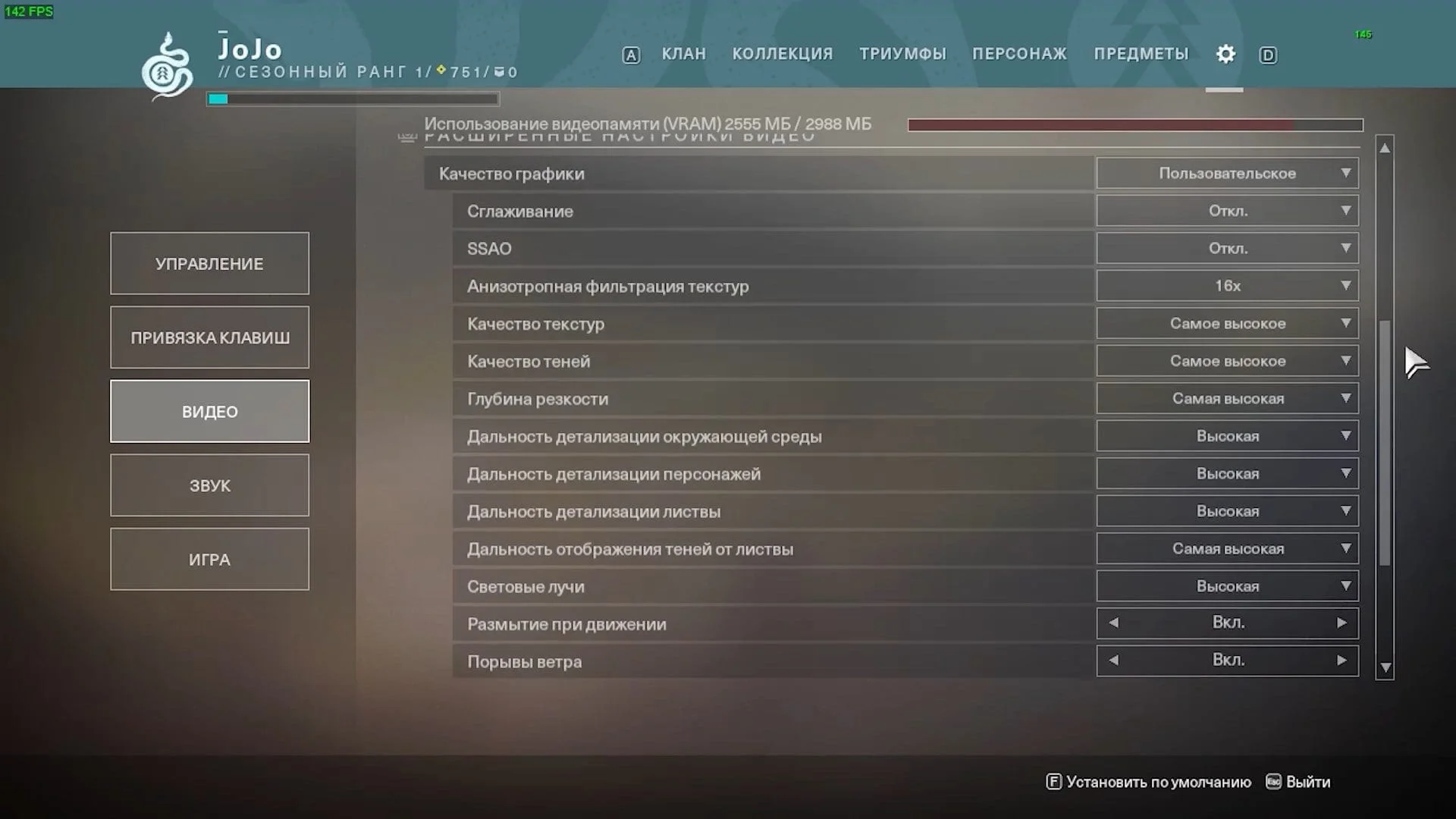
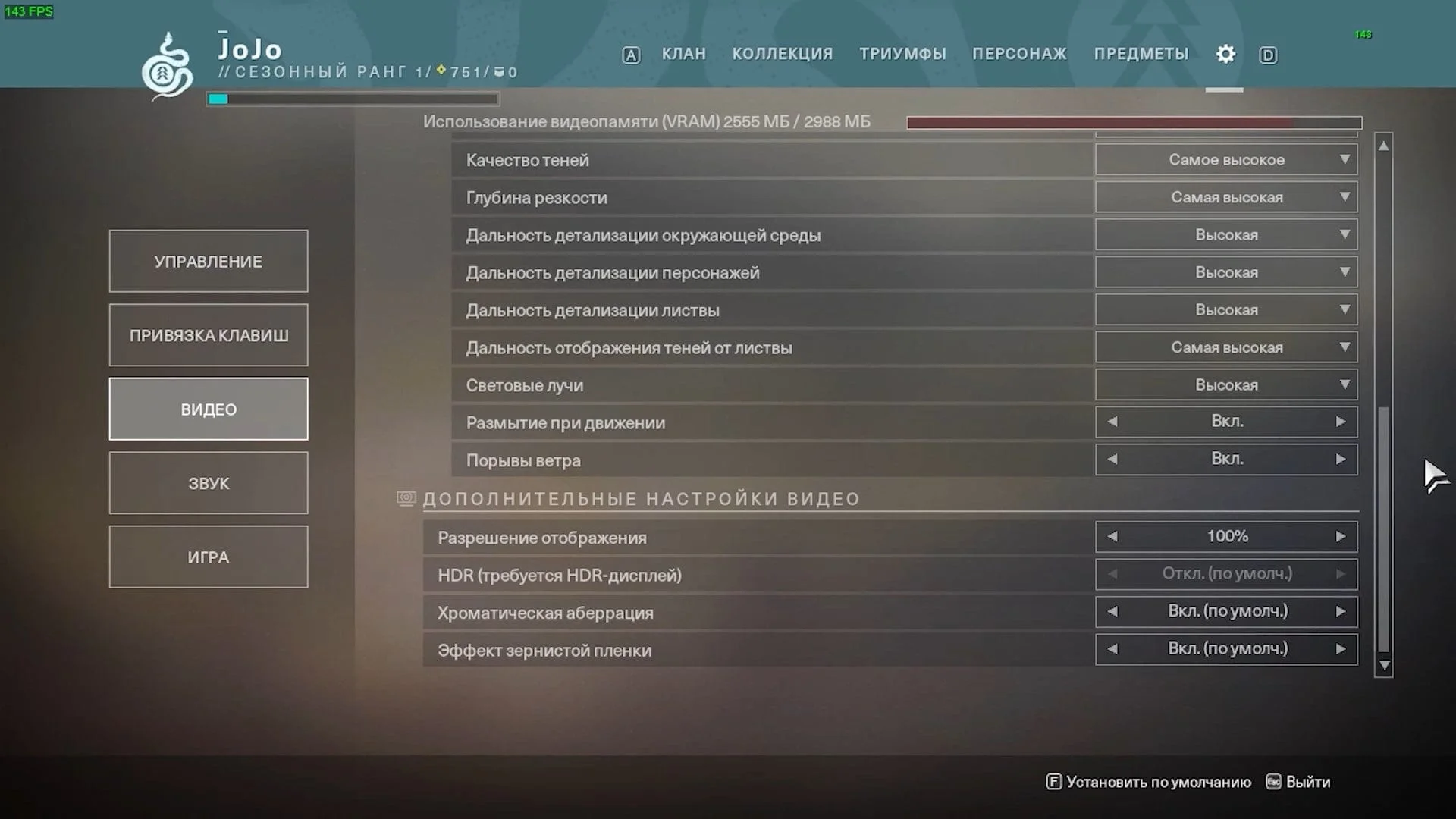

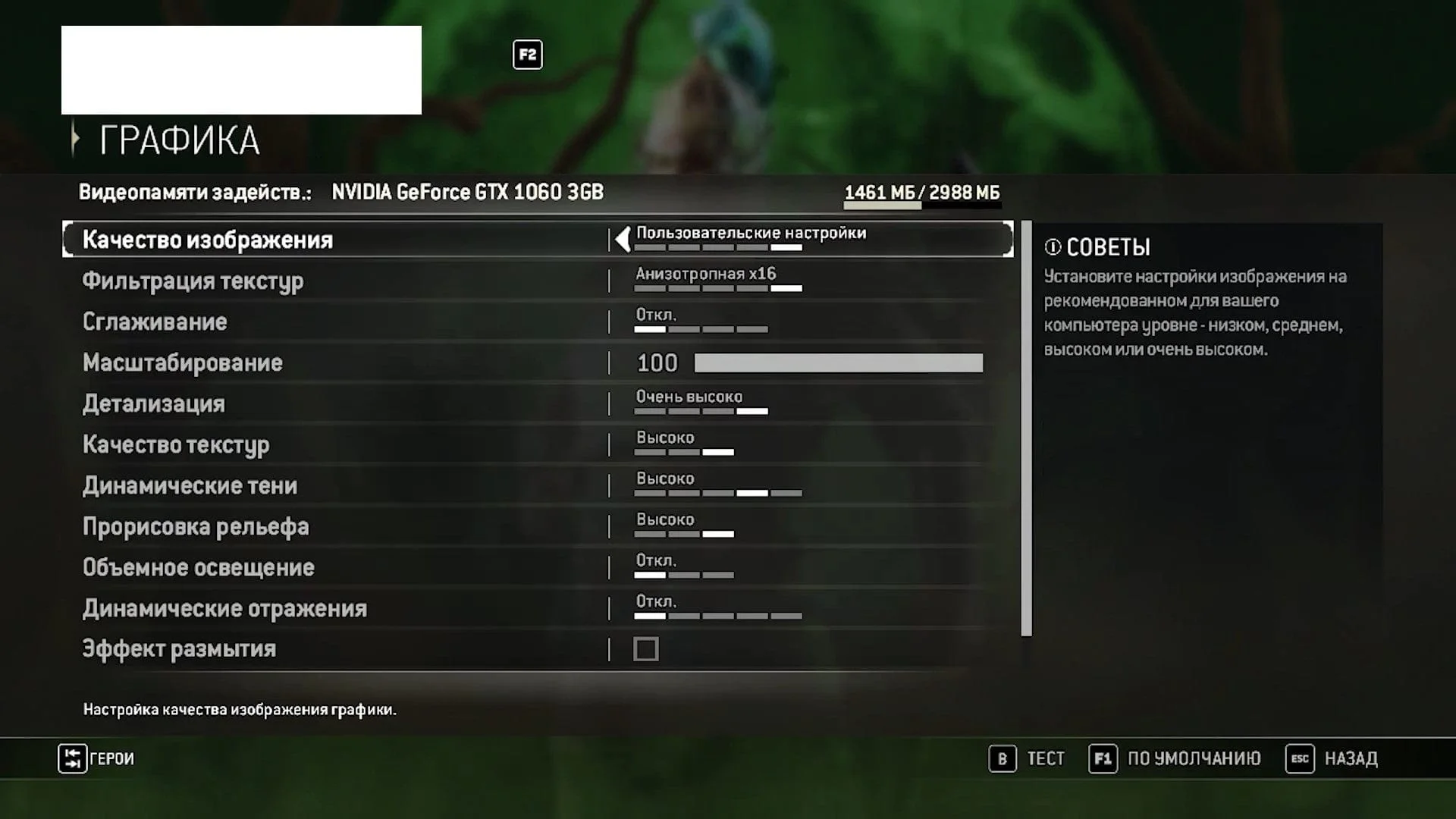
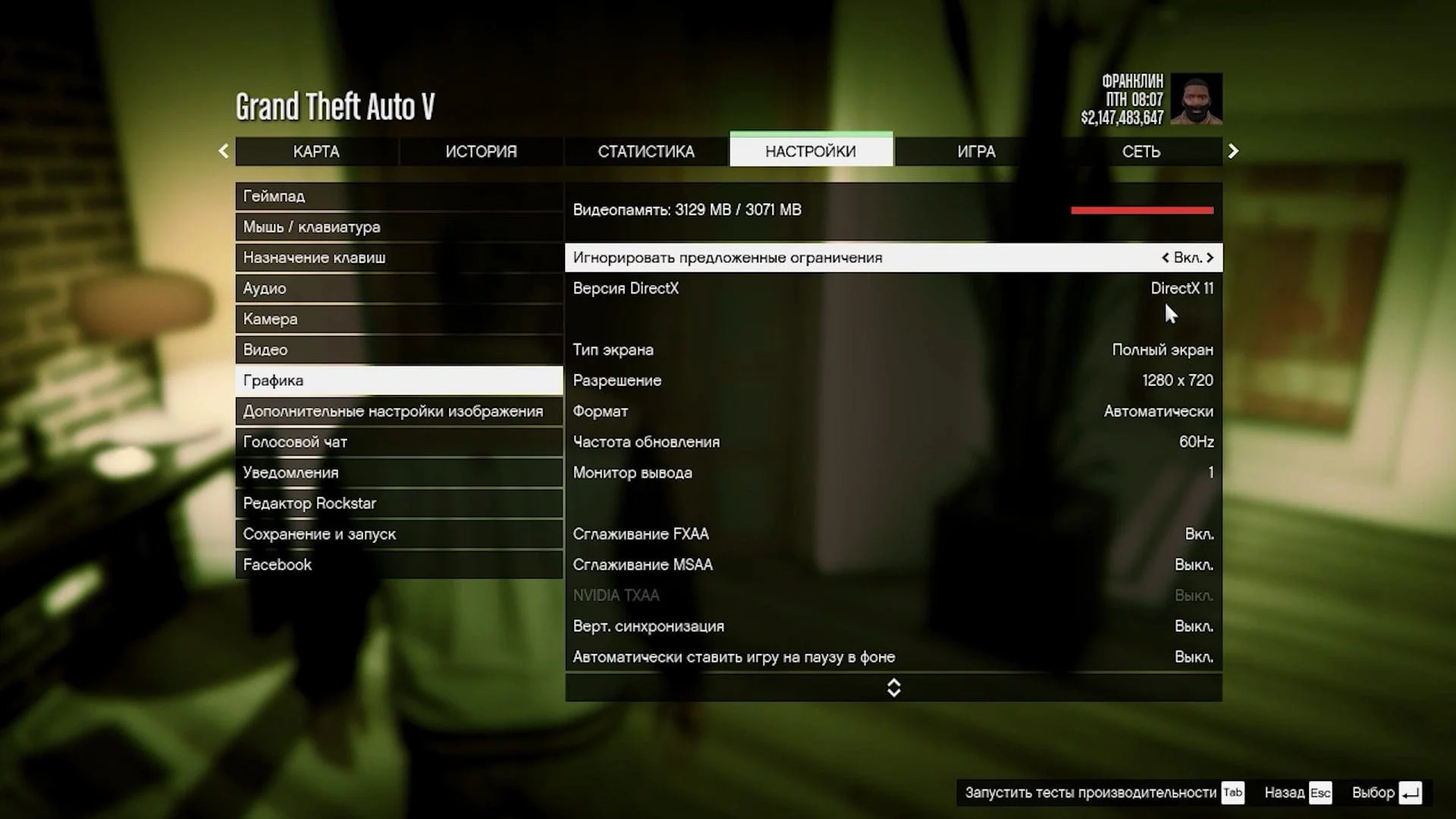
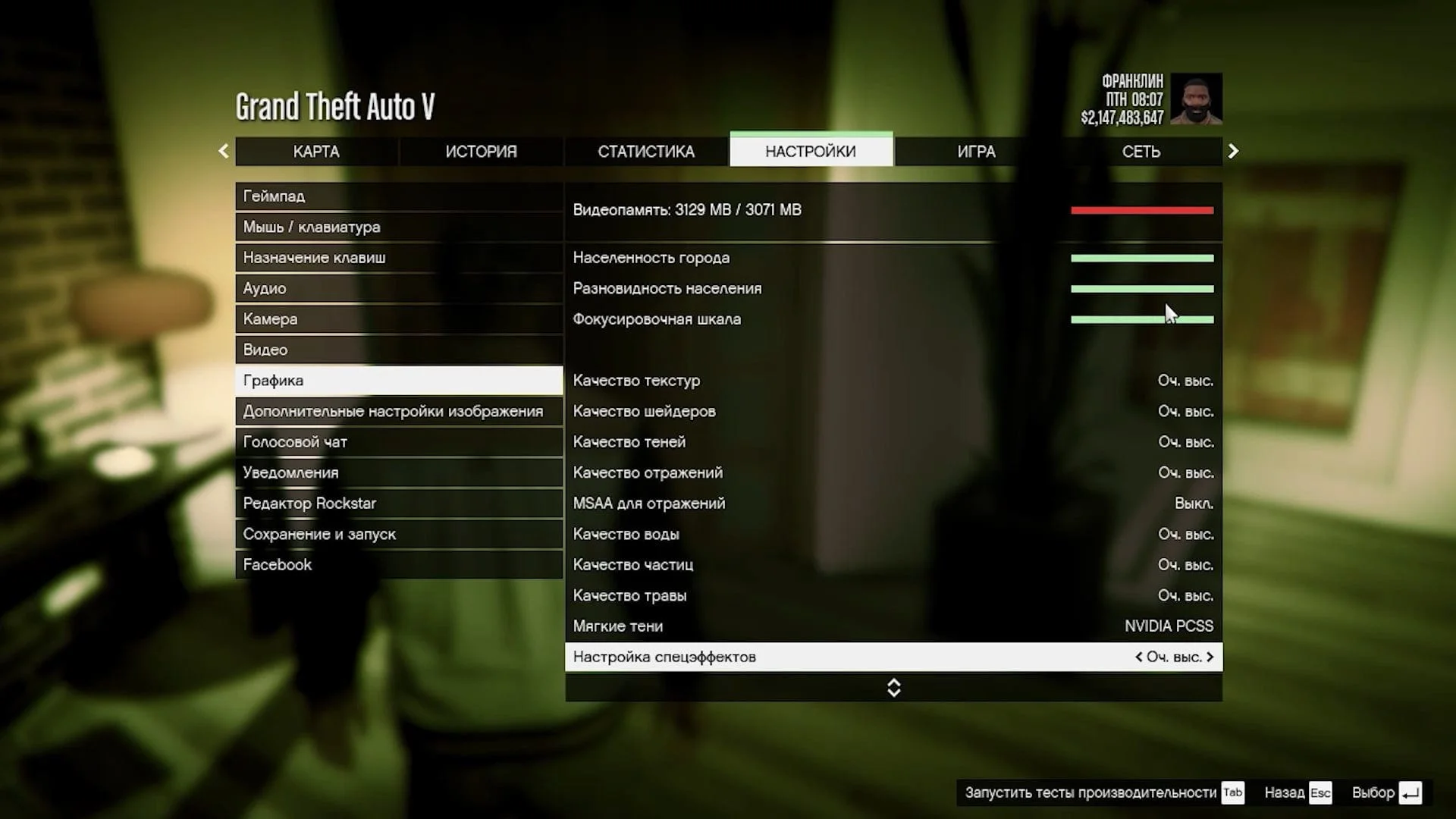
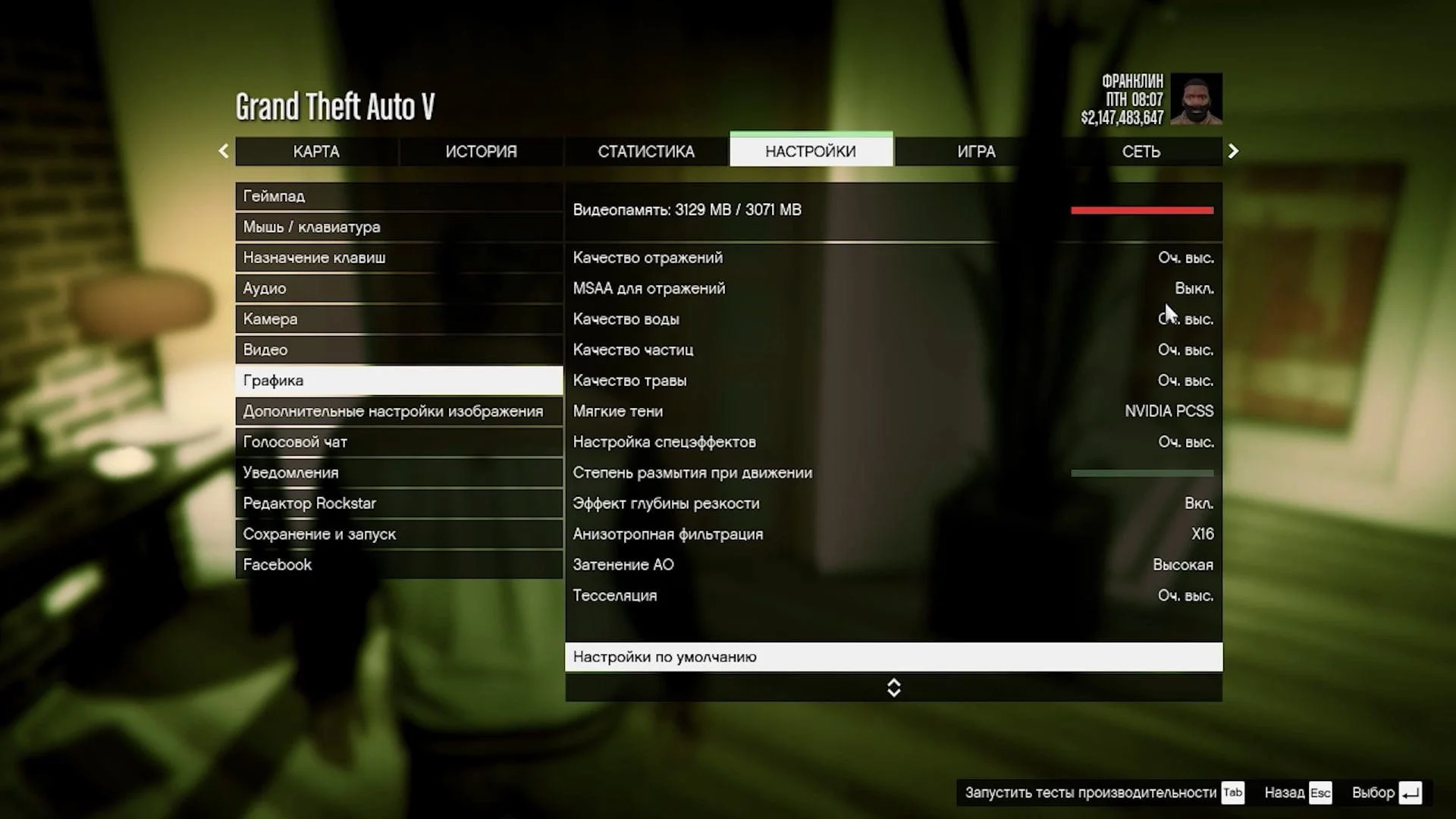
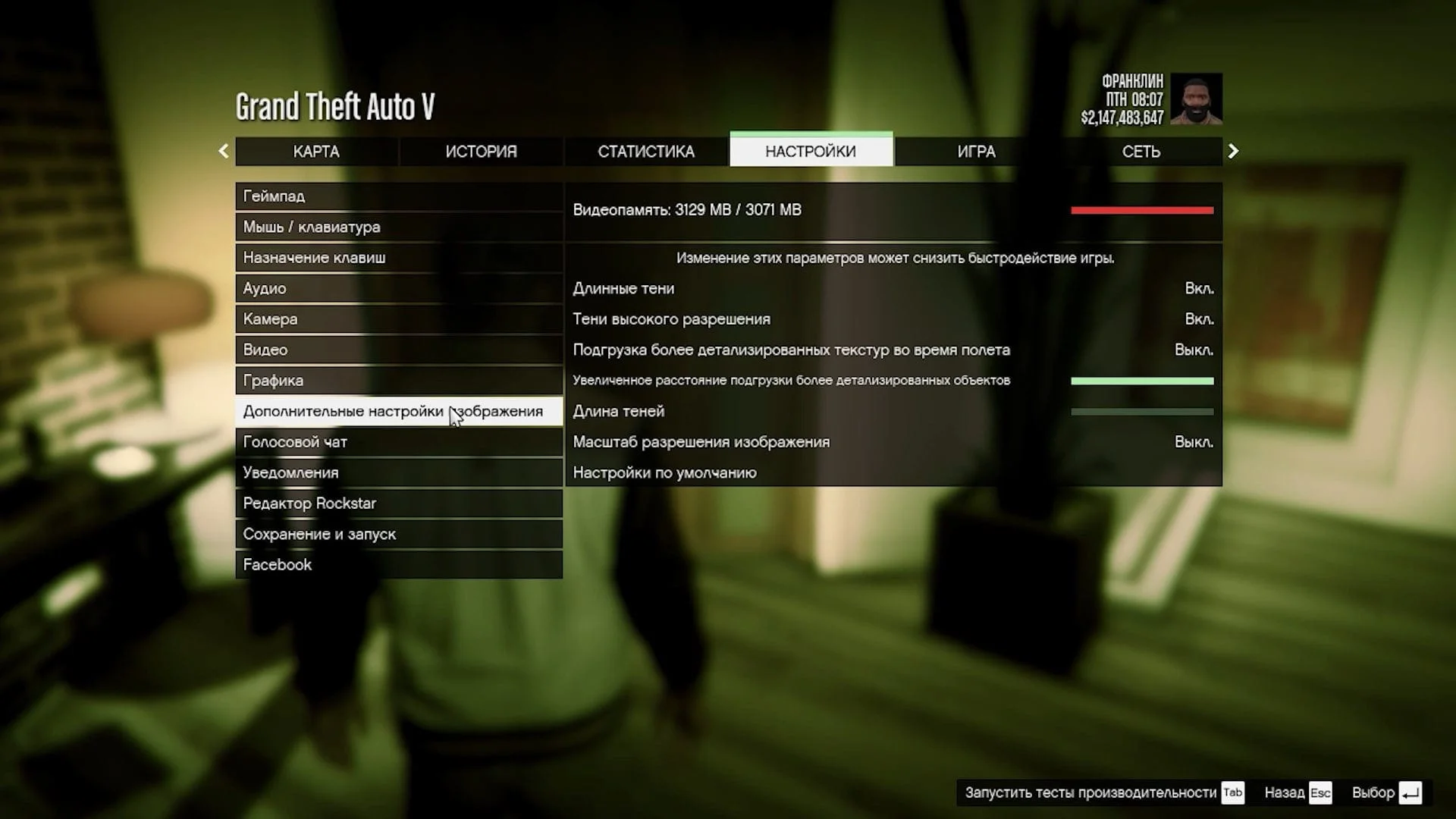
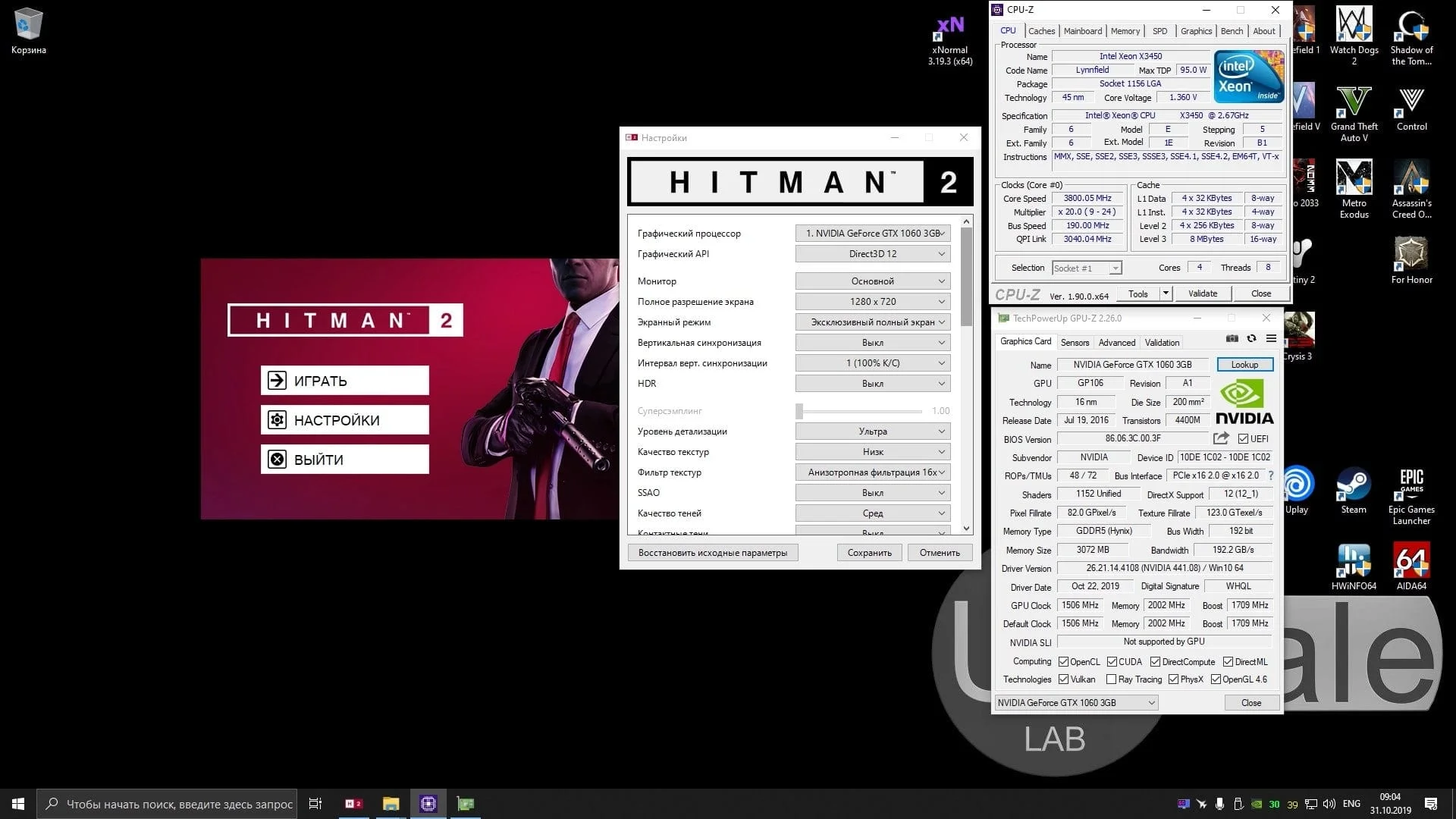
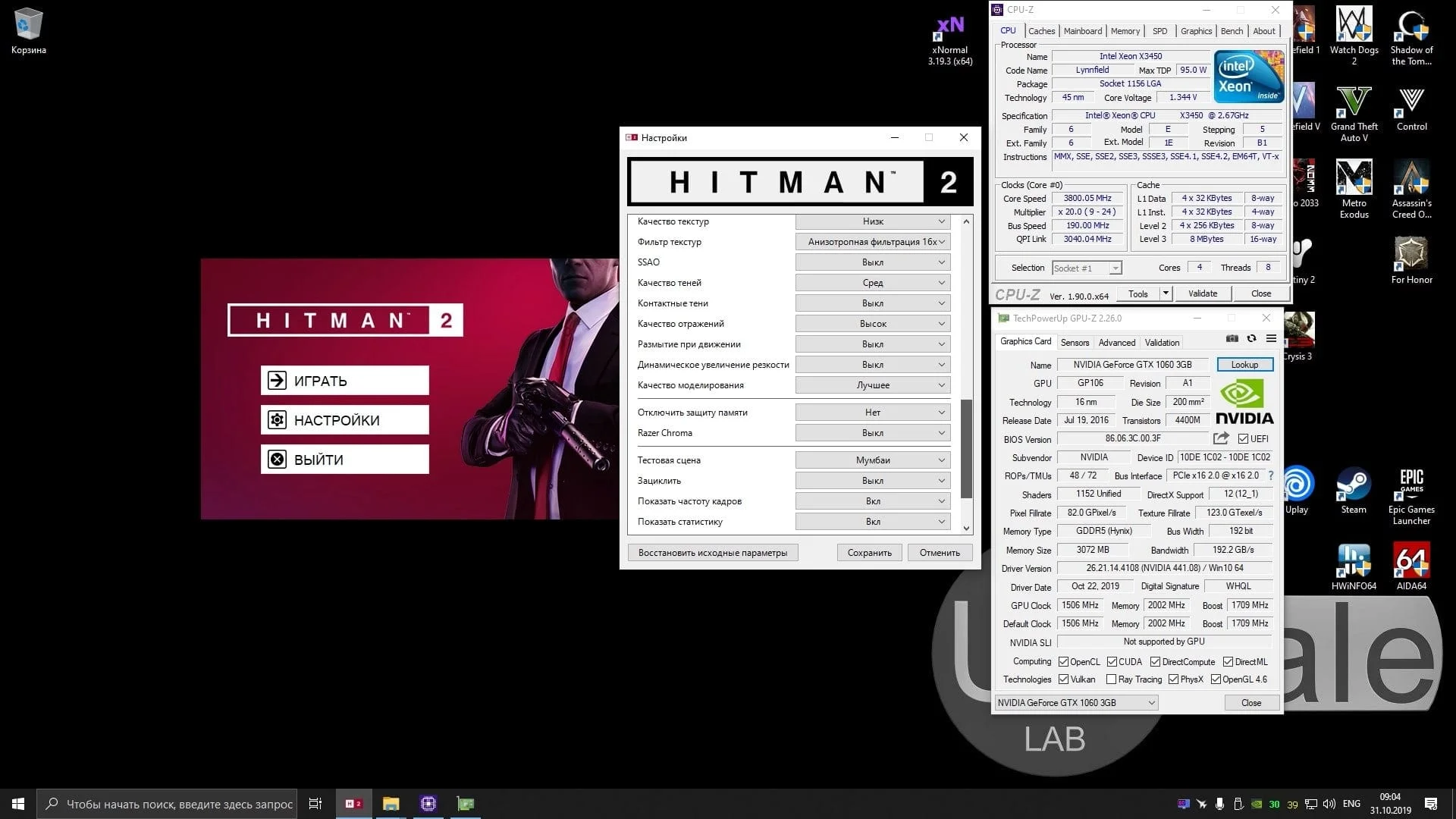
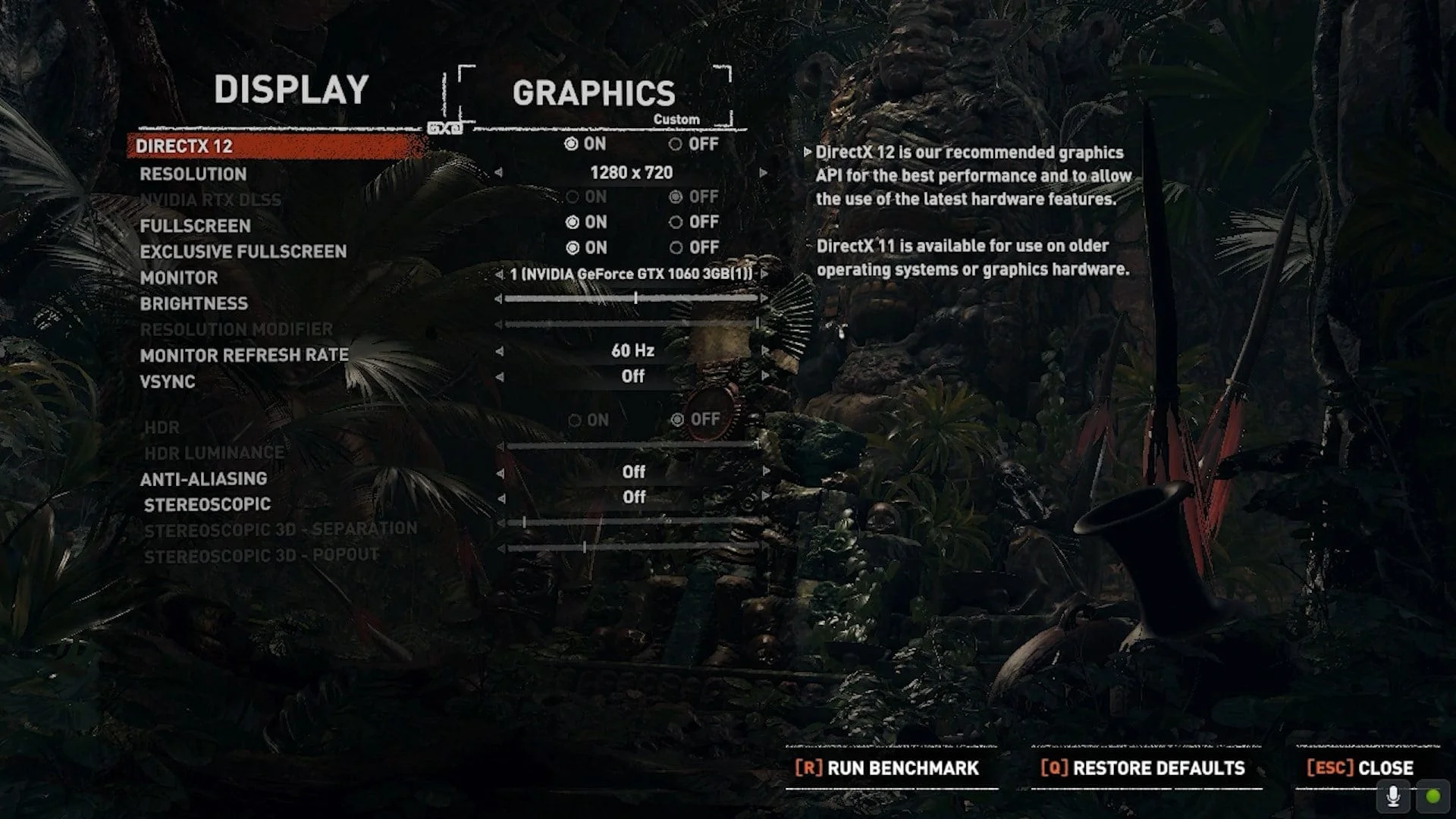
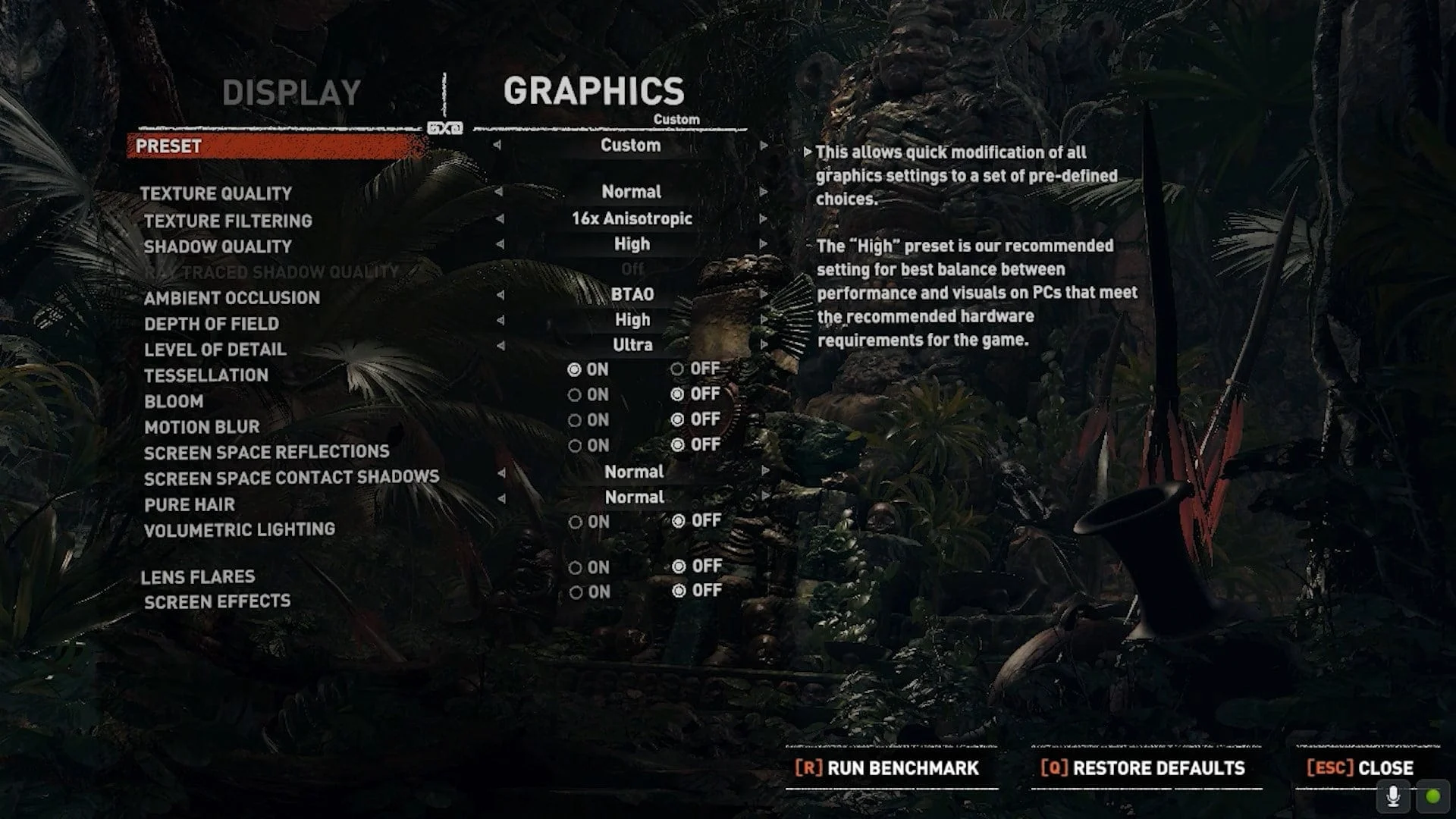
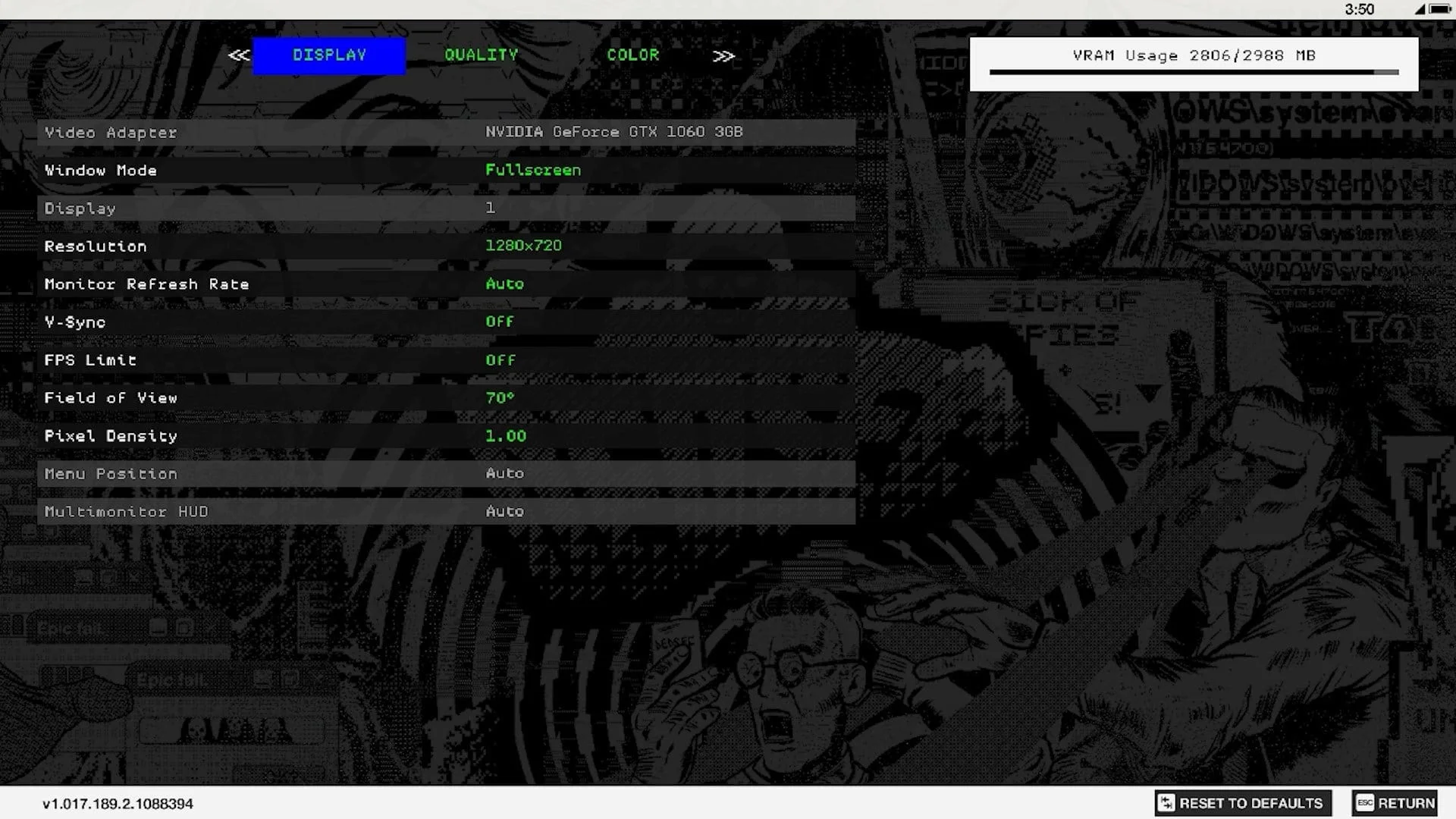
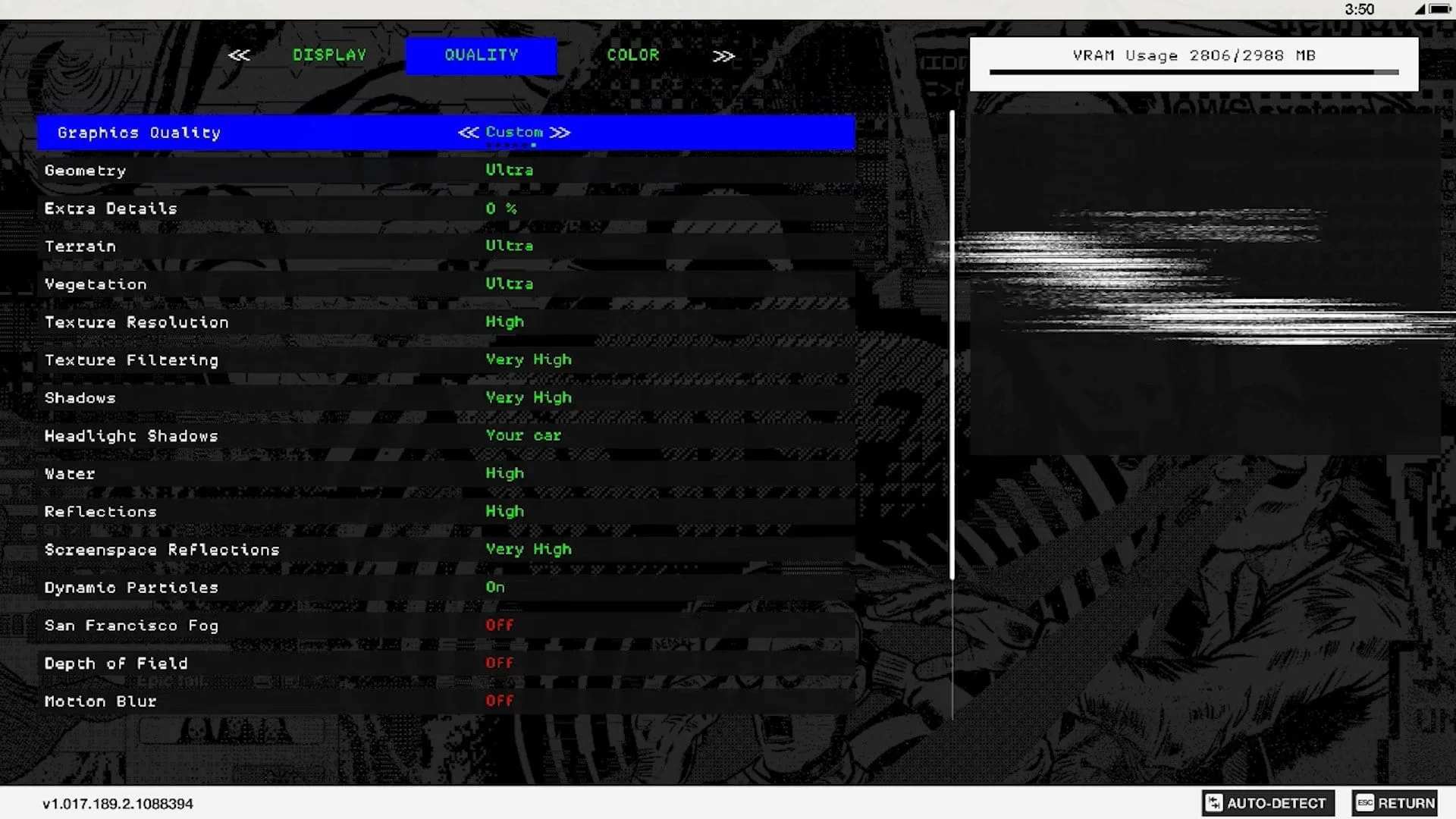
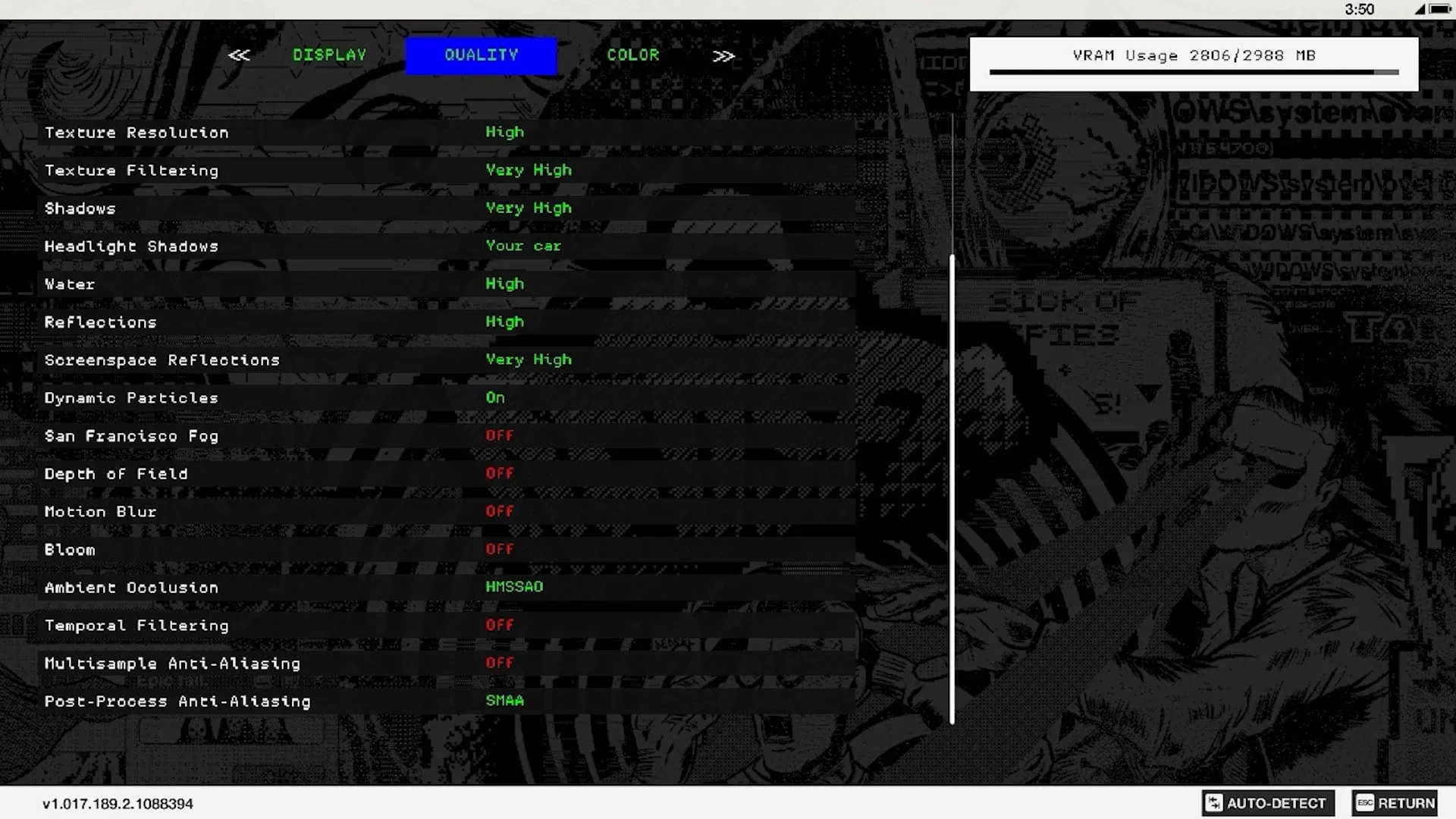
Let's move straight into the benchmarks. I won't comment on individual tests, providing a brief summary for the gaming and application sections instead.
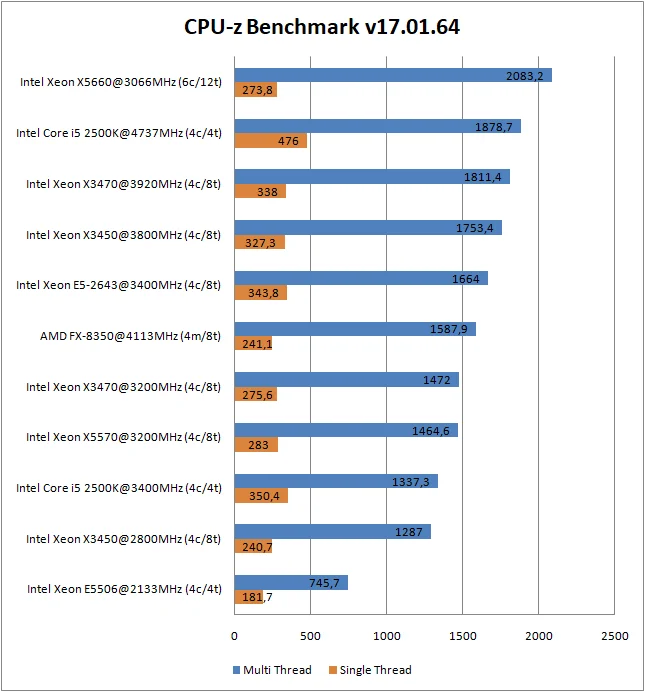
Overall performance:
 ⤢ ВІДКРИТИ
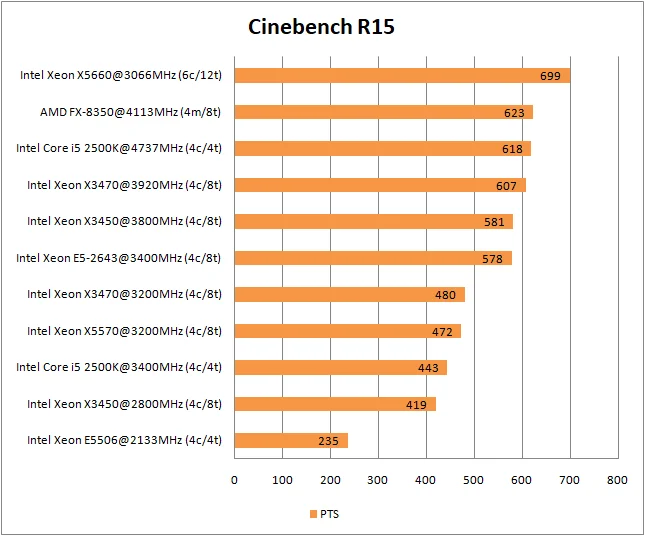
Rendering, synthetic benchmarks:
 ⤢ ВІДКРИТИ
 ⤢ ВІДКРИТИ
Rendering
 ⤢ ВІДКРИТИ
 ⤢ ВІДКРИТИ
 ⤢ ВІДКРИТИ
 ⤢ ВІДКРИТИ
Video encoding
 ⤢ ВІДКРИТИ
Archiving
 ⤢ ВІДКРИТИ
 ⤢ ВІДКРИТИ
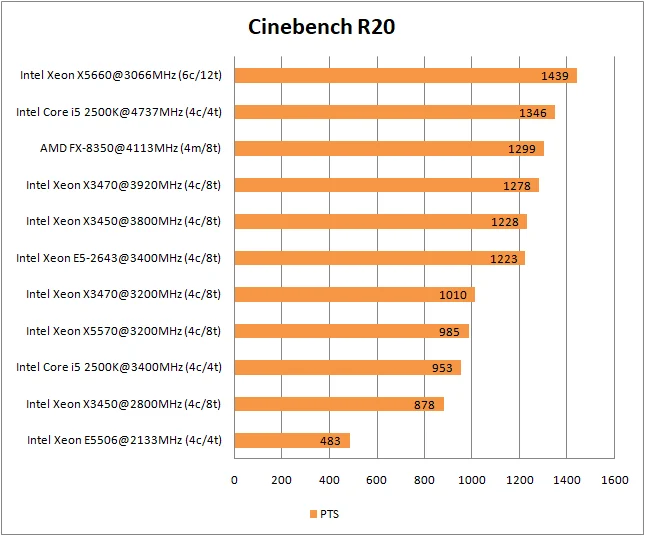
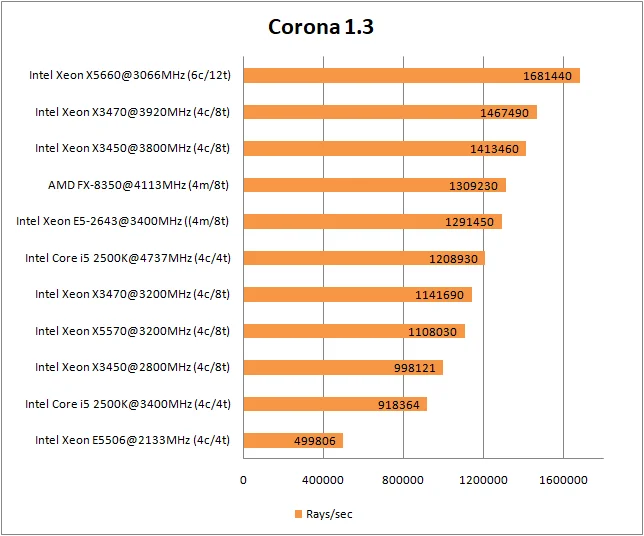
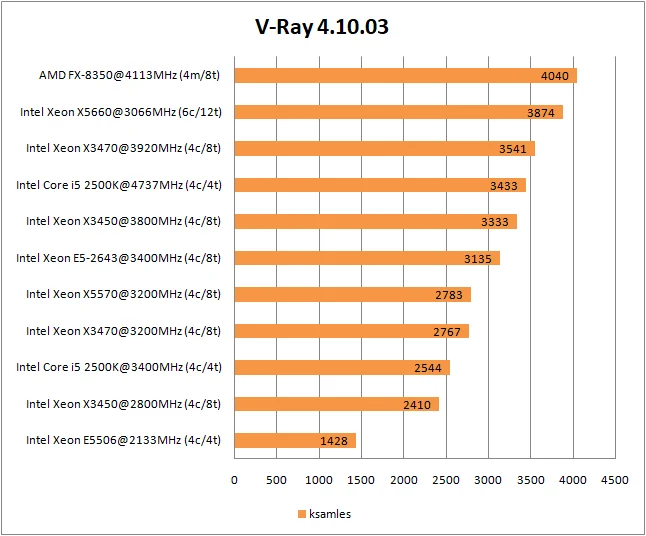
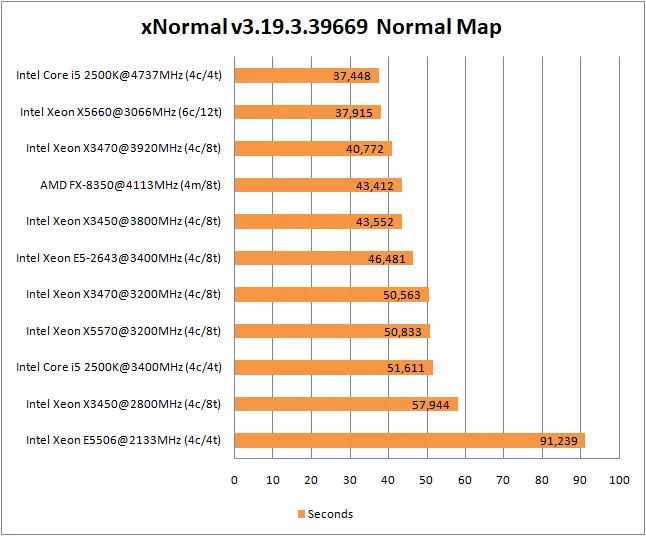
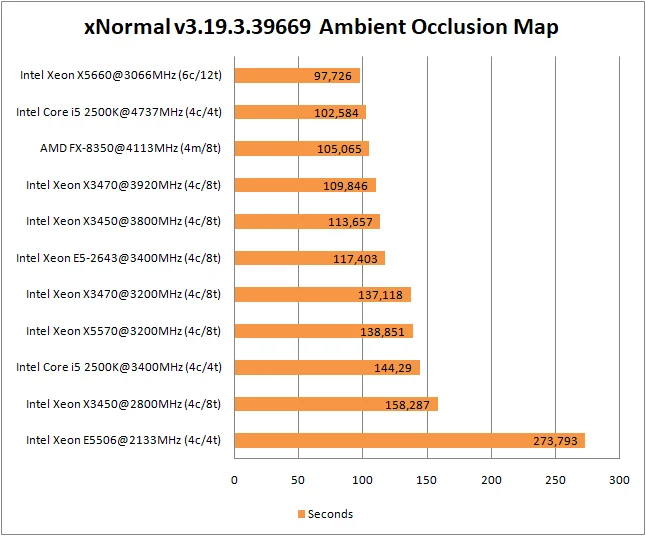
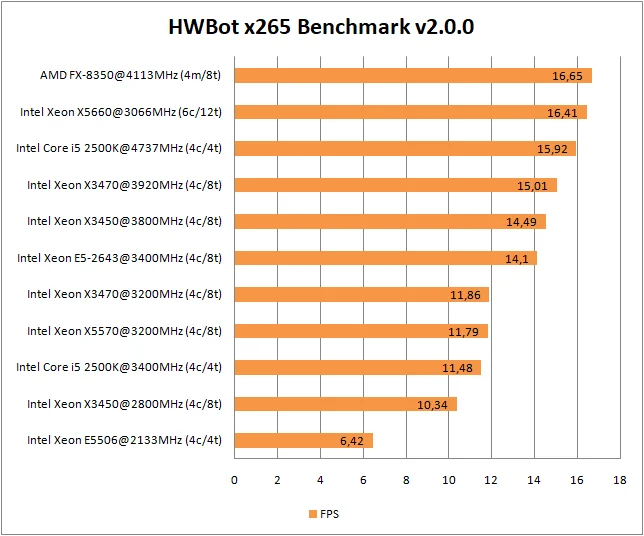
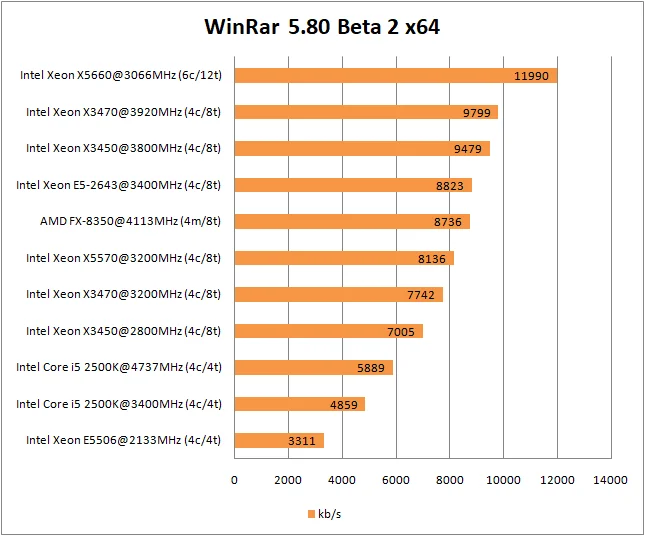
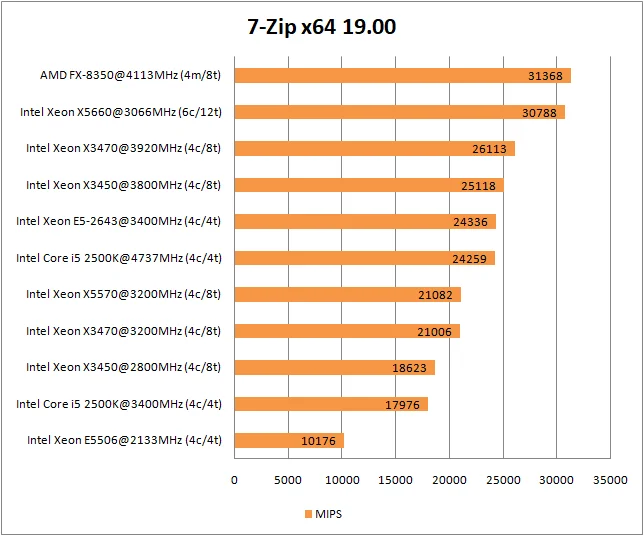
As expected, the AMD FX-8350 excelled in application benchmarks, occasionally even surpassing the 6-core, 12-thread Xeon X5660. This was particularly evident in heavily multi-threaded applications like V-Ray, x265 Benchmark, and 7-Zip. AMD deserves credit here; their extensive list of supported technologies clearly pays off.
Can the FX maintain its strong performance in gaming? Let's find out:
Gaming
 ⤢ ВІДКРИТИ
 ⤢ ВІДКРИТИ
 ⤢ ВІДКРИТИ
 ⤢ ВІДКРИТИ
 ⤢ ВІДКРИТИ
 ⤢ ВІДКРИТИ
 ⤢ ВІДКРИТИ
 ⤢ ВІДКРИТИ
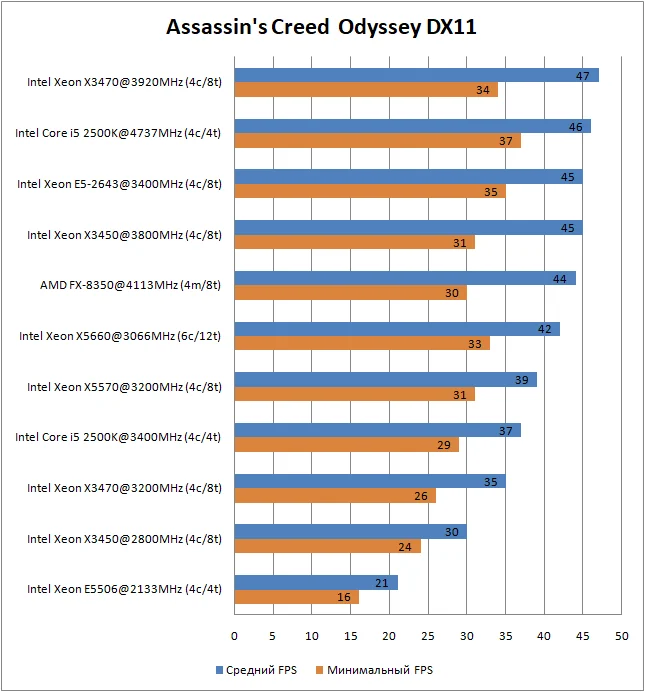
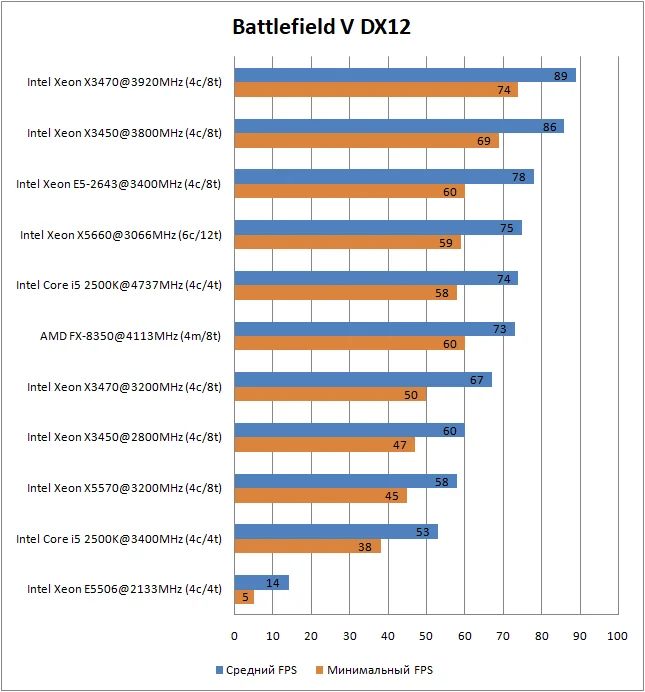
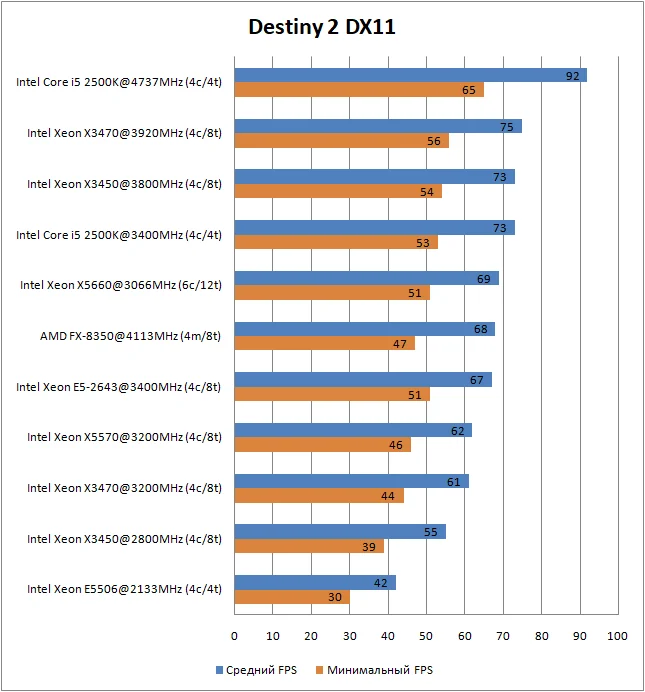
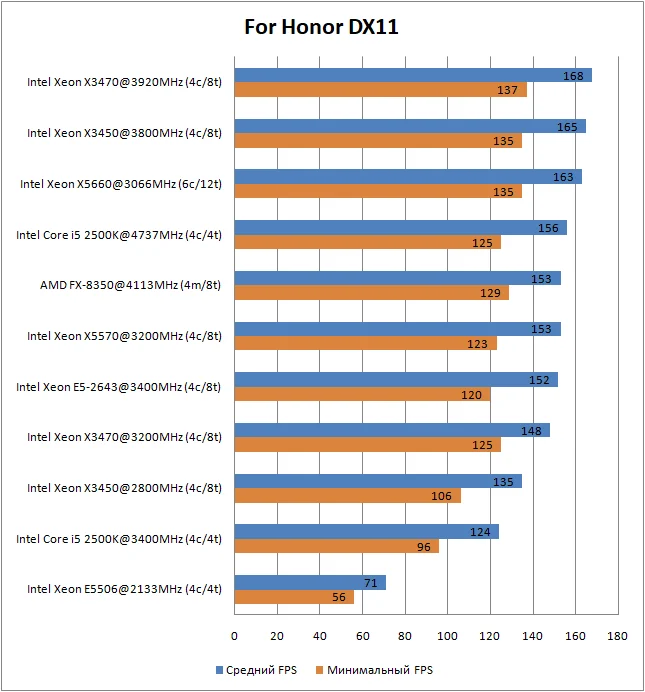
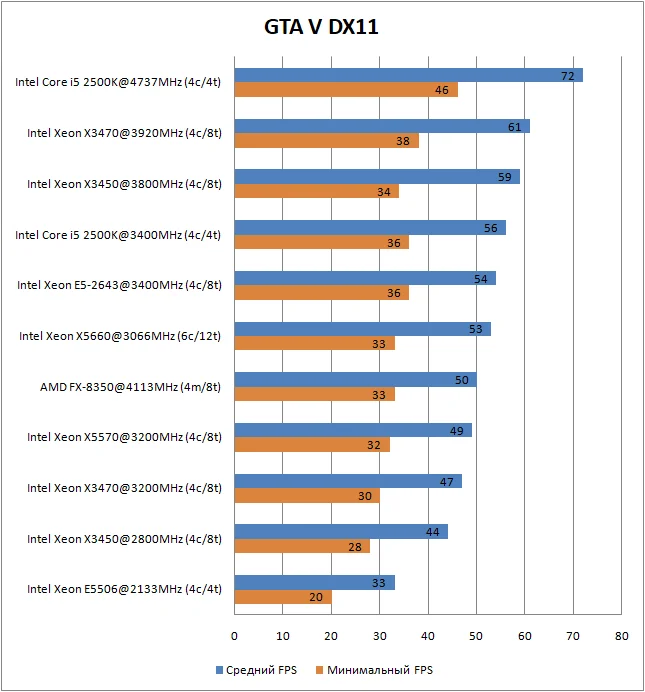
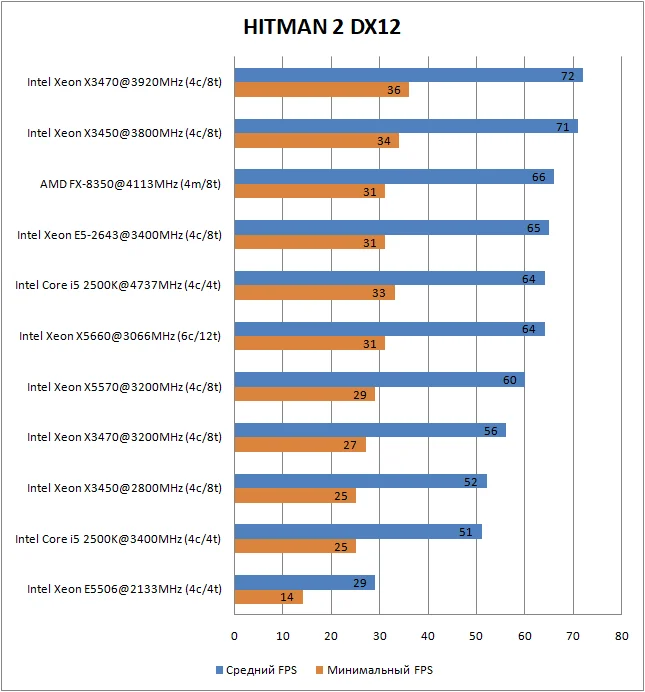
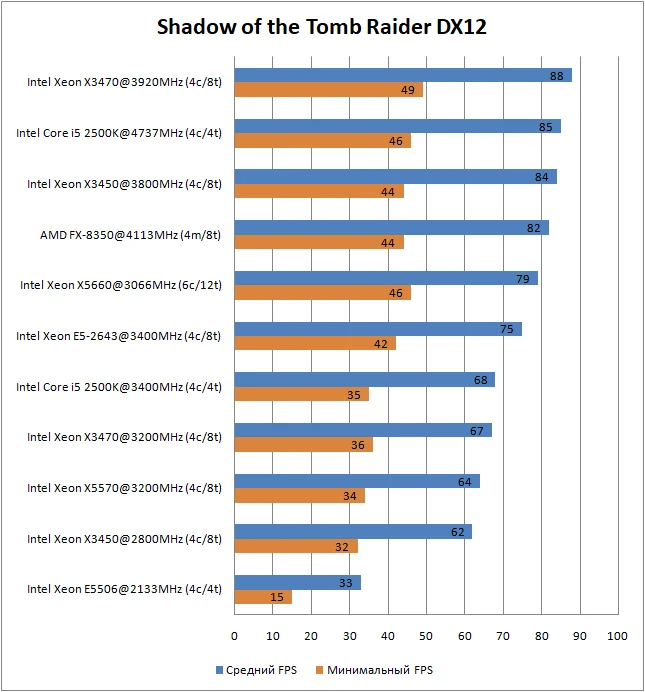
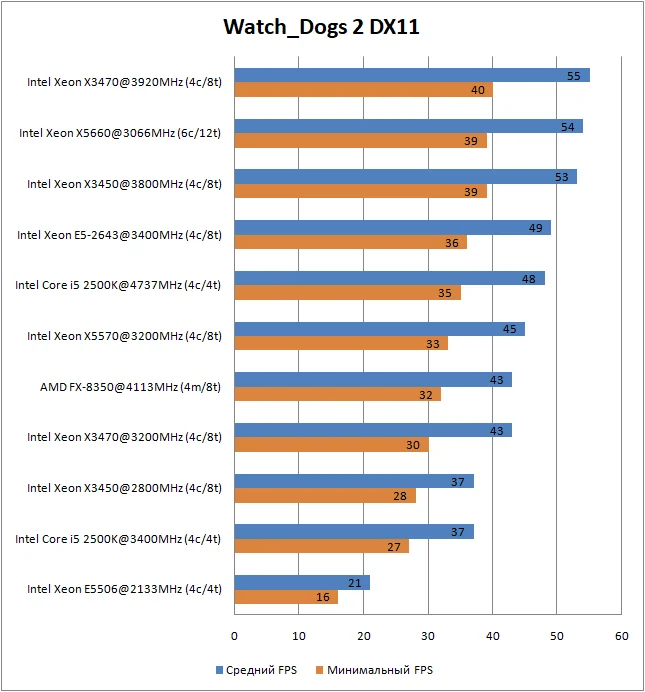
Unfortunately, the FX-8350 couldn't replicate its strong application performance in gaming benchmarks at stock frequencies. For the most part, it failed to compete with the more affordable and often superior Xeon chips.
Overclocking would undoubtedly improve the FX-8350's standing, but as mentioned, we simply didn't have the time during this brief test. However, we plan to rectify this oversight in the future by testing the processor with maximum overclocking and various RAM frequencies.
You can see the AMD FX-8350's gaming performance firsthand in the video below:
YouTube
By loading, you allow content from YouTube (cookies may be set).
Conclusion
It's a rare occurrence, but purely at stock frequencies, the AMD FX-8350 is a solid recommendation for a budget build focused on video encoding, rendering, and similar tasks. However, its gaming performance is less stellar. For instance, it's not particularly well-suited for a popular title like Destiny 2. Performance in other games also proves inconsistent. LGA 1156 Xeons, for example, present a more compelling option, and crucially, their cost is significantly lower than AMD's chip.
In short, if your computer is primarily for work rather than gaming, an AMD FX on the used market could be a worthwhile investment. But for gaming, the FX-8350 isn't particularly appealing, at least at stock speeds.
Until next time, and happy New Year 2020, dear friends!
Stay up-to-date with our latest project news by subscribing to our Telegram channel, Facebook page, Instagram account or Twitter profile, as well as our YouTube channels UmTaleLab_Daily and UmTaleLab.