BLOGS · HARDWARE BLOGS
PUBLISHED
READING4 min
NVIDIA GeForce GTX 280 review and testing: what the GT200 chip can do in 2010
A 2010 review of the NVIDIA GeForce GTX 280 (GT200). We test how this former flagship handles games and its capabilities without DirectX 11 support.
While new, high-speed graphics cards flood the market, most of us can't afford the luxury of upgrading to the latest flagship every six months. Yet, surprisingly, the market still holds remnants of past top-tier cards, like the GeForce GTX 280. It's unclear how these cards remained unsold for so long – perhaps they weren't as popular as anticipated. Regardless, the fact remains: in Ukraine, a GeForce GTX 280 currently sells for $290. That's a considerable sum, especially when you consider the GTX 280 lacks DirectX 11 support and costs more than even the Radeon HD 5830.
The test card
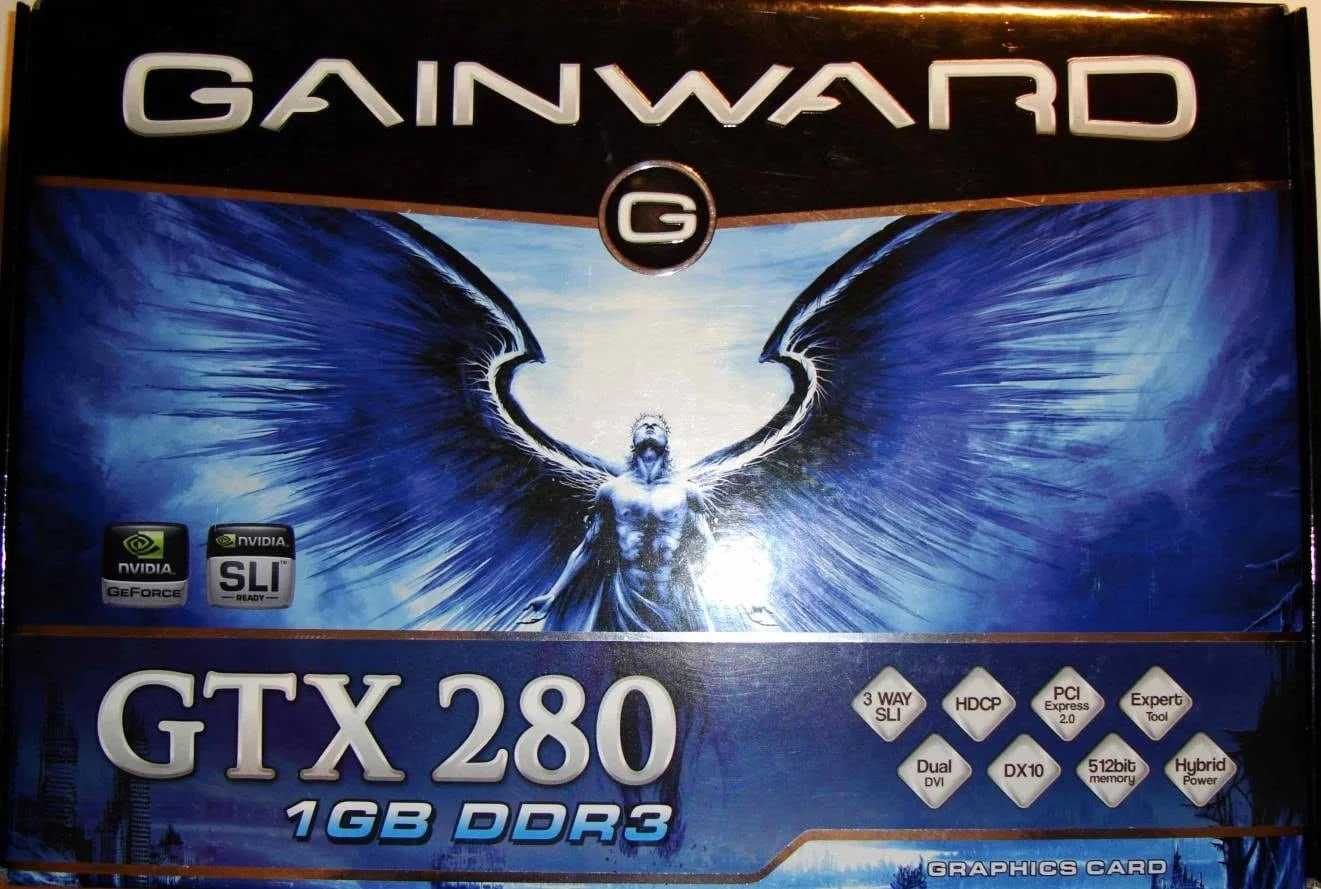
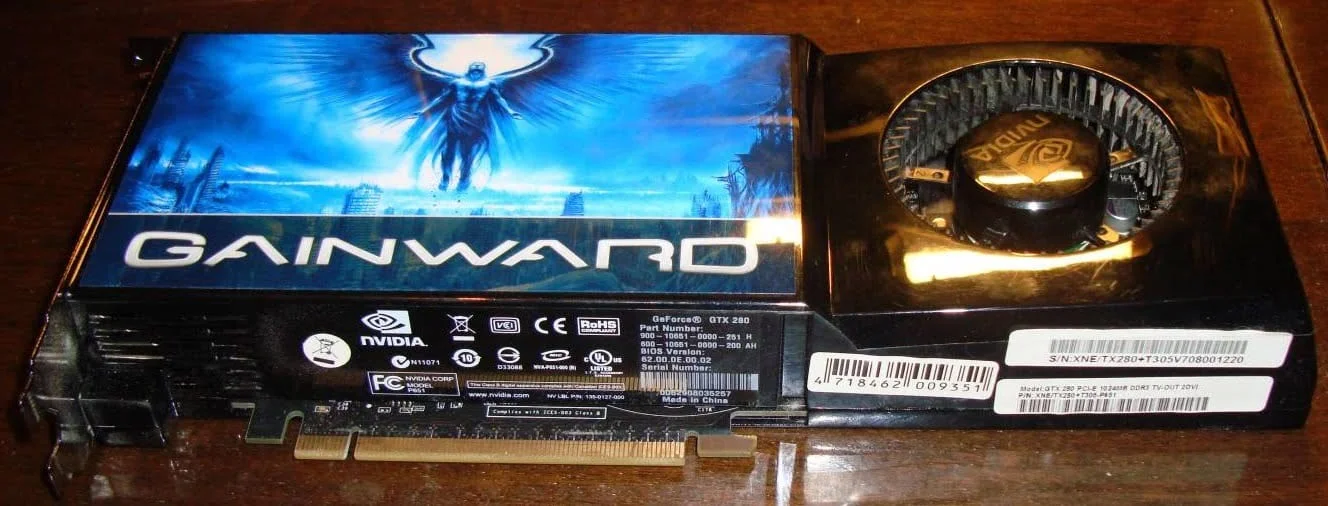
For this review, we received a Gainward accelerator. The box is quite oversized; honestly, I question its dimensions, as it could easily fit nearly two such graphics cards. It almost feels like the designers made it that large just to accommodate the wide wings of the character depicted on the packaging.
 ⤢ ВІДКРИТИ
Now, let's take a look at the graphics card itself:
 ⤢ ВІДКРИТИ
 ⤢ ВІДКРИТИ
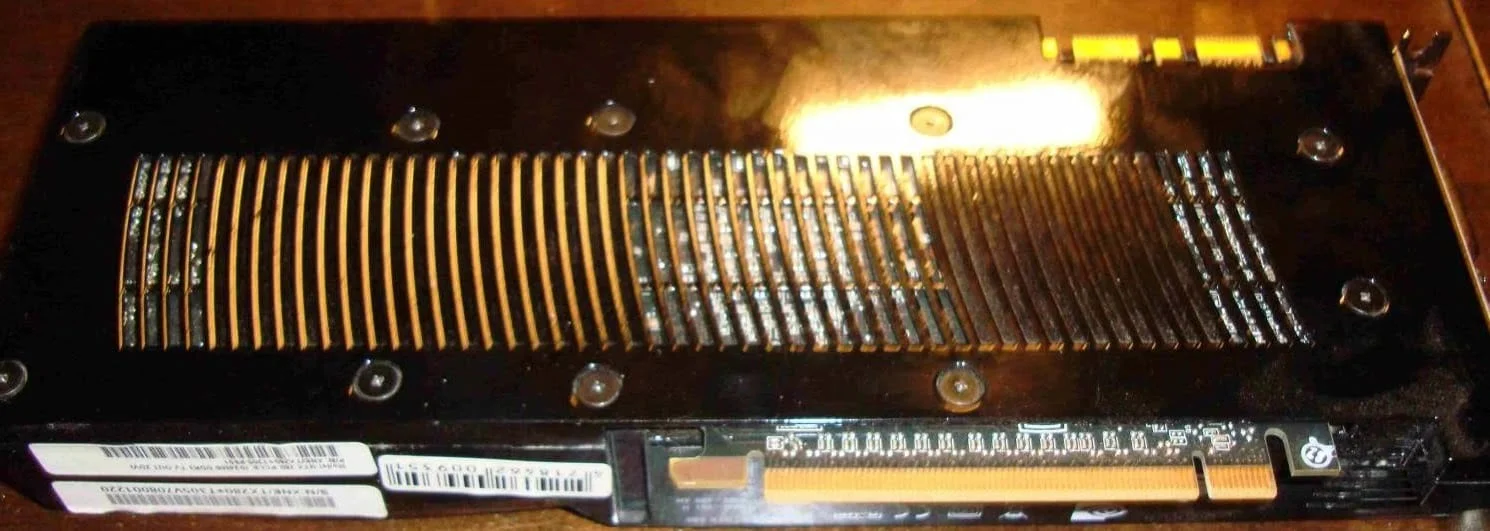
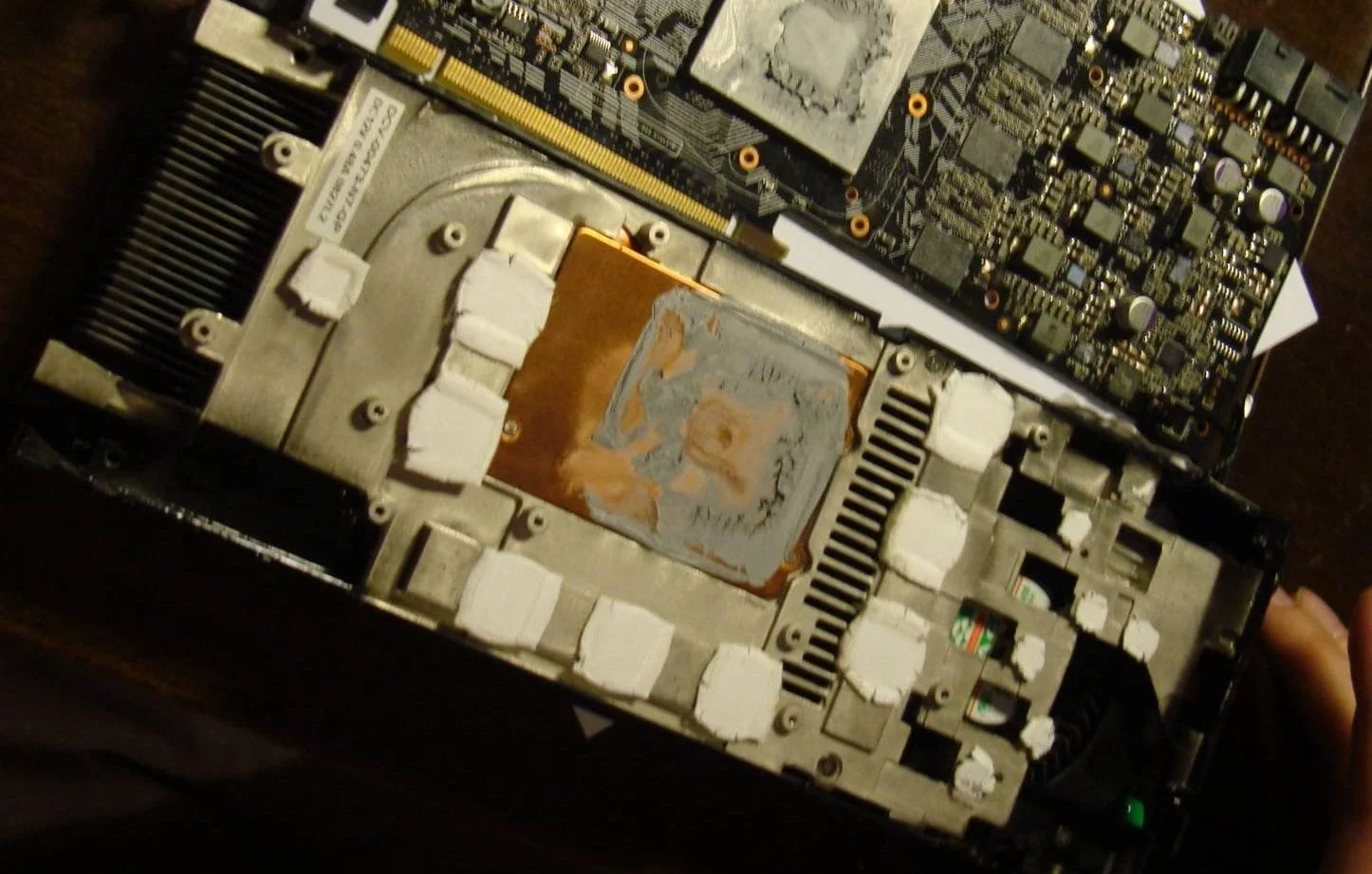
The card is identical to the reference GTX 280; only the Gainward sticker indicates it's not a stock NVIDIA card. Here's a look at the bare graphics card:
The cooling system is also a reference design, featuring the usual heat pipes contacting a copper heatsink. Memory chips are cooled via thermal pads made from thermal paste and a material resembling medical bandages. The power delivery circuit also uses a similar cooling method:
 ⤢ ВІДКРИТИ
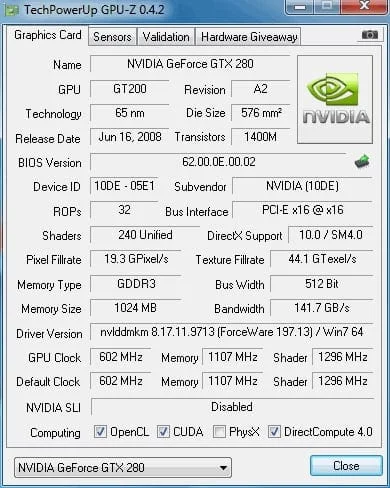
The GT200 GPU is built on a 65nm process, featuring 240 stream processors, 32 ROPs, and 80 TMUs. It’s paired with 1GB of GDDR3 memory, connected via a 512-bit interface — a spec confirmed by GPU-Z:
 ⤢ ВІДКРИТИ
Test bench and methodology
CPU - AMD Athlon II X2 250@3610MHz(C2)
CPU cooler - Zalman 7000Cu
RAM - PQI PC6400@1066MHz (5-5-5-14)
Motherboard - ASUS M2N68 AM SE2
Hard drives - Samsung SP160GB, Seagate 160GB
PSU - Cooler Master 500W Silent Pro
The following software was used for testing:
OS - Windows 7 x64 7600
NVIDIA drivers - GeForce/ION Driver Release 197.13
Fraps 3.1.0 Build 11052
Games - Metro 2033, S.T.A.L.K.E.R. Call Off Pripyat, Assassin's Creed II, NFS Shift, Splinter Cell Conviction, Split Second, Crysis Warhead, Prince of Persia (2008).
Tests in games and benchmarks were conducted with the following quality settings:
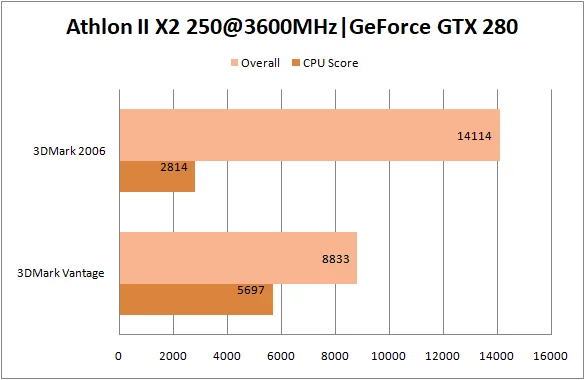
3DMark 2006: stock 3DMark Vantage: Profile - Performance
In games, we used these graphics quality settings:
Metro 2033:
DirectX 10
AA4
AF16
PhysX-off
Very high
Asassin's Creed II:
DirectX 9
AA8
AF
Vsync-off
Very high
S.T.A.L.K.E.R. Call Off Pripyat:
DirectX 10
AA8
AF16
Vsync-off
Very high
Splinter Cell Conviction:
DirectX 10
AA8
AF?
Vsync-off
Very high
NFS Shift:
DirectX 9
AA8
AF16
Vsync-off
Very high
Split Second:
DirectX 9
Very high
Crysis Warhead:
DirectX 10
AA16
AF16
Vsync-off
Very high
Prince of Persia (2008):
DirectX 9
AA4
AF16
Vsync-off
Very high
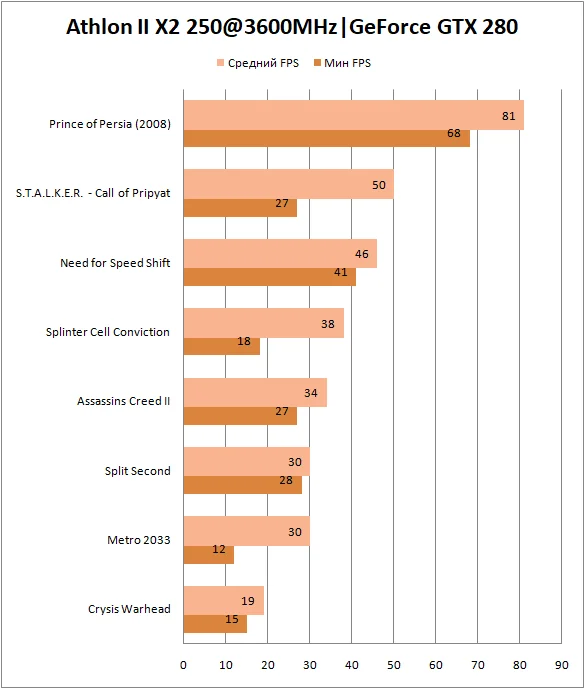
The resolution for all games was set to 1280x1024. In some titles, granular control over graphics quality settings wasn't available, which means anisotropic filtering or anti-aliasing levels couldn't always be determined.
Test results
Graphics benchmarks:
 ⤢ ВІДКРИТИ
In-game results:
 ⤢ ВІДКРИТИ
Conclusion
Ultimately, the GTX 280 proved insufficient in two of the eight games tested. Another two titles, Assassin's Creed II and Splinter Cell: Conviction, showed a significant CPU bottleneck; even reducing detail couldn't squeeze out an extra frame. These two games will actually feature in our upcoming review of AMD's new six-core processor. In the remaining four games, however, this former flagship delivered excellent performance. That said, the single-game benchmark isn't the sole driver of progress anymore. The once notoriously demanding Crysis has been dethroned by the domestic shooter Metro 2033. Looking to the near future, the GTX 280 simply won't cut it for demanding gamers seeking high frame rates. For those who prioritize maximum quality, it's best to forget about this card entirely and focus on the GTX 480 or HD 5870, as only they can truly deliver the full benefits of modern graphics and the new DirectX 11 API right now.