TESTS · CPU · INTEL
PUBLISHED
READING17 min
Benchmarking the Intel Xeon E5-2667 in modern games
Can a venerable 6-core Intel Xeon E5-2667 still hold its own in 2022's demanding games? We benchmark its performance against a lineup of other processors.
The era of Intel Sandy Bridge-based processors is slowly coming to an end. Games are becoming increasingly demanding, partly due to the arrival of next-gen consoles. This means the low IPC, modest clock speeds, and limited instruction set of 32nm chips can no longer maintain acceptable performance levels. But what if a chip has more than four cores? Could, for instance, a 6-core, 12-thread chip built on the same architecture deliver a respectable framerate and clearly outperform a classic Core i7-2600 CPU from the same family? Let's find out.
Processor
Our test lab received one of the most powerful 6-core Sandy Bridge-EP processors: the Xeon E5-2667. While the E5-1650 and E5-1660 chips are faster, their significantly higher cost makes them a completely different story.
Let's take a look at the CPU itself:
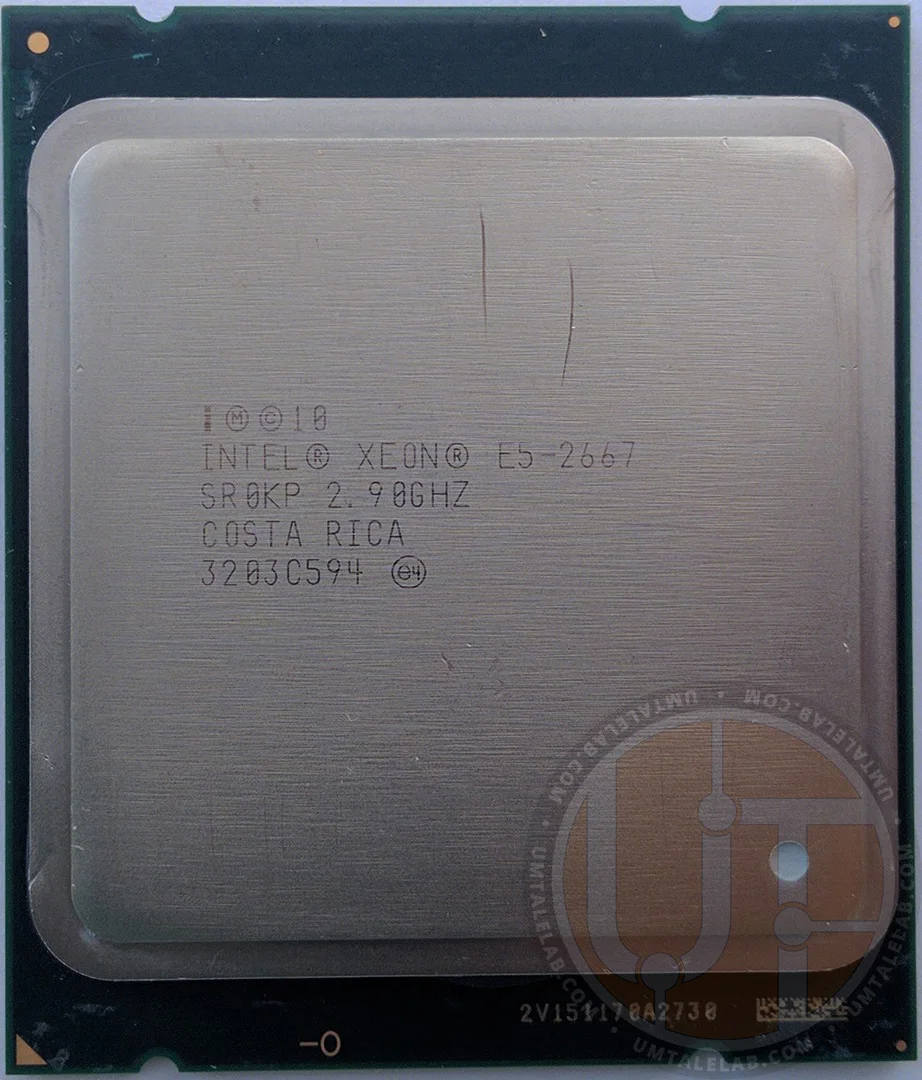
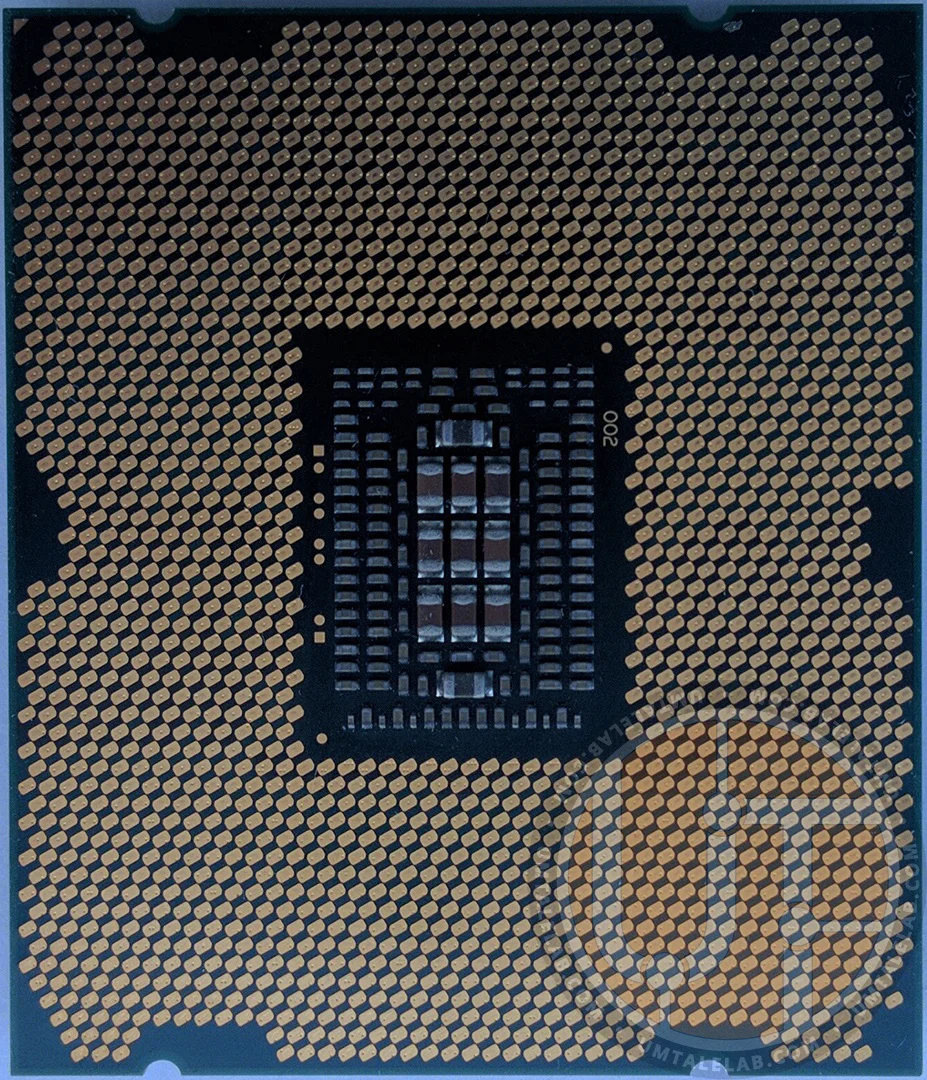
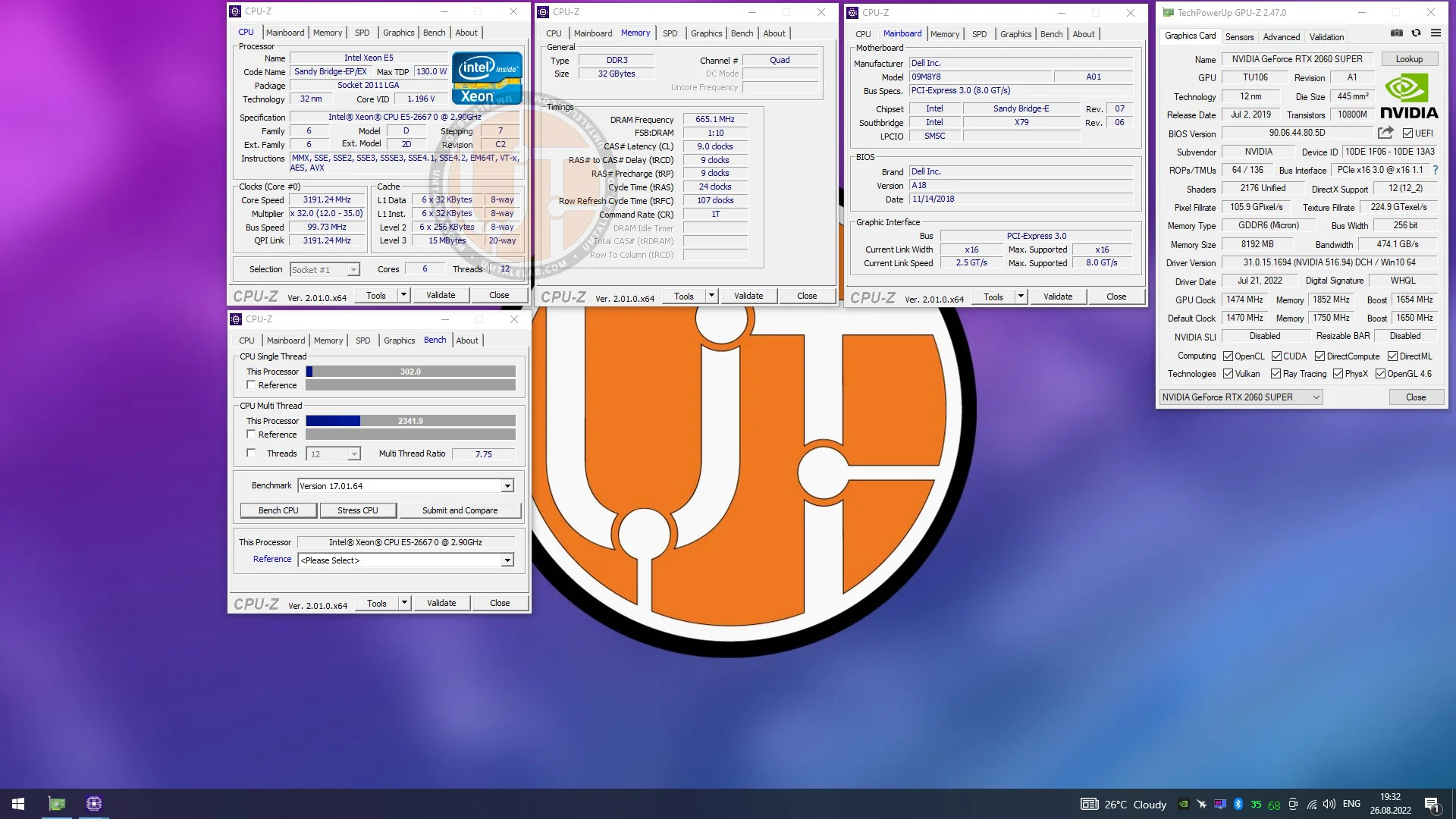
Our test Xeon E5-2667 sample bears the SR0KP marking. Manufactured in Costa Rica, this chip has a nominal clock speed of 2900 MHz and a TDP of 130 watts. That's a rather high figure, so if you're considering buying such a hot CPU, make sure to pair it with an adequate cooling system.
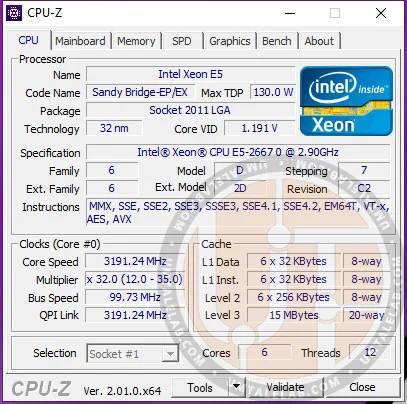
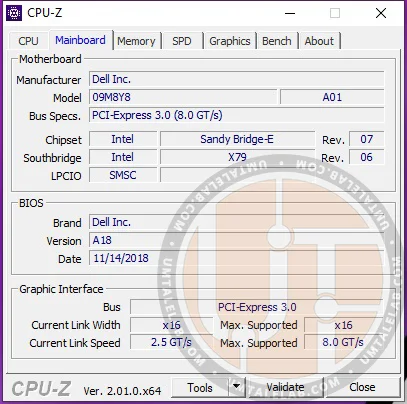
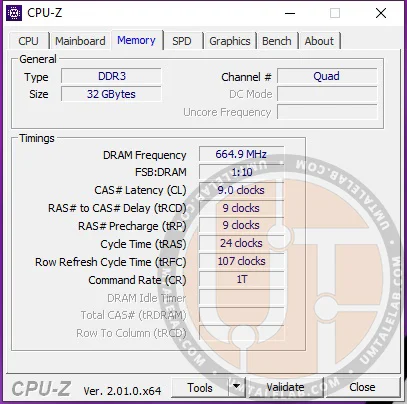
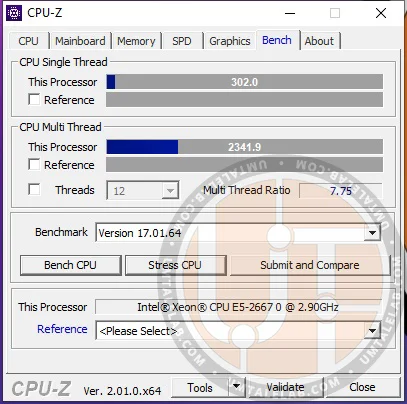
The E5-2667 processor is based on a 32nm, 6-core, 12-thread Sandy Bridge-EP die. Designed for LGA 2011 motherboards, its nominal frequency is 2900 MHz. However, Turbo Boost technology can significantly increase this: up to 3500 MHz for a single core and 3200 MHz for all 6 cores/12 threads.
The Xeon E5-2667 features 256 KB of L2 cache per core and a substantial 15 MB of shared L3 cache. The speed of the E5-2667's integrated memory controller is tied to the core frequency (the L3 cache also operates at this speed) and always matches it. The maximum RAM frequency is limited by its quad-channel DDR3-1333 MHz controller.
The processor also supports SSE4.2 and AVX instructions, which are essential in 2022. This feature should help avid gamers run virtually any new title released this year without issues. Whether the Xeon E5-2667 can actually handle those new releases, however, is another question entirely – one we'll answer a bit further down.
 ⤢ ВІДКРИТИ
Test Bench and Software
Test Bench
Intel processors— Xeon X3470, Core i7-2600, Xeon X5660, Xeon E5-2667, Xeon E5-2620 v3;
AMD processors— FX-8350, FX-6350;
CPU cooling— Cooler Master Hyper 212 Black Edition (RR-212S-20PK-R1);
RAM for LGA 1155 or 1156— 4x 8GB HyperX Genesis Na’Vi Edition (KHX16C9C2K2/8) for a total of 32GB;
RAM for LGA 1366— 3x 8GB HyperX Genesis Na’Vi Edition (KHX16C9C2K2/8) for a total of 24GB;
RAM for LGA 2011 — 4x 8GB Micron MT36JSF1G72PZ-1G4M1HF for a total of 32GB;
RAM for LGA 2011 v3 — 4x 4GB G.SKILL DDR4 F4-2400C15S-4GNT for a total of 16GB;
RAM for AM3+ — 4x 8GB HyperX Genesis Na’Vi Edition (KHX16C9C2K2/8) for a total of 32GB;
Motherboard LGA 1156 — DELL OptiPlex 980 (0D441T, mod-BIOS);
Motherboard LGA 1155 — Gigabyte GA-Z68P-DS3 (rev. 2.0);
Motherboard LGA 1366 — DELL T3500 (09KPNV);
Motherboard LGA 2011 — DELL T3610 (09M8Y8);
Motherboard LGA 2011 v3 — Kllisre X99-D8 (AD12) with a modified BIOS (Turbo Boost unlocked, and timing control enabled);
Motherboard AM3+ — ASUS M5A97 LE R2.0;
Graphics card — KFA2 GeForce RTX 2060 SUPER 8GB (~1950/14816MHz, Power Limit 112%);
Solid-state drive — KINGSTON SUV400S37240G 240.0 GB (Windows 10 + Games) + KINGSTON SUV400S37400G 400.0 GB (Games);
Power supply — Chieftec GPS-1250C.
Software
Operating system: Windows 10 x64 with the latest updates as of August 2022;
Graphics card drivers: NVIDIA GeForce 516.94 WHQL;
Additional software for FPS measurement: MSI Afterburner 4.6.4;
Games: testing was conducted on the latest game versions as of August 2022;
Game settings: testing was performed at the highest possible graphics settings with a resolution of 720p.
Tested processor configurations
Intel processors:Core i7-2600@3400MHz, Dual-Channel DDR3@1866MHz (DDR3 timings 10-11-11-26, DDR3 voltage 1.550v);
Xeon X3470@3200MHz, Dual-Channel DDR3@1333MHz;
Xeon X5660@3066MHz, Triple-Channel DDR3@1333MHz;
Xeon E5-2667@3200MHz, Quad-Channel DDR3@1333MHz;
Xeon E5-2620 v3@3200MHz, Quad-Channel DDR4@1866MHz (DDR4 timings 10-10-10-24).
AMD processors: FX-6350@4200MHz, CPU-NB@2200MHz, Dual-Channel DDR3@1866MHz; FX-6350@4595MHz, CPU-NB@2608MHz, Dual-Channel DDR3@2086MHz (CPU Core voltage — 1.440v, CPU-NB voltage — 1.375v, DDR3 voltage — 1.660v); FX-8350@4200MHz, CPU-NB@2200MHz, Dual-Channel DDR3@1866MHz;
FX-8350@4434MHz, CPU-NB@2608MHz, Dual-Channel DDR3@2086MHz (DDR3 timings 11-12-12-30, CPU Core voltage — 1.416v, CPU-NB voltage — 1.375v, DDR3 voltage — 1.660v).
For more details on virtually all tested components, check out our in-depth articles or visit the blog section for shorter notes.
Our CPU testing methodology involved five runs per game, with the average frame rate recorded. All games were installed on SSDs.
Benchmark results
Before diving in, here's what makes this article unique: beyond just the E5-2667's results, I'll also be commenting on other processors, as many of them are being tested in current 2022 games for the first time. I think it will be incredibly interesting to examine the performance of chips like the AMD FX-8350 and Intel Core i7-2600, then compare them to our main subject. However, the most compelling matchup, in my opinion, will be between the Xeon E5-2667 and the Xeon E5-2620 v3. Both are six-core CPUs, operating at the same frequency with quad-channel memory, but they differ architecturally: Sandy Bridge and Haswell, respectively.
Assassin's Creed Valhalla
 ⤢ ВІДКРИТИ
 ⤢ ВІДКРИТИ
 ⤢ ВІДКРИТИ
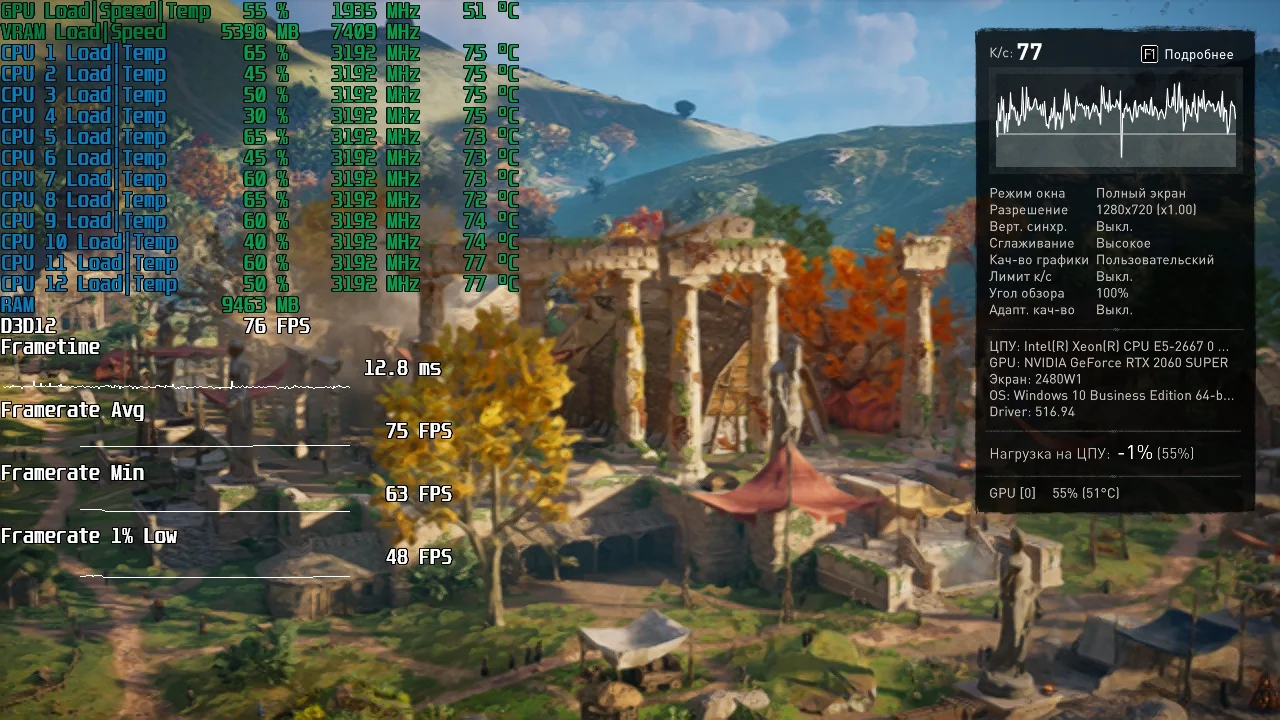
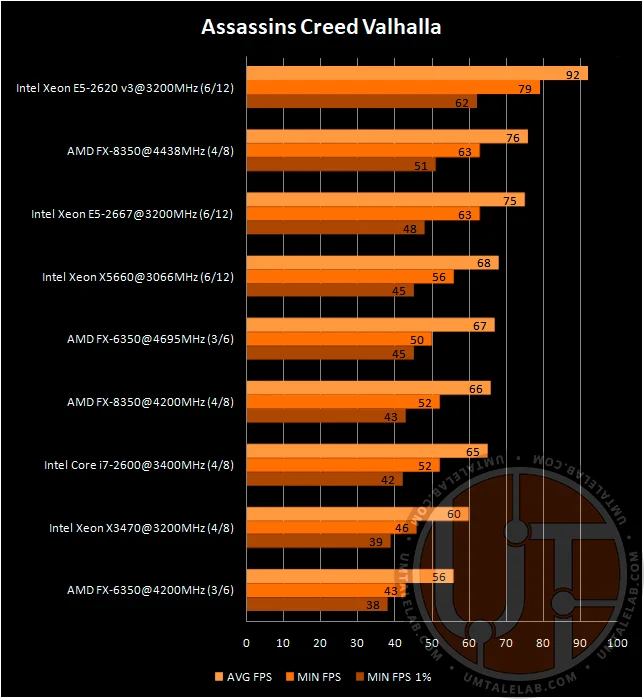
In the first game from our new test suite, Assassin's Creed Valhalla, the E5-2667's performance is slightly concerning. The six-core Sandy Bridge chip fell slightly behind the overclocked AMD FX-8350 and dramatically lagged its 'older brother,' the E5-2620 v3. Furthermore, the gap from the X5660 isn't critical; the aging Westmere performed quite well in this current installment of the Assassin's Creed franchise.
Still, it's worth noting that all tested CPUs, including the 6-thread FX-6350, managed to run Assassin's Creed Valhalla successfully and deliver a minimally comfortable FPS.
Battlefield 2042
 ⤢ ВІДКРИТИ
Ray Tracing - ON
 ⤢ ВІДКРИТИ
 ⤢ ВІДКРИТИ
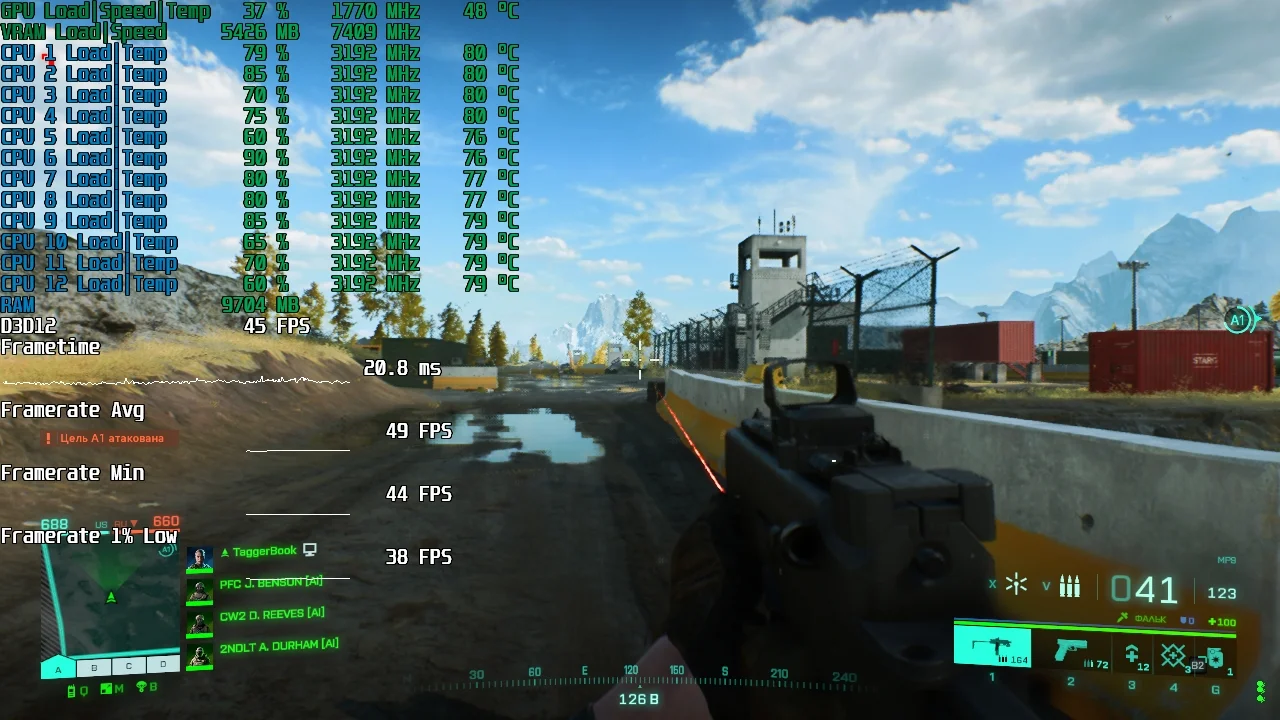
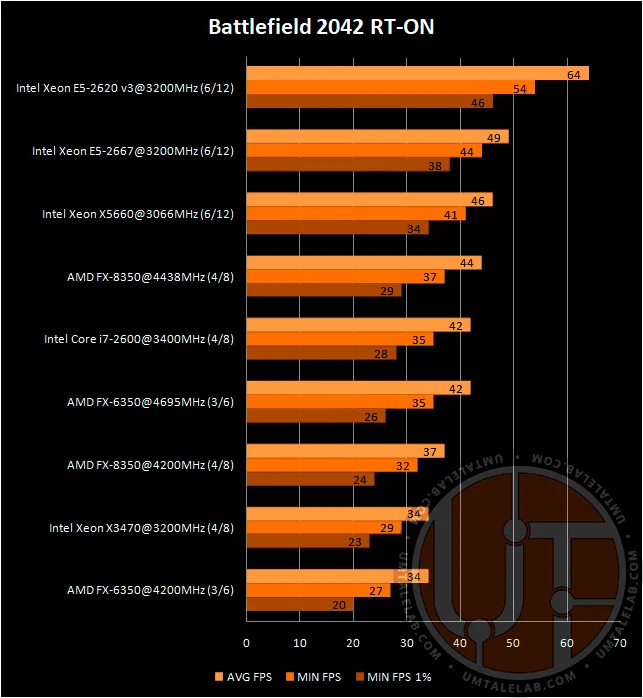
Battlefield 2042 isn't known for good optimization, which has left a vast array of components — including those that ran the fifth installment of the popular shooter franchise just fine — out in the cold. A similar fate awaits most of the tested processors: the only chip capable of comfortable online play with ray tracing enabled is the Xeon E5-2620 v3. Unfortunately, neither our subject, the E5-2667, nor any of the other tested chips could deliver adequate results.
Ray Tracing - OFF
 ⤢ ВІДКРИТИ
 ⤢ ВІДКРИТИ
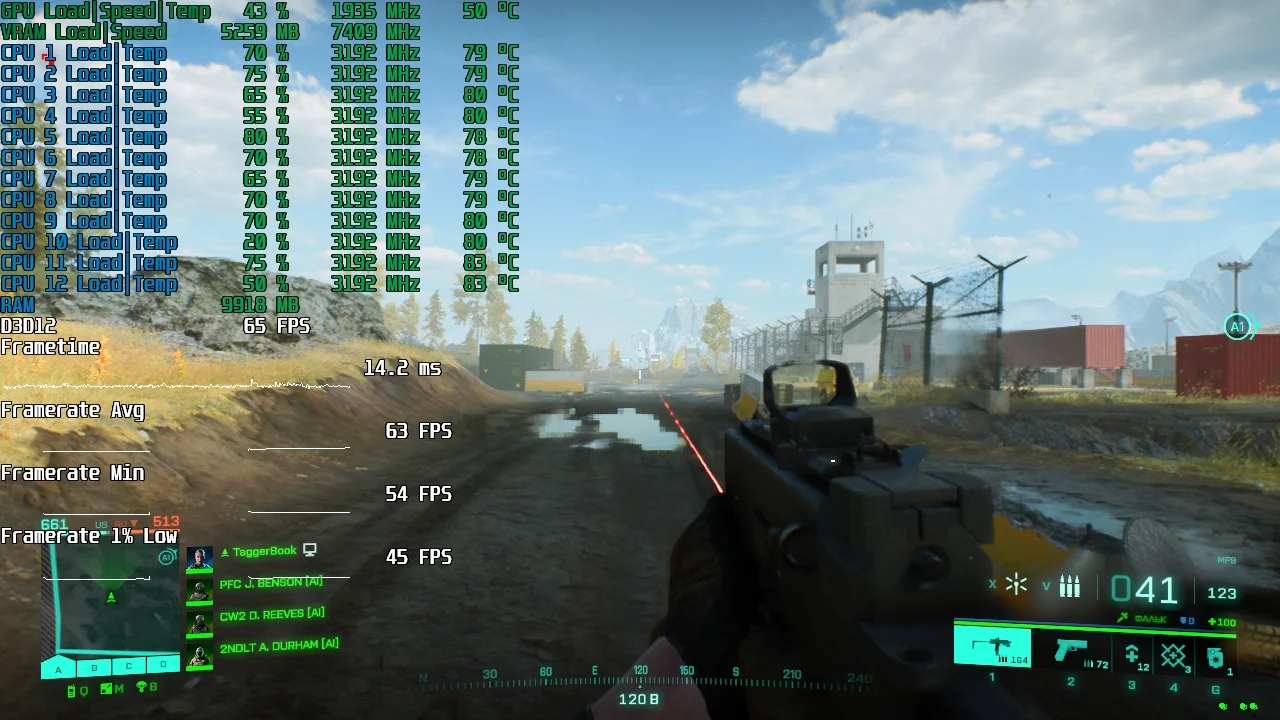
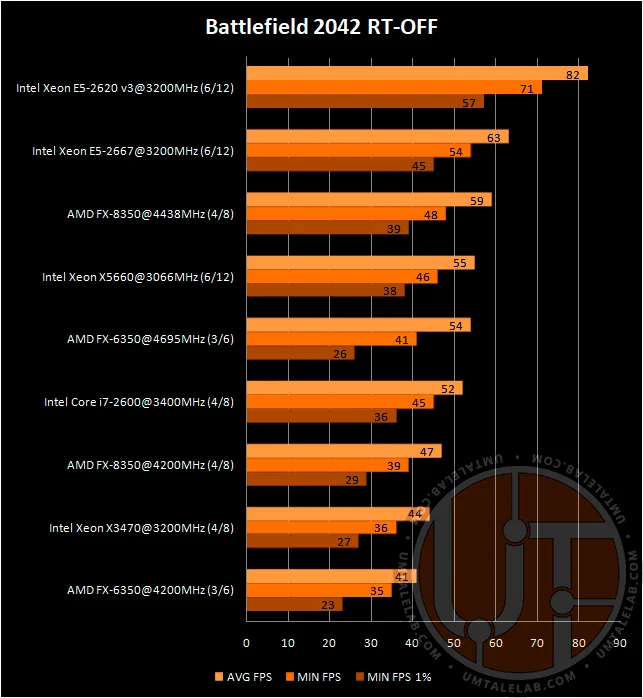
However, just turning off the infamous ray tracing changes everything dramatically: the E5-2667 delivers a confident 63 FPS, and even the aging, overclocked FX-8350 hits the 59 frames per second mark. The same can't be said for the stock FX-8350 and Core i7-2600; unfortunately, their performance remains unremarkable.
Also worth noting is the Xeon X5660. Overall, while owners of this chip can experience BF2042, unfortunately, they shouldn't expect comfortable, stable FPS across all multiplayer maps.
Cyberpunk 2077
 ⤢ ВІДКРИТИ
Ray Tracing - ON
 ⤢ ВІДКРИТИ
 ⤢ ВІДКРИТИ
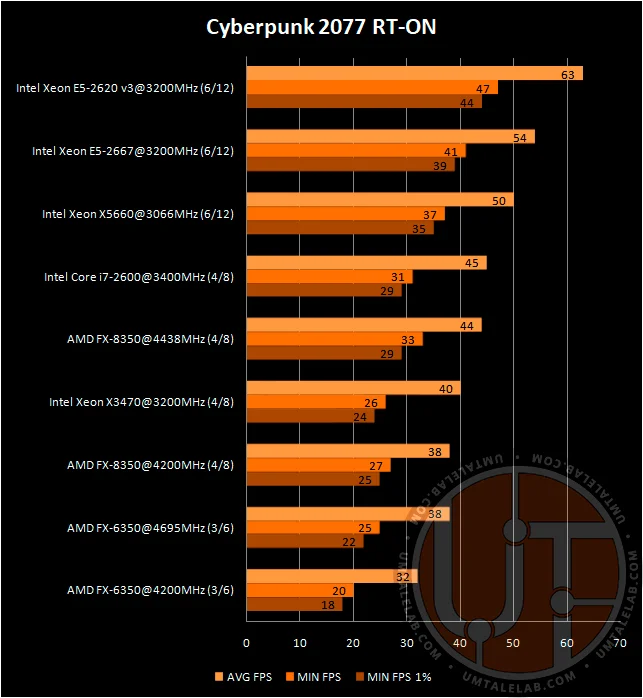
Cyberpunk 2077 is a single-player game, so the demands for high frame rates are somewhat lower. This makes the E5-2667 a perfectly decent choice for this project with ray tracing enabled. The same holds true for the X5660, i7-2600, and the overclocked FX-8350. However, the same cannot be said for the AMD chip's base frequencies: unfortunately, the stock 8350 even managed to lose to the ancient Xeon X3470.
Ray Tracing — OFF
 ⤢ ВІДКРИТИ
 ⤢ ВІДКРИТИ
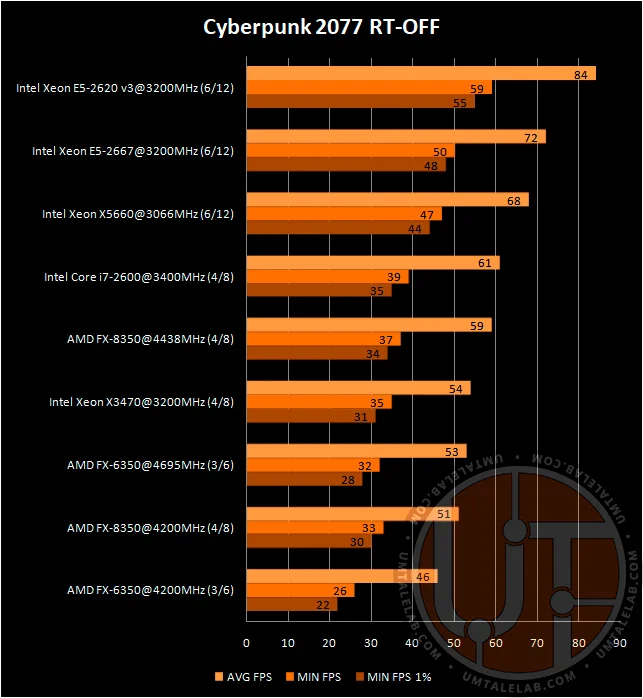
Without ray tracing, almost all tested processors handled Cyberpunk 2077 well, with the Xeon E5-2667 delivering a strong 72 frames per second. However, to be perfectly honest, it couldn't compete with the six-core Haswell; the E5-2620 v3 is simply in a different league.
Comparing the FX-8350 with the Core i7-2600 in Cyberpunk 2077, the top-tier LGA1155 representative confidently outperforms its overclocked competitor, showing a much higher result compared to the stock FX.
Destiny 2
 ⤢ ВІДКРИТИ
 ⤢ ВІДКРИТИ
 ⤢ ВІДКРИТИ
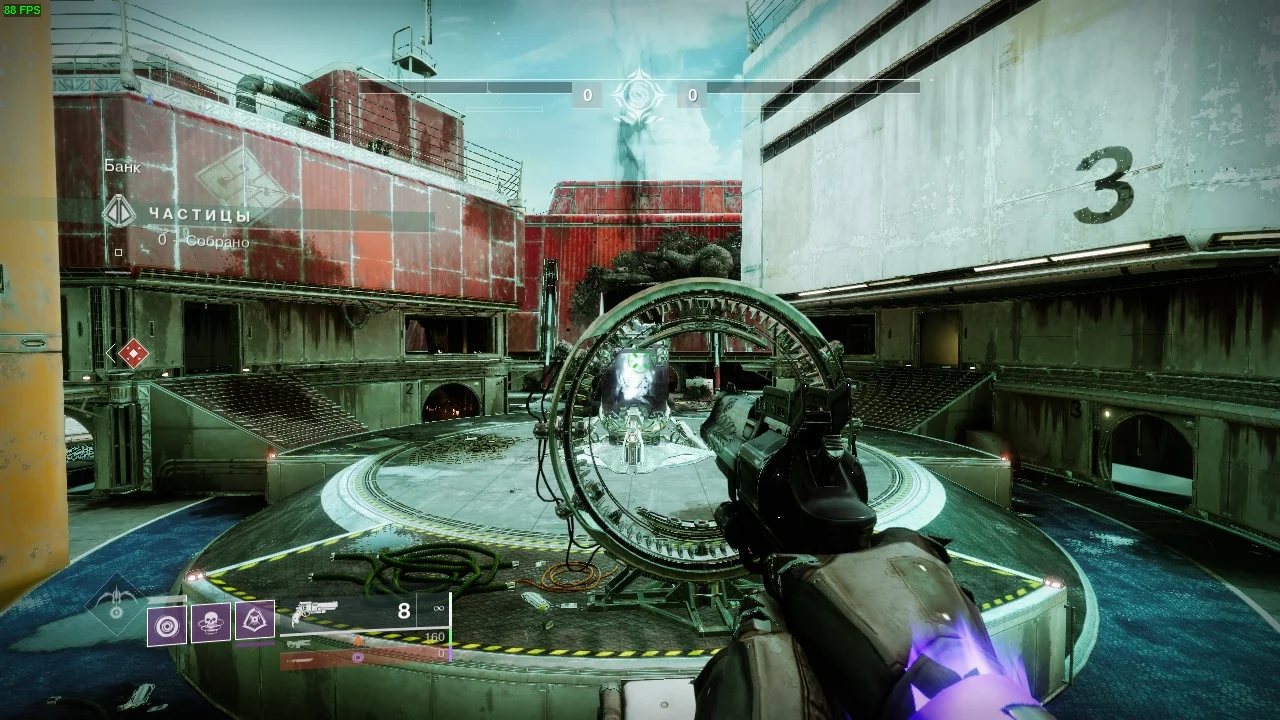
As we've mentioned in numerous past articles, Destiny 2 is a multiplayer game that blocks third-party overlays, meaning it doesn't support MSI Afterburner. Consequently, obtaining precise metrics isn't possible. However, we still managed to gather reasonably representative data thanks to the in-game Steam counter.
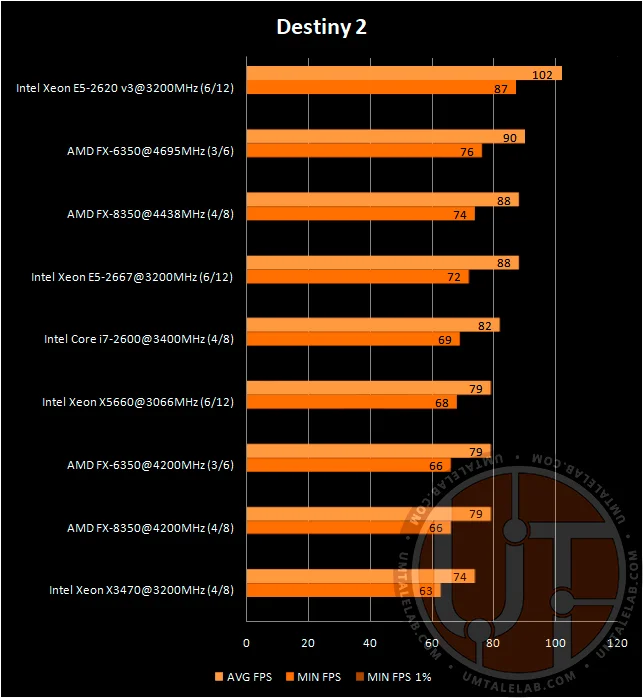
Looking at our performance chart, it becomes abundantly clear that Bungie still hasn't optimized its game engine to utilize more than six threads. This leads to the E5-2620 v3, the FX-6350 overclocked to 4695MHz, and the boosted FX-8350 taking the lead. The Xeon E5-2667 landed in fourth place with 88 FPS. It's worth noting, however, that its ample cache allowed it to significantly outperform the higher-clocked Core i7-2600.
Elden Ring
 ⤢ ВІДКРИТИ
 ⤢ ВІДКРИТИ
 ⤢ ВІДКРИТИ
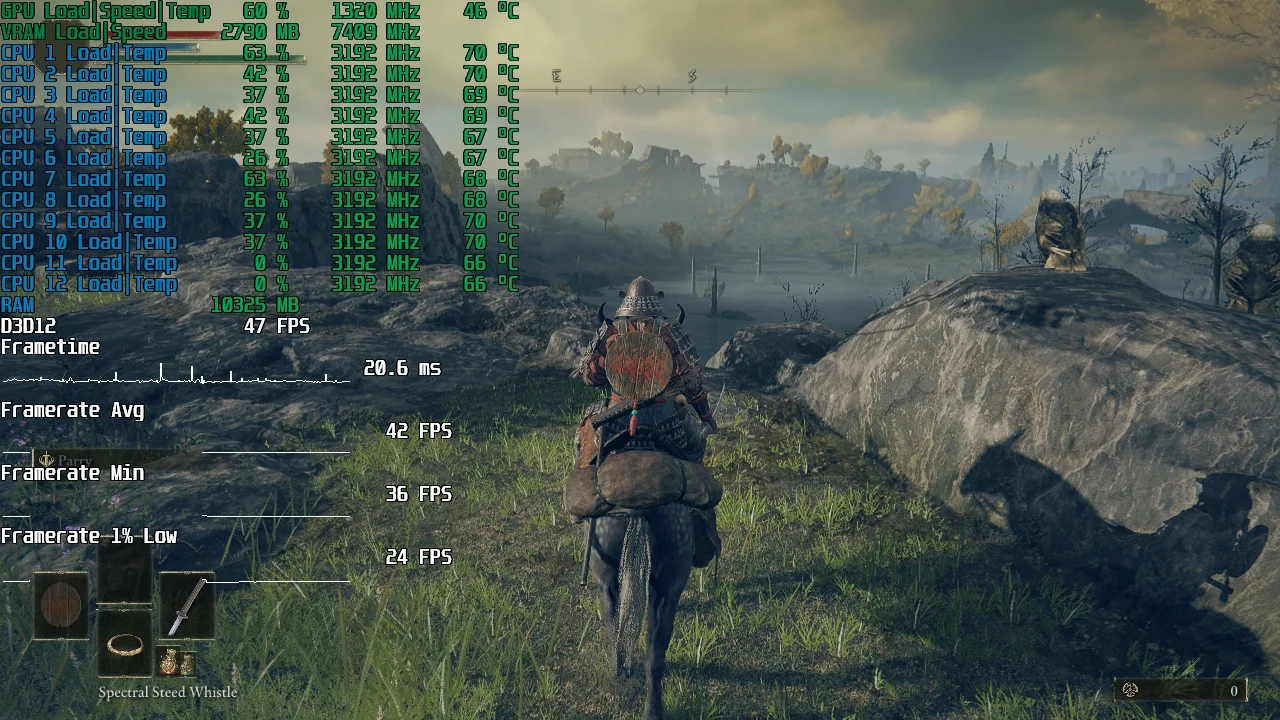
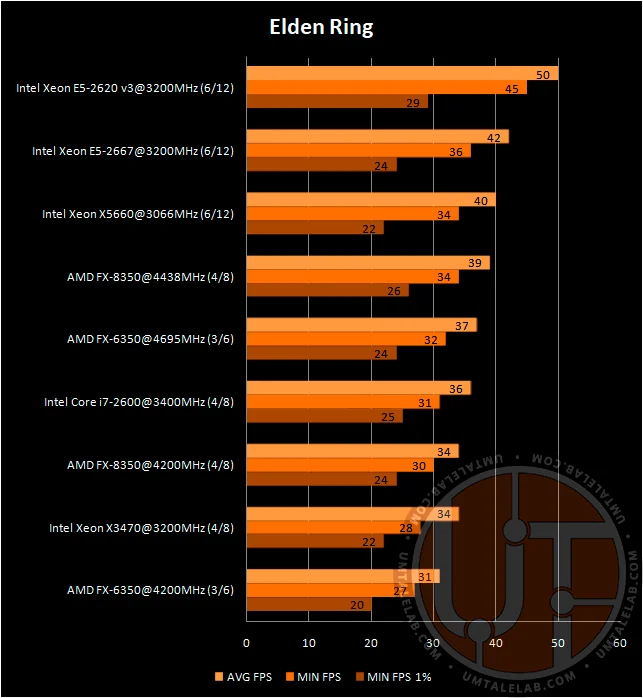
Hidetaka Miyazaki's latest (to date) creation, Elden Ring, was a disappointment. The hardcore RPG's optimization is quite mediocre, and in fact, none of the tested processors could deliver comfortable performance levels. This was especially true for the Xeon E5-2667, which suffered from unpleasant micro-stutters and unstable FPS during gameplay. The overclocked FX-8350, however, was a pleasant surprise. While it didn't quite reach the E5-2667's average framerate, its minimum FPS was significantly better. Furthermore, the FX provided a low but fairly stable framerate.
Far Cry 6
 ⤢ ВІДКРИТИ
Ray Tracing — ON
 ⤢ ВІДКРИТИ
 ⤢ ВІДКРИТИ
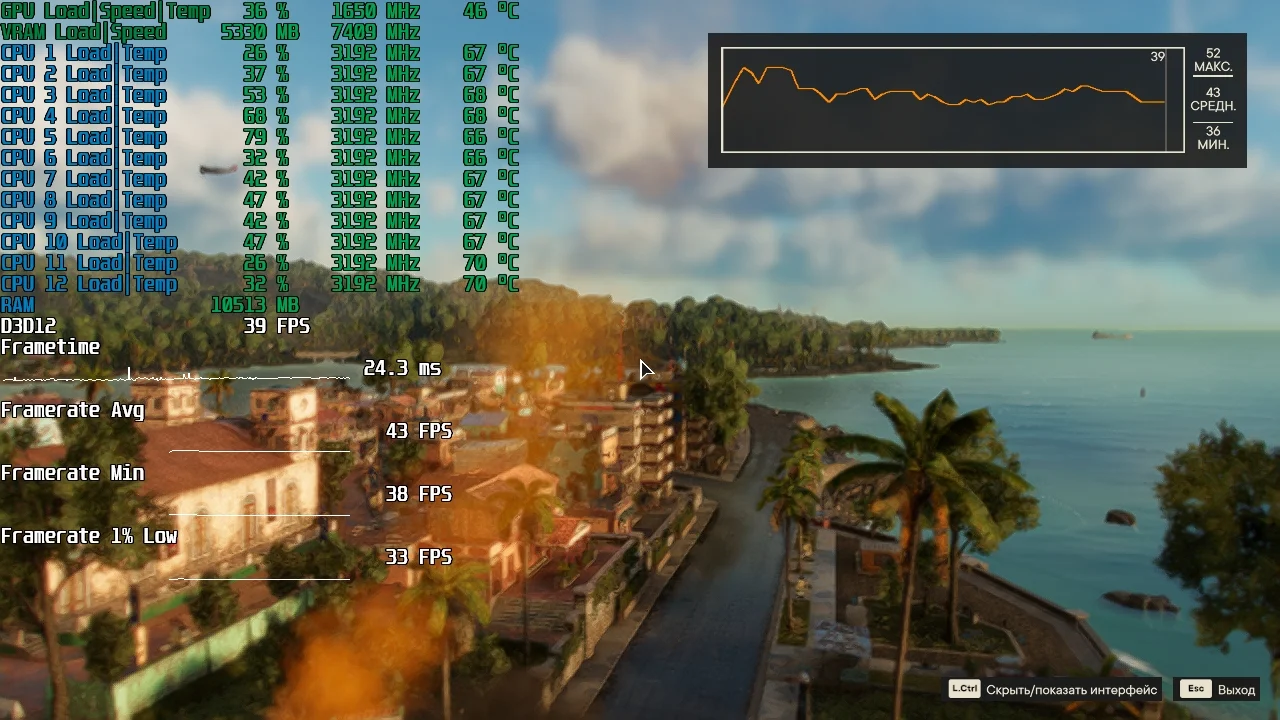
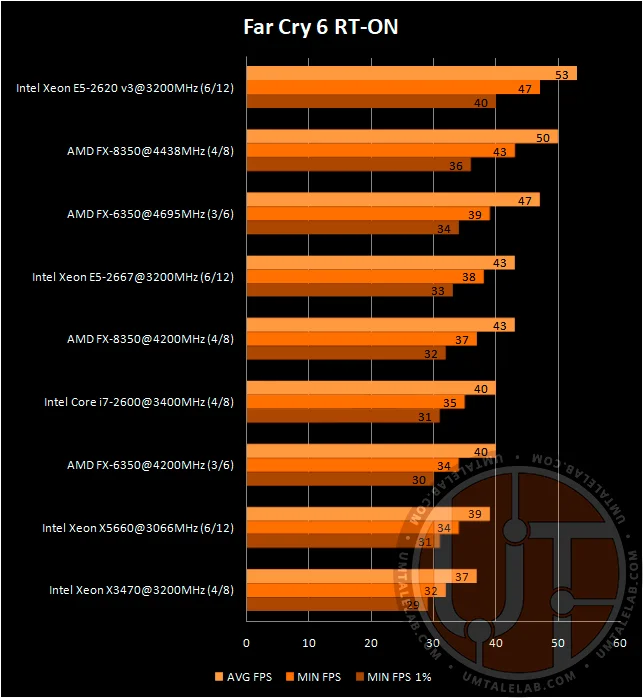
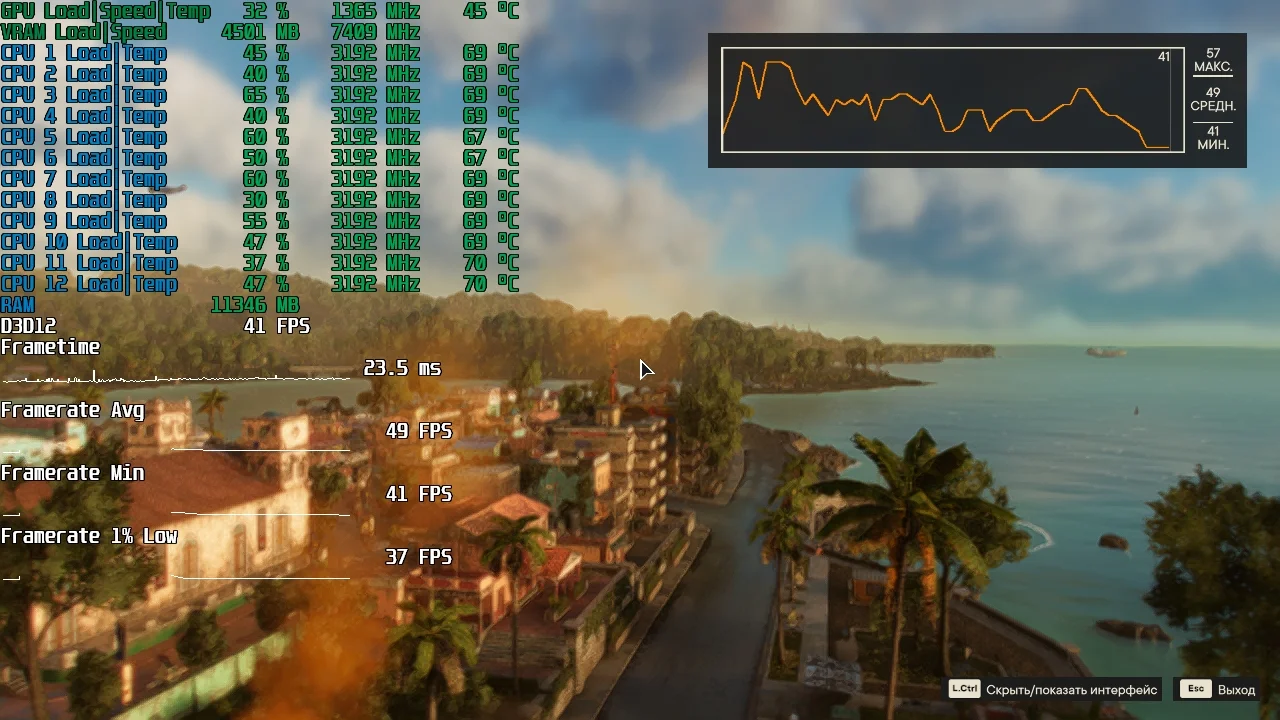
Far Cry 6 is another example of terrible optimization. The game struggles with multi-threaded processors, preventing even the Xeon E5-2620 v3 from delivering a decent result with ray tracing enabled. The Xeon E5-2667 took fourth place, achieving 47 frames. The six-core Sandy Bridge fell behind not only the overclocked FX-8350 but also the FX-6350. Surprisingly, the stock version of AMD's 8-thread processor demonstrated (!) the same results as our featured chip, outperforming the Core i7-2600.
Frankly, the E5-2667 only managed to avoid a complete failure and post a higher FPS than the Core i7 thanks to its almost twofold larger L3 cache.
Ray Tracing — OFF
 ⤢ ВІДКРИТИ
 ⤢ ВІДКРИТИ
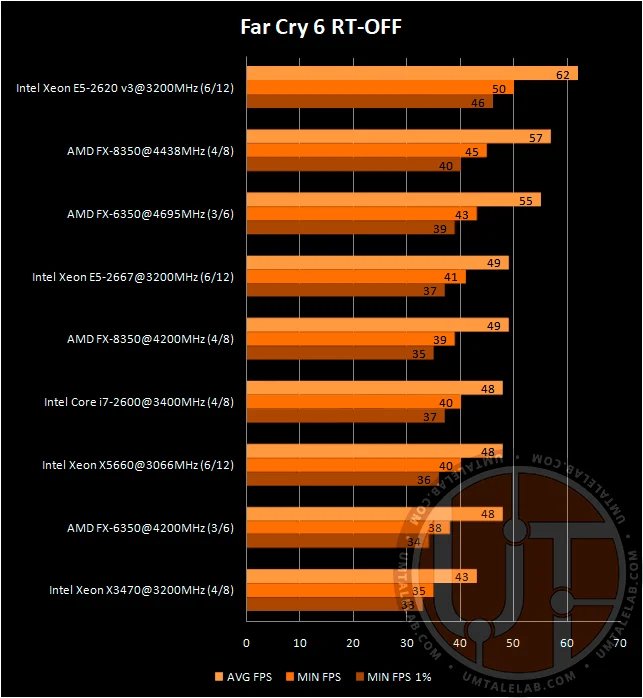
Even with ray tracing off, the game shows similar results. While FPS increased significantly, the processor rankings remained largely unchanged.
Far Cry 6 is an older title, so don't expect any patches to improve its performance. If you're a fan of Ubisoft's sixth installment and want the best experience, you'll need a more modern CPU with high single-core performance, like an Intel Alder Lake or AMD Zen 3 chip.
Marvel's Spider-Man Remastered
 ⤢ ВІДКРИТИ
Ray Tracing — OFF
 ⤢ ВІДКРИТИ
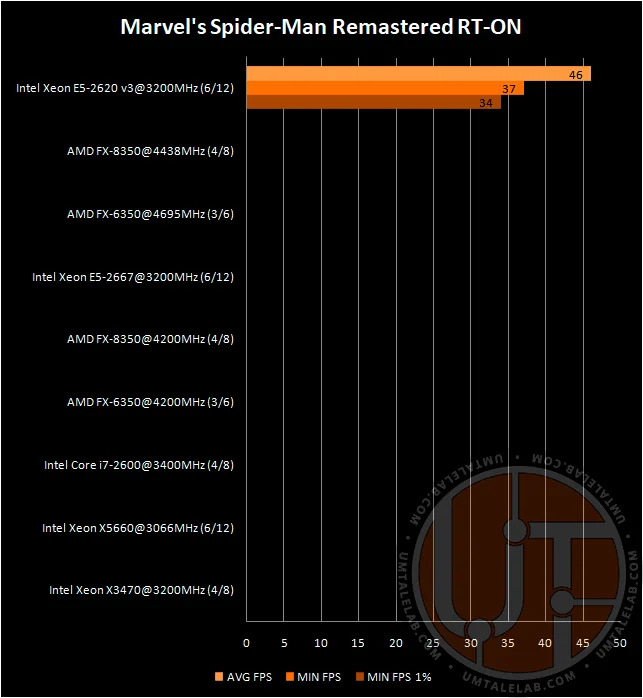
What do you make of these results? Not a single one of the tested CPUs, apart from the E5-2620v3, managed to run the former PlayStation exclusive, Marvel's Spider-Man Remastered, with ray tracing enabled! While future patches might change this, as of late August 2022, this is the reality we're facing.
I suspect the AVX2 extension, only supported by the six-core Haswell, is playing a role here, though we lack precise information. Even if the E5-2620v3 did manage to launch Marvel's Spider-Man Remastered with ray tracing, it certainly didn't handle it well. FPS remained quite low, often hovering around 46. This suggests that weaker processors in this test would face an even bleaker performance outlook.
Ray Tracing — OFF
 ⤢ ВІДКРИТИ
 ⤢ ВІДКРИТИ
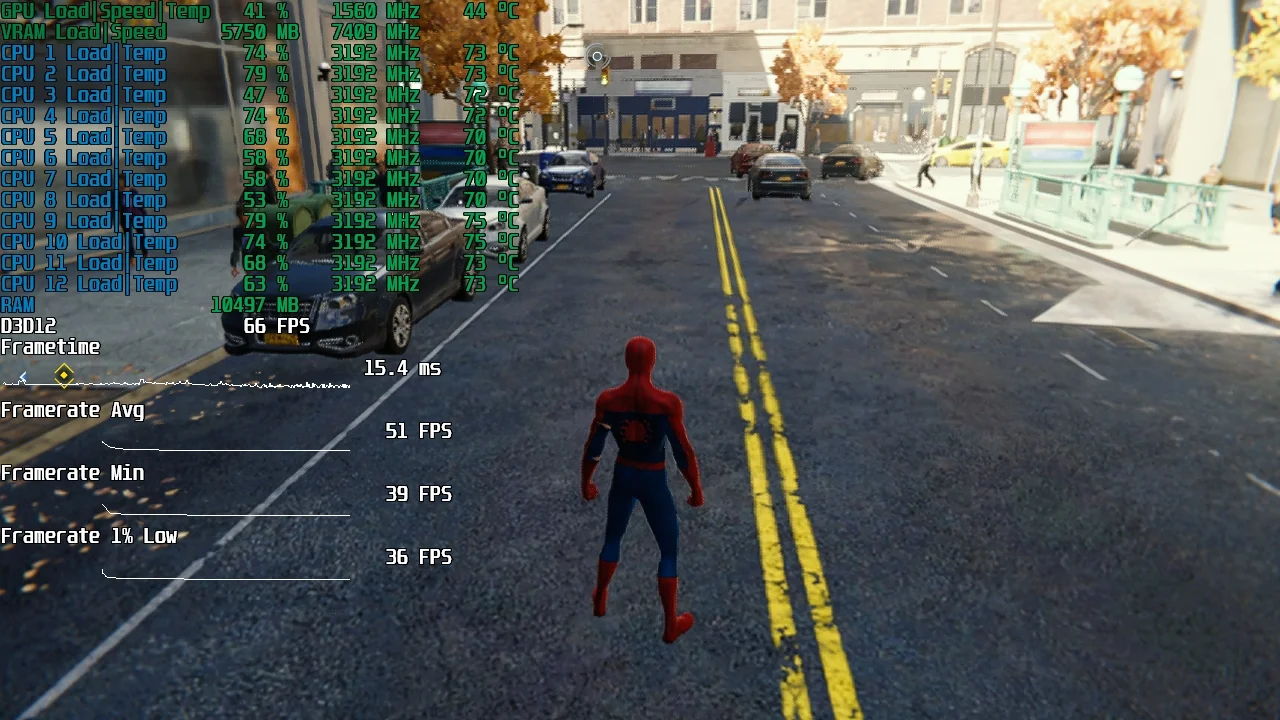
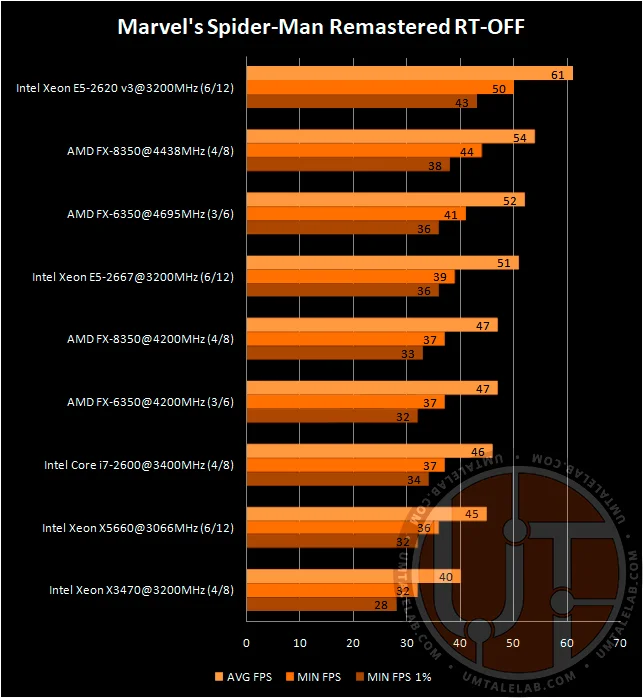
Fortunately, disabling ray tracing allowed us to test the game successfully on all CPUs, even those lacking first-gen AVX support. Kicking things off, the game can't effectively utilize more than six threads. This leads to some interesting results: an FX-6350 overclocked to 4695 MHz managed to beat the E5-2667, while its base 4200 MHz version delivered slightly better performance than the Core i7-2600.
The Xeon X5660 and X3470 processors landed in second-to-last and last place, respectively. This is quite surprising, given that the 6-core Westmere often competed effectively with 4-core Sandy Bridge chips in previous benchmarks, thanks to its triple-channel memory and 12MB L3 cache. However, the data doesn't lie: the Core i7-2600 genuinely edged out the Xeon X5660 in Marvel's Spider-Man Remastered.
Marvel's Guardians of the Galaxy
 ⤢ ВІДКРИТИ
Ray Tracing — ON
 ⤢ ВІДКРИТИ
 ⤢ ВІДКРИТИ
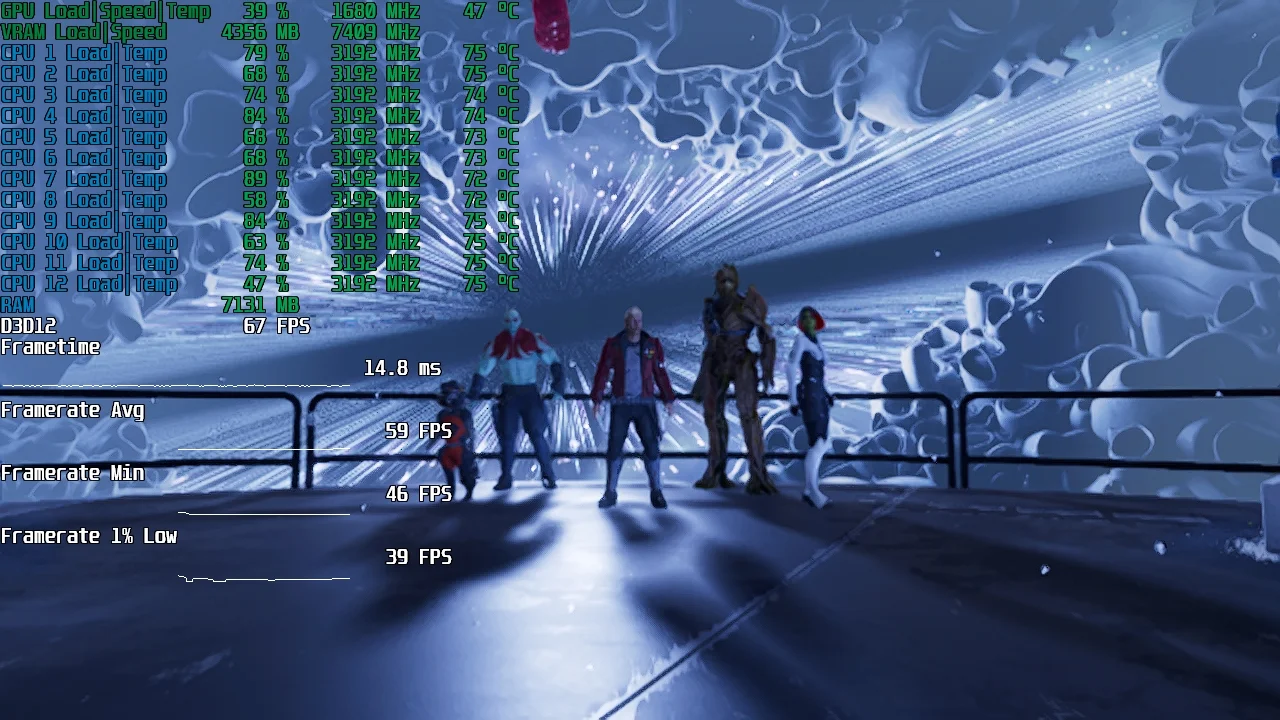
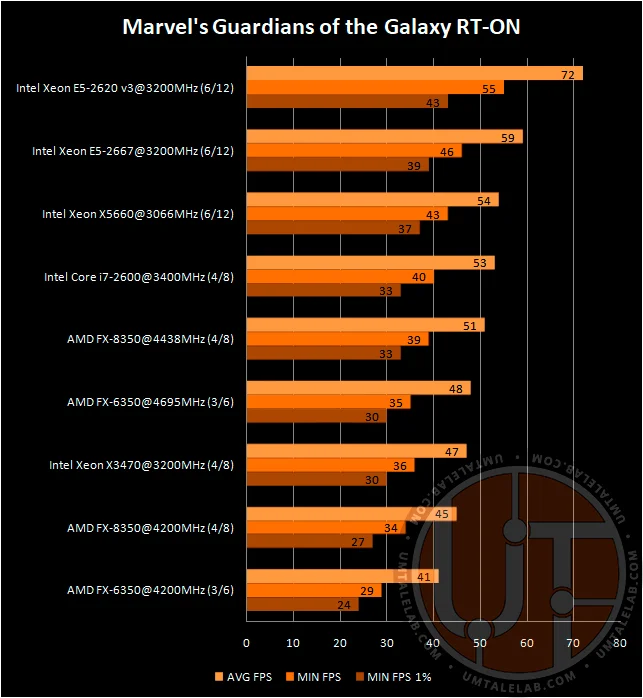
Marvel's Guardians of the Galaxy leverages multi-threaded CPUs far more effectively, and the E5-2667 shows solid performance here. It averages 59 frames per second, with rare dips to 46. The X5660 follows closely, with the Core i7-2600 right on its heels. Interestingly, the Core i7-2600 even managed to outpace an FX-8350 overclocked to 4438MHz, which is a respectable feat. The remaining CPUs couldn't deliver comfortable performance with ray tracing enabled. Still, there's another surprise: the Xeon X3470 somehow managed to beat the stock FX-8350, an outcome we certainly didn't expect.
Ray Tracing — OFF
 ⤢ ВІДКРИТИ
 ⤢ ВІДКРИТИ
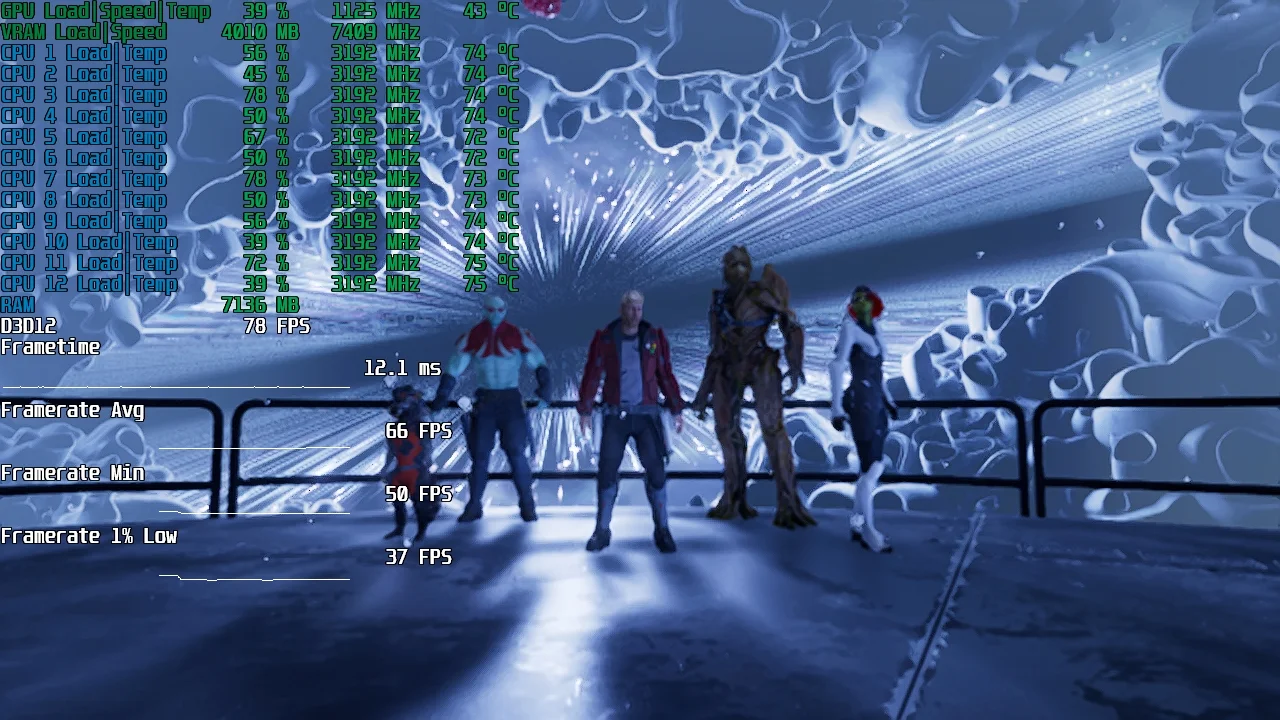
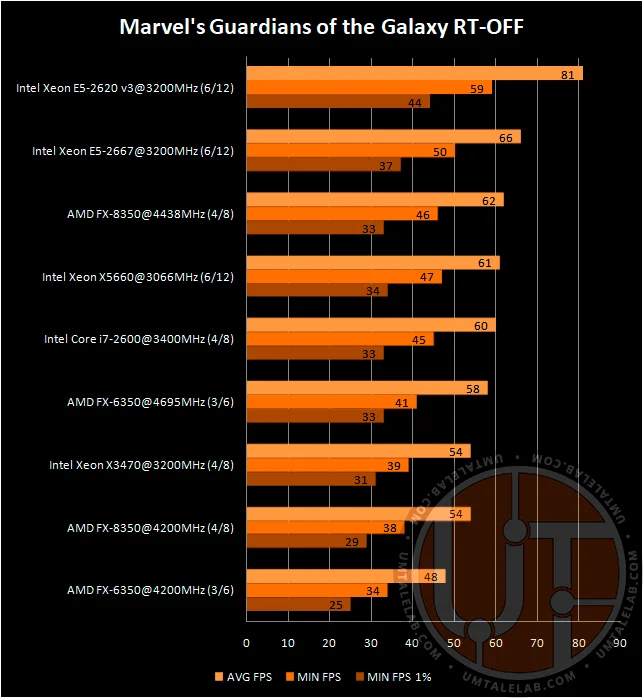
Disabling ray tracing significantly improves performance for almost every CPU in this test, with the stock FX-6350 being the lone exception. Honestly, trying to play Guardians of the Galaxy on that chip won't let you fully appreciate the solid project it is. But let's not forget about overclocking: after a good boost, the FX-6350 managed to surpass both the X3470 and the stock FX-8350. The other CPUs show fairly similar results, though the E5-2620 v3 once again falls short of the E5-2667's performance.
Saints Row [2022]
 ⤢ ВІДКРИТИ
Ray Tracing — ON
 ⤢ ВІДКРИТИ
 ⤢ ВІДКРИТИ
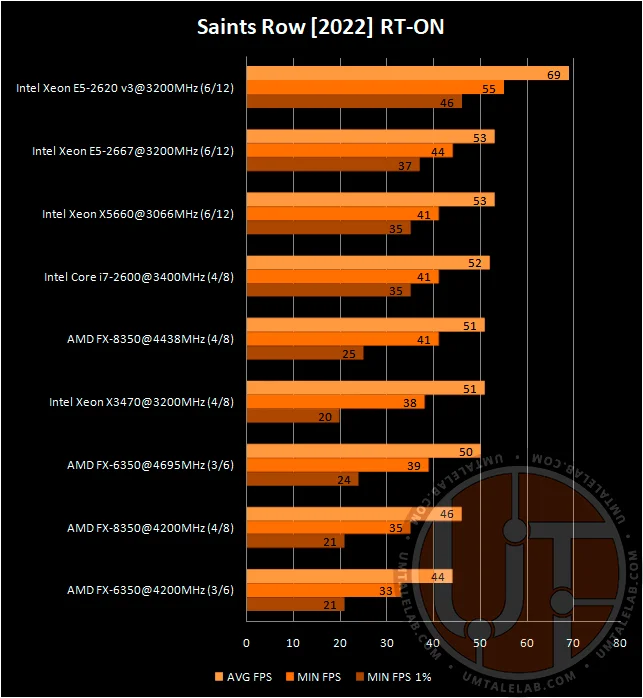
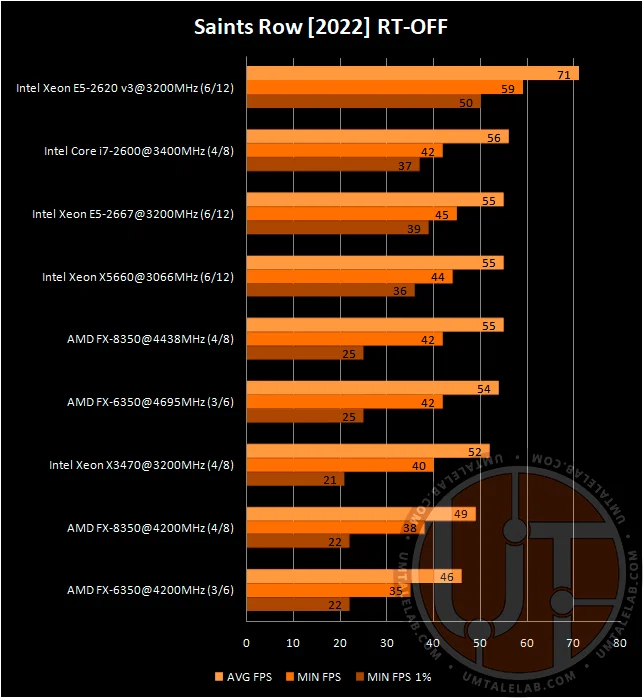
The graph above genuinely shocked me a bit, and I'm not even sure where to begin...
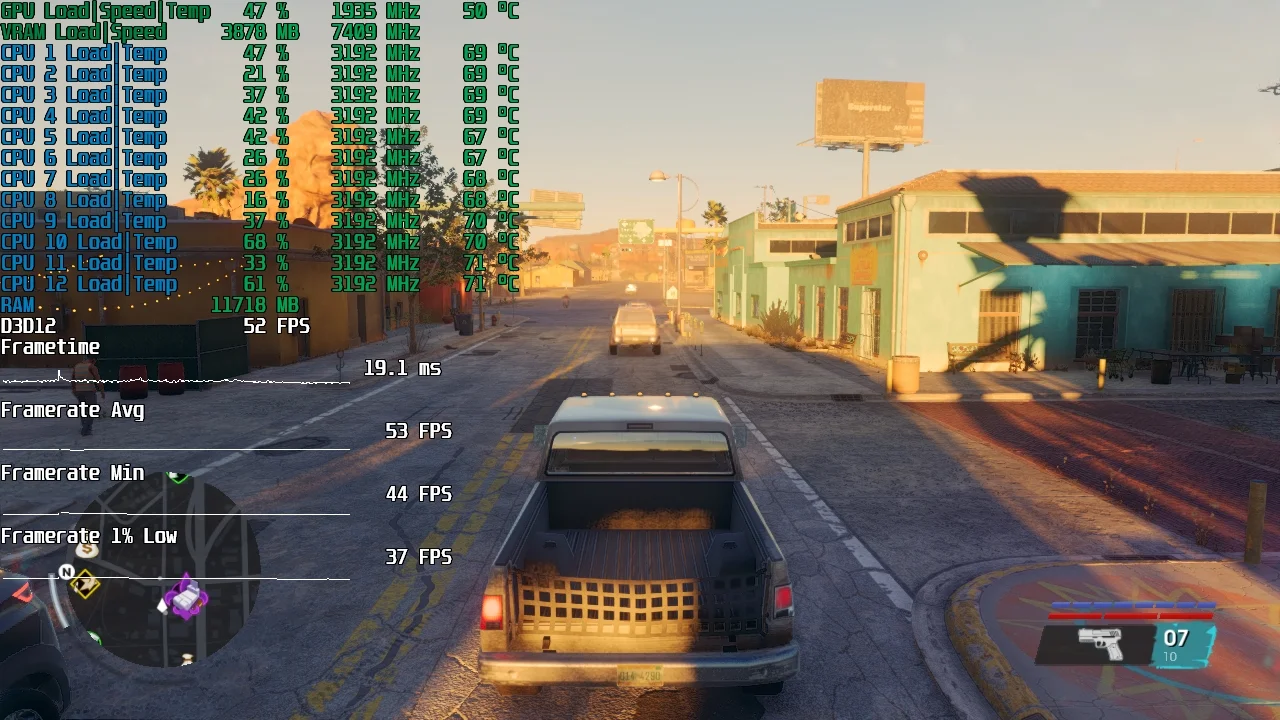
The reboot of the once-legendary Saints Row franchise launched just a few days ago (at the time of testing), and its optimization is, frankly, abysmal. With ray tracing enabled, only the Xeon E5-2620 v3 delivers a relatively stable and high frame rate. AMD FX chips, however, can't produce decent results at all. Don't let the average FPS mislead you; whether it's an overclocked or stock FX-8350, the game suffers from incredible stuttering. I'm 99% confident this issue isn't tied to AMD's Bulldozer CPU architecture, as far more complex and optimized titles run quite well on the FX-8350.
Considering all that, the Xeon E5-2667 performed respectably. Its minimum FPS hovered around 44, allowing it to slightly edge out the X5660 and Core i7-2600. However, as expected, the E5-2667 was catastrophically outmatched by the E5-2620 v3. The six-core Haswell once again proved its undeniable leadership in ultimate FPS.
Ray Tracing — OFF
 ⤢ ВІДКРИТИ
 ⤢ ВІДКРИТИ
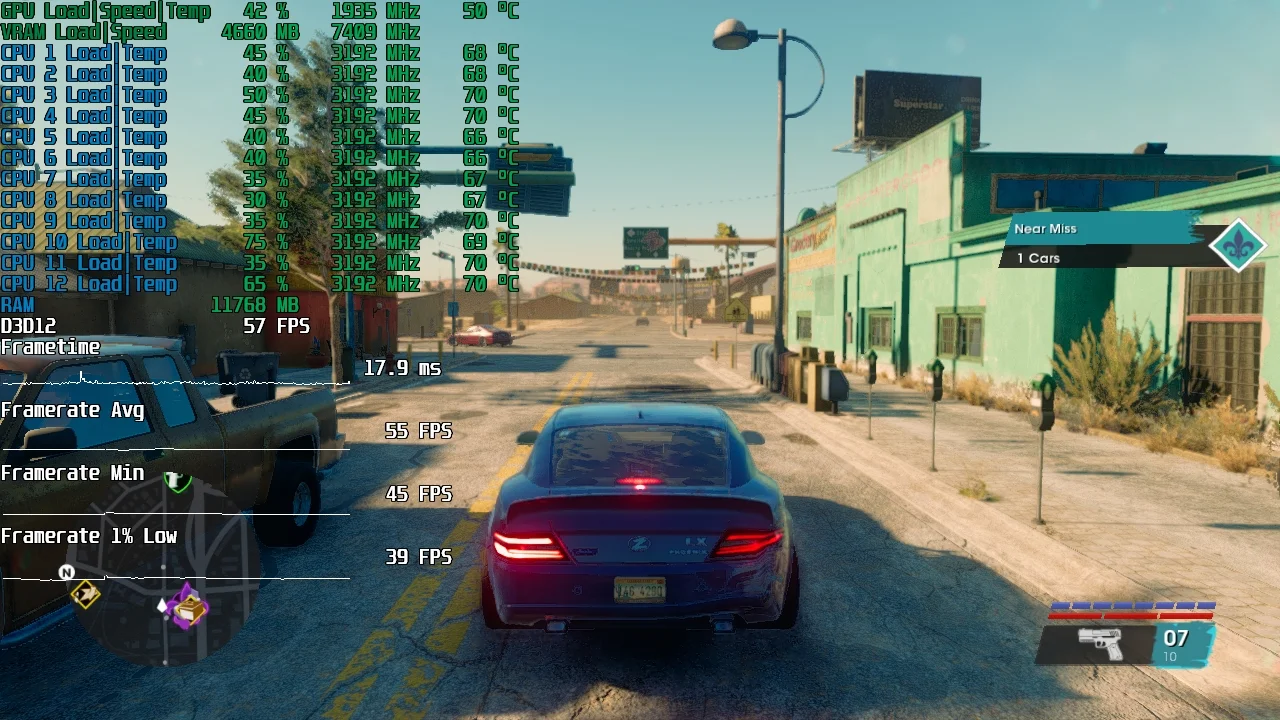
Disabling ray tracing allowed all CPUs to squeeze out a bit more performance, but it didn't help AMD FX chips — the stutters persisted.
Red Dead Redemption 2
 ⤢ ВІДКРИТИ
 ⤢ ВІДКРИТИ
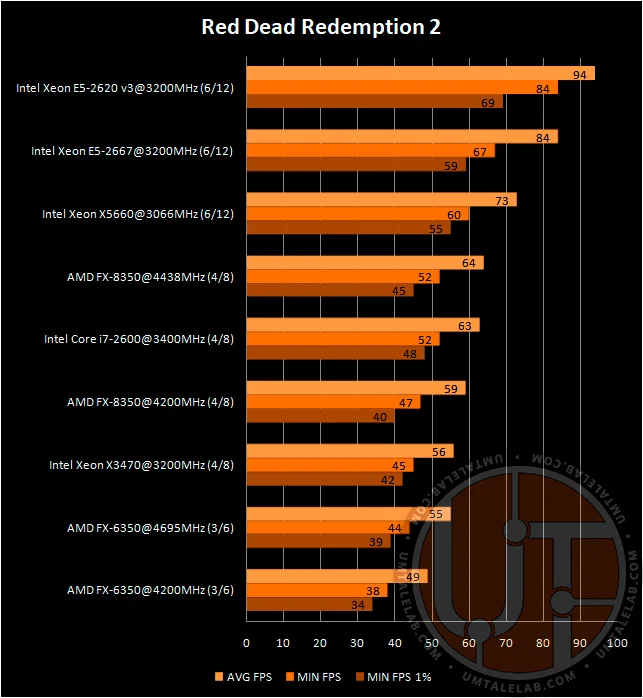
Red Dead Redemption 2 is the game where the Xeon E5-2667 truly unleashes its full potential. The star of this article easily dispatched all its competitors, only falling short against the more advanced E5-2620 v3. The six-core Sandy Bridge's numbers are genuinely impressive: it effortlessly maintained a minimum FPS of 67. For a game as polished and graphically demanding as RDR2, that's an astounding result!
To be fair, almost all tested processors handled Red Dead Redemption 2 well, with the exception of the stock FX-6350. However, I couldn't help but highlight the Core i7-2600's very strong showing. This 4-core, 8-thread Sandy Bridge delivers a very respectable frame rate, competing on par with the overclocked FX-8350.
Additionally, if you look closely at the graph, you'll notice how linearly (roughly +10 FPS) each new generation of Intel's 6-core processors improves performance.
Watch Dogs Legion
 ⤢ ВІДКРИТИ
Ray Tracing — ON
 ⤢ ВІДКРИТИ
 ⤢ ВІДКРИТИ
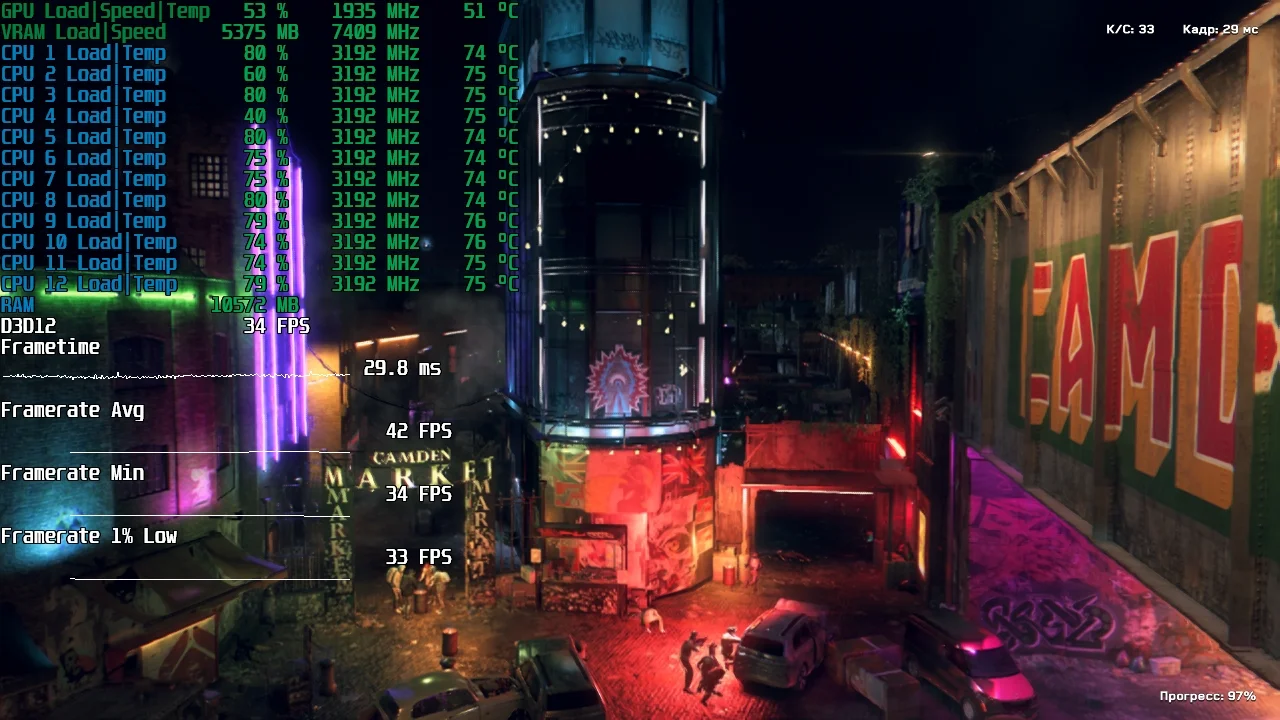
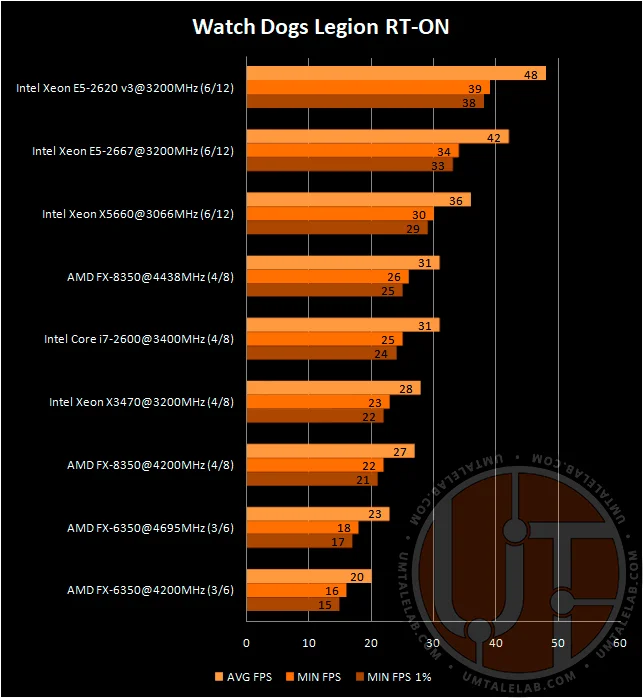
Finally, and arguably the most demanding game from our new test suite, is Watch Dogs Legion. Here, with ray tracing enabled, even the Xeon E5-2620 v3 can't provide a comfortable frame rate. What about the weaker E5-2667? The six-core Sandy Bridge averaged 42 frames per second, with its minimum FPS dropping to 34. This is an extremely low result, though the other tested CPUs performed significantly worse.
Ray Tracing — OFF
 ⤢ ВІДКРИТИ
 ⤢ ВІДКРИТИ
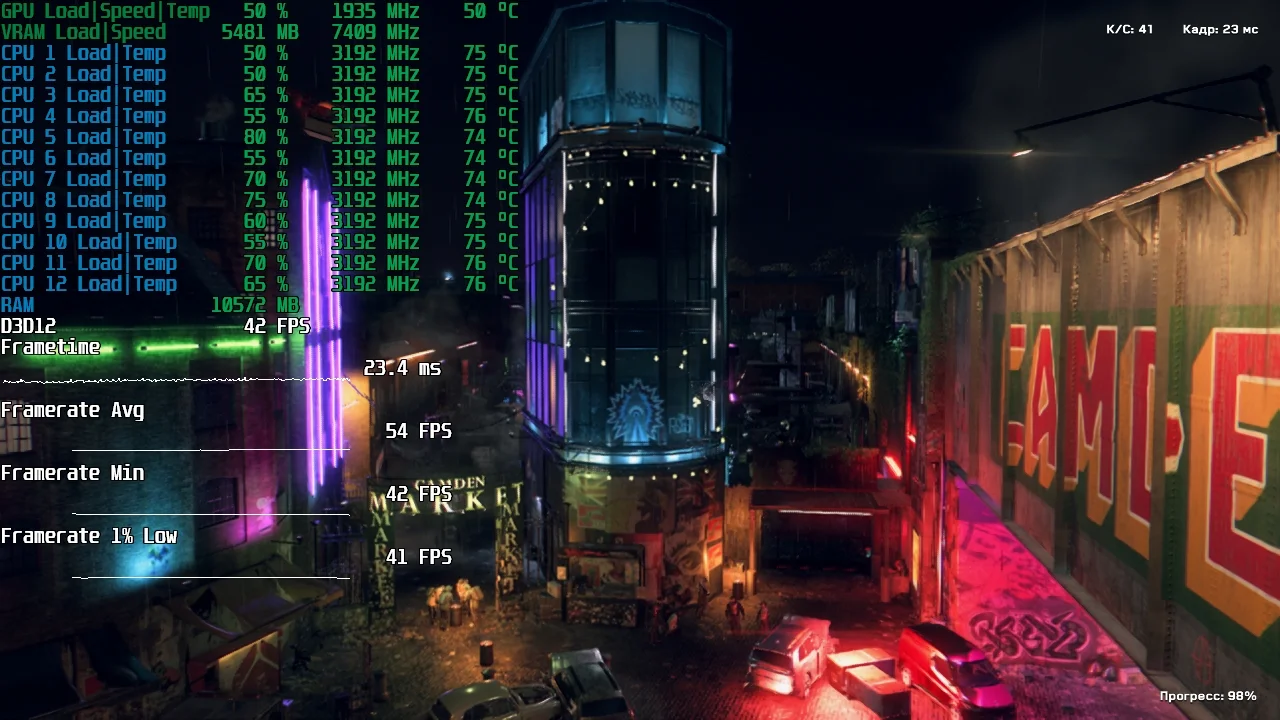
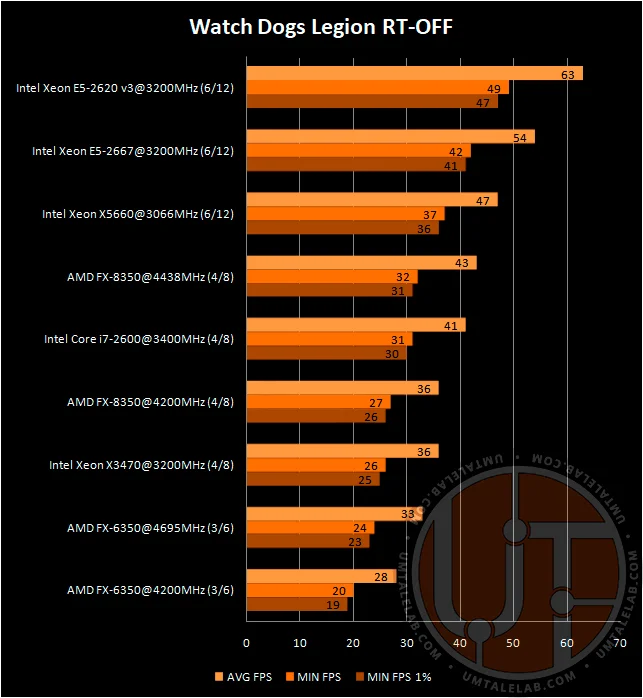
Without ray tracing, all processors see a noticeable performance boost. This makes the previously unassuming E5-2667 a solid choice for a reasonably comfortable Watch Dogs 3 experience. Even the old X5660 lets you enjoy the latest Watch Dogs at maximum settings.
Conclusion
Unfortunately, in 2022, the Intel Xeon E5-2667 isn't as appealing as it once was. With ray tracing enabled, it couldn't deliver acceptable FPS in virtually any game. Its performance looks more respectable in classic mode, without the infamous 'ray tracing.' Yet, even then, it failed to consistently hit 60 frames per second in about half of the tested titles.
Sure, less demanding gamers can always dial down graphics settings, which sometimes yields a substantial performance increase. However, this only really makes sense, in my view, with a relatively weak graphics card such as a GTX 1060 or RX 470. If you're running an RTX 2060 SUPER, RX 5700, or anything better, you absolutely won't want to compromise on visual effects.
Considering everything discussed, recommending the Xeon E5-2667 for comfortable gameplay in current titles is tough. It's far more logical to look at the E5-2620 v3, which consistently outperforms the six-core Sandy Bridge and can often hit that crucial 60 FPS mark every gamer demands.
When it comes to the 4-core vs. 6-core Sandy Bridge battle, the answer is unambiguous: the server-grade Xeon E5-2667 is significantly more powerful than its desktop architectural sibling, the Core i7-2600. This isn't surprising. Many AAA titles (though unfortunately, far from all) have long supported more than six threads. Even games technically from the last decade get a substantial performance boost from the E5-2667's more generous L3 cache.
Thanks for reading, and see you in the next one!