NEWS · EVENTS
PUBLISHED
READING2 min
Jim Keller aims to challenge NVIDIA in AI
Tenstorrent's Jim Keller is taking on NVIDIA in the AI arena. He's championing RISC-V CPU chiplets, which he claims are more efficient, cheaper, and more power-efficient than GPUs for AI tasks.
Jim Keller, one of the most brilliant microprocessor engineers of our time, believes that traditional GPUs aren't well-suited for AI workloads.
 ⤢ ВІДКРИТИ
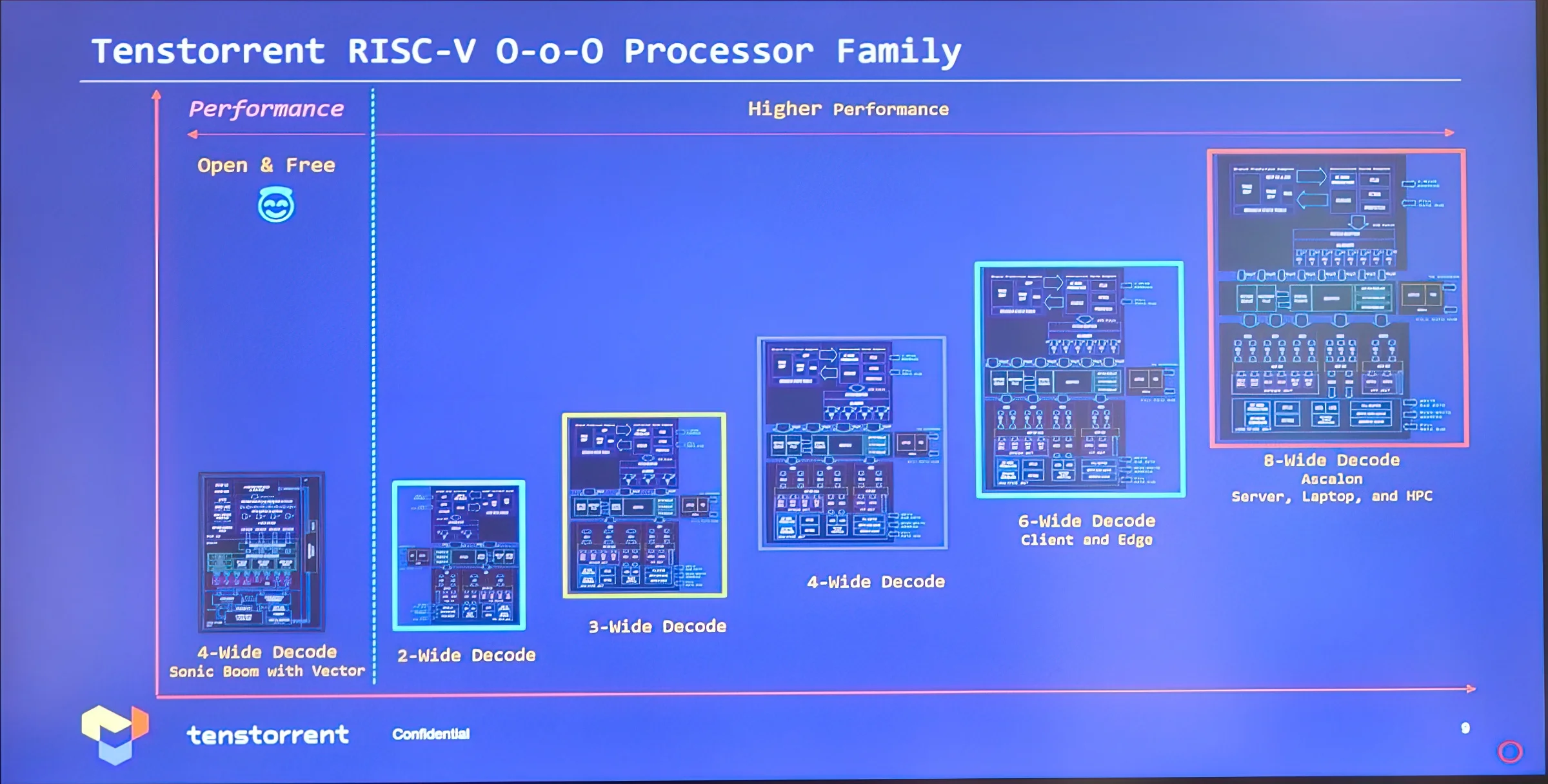
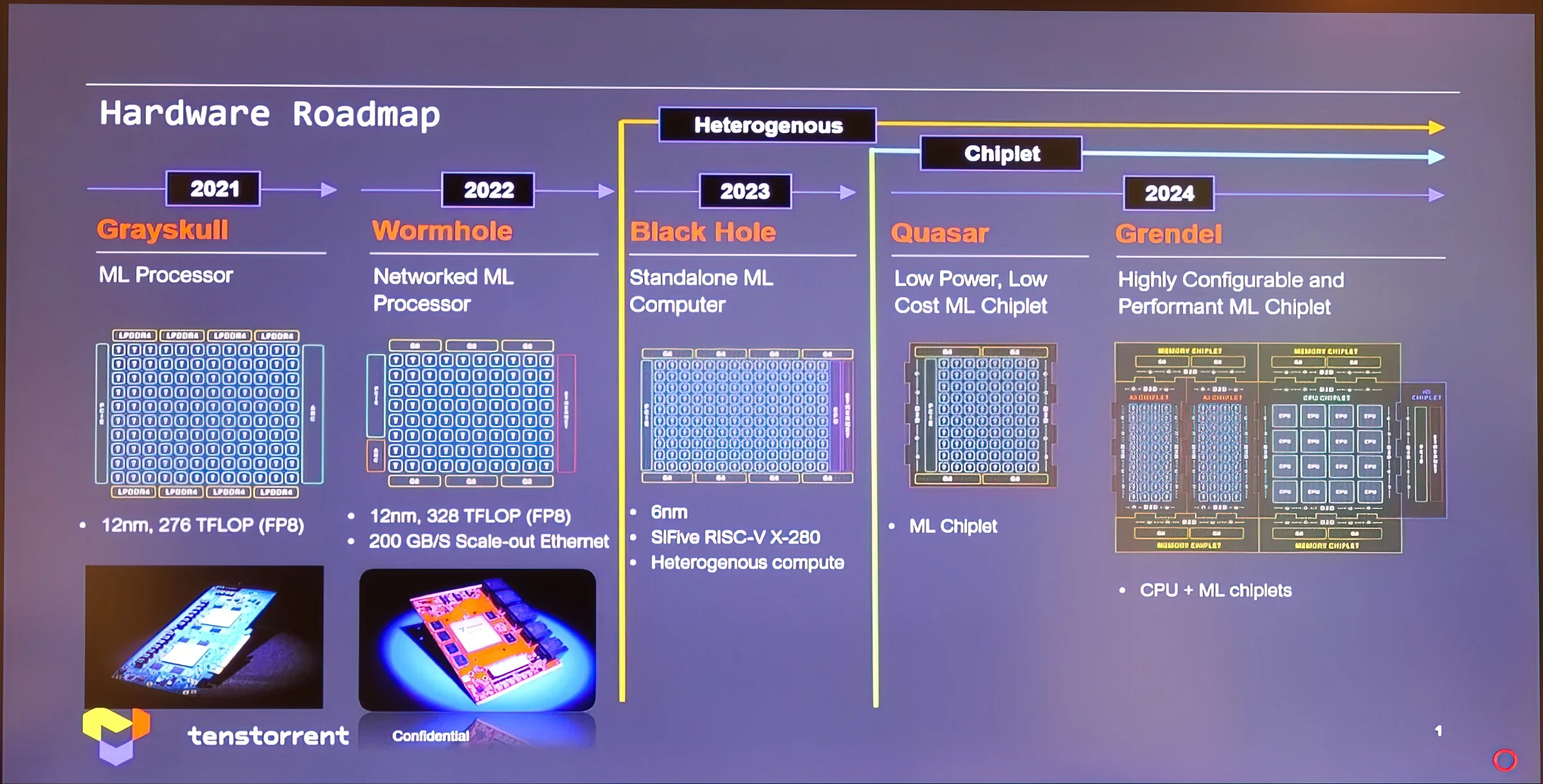
At a recent conference in Tokyo, Tenstorrent's CEO unveiled an updated roadmap for his company's RISC-V-based products. Keller outlined his strategy to compete with NVIDIA's GPUs using RISC-V-based chiplet CPUs.
 ⤢ ВІДКРИТИ
Jim noted that while NVIDIA and AMD have focused on GPUs for AI development, he believes that CPUs specifically designed for AI workloads can achieve higher efficiency and perform significantly better than traditional GPUs.
NVIDIA GPUs have become significantly more powerful as the AI trend has grown substantially. However, GPUs aren't optimized for AI processing. We've proven that our AI accelerator surpasses traditional GPUs in efficiency. Furthermore, a key issue when processing AI on GPUs is that CPU and memory access become a bottleneck (PCIe lanes). The Blackhole migration generation, which integrates RISC-V as a CPU, eliminates these bottlenecks. As a result, we can enable more energy-efficient and affordable computers for AI processing.
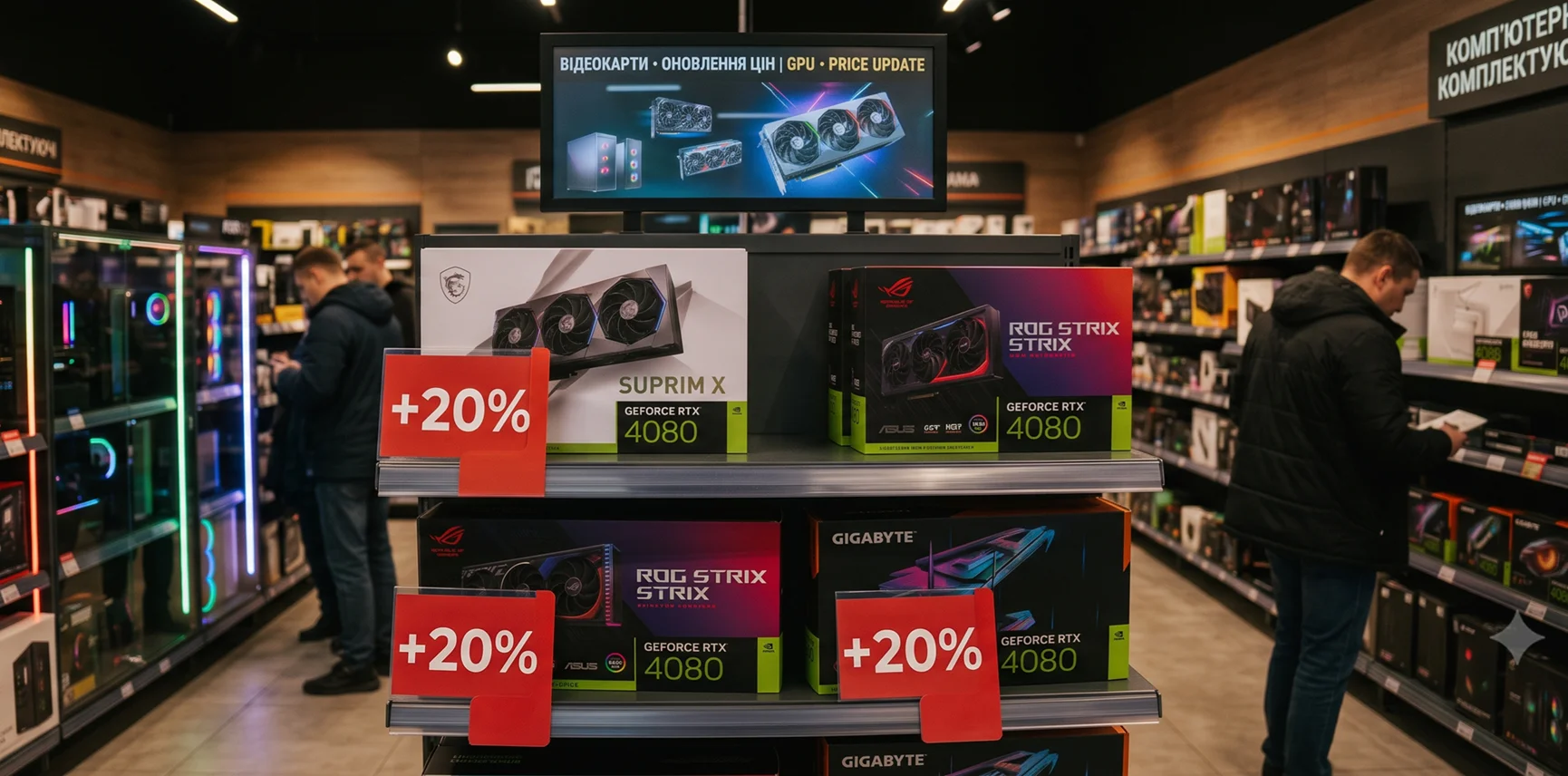
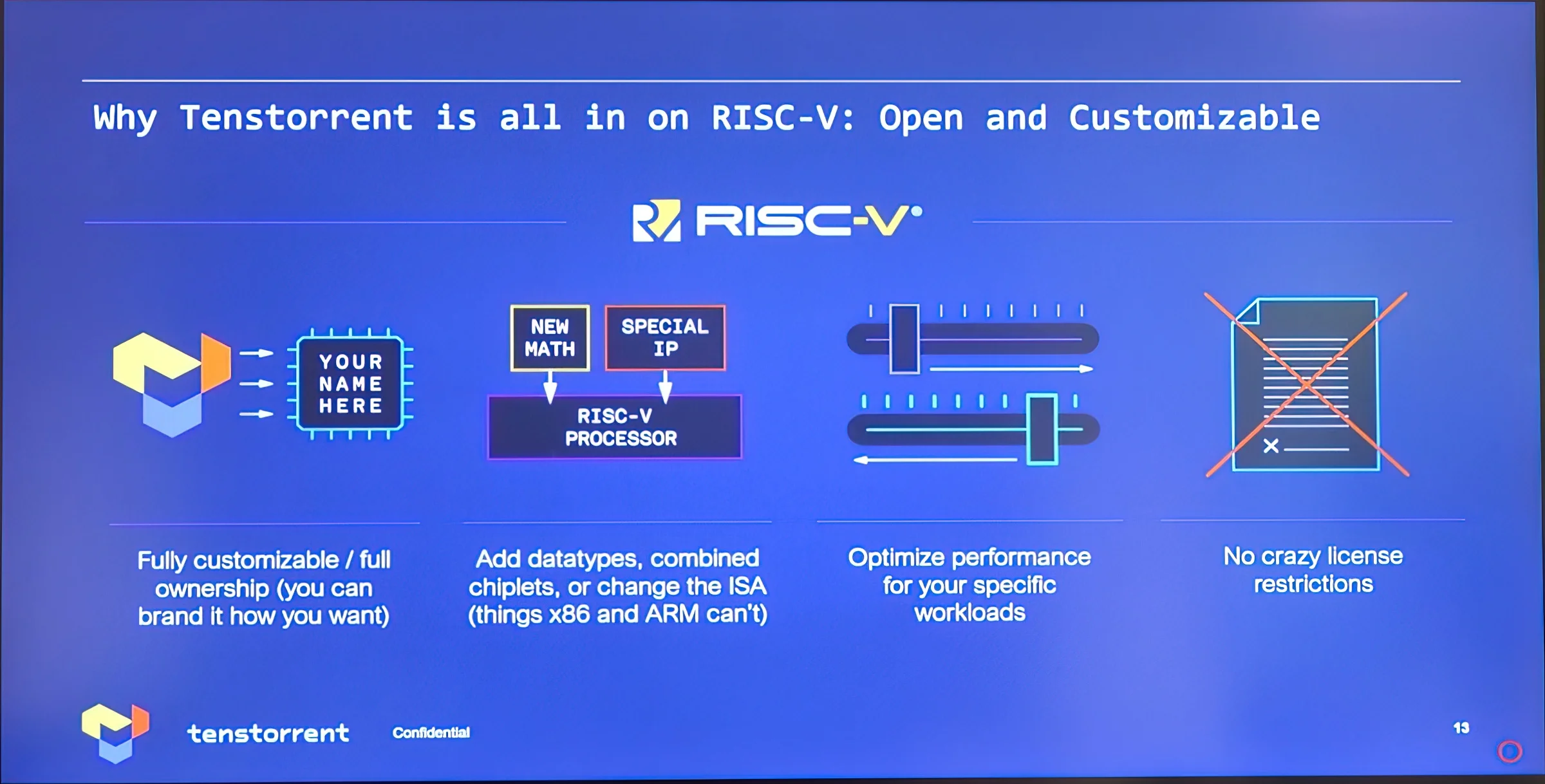
Additionally, Mr. Keller presented several other compelling and relevant arguments. For instance, graphics accelerator prices (especially NVIDIA's) have significantly increased recently. The industry veteran also pointed out the excessive power consumption of modern GPUs, which consequently complicates scaling systems based on them. This could also pose a problem for the AI industry. Furthermore, Jim's company leverages the RISC-V architecture to circumvent the expensive licenses often associated with Intel, AMD, and ARM chips.
 ⤢ ВІДКРИТИ
Towards the end of its presentation, Tenstorrent announced a new collaboration with LG. LG will utilize RISC-V AI technologies to power the AI needs in its upcoming product lineup. Additionally, a range of RISC-V-based systems are already under development in the EU and the Japanese market, and its expansion in the Japanese automotive sector is progressing rapidly.
Frankly, Jim Keller has taken aim at one of the world's largest and fastest-growing microprocessor markets. And if this weren't about the legendary developer who gave the world AMD's K7/8 and Zen architectures, such claims would simply sound like empty boasts. But this is Jim Keller we're talking about. Therefore, there's a strong possibility that NVIDIA's AI monopoly could be significantly shaken in the future.