BLOGS · HARDWARE BLOGS
PUBLISHED
READING6 min
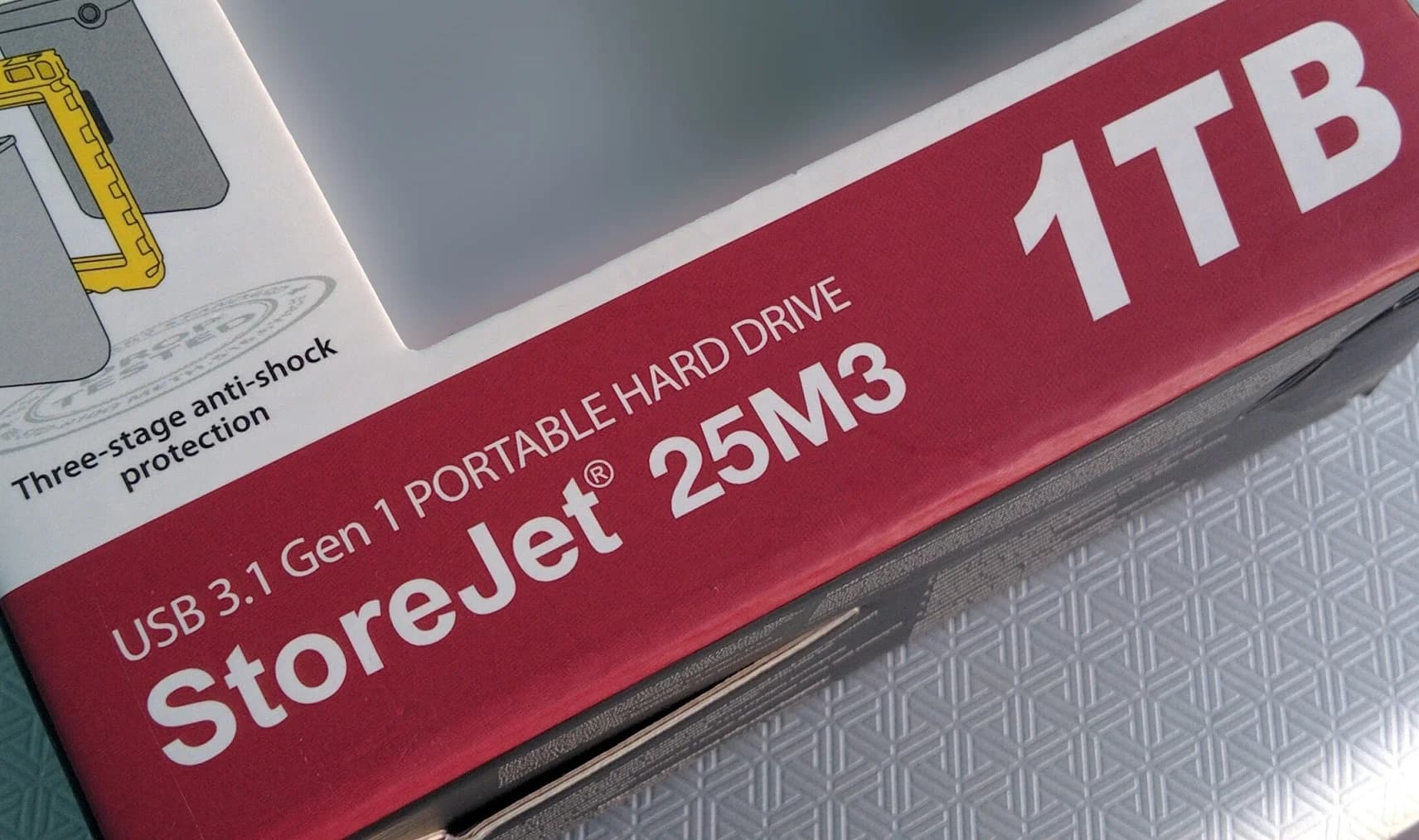
Quick review and benchmark: Transcend StoreJet 25M3 (TS1TSJ25M3G) external hard drive and ST1000LM035 HDD
The Transcend StoreJet 25M3 offers a rugged enclosure, but its internal Seagate ST1000LM035 (SMR) HDD is a letdown. We put its performance to the test.
These days, external hard drives are the second most important tool for storing crucial data. Cloud storage, of course, ranks first, but access can sometimes be hampered by various factors—from a complete lack of internet access to extremely slow connection speeds. That's precisely why high-capacity, reliable portable storage is essential.
In this article, we'll perform a quick test of the Transcend StoreJet 25M3 TS1TSJ25M3G external hard drive. We'll also test the HDD installed within it separately to determine whether the USB controller impacts the drive's final performance.
 ⤢ ВІДКРИТИ
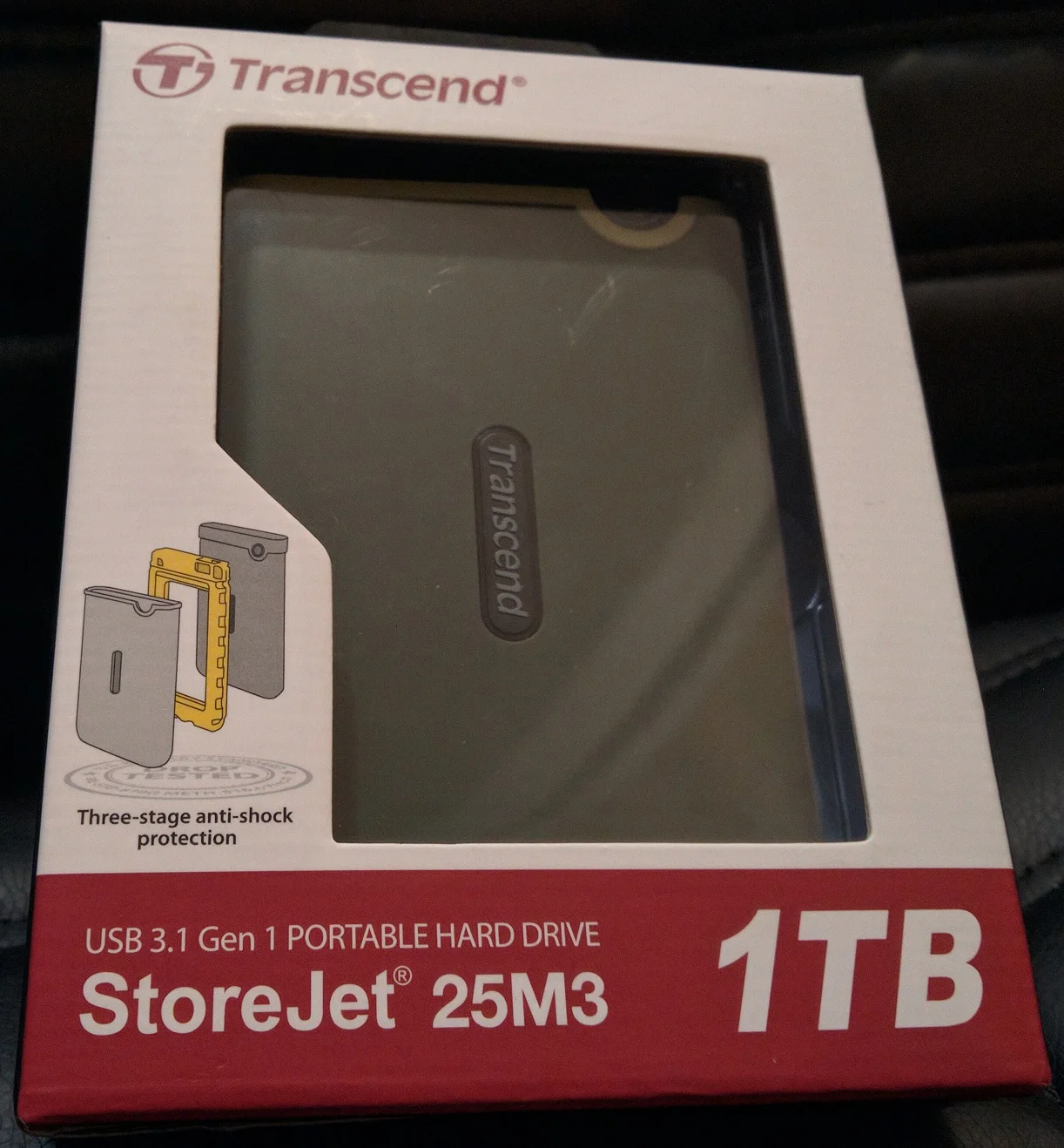
According to official specifications, the StoreJet 25M3 meets the criteria for highly reliable portable data storage, thanks to its three-stage protection against static electricity and external impacts.
Specifications of Transcend StoreJet 25M3
Dimensions | 129.5 mm x 80.8 mm x 16.1 mm (5.10" x 3.18" x 0.63") |
|---|---|
Weight | 185 g (6.53 oz) |
Color | Military Green |
USB Type | micro USB - USB Type A |
Connection Interface | USB 3.1 Gen 1 |
Capacity | 1 TB |
Drive Type | 2.5" HDD |
Operating Temperature | 5°C (41°F) ~ 55°C (131°F) |
Operating Voltage | 5V |
Certificate | CE/FCC/BSMI/KC/RCM/EAC/UKCA |
Warranty | Three-Year Limited Warranty |
Operating System | Microsoft Windows 7 or later, macOS 10.10 or later |
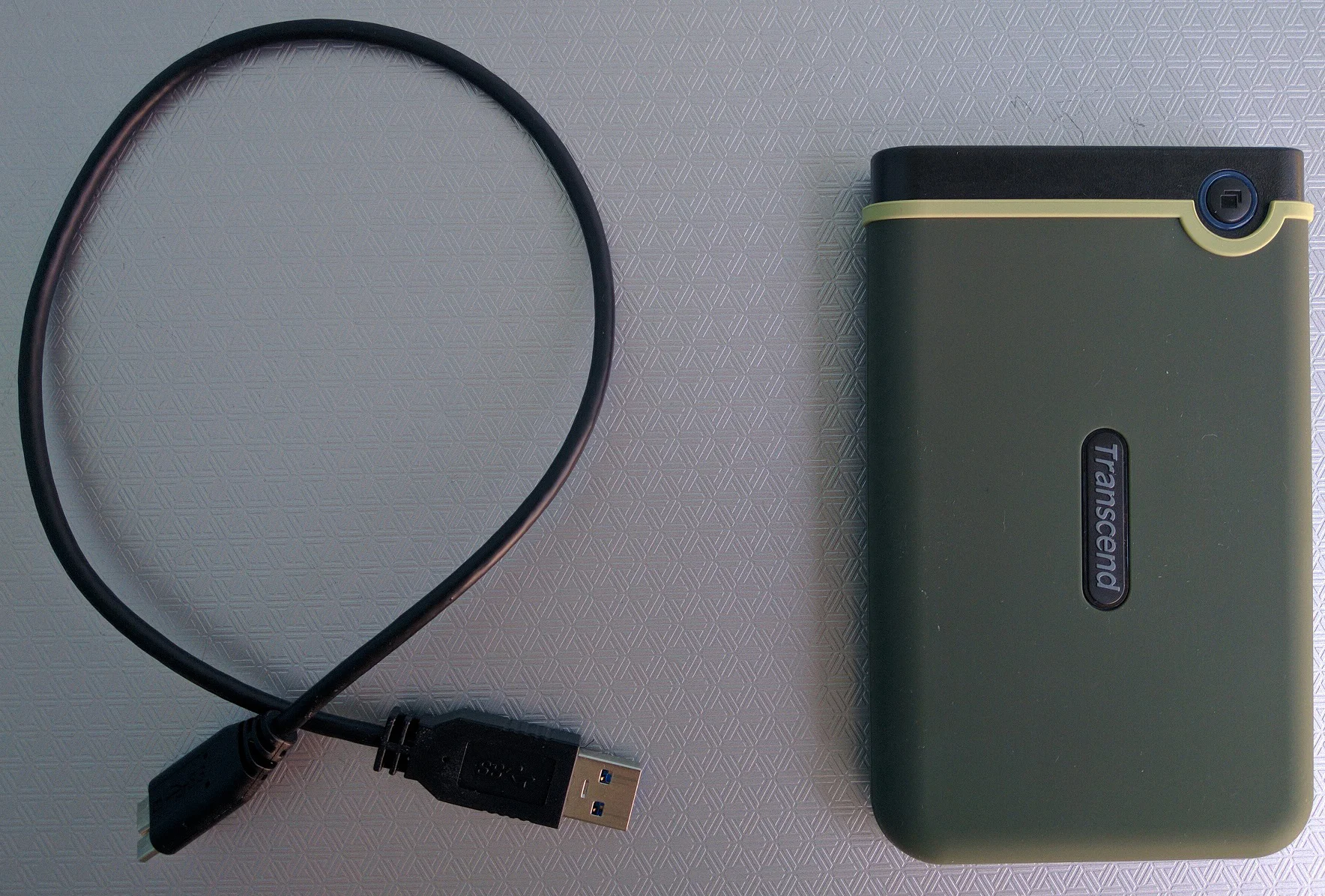
Included in the box are the external hard drive itself and a micro USB to USB Type-A connection cable:
 ⤢ ВІДКРИТИ
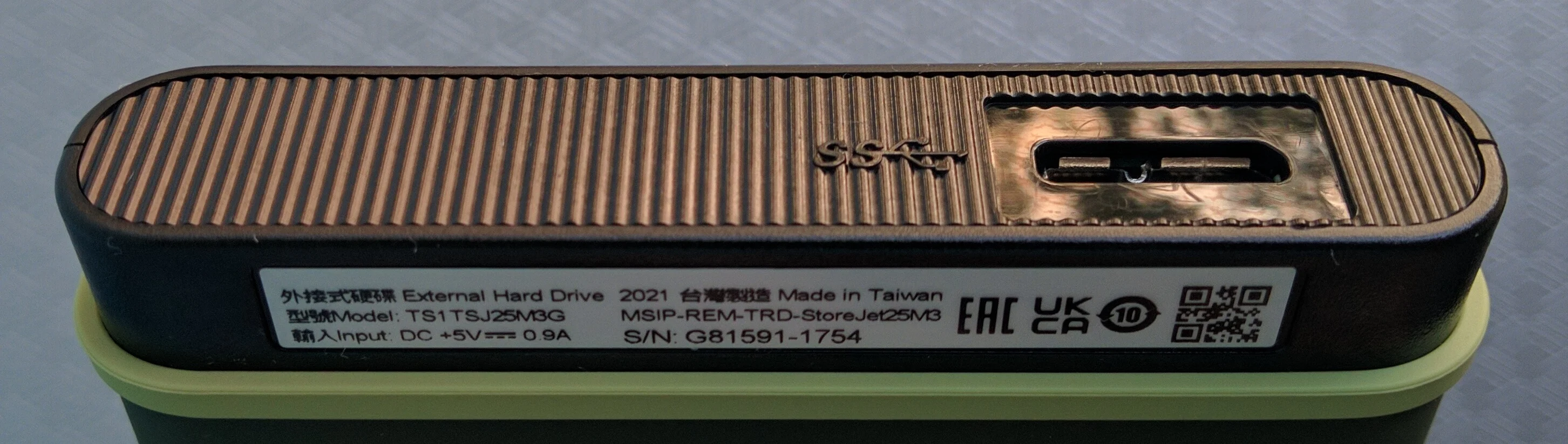
The StoreJet 25M3 unit we received was manufactured in Taiwan in 2021. Its serial number is G81591-1754, model TS1TSJ25M3G:
 ⤢ ВІДКРИТИ
The StoreJet 25M3's external hard drive enclosure consists of three parts:
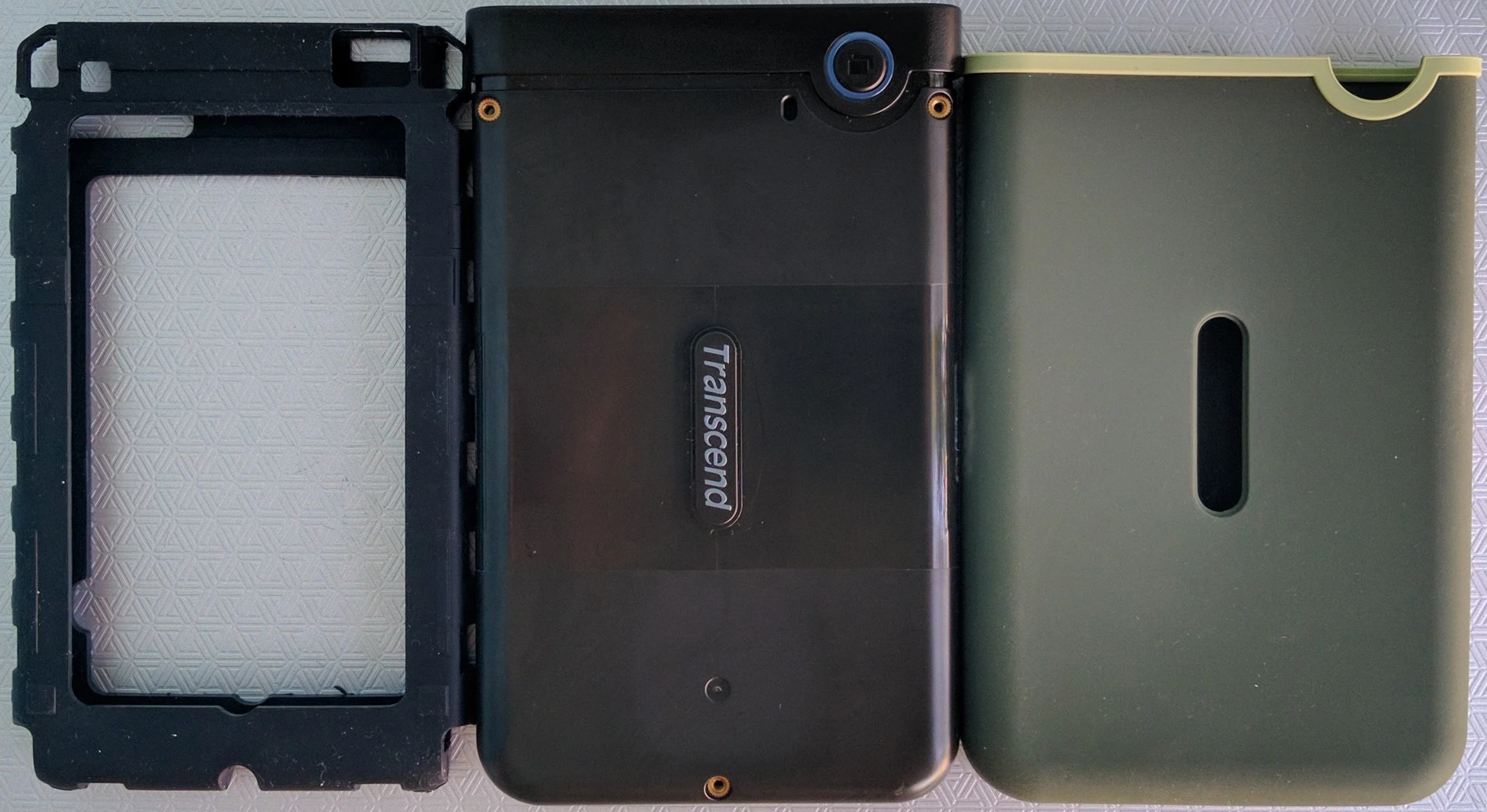
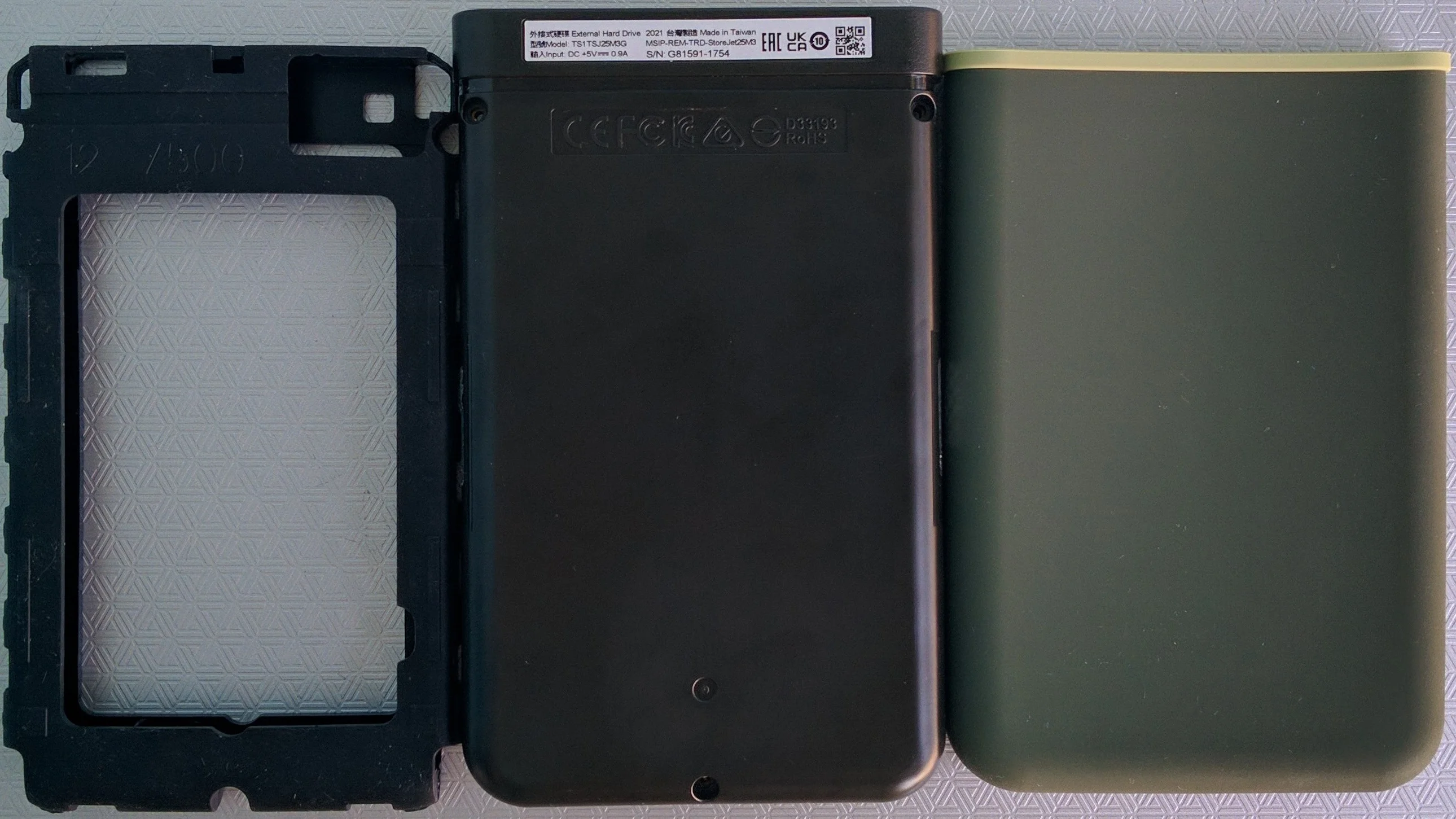
An internal rubber frame;
A plastic casing;
An outer silicone sleeve.
This shock-resistant design allows the device to meet high military-grade data protection standards. However, the silicone sleeve doesn't completely enclose the plastic HDD casing, meaning the device's top edge could still be damaged in a fall. Additionally, don't forget about the USB connector itself; it lacks any form of water protection.
 ⤢ ВІДКРИТИ
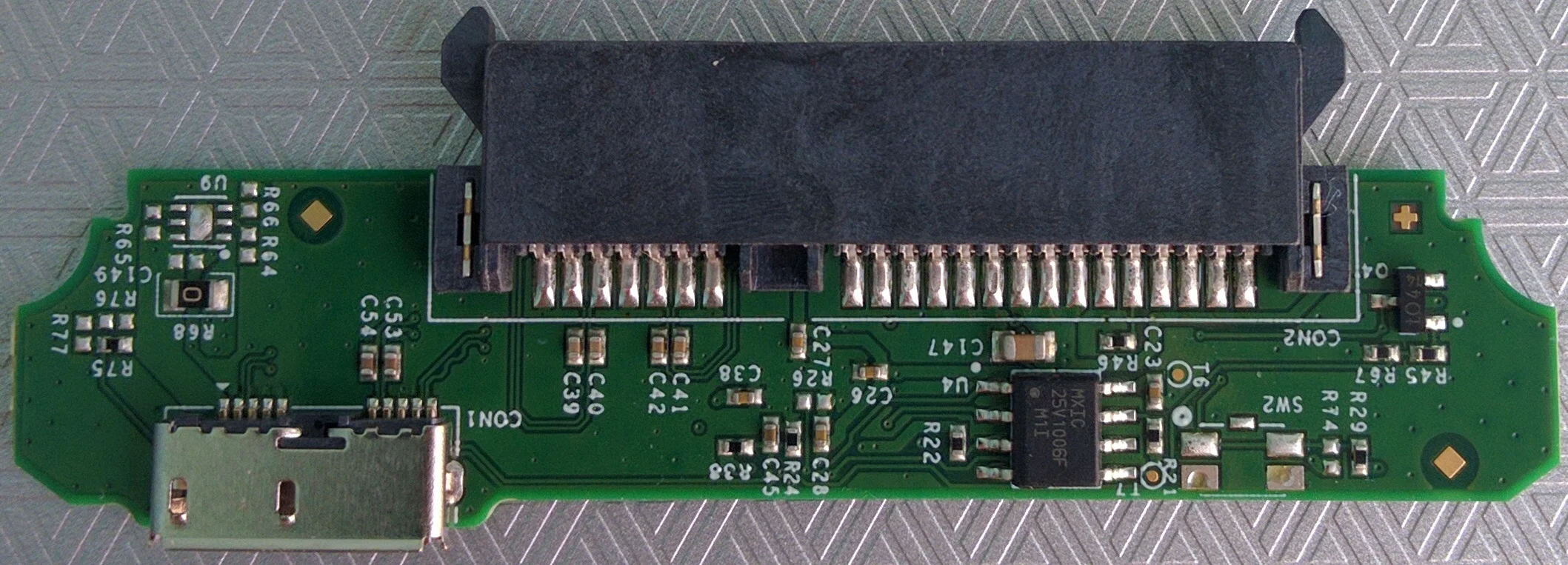
The StoreJet 25M3's control board (SATA-USB bridge) looks like this:
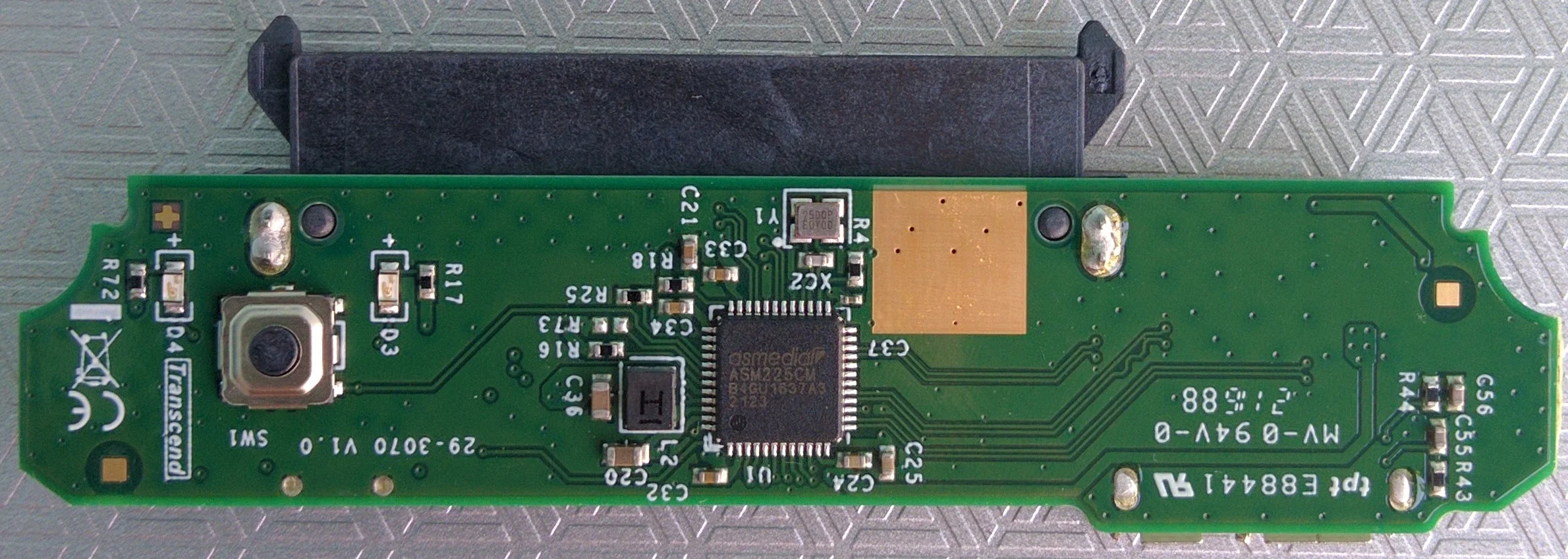
Fortunately, many external drive manufacturers have abandoned proprietary connectors in favor of the widely adopted SATA interface, significantly simplifying things for consumers.
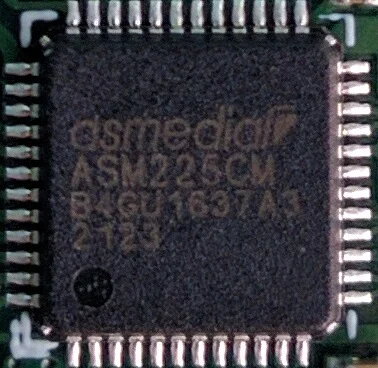
The ASMedia ASM225CM B4GU1637A3, a fairly common controller, handles the SATA 3.0 to USB 3.1 Gen 1 signal conversion:
 ⤢ ВІДКРИТИ
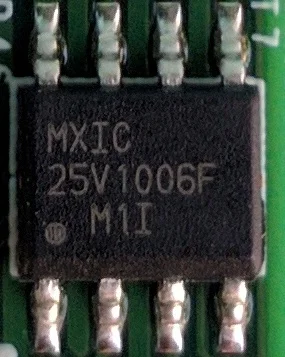
The StoreJet 25M3 external hard drive uses a 1-Mbit (128-kilobyte) MX25V1006FM1I ROM chip for its firmware:
 ⤢ ВІДКРИТИ
This is a pretty robust solution: even if the firmware somehow "flies off," you can easily rewrite the flash chip with a cheap programmer and a clip.
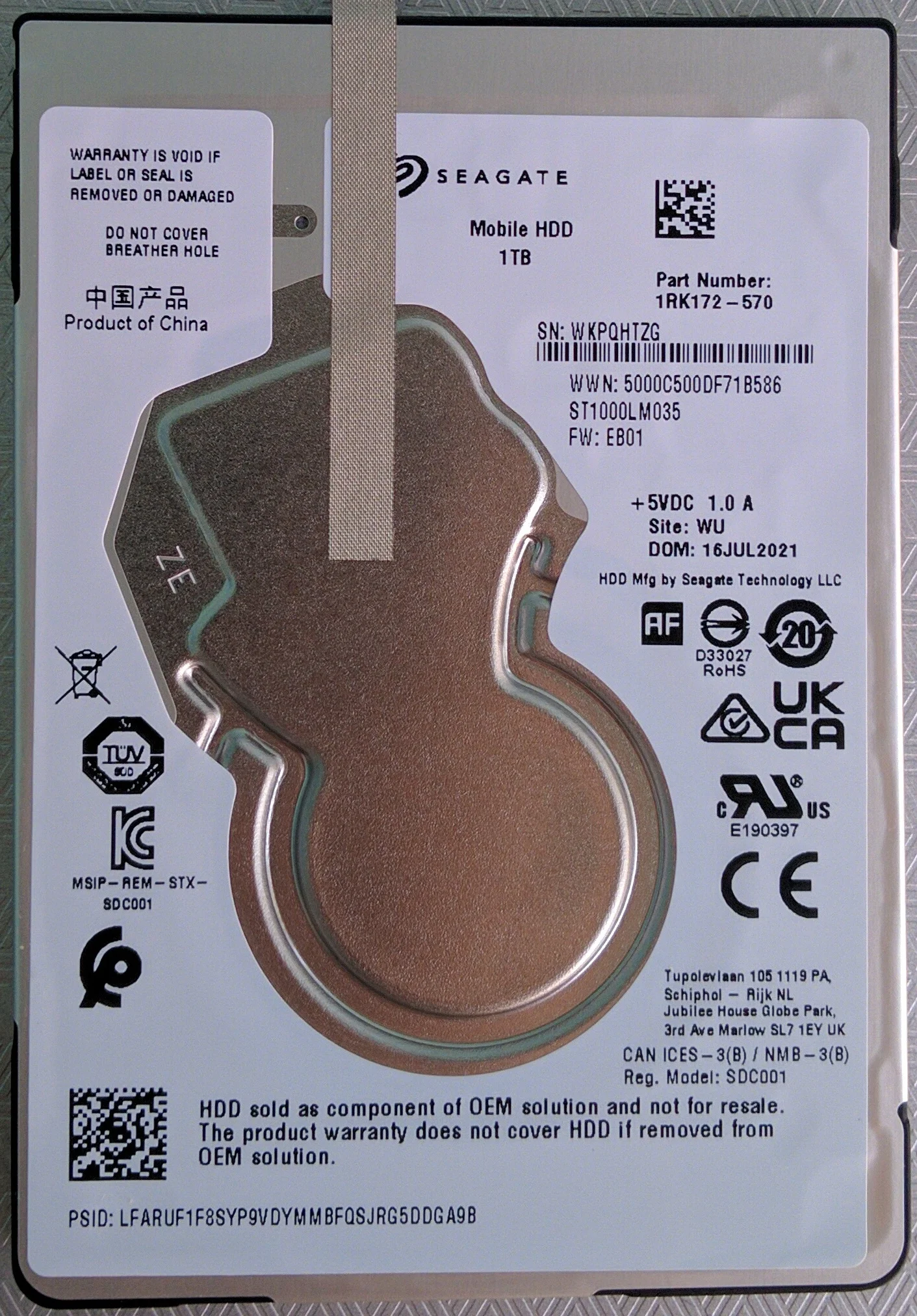
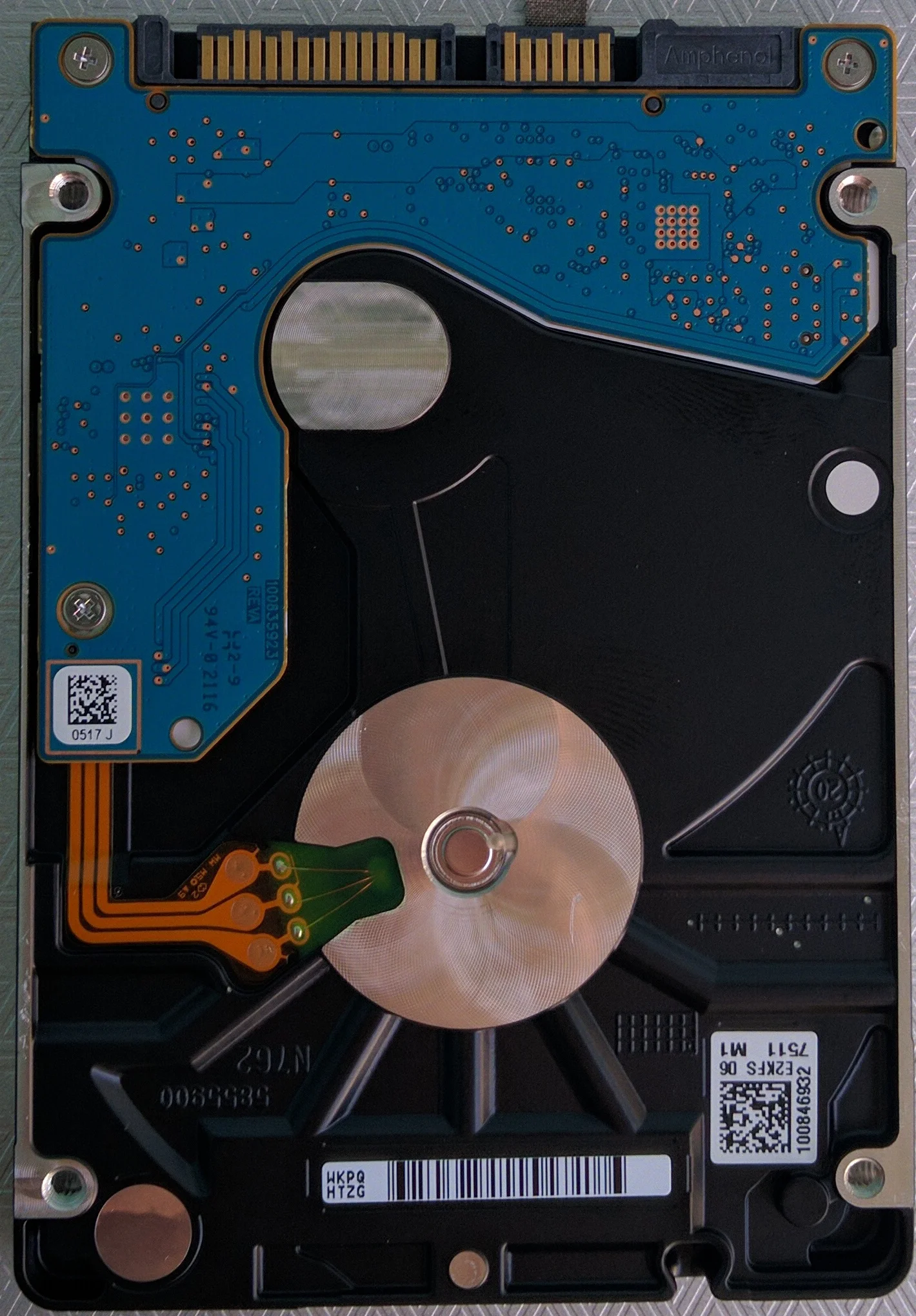
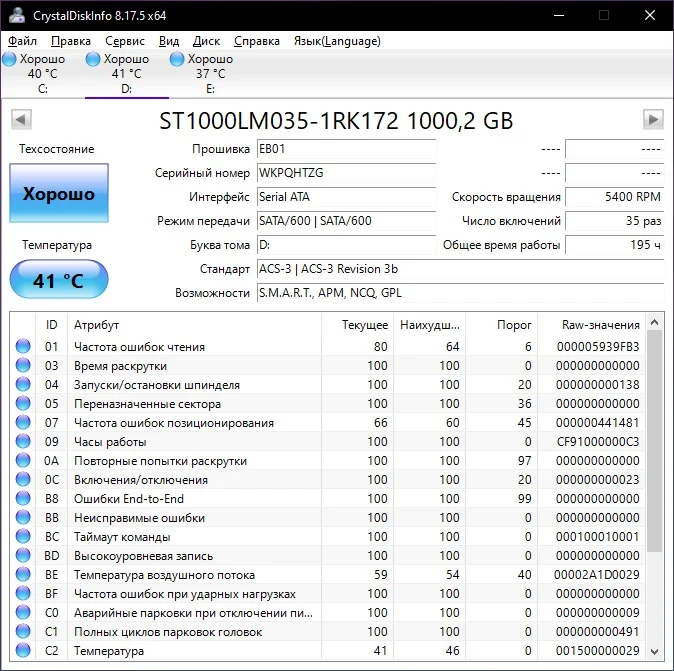
Now we get to the most crucial component of this external hard drive: the StoreJet 25M3 uses a Seagate ST1000LM035 drive. This HDD employs SMR (Shingled Magnetic Recording) technology, features a spindle speed of 5400 RPM, 128MB of cache, and a typical throughput of up to 140MB/s.
These specs don't make this hard drive stand out, except perhaps for the substantial cache memory for a mobile device and, of course, the SMR technology. However, user reviews for the ST1000LM035 online quickly reveal that Transcend's choice wasn't ideal. This drive is extremely unreliable and cannot be recommended for purchase.
In 70% of cases, this HDD fails to work stably for more than one or two years (sometimes even less), and the reason is quite simple: that very "advanced" SMR technology.
It's hard to say which specific HDD you'll get inside the StoreJet 25M3 external enclosure. But if you end up with the ST1000LM035, try to monitor its temperature more carefully. Keeping it below 45-50 degrees Celsius will likely make it last significantly longer.
StoreJet 25M3 testing
Test bench:
CPU — Xeon E5-2630 v3@3200MHz (Turbo Boost unlocked);
Motherboard — Kllisre X99-D8 (AD12) with modified BIOS for full Turbo Boost frequency unlock;
RAM — G.SKILL DDR4@1866MHz, 4 x 4GB F4-2400C15S-4GNT modules, totaling 16GB (timings 10-10-10-24);
PSU — Chieftec GPS-1250C.
Before testing, the hard drive was completely wiped and formatted to the NTFS file system.
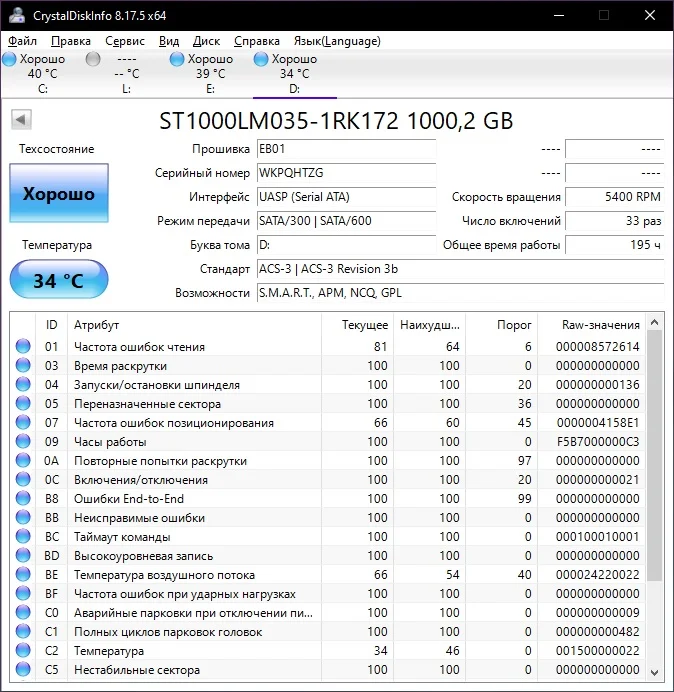 ⤢ ВІДКРИТИ
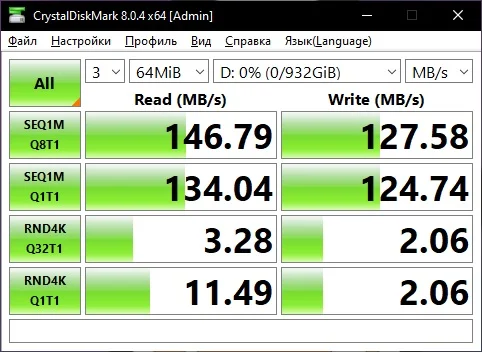
Crystal Disk Mark 8.0.4 x64, 64 MiB
 ⤢ ВІДКРИТИ
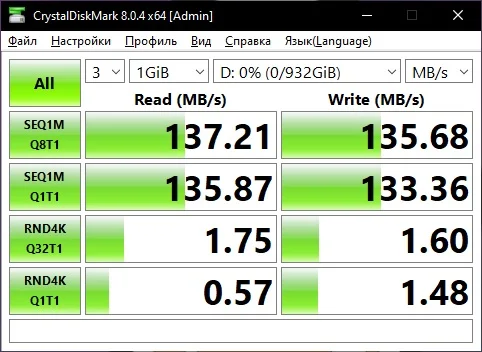
Crystal Disk Mark 8.0.4 x64, 1 GiB
 ⤢ ВІДКРИТИ
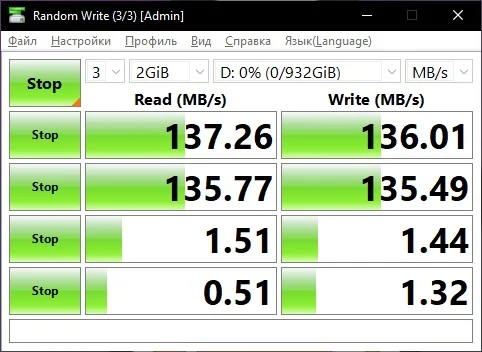
Crystal Disk Mark 8.0.4 x64, 2 GiB
 ⤢ ВІДКРИТИ
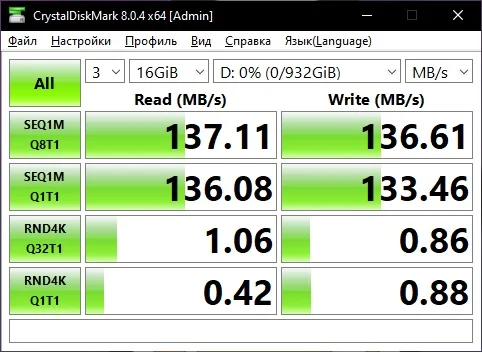
Crystal Disk Mark 8.0.4 x64, 16 GiB
 ⤢ ВІДКРИТИ
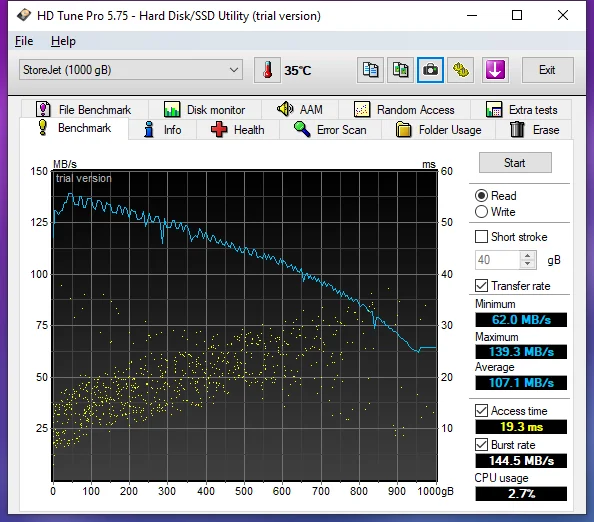
HD Tune Pro, benchmark (read)
 ⤢ ВІДКРИТИ
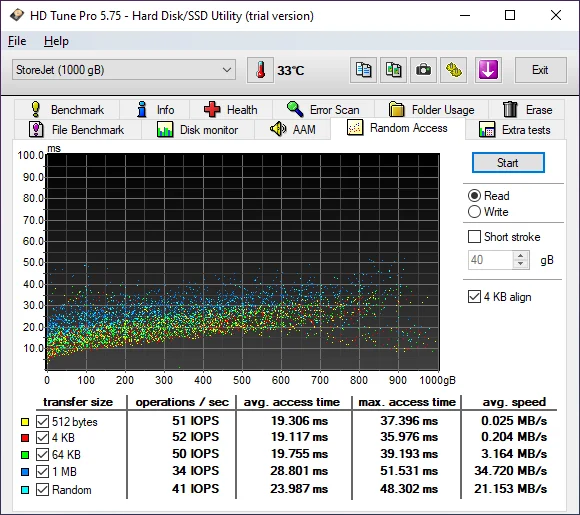
HD Tune Pro, random access
 ⤢ ВІДКРИТИ
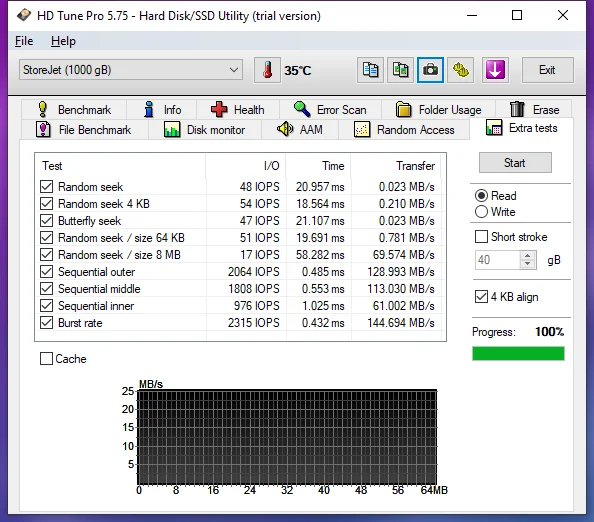
HD Tune Pro, extra tests
 ⤢ ВІДКРИТИ
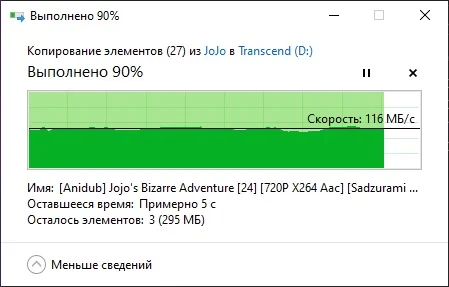
Explorer, copying large files (100-300MB)
 ⤢ ВІДКРИТИ
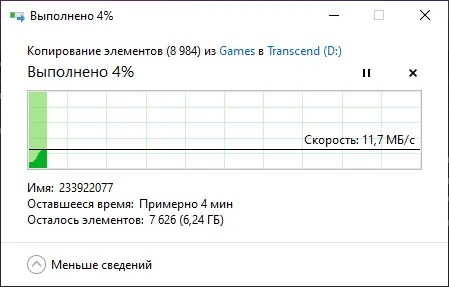
Explorer, copying small files (0.5-8MB)
 ⤢ ВІДКРИТИ
Overall, the drive's benchmark results aren't particularly noteworthy. A linear read/write speed of 130-140MB is typical for devices in this class, as is its performance with small files.
Now, let's see if the situation changes when we connect the drive directly to the motherboard's SATA 3 interface.
Benchmarking the ST1000LM035 (SATA 3.0)
 ⤢ ВІДКРИТИ
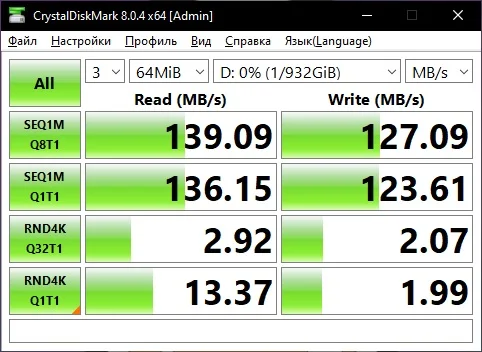
Crystal Disk Mark 8.0.4 x64, 64 MiB
 ⤢ ВІДКРИТИ
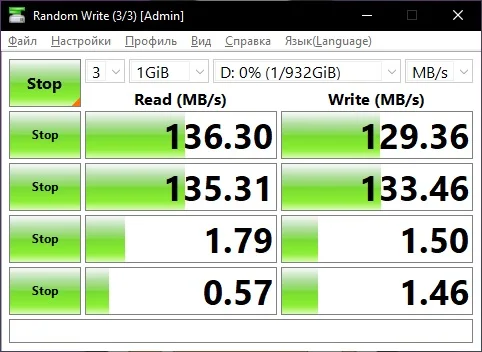
Crystal Disk Mark 8.0.4 x64, 1 GiB
 ⤢ ВІДКРИТИ
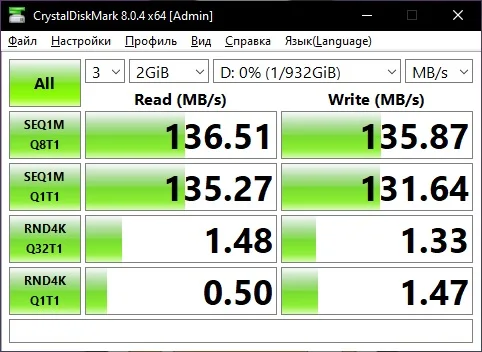
Crystal Disk Mark 8.0.4 x64, 2 GiB
 ⤢ ВІДКРИТИ
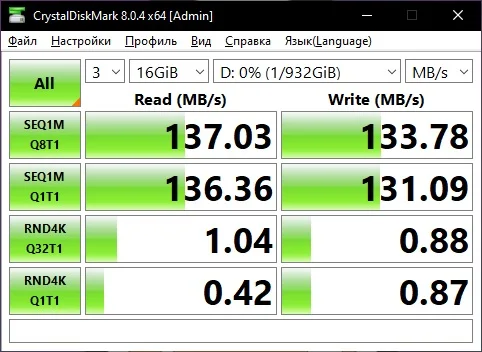
Crystal Disk Mark 8.0.4 x64, 16 GiB
 ⤢ ВІДКРИТИ
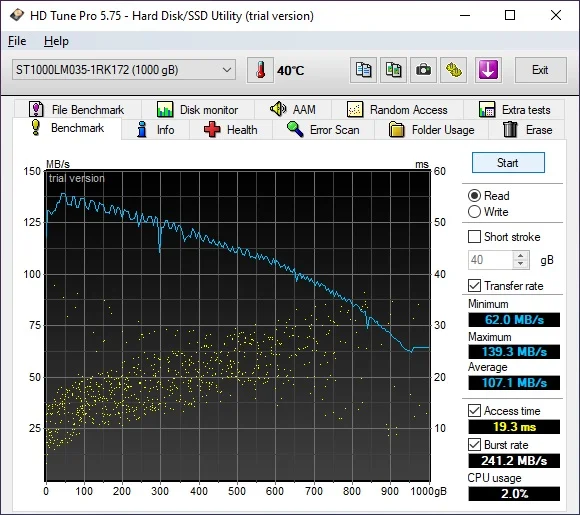
HD Tune Pro, benchmark (read)
 ⤢ ВІДКРИТИ
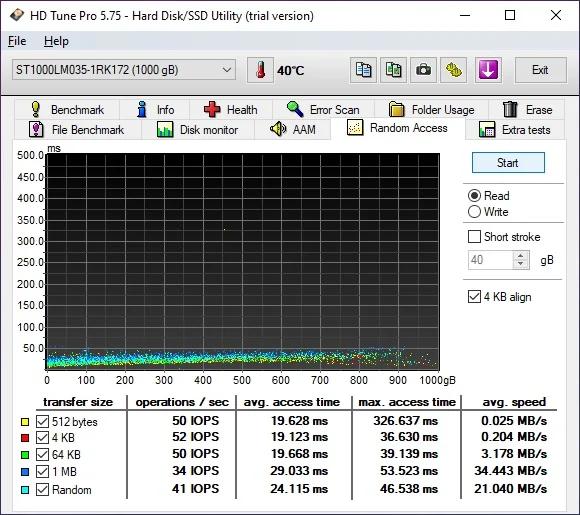
HD Tune Pro, random access
 ⤢ ВІДКРИТИ
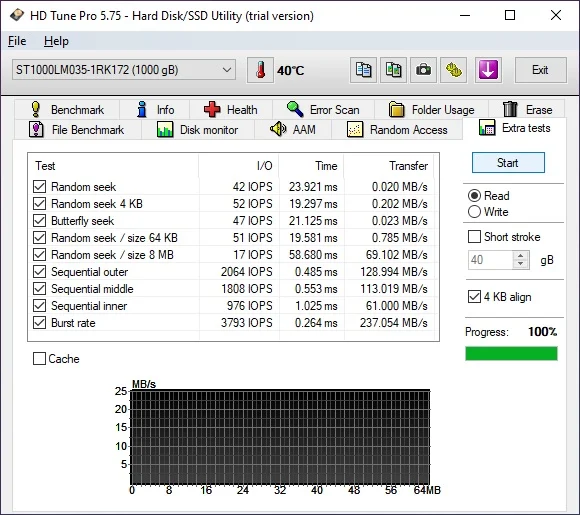
HD Tune Pro, extra tests
 ⤢ ВІДКРИТИ
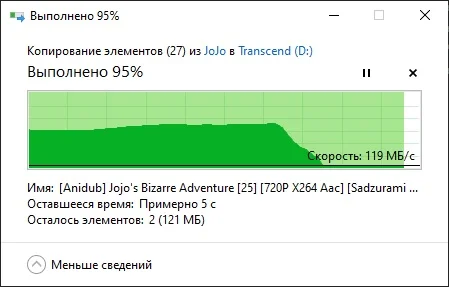
Explorer, copying large files (100-300MB)
 ⤢ ВІДКРИТИ
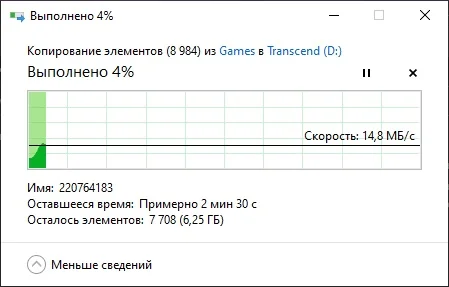
Explorer, copying small files (1-8MB)
 ⤢ ВІДКРИТИ
The situation did change, but not universally, and more importantly, not as significantly as one might hope. Let's break it down. While linear read/write speeds barely improved, small file performance saw a 10-20% boost depending on the benchmark. The conclusion is clear: there's little real benefit from connecting the drive directly to a SATA port. The only scenario where this might be justified is if your motherboard lacks USB 3.0/3.1. But does constantly disassembling and reassembling the drive make sense? That's a rhetorical question.
Summary
Ultimately, we have an extremely reliable and externally protected portable storage device, but one that houses a mediocre, and in some ways questionable, internal hard drive. To put it another way: as resilient as the StoreJet 25M3 is to external factors that cause various device failures, it's equally vulnerable to internal issues.
However, it's important to clarify: this applies only to the StoreJet 25M3 model equipped with the Seagate ST1000LM035 drive. It's entirely possible that models featuring HDDs from WD or Toshiba (if such versions are even produced) would make this external hard drive far more reliable.