TESTS · VIDEOCARDS · NVIDIA
PUBLISHED
READING17 min
Kepler in 2020. Part 2: GeForce GTX 760 review and testing in 13 popular games
Review and testing of the GeForce GTX 760 in 2020. Comparison with the GTX 670, performance, and power consumption analysis after 7 years.
AMD and NVIDIA often try to make each new graphics card lineup outperform the previous generation. To illustrate what I mean, here are a few clear examples:
The GeForce GTX 260 easily outperformed the 9800GT. The GTX 460 was significantly faster than the GTX 275 and even the GTX 280, while also bringing long-awaited DirectX 11 support. Following the GTX 460 came the GTX 560 and GTX 560 Ti. While the latter didn't surpass the GTX 470 in raw speed, the '560 Ti' was far more efficient, cooler, and compact than the large, hot, and power-hungry GTX 470. Next up were the GTX 660 and its elder sibling, the GTX 660 Ti. Both cards absolutely obliterated the GTX 570. What's more, after driver optimizations, even the '500-series' monster – the GeForce GTX 580 – fell to the GTX 660 Ti's pressure. Theoretically, the next mid-range graphics card should have continued this tradition, being either faster, cooler, or more efficient. But the 'green giant' had other plans.
This brings us to the focus of today's article: the GeForce GTX 760. Unfortunately, this card couldn't outperform the GTX 670. In fact, it wasn't always significantly faster than even the GTX 660 Ti (depending on the game, the GTX 760 was only about ~10% ahead of the GTX 660 Ti)! Moreover, the GTX 760's power consumption actually increased compared to the GTX 660 Ti.
That was the situation back in 2013. In this article, we'll try to find out if anything has changed seven years later: Can the GTX 760 graphics card stand up to its older sibling, the GTX 670?
The graphics card
The GeForce GTX 760 featured in this article is a slightly modified NVIDIA reference design, specifically the Zotac AMP! model. Unfortunately, the adapter's original cooling system had long since deteriorated and was partially broken. So, instead of two old 75mm fans, we decided to mount a single 90mm fan from a Palit GeForce GTX 1060 that died last year onto the battered but original heatsink:
Of course, these modifications completely ruined the cooling system's aesthetics, making it look incredibly unattractive (I'd even say unpleasant). However, the acoustic comfort gained from these changes seemed far more important than the appearance of an outdated graphics card. After replacing the proprietary fans, the GeForce GTX 760 stopped producing noticeable noise and didn't exceed 85 degrees even in the FurMark stress test.
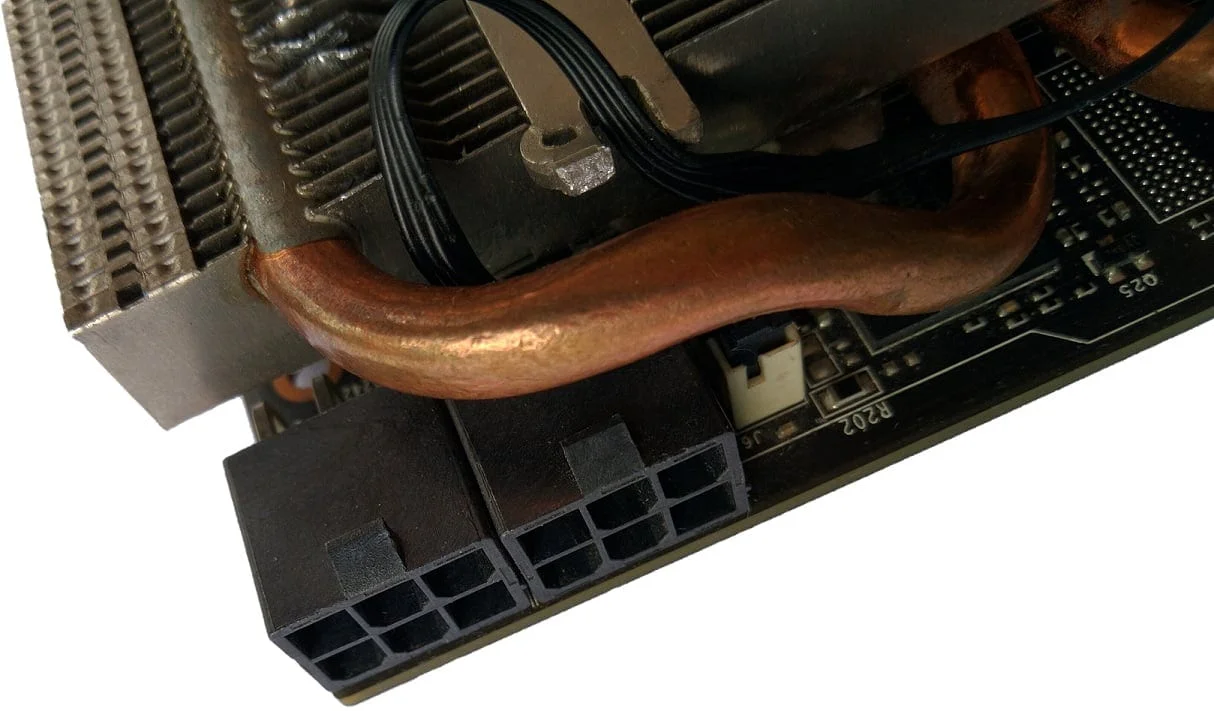
Just like the GTX 670, the GTX 760 requires two auxiliary power connectors for proper operation:
 ⤢ ВІДКРИТИ
Board and power system
Unlike the Gainward GeForce GTX 670, which saw more significant modifications by Chinese engineers compared to the reference GTX 670, the Zotac GeForce GTX 760 AMP! almost entirely mirrors NVIDIA's reference GTX 760 design:
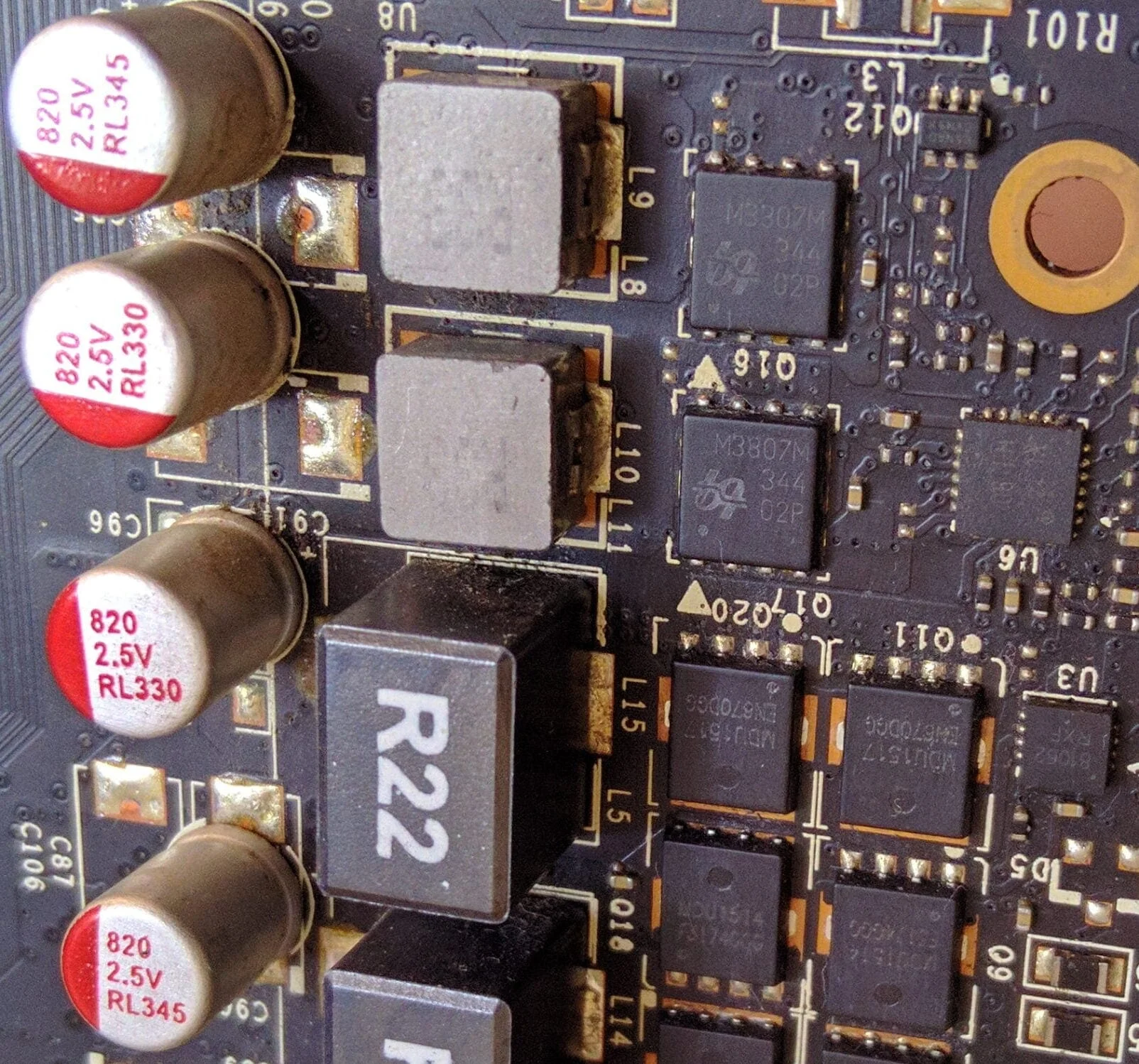
The GPU's power is managed by the same ON Semiconductor NCP5392P controller found in the previously reviewed GTX 670. Four phases with MDU1517 MOSFETs and R22 chokes operate under its control. The GDDR5 video memory, in turn, is powered by two phases with M3807M MOSFETs and R33 chokes:
 ⤢ ВІДКРИТИ
Graphics processor and memory
 ⤢ ВІДКРИТИ
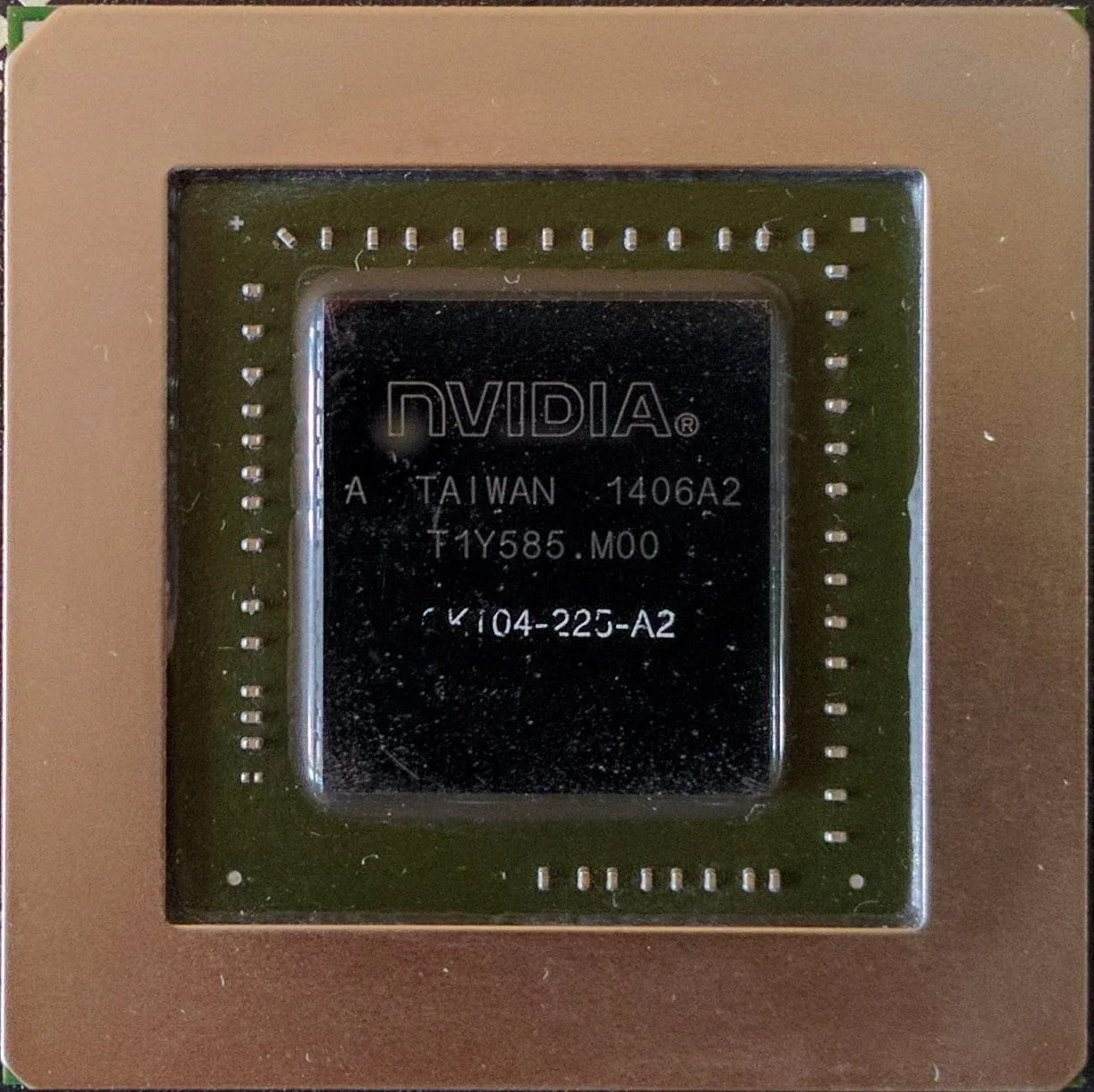
At the heart of the GeForce GTX 760 is the GK104-225-A2 graphics processor. Compared to its top-tier configuration used in the GTX 680 and GTX 770 (GK104-400-A2 and GK104-425-A2), it shed two SMX blocks, reducing its raw computational power from 1536 stream processors and 128 texture units to 1152 and 96, respectively.
This is a significant simplification of the GPU, especially noticeable when comparing the GK104-225-A2's specifications with the previously tested GTX 670 and its GK104-325-A2 graphics processor. Compared to the GTX 670, the GTX 760 chip was weakened from 1344 stream processors and 112 texture units to 1152 and 96, respectively. Despite this, the 'green giant' still managed to push the GeForce GTX 760's performance up to par with the GTX 670. Given the severe reduction in computational units, NVIDIA engineers had to resort to their only remaining acceleration method: boosting GPU and GDDR5 frequencies. As expected, this approach wasn't the most power-efficient for the resulting GTX 760. The '700-series' budget card became noticeably more power-hungry than the '600-series' pre-top model, reaching the power consumption levels of the flagship GTX 680 with its 180 watts.
Honestly, it's completely unclear why NVIDIA pulled this trick with a new, and in fact, utterly unnecessary additional configuration of the familiar GK104 GPU. Essentially, all they needed to do was rename the existing GTX 670 to GTX 760 and boost its frequencies by just a couple of percent. They could have done the same as they eventually did with the GTX 680 and GTX 770 (physically, these cards' specifications are identical, except for base clock speeds).
To sum up the hardware aspect of the GTX 760's GPU, it's worth noting that, fortunately, NVIDIA didn't cut the rasterization units. The GK104-225-A2 chip retained its full 32 ROPs.
Let's move on to the GTX 760's video buffer.
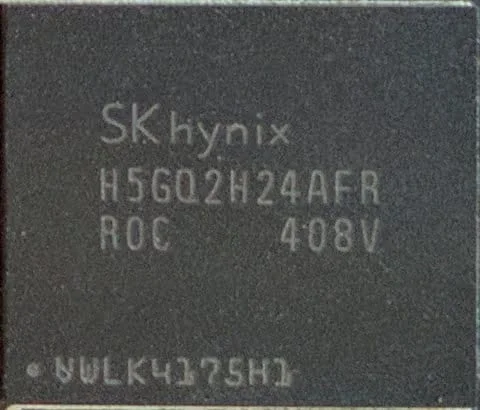
For video memory, the Zotac GeForce GTX 760 AMP! uses the same eight 2-gigabit (256-megabyte) GDDR5 chips manufactured by SK Hynix, marked H5GQ2H24AFR, as the previously tested GeForce GTX 670:
 ⤢ ВІДКРИТИ
According to information from Hynix's official website, this memory is rated for an effective frequency of 6000 MHz. However, for the graphics card presented here, the manufacturer decided to boost (effectively overclock) it to 6200 MHz. It's also worth noting that H5GQ2H24AFR chips are quite common on GTX 600 and GTX 700 series cards — both in 2GB and the rarer 4GB versions (with the exception of the GTX 770, which often features 2-gigabit or 4-gigabit Samsung chips clocked at 7000 MHz).
 ⤢ ВІДКРИТИ
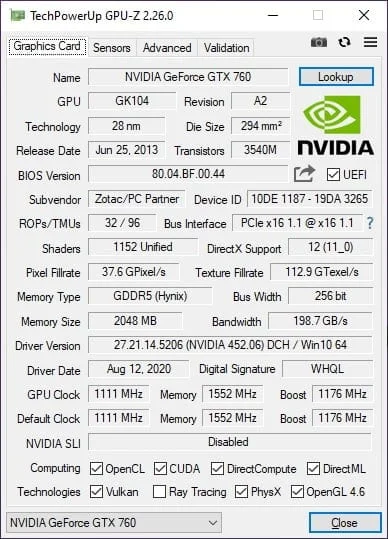
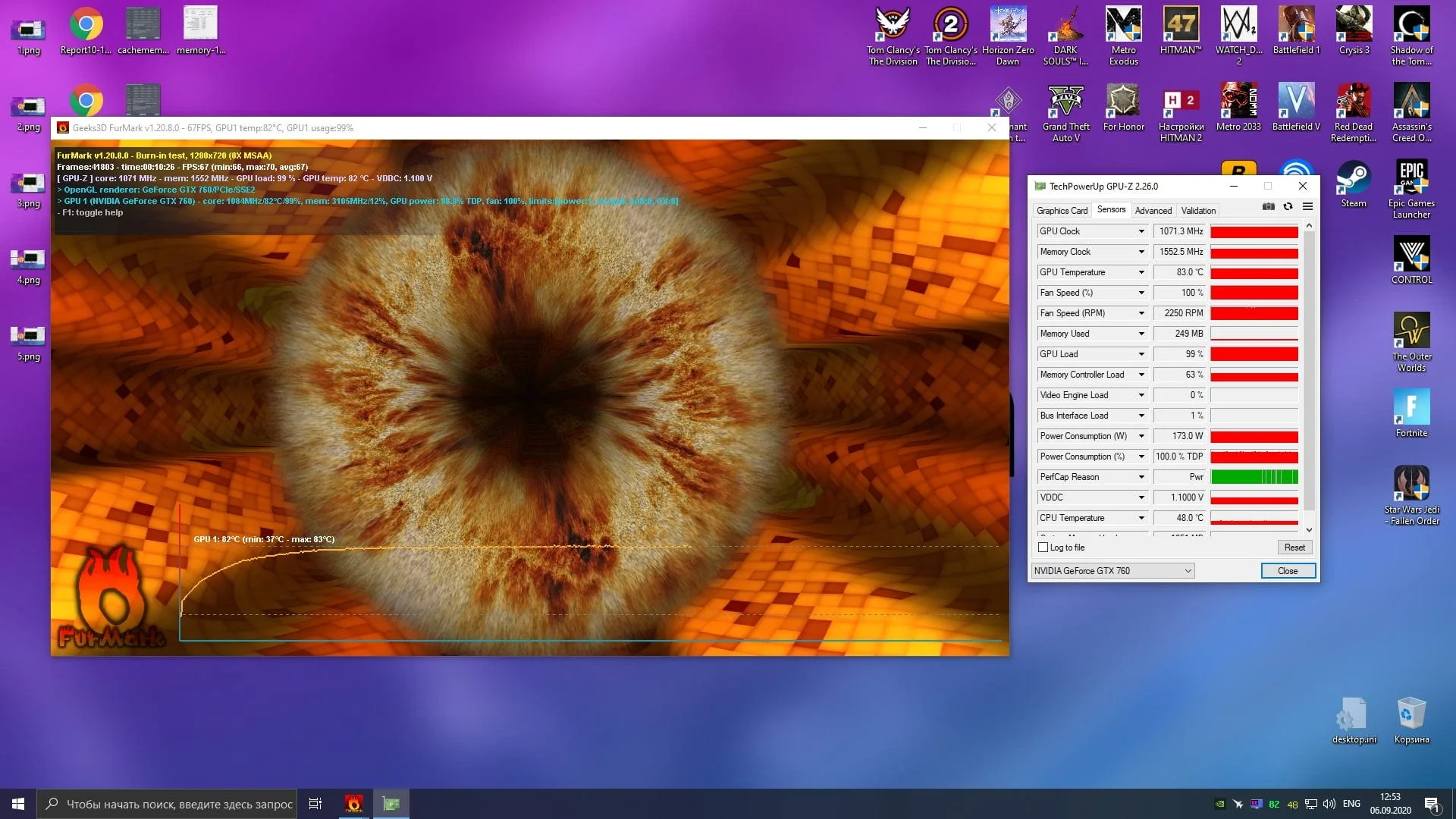
The base GPU clock speed is 1111 MHz, with a maximum boost clock of 1176 MHz, as stated by the manufacturer. This is confirmed in most games, where the graphics processor indeed operates at 1176 MHz. The maximum recorded GPU voltage in games reached 1.200 volts, which is 0.025 volts higher than the GTX 670. In the FurMark stress test, our GTX 760 sample's GPU frequency was 1071 MHz, at a voltage of 1.100 volts. This is entirely normal, as the graphics card hits its power limit, set at 170 watts:
 ⤢ ВІДКРИТИ
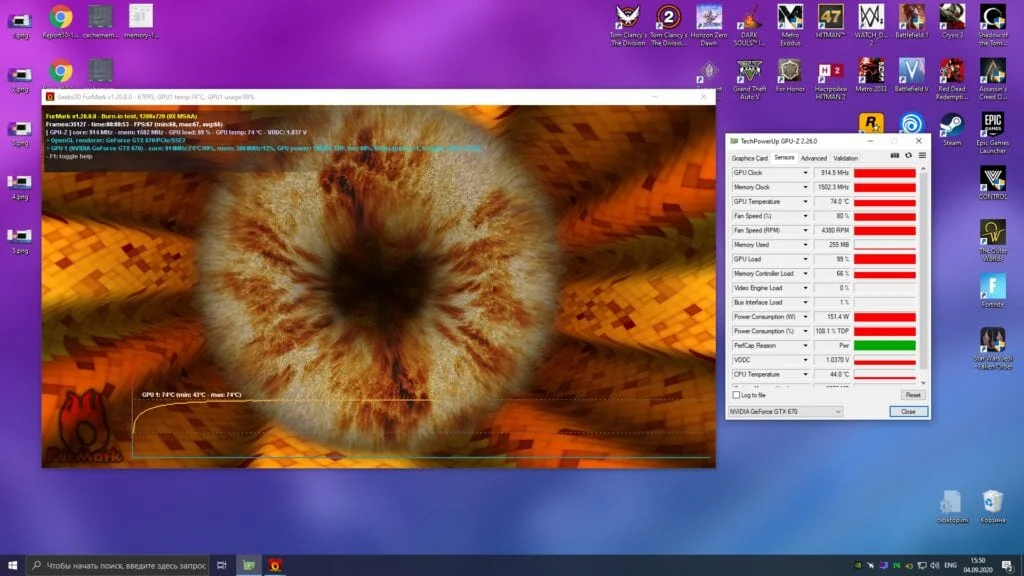
Now, compare these figures with the GTX 670:
 ⤢ ВІДКРИТИ
In the same FurMark stress test, its core voltage at the base power limit was 1.037 volts, with a TDP of 151 watts. Thus, the newer GTX 760 can consume 20 watts more power, leading to higher temperatures.
However, it's important to remember that in both cases, we used non-reference graphics card samples. Their voltage and power limit parameters might slightly differ from NVIDIA's default settings. Therefore, the results obtained shouldn't be considered representative of the reference GTX 670 and 760 cards.
On the other hand, it's also worth noting that these elusive reference designs are extremely rare. Within a month or two of their release, they're typically replaced by custom designs from NVIDIA's partner manufacturers. So, generally speaking, I believe the power consumption and heat output data we obtained can indirectly be extrapolated to other GTX 670 and 760 cards.
All that's left is to find out if the increased voltage and higher clock speeds can help the GeForce GTX 760 outperform the GTX 670.
Test setup:
CPU — Xeon E5-2630L v3@2800-2900 MHz (unlocked Turbo Boost frequency);
Graphics cards — Zotac AMP! GeForce GTX 760 2GB DDR5 (stock frequencies, Power Limit 100%) and Gainward GeForce GTX 670 2GB DDR5 (stock frequencies, Power Limit 100%);
Motherboard — Kllisre X99-D8 (AD12) with modified BIOS;
RAM — G.SKILL DDR4@1866 MHz, 4x 2GB F4-2400C15S-4GNT sticks, totaling 16GB (timings 10-10-10-24);
SSD — KINGSTON 120GB SA400S37120G;
HDD — Seagate 2TB ST2000DM008-2FR102;
PSU — Chieftec GPS-1250C.
Games and graphics settings:
All games featured in the GTX 670 graphics card testing were updated to the latest version.
Assassin’s Creed Odyssey — 1920×1080 resolution (1920×1080 render), low graphics quality settings;
Control Ultimate Edition — 1920×1080 resolution (1366×768 render), low graphics quality settings;
Counter-Strike: Global Offensive — 1920×1080 resolution (1920×1080 render), high graphics quality settings;
Destiny 2 — 1920×1080 resolution (1920×1080 render), medium graphics quality settings;
For Honor — 1920×1080 resolution (1920×1080 render), high graphics quality settings;
Fortnite — 1920×1080 resolution (1920×1080 render), high graphics quality settings;
Horizon Zero Dawn (tested on patch 1.03) — 1920×1080 resolution (70% render scale ~1280×720), ultra-low graphics quality settings;
Red Dead Redemption 2 — 1600×900 resolution (1600×900 render), ultra-low graphics quality settings;
Remnant: From the Ashes — 1920×1080 resolution (1920×1080 render), medium graphics quality settings;
Outer Worlds — 1920×1080 resolution (1920×1080 render), low graphics quality settings;
Tom Clancy’s The Division — 1920×1080 resolution (1920×1080 render), medium graphics quality settings;
Tom Clancy’s The Division 2 — 1920×1080 resolution (1920×1080 render), low graphics quality settings;
Watch_Dogs 2 — 1920×1080 resolution (1920×1080 render), high graphics quality settings;
In-game performance testing was conducted using the benchmark built into MSI Afterburner. The final result recorded was the average frame rate obtained over five benchmark runs.
With the testing methodology covered, let's now look at the data.
Assassin’s Creed Odyssey
 ⤢ ВІДКРИТИ
 ⤢ ВІДКРИТИ
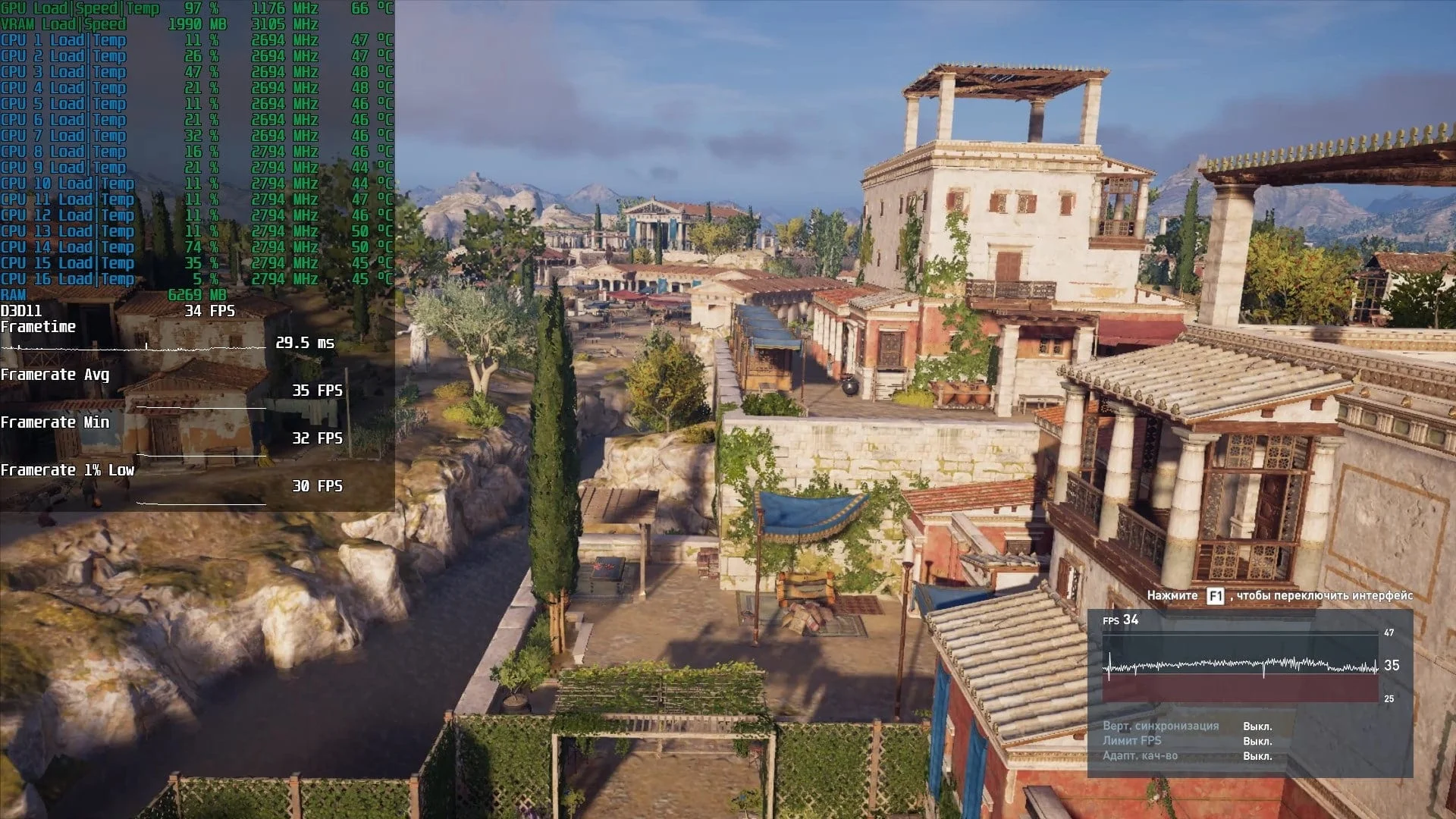
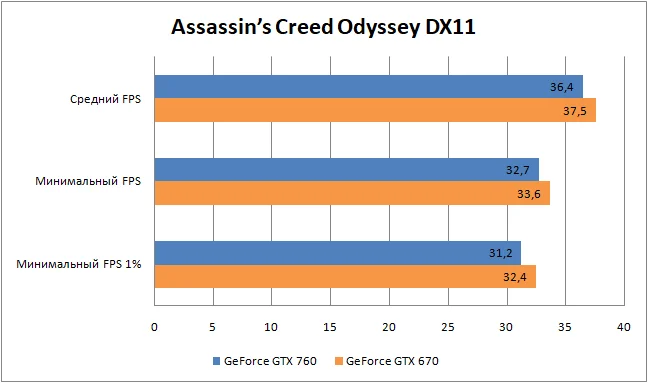
In the latest installment of the Assassin's Creed franchise, the GTX 670 shows a slight edge over the GTX 760. However, this isn't visually noticeable: you'd barely feel the difference without active MSI Afterburner monitoring. And, spoiler alert, we'll see a similar pattern in the vast majority of our test games.
Control
 ⤢ ВІДКРИТИ
 ⤢ ВІДКРИТИ
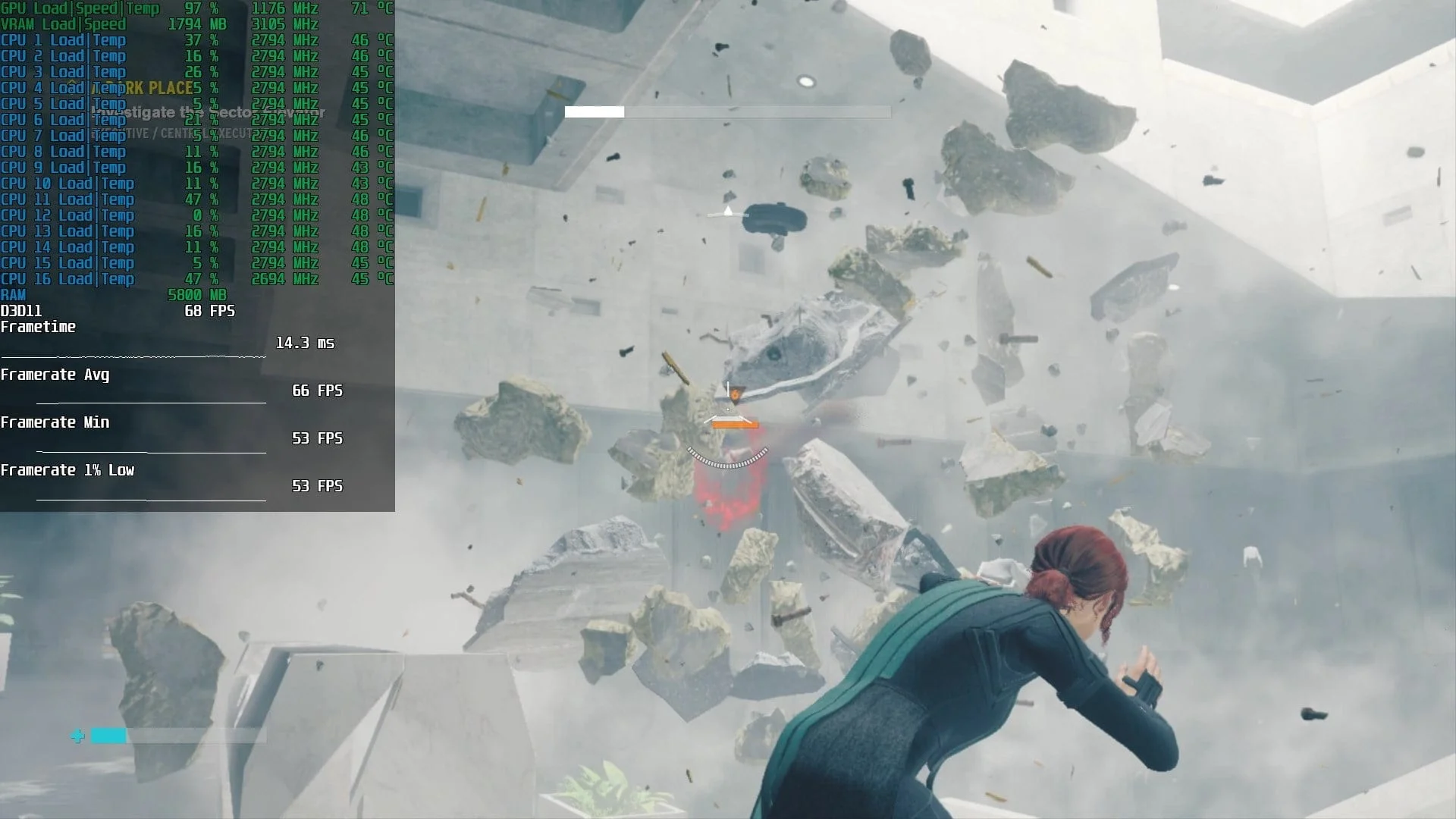
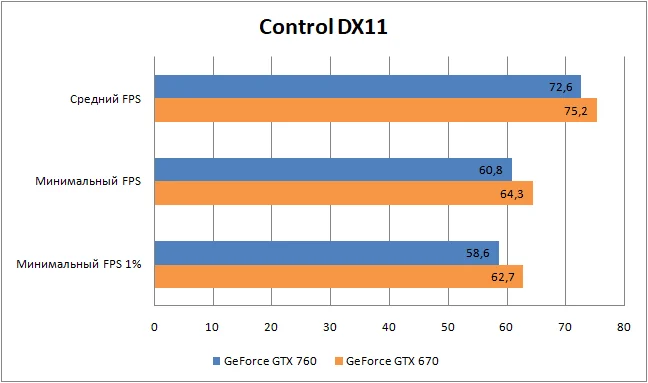
In the stunning creation from the brilliant Sam Lake and his Remedy Entertainment studio, "Control," the results are virtually identical to "Assassin's Creed Odyssey." Both graphics cards deliver acceptable FPS, but the GTX 670 is still slightly faster than the GTX 760.
CS:GO
 ⤢ ВІДКРИТИ
 ⤢ ВІДКРИТИ
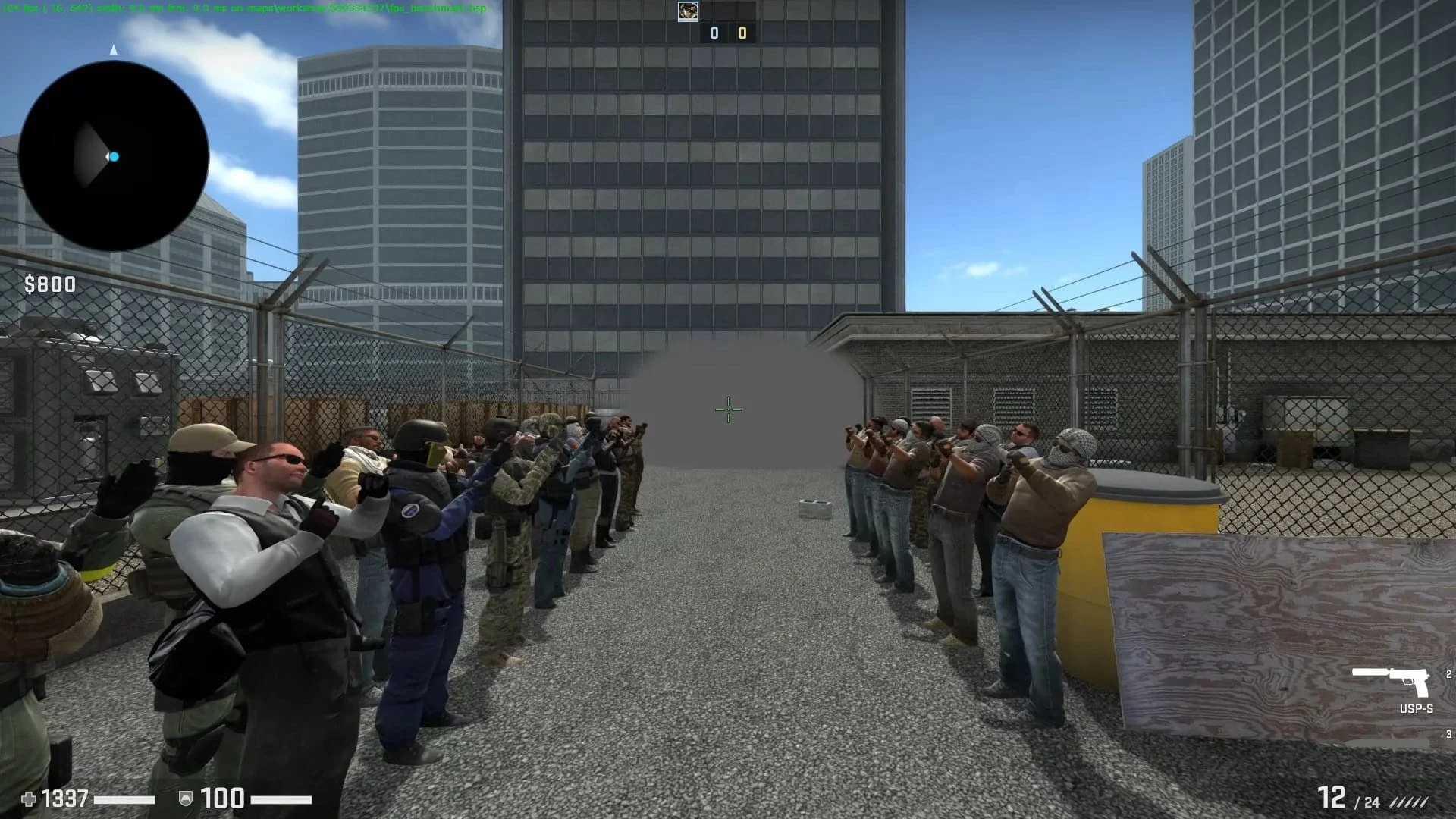
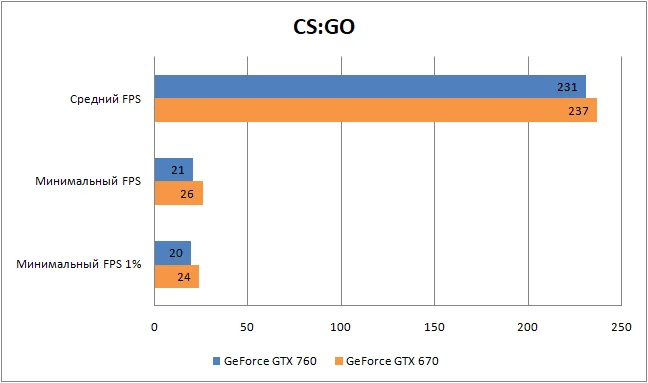
Only in the esports title Counter-Strike: Global Offensive does the power balance shift more significantly. The minimum framerate achieved on the GTX 760 noticeably lags behind the GTX 670. And considering that the lowest recorded result is an unplayable 21-26 FPS, an extra 5 frames would certainly not hurt.
Most likely, the GTX 670 benefited from its higher number of hardware-enabled texture units here. However, in practice, this isn't particularly critical, as if you've read the GTX 670 review, you'd know that such drops simply don't occur in actual gameplay, and the FPS remains at acceptable levels.
Destiny 2
 ⤢ ВІДКРИТИ
 ⤢ ВІДКРИТИ
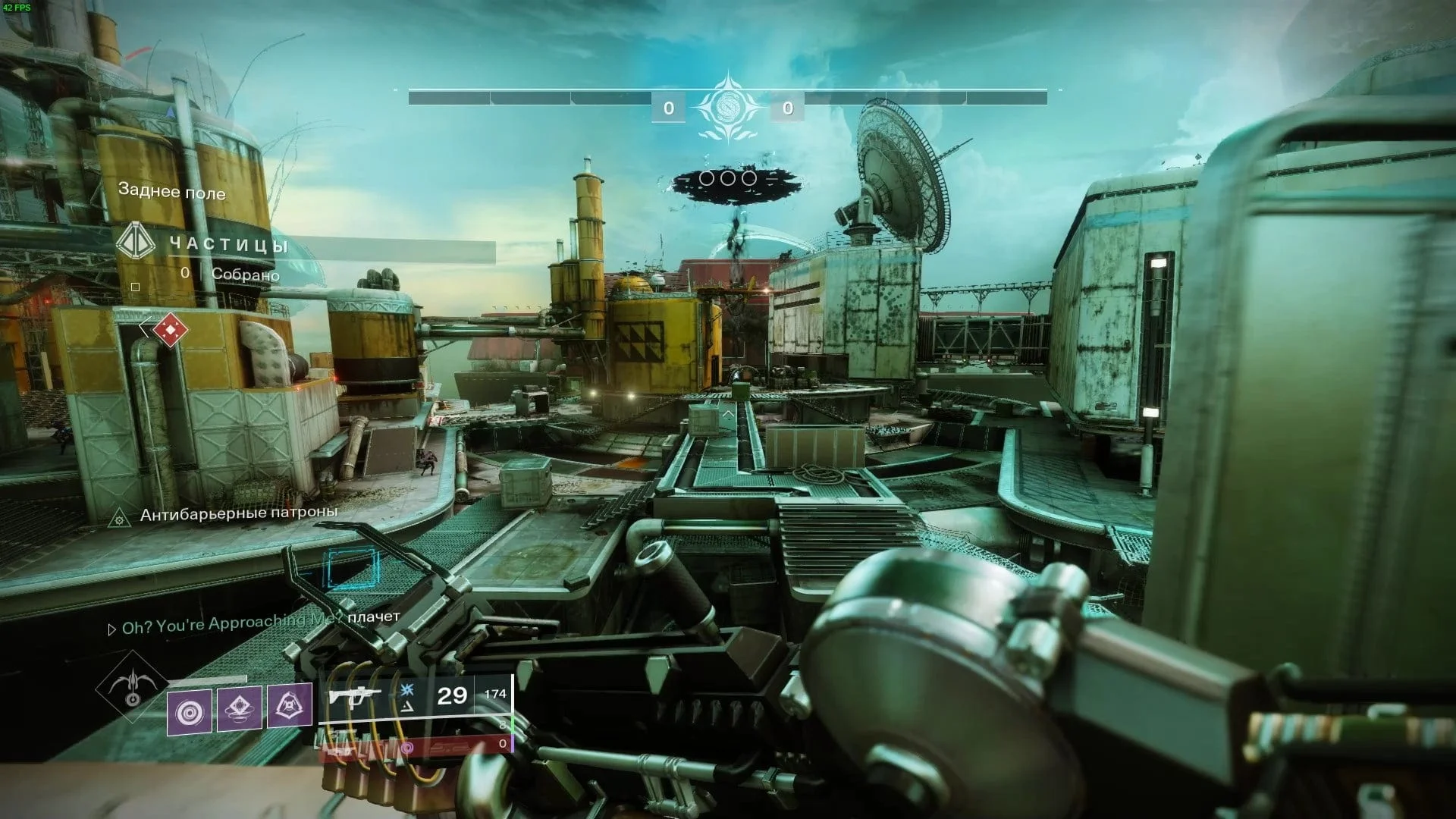
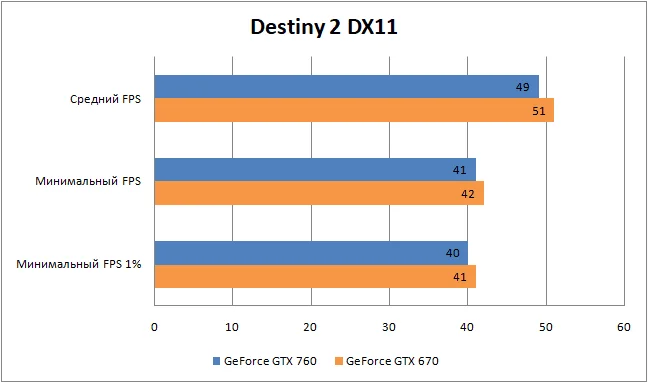
In Destiny 2, the situation mirrors Control and Assassin’s Creed Odyssey: you'll only feel the difference with an FPS monitor. Both graphics cards handle Bungie's title equally well. However, before heading into "The Crucible," it's still best to drop the settings to minimum.
For Honor
 ⤢ ВІДКРИТИ
 ⤢ ВІДКРИТИ
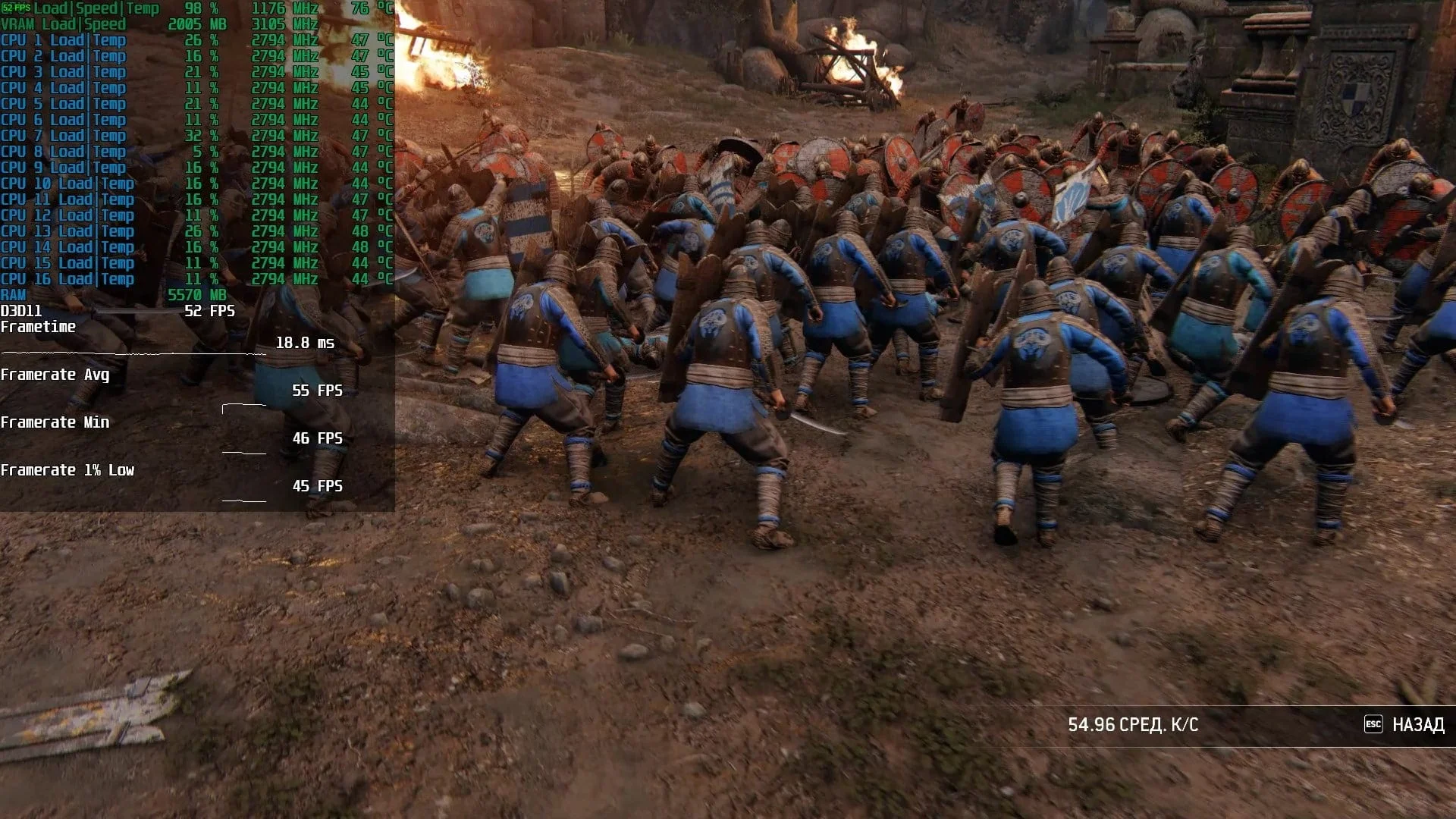
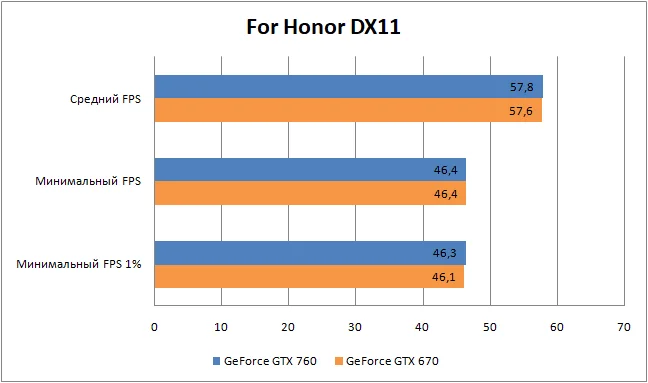
In For Honor, comments are barely necessary: the GeForce GTX 670 and GTX 760 show virtually identical results!
Fortnite
 ⤢ ВІДКРИТИ
 ⤢ ВІДКРИТИ
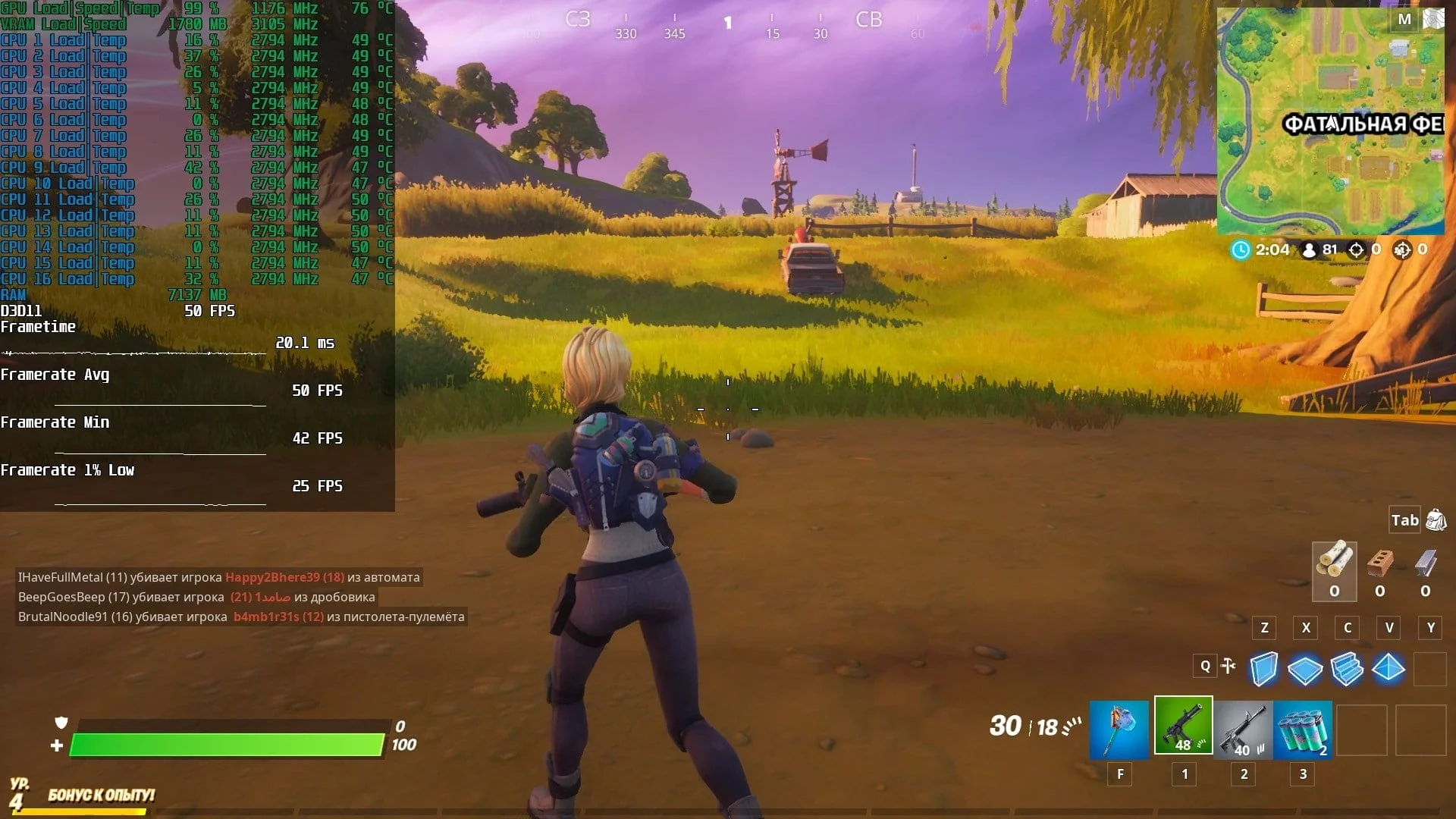
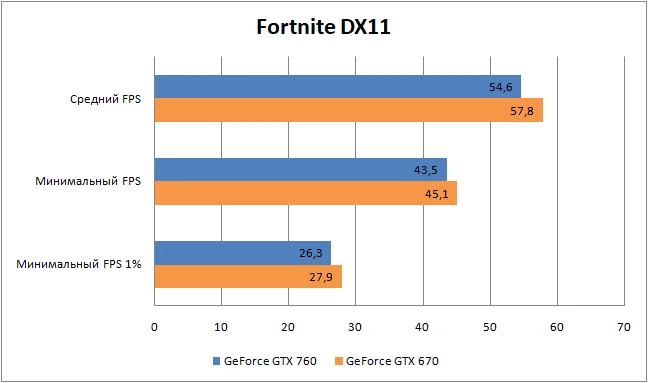
As I've mentioned in a previous article, testing graphics cards and processors in Fortnite is a rather thankless task. It's quite difficult to get repeatable events in the game, making it nearly impossible to adequately compare final results.
However, we simply have to test this game due to its popularity. So, by calculating the average frame rate across five runs of the game on each graphics card in "battle royale," "single-player" mode, it was found that the GTX 670 emerged victorious with a slight lead.
Horizon Zero Dawn
 ⤢ ВІДКРИТИ
 ⤢ ВІДКРИТИ
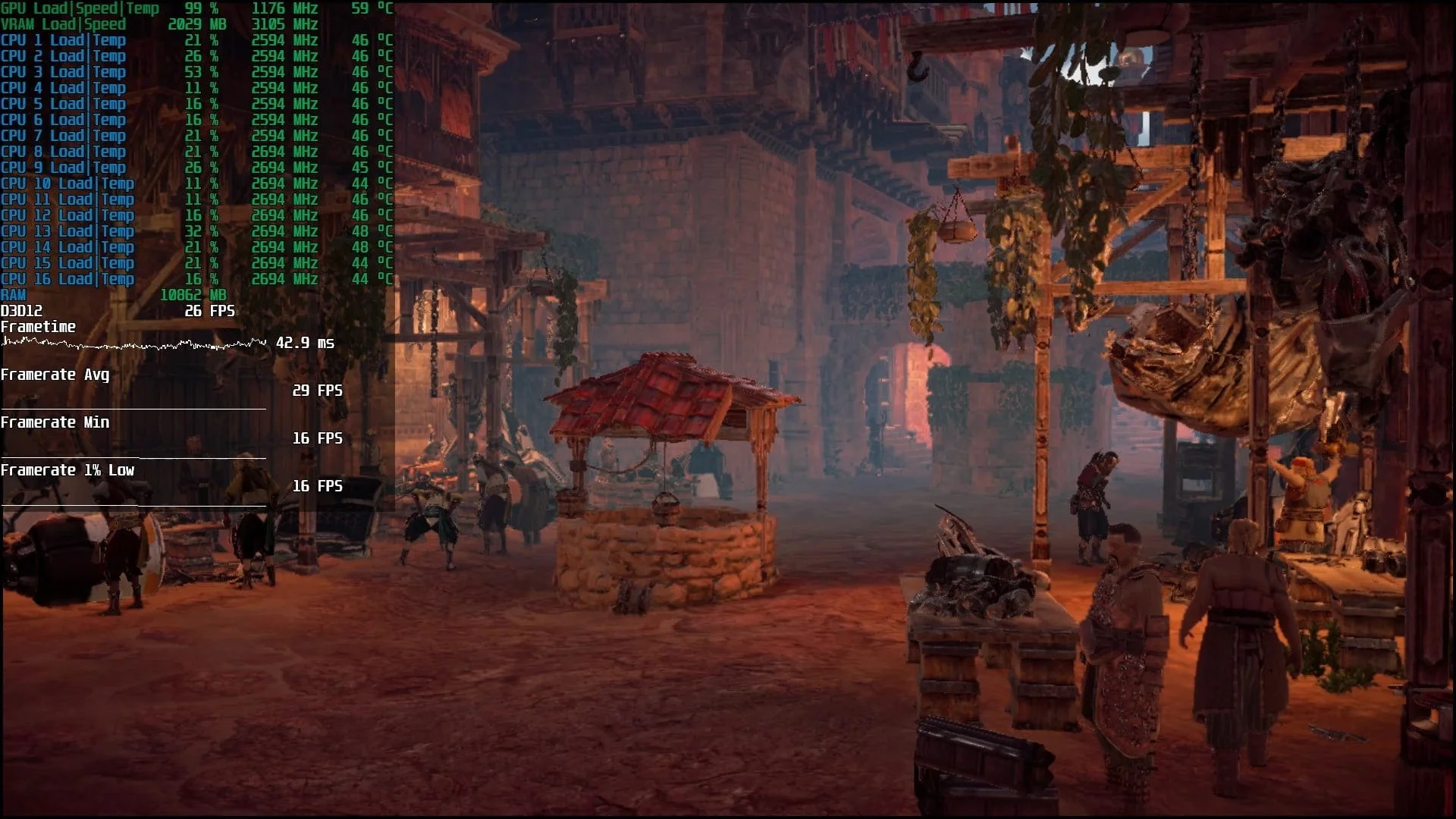
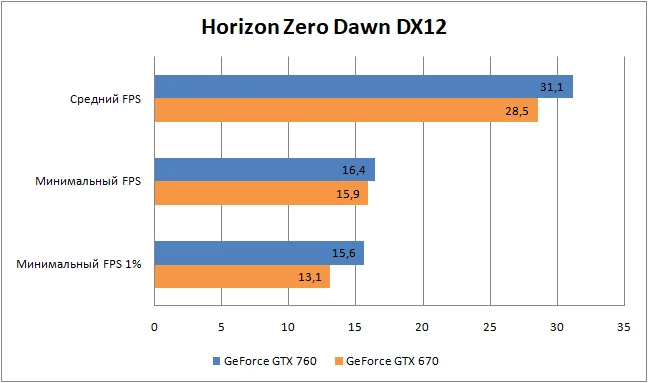
And here it is, the first surprise of this benchmark session! Just look at the results in Horizon Zero Dawn: all three FPS metrics are higher for the GeForce GTX 760! Whether it's a "unique" patch 1.03, or if the GDDR5 chip frequency proved more crucial for performance growth than the physically more powerful GTX 670 chip, given the severe video memory shortage, isn't entirely clear. But the fact remains: in Horizon Zero Dawn, the GTX 760 graphics card was faster than its older sibling from the previous generation.
Red Dead Redemption 2
 ⤢ ВІДКРИТИ
 ⤢ ВІДКРИТИ
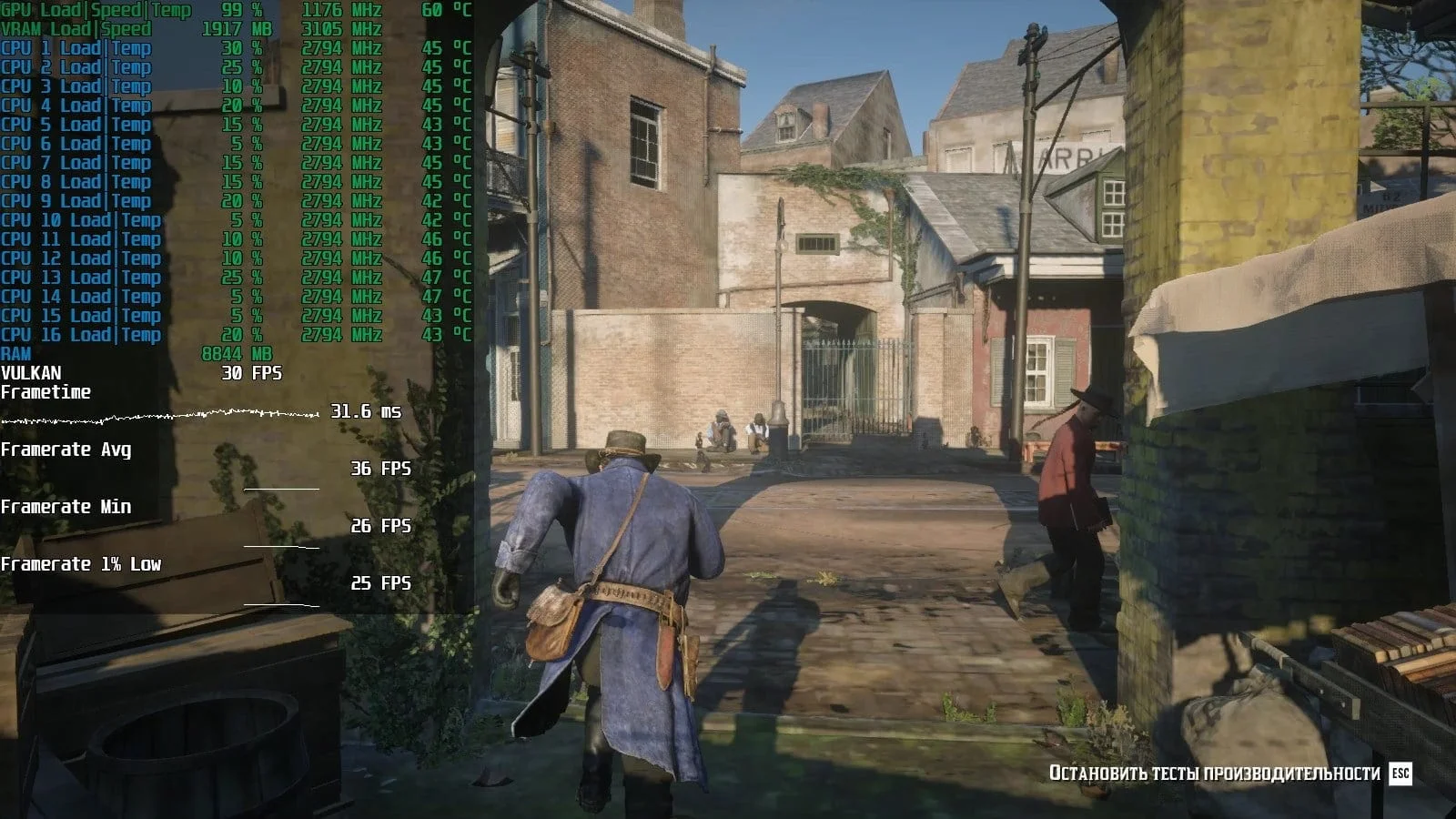
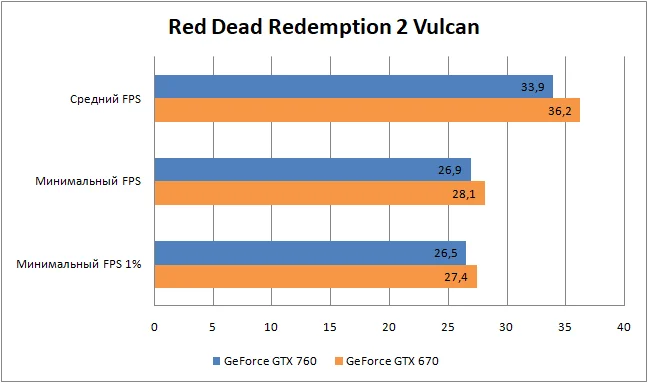
In RDR 2, everything returned to normal. The GeForce GTX 760 again loses to the GTX 670 by a few percentage points, which, as I've already mentioned, will be virtually impossible to notice in actual gameplay.
Remnant
 ⤢ ВІДКРИТИ
 ⤢ ВІДКРИТИ
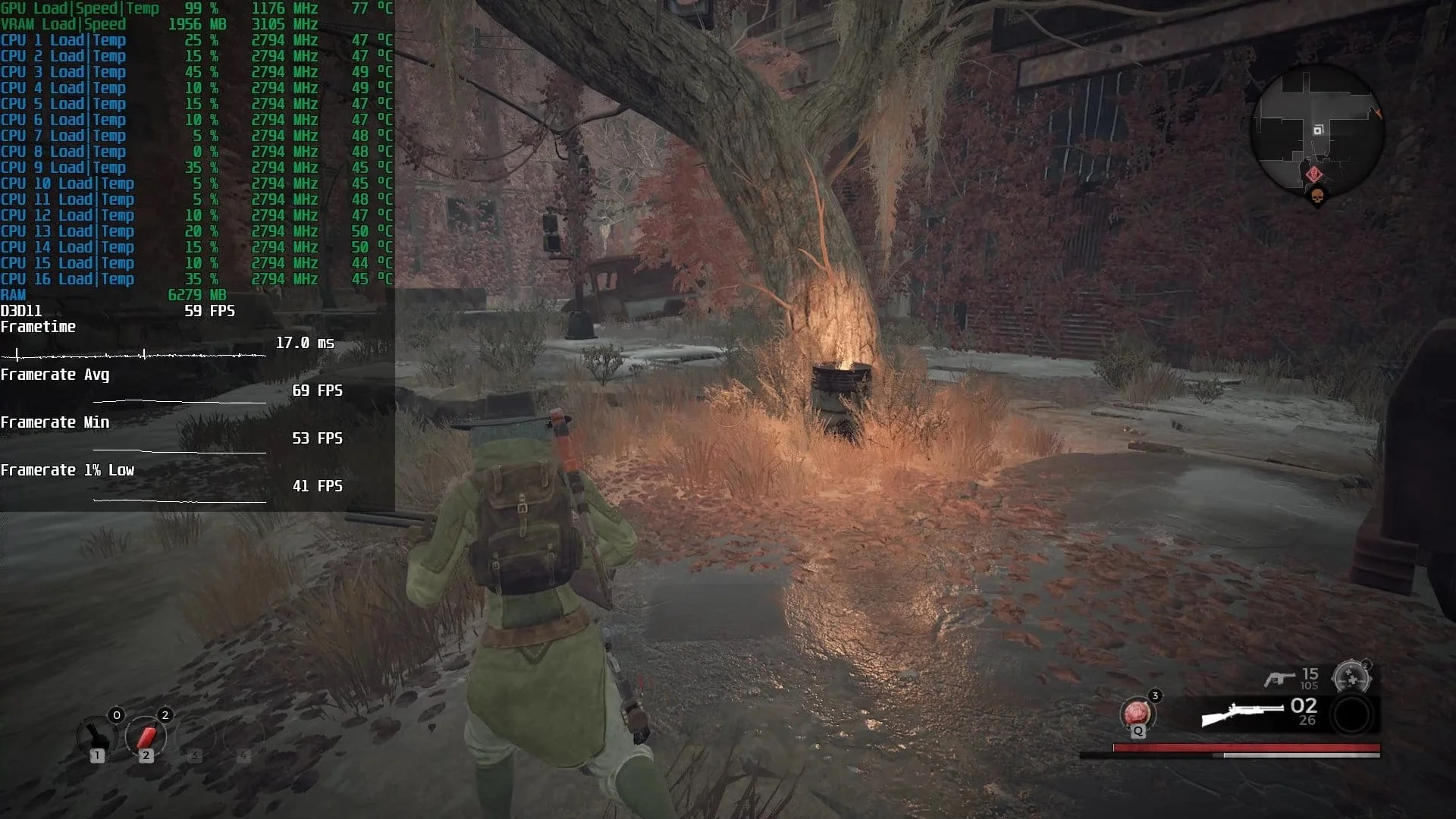
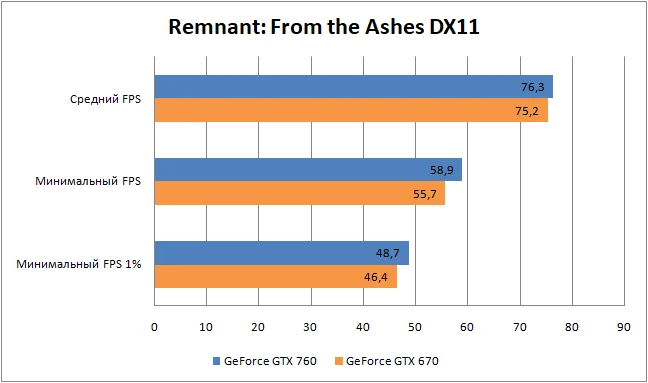
The Souls-like action game Remnant: From the Ashes was the second and, incidentally, last game where the GeForce GTX 760 managed to "snatch victory from the jaws" of the GTX 670. However, as you've likely noticed from the advantage graph, this victory is Pyrrhic: the GTX 760's significantly higher power consumption and heat output aren't worth it.
Outer Worlds
 ⤢ ВІДКРИТИ
 ⤢ ВІДКРИТИ
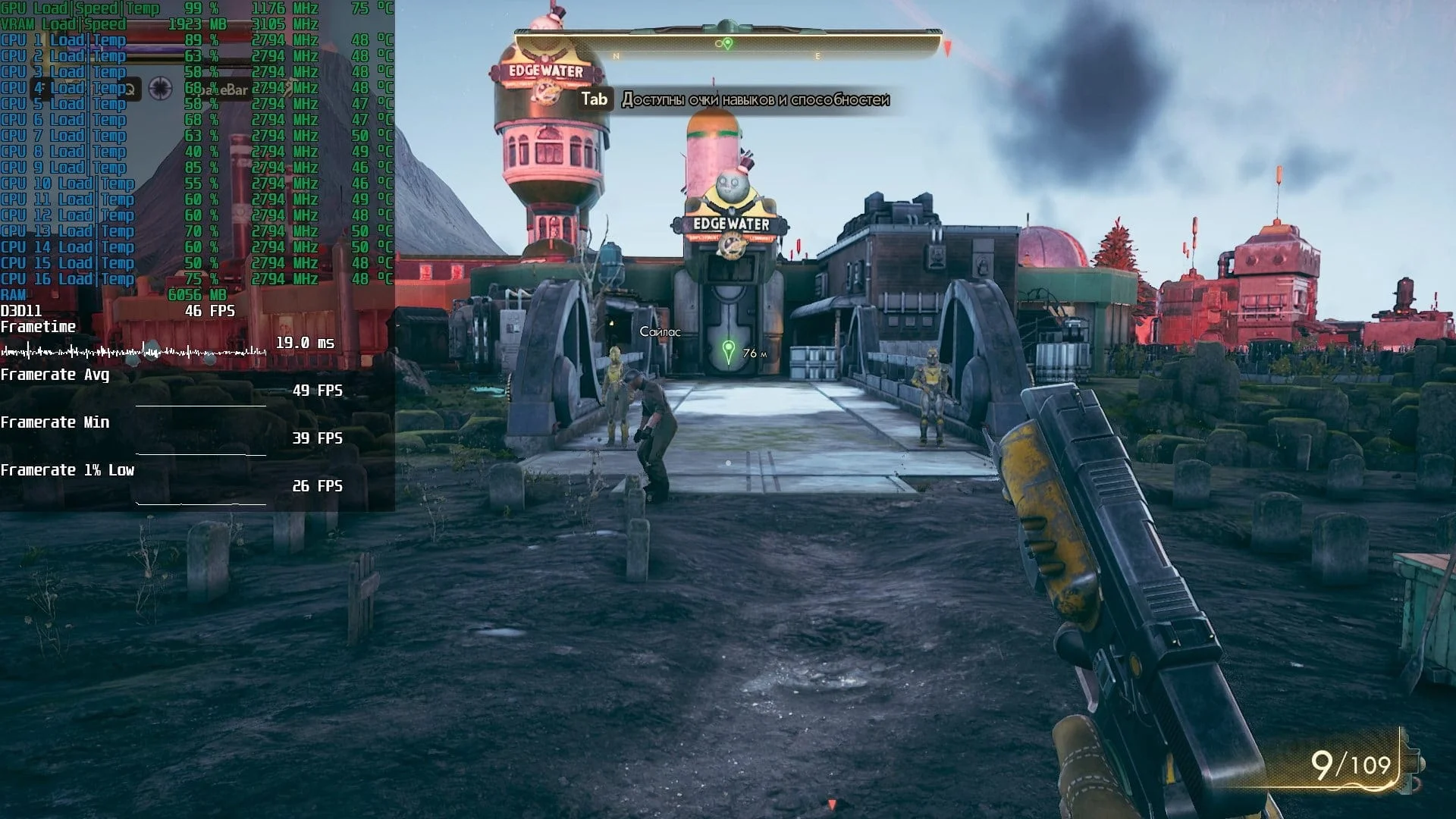
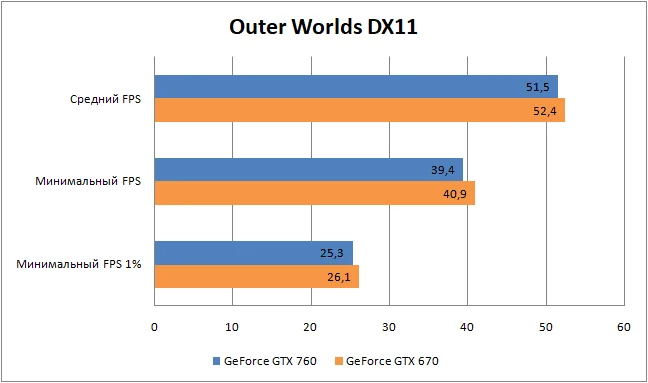
Testing in Outer Worlds reports a practical parity between the GTX 760 and GTX 670.
The Division
 ⤢ ВІДКРИТИ
 ⤢ ВІДКРИТИ
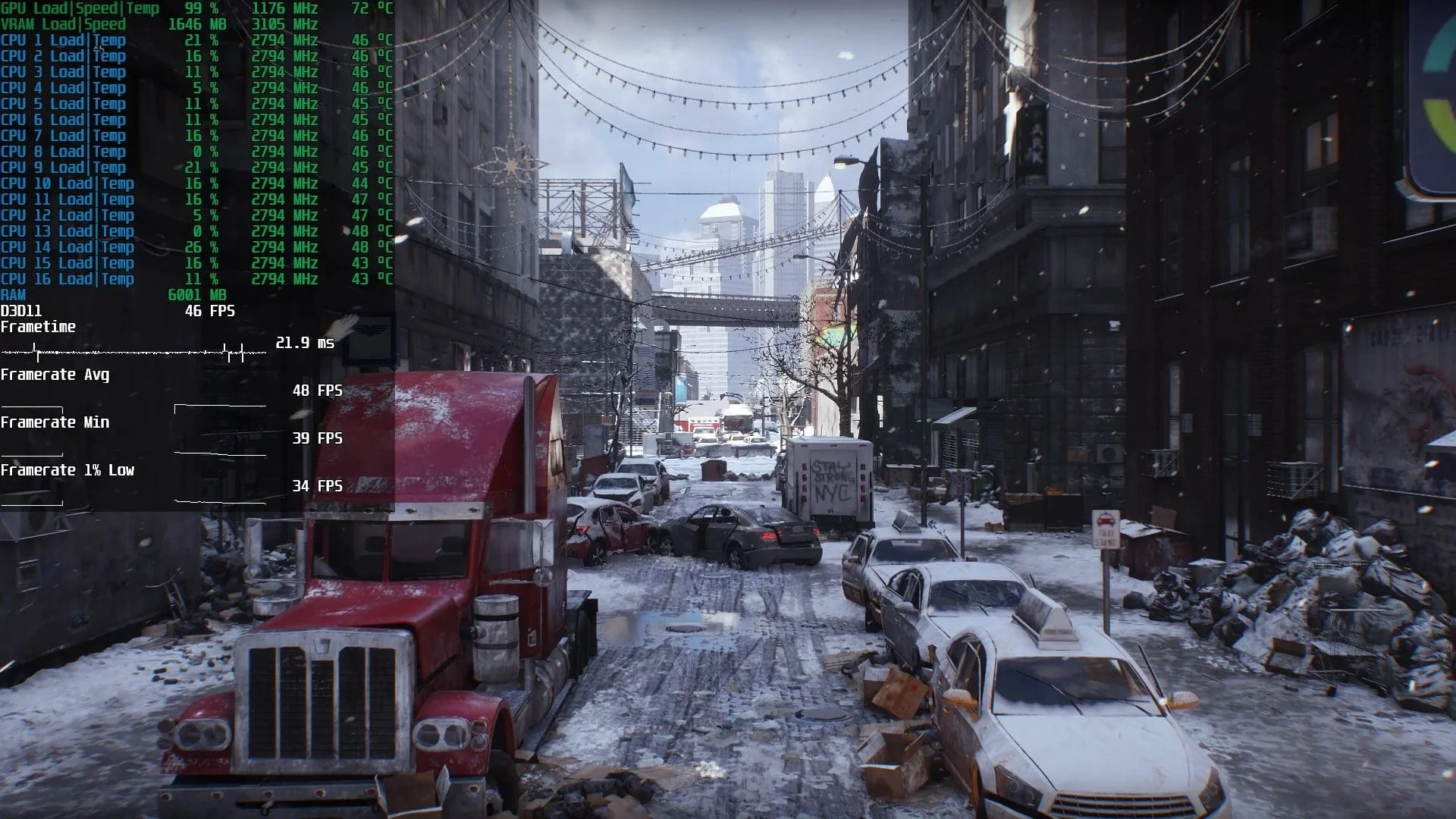
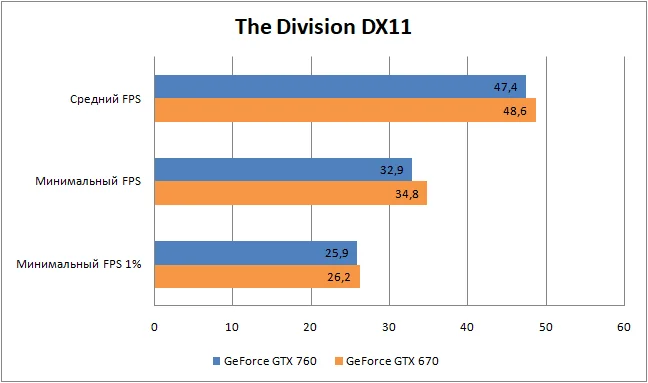
Nothing changes in the recently free-to-play The Division either. Both graphics cards, begrudgingly, handle the game at medium graphics quality settings. If you need a higher frame rate, you still have the option to lower the settings to minimum.
The Division 2
 ⤢ ВІДКРИТИ
 ⤢ ВІДКРИТИ
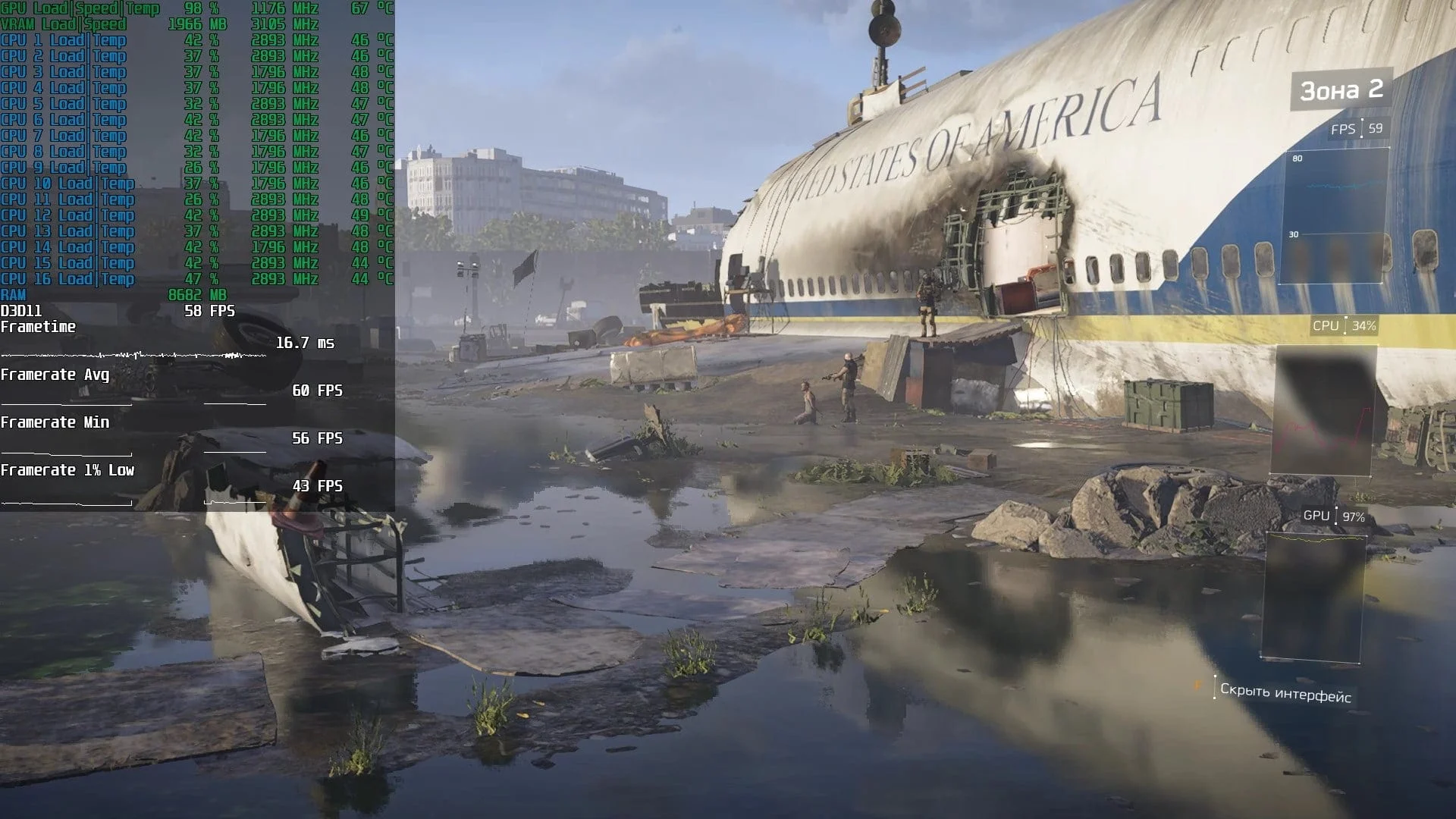
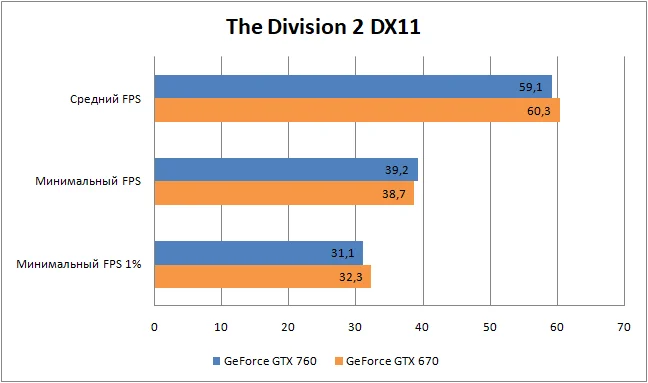
In The Division 2, we see the familiar balance of power. Both cards show virtually identical results, allowing for an average FPS around 60. However, keep in mind that testing was conducted at minimal graphics settings. If you want to squeeze out an extra couple of dozen frames, you'll have to take drastic measures and reduce the render resolution.
Watch_Dogs 2
 ⤢ ВІДКРИТИ
 ⤢ ВІДКРИТИ
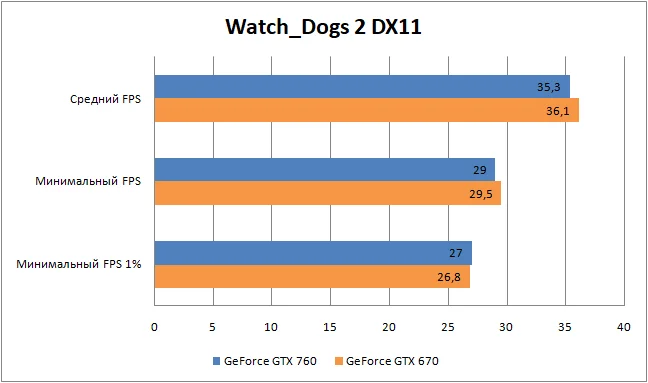
The final game in our test, Watch_Dogs 2, also couldn't declare a clear favorite: both the GTX 670 and 760 show roughly the same FPS.
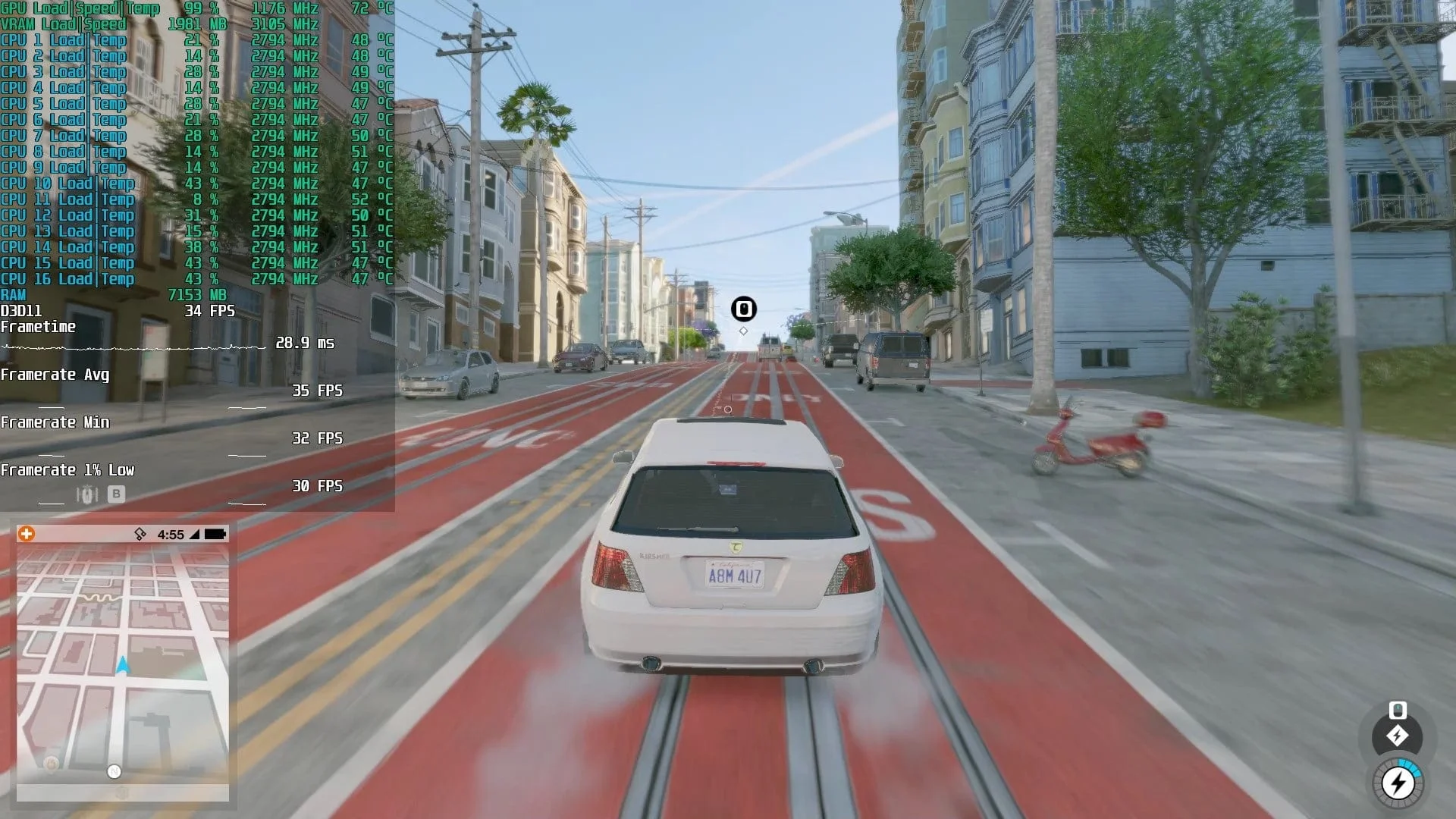
Below is a video recording of the GeForce GTX 760 being tested in 13 games. Keep in mind that for the graphs above, FPS was recorded without video capture, which can "eat up" some performance. Therefore, the frame rate values in the video are slightly lower than those in the charts.
YouTube
By loading, you allow content from YouTube (cookies may be set).
Conclusion
After a series of tests, it became clear that the GeForce GTX 760 is a more power-hungry and hotter copy of the GeForce GTX 670. This unpleasant characteristic in no way makes the GTX 760 a better value than its older '600-series' sibling. However, if you're looking for an ultra-cheap graphics card ($35-50) and concerns about power consumption/heat output (as well as potential GPU failure) don't bother you at all, then both the GTX 760 and GTX 670 will suit you equally well.
Ultimately, the main question from both previous and current articles can be confidently answered: Graphics cards based on the pre-top GK104 GPU with the 'Kepler' architecture are indeed still capable of pleasing their owners in 2020. While the FPS with these adapters isn't very high, and graphics settings are far from "ultra," it's extremely difficult to argue against the rather decent performance of these 7-year-old graphics cards.
And finally, I must add a spoonful of tar to the barrel of honey and once again quote my own words from the first part of this article series:
Even if you're on a tight budget: It's better to wait, save up, and look at slightly more expensive cards like the Radeon RX 470 (4GB) or GeForce GTX 1060 (3GB). The performance of these graphics adapters is on an entirely different level, and their price is sometimes only a few tens of dollars higher than that of the GeForce GTX 670. This advice particularly applies to Radeon RX 470 graphics cards. At the time of writing, its price on the secondary market starts at $70.
As you've probably guessed, the reason for such strict recommendations is the considerable age of the GTX 600 and 700 series graphics cards. 8 and 7 years is a frighteningly long service life for this kind of "hardware," and it's highly likely you might end up with a card that's already been reflowed/resoldered, or even a dead one that only displays artifacts (although it's also true that a similar outcome can occur with a Radeon RX 470 or GeForce GTX 1060 purchase, the chance of encountering a "dead" card is significantly lower with these).
The final decision, of course, is yours. I merely tried to warn you.
If you enjoyed this article and want to see more content like it on this resource, please support our site on Patreon! Our main goal is to expand our hardware inventory and improve testing quality: replacing HDDs with a large SSD, purchasing a capture card to reduce the impact of ShadowPlay gameplay recording on final results, and so on).