REVIEWS · MOTHERBOARDS
PUBLISHED
READING6 min
ASUS M4A785TD-V EVO motherboard review and test
A review and test of the ASUS M4A785TD-V EVO motherboard, including a detailed look at its packaging, design, specifications, BIOS settings, and overclocking potential.
Unfortunately, motherboard reviews don't appear on our site very often. However, I simply couldn't resist writing about the new test platform for AMD AM3 processors.
The old ASUS M2N68-AM SE2 no longer met the demands of our growing website, so it has left our test lab. Still, given its contribution to the site's development, we'd like to thank ASUS for such an excellent ultra-budget motherboard.
The last review featuring our old board will appear on the site within the month. So, what can the new ASUS M4A785TD-V EVO test board offer? It's time to dive into our review. Let's start by taking a look:
The box
 ⤢ ВІДКРИТИ
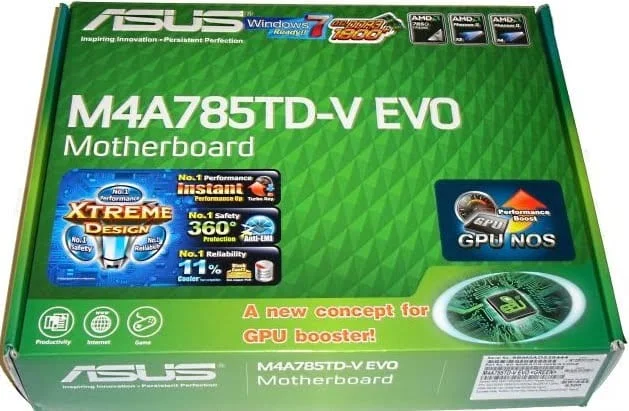
The board comes in a green box, and as many may have noticed, this is an outdated design. ASUS currently uses completely different packaging. Thanks to numerous stickers, even without buying the board, you can tell it belongs to the mid-range budget product class. The front of the box also indicates that this product supports ASUS Express Gate, a software shell that allows you to access the internet in seconds.
Finally, the box informs potential buyers that the integrated AMD Radeon HD4200 graphics processor can be further overclocked using the GPU NOS software.
Package contents:
3 SATA cables;
1 IDE cable;
I/O shield;
User manual and quick installation guide;
Case stickers;
Software and driver DVD;
Set of proprietary Q-Connectors.
The package includes everything you might need for a smooth system startup. The only thing worth noting is the inclusion of two SATA cables with metal latches.
Board specifications:
Model | ASUS M4A785TD-V EVO |
Supported processors | Socket AM3: AMD Phenom II / Athlon II / Sempron 100 Series |
Chipset | AMD 785G + SB710 |
HyperTransport bus frequency, MT/s | 5200 (HyperTransport 3.0) |
Supported memory type | 4 x DIMM, up to 16GB, DDR3 1800/1600/1333/1066/800 MHz |
Integrated graphics core | AMD (ATI) Radeon HD 4200 with SidePort Technology support |
SidePort integrated memory type | 128 MB DDR3 1333 MHz |
Expansion slots | 2 x PCI Express 2.0 x16 (blue operates in x16 mode, gray in x4 mode) 1 x PCI Express x1 3 x PCI |
CrossFireX technology | Supported with x16+x4 configuration, Hybrid CrossFireX supported |
Storage subsystem | AMD SB710: - 5 x SATA 3Gb/s - 1 x UltraDMA 133/100/66 for up to 2 PATA devices - 1 x eSATA 3Gb/s Support for SATA RAID 0, 1, 10, 5, JBOD |
LAN support | Realtek RTL8112L Gigabit Ethernet controller |
Audio subsystem | High-quality 8-channel VIA VT1708S audio codec |
IEEE 1394 | VT6308P controller with support for 1 port on the interface panel and 1 more via an optional bracket |
USB | 12 USB 2.0/1.1 ports (6 on the rear panel) |
External I/O ports | 1 x PS/2 keyboard port 1 x D-Sub port 1 x DVI-D port 1 x HDMI v1.3a port 1 x eSATA port 1 x S/PDIF optical out 1 x IEEE1394a port 1 x LAN (RJ45) port 6 x USB 2.0/1.1 ports 8-channel audio port |
Internal I/O ports | 24-pin ATX power connector 4-pin ATX 12V power connector 1 x CPU fan connector 1 x IDE connector 1 x IEEE 1394a connector 1 x LPT port 1 x COM port 2 x fan connectors 1 x S/PDIF out 3 x USB 2.0/1.1 ports 5 x SATA 3Gb/s Front panel connector |
For a mid-range solution, the specifications look simply amazing. The only drawbacks, if you can call them that, are the absence of FDD and COM connectors.
Appearance
 ⤢ ВІДКРИТИ
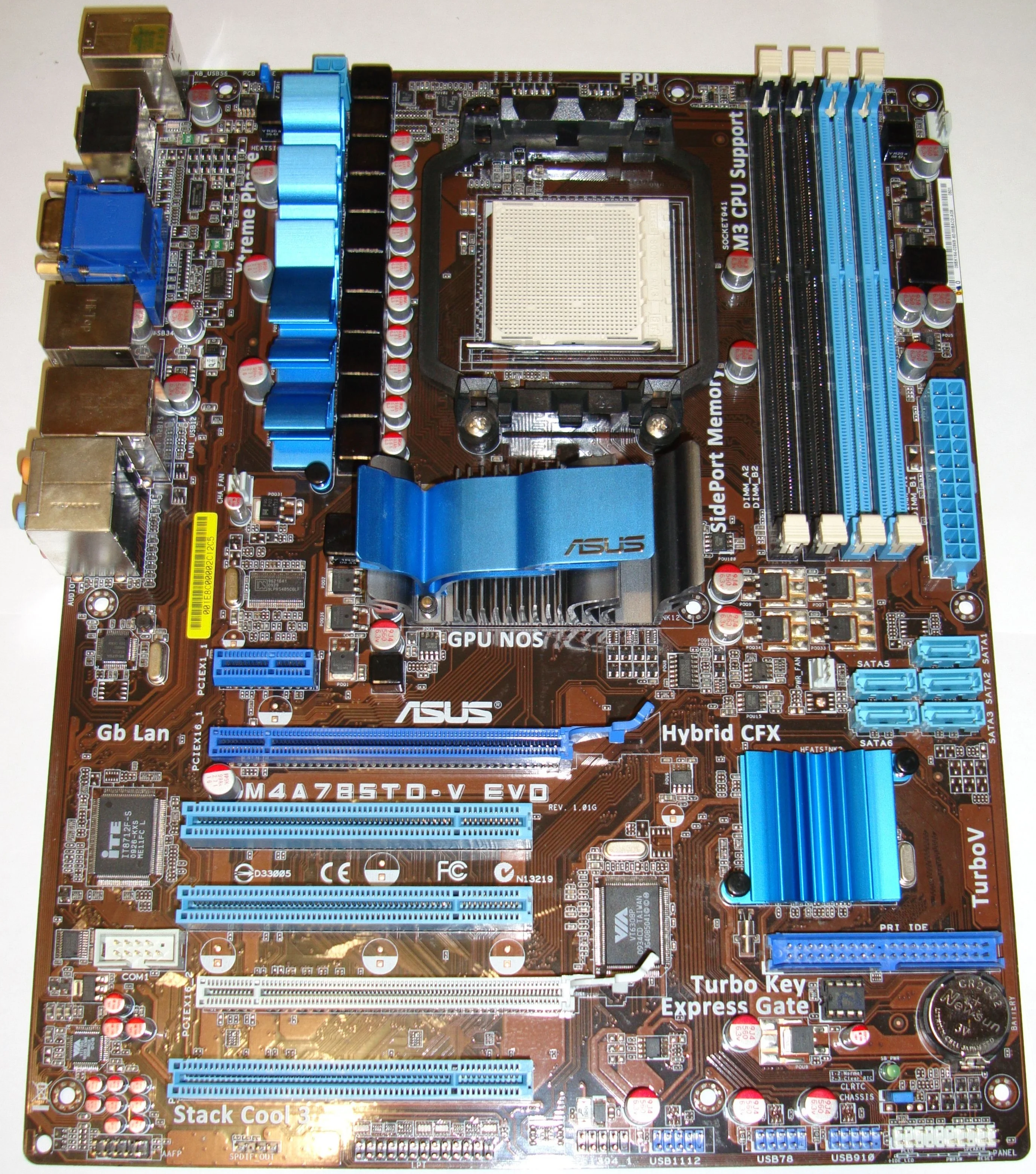
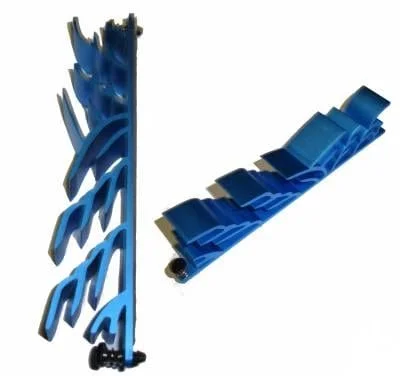
The board looks quite impressive. The massive heatsink on the power converter is particularly striking. However, practical experience has shown that it doesn't make firm contact with the power transistors and can actually have a negative effect instead of a positive one.
 ⤢ ВІДКРИТИ
 ⤢ ВІДКРИТИ
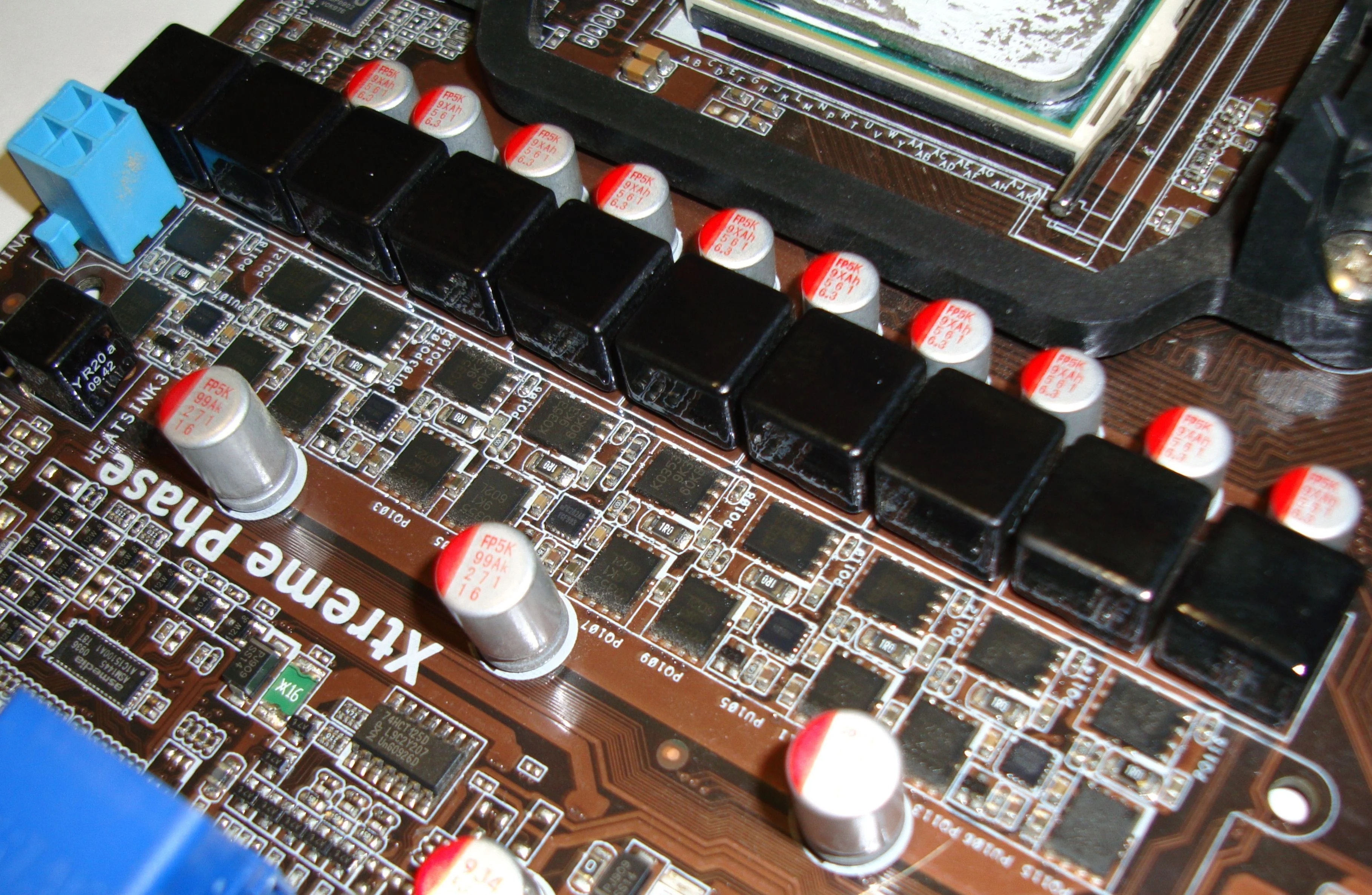
The power converter itself looks arguably even more impressive than its heatsink. It features 10 power phases: 8 for the CPU cores and 2 for the integrated memory controller.
 ⤢ ВІДКРИТИ
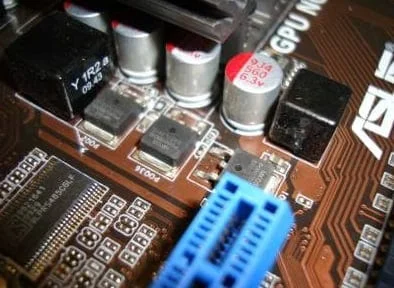
The AMD785 northbridge and integrated graphics core appear to use a 2-phase power scheme. Subjectively, this seems sufficient, but it might not be enough for aggressive integrated graphics overclocking.
 ⤢ ВІДКРИТИ
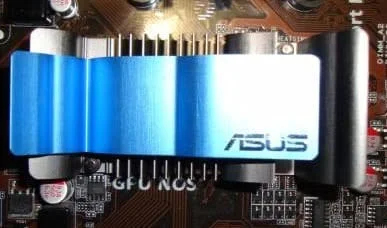
The northbridge itself is cooled by a massive blue-gray aluminum heatsink. As you can see from the photo, it has a fairly large heat dissipation surface. However, if your case has poor airflow, this heatsink won't save the chipset from overheating.
 ⤢ ВІДКРИТИ
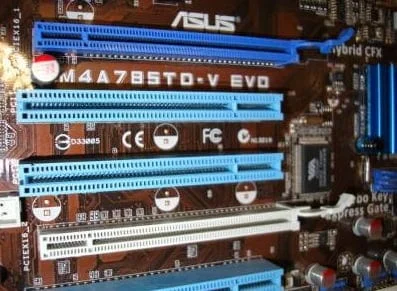
As you might have noticed, the board appears to have two PCI Express x16 slots, but that's only at first glance. The upper, blue slot indeed operates in x16 mode, while the lower, white one only uses 4 lanes.
For graphics cards like the Radeon HD5750/5770, this should be enough to build a CrossFire setup. But if you plan to use more powerful cards, such as the HD58xx/68xx/69xx, it's better to get a board with an AMD790/890FX chipset. You can also install an inexpensive NVIDIA graphics card in the x4 slot to handle physics effects.
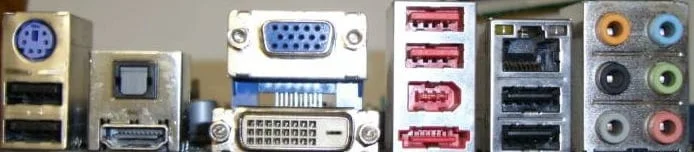 ⤢ ВІДКРИТИ
The rear panel features the following connectors:
PS/2 keyboard/mouse port;
D-Sub;
DVI-D;
HDMI v1.3a;
S/PDIF;
IEEE1394a;
LAN port;
eSATA;
6 x USB 2.0/1.1;
8-channel audio port.
Test bench:
Motherboard - ASUS M4A785TD-V EVO (BIOS v2103)
Processor - Athlon II X4 620
CPU cooling - Cooler Master Susurro (RR-KCT-T9E1)
RAM - Corsair XMS3 PC10700 (9-9-9-34)
Graphics card - ASUS GeForce 9800GT
PSU - FSP 400W
Hard drives - Samsung SP160GB
BIOS
 ⤢ ВІДКРИТИ
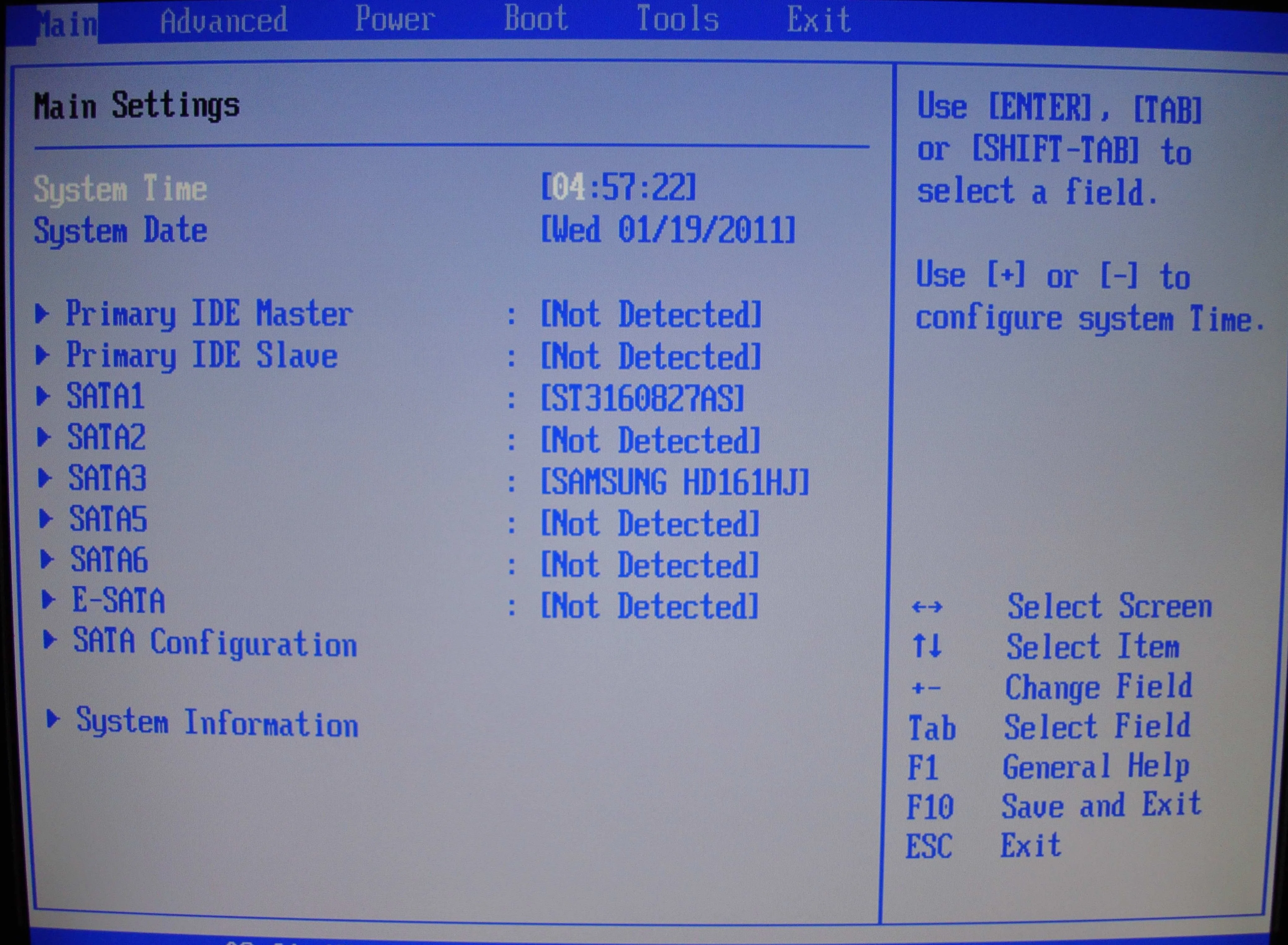
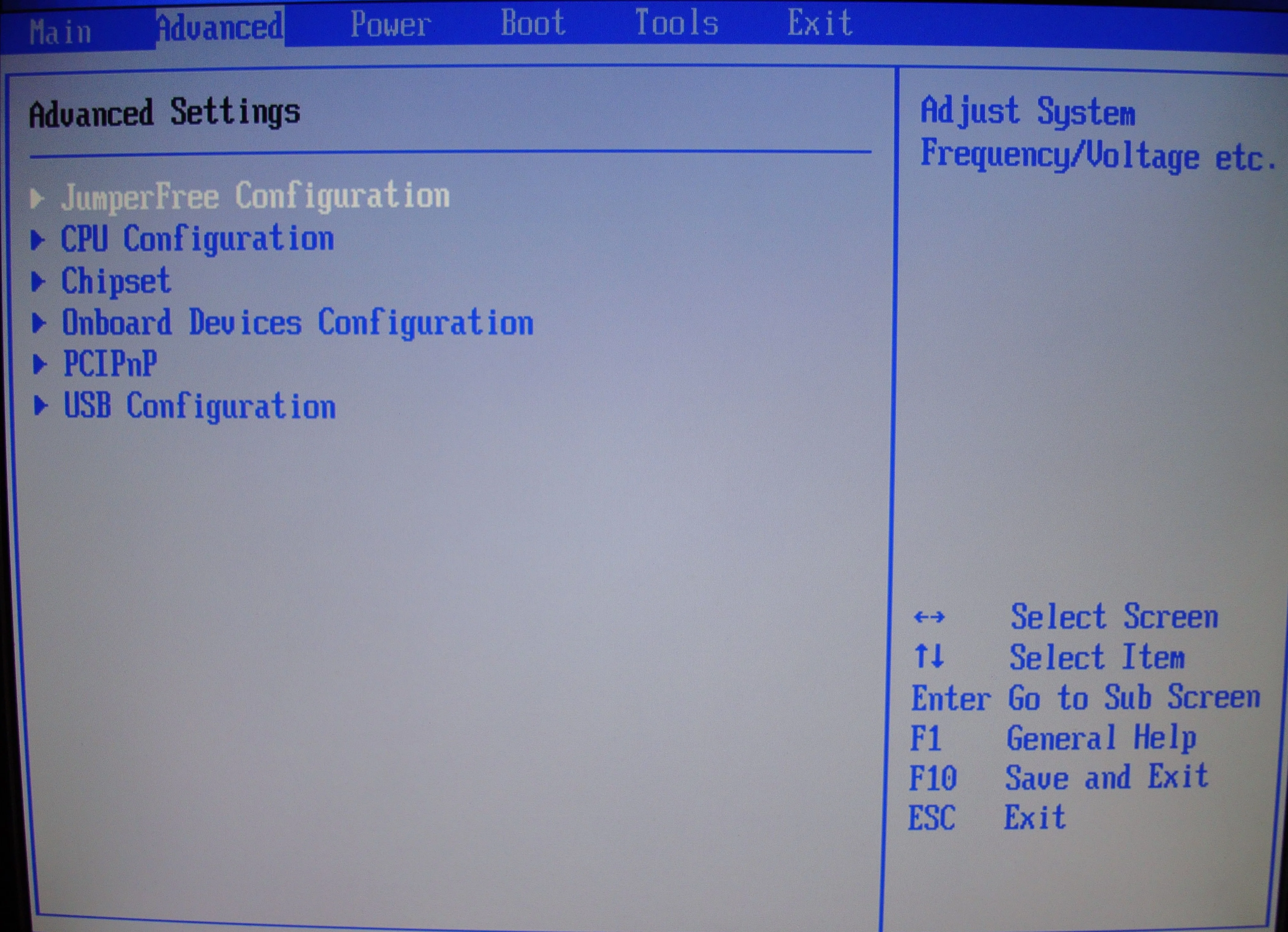
The BIOS of the ASUS M4A785TD-V EVO motherboard is based on AMI microcode.
 ⤢ ВІДКРИТИ
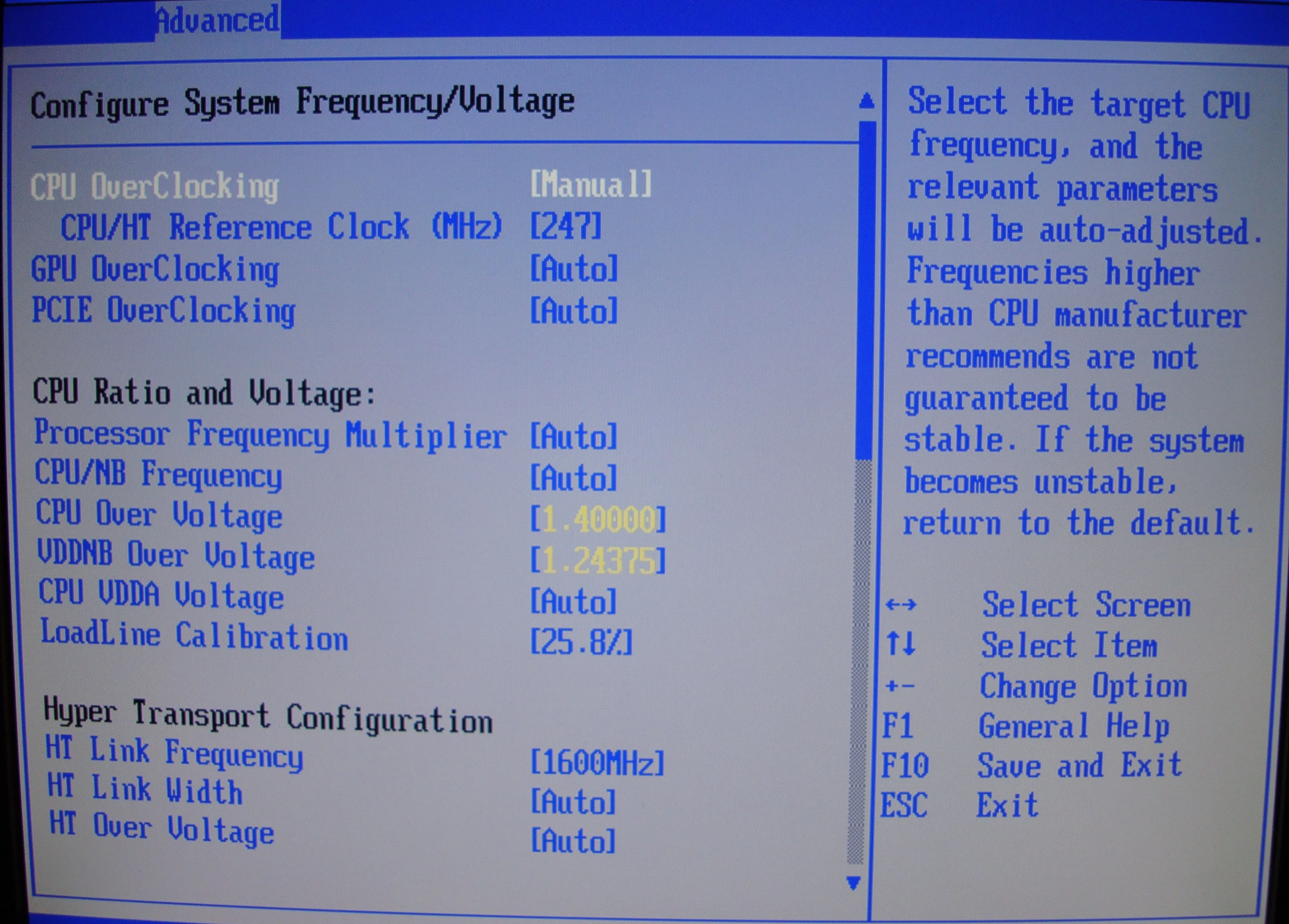
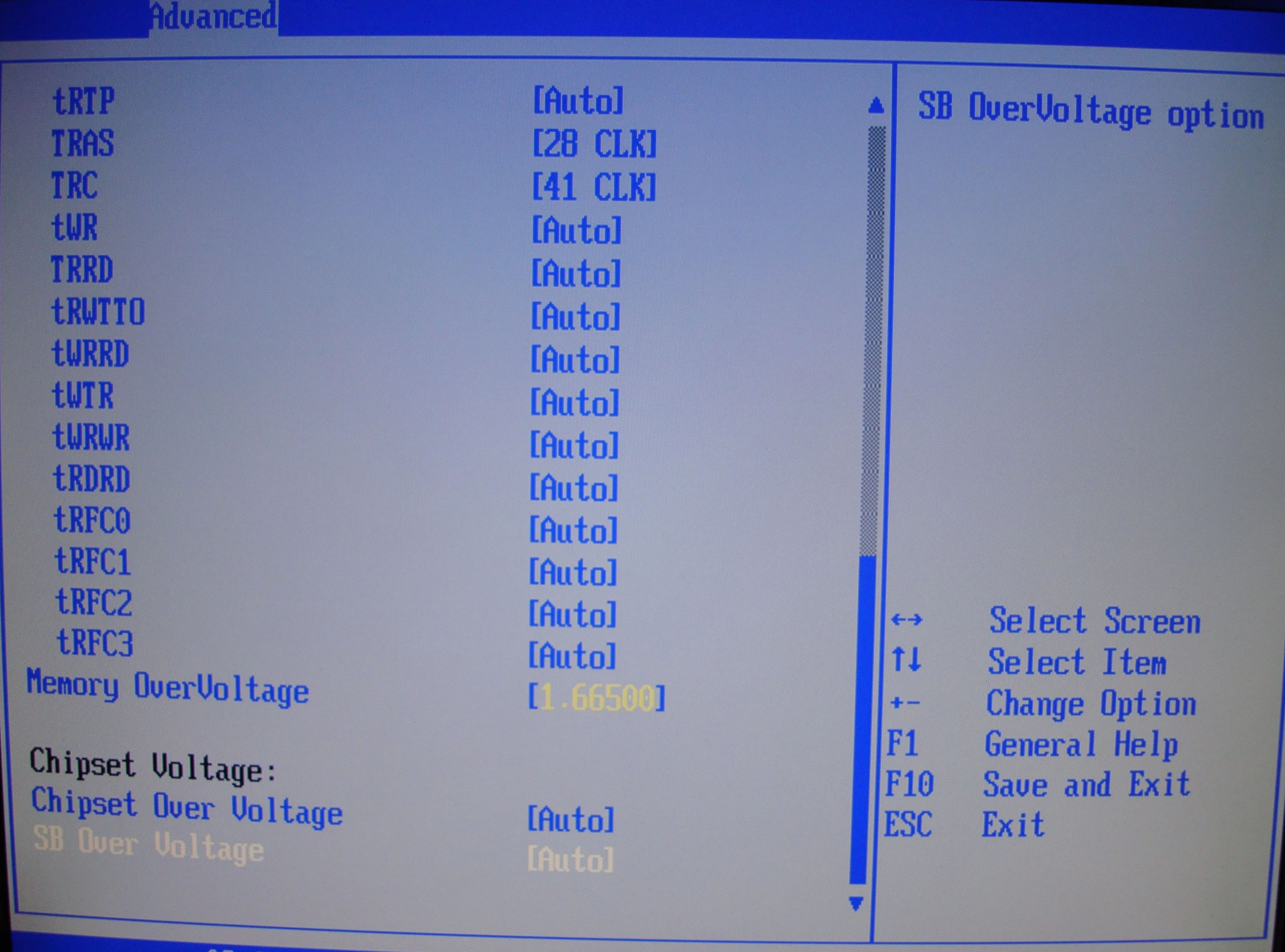
The board's fine-tuning capabilities:
 ⤢ ВІДКРИТИ
 ⤢ ВІДКРИТИ
Graphics core frequency | 150-2000 |
CPU frequency multiplier | x4 – max |
CPU/NB frequency | x4 – x20 |
PCIE frequency | 100 – 150 MHz |
HT Link frequency | 200 - 2600 MHz |
HT Link width | 8, 16 |
HT voltage increase | 1.2 V - 1.35 V |
CPU/HT base clock | 200-500 MHz |
Memclock values | 400 MHz, 533 MHz, 667 MHz, 800 MHz. |
Memory voltage increase | 1.5 V - 2.31 V |
Chipset voltage increase | 1.1 V - 1.61 V |
SouthBridge voltage control | +0.1 V - +0.3 V |
CPU VDDA voltage | 2.5 V - 2.8 V |
CPU voltage increase | 1 V - 1.7 V |
LoadLine Calibration | 0% - 100% |
 ⤢ ВІДКРИТИ
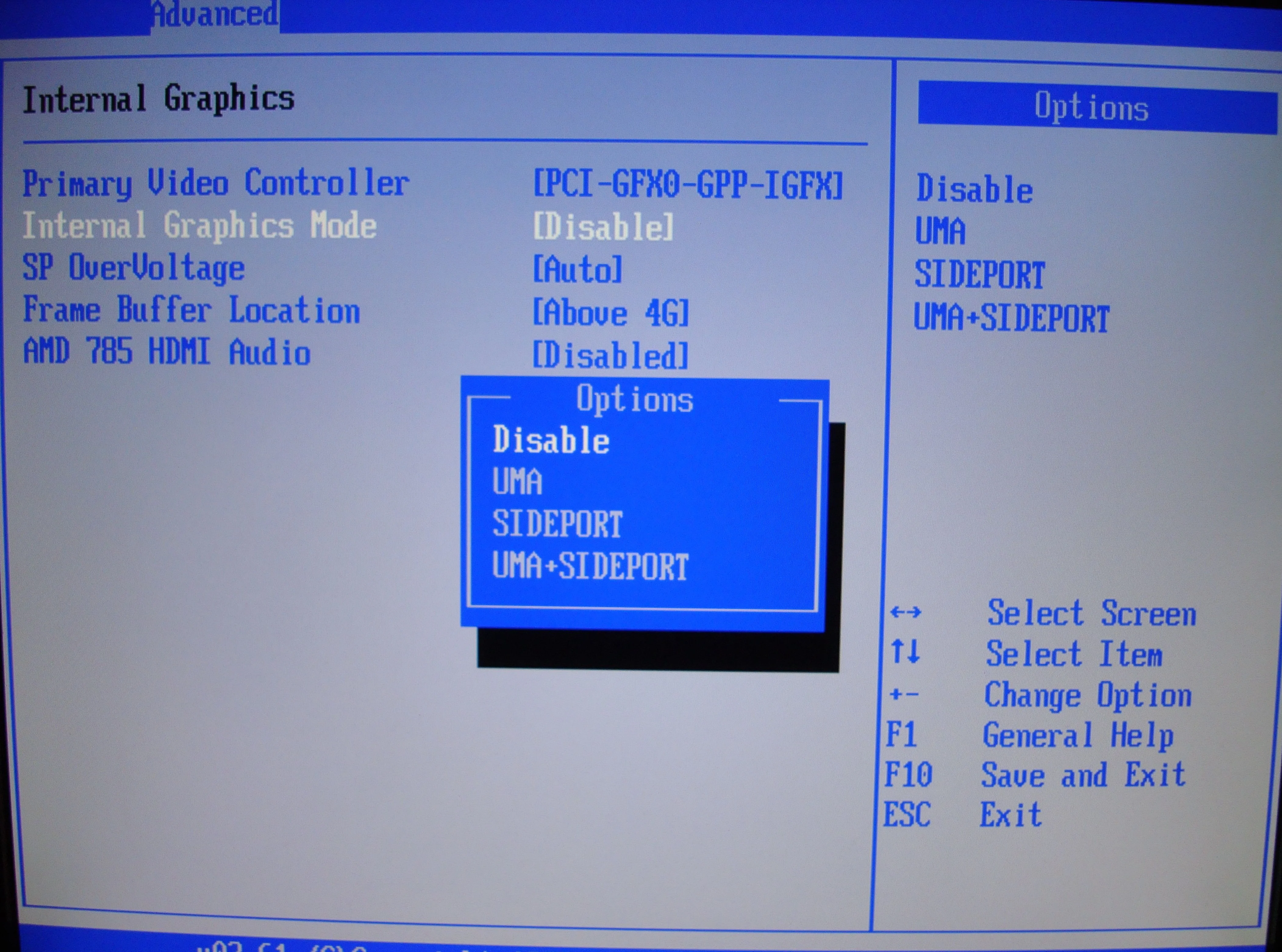
The integrated graphics core's video memory settings are very flexible. For maximum performance, I recommend setting the UMA+SIDEPORT option. This allows the graphics core to access not only the memory chip soldered on the board but also the RAM installed in the slots. However, there's a catch: the RAM frequency must match the SidePort DDR3 memory frequency!
 ⤢ ВІДКРИТИ
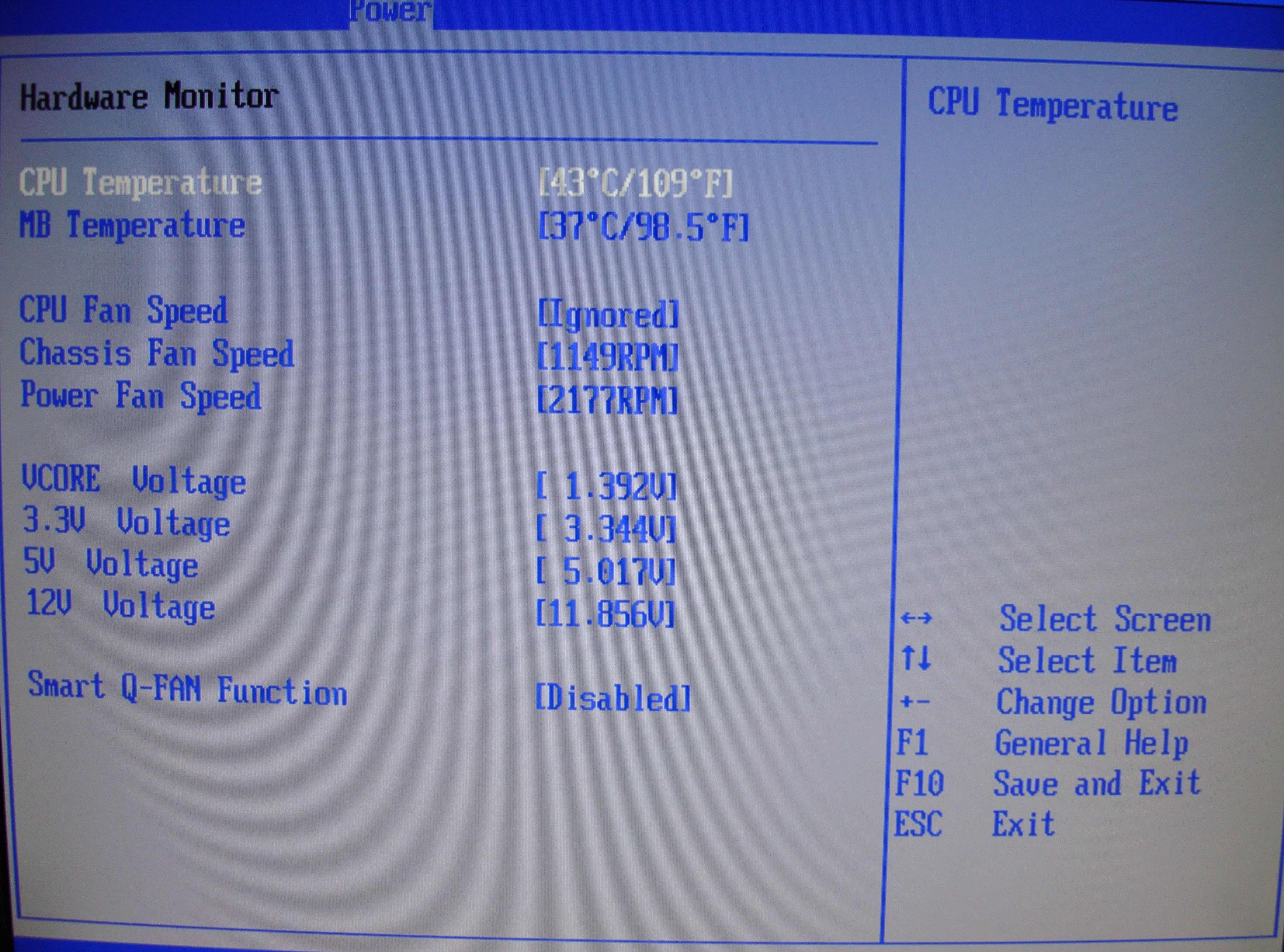
The BIOS can monitor the current CPU and system temperatures, four voltages, and the speeds of all three fans.
Overclocking
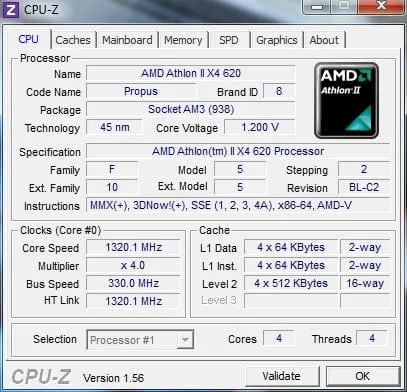
It's finally time to unleash this product's full potential. Time to overclock. With the current firmware, I managed to reach 330MHz HTT:
 ⤢ ВІДКРИТИ
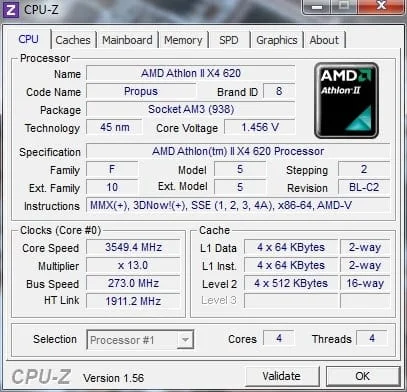
This base clock headroom should be enough to overclock any processor, even those with low multipliers. The maximum stable CPU overclock hit a wall with the CPU itself, topping out at just 3549MHz:
 ⤢ ВІДКРИТИ
AMD's C2 revision proved to be quite weak. Processors based on this stepping rarely exceed 3600MHz, unlike C3-based chips which can easily hit over 4GHz.
I also want to share a particular quirk of this board. When increasing the CPU voltage to 1.550V, it failed the 'valley test' in S&M, reporting a 'thermal protection triggered' error. This issue can be resolved by adding airflow to the power converter. Perhaps the problem lies in poor contact between the heatsink and the power transistors, but I suspect the older C2 stepping of the Athlon II X4 620 processor simply drew too much power, overwhelming the power converter.
But as they say, everything happens for a reason. The power delivery system of this motherboard is virtually indestructible.
Conclusion
ASUS has released a well-balanced solution for overclockers. In CIS countries, that word has a slightly different meaning than in the West: minimum investment, maximum performance. The ASUS M4A785TD-V EVO fully embodies this philosophy.
Pros:
Good overclocking options, an excellent foundation for overclocking both unlocked and locked processors, the ability to run two graphics cards in tandem. Rock-solid stability. eSATA on the rear panel, 6 USB ports. Price.
Cons:
Slightly inconvenient SATA port placement. Overly sensitive overheating protection. CPU power delivery heatsink doesn't make firm contact with the power transistors.
Author: UmTale