NEWS · ШТУЧНИЙ ІНТЕЛЕКТ
PUBLISHED
READING2 min
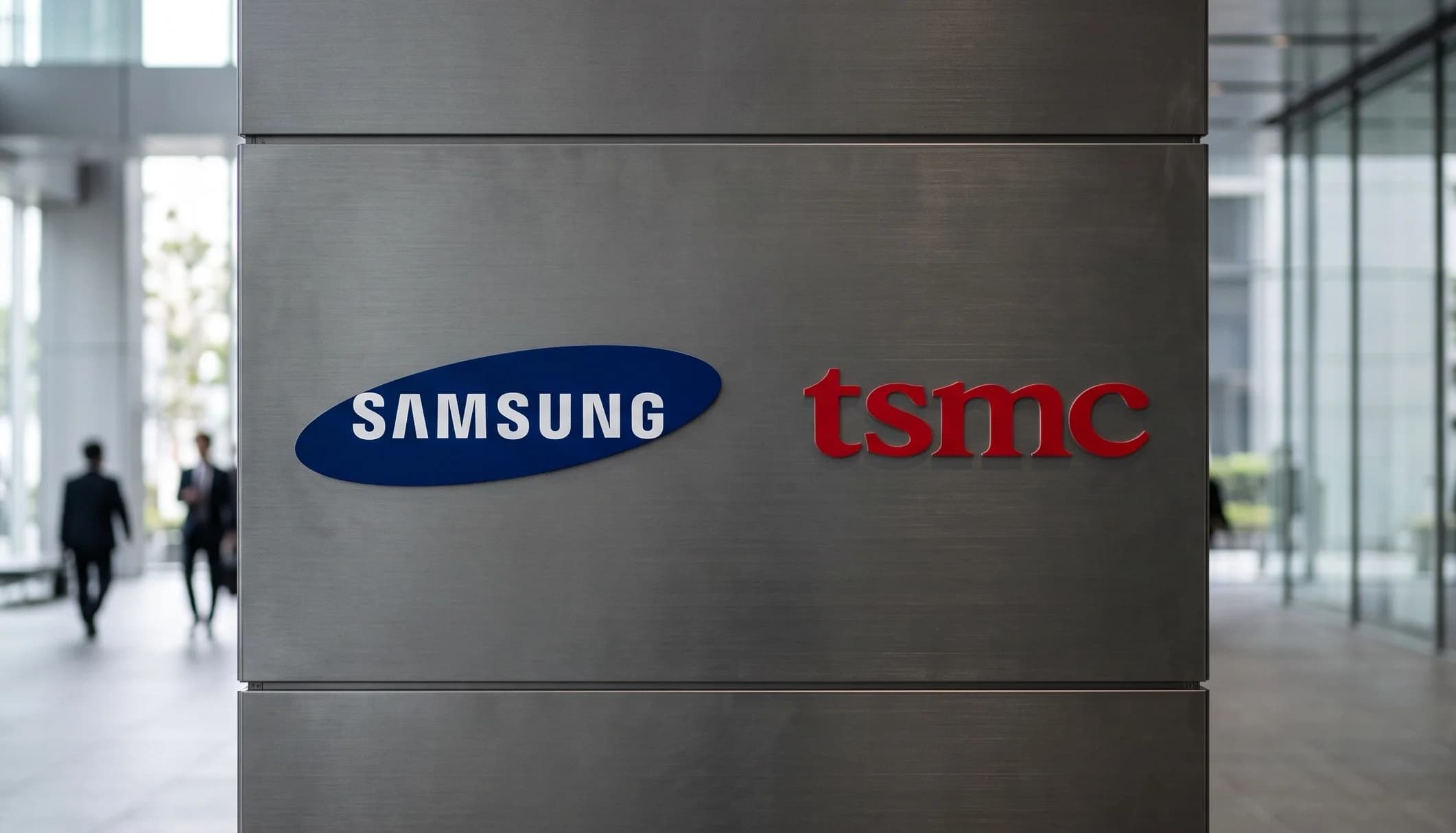
Samsung and TSMC monopolize the chip market, aggressively hiking prices on the back of the AI boom
Growing demand for AI hardware has tipped the balance of power.
The global AI boom has reshaped the semiconductor industry, turning it from a competitive landscape into a battleground for pricing. Korean media reports indicate that Samsung and TSMC are aggressively capitalizing on their limited production capacity to dominate the market. This widespread price hike directly reflects a fundamental shift: the industry has transitioned from a demand-driven model, where customers set the terms, to one where suppliers wield absolute power.
When demand turns into exploitation
Before AI infrastructure plunged supply chains into chaos, companies like TSMC were forced to negotiate with tech giants such as Apple. Clients would secure production capacity in exchange for commitments on future product launches.
That balance, however, has now crumbled. Analysts assert that AI's demand for various process technologies critically exceeds the available supply. This effectively gives TSMC and Samsung a green light to manipulate prices. They can raise stakes, ensuring only the deepest-pocketed players can secure the necessary chip production capacity.
Samsung's strategic surgery versus TSMC's brute force
A recent report revealed significant price hikes and a clear divergence in strategies. TSMC is implementing broad, across-the-board increases, even impacting older 7nm process nodes by 5–10%. Samsung, however, has opted for a more targeted, surgical strike.
The Korean manufacturer has focused its price increases (around 15%) exclusively on critical nodes: 5nm and 4nm. This is a shrewd, calculated move, allowing Samsung to fully exploit the market's urgent demand for the newest and most costly AI technologies. Put simply, 5nm and 4nm are currently the most prevalent process technologies, forming the foundation for modern GPUs, CPUs, SoCs, and more.
The escalating costs of new technologies are nothing more than a pretext for overtly monopolistic policies. When TSMC was forced to issue a standard statement about the "strategic nature" of its prices, it was, in fact, simply denying the obvious. These corporations' current pricing strategies aren't about serving the market; they're about dominating it. They dictate the terms, and companies like Apple, NVIDIA, and AMD acquiesce because they simply have no other choice.